 Complete Gardening
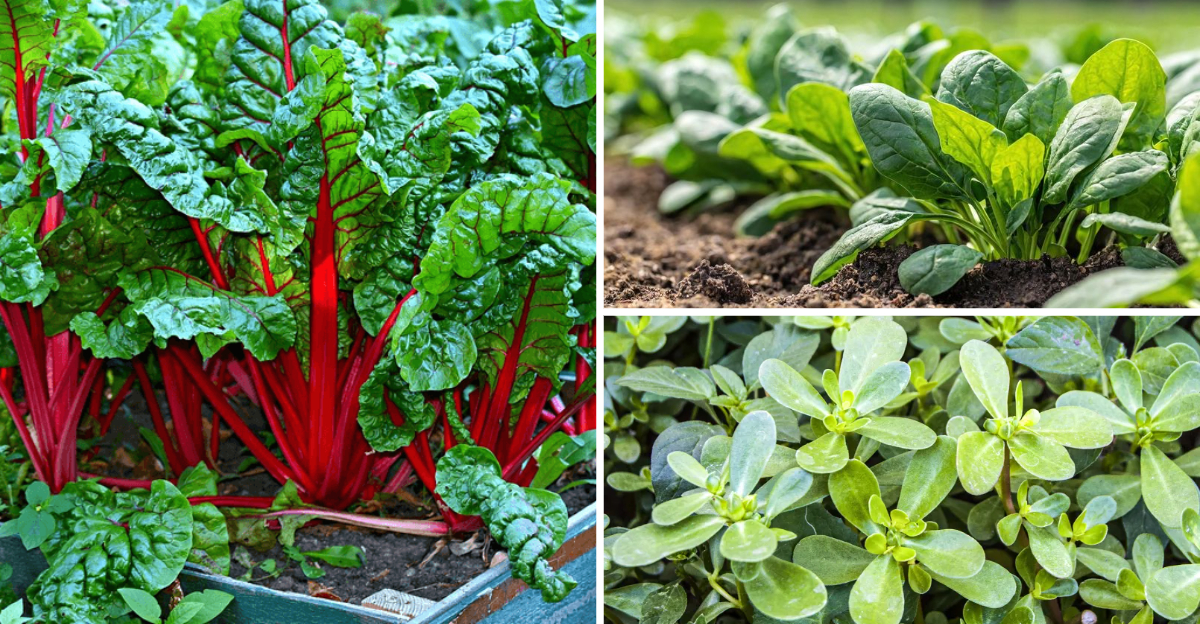
Kale has long been hailed as the king of leafy greens, but there are other contenders that not only surpass kale in nutrition but are also easier to grow.
These fifteen leafy greens provide a plethora of vitamins, minerals, and unique health benefits, making them a fantastic addition to any home garden.
Whether you are limited by space, soil quality, or climate, these greens offer an accessible way to boost your diet with vibrant, healthful greens. Each has its distinct character and growing advantages, providing options for every gardener’s needs.
1. Watercress
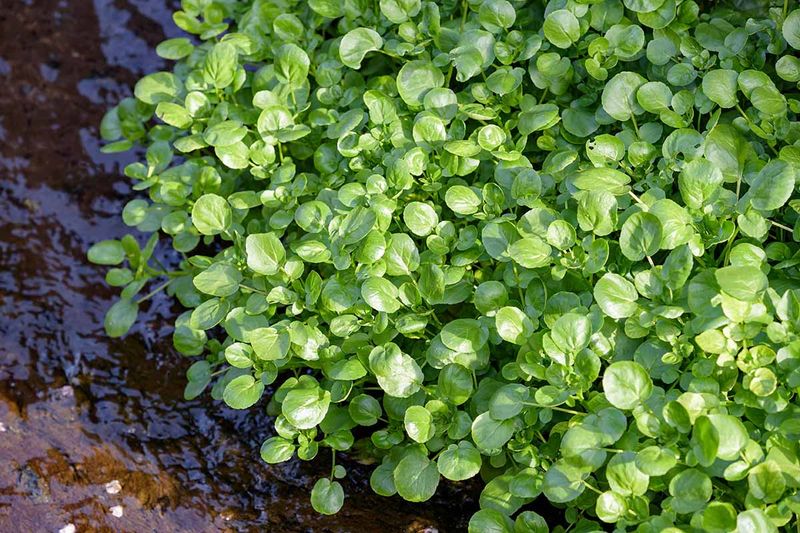
Watercress takes the crown with its incredible nutrient density, topping the CDC’s list for a reason. This aquatic plant is not only packed with vitamins and minerals but grows effortlessly in containers or shallow water setups. Imagine harvesting these peppery leaves from your backyard or balcony without breaking a sweat. Watercress doesn’t demand much—just a little water and some sunshine. It’s a testament to nature’s generosity, offering health in abundance. Whether in a salad or a sandwich, these leaves bring a refreshing bite, making them a delightful culinary companion.
2. Dandelion Greens
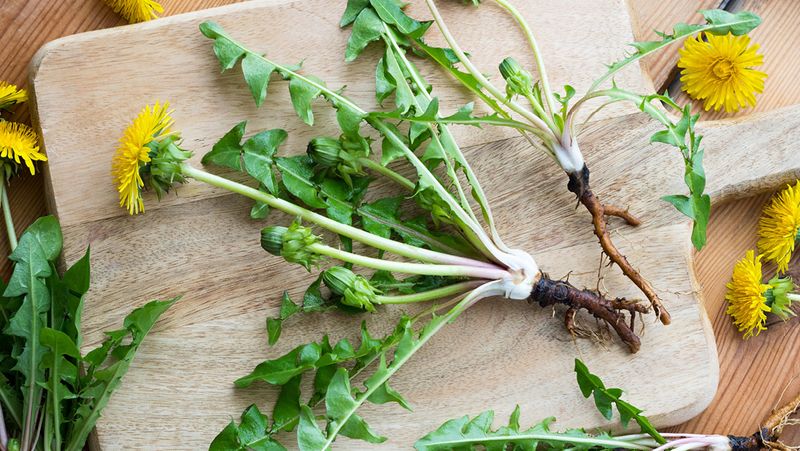
Dandelion greens might be dismissed as mere weeds, yet they hold a treasure trove of nutrients. Packed with vitamin A, calcium, and liver-supporting compounds, these greens are nature’s multivitamin. Their resilience is unmatched, thriving in poor soils where other plants falter. Picture these vibrant greens brightening up your garden with their sunny yellow flowers. From salads to teas, dandelion greens offer a unique taste that tantalizes the palate. Their ability to grow almost anywhere makes them a gardener’s ally, transforming perceived nuisances into nutritional powerhouses.
3. Collard Greens
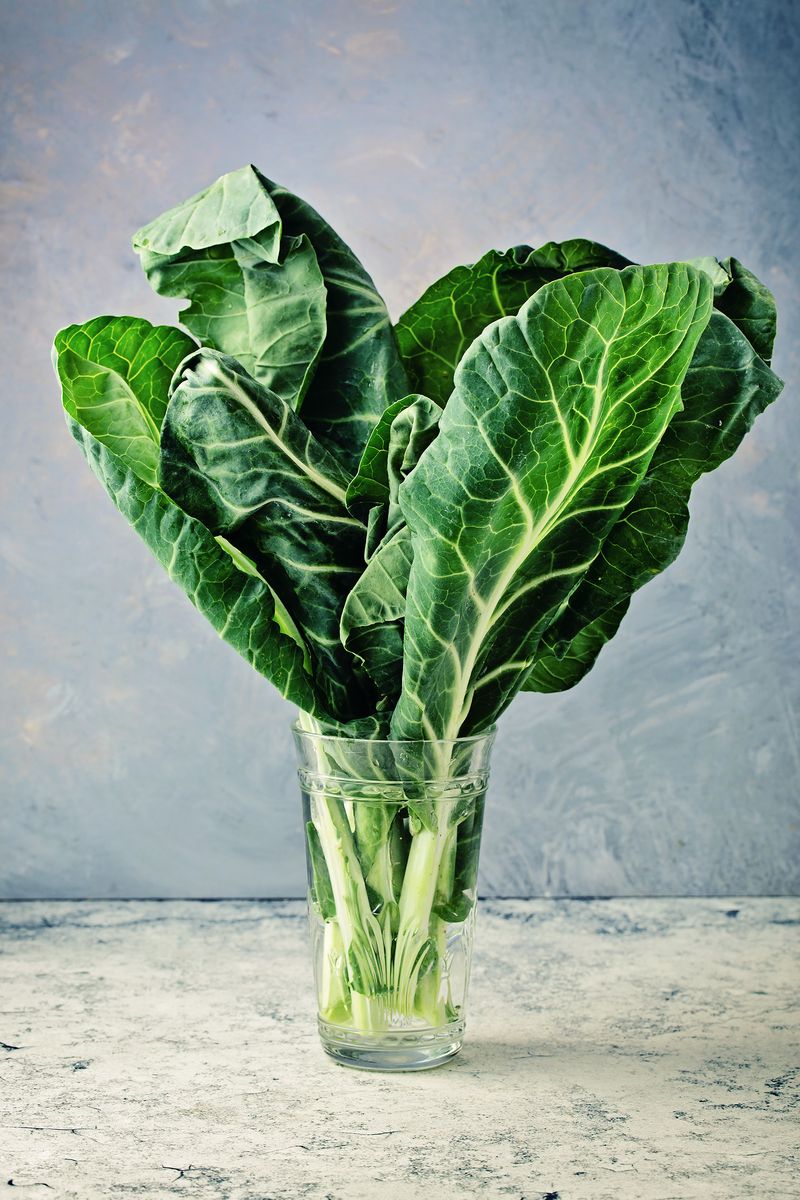
Collard greens stand out with their rich content of calcium and fiber, offering more than kale ever could. These greens are heat-tolerant, basking in the warmth that might stress other plants. Visualize large, robust leaves swaying gently in a warm summer breeze, a testament to their hardiness. Collard greens’ long harvest window means more time to enjoy their earthy flavor. Ideal for soups or sautéed dishes, they bring a depth of taste to every meal. A staple in Southern cuisine, they hold cultural significance and culinary promise.
4. Beet Greens
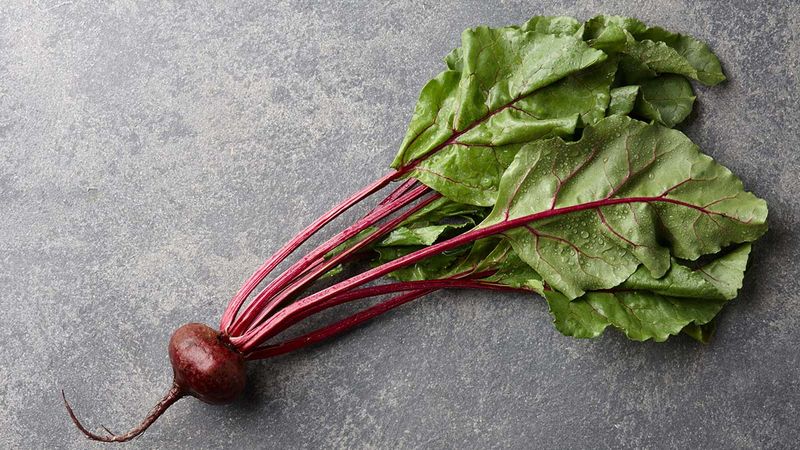
Beet greens offer a two-for-one gardening deal: not just roots, but the greens themselves are a nutritional bounty. Rich in iron, magnesium, and vitamin K, they are often overlooked jewels of the garden. Picture the stunning contrast of deep green leaves with crimson stems swaying in the breeze. When it comes to versatility, beet greens shine in salads and stir-fries alike. Their slightly bitter taste adds a new dimension to dishes, showcasing their unique flavor profile. Embrace these greens, and you’ll never see beets the same way again.
5. Swiss Chard
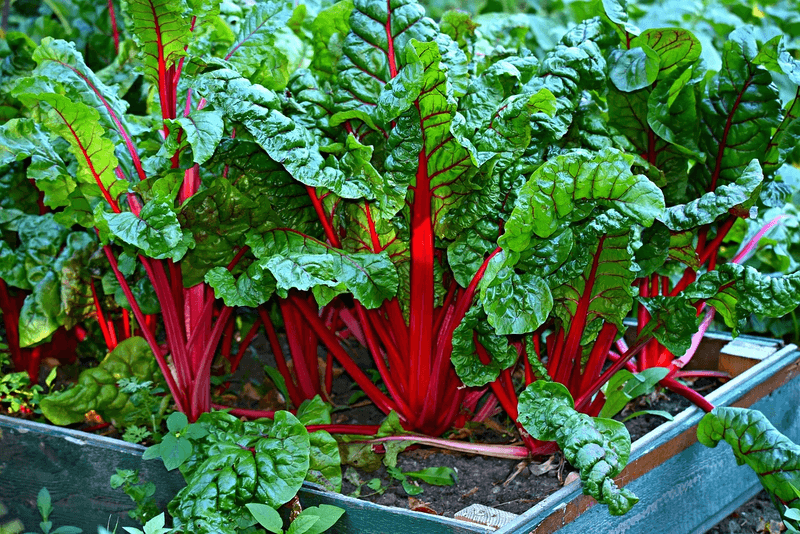
Swiss chard is a visual delight and a nutritional powerhouse, loaded with potassium and antioxidants. Its vibrant stems, ranging from red to yellow, are a feast for the eyes and a gardener’s pride. Imagine this rainbow of colors brightening up any garden space, thriving in various soils with minimal fuss. Swiss chard’s mild flavor complements a myriad of dishes, from quiches to stews. Its resilience is matched only by its beauty, offering gardeners both aesthetic and health benefits. A true testament to nature’s artistry.
6. Mustard Greens
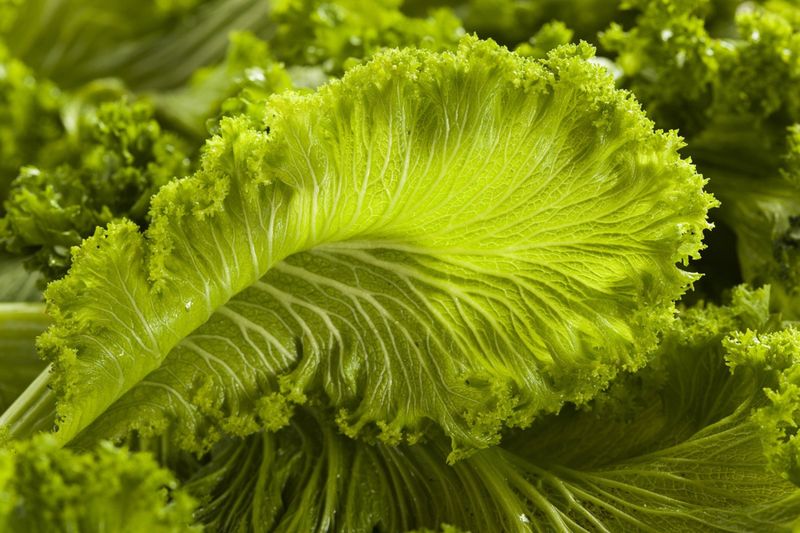
Mustard greens pack a punch with their bold, peppery taste and strong anti-inflammatory properties. Rich in vitamin C, these greens are a spring and fall favorite, growing rapidly to fill gardens with vibrant life. Picture these bright, frilly leaves dancing in the garden breeze, ready to elevate any dish with their sharp flavor. From salads to sautés, mustard greens add a fiery twist to culinary creations. Their ability to grow quickly and abundantly makes them a gardener’s delight, offering both flavor and health benefits in spades.
7. Turnip Greens
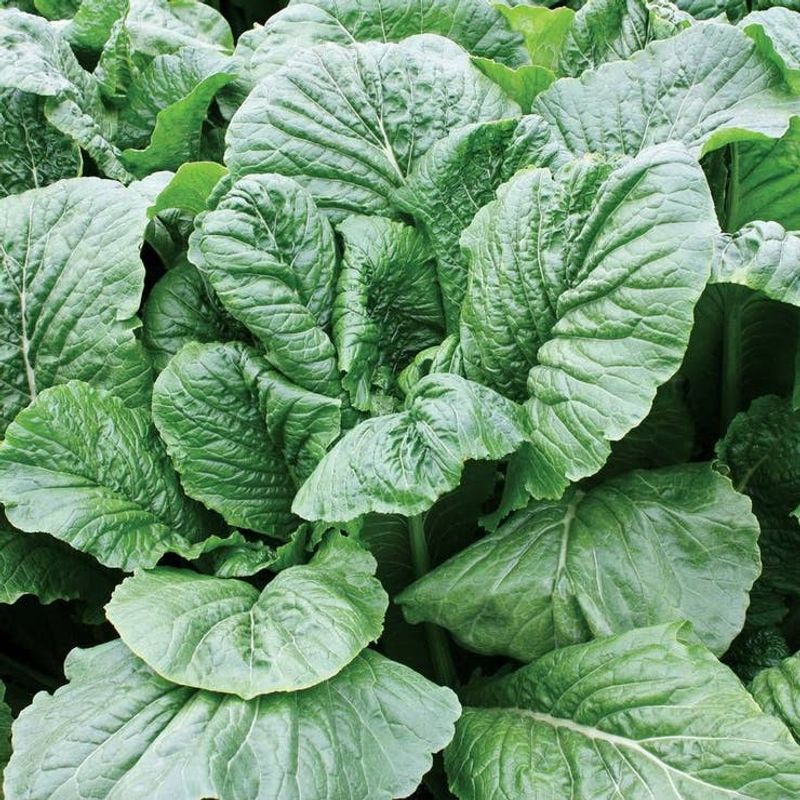
Turnip greens are often overshadowed by their root counterparts, yet they offer a rich source of calcium and folate. Pest-resistant and fast-growing, these greens bring vitality to any garden. Envision their broad, lush leaves standing resiliently against garden pests, a gardener’s dream. The mild yet slightly peppery taste of turnip greens enhances soups and stews, adding depth and nutrition. Their rapid growth cycle means you can enjoy their benefits sooner, making them a practical and nutritious addition to your garden repertoire.
8. Spinach
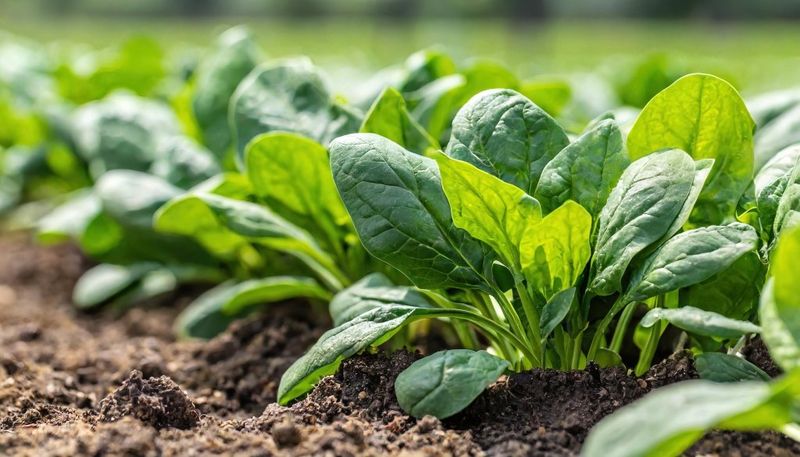
Spinach is a beloved classic, known for its high folate and iron content, exceeding even kale. Thriving in cooler temperatures, spinach grows with vigor, offering tender leaves that are a joy to harvest. Picture lush, green foliage thriving in your garden, a testament to its hardiness and nutritional punch. Spinach’s versatility in the kitchen is unmatched, featuring in salads, smoothies, and cooked dishes alike. A staple in many diets, its mild taste and tender texture make it a family favorite. Fast to grow and even faster to enjoy!
9. Moringa Leaves

Moringa leaves are a nutritional marvel, bursting with vitamin C, calcium, and protein. Known as the “Miracle Tree,” moringa thrives in warm climates, growing rapidly to produce an abundance of nutrient-rich leaves. Picture this resilient tree standing tall, providing shade and sustenance. Its subtle, earthy flavor enhances dishes, turning every meal into a nutrient-rich delight. Moringa’s ability to grow quickly and adapt to various conditions makes it a valuable addition to gardens in warm regions. A true gift from nature, moringa is both a healer and a provider.
10. Amaranth Greens (Callaloo)
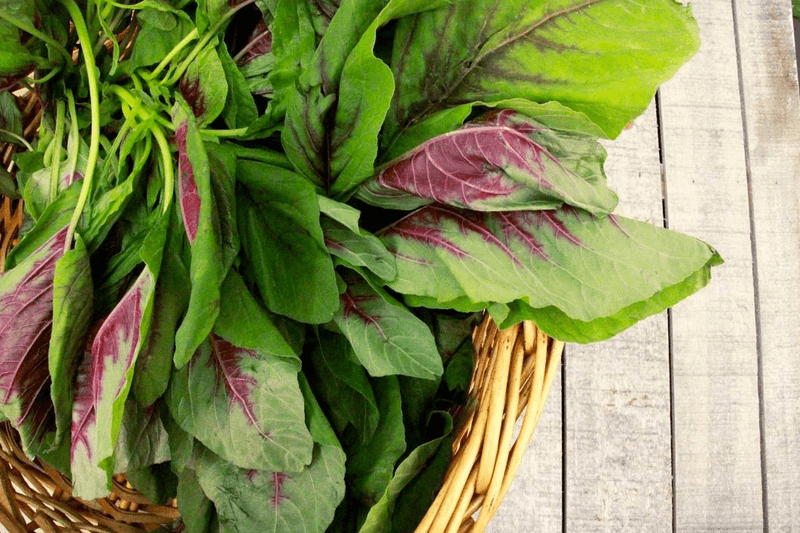
Amaranth greens, or callaloo, are cherished for their high lysine content, a rare amino acid in plants. These greens are resilient, thriving in drought and heat where others fail. Imagine their tall, leafy stalks swaying gracefully in the sun, a symbol of endurance and vitality. Their subtle flavor and tender texture make them a versatile ingredient, enhancing everything from soups to stir-fries. Whether grown for their seeds or greens, amaranth offers a nutritious bounty, securing its place in gardens worldwide. A testament to the strength and nourishment of nature.
11. Sweet Potato Leaves
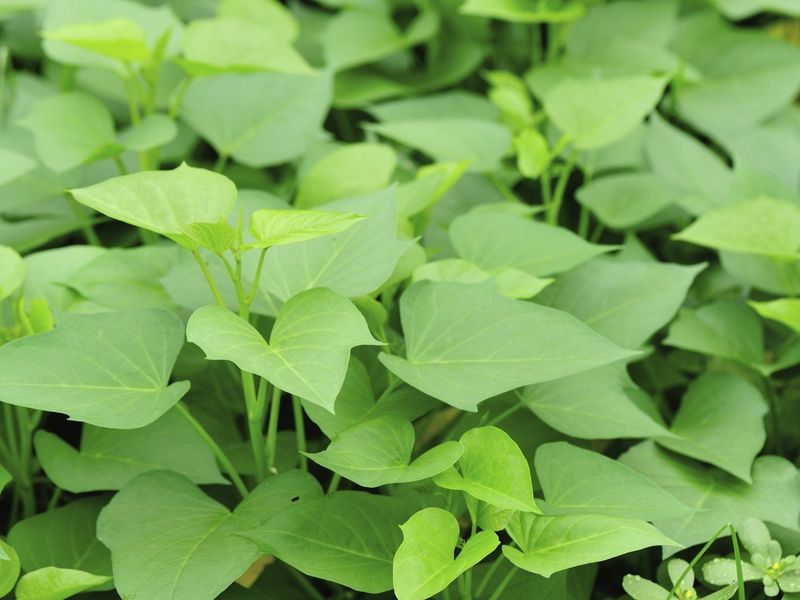
Sweet potato leaves are a hidden gem, rich in vitamin B6, A, and polyphenols. These edible vines grow with fervor, requiring little attention to flourish. Picture verdant vines sprawling across a garden, promising a bounty of nutritious leaves. Their mild, slightly sweet taste makes them a delightful addition to stir-fries and salads. As they grow vigorously, they provide not just beauty, but a plentiful harvest, turning gardens into lush havens of health. Sweet potato leaves are proof that sometimes the best treasures are hidden in plain sight.
12. Arugula (Rocket)
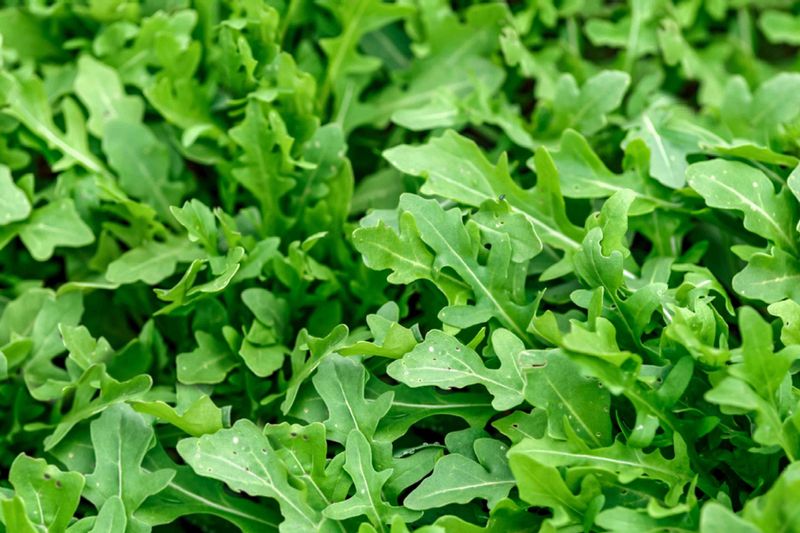
Arugula, or rocket, is a fast-growing delight, known for its high glucosinolate and vitamin K content. These peppery leaves thrive in containers, making them perfect for urban gardens. Envision a pot of vibrant arugula on your balcony, ready to spice up your meals with its distinctive taste. Its rapid growth and self-seeding nature ensure a continual harvest, keeping your salads fresh and exciting. Arugula’s bold flavor adds a zesty twist to any dish, proving that good things come in small, leafy packages. Its ease of growth ensures culinary satisfaction year-round.
13. Malabar Spinach
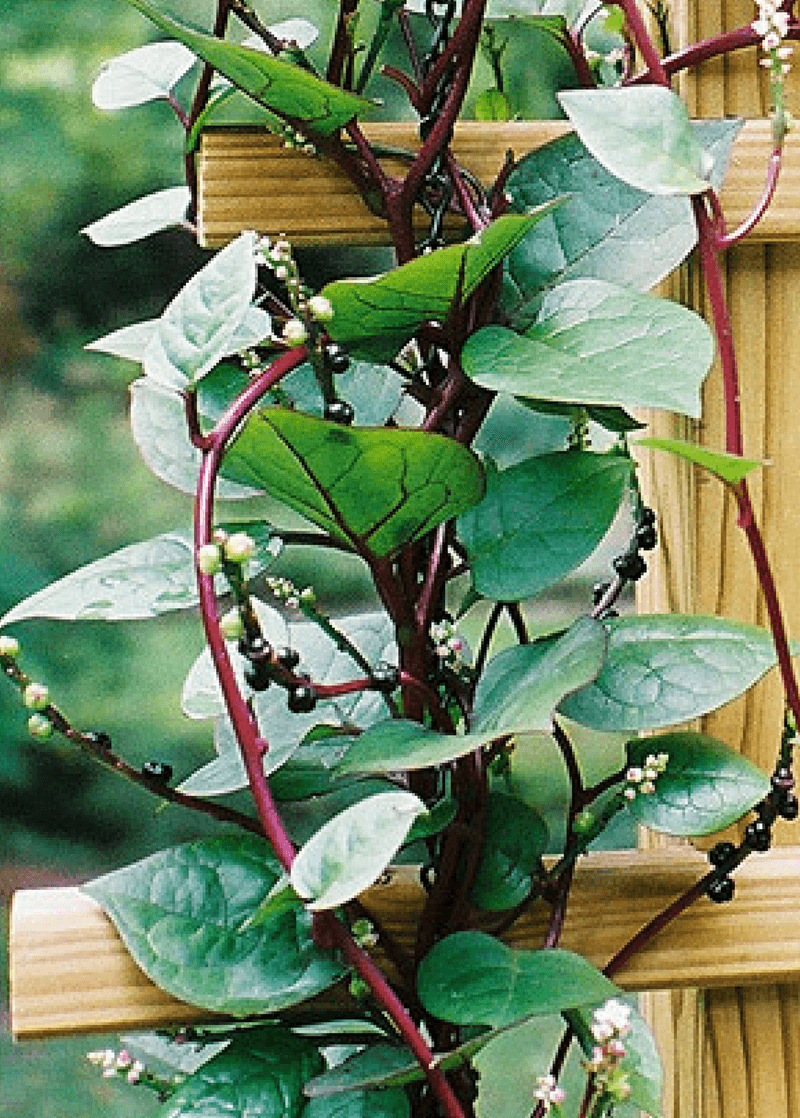
Malabar spinach is a tropical treasure, thriving in hot, humid climates where others wilt. With more antioxidants than kale, it’s a nutritional powerhouse. Picture its glossy, heart-shaped leaves climbing gracefully on a trellis, a garden spectacle. Its slightly mucilaginous texture is unique, making it a standout in soups and stews. Malabar spinach’s vibrant color and resilience turn any garden into a lush, lively space. Its ability to flourish where many greens fail makes it a favorite among gardeners in warm climates. A true testament to adaptability and health.
14. Purslane
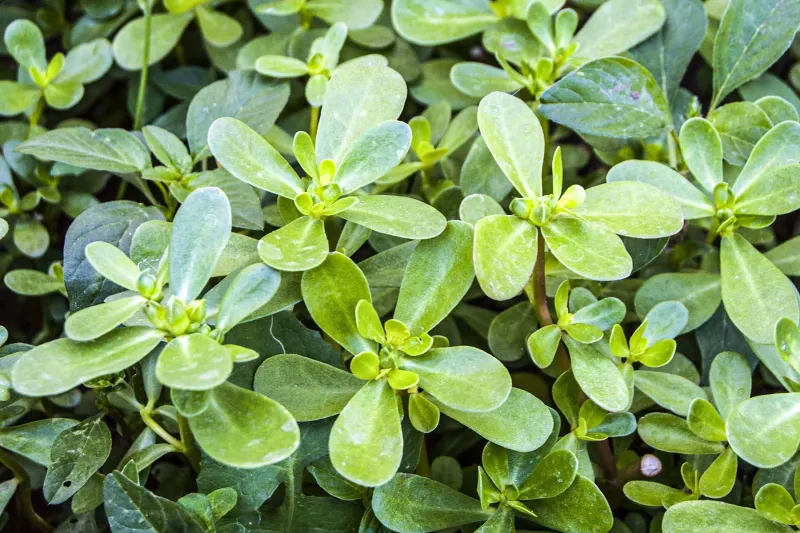
Purslane is a humble powerhouse, teeming with omega-3 fatty acids, making it one of the top plant sources. Technically a weed, it grows with abandon, even in the most neglected spaces. Imagine its succulent leaves flourishing in pavement cracks, a tenacious symbol of nature’s resilience. Purslane’s slightly sour taste adds a delightful kick to salads and sandwiches, offering both flavor and nutrition. Its ability to thrive without care makes it a gardener’s ally, transforming overlooked spaces into nutrient-rich havens. Purslane is the unsung hero of the plant world.
15. Sorrel
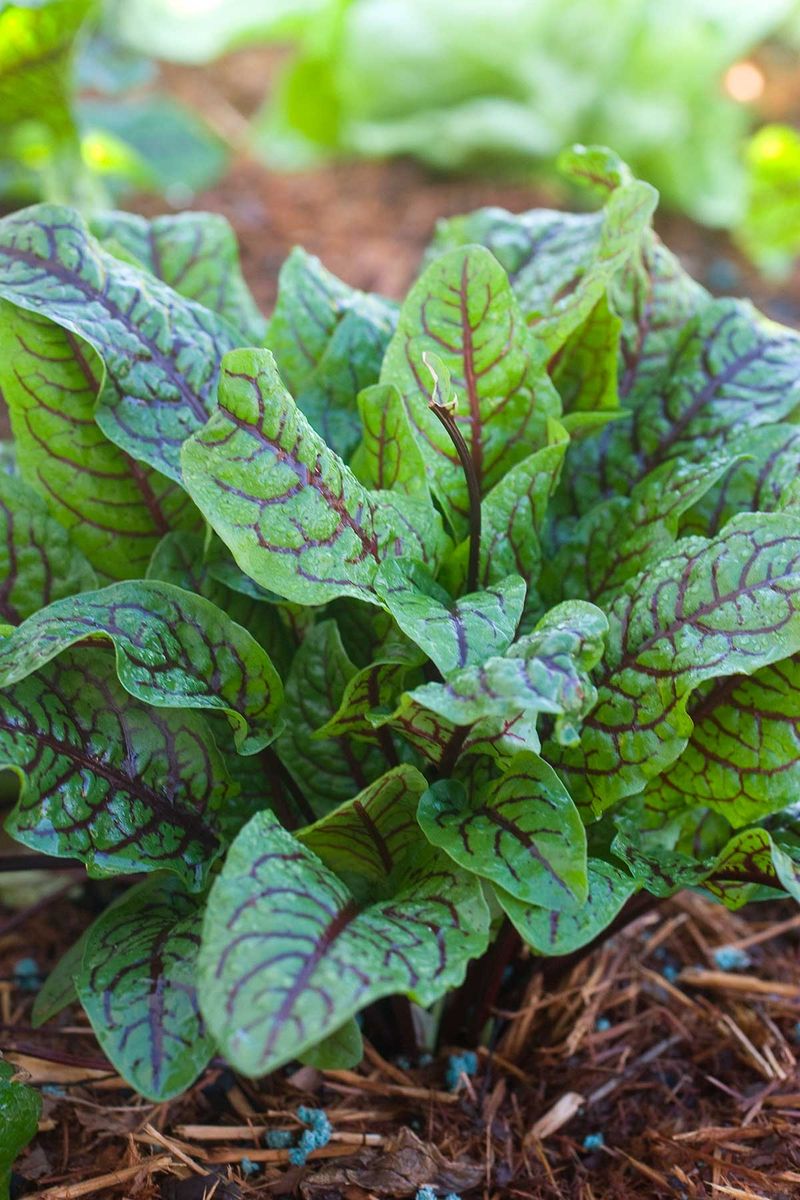
Sorrel is a tart, tangy green, high in vitamin C and oxalic acid, adding zest to any dish. As a perennial, it quickly regrows after cutting, offering continual yields season after season. Picture its long, slender leaves waving in a gentle breeze, a vibrant addition to temperate gardens. Sorrel’s distinctive lemony flavor invigorates salads and soups alike, making it a gourmet’s delight. Its ability to thrive in various conditions makes it a versatile choice for gardeners seeking a reliable, tasty, and nutritious green. Sorrel’s tang is truly unforgettable.