 Complete Gardening
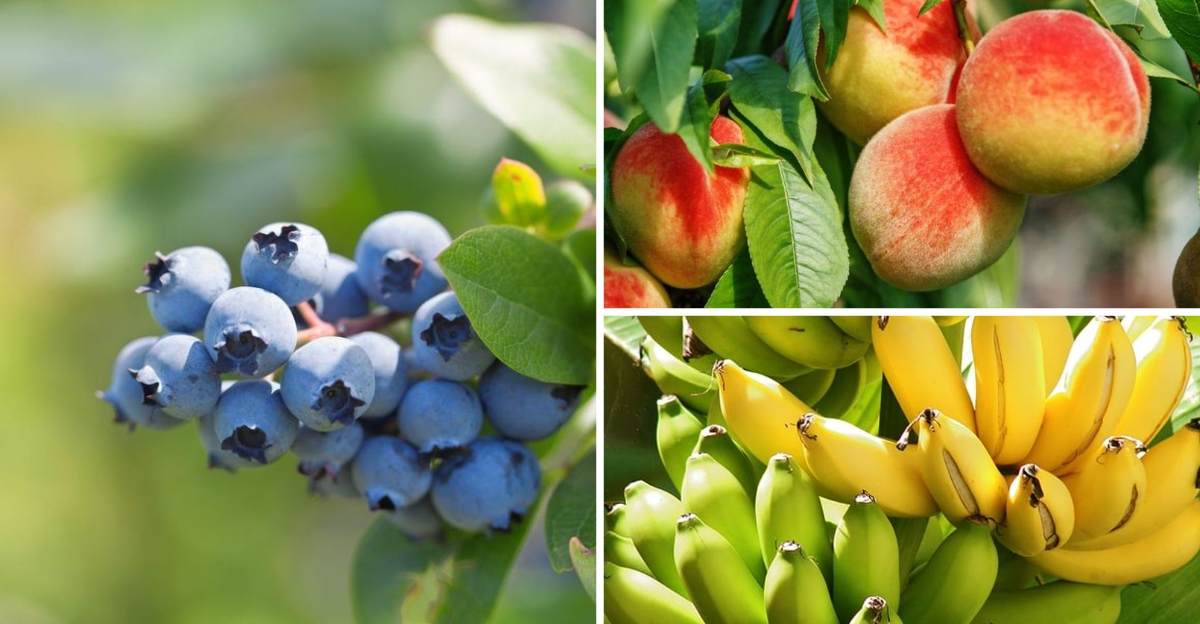
Discover the wonders of nature’s own remedies with these 17 backyard fruits that have been shown to lower blood pressure more effectively than pills. Each fruit is not only a delicious treat but also a powerhouse of nutrients that contribute to heart health.
1. Lemon
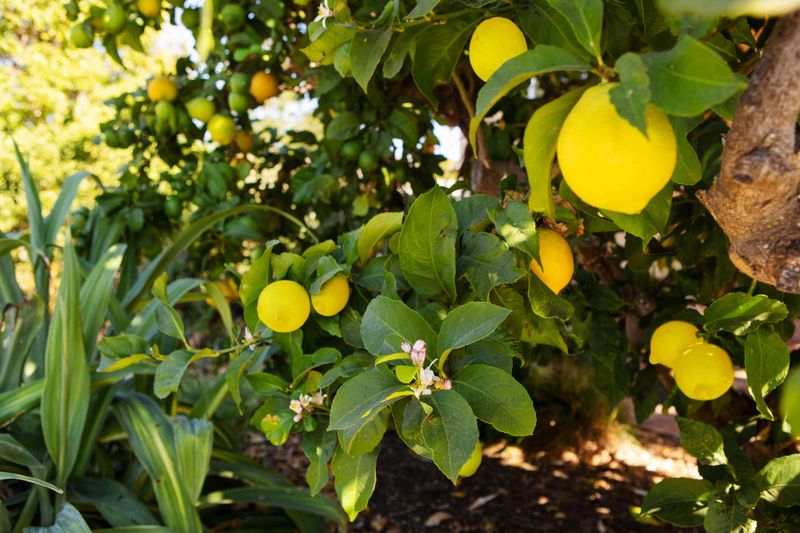
Lemons, with their vibrant color and tart flavor, offer more than just a refreshing zing to your drinks. They are packed with vitamin C and flavonoids that enhance heart health.
Regular consumption can help in the reduction of blood pressure levels. The potassium in lemons is known to alleviate tension in the blood vessels.
Whether sprinkled on salad or squeezed into water, lemons are a versatile fruit that fits seamlessly into any diet.
Fun fact: In ancient times, sailors used lemons to combat scurvy on long voyages.
2. Banana
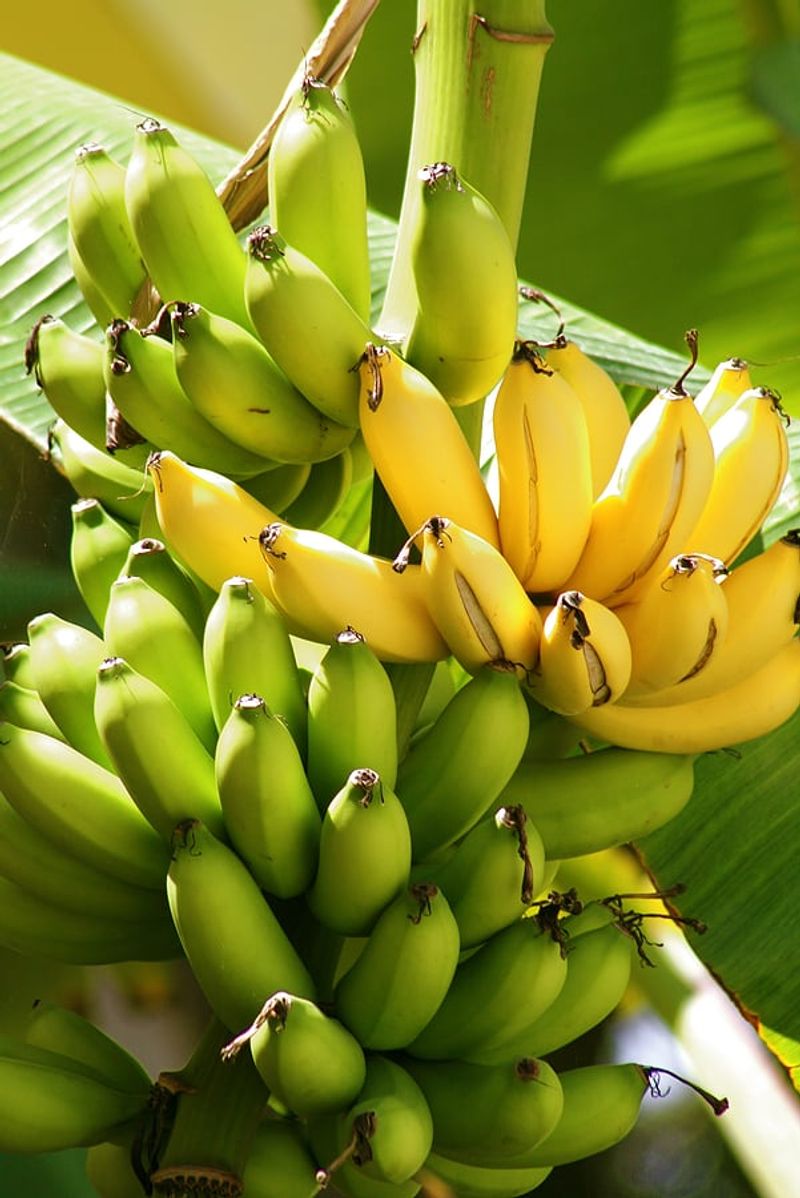
Bananas, often considered the perfect snack, are more than just a source of natural sugars. Loaded with potassium, they play a significant role in managing blood pressure.
This essential mineral helps balance sodium levels in the body, which is crucial for cardiovascular health.
Eating bananas regularly can provide sustained energy and keep your heart in check.
Did you know? The banana plant is actually an herb, and what we eat is technically a berry.
3. Watermelon
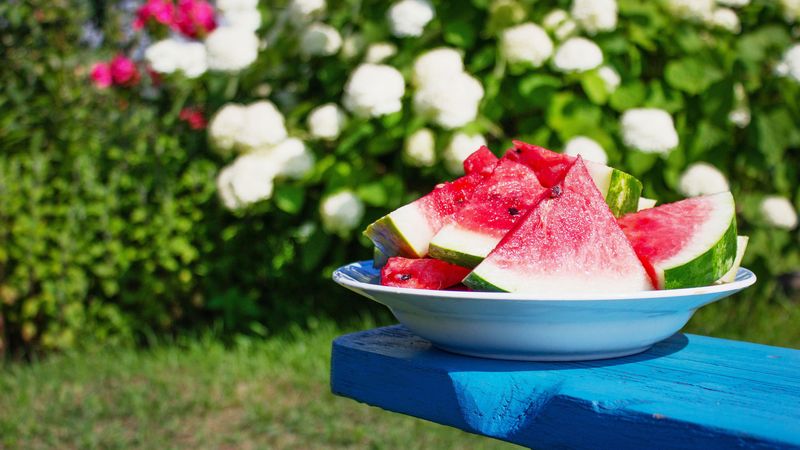
Watermelon is the ultimate summer fruit, offering more than just a cool refreshment on hot days. It contains citrulline, an amino acid that supports blood flow and reduces pressure.
This juicy delight is 90% water, making it hydrating and perfect for keeping your body in balance.
Eating watermelon can lead to improved heart health and is a delightful way to support your wellness.
A quirky piece of trivia: Watermelon is believed to have originated in the deserts of Southern Africa.
4. Pomegranate
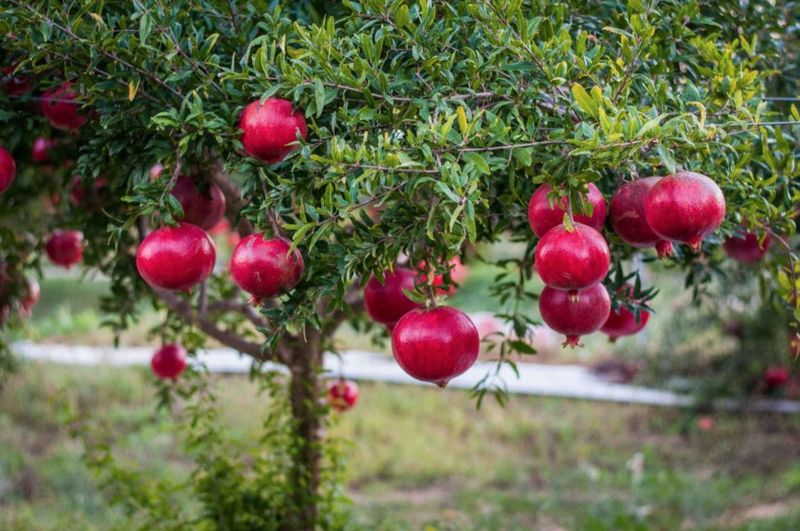
Pomegranates are a symbol of abundance and health. Their seeds are rich in antioxidants, which protect the heart from chronic diseases.
The polyphenols present in pomegranates are known to lower blood pressure effectively.
Incorporating this fruit into your diet can be a flavorful way to ensure cardiovascular wellness.
Fun fact: In Greek mythology, the pomegranate is often associated with the goddess Persephone and the changing seasons.
5. Blueberry
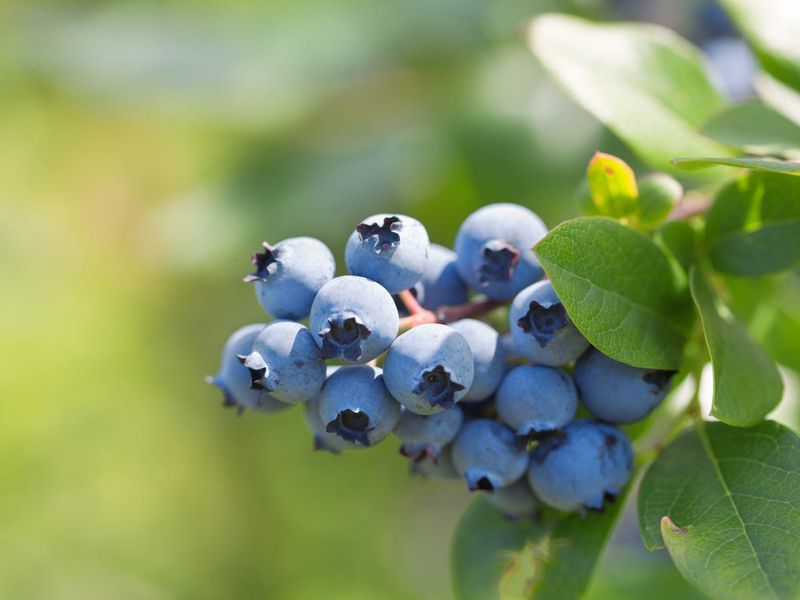
Blueberries, small yet mighty, are packed with antioxidants and phytonutrients that promote heart health. These berries can significantly reduce high blood pressure.
Regular consumption has been linked to reduced arterial stiffness and improved circulation.
They are a delicious addition to smoothies, cereals, or simply as a snack.
An interesting tidbit: Blueberries were called ‘star berries’ by Native Americans due to the star shape on their blossom end.
6. Avocado
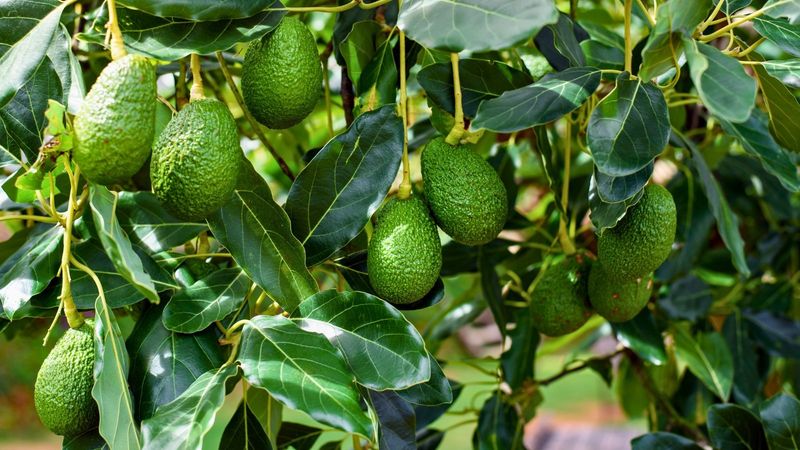
Avocados, often heralded as a superfood, contain healthy fats that are beneficial for heart health. Rich in potassium, this fruit aids in maintaining optimal blood pressure.
The creamy texture makes it a delightful addition to salads, sandwiches, or even on its own.
Its monounsaturated fats support overall cardiovascular wellness.
Did you know? Avocados were first cultivated in South Central Mexico around 7,000 years ago.
7. Peach
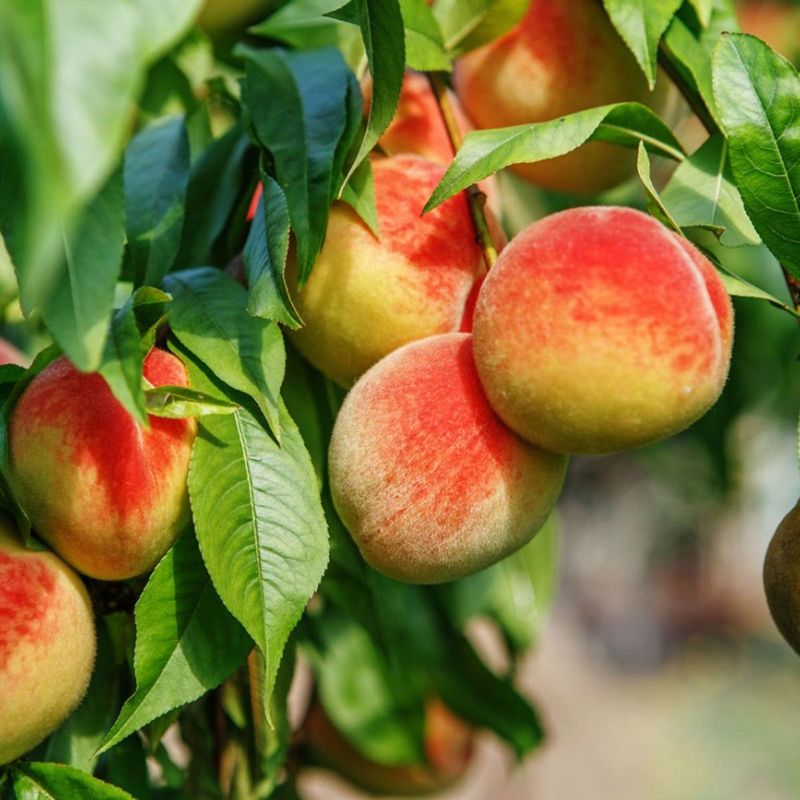
Peaches aren’t just summer treats; they’re heart-friendly fruits rich in potassium and vitamin C. These nutrients work together to maintain healthy blood pressure levels.
The juicy, succulent flesh is both delicious and beneficial for cardiovascular wellness.
Peaches are perfect eaten fresh, grilled, or as part of a dessert.
A fun historical note: Peaches were a favorite fruit of Chinese emperors, symbolizing longevity and immortality.
8. Orange
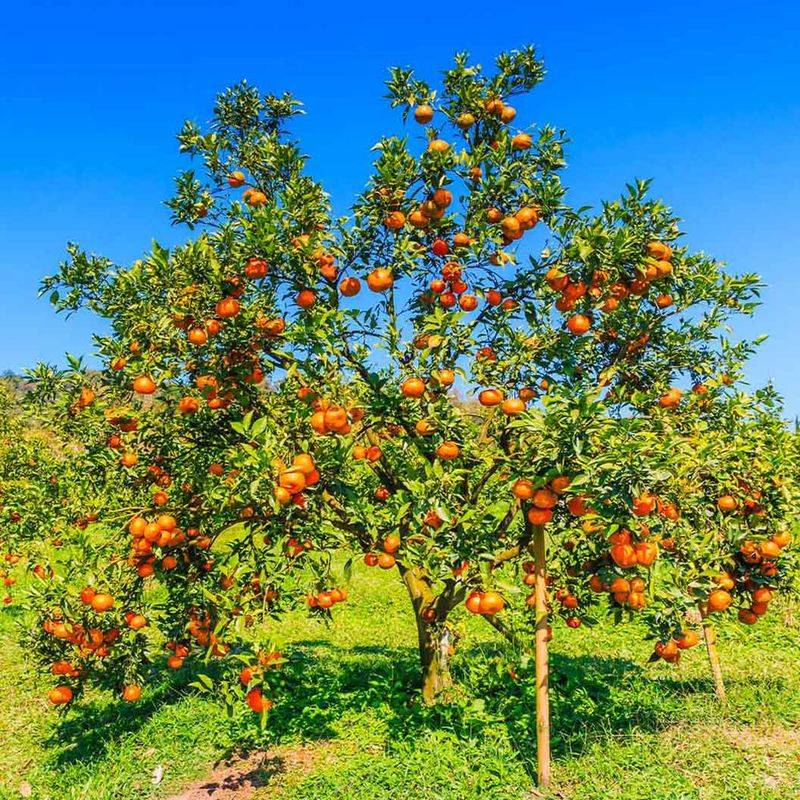
Oranges, well-loved for their refreshing taste and Vitamin C content, are excellent for heart health. Their flavonoids contribute to lower blood pressure and reduced inflammation.
Consuming oranges regularly supports vessel health and boosts immunity.
They can be enjoyed as juice, snacks, or in various dishes.
Did you know? Oranges originated in Southeast Asia and have been cultivated for over 4,000 years.
9. Grape
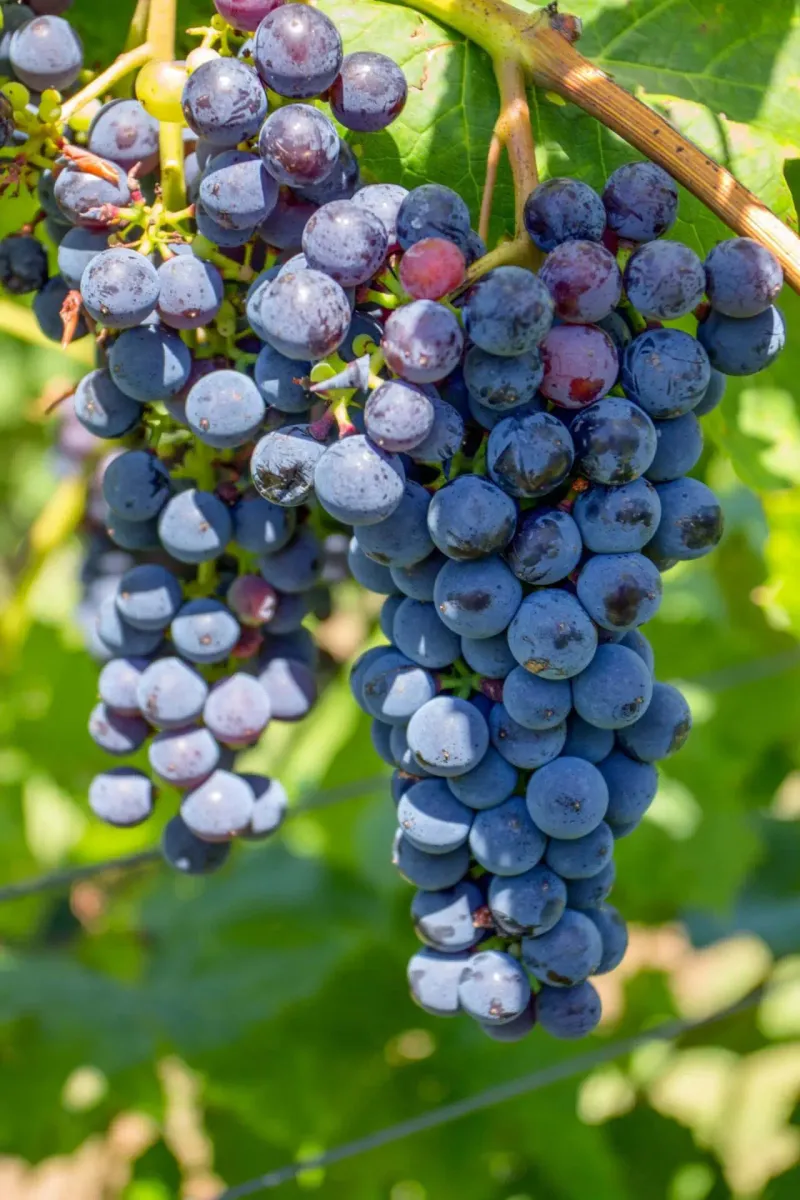
Grapes, particularly the red and purple varieties, are tiny powerhouses of nutrients that support heart health. They contain resveratrol, an antioxidant beneficial for blood pressure.
Consuming grapes can enhance nitric oxide levels, relaxing blood vessels and improving circulation.
These juicy fruits are perfect fresh, dried as raisins, or even in a glass of wine.
Fun fact: Ancient Egyptians used grapes to make wine over 6,000 years ago.
10. Apple
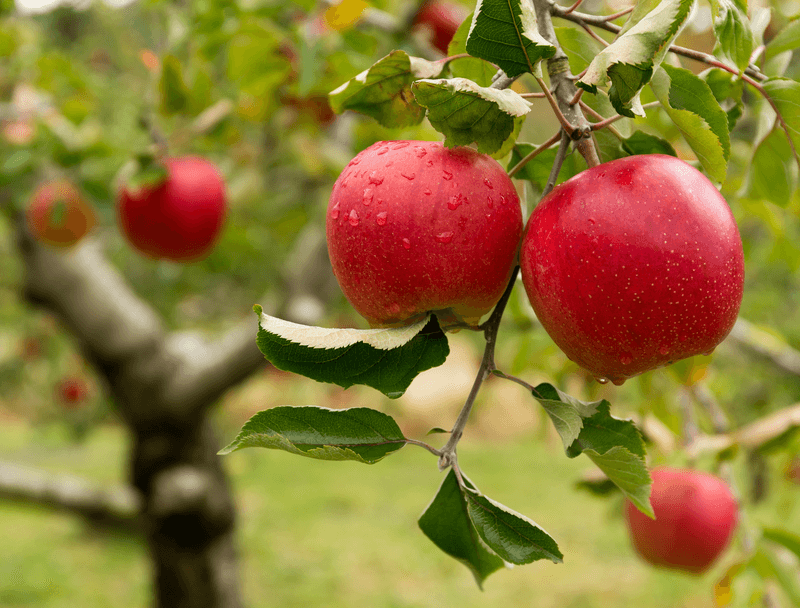
Apples, crisp and refreshing, are synonymous with good health. Their fiber and antioxidant content support cardiovascular wellness and help in maintaining blood pressure.
The polyphenols in apples have been linked to improved artery function.
Enjoying an apple a day can truly contribute to a healthier heart.
A quirky fact: Apples float in water because 25% of their volume is air.
11. Strawberry

Strawberries, with their sweet aroma and vibrant color, are delightful and beneficial for heart health. Rich in vitamin C and antioxidants, they help reduce hypertension.
These heart-shaped fruits contribute to improved circulation and arterial function.
Strawberries are delicious fresh, in desserts, or smoothies.
Did you know? Strawberries are the only fruit with seeds on the outside, averaging around 200 per berry.
12. Kiwi
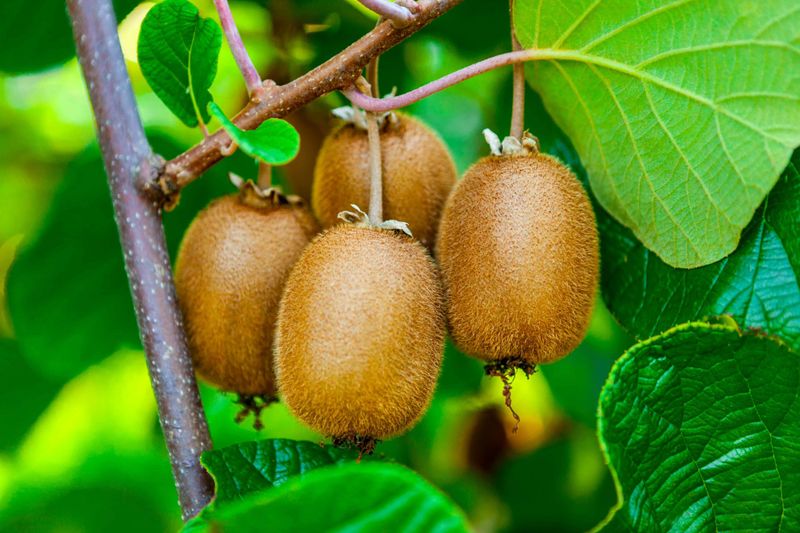
Kiwis pack a punch when it comes to heart health. High in vitamin C, potassium, and fiber, they aid in lowering blood pressure.
Their tangy sweetness makes them a refreshing snack or salad addition.
Regular consumption of kiwi can lead to improved heart and vascular function.
A fun fact: The kiwi fruit is native to China and was originally known as the “Chinese gooseberry.”
13. Cherries
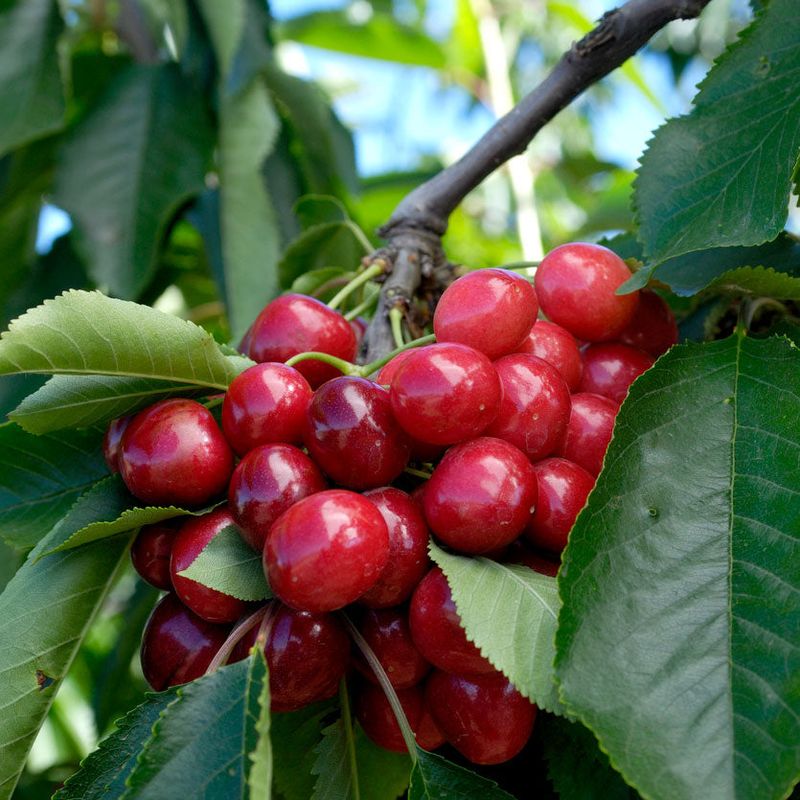
Cherries, small and vibrant, offer more than just a burst of flavor. They are rich in potassium and antioxidants, which aid in lowering blood pressure.
These fruits can reduce inflammation and promote heart health.
Cherries are enjoyable fresh, as juice, or in desserts.
Did you know? The Romans first introduced cherries to Britain in the 1st century.
14. Pineapple
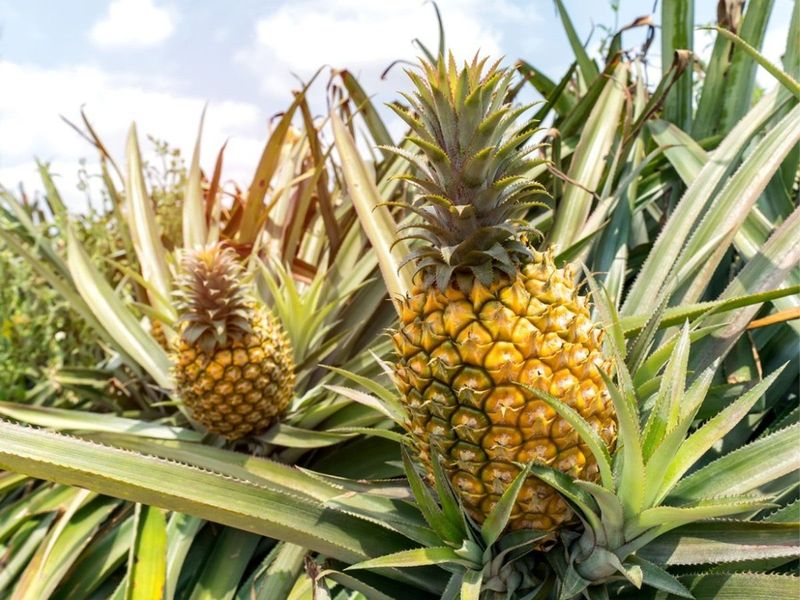
Pineapples are tropical wonders that contribute to heart health. Rich in vitamin C and bromelain, they support vascular health and lower blood pressure.
Their juicy sweetness makes them a favorite in fruit salads and desserts.
The anti-inflammatory properties of pineapples also contribute to cardiovascular wellness.
A quirky tidbit: Pineapples were once so rare in Europe that they were rented as table decorations.
15. Mango
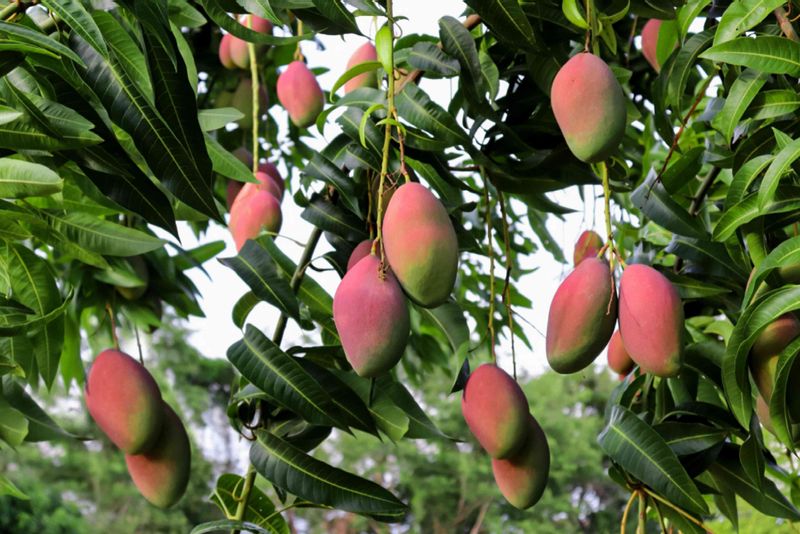
Mangoes, known as the “king of fruits,” are not only delicious but also beneficial for heart health. Packed with fiber, potassium, and vitamins, they help regulate blood pressure.
Their sweet, juicy flesh is perfect for smoothies, salads, or on its own.
Regular consumption supports heart health and general wellness.
Did you know? Mangoes were first grown in India over 4,000 years ago and are sacred to Hindus.
16. Papaya
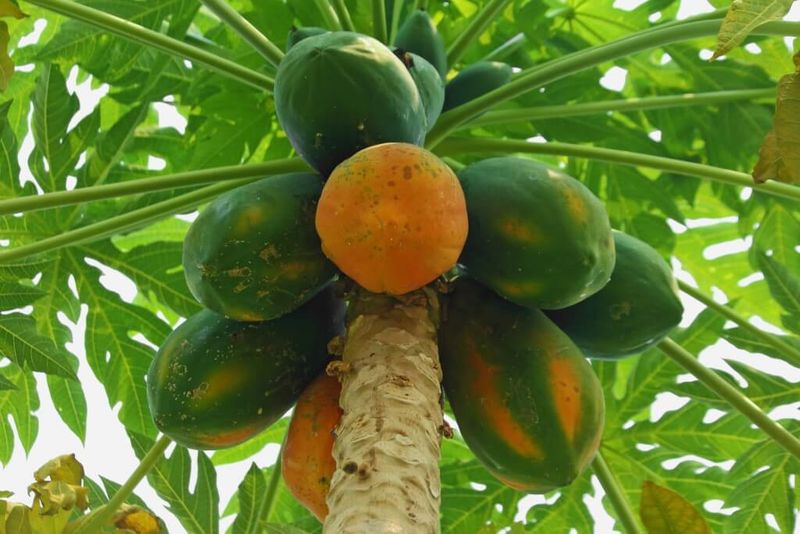
Papayas, with their vibrant color and sweet flavor, are excellent for heart health. They contain vitamin C, potassium, and antioxidants, all aiding in blood pressure regulation.
This tropical fruit’s enzymes support digestion and overall wellness.
Papayas are delightful fresh, in salads, or smoothies.
An interesting fact: Papayas were once called “fruit of the angels” by Christopher Columbus.
17. Mulberry
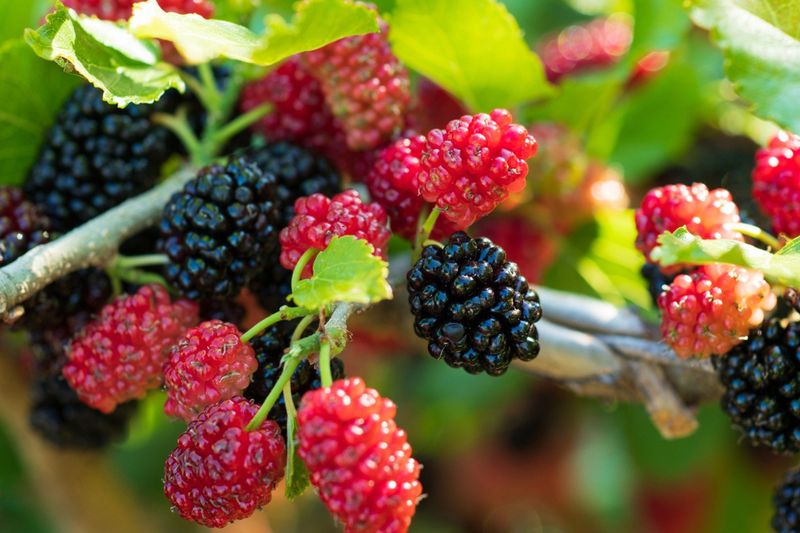
Mulberries, with their ancient heritage, have long been celebrated for their health benefits. These berries are rich in anthocyanins, which are powerful antioxidants that support healthy blood vessel function.
Their sweet, slightly tart taste makes them a delightful addition to your diet. Enjoy mulberries fresh, or incorporate them into smoothies and desserts.
In fact, historical records suggest that the silk industry flourish around mulberry trees, underscoring their economic importance. A handful of these berries each day can help maintain a healthy blood pressure level.