 Complete Gardening
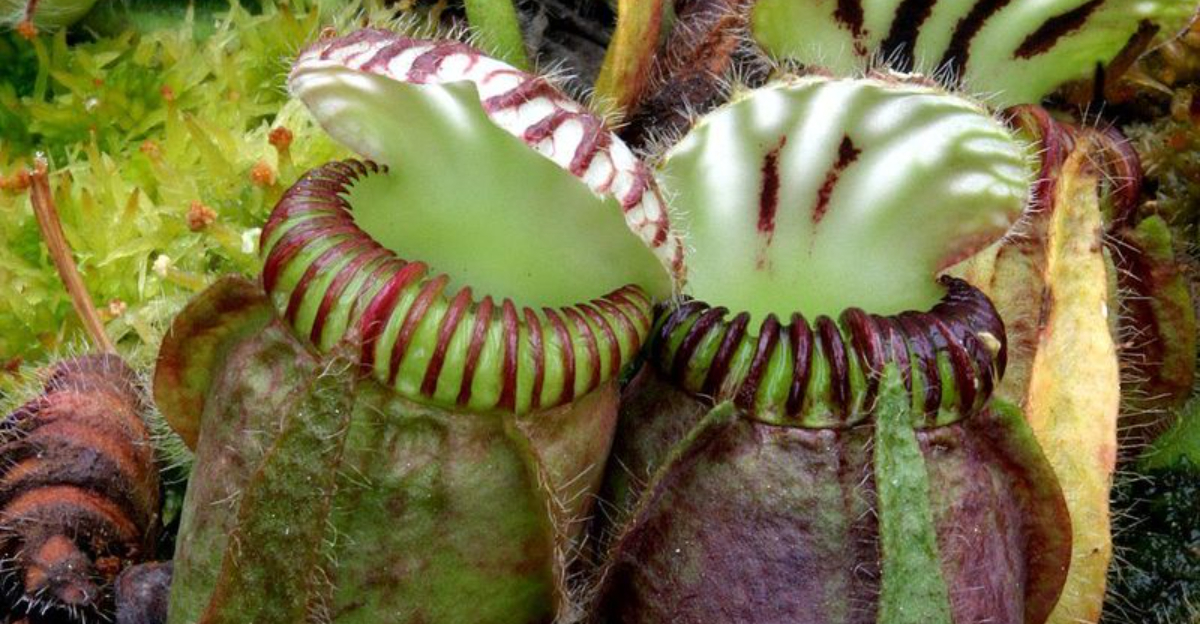
Carnivorous plants have fascinated botanists and plant enthusiasts alike with their unique ability to trap and digest insects. These plants not only intrigue with their unusual feeding habits but also add a touch of exotic beauty to indoor spaces. In this blog post, we’ll explore 17 remarkable carnivorous plants that thrive indoors, each with its own captivating features. From the iconic snapping jaws of the Venus Flytrap to the underwater traps of the Bladderwort, these plants are not just effective predators, but also intriguing additions to any indoor garden.
1. Venus Flytrap (Dionaea muscipula)
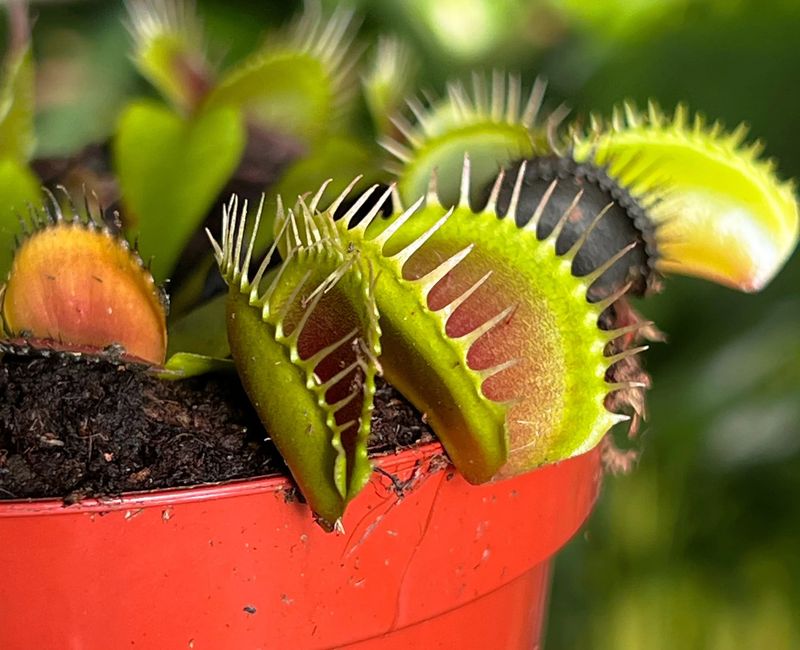
With its iconic snapping jaws, the Venus Flytrap captures the imagination of any plant lover. In just 0.1 seconds, it closes its traps, encasing unsuspecting insects. Each trap can close only a few times before it becomes ineffective, making every snap count. Providing distilled water and bright light ensures its vitality. Despite its predatory nature, it requires no fertilizer, feeding on insects alone. While nurturing, it becomes a captivating household spectacle. Its bright green leaves contrast beautifully with the red inner traps, adding dramatic flair to any home decor.
2. Pitcher Plant (Nepenthes)
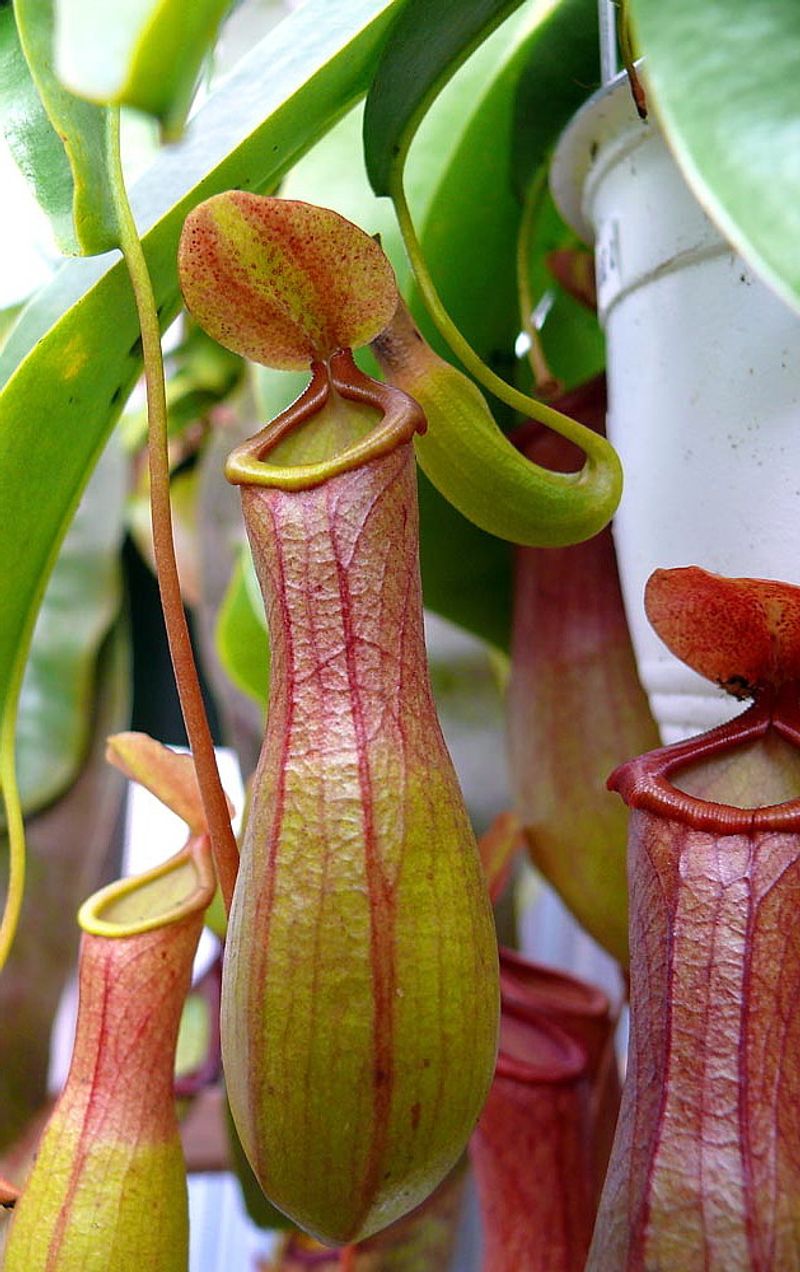
The Nepenthes, or Pitcher Plant, enchants with its exotic, hanging traps. These pitchers, filled with digestive enzymes, lure insects with their sweet nectar. Some species even catch small frogs and lizards in the wild, showcasing nature’s ingenuity. To thrive indoors, they need humid conditions and indirect sunlight. Their vivid colors and unique shapes make them stand out as a conversation piece in any room. While they demand attention, their mystique and allure are worth the effort, capturing the essence of tropical rainforests.
3. Sundew (Drosera)
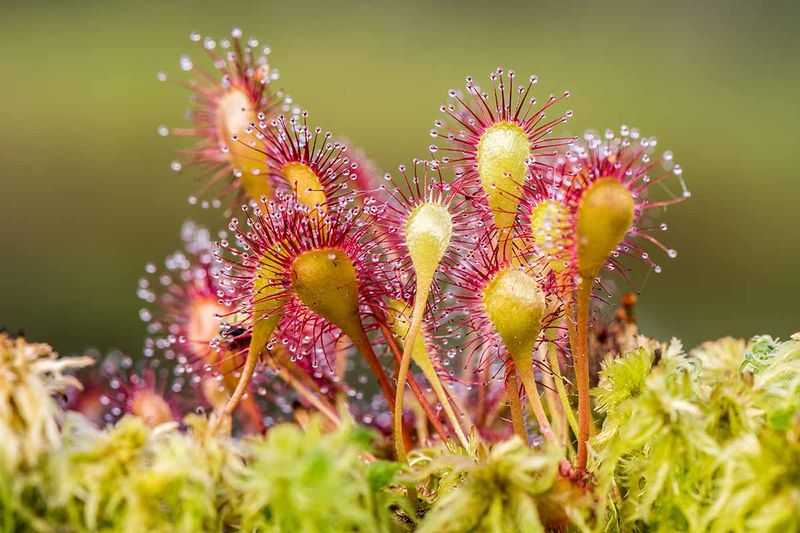
Sundews captivate with their sticky, glittery tentacles that glisten in sunlight. These tentacles curl around unsuspecting prey, such as gnats and fruit flies, slowly digesting them over time. Their glistening appearance belies their lethal nature. Easy to care for, they prefer a sunny windowsill and distilled water. Despite their small stature, they efficiently control indoor pest populations. The juxtaposition of beauty and brutality in Sundews makes them a unique addition to any plant collection, blending aesthetics with functionality.
4. Butterwort (Pinguicula)
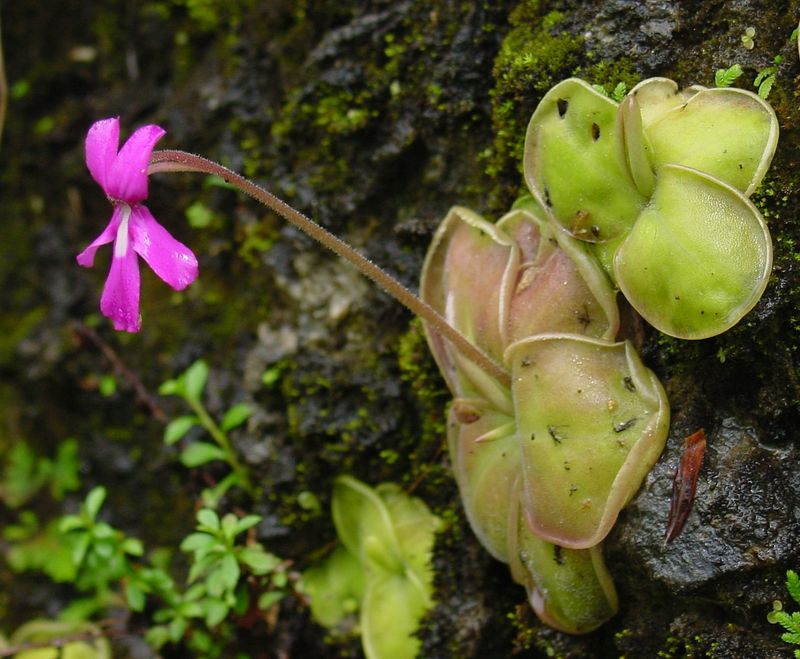
Resembling a succulent, Butterworts deceive with their sticky leaves that trap insects. Ideal for terrariums, they thrive in high humidity and indirect light. As the insects decay, the plant absorbs nutrients, making it an efficient predator. Its vibrant green leaves and subtle flowers add a gentle touch to indoor gardens. Though seemingly innocent, its ability to capture and digest insects demonstrates nature’s adaptability. Butterworts bring a touch of the wild indoors, with their unassuming appearance hiding a predatory secret.
5. Cobra Lily (Darlingtonia californica)
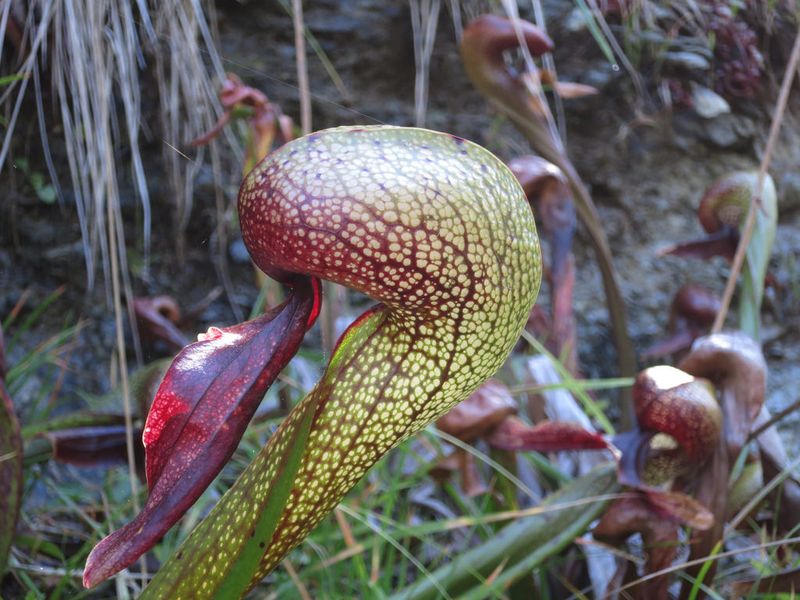
The Cobra Lily, with its snake-like tubes, lures insects into inescapable pits. These pits, filled with liquid, dissolve prey for nutrient absorption. It thrives in cooler temperatures, making air-conditioned rooms ideal. Its striking appearance, resembling a cobra poised to strike, adds an exotic flair to any space. Known for its demanding care, it rewards diligent gardeners with its extraordinary beauty. Though challenging, its allure lies in its mysterious nature and the intricate dance between predator and prey.
6. Tropical Bladderwort (Utricularia)
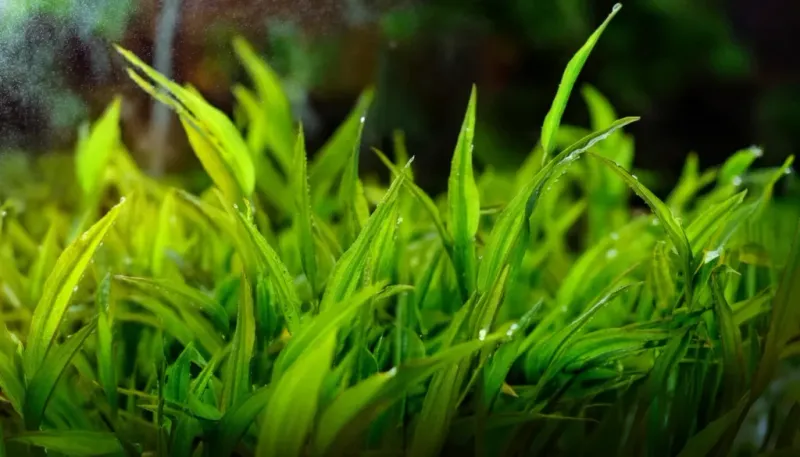
Tropical Bladderworts, the fastest-moving carnivorous plants, use suction traps to capture prey. Underwater, these tiny traps spring into action within milliseconds, drawing in unsuspecting aquatic insects. Their unique feeding mechanism fascinates plant enthusiasts and aquarists alike. Thriving in aquariums, they require minimal light and nutrient-rich water. These plants add a dynamic element to aquatic displays, showcasing nature’s versatility. Despite their small size, Bladderworts’ rapid movements and intricate traps make them a captivating focus in any aquatic setting.
7. Australian Rainbow Plant (Byblis)
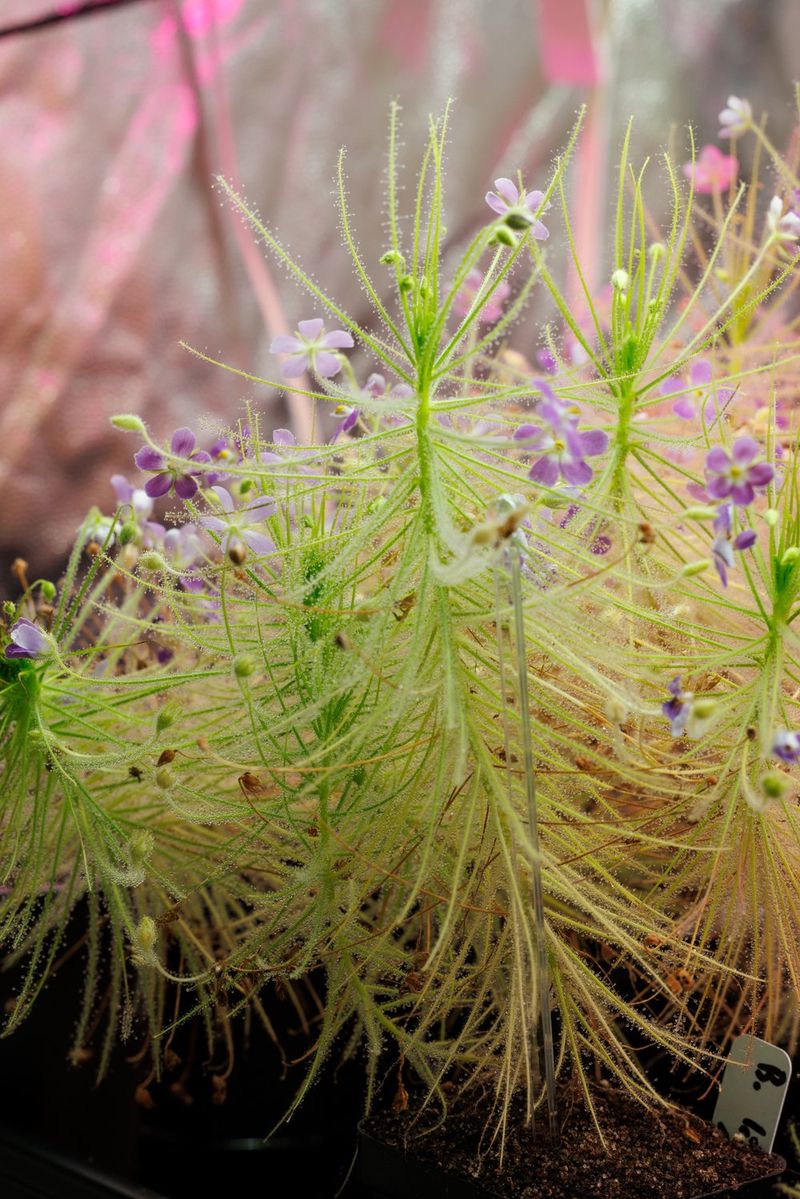
The Australian Rainbow Plant dazzles with its sparkly, rainbow-colored dew drops. These drops ensnare insects, providing a feast for the plant. High humidity is essential, making bathrooms an ideal environment. Its radiant appearance and sticky traps make it a fascinating indoor companion. Despite its delicate look, it’s a proficient predator, turning any space into a vibrant display of nature’s artistry. The contrast between its tender demeanor and lethal efficiency underscores its unique charm, offering both aesthetics and intrigue.
8. Lobster Pot Plant (Genlisea)
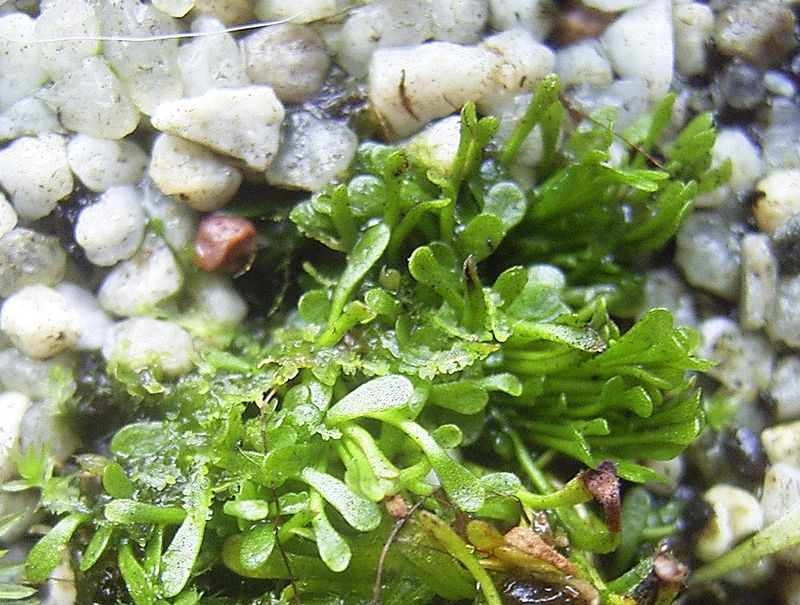
Lobster Pot Plants, with their twisted underground traps, are masters at capturing microbes. These specialized traps resemble lobster pots, directing prey inward while preventing escape. Thriving in moist environments, they add an unusual element to indoor terrariums. Their ability to capture and digest microorganisms highlights the diversity of carnivorous plants. Lobster Pot Plants’ unassuming above-ground foliage belies the complex trapping mechanism below. This intriguing plant offers a glimpse into the hidden world beneath the soil, blending mystery with botanical innovation.
9. Corkscrew Plant (Genlisea violacea)
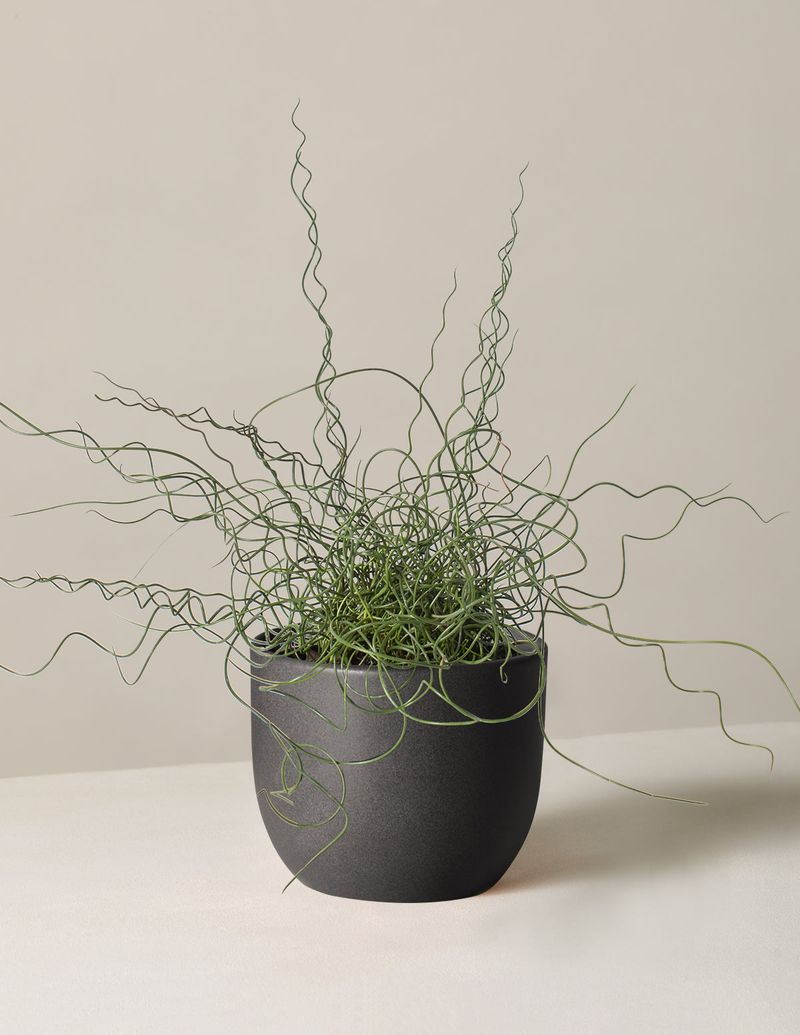
The Corkscrew Plant, with its spiral-shaped leaves, captivates with its unique trapping mechanism. These spirals draw in prey, ensuring no escape. Thriving in bright, humid conditions, it’s perfect for indoor arrangements that value both beauty and functionality. This plant’s elegant spirals serve both aesthetic and practical purposes, capturing nutrients from tiny prey. The Corkscrew Plant’s combination of stunning form and efficient trapping highlights the marvel of evolutionary adaptation, making it a standout in any plant collection.
10. West Australian Pitcher Plant (Cephalotus)
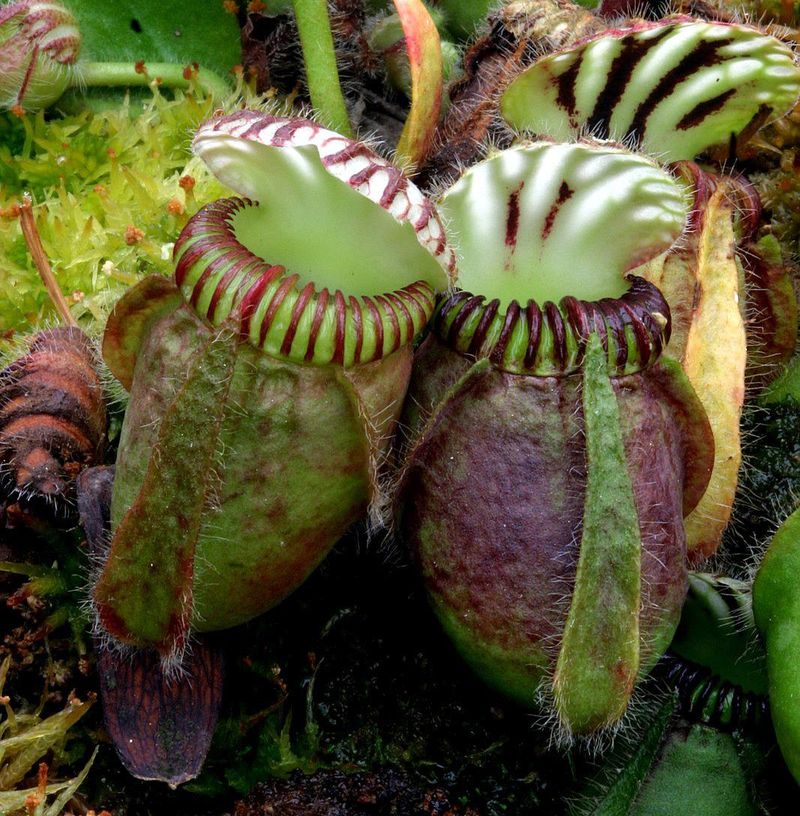
The West Australian Pitcher Plant, though small, packs a punch with its deadly jug-shaped traps. Each pitcher is a meticulously crafted pitfall for unsuspecting insects, filled with digestive enzymes. These plants prefer cozy indoor spaces with natural light, capturing the essence of Australian landscapes. Despite their size, they efficiently manage pest populations, proving that big things come in small packages. Their charming appearance and effective predatory skills make them a versatile addition to any home, embodying both beauty and cunning.
11. Dewy Pine (Drosophyllum)
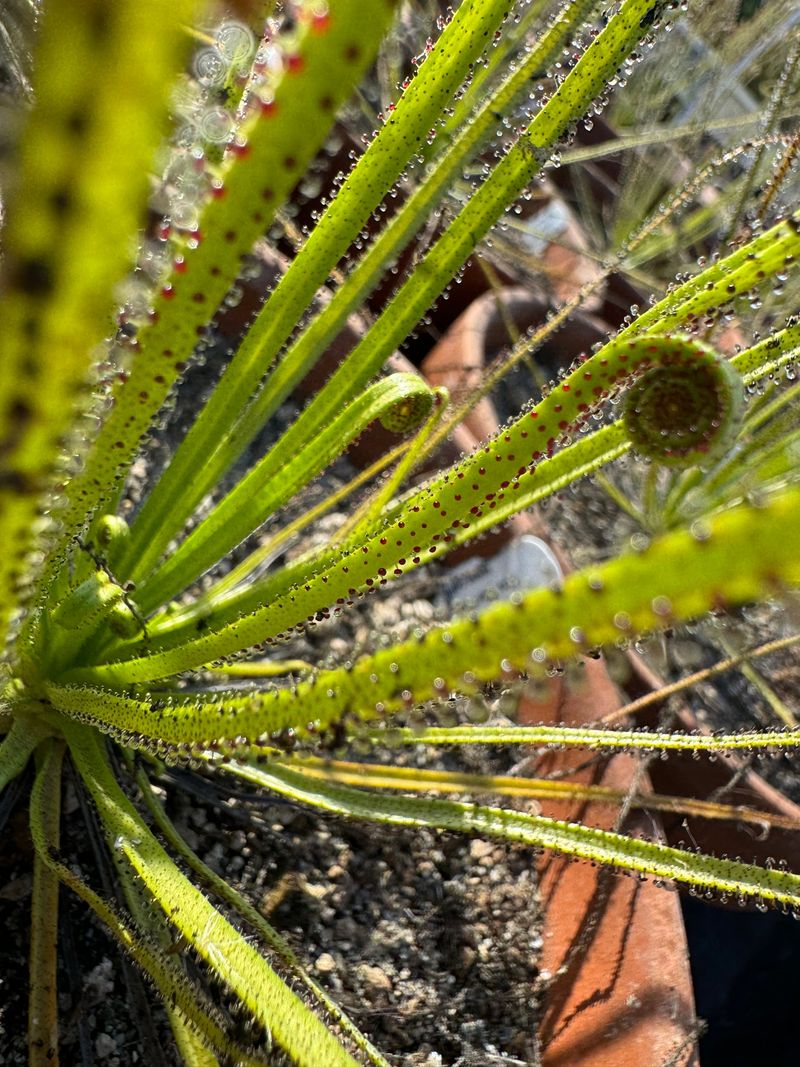
The Dewy Pine enchants with its pine-scented, ultra-sticky leaves that lure and trap insects. These leaves, glistening in sunlight, resemble a festive decoration. Set on a sunny windowsill, they thrive, capturing tiny intruders with ease. The plant’s unique fragrance and sticky leaves create an aromatic and functional display. Its ability to attract and digest prey showcases nature’s clever designs. The Dewy Pine’s blend of scent, beauty, and predatory efficiency makes it a delightful indoor addition, offering both olfactory and visual appeal.
12. Waterwheel Plant (Aldrovanda)
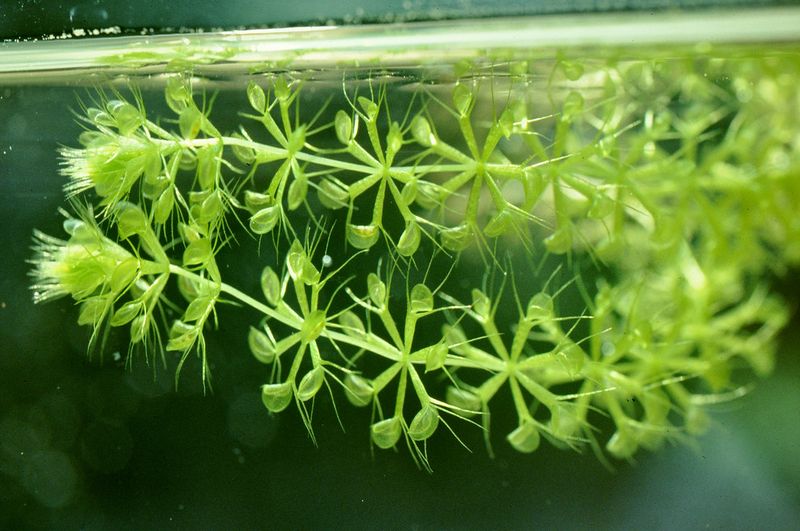
Waterwheel Plants, aquatic relatives of the Venus Flytrap, feature snap-traps that catch small water insects. These underwater marvels close rapidly on prey, relying on nutrient-rich water for sustenance. In a clear indoor aquarium, they offer a dynamic spectacle of movement and predation. Their ability to thrive without soil underscores nature’s adaptability. Waterwheel Plants’ intricate traps and aquatic lifestyle make them a unique addition to aquariums, providing an engaging look at carnivorous plant life under water. Their charm lies in their rapid action and aquatic grace.
13. Portuguese Sundew (Drosophyllum lusitanicum)
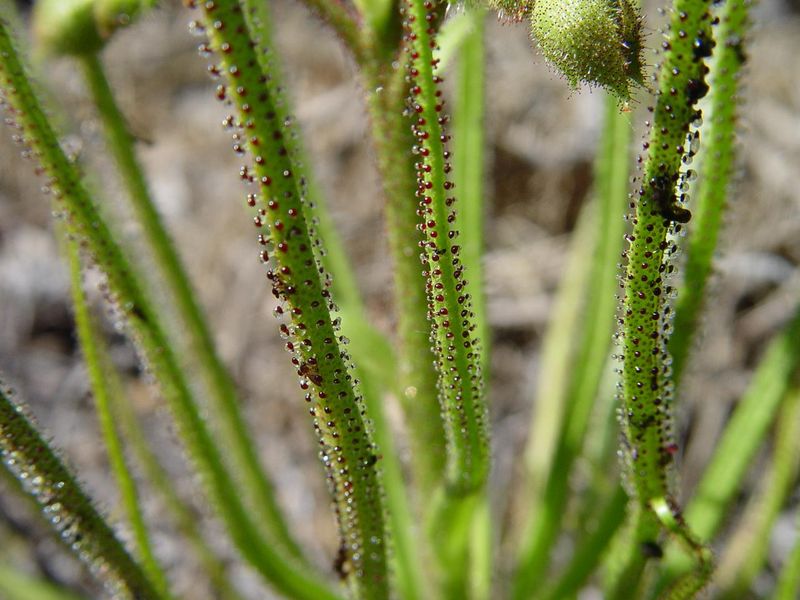
The Portuguese Sundew captivates with leaves that emit a honey-like aroma, alluring to insects. These leaves, covered in sticky glands, ensnare prey in a fragrant embrace. Placed in sunlit indoor areas, they flourish, adding a touch of Mediterranean allure. Their scent is both inviting and deceptive, underscoring nature’s duality. The plant’s charming appearance coupled with its predatory efficiency makes it a captivating choice for plant enthusiasts seeking a blend of beauty and function. It’s a true testament to the art of botanical deception.
14. Catapulting Flypaper Trap (Drosera glanduligera)
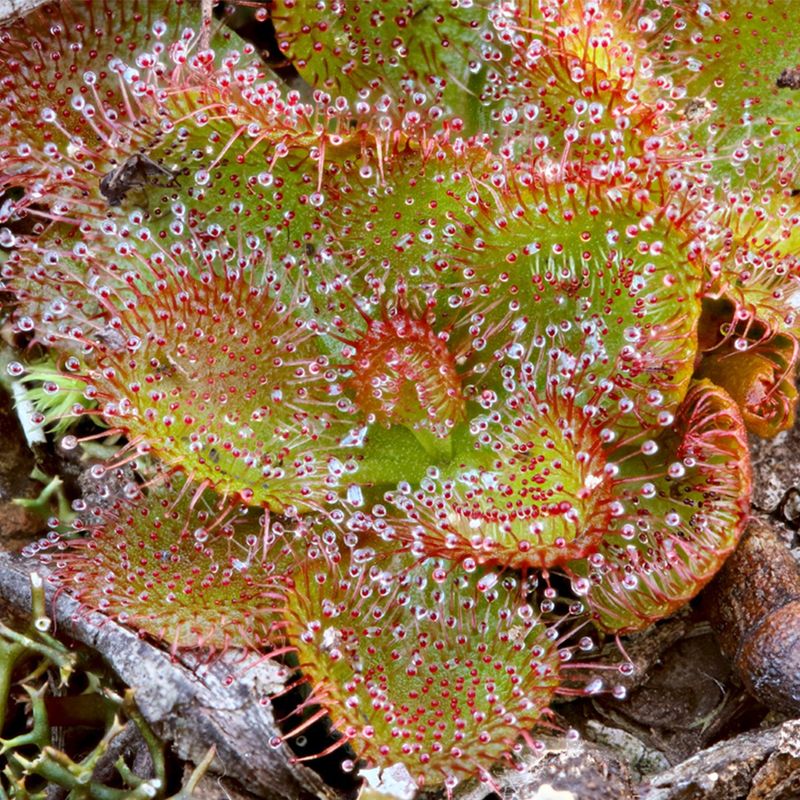
The Catapulting Flypaper Trap astounds with its dual-action mechanism. Its active tentacles rapidly flick insects into a sticky center, combining speed with stickiness. Set in a bright terrarium, it thrives, showcasing nature’s innovative design. This plant’s dynamic action and effective trapping highlight the complexity of carnivorous plant adaptations. It’s both a visual spectacle and a practical insect controller, making it a unique addition to indoor collections. The Flypaper Trap’s blend of speed and precision offers a fascinating glimpse into plant evolution, captivating observers.
15. Forked Sundew (Drosera binata)
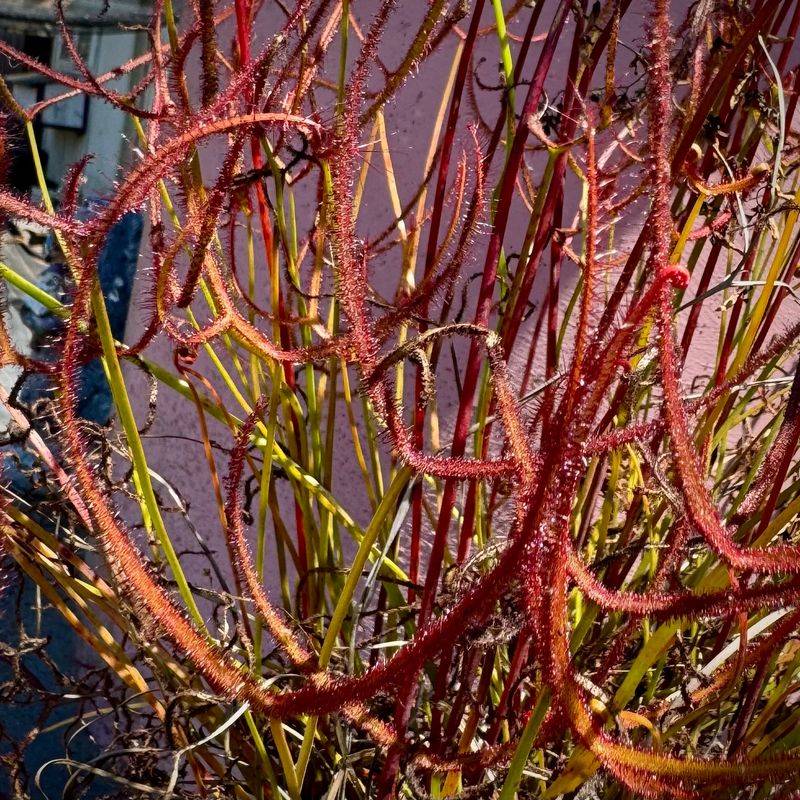
Forked Sundews, with their Y-shaped leaves, captivate with glistening dew that ensnares prey. These leaves, resembling forked paths, highlight nature’s intricate designs. Set on an indoor windowsill, they capture insects with grace, offering both beauty and utility. Known for their unique shape, they thrive in bright light, adding elegance to any space. The contrast between their delicate appearance and lethal effectiveness underscores their charm. Forked Sundews provide a dual function of aesthetic appeal and insect control, making them a valuable addition to indoor settings.
16. Parrot Pitcher Plant (Sarracenia psittacina)
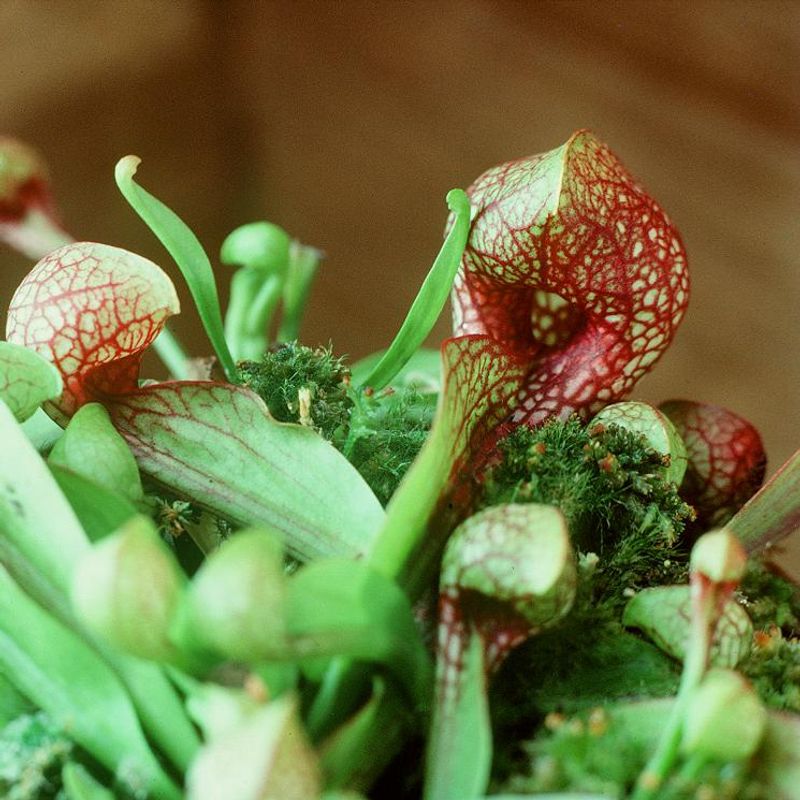
The Parrot Pitcher Plant, with its parrot-beak shaped traps, intrigues with its unique design. These traps entice crawling insects, ensuring they can’t escape once ensnared. Planted in sunny indoor spaces, they flourish, capturing the imagination and the prey. Their vivid colors and unusual shape offer a tropical touch to indoor gardens. The plant’s ability to trap and digest insects highlights nature’s resourcefulness, offering a blend of beauty and function. Parrot Pitcher Plants are not only conversation starters but also effective insect controllers.
17. Pygmy Sundew (Drosera scorpioides)
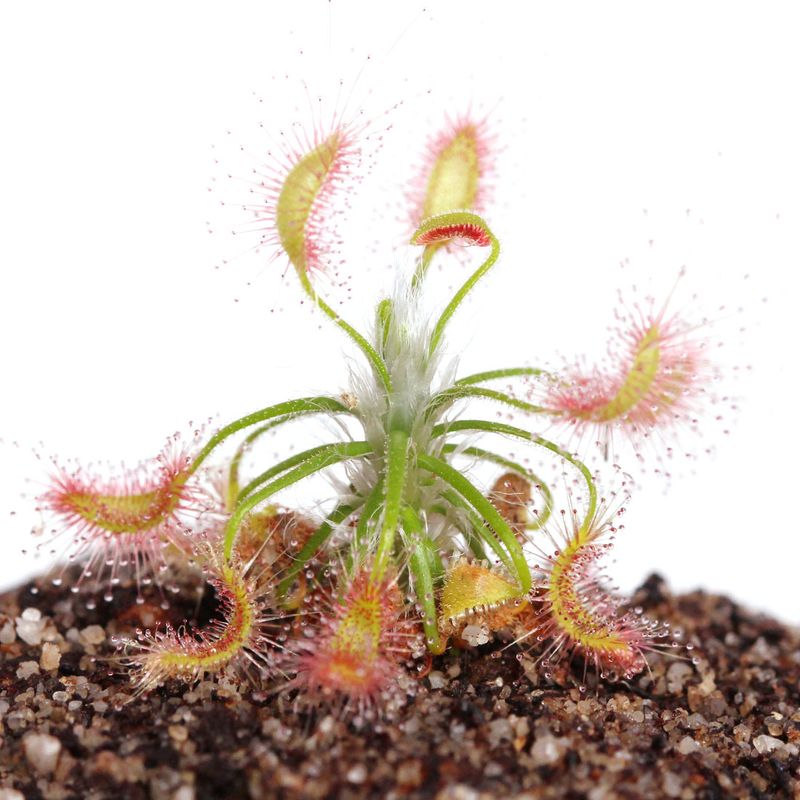
Pygmy Sundews, though miniature, pack a punch with their glistening leaves that trap insects. These tiny wonders thrive in compact indoor settings, making them perfect for small spaces. Their sparkling appearance belies their predatory nature, capturing insects with ease. Despite their size, they effectively manage pest populations, offering both beauty and practicality. The plant’s delicate form and efficient trapping highlight the wonders of nature in miniature. Pygmy Sundews bring a touch of elegance and intrigue to indoor environments, captivating both plant enthusiasts and casual observers.