 Complete Gardening

Explore 17 fruits scientifically proven to support longevity. Each fruit offers unique benefits that contribute to a healthier and longer life. Discover how these fruits can add years to your life with their nutritional power.
1. Blueberries
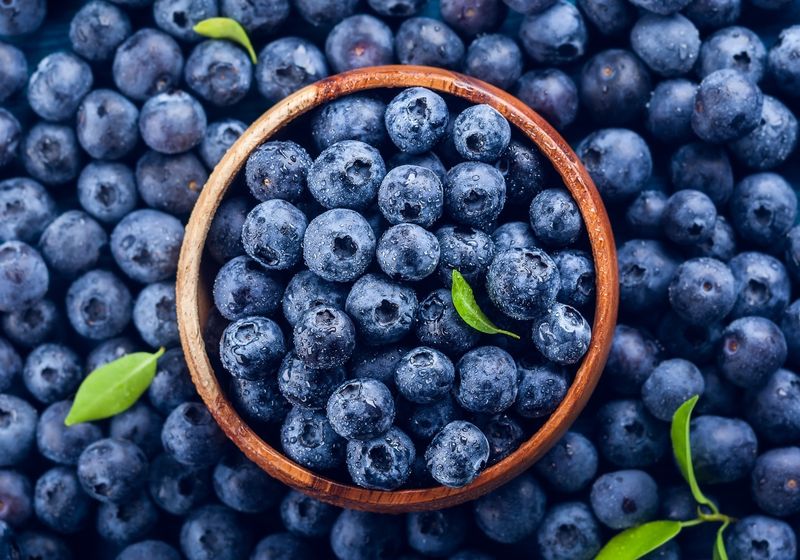
Blueberries, often called nature’s candy, are packed with antioxidants. These tiny fruits help combat oxidative stress, a known factor in aging. A diet rich in blueberries has been shown to improve brain function and delay cognitive decline, making them a superfood for longevity.
Their sweet yet tangy flavor adds a burst of taste to any meal. Enjoy them fresh, frozen, or in smoothies. The blueberry’s vibrant color is a testament to its health benefits, with anthocyanins playing a key role.
Did you know? Blueberries can even support heart health by reducing blood pressure and cholesterol levels.
2. Avocado
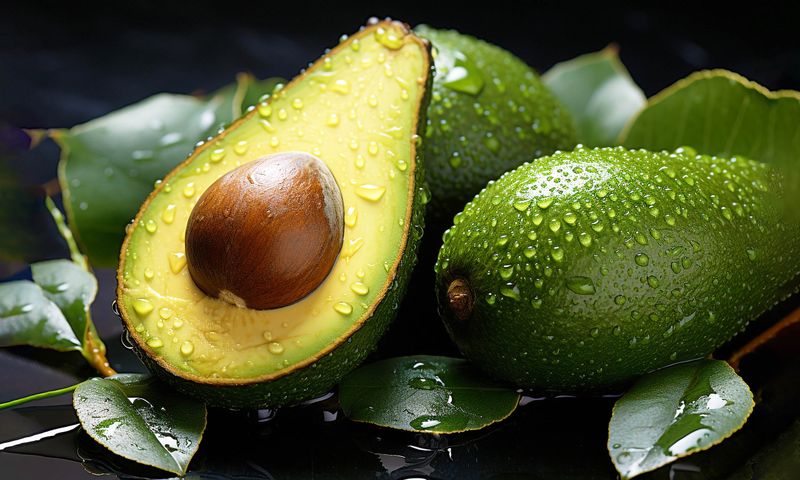
Avocados bring a creamy texture and a load of health benefits. Rich in monounsaturated fats, they support heart health and can lower bad cholesterol levels. This fruit’s nutrients also help maintain healthy skin, a true gift for anti-aging enthusiasts.
Besides their health benefits, avocados are versatile in the kitchen. Whether in salads, sandwiches, or as guacamole, they add a nutritious twist.
Fun fact: Avocados are technically a berry, and their history traces back to the Aztecs who revered them for their life-sustaining properties.
3. Pomegranates
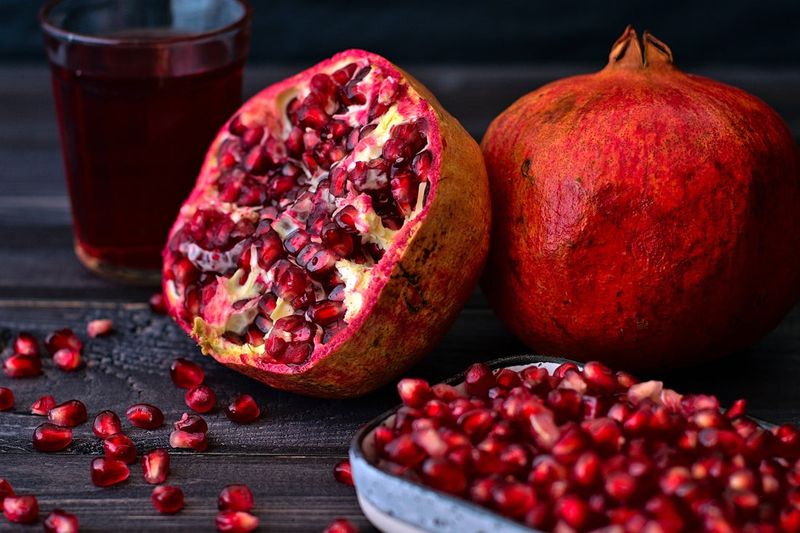
Pomegranates have been cherished since ancient times for their medicinal properties. This fruit is loaded with antioxidants, particularly punicalagins, which are known for their anti-inflammatory effects.
Regular consumption of pomegranates can improve heart health and may even help in cancer prevention. The seeds, or arils, are a juicy delight, bursting with flavor.
Beyond their taste, pomegranates are a symbol of prosperity and ambition, often found in mythological stories around the world.
4. Apples

An apple a day keeps the doctor away, but it also might extend your life. Apples are filled with fiber and vitamin C, essential for a strong immune system.
These fruits also contain polyphenols, which may have cancer-fighting properties. Eating apples regularly can support heart health and may even reduce the risk of type 2 diabetes.
Whether you like them sweet or tart, apples are a versatile snack. From pies to salads, their culinary uses are endless.
5. Bananas

Bananas offer more than just a convenient snack. Known for their high potassium content, they play a crucial role in heart health and blood pressure regulation. These yellow wonders also contain vitamin B6, important for brain health.
Their natural sweetness makes them a favorite in desserts and smoothies. Bananas’ creamy texture adds a delightful consistency to your dishes.
Fun fact: The banana plant is technically an herb, and the fruit we consume is a berry. This makes the banana a unique addition to the fruit family.
6. Oranges
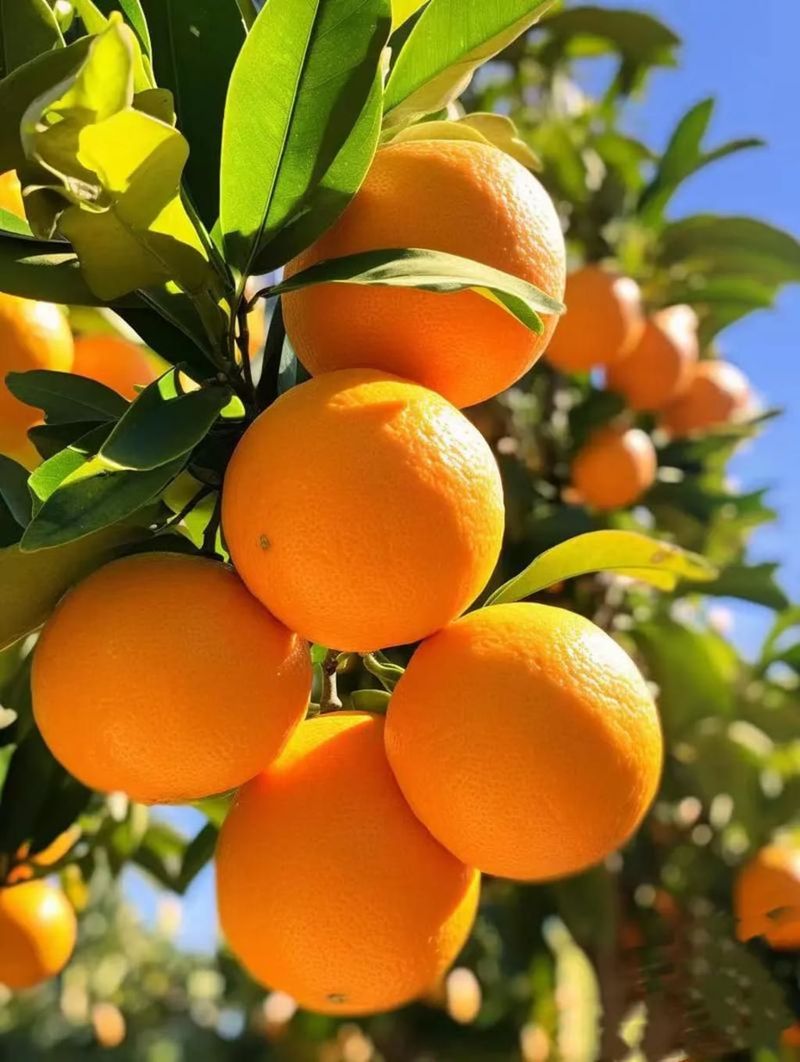
Oranges are synonymous with vitamin C, a vital nutrient for immune support. Beyond their refreshing taste, they contain flavonoids that offer anti-inflammatory and antioxidant benefits.
Regularly eating oranges can support skin health and may reduce the risk of chronic diseases. Their juicy segments are perfect for snacking or adding a zing to salads.
Oranges have a rich history, originating from Southeast Asia, and have been celebrated for their health-promoting qualities for centuries.
7. Grapes

Grapes, whether red, green, or black, are packed with nutrients. Resveratrol, found in grape skins, is known for its heart health benefits and potential to extend lifespan.
These juicy clusters are not only delicious but also versatile. Enjoy them fresh, dried as raisins, or fermented into wine.
Historically, grapes have been symbols of abundance and vitality, cherished in various cultures worldwide for their health-giving properties.
8. Kiwis

Kiwis are small but mighty when it comes to nutrition. High in vitamin C and dietary fiber, they help boost the immune system and support digestive health.
Their tangy flavor and bright green flesh make them a delightful addition to salads and desserts. Kiwis’ actinidin enzyme may also aid in protein digestion.
Did you know? The kiwi originally comes from China, where it was known as the Chinese gooseberry, before gaining popularity in New Zealand.
9. Strawberries

Strawberries are more than just a summer treat. They’re loaded with antioxidants, particularly vitamin C and manganese, providing critical health benefits.
Known for their heart-shaped appearance, these berries support heart health by improving cholesterol levels. Their sweetness and vibrant color make them a favorite in desserts and salads.
Fun fact: Strawberries are the only fruit with seeds on the outside, and they belong to the rose family, adding a touch of romance to your diet.
10. Cherries

Cherries, with their deep red hue, are antioxidant powerhouses. Anthocyanins in cherries contribute to reduced inflammation and may alleviate arthritis symptoms.
These juicy fruits can aid in improving sleep quality due to their natural melatonin content. Cherries are perfect for snacking or adding a tart twist to desserts.
Historically, cherries have been celebrated in various cultures for their enchanting taste and potential health benefits, particularly in promoting longevity and wellness.
11. Watermelons

Watermelons are synonymous with summer, but they offer more than just hydration. This fruit is rich in lycopene, an antioxidant linked to heart health and cancer prevention.
Enjoy watermelons for their refreshing flavor and juicy texture. They are perfect for quenching thirst on a hot day or in fruit salads.
Beyond their taste, watermelons have been associated with various myths and cultural beliefs, symbolizing fertility and abundance.
12. Pineapples

Pineapples bring a taste of the tropics and a wealth of health benefits. High in vitamin C and bromelain, they support immune health and aid digestion.
Their sweet and tangy flavor makes them a versatile ingredient in both sweet and savory dishes. Whether in smoothies or grilled, pineapples add a fun twist.
Did you know? Pineapples were once considered a luxury item, symbolizing wealth and hospitality in European society.
13. Mangoes

Mangoes, often called the king of fruits, are cherished for their juicy sweetness. Packed with vitamins A and C, they boost immune function and promote eye health.
Their tropical flavor brings joy to taste buds, whether eaten fresh, in smoothies, or in salsas. Mangoes’ natural sugars provide a quick energy boost.
Fun fact: Mangoes have been cultivated for over 4,000 years and hold cultural significance in many countries, symbolizing love and prosperity.
14. Papayas
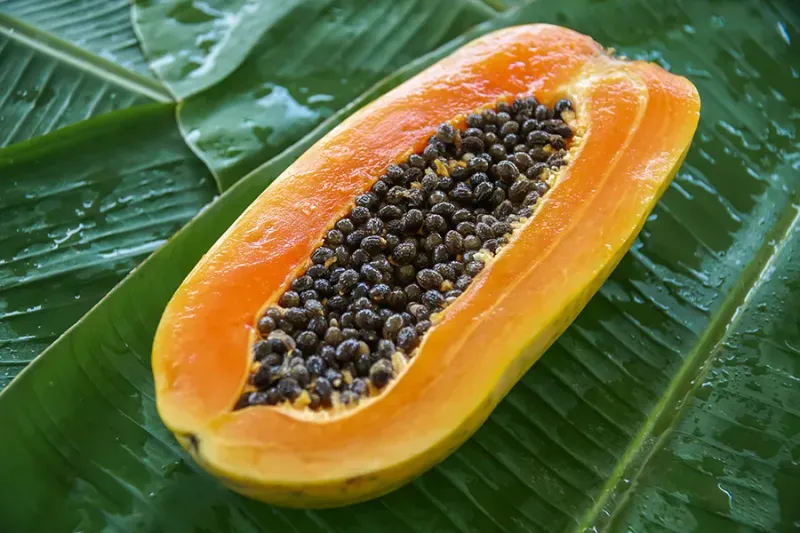
Papayas, with their vibrant orange flesh, are a tropical delight rich in vitamin C and papain, an enzyme aiding digestion.
Enjoying papayas can promote skin health and may help reduce inflammation. Their sweet taste and soft texture are perfect in smoothies or tropical fruit salads.
Did you know? Papayas were once referred to as the “fruit of the angels” by Christopher Columbus, enchanted by their luscious flavor and health benefits.
15. Peaches
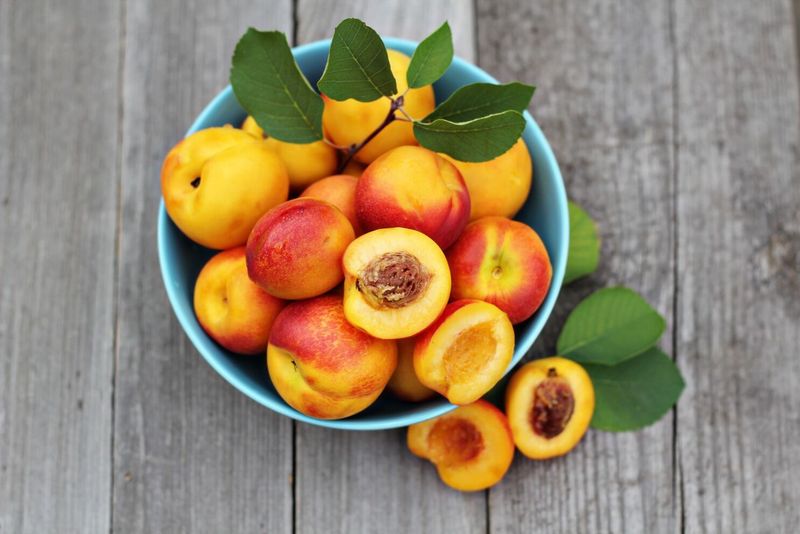
Peaches, with their fuzzy skin and juicy interior, offer more than just deliciousness. Rich in vitamins A and C, they promote skin health and immune function.
Their sweet and slightly tart flavor is perfect for summer desserts and salads. Peaches’ antioxidants may also help protect against aging and disease.
Fun fact: Peaches originated in China and have been cultivated for thousands of years, symbolizing immortality in Chinese folklore.
16. Cranberries

Cranberries, though tart, are a superfood for urinary tract health. High in antioxidants, they help combat inflammation and support overall wellness.
Their unique flavor makes them a great addition to sauces, juices, and baked goods. Cranberries’ proanthocyanidins are particularly effective in preventing urinary tract infections.
Historically, cranberries have been used by Native Americans for their medicinal properties and as a source of food.
17. Dragon Fruit

With its flamboyant appearance, dragon fruit, also known as pitaya, captivates both the eyes and the palate. Rich in antioxidants, particularly vitamin C, this fruit supports immune health and combats oxidative stress. Its fiber content aids digestion and contributes to a balanced diet. Dragon fruit’s unique compounds may help regulate blood sugar levels, making it a wise choice for maintaining energy balance. Some cultures regard it as a symbol of prosperity and longevity. Whether blended in a smoothie or enjoyed fresh, dragon fruit adds an exotic touch to your dietary routine, promoting overall wellness.