 Complete Gardening
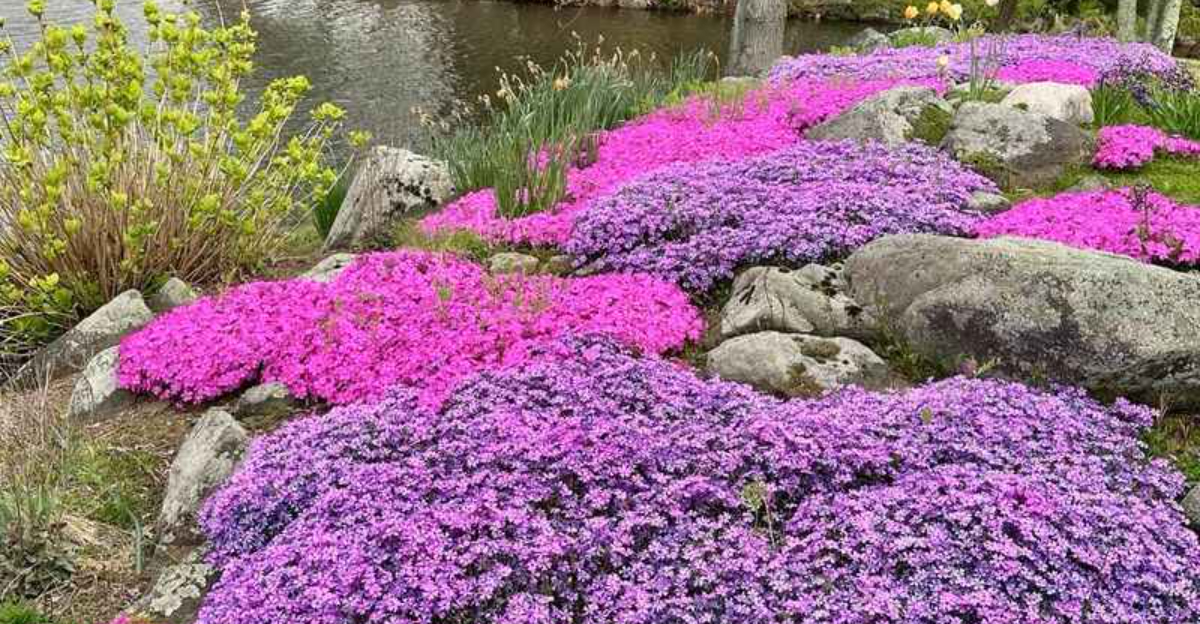
Discover how you can transform your garden into a weed-free paradise using these 17 perennial flowers. Each one not only adds beauty to your space but also naturally suppresses weeds, making garden maintenance a breeze. Learn about their unique characteristics, and how they can improve both the aesthetics and health of your garden ecosystem.
1. Catmint (Nepeta)
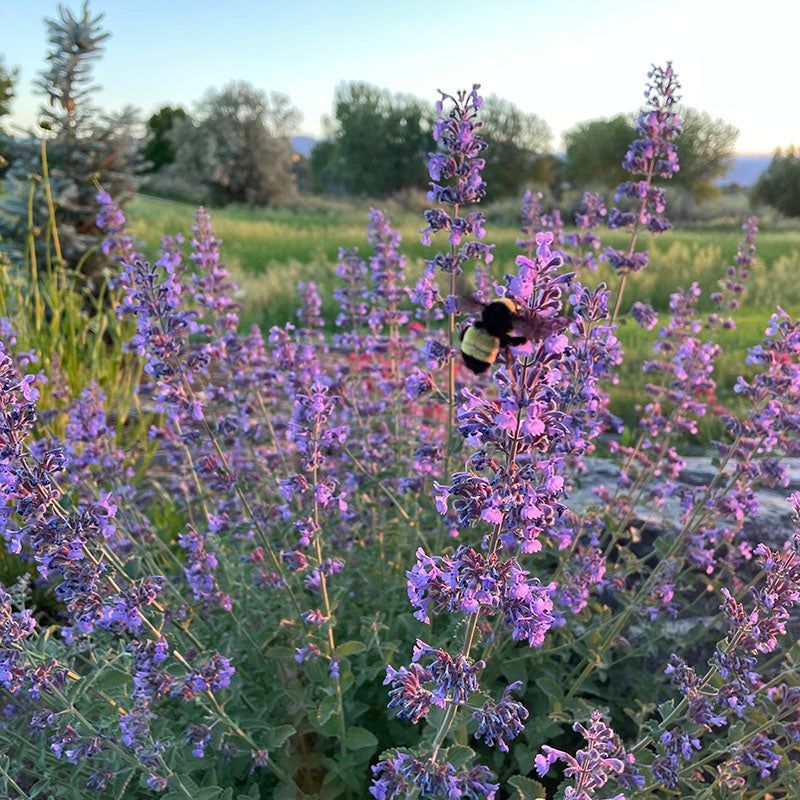
Catmint’s vigorous growth is a gardener’s ally in the battle against weeds. Its rapid spread covers ground quickly, leaving little room for unwanted plants. This perennial not only excels in weed control but also attracts bees and butterflies, adding life to your garden’s ecosystem.
Its drought-resistant nature ensures it remains a reliable presence even in dry conditions. Interestingly, Catmint is often mistaken for catnip, but it’s the former’s resilience and pollinator appeal that truly stand out.
2. Hostas
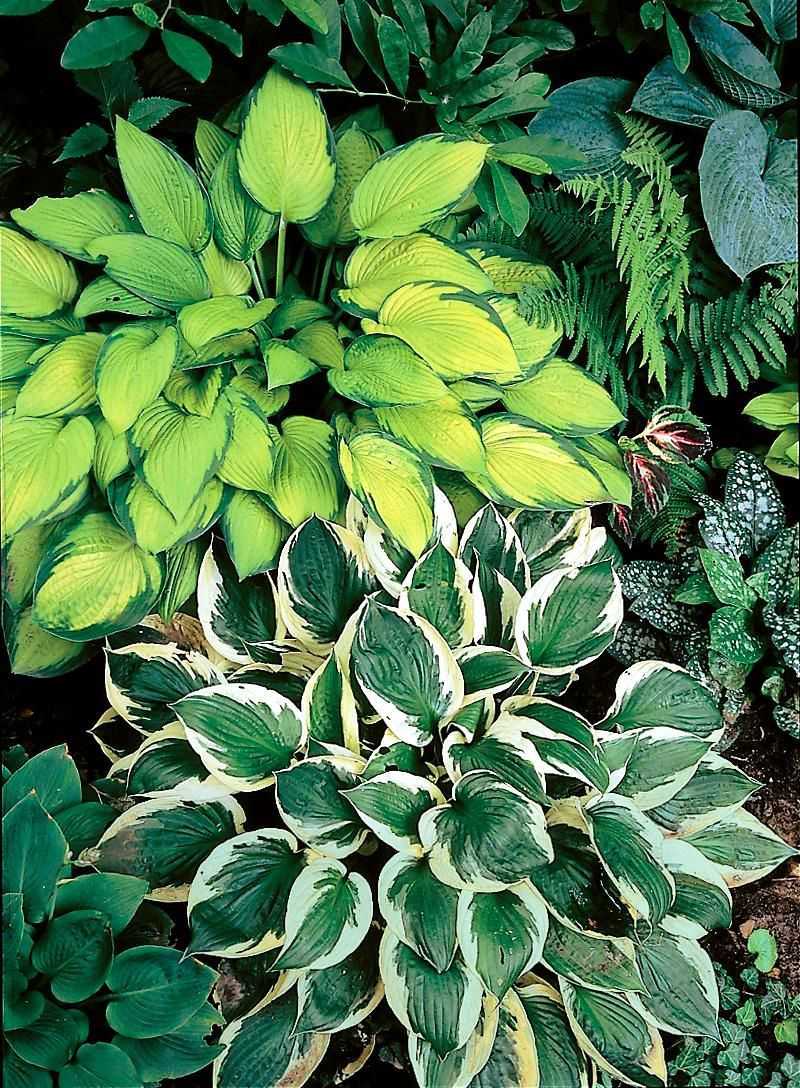
Hostas are the unsung heroes of the shady garden. Their large, lush leaves create a natural canopy that blocks sunlight from reaching the soil, effectively preventing weed growth.
These perennials thrive in areas where weeds typically flourish, turning potential problem spots into tranquil retreats.
Here’s a tidbit: Hostas are not only weed fighters but also come in a variety of hues and textures, offering endless design possibilities for garden enthusiasts.
3. Lamb’s Ear (Stachys byzantina)
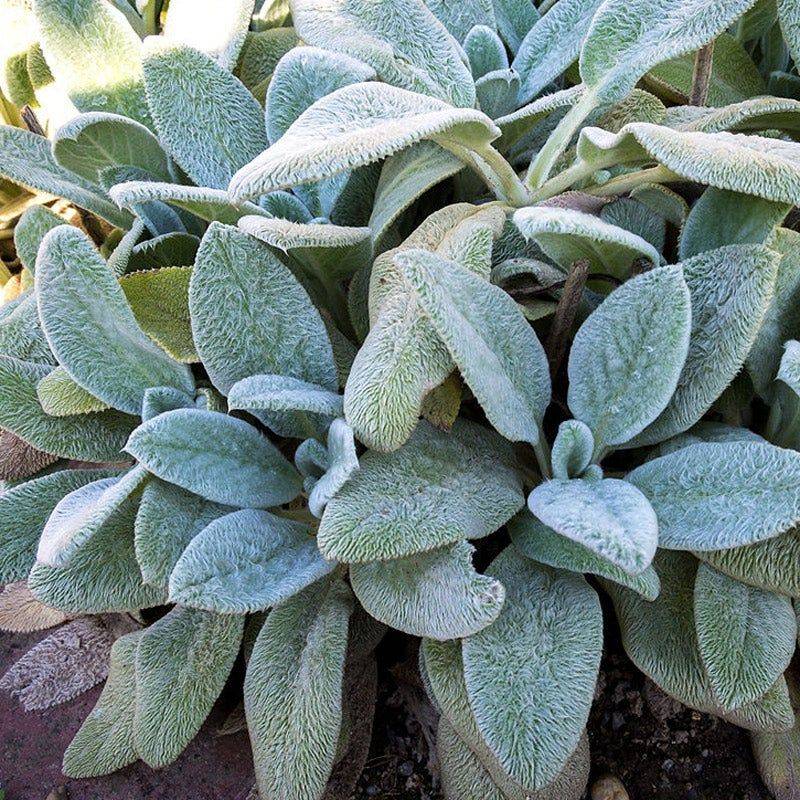
Lamb’s Ear brings a unique texture to gardens with its soft, silvery leaves. These fuzzy wonders smother weeds beneath them, making them both a visual and functional asset in any landscape.
Aside from their weed-suppressing capabilities, Lamb’s Ear adds an enchanting contrast to colorful blooms.
Did you know? This plant’s texture isn’t just for show; it reflects sunlight, helping to keep the plant cool and resilient in hot climates.
4. Creeping Phlox (Phlox subulata)
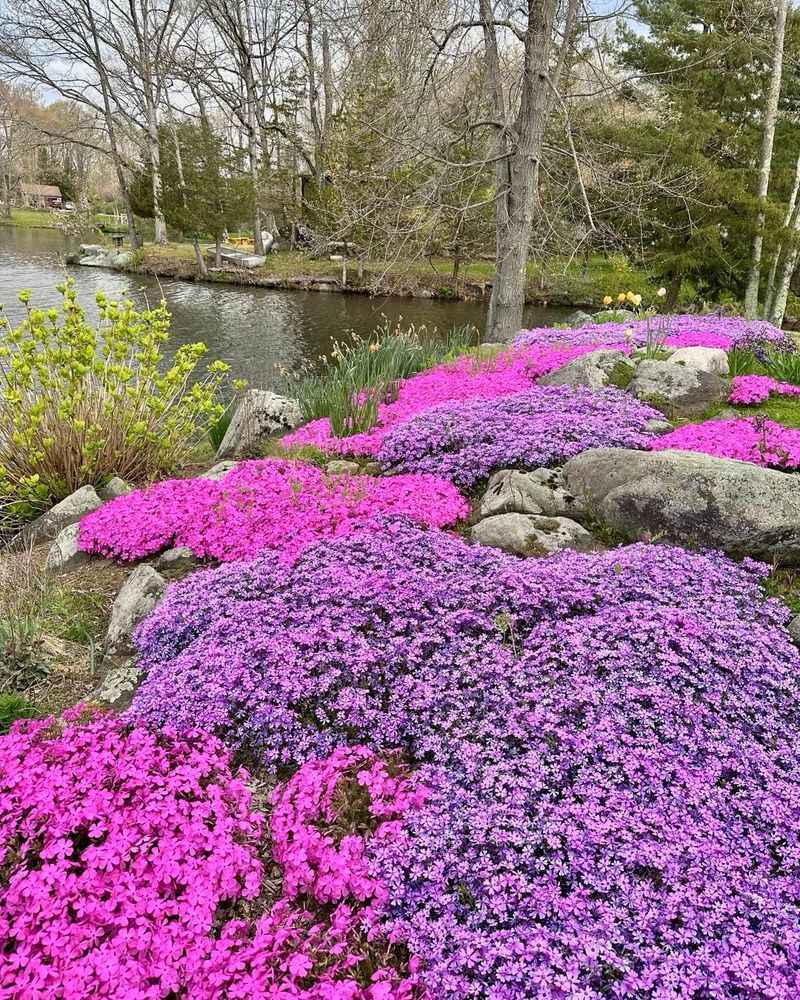
Creeping Phlox delights gardeners with its vibrant carpet of color. This perennial forms a thick mat that effectively suppresses weeds, thanks to its low-growing, spreading nature.
In addition to its weed-blocking prowess, Creeping Phlox offers a stunning spring display in shades of pink, purple, and white. Each bloom is like a brushstroke in a living painting. With its robust growth and charming hues, this plant is an artist’s dream come true.
A fun fact: Creeping Phlox is often used to adorn rock gardens and slopes, bringing breathtaking views to otherwise challenging terrains.
5. Daylilies (Hemerocallis)
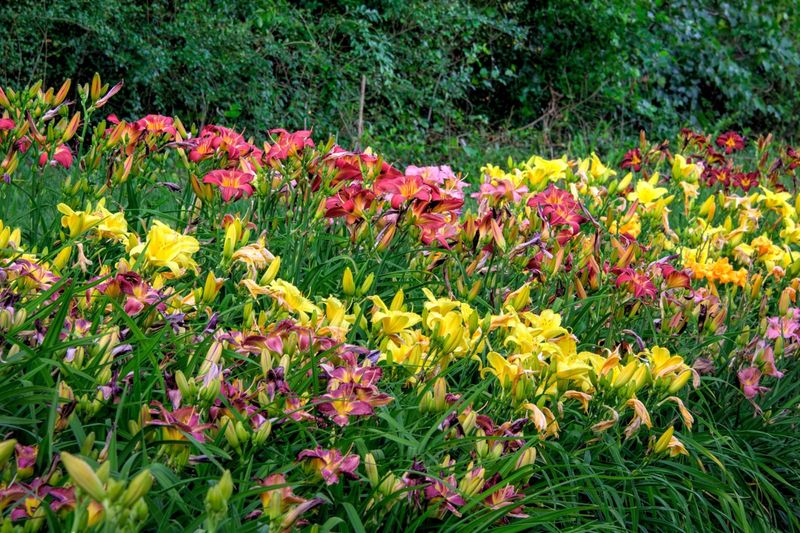
Daylilies are the colorful sentinels of the garden, with dense clumps that block sunlight from reaching opportunistic weeds.
These perennials are not only tough and drought-tolerant but also reward gardeners with continuous blooms throughout summer.
Here’s a fun fact: Each Daylily bloom lasts just a day, but the plant’s prolific nature ensures your garden remains vibrant all season long.
6. Sedum (Stonecrop)
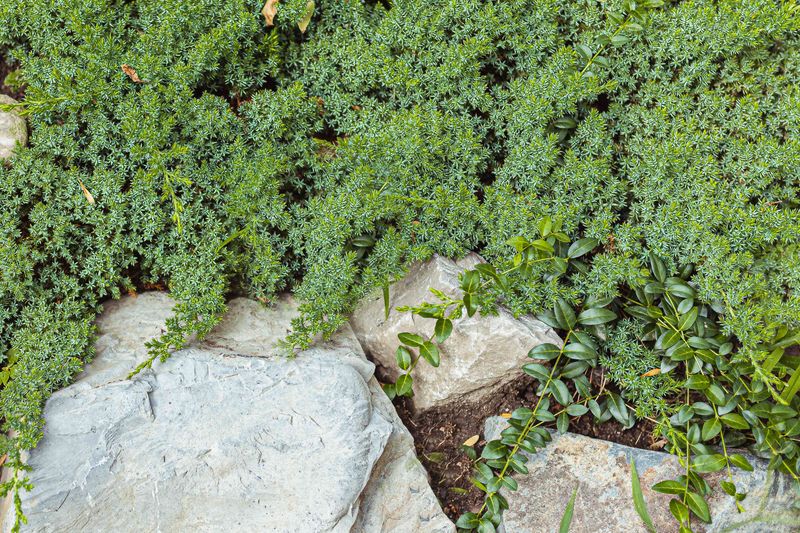
Sedum, often referred to as Stonecrop, is a tenacious ground cover that thrives where others might falter. Its succulent leaves spread quickly, leaving no room for weeds to take root.
Renowned for its ability to flourish in poor soil with minimal water, Sedum is a testament to nature’s adaptability.
Interesting tidbit: Sedum’s diverse types can vary greatly in appearance, from tiny ground-huggers to tall, majestic varieties, offering versatility to any garden design.
7. Russian Sage (Perovskia atriplicifolia)
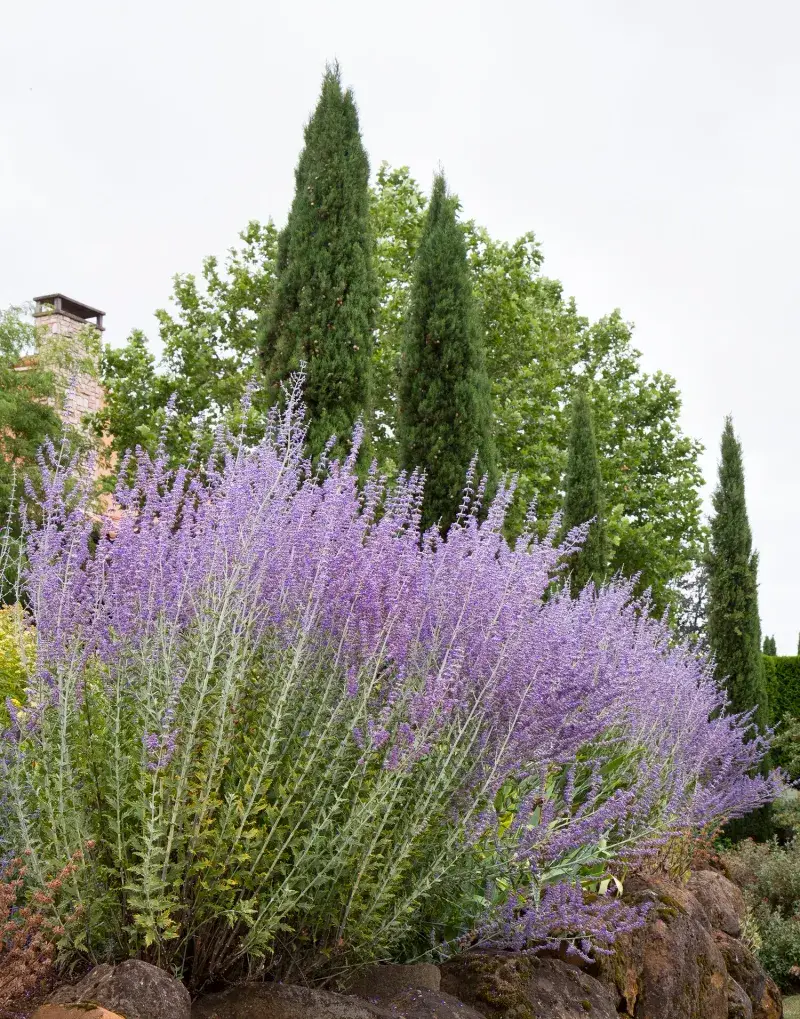
Russian Sage stands tall in the world of perennial weed control. Its airy stems reach skyward, casting gentle shadows that deter weeds below.
Beyond its height, Russian Sage is drought-proof and deer-resistant, making it a reliable choice for challenging garden conditions.
Fun fact: Despite its name, Russian Sage isn’t truly a sage. Its aromatic foliage offers a delightful surprise to those who brush past.
8. Ferns (Various Types)
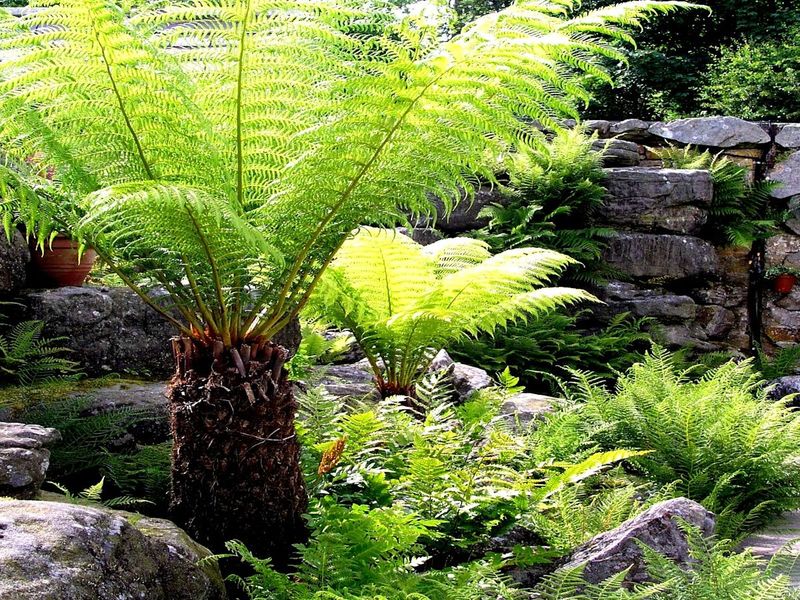
Ferns bring an air of mystery to any garden, their lush fronds forming a canopy that discourages weeds from taking hold.
These perennials thrive in the shade, turning potential weed havens into tranquil retreats.
Did you know? Ferns are among the oldest plants on earth, with a history stretching back millions of years, adding a touch of prehistoric wonder to your garden.
9. Ajuga (Bugleweed)
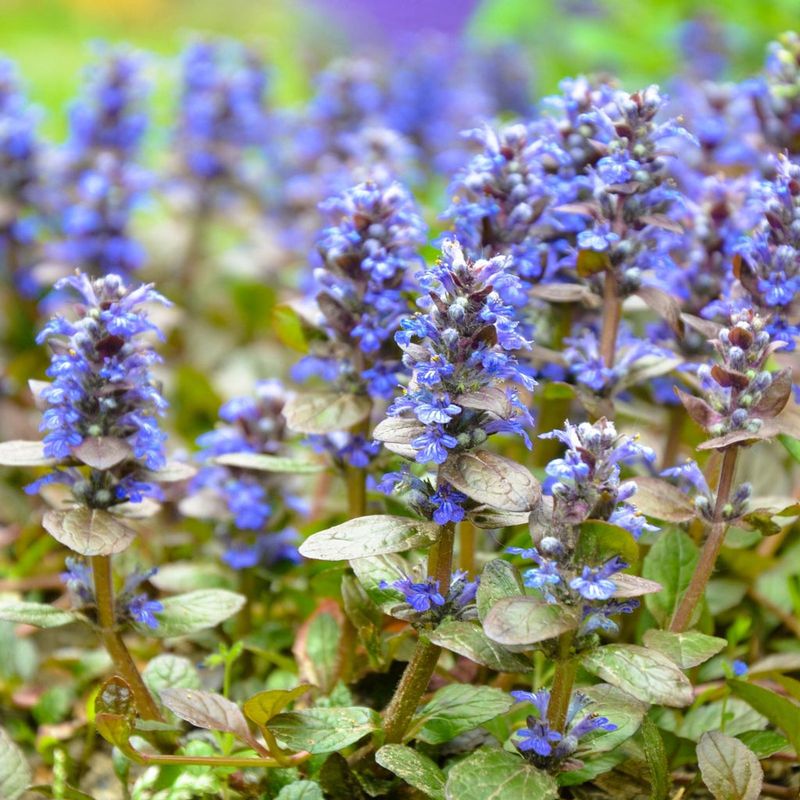
Ajuga, commonly known as Bugleweed, is a ground cover with a mission. Its rapid growth and vibrant blue or purple flower spikes make it a formidable opponent to weeds.
This perennial not only chokes out weeds but also adds a burst of color to your garden space.
A quirky fact: Ajuga’s flower spikes are not only pretty but also attract pollinators, adding a lively buzz to your garden’s atmosphere.
10. Yarrow (Achillea millefolium)
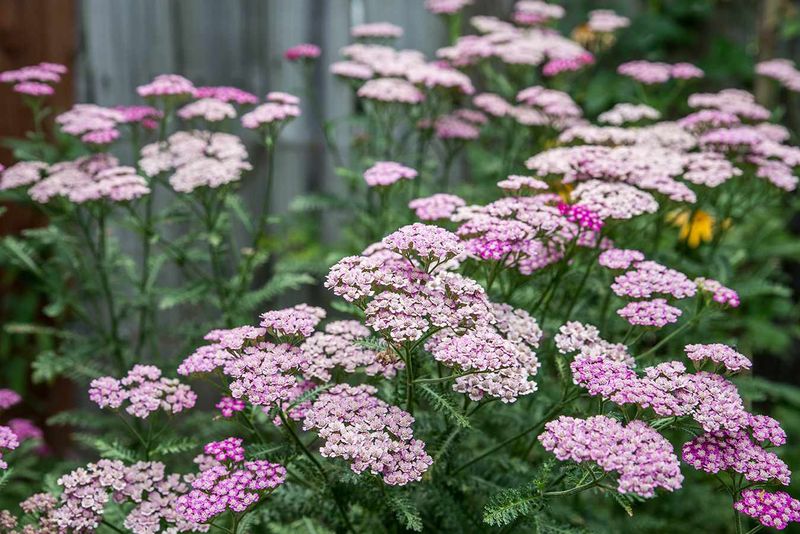
Yarrow is a garden powerhouse, with tough roots that compete aggressively with weeds.
Aside from its weed-combating abilities, Yarrow attracts beneficial insects and butterflies, enhancing your garden’s ecological diversity.
Did you know? Yarrow has been used for centuries in traditional medicine for its healing properties, adding a touch of ancient wisdom to your modern garden.
11. Coral Bells (Heuchera)
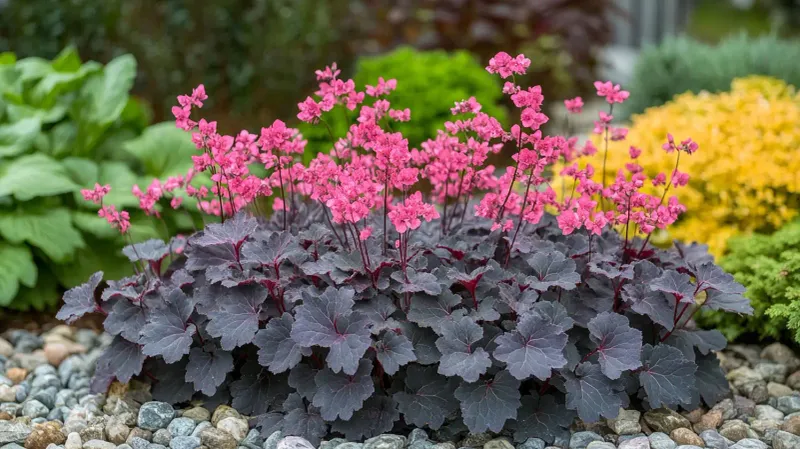
Coral Bells are a colorful addition to any garden, with foliage that shades the soil and reduces weed germination.
These perennials not only fight weeds but also offer stunning visual appeal, making them a favorite among garden designers.
Fun fact: Heuchera, or Coral Bells, is named after an 18th-century German physician, Johann Heinrich von Heucher, reflecting its deep-rooted history in botanical circles.
12. Bergenia (Elephant’s Ears)
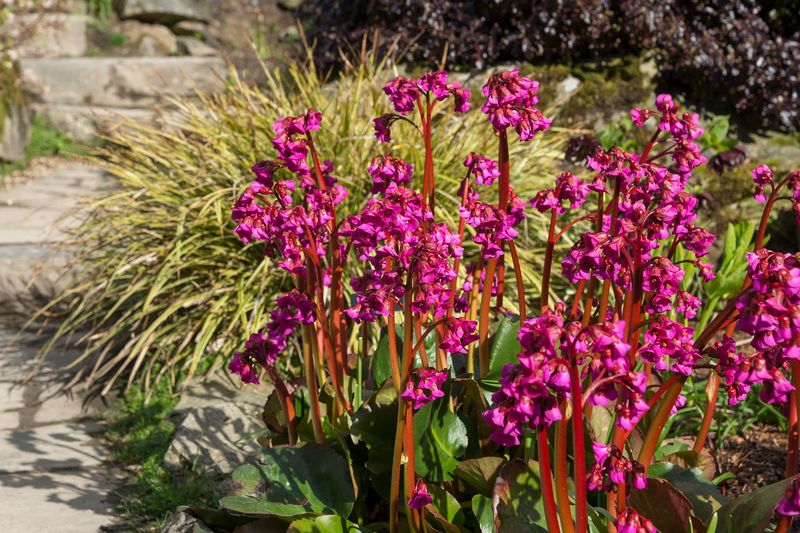
Bergenia, affectionately known as Elephant’s Ears, is bold in both appearance and function. Its large, leathery leaves effectively suppress weeds, offering a robust edge to any garden bed.
Beyond its practical uses, Bergenia delights with early spring blooms and evergreen foliage that lasts through the seasons.
Here’s an intriguing tidbit: Bergenia’s leaves can turn a deep burgundy in cold weather, adding seasonal interest to your garden.
13. Lavender (Lavandula)
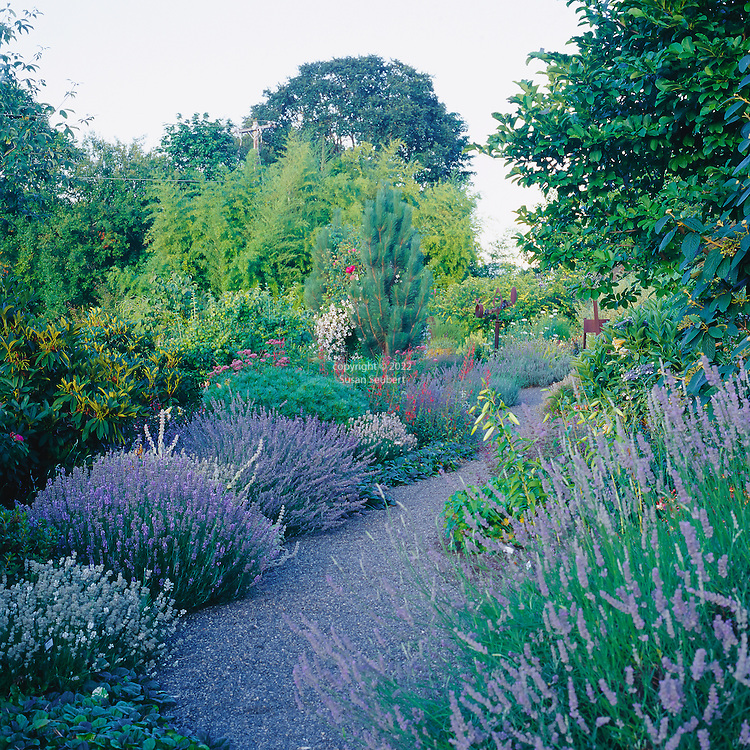
Lavender is a garden classic, known for its aromatic oils that deter weeds and pests.
This perennial not only beautifies but also supports pollinators like bees, making it a favored choice for eco-conscious gardeners.
Did you know? Lavender has been treasured for centuries for its calming scent, which is often used in aromatherapy to promote relaxation and well-being.
14. Black-Eyed Susan (Rudbeckia)
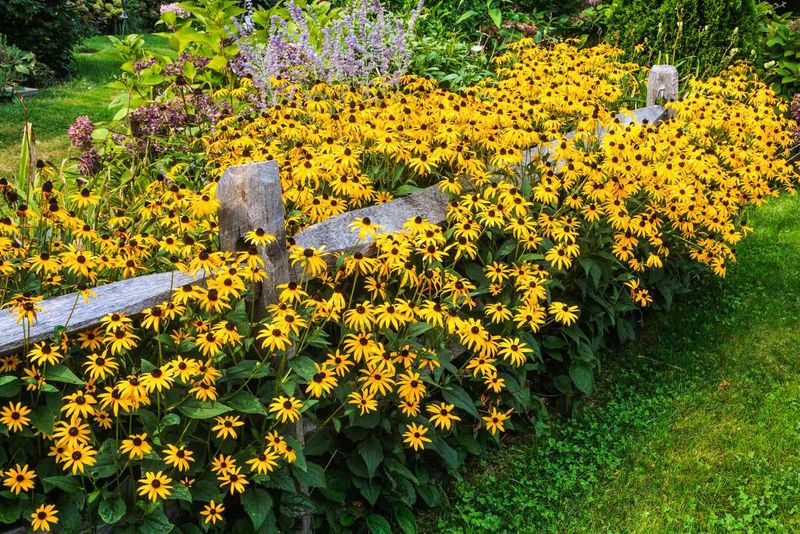
Black-Eyed Susan is a garden’s burst of sunshine, with vigorous growth that crowds out weeds.
This perennial not only fights weeds but also brings a splash of color that lasts all summer long.
A fun fact: Black-Eyed Susan is often associated with the state of Maryland, where it holds the title of state flower, adding a touch of local pride to your garden.
15. Coreopsis (Tickseed)
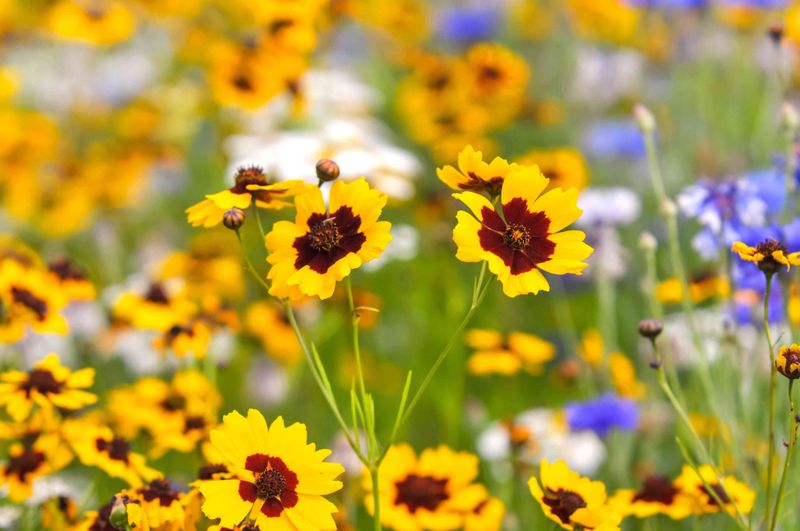
Coreopsis, also known as Tickseed, is known for its rapid spread and bright, long-lasting flowers.
This perennial’s minimal care requirements make it a favorite among busy gardeners looking for low-maintenance beauty.
Interestingly, Coreopsis is renowned for its ability to thrive in poor soil, proving that beauty can indeed thrive in adversity.
16. Bee Balm (Monarda)
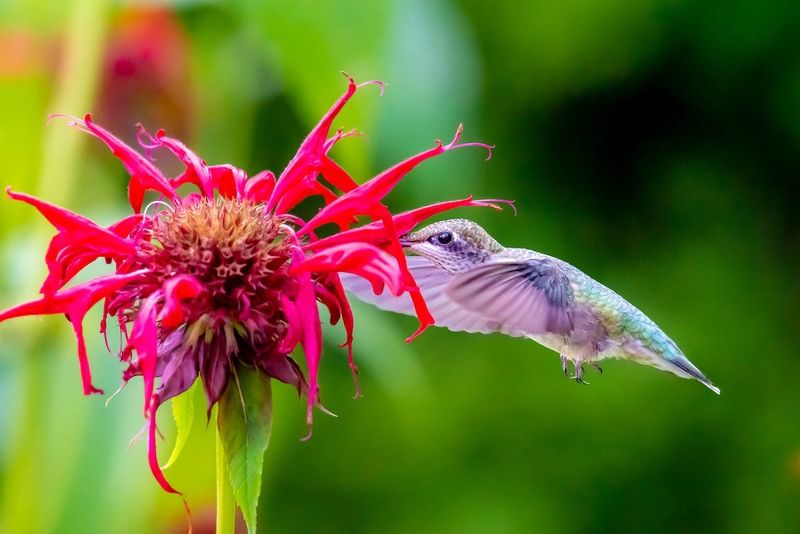
Bee Balm brings a festival of color and activity to gardens, with dense clumps that effectively shade out weeds.
This perennial not only fights weeds but also supports biodiversity, making it a valuable addition to any eco-friendly garden.
Did you know? Bee Balm’s leaves can be used to make a fragrant tea, offering a delightful way to savor its aromatic presence.
17. Ornamental Grasses (e.g., Fountain Grass, Blue Fescue)
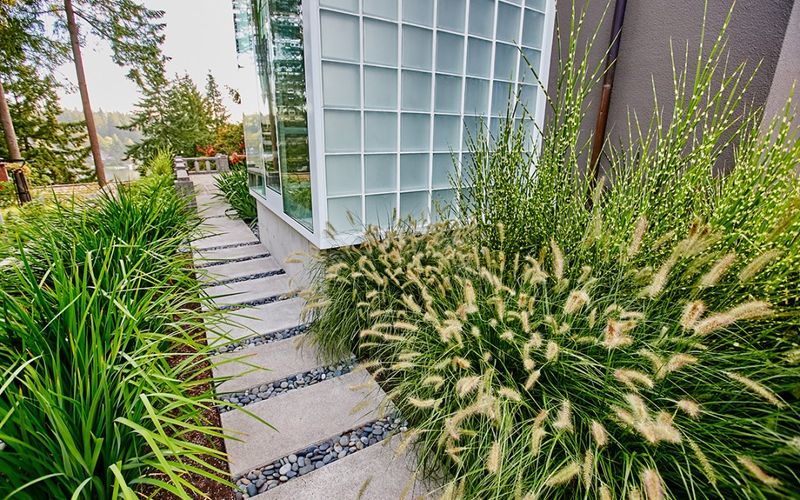
Ornamental Grasses add movement and texture to gardens, with deep roots that prevent weed establishment.
These perennials are not just visually appealing; their roots create a formidable barrier against weeds.
Here’s an interesting fact: Ornamental Grasses can thrive in a variety of conditions, making them versatile additions that suit both formal and wild garden designs.