 Complete Gardening
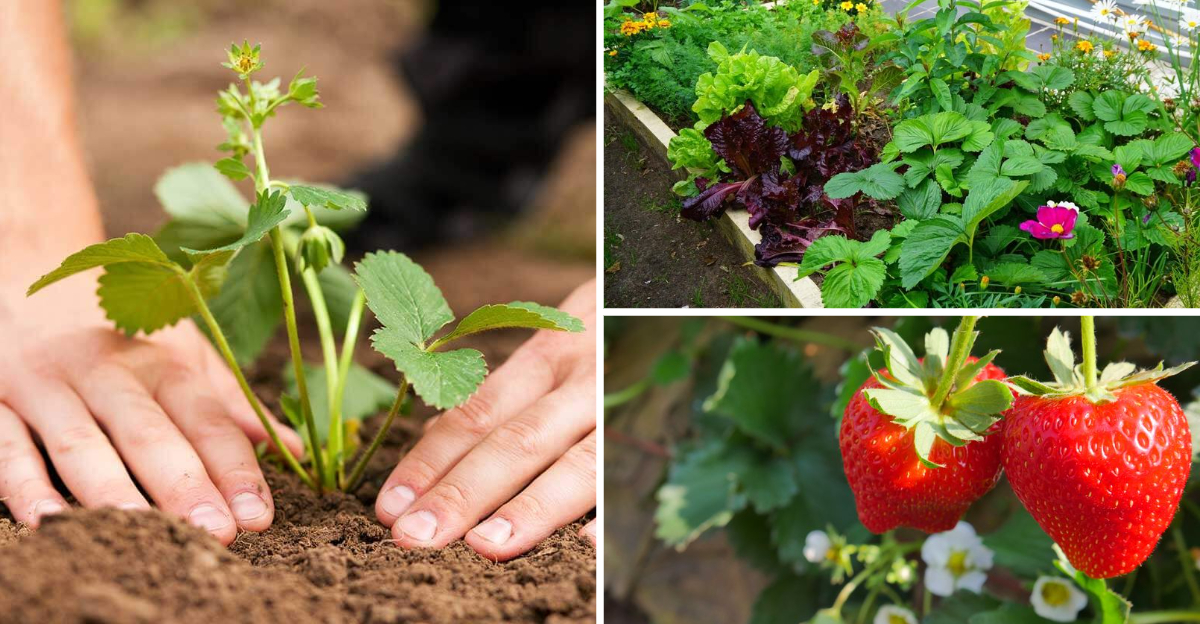
Discover the secrets to growing the most delectable strawberries with these 17 tips. Each one is designed to enhance your strawberry-growing experience, ensuring your berries are sweet, juicy, and abundant. From soil preparation to choosing the right varieties, these insights will transform your garden into a berry paradise. Dive into the world of strawberries and learn how you can cultivate these delightful fruits to their fullest potential.
1. Perfect Soil Composition
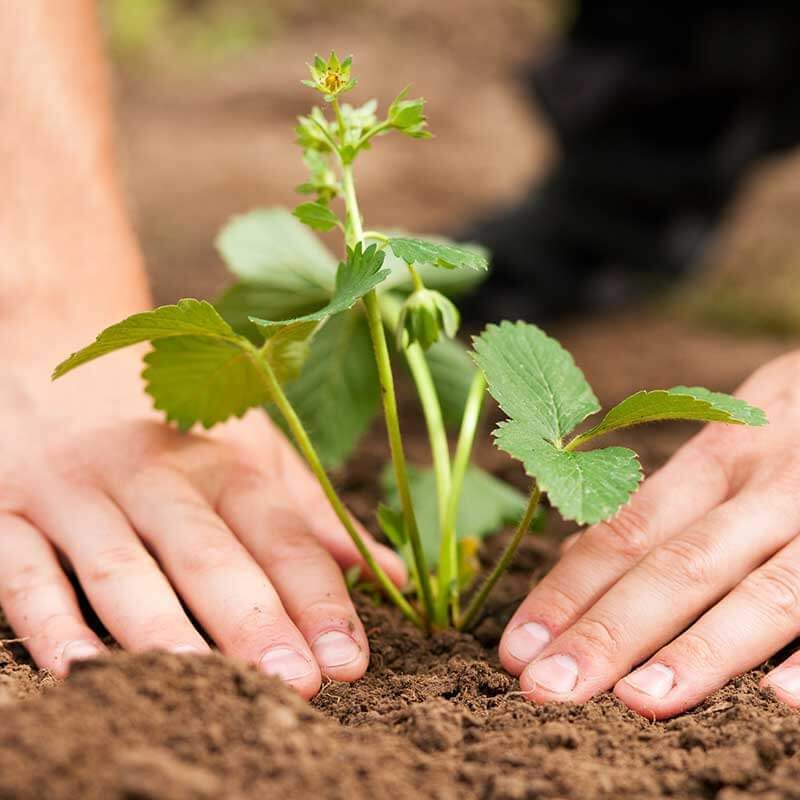
The foundation of any successful strawberry patch is the soil. Rich, well-draining soil ensures that your strawberries receive the right amount of nutrients and moisture. Begin with a sandy loam, rich in organic matter, to create the perfect environment for strawberries. Amend your soil with well-rotted compost to boost its fertility. Additionally, maintaining a slightly acidic pH between 5.5 and 6.5 is crucial for optimal growth. Regular soil testing will help you monitor and adjust nutrient levels as needed. Remember, healthy soil leads to healthy plants, which in turn produce sweet, luscious berries.
2. Companion Planting Techniques

Strategic planting can significantly impact the health of your strawberries. Companion planting involves growing strawberries alongside compatible plants that offer mutual benefits. Borage, for instance, attracts pollinators while deterring pests. Lettuce can provide shade, keeping the soil cool and conserving moisture. Avoid planting strawberries near cabbage or broccoli, as they may compete for nutrients. By selecting the right companions, you’ll create a thriving ecosystem. This harmonious pairing not only boosts fruit production but also enhances the flavor and sweetness of your strawberries.
3. Selecting the Right Varieties
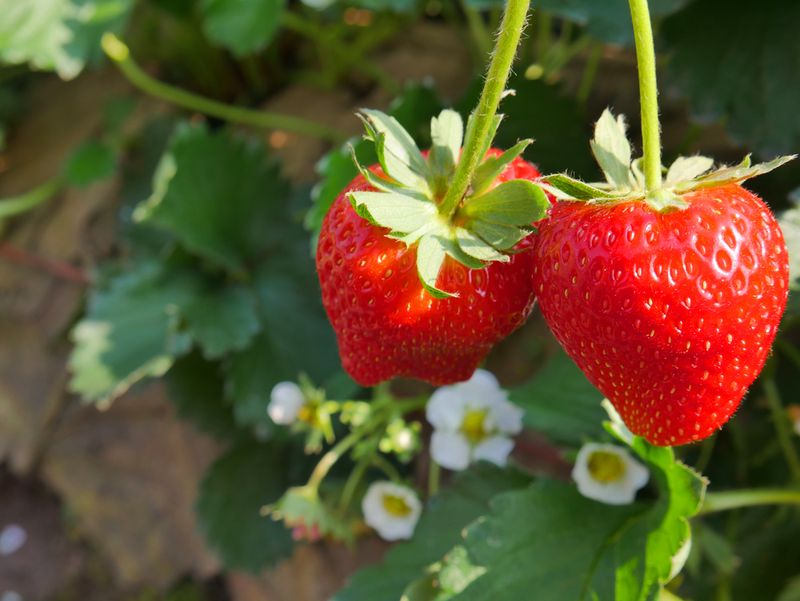
Choosing the right strawberry variety is key to achieving sugar-sweet berries. Consider everbearing types like ‘Albion’ or ‘Seascape’ for continuous harvests throughout the season. These varieties are known for their exceptional sweetness and juiciness. For those seeking a bountiful early harvest, ‘Honeoye’ and ‘Earliglow’ are excellent choices. When selecting varieties, consider your climate and growing conditions. Some strawberries thrive in cooler areas, while others are heat-tolerant. By planting a mix, you can enjoy a diverse and prolonged strawberry season.
4. Mulching for Moisture Retention
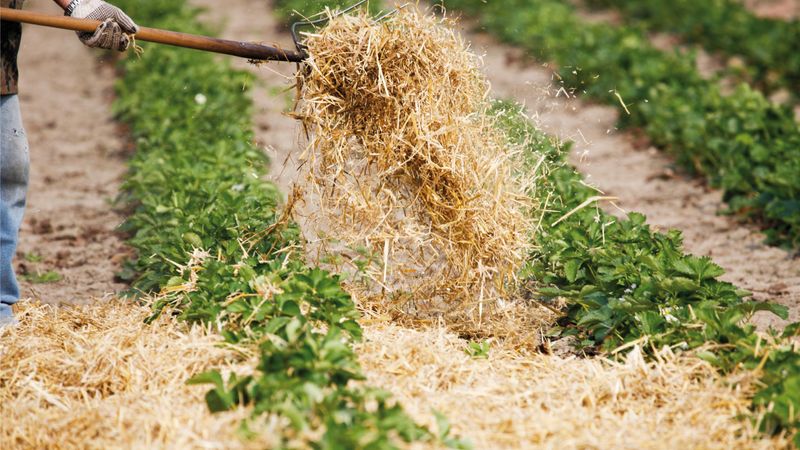
Mulching is a secret weapon in the battle for the sweetest strawberries. Applying a layer of organic mulch, such as straw, around your plants helps retain soil moisture and regulate temperature. This practice not only conserves water but also reduces weed competition, allowing strawberries to thrive. Mulch acts as a protective barrier, preventing soil-borne diseases from splashing onto the leaves and fruit. Moreover, it gradually decomposes, enriching the soil with nutrients. By maintaining consistent moisture levels, your strawberries will develop a sweeter, more concentrated flavor.
5. Watering Wisely
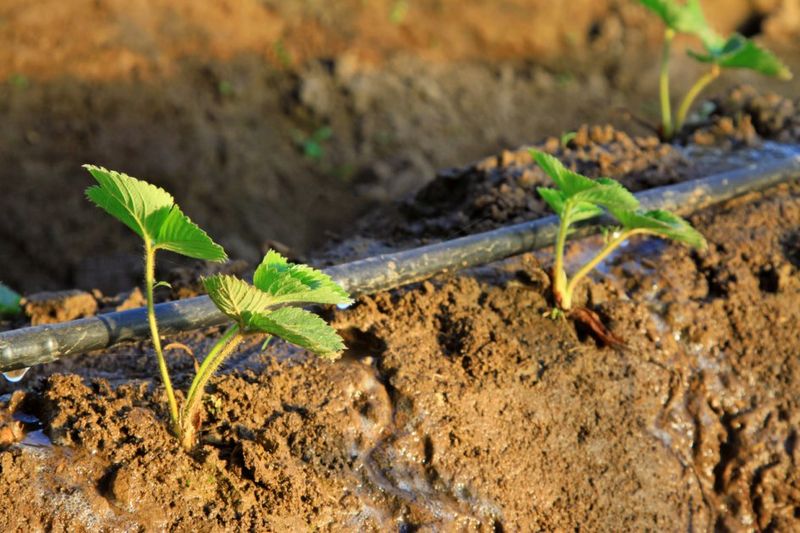
Proper watering is an art that can dramatically enhance the sweetness of your strawberries. Overhead watering can lead to diseases, so opting for drip irrigation or soaker hoses is ideal. These methods deliver water directly to the roots, minimizing evaporation and keeping foliage dry. Consistent moisture is crucial, especially during fruit development, to prevent stress and promote sweetness. Water early in the morning to reduce evaporation and allow foliage to dry before nightfall. With careful watering practices, your strawberries will flourish with intense, sugary flavors.
6. Pruning for Productivity
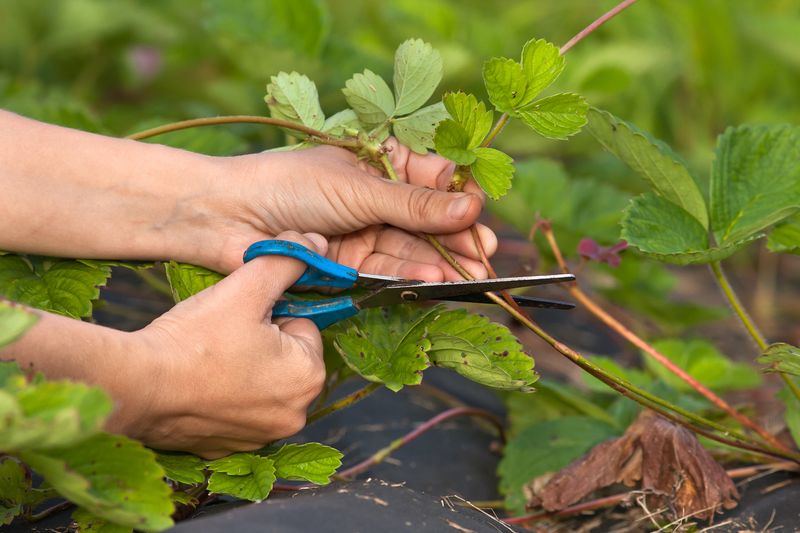
Pruning is a vital practice for maximizing strawberry yields and sweetness. Regularly remove runners — the long stems that sprout from the main plant — to concentrate the plant’s energy on fruit production. This focus boosts the plant’s ability to produce larger, more flavorful strawberries. Additionally, trim away dead or diseased leaves to improve air circulation and reduce the risk of fungal infections. By keeping the plants tidy and well-groomed, you encourage healthier growth and sweeter berries. Pruning ensures your strawberries receive the nutrients they need for superior taste.
7. Fertilizing Strategically
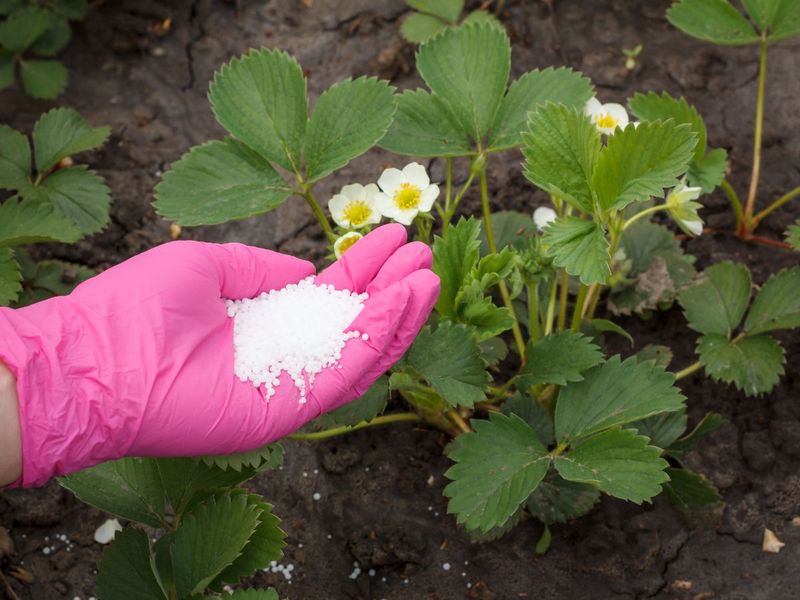
The right fertilization strategy can transform average strawberries into sugar-sweet delights. Begin with a balanced, organic fertilizer in early spring to provide essential nutrients during the growing season. As the berries develop, a low-nitrogen, high-potassium feed will promote sweetness and enhance flavor. Avoid excessive nitrogen, as it encourages leafy growth at the expense of fruit quality. Regularly monitor nutrient levels through soil tests and adjust your fertilization plan accordingly. The goal is to nourish your plants without overwhelming them, resulting in strawberries that are as sweet as candy.
8. Controlling Pests Naturally
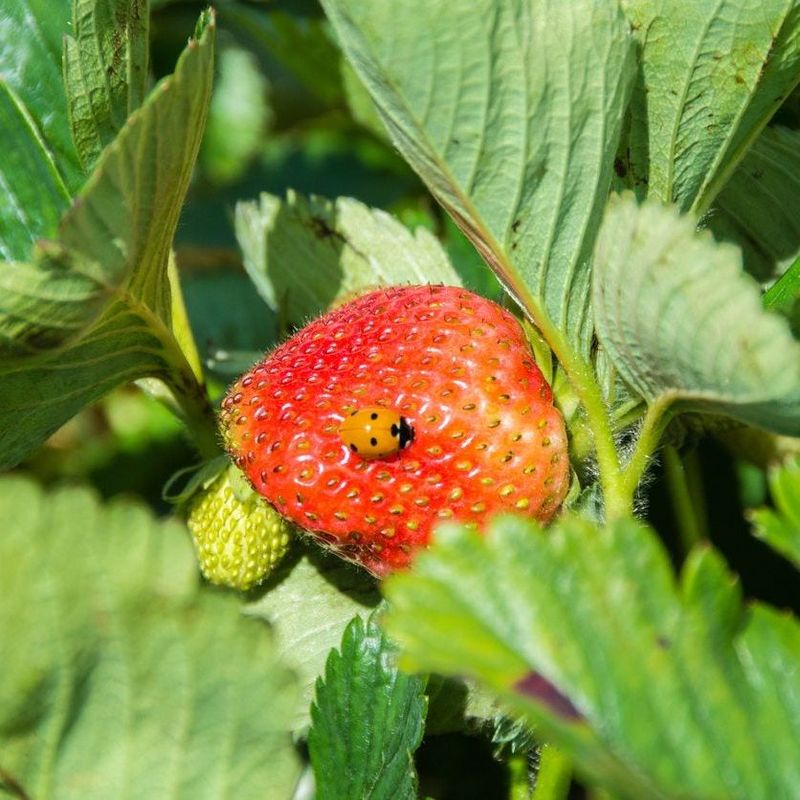
Pest control is essential for healthy, sweet strawberries. Natural methods are often the most effective and environmentally-friendly. Introduce beneficial insects like ladybugs and lacewings, which feast on common pests such as aphids. Planting marigolds nearby can deter nematodes and other unwanted insects. Consider using neem oil or insecticidal soap for stubborn infestations. It’s important to monitor your plants regularly for signs of pest activity. By relying on natural solutions, you not only protect your strawberries but also enhance their flavor, as chemical residues can alter taste.
9. Maximizing Sunlight Exposure
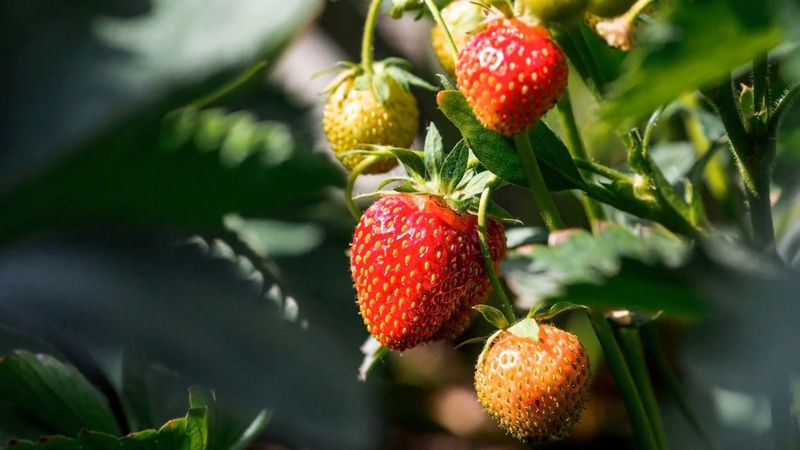
Sunlight is a crucial factor in developing sweet strawberries. Ensure your plants receive at least six to eight hours of direct sunlight daily for optimal sugar production. Position your strawberry patch in an open area, free from shading by trees or structures. Proper spacing between plants will also help maximize light penetration, encouraging robust growth. Consider orienting your rows in a north-south direction to ensure even sun exposure. By maximizing sunlight, you enable your strawberries to photosynthesize effectively, leading to richer, sweeter berries that burst with flavor.
10. Temperature Control
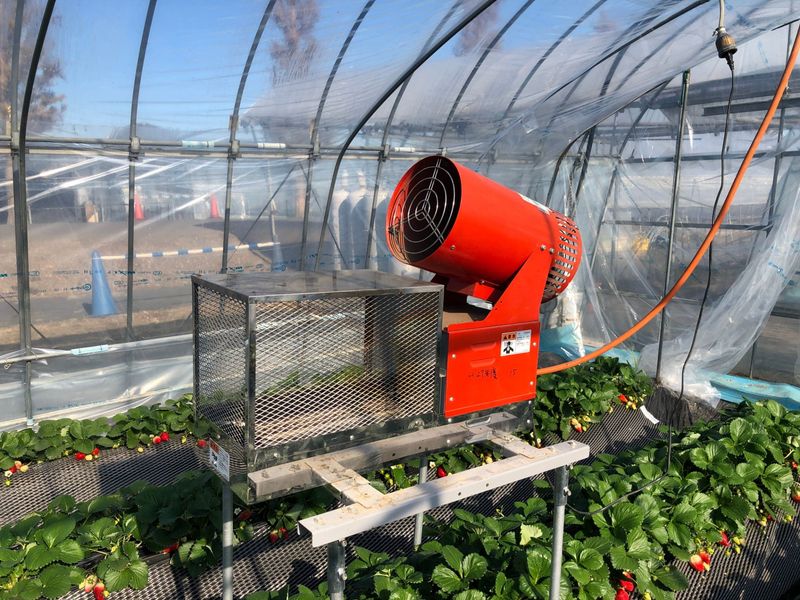
Achieving the perfect strawberry requires mastering the art of climate control. Too much heat can ruin the fruit’s sweetness, while too little stunts growth.
Using a greenhouse or thermal covers helps maintain ideal temperatures, protecting the delicate berries from harsh weather. This method ensures that strawberries can be grown in less-than-ideal climates.
Did you know? Strawberries thrive best between 60°F and 80°F. This temperature range promotes maximum sweetness and color development, ensuring that your berries are as vibrant as they are delicious.
11. Soil pH Balance

Strawberries have a sweet spot when it comes to soil pH. For the juiciest berries, aim for a pH of 5.5 to 6.5.
Regularly testing and adjusting the soil ensures the plants receive the nutrients they crave. This balance enhances not just growth but also fruit flavor.
A quirky fact: Soil pH not only affects taste but also the color of your berries. Slight adjustments can lead to a more vibrant red, making your strawberries as visually appealing as they are tasty.
12. Spacing Strategy
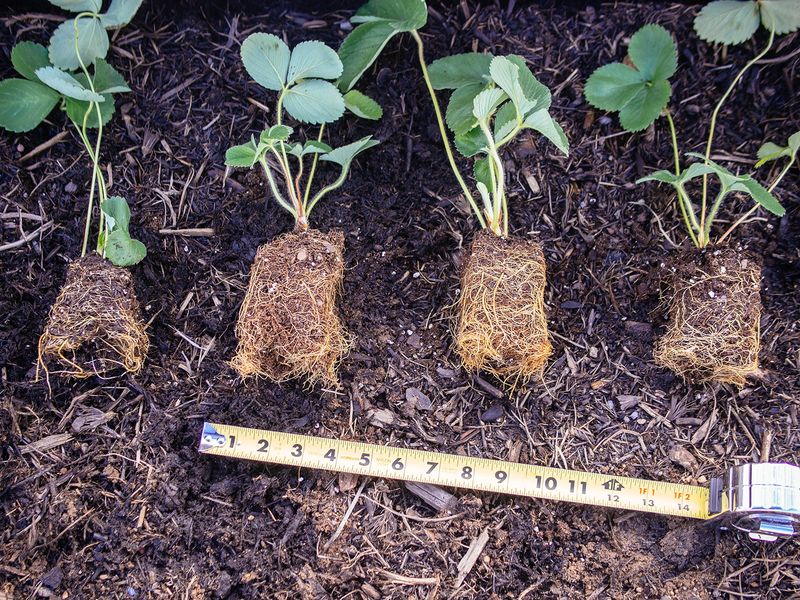
Proper spacing can make or break your strawberry crop. Crowding plants leads to competition for nutrients, resulting in smaller and less flavorful fruits.
Aim for 12 to 18 inches between plants, allowing ample room for runners and optimal air circulation. This promotes healthier growth and reduces disease risk.
Fun fact: Well-spaced strawberries not only grow larger but also produce more significant yields. Ensuring each plant has its own space is a simple yet effective way to boost your harvest.
13. Pollination Partners
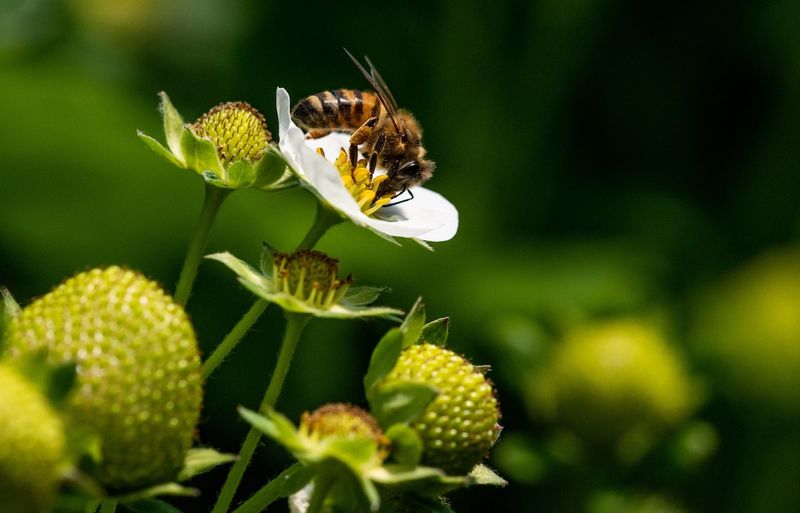
Bees and other pollinators are vital for a fruitful strawberry harvest. Without them, flowers may not set fruit properly, affecting yield quality.
Encouraging a pollinator-friendly environment enhances fruit development. Planting flowers nearby or using bee habitats can attract these essential creatures.
Did you know? Up to 90% of strawberry pollination is done by bees, making them indispensable to your strawberry success. Building a welcoming habitat ensures they stick around, boosting both your berry quality and quantity.
14. Frost Protection
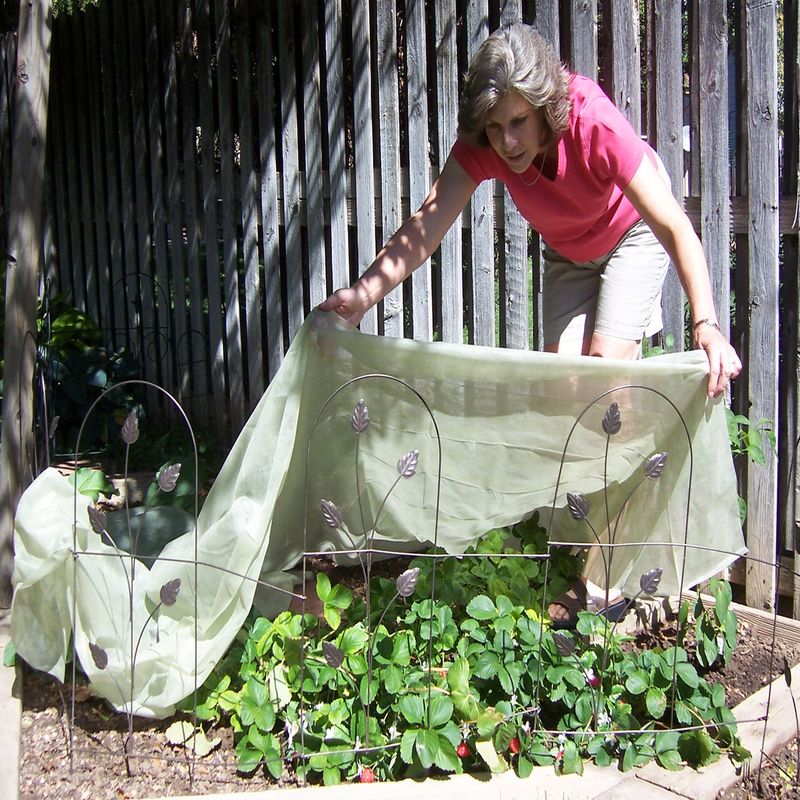
Frost can be devastating to strawberry crops, especially during early bloom. Implementing frost protection strategies can save your harvest.
Using frost blankets or row covers shields the plants from sudden temperature drops. This simple step can mean the difference between a ruined crop and a bumper harvest.
Fascinating insight: Strawberries are incredibly sensitive to frost, with even a light frost causing significant damage. Ensuring they are covered during cold snaps is crucial for maintaining berry quality.
15. Crop Rotation
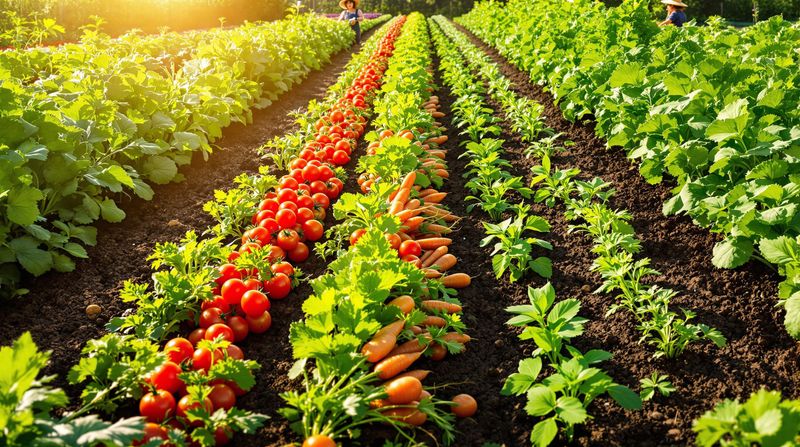
To keep strawberries healthy, rotate crops regularly. This prevents soil nutrient depletion and reduces pest and disease build-up.
Move your strawberry plants to a different garden area every few years. This practice not only improves soil fertility but also enhances berry flavor.
Did you know? Crop rotation has been used for centuries as a sustainable farming method. By rotating crops, you’re following a tried-and-true tactic that keeps your garden vibrant and productive.
16. Organic Boosters
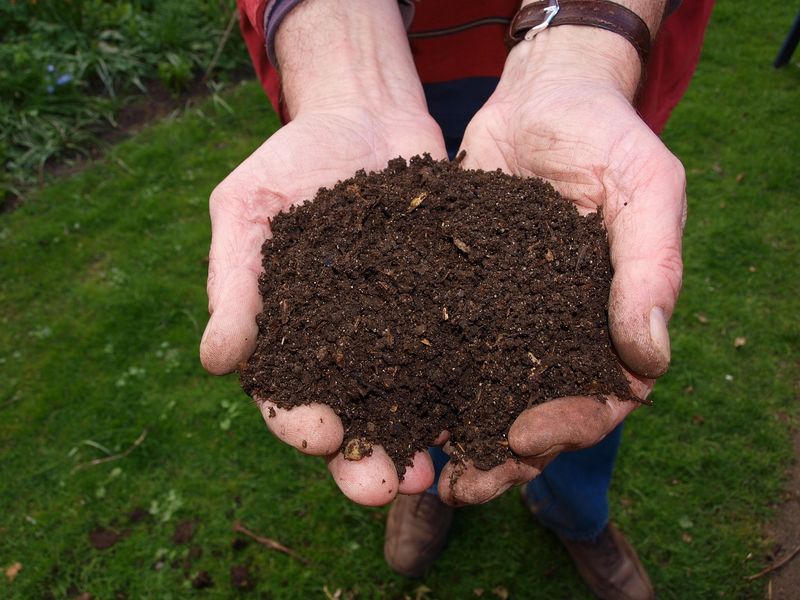
Organic boosters are the secret weapon for thriving strawberries. Instead of chemical fertilizers, use compost or manure to enrich the soil.
These organic materials enhance nutrient content, improve soil structure, and increase moisture retention. This not only supports growth but also intensifies the natural sweetness of the berries.
Intriguing tidbit: Organic strawberries are often sweeter and more flavorful than their conventionally grown counterparts, thanks to the rich, natural growth environment.
17. Winter Care Tips
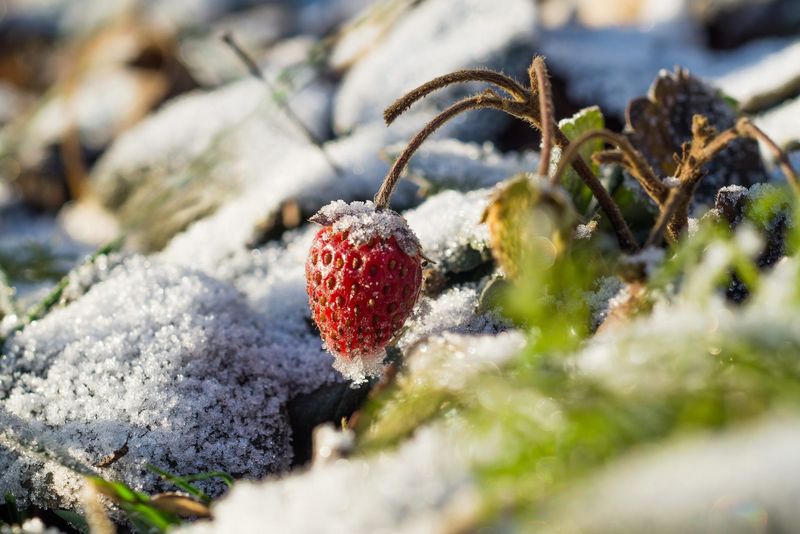
Winter can be tough on strawberries, but proper care ensures they bounce back in spring. Covering plants with straw or mulch protects them from freezing temperatures.
This insulation method not only preserves the plants but also enriches the soil as it breaks down. Come spring, your strawberries will emerge stronger and ready to produce.
Did you know? Strawberries are perennial, meaning they can survive winter with the right protection. Preparing them for cold months is key to a successful growing season.