 Complete Gardening
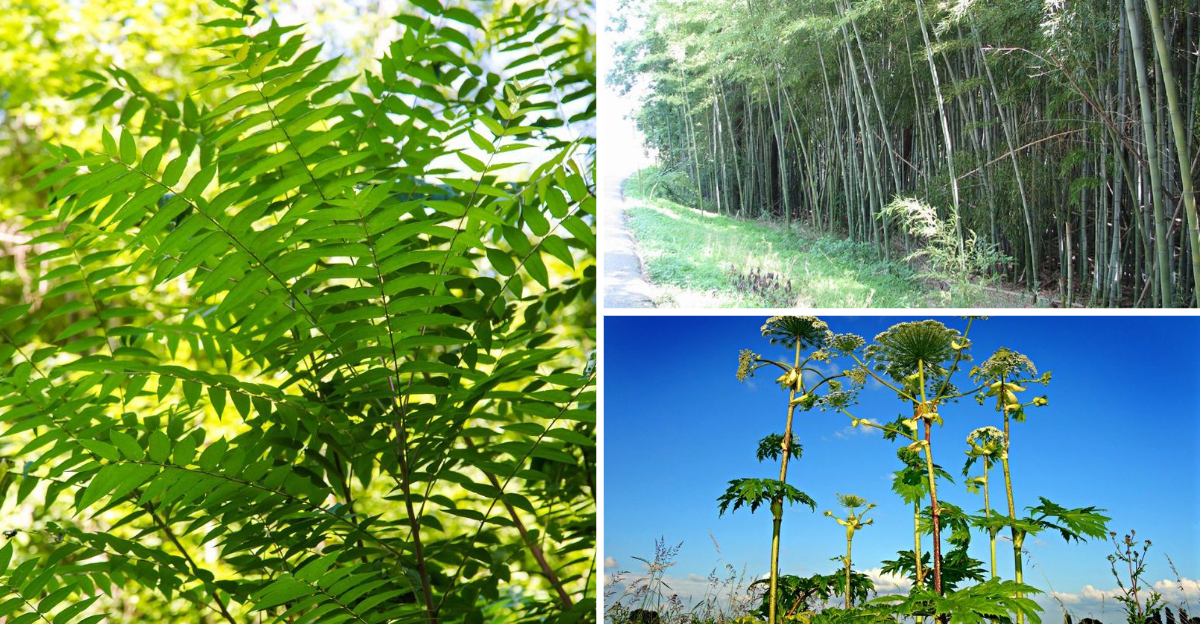
While many plants are celebrated for their beauty and ecological benefits, some seemingly benign species are silently wreaking havoc on ecosystems worldwide. These 17 plants, often introduced to new areas as ornamental or useful species, have turned invasive, outcompeting native flora, and altering habitats. Their spread often leads to a cascade of ecological impacts, affecting wildlife, water resources, and soil health. Understanding these species and their effects is crucial for conservation efforts and maintaining biodiversity. Here’s a closer look at these problematic plants and the challenges they present to our environment.
1. Japanese Knotweed
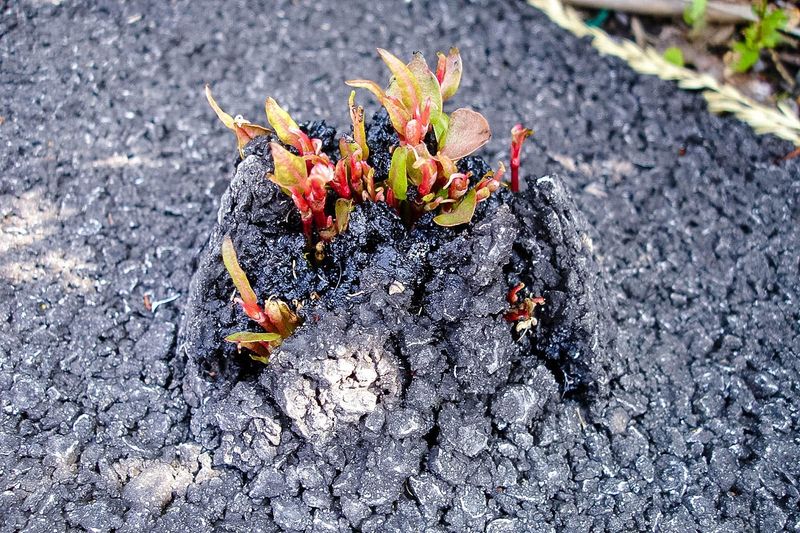
Japanese Knotweed is an aggressive plant known for its rapid growth and ability to thrive in various environments. Originally introduced for ornamental purposes, it forms dense thickets that crowd out native plants. Its deep, resilient root system can damage infrastructure such as roads and buildings. This plant’s ability to regrow from small root fragments makes it particularly difficult to eradicate. Efforts to control its spread require persistent management and collaboration between landowners and government agencies.
2. Water Hyacinth
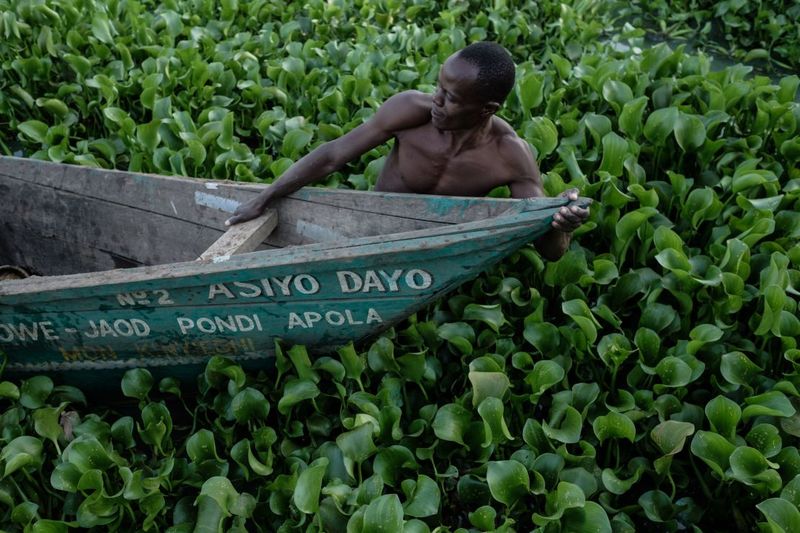
Water Hyacinth is a floating aquatic plant native to South America, now widespread across many water bodies globally. Its rapid growth can lead to dense mats covering whole water surfaces, blocking sunlight and depleting oxygen levels in the water. This affects aquatic life and can hinder fishing and transportation activities. Despite its role in phytoremediation, its invasive nature poses significant ecological and economic challenges. Efforts to manage Water Hyacinth often involve mechanical removal and biological control methods.
3. Giant Hogweed
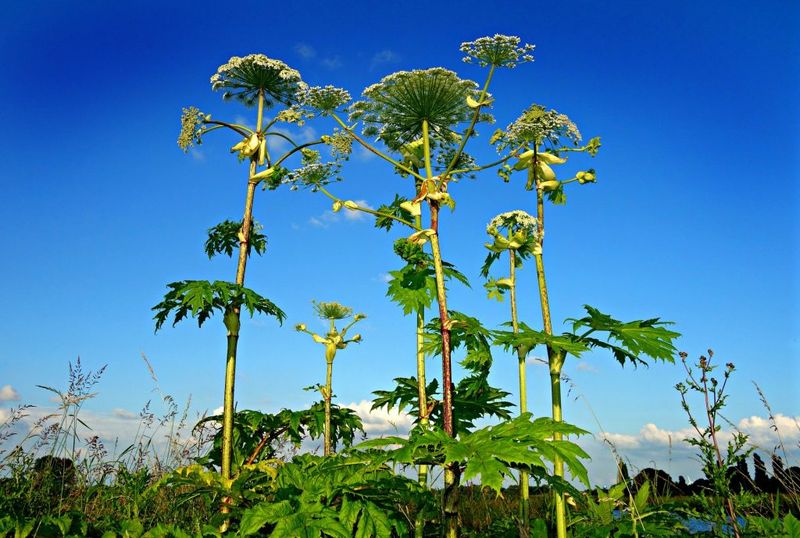
Giant Hogweed is a striking plant known for its impressive height and large flower heads. However, it poses serious ecological and health risks. Its sap can cause severe skin burns and blisters when exposed to sunlight. Ecologically, it outcompetes native vegetation, reducing biodiversity and altering habitats. Found in Europe and North America, managing its spread requires careful handling to avoid injury and effective communication to raise public awareness.
4. Kudzu

Kudzu, often called “the vine that ate the South,” is notorious for its rampant growth. Originally introduced from Asia for erosion control, it quickly overtakes everything in its path, from trees to buildings. This smothers native plants and disrupts ecosystems. Its rapid spread has been difficult to manage, requiring extensive resources and innovative approaches. Engaging local communities in control efforts is crucial for mitigating its impact and preserving native biodiversity.
5. Purple Loosestrife
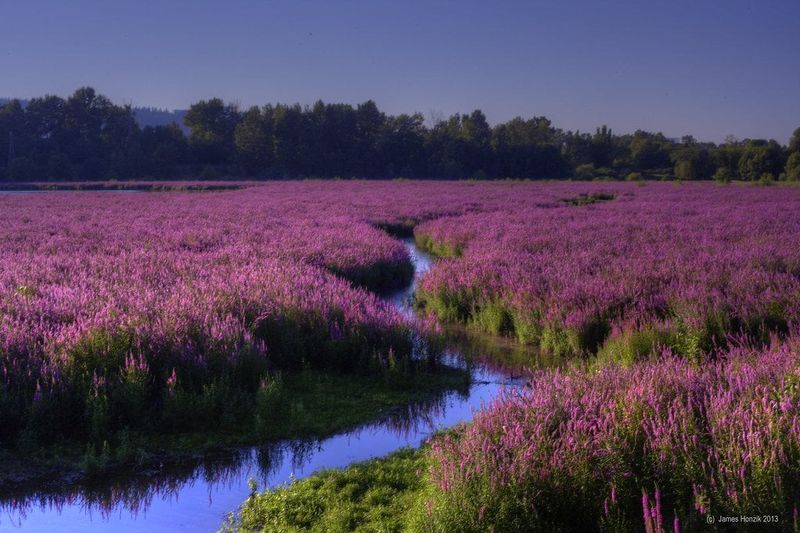
Purple Loosestrife is a visually striking plant that has become a major concern in wetlands across North America. Its dense stands outcompete native vegetation, reducing habitat quality for wildlife. This plant’s ability to produce millions of seeds annually contributes to its explosive spread. Conservationists have employed biological control agents like beetles to curb its growth, but challenges remain. Public awareness and participation are vital to preserve wetland biodiversity and prevent further invasions.
6. English Ivy
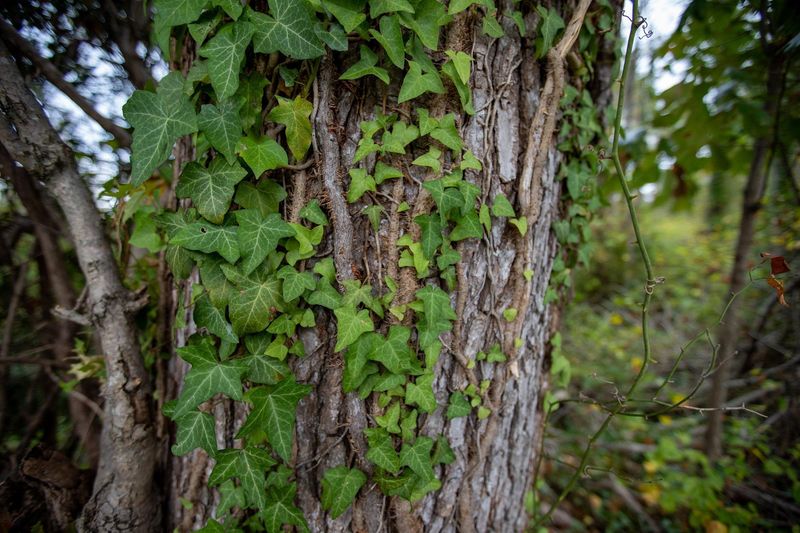
English Ivy is a popular ornamental plant known for its ability to climb and cover surfaces. However, when it escapes cultivation, it becomes invasive, smothering native plants and trees. Its dense growth can weaken trees and structures, leading to ecological and structural damage. Efforts to control its growth include manual removal and public education on responsible gardening practices. Promoting native alternatives can help maintain ecological balance and prevent English Ivy’s spread.
7. Bamboo
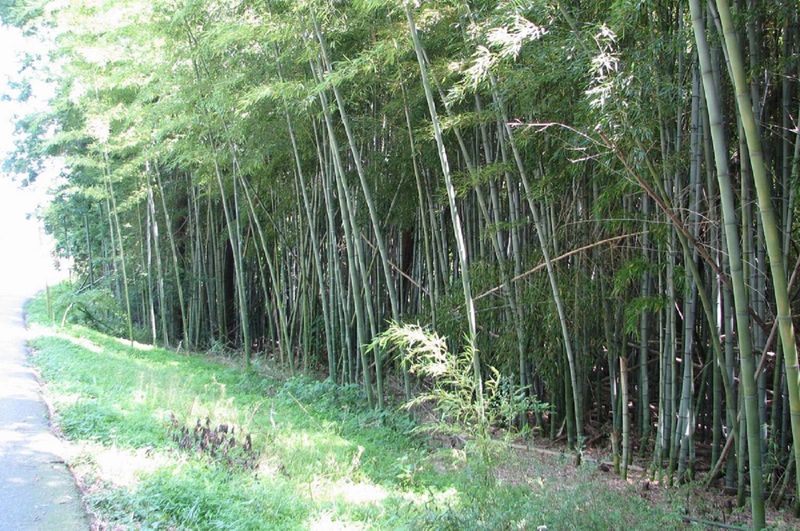
Bamboo is admired for its fast growth and versatility, but certain species are invasive, overpowering gardens and wild areas. Its rhizomatic root system allows it to spread rapidly, creating dense thickets that are difficult to control. This can outcompete local plants and alter habitats, leading to ecological imbalances. To manage bamboo, containment strategies like root barriers and regular maintenance are essential. Educating gardeners about responsible planting can reduce its environmental impact.
8. Tree of Heaven
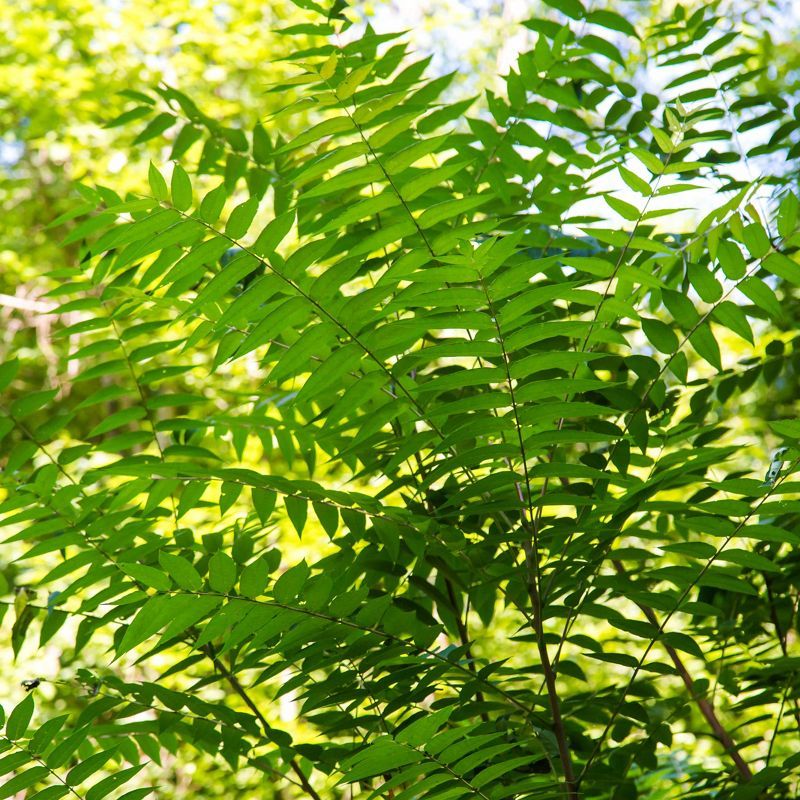
Tree of Heaven is a fast-growing tree that thrives in disturbed urban areas. Known for its ability to grow in poor soil conditions, it establishes quickly and competes with native species. Its roots release chemicals that inhibit the growth of other plants, further aiding its spread. Managing its invasion requires persistent efforts to remove seedlings and prevent seed dispersal. Public awareness and community involvement are key in controlling its expansion and protecting native ecosystems.
9. Autumn Olive
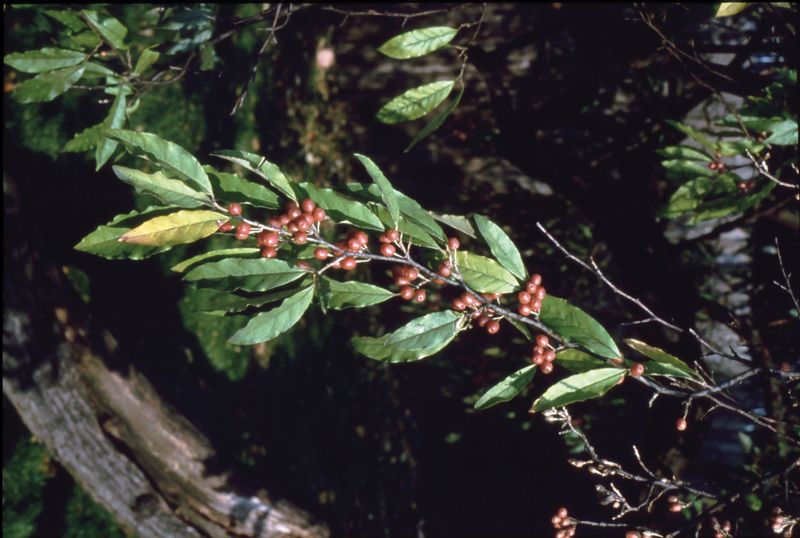
Autumn Olive is a hardy shrub introduced for its ornamental value and erosion control properties. However, it has become invasive, particularly in North America, where it outcompetes native plants. Its ability to fix nitrogen in the soil allows it to thrive in poor conditions, altering habitats. Management strategies focus on mechanical removal and promoting native species. Educating landowners about the risks associated with Autumn Olive can foster more sustainable land-use practices.
10. Norway Maple
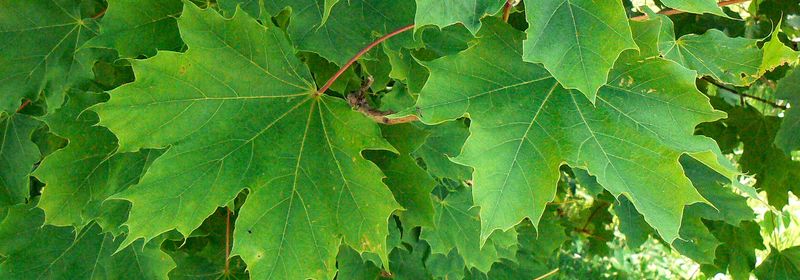
Norway Maple is a popular shade tree known for its hardiness and vibrant fall color. However, it has become invasive in some regions, displacing native trees and altering forest composition. Its dense canopy shades out undergrowth, impacting plant diversity. Efforts to manage its spread include promoting native tree species and educating the public about its ecological impact. By fostering awareness, communities can better protect their local environments and biodiversity.
11. Garlic Mustard
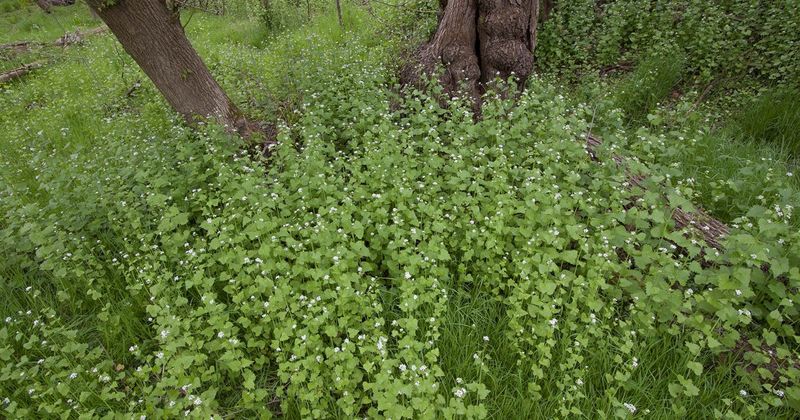
Garlic Mustard is an herbaceous plant that thrives in woodland environments. Known for its culinary uses, it has escaped into wild areas, where it aggressively competes with native plants. Its allelopathic properties inhibit the growth of other species, leading to reduced biodiversity. Control efforts include manual removal and chemical treatments. Raising public awareness about its impact on forest ecosystems can help manage its spread and protect native flora.
12. Yellow Starthistle
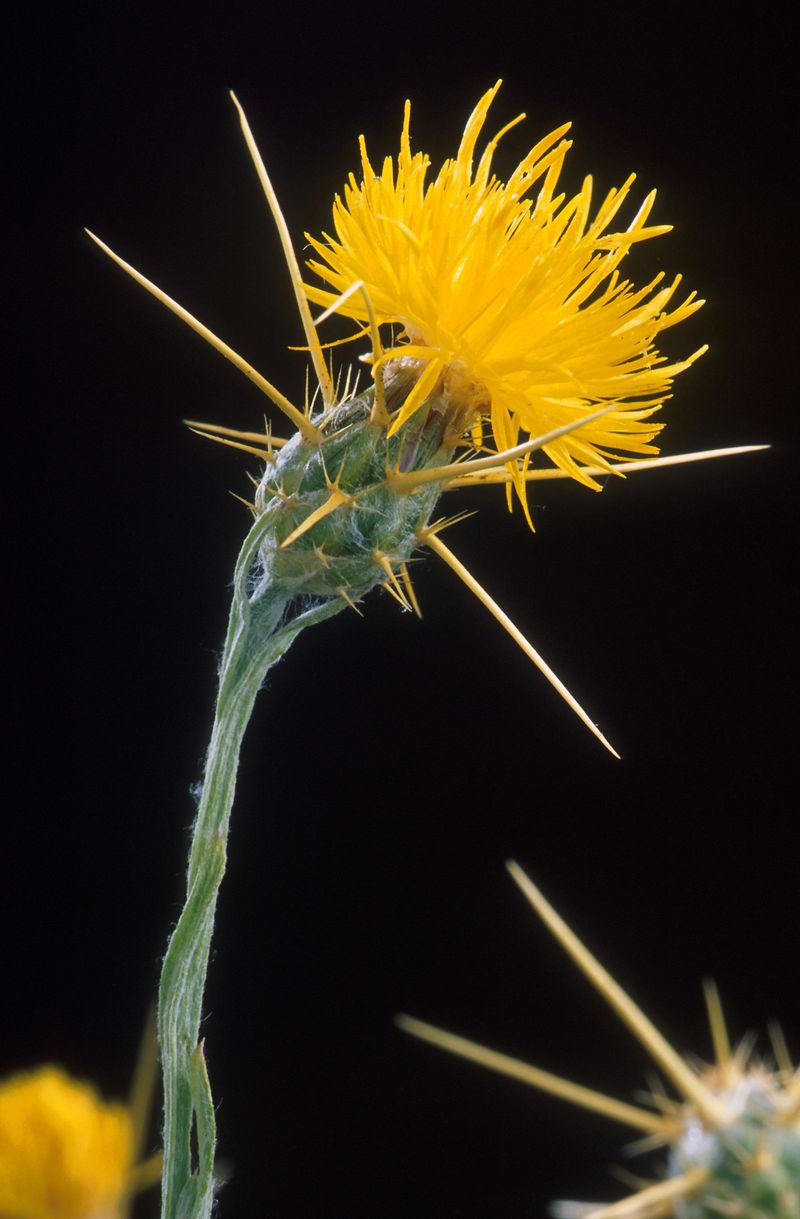
Yellow Starthistle is a notorious invasive plant in grasslands and pastures, especially in the western United States. Its spiky flowers and thorns deter grazing animals, reducing forage quality. This plant’s extensive root system outcompetes native grasses, leading to habitat degradation. Managing its spread involves integrated approaches, including grazing management, herbicide application, and competitive planting. Educating ranchers and land managers is crucial to prevent further invasions and restore affected ecosystems.
13. Brazilian Pepper Tree
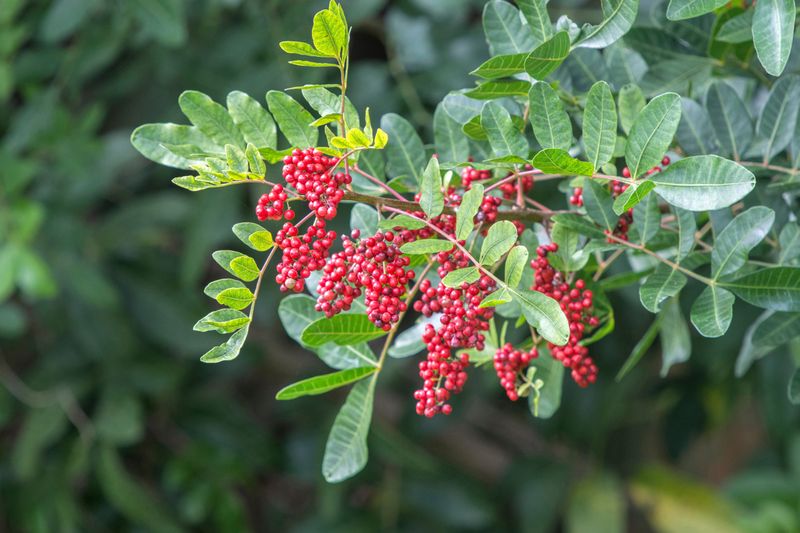
Brazilian Pepper Tree is a vigorous plant often found in subtropical regions, where it forms dense thickets that crowd out native vegetation. Its rapid spread and ability to adapt to various conditions make it a significant ecological threat. Management efforts focus on mechanical removal and the use of biological control agents. Public education campaigns help raise awareness of its impact on biodiversity and encourage community involvement in control initiatives.
14. Mile-a-Minute Weed
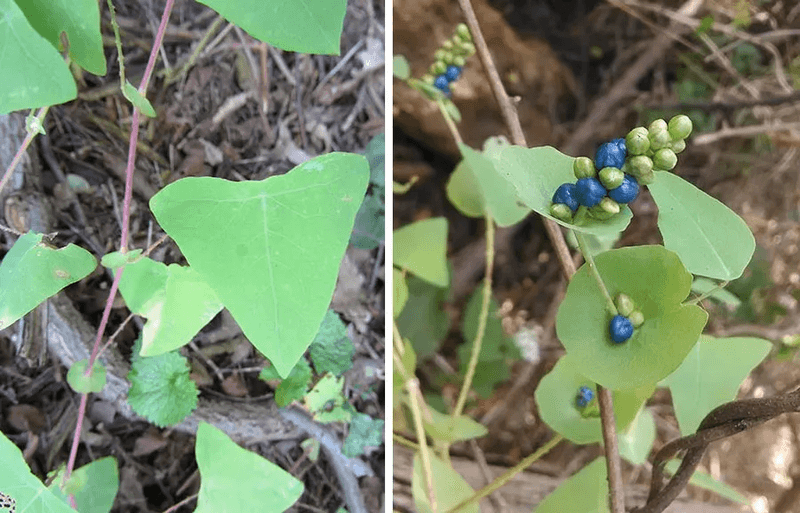
Mile-a-Minute Weed, aptly named for its rapid growth, is a climbing vine that can quickly cover and smother native plants. Its barbed stems allow it to climb over vegetation, leading to reduced plant diversity and habitat quality. Managing its invasion requires early detection and persistent control measures, including manual removal and herbicide application. Increasing public awareness and encouraging early reporting can help prevent its establishment and protect native ecosystems.
15. Cogongrass
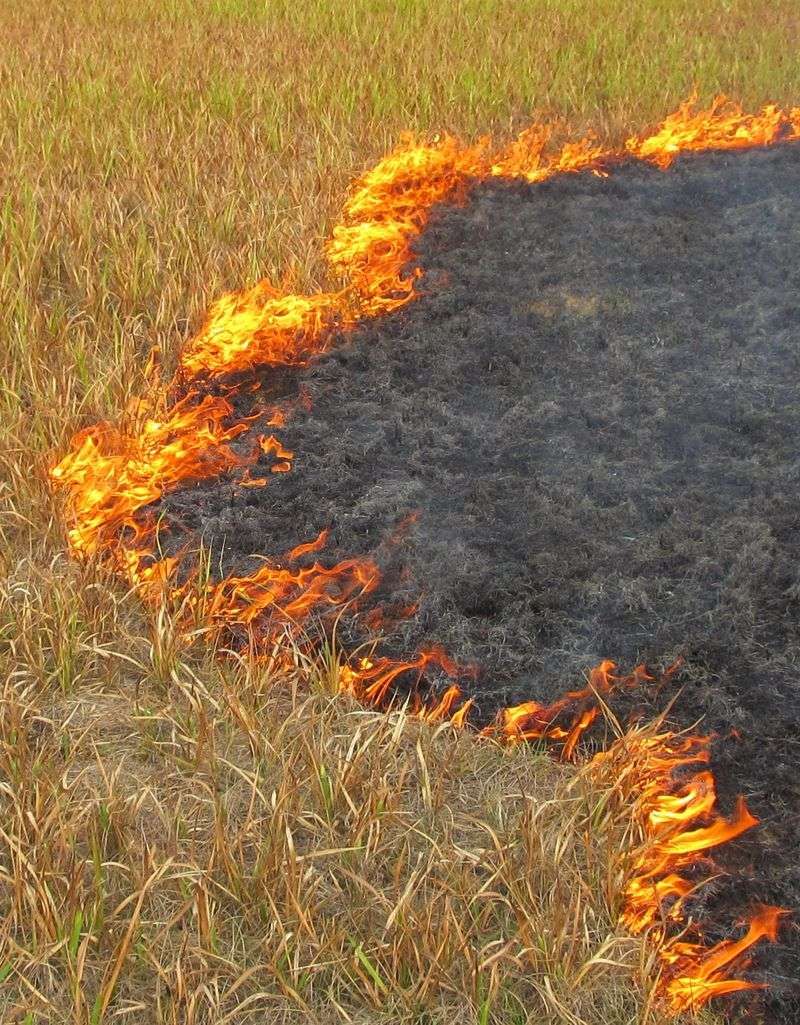
Cogongrass is a highly invasive species in the southeastern United States, known for its dense growth and fire-promoting properties. Its aggressive spread displaces native vegetation, altering habitats and increasing fire risk. Managing its invasion requires a combination of chemical treatments and replanting native species. Public education and engagement are essential for effective control and restoration efforts. By understanding the risks associated with Cogongrass, communities can better protect their local ecosystems.
16. Lantana
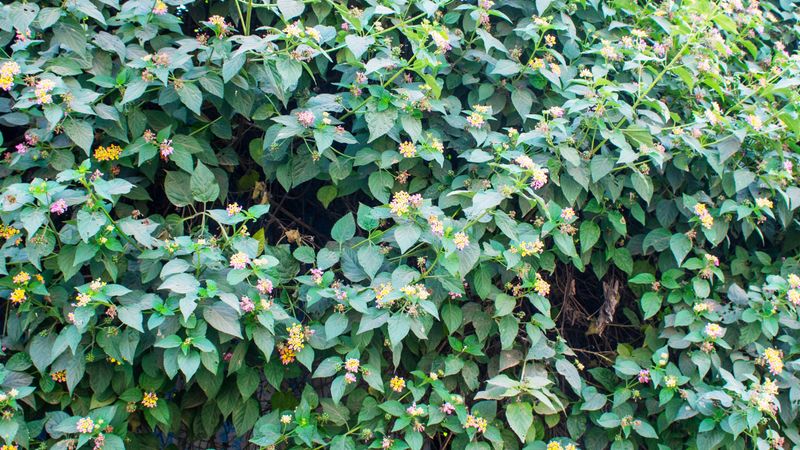
Lantana is a popular ornamental plant, but in many tropical and subtropical regions, it has become a significant invasive species. Its dense thickets can outcompete native plants, reducing biodiversity and altering habitats. The toxicity of its berries also poses a threat to livestock. Managing its spread involves mechanical removal and the use of herbicides. Public education campaigns are vital to raise awareness about its impact on ecosystems and encourage responsible gardening practices.
17. Buddleia (Butterfly Bush)
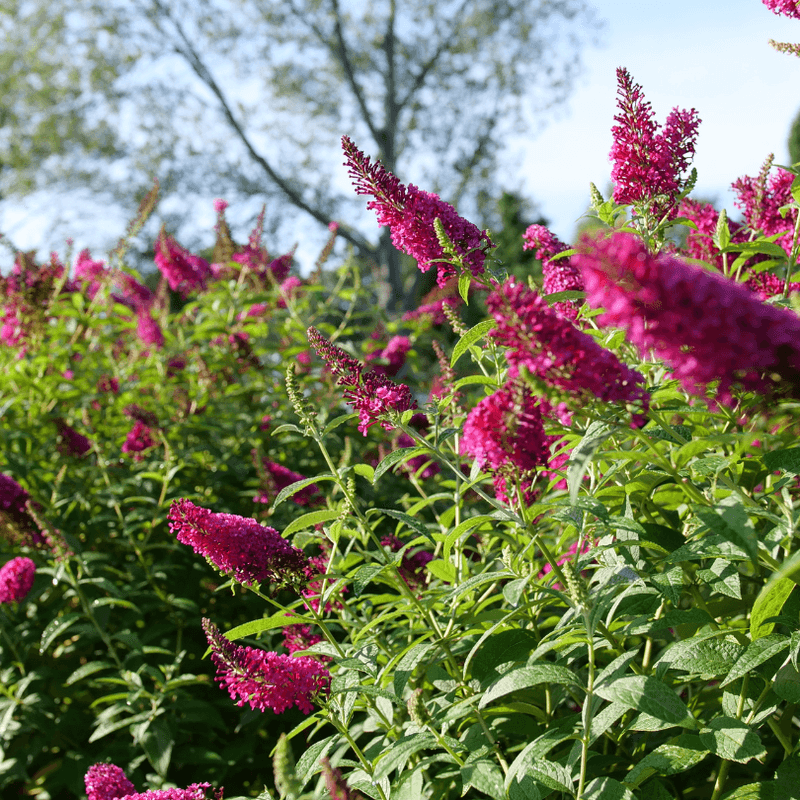
Often adored for its vibrant blooms, the Butterfly Bush is more than meets the eye. Despite attracting butterflies, it aggressively invades gardens and natural areas.
Once established, it outcompetes native flora, disrupting local biodiversity. This shrub thrives in harsh conditions, making containment challenging.
A garden favorite, its allure masks ecological threats.
Did you know? Originating from Asia, it quickly colonizes areas outside its native range. Its tough nature and rapid growth overwhelm other species, posing a silent risk to natural habitats.
Gardeners, beware: beauty sometimes conceals a destructive force.