 Complete Gardening
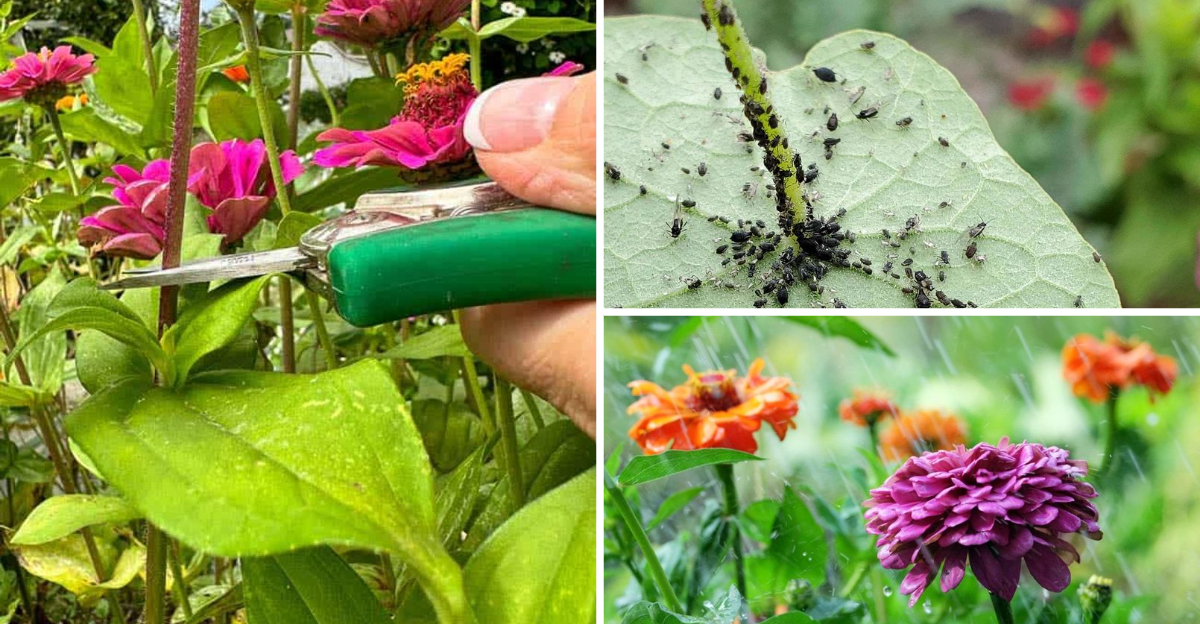
Zinnias are vibrant and resilient flowers that can brighten any garden, but improper care can lead to their decline. Understanding common mistakes in their maintenance can save your zinnia garden from potential ruin. This guide explores 17 critical errors that could be slowly killing your zinnias, providing insights and solutions to nurture their beauty and health.
1. Overwatering
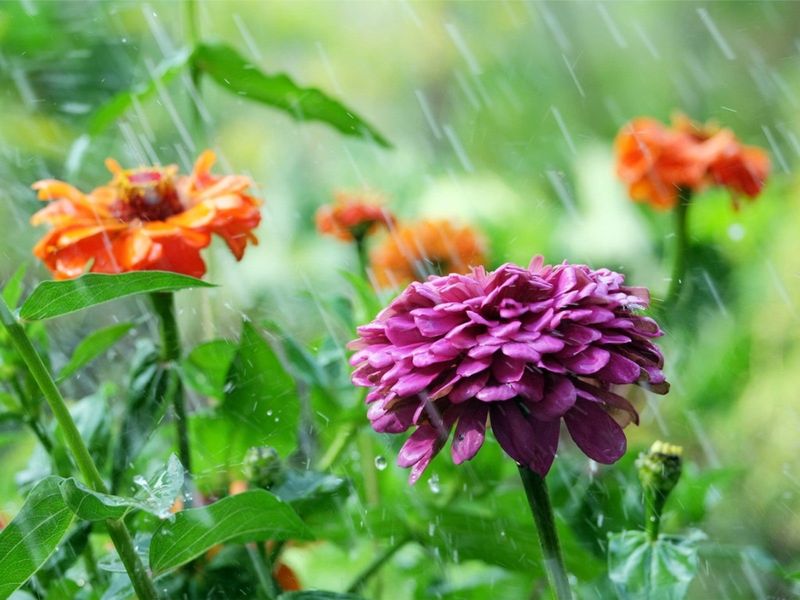
Many assume more water means healthier plants, but zinnias thrive in well-drained soil. Overwatering can lead to root rot, depriving roots of necessary oxygen.
A common mistake is not letting the soil dry out between waterings. This habit can suffocate the plant and invite fungal diseases.
To avoid this, check the soil moisture before watering. If the top inch is dry, then it’s time to water. Use mulch to retain moisture without drowning the roots. Remember, zinnias prefer a regular but not excessive watering schedule.
2. Poor Soil Quality
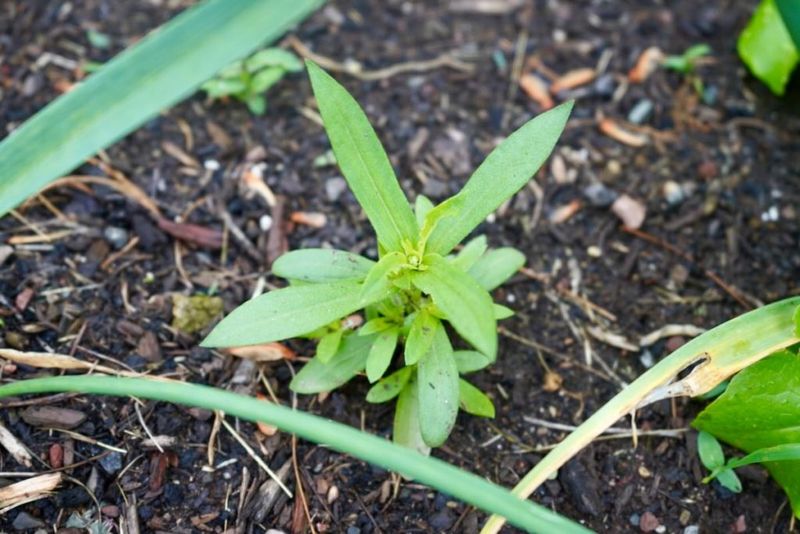
Zinnias flourish in nutrient-rich soil. Unfortunately, poor soil quality is a common problem affecting their growth. Nutrient-poor or compacted soil can hinder root development.
To improve soil conditions, integrate organic matter like compost. This enriches the soil and enhances aeration, allowing roots to breathe.
Regularly testing soil pH ensures it stays within the ideal range of 5.5 to 7.5. Adjusting the pH as needed can significantly enhance zinnia health. Consider rotating zinnias with legumes to naturally replenish nitrogen levels in the soil.
3. Inadequate Sunlight
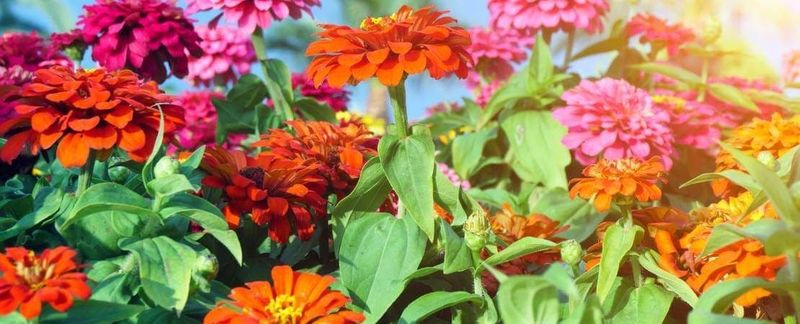
Zinnias are sun-loving plants requiring full sunlight for optimal growth. Inadequate sunlight can cause them to become leggy and produce fewer blooms.
Situate zinnias in an area receiving at least six hours of direct sunlight daily. This exposure encourages robust growth and vibrant flowers.
If your garden lacks sunlight, consider relocating the plants or trimming nearby trees. Using reflective surfaces can also boost light exposure. Ensuring proper sunlight is crucial for zinnias to thrive and display their full color potential.
4. Ignoring Pest Infestations
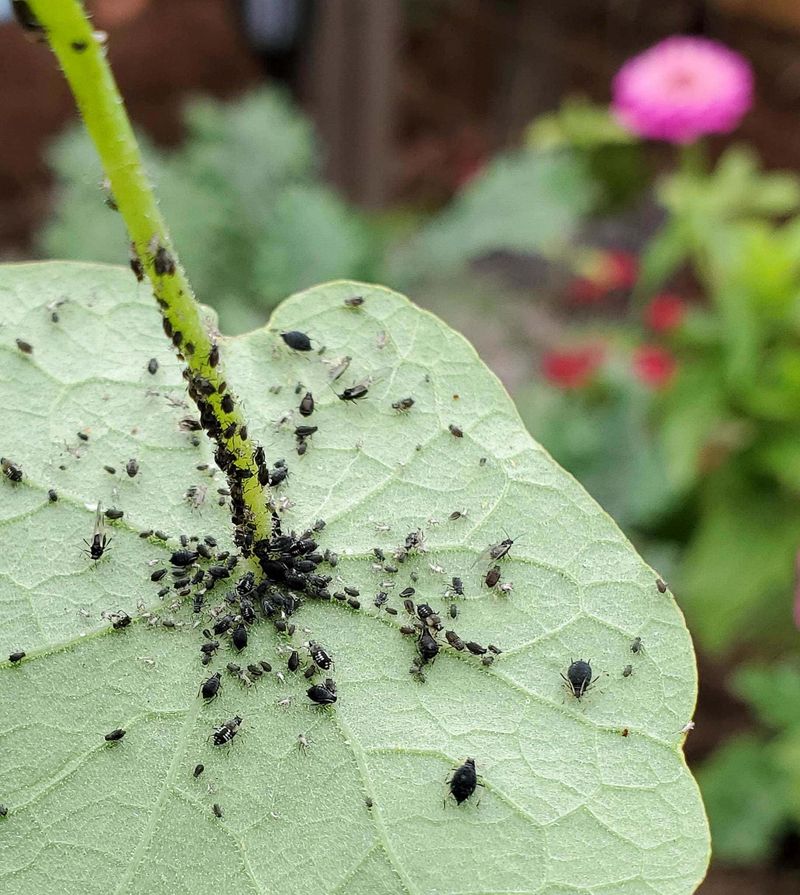
Pests like aphids and spider mites can wreak havoc on zinnias if not addressed promptly. Ignoring infestations can lead to weakened plants and poor flowering.
Regularly inspect your zinnias for signs of pests. Look for discolored leaves or a sticky residue. Early detection is key to effective management.
Employ natural predators such as ladybugs or consider organic insecticides. Encouraging biodiversity in your garden can deter pests naturally. Keeping a vigilant eye on potential infestations helps maintain healthy zinnia plants.
5. Overcrowding Plants
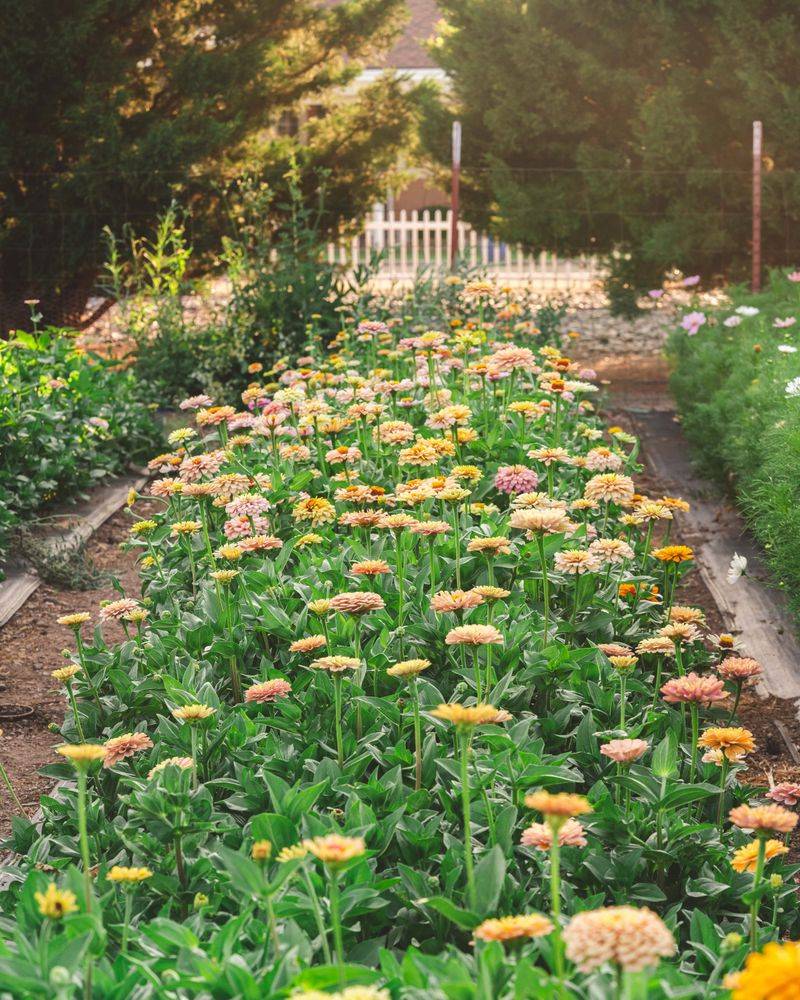
Zinnias need space to spread and flourish. Overcrowding them can lead to competition for resources like light and nutrients, stunting growth.
Proper spacing is essential for air circulation, reducing the risk of fungal diseases. Space zinnia plants about 12 to 18 inches apart for optimal growth.
When planting, consider the mature size of the zinnia variety. Overcrowding can lead to leggy plants and poor flowering. Resisting the urge to pack them tightly ensures a healthier and more vibrant display of blooms.
6. Improper Deadheading
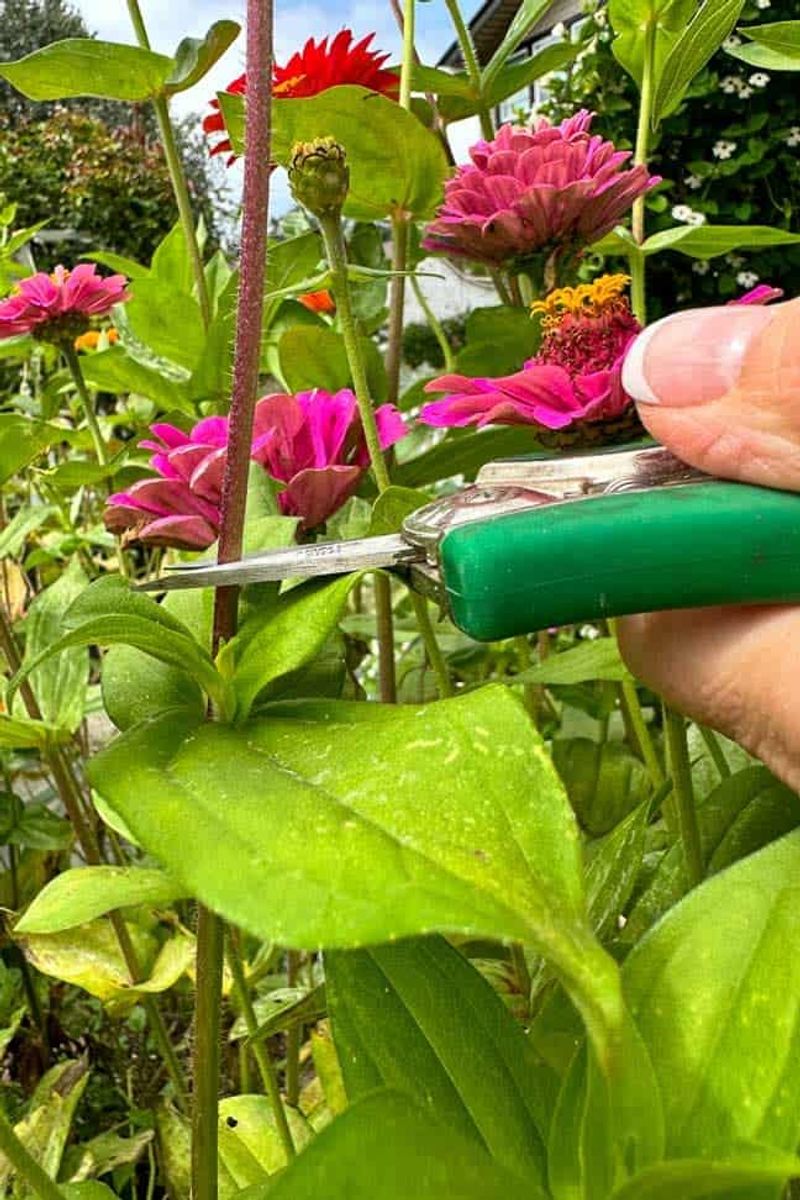
Deadheading, or removing spent flowers, encourages zinnias to produce more blooms. Improper technique, however, can hinder this benefit.
Avoid cutting too far down the stem, as this can damage the plant. Remove only the flower head and a short portion of the stem.
Regular deadheading keeps zinnias blooming throughout the season, promoting healthier plants. Use sharp, clean tools to prevent disease spread. Mastering proper deadheading techniques ensures continuous and vibrant flowering in your garden.
7. Using Chemical Fertilizers Excessively
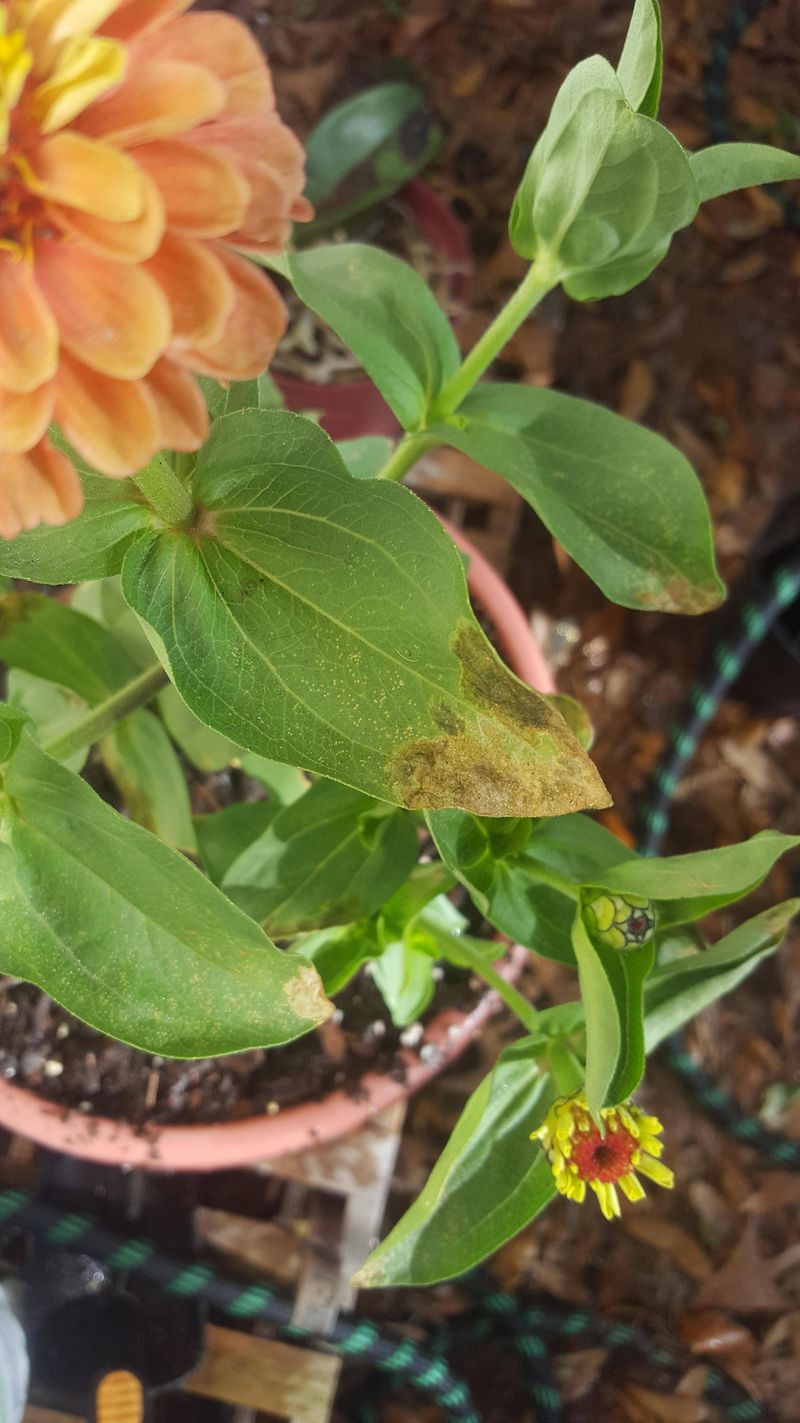
While fertilizing zinnias can boost their growth, too much can cause harm. Excessive use of chemical fertilizers may lead to nutrient imbalances and leaf burn.
It’s crucial to follow recommended dosages and opt for slow-release or organic fertilizers. These provide a balanced nutrient supply without the risk of overfeeding.
Regular soil testing helps tailor fertilization to your garden’s needs. Embracing moderation in fertilization leads to healthier, more resilient zinnia plants with lush, vivid blooms.
8. Ignoring Proper Watering Technique
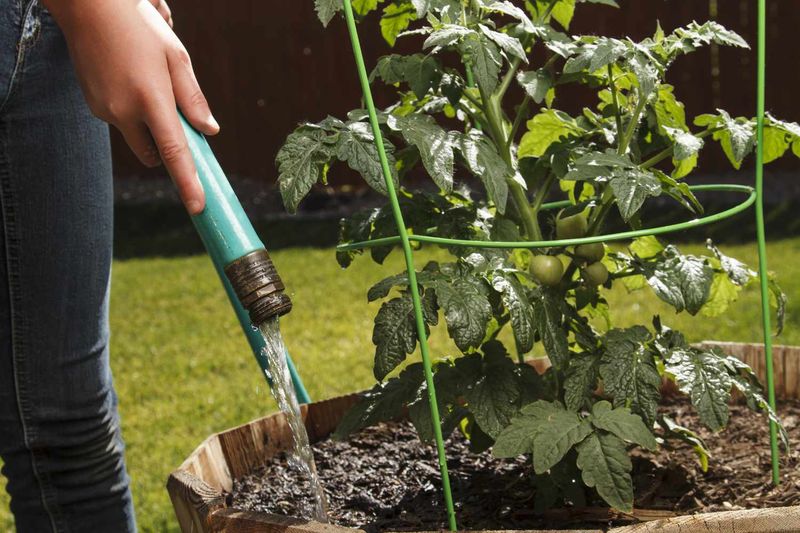
Watering zinnias correctly is vital for their health. Incorrect methods, such as overhead watering, can promote fungal diseases by leaving foliage wet.
Focus on watering at the base of the plant, targeting the soil rather than the leaves. This reduces the risk of disease and ensures efficient water usage.
Early morning is the best time to water, allowing foliage to dry quickly. Adopting proper watering techniques protects zinnias from disease and supports robust growth and flowering.
9. Failing to Control Weeds
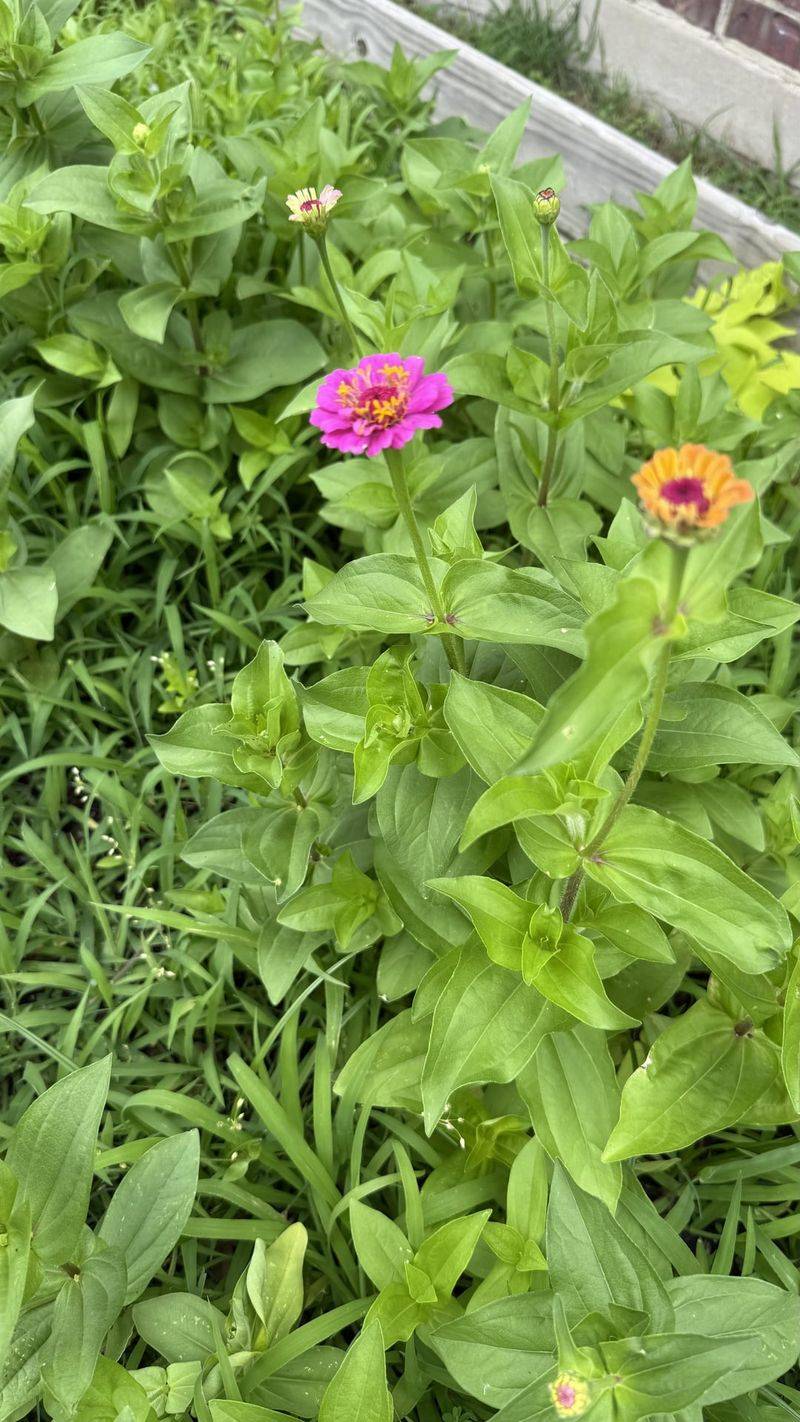
Weeds compete with zinnias for nutrients and water, potentially stunting their growth. Letting weeds overtake your garden can drastically affect zinnia health.
Regular weeding is crucial to maintaining a healthy garden. Mulching can help suppress weed growth and retain soil moisture.
Employing a proactive approach to weed control ensures that your zinnias receive the nutrients they need. A tidy garden bed, free from competitors, promotes vigorous zinnia growth and flowering.
10. Neglecting Seasonal Mulching
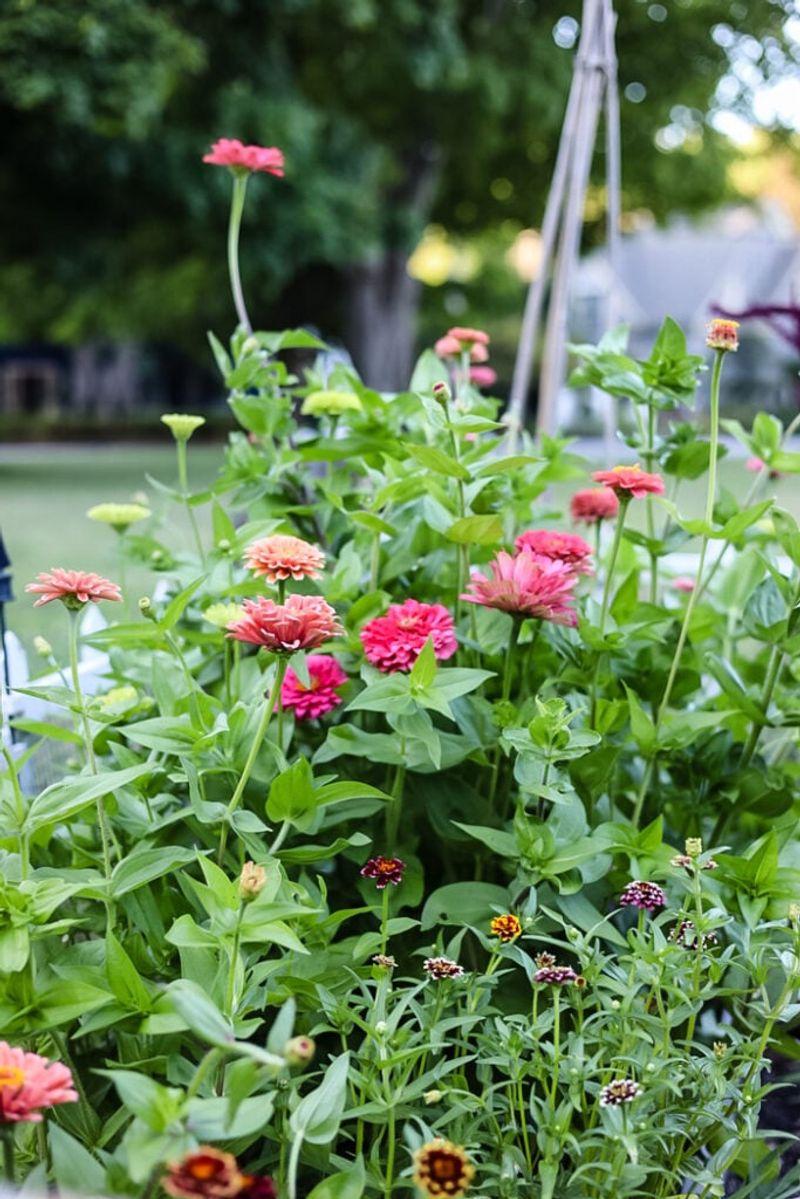
Mulching is an effective practice for maintaining healthy zinnias. Neglecting it can lead to moisture loss and temperature fluctuations, affecting plant vitality.
Apply organic mulch like straw or bark around zinnia bases to conserve moisture and regulate soil temperature. This practice also suppresses weed growth.
Replenish mulch as it decomposes and avoid piling it against stems to prevent rot. Regular mulching enhances zinnia resilience and supports sustained growth and blooming throughout the season.
11. Ignoring Disease Symptoms
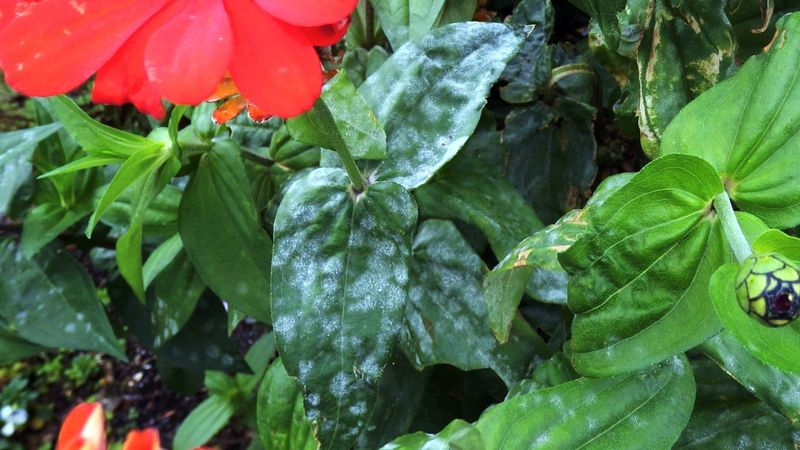
Disease symptoms in zinnias, such as powdery mildew, require immediate attention. Ignoring them can lead to severe damage or loss of the plant.
Regularly inspect your zinnias for unusual spots or discoloration. Early detection enables effective management and treatment.
Implementing crop rotation and maintaining good air circulation helps prevent disease spread. Utilizing fungicides when necessary can protect your zinnias from further damage. Being proactive about disease symptoms ensures robust plant health and flourishing blooms.
12. Failure to Rotate Crops
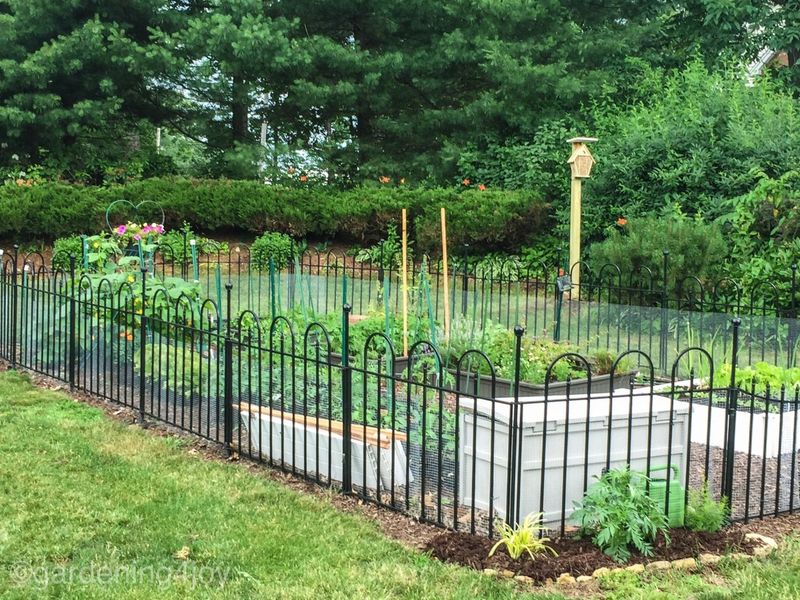
Reusing the same garden bed for zinnias annually can deplete soil nutrients and increase disease risk. Crop rotation is vital for maintaining soil health.
Rotate zinnias with other plant families to naturally replenish soil nutrients and disrupt pest cycles. This practice enhances soil fertility and plant vigor.
Planning your garden layout with rotation in mind promotes a sustainable gardening approach. Embracing crop rotation supports healthier zinnia growth and lessens the likelihood of recurring issues.
13. Incorrect Pruning Techniques
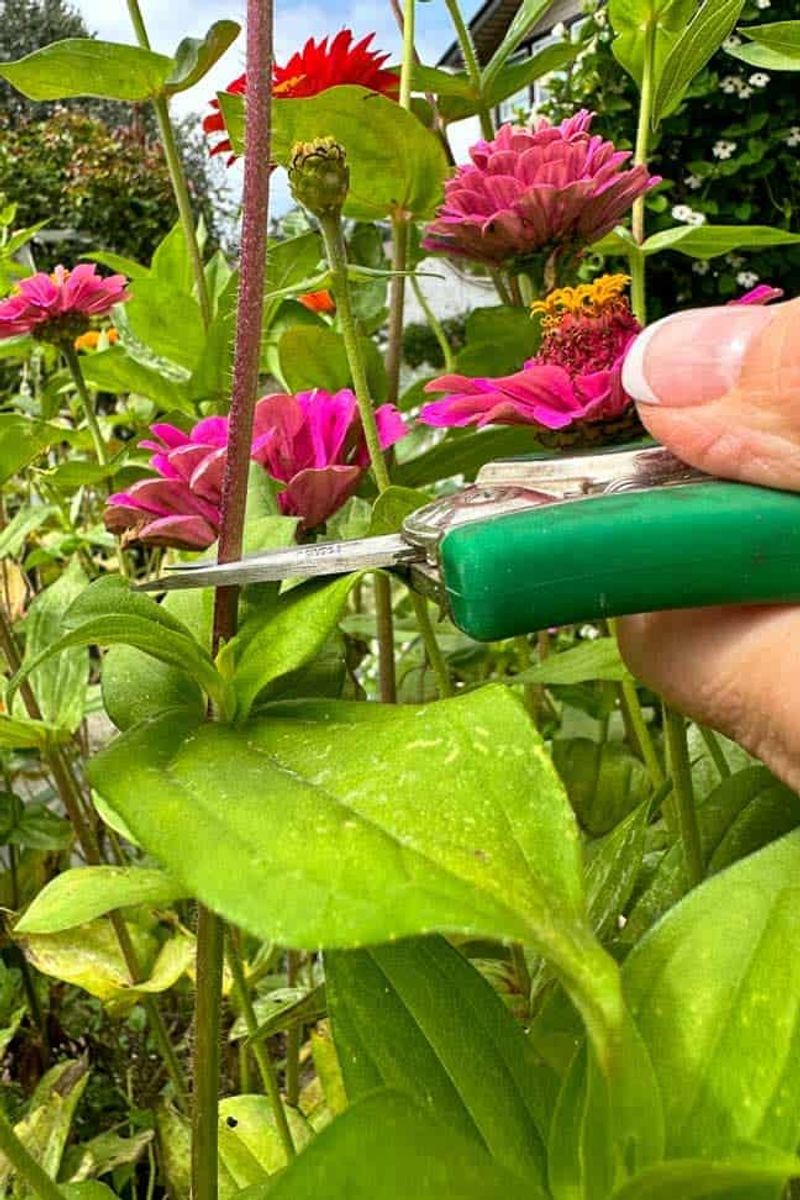
Pruning zinnias encourages fullness and flowering. Incorrect techniques, however, can lead to uneven growth or damage.
Avoid cutting too close to the main stem, as it may hinder recovery. Instead, focus on removing dead or weak stems to promote new growth.
Employ clean, sharp tools to minimize damage and disease risk. Understanding proper pruning techniques ensures zinnias remain full and vigorous, contributing to a thriving garden display.
14. Neglecting Soil pH Levels
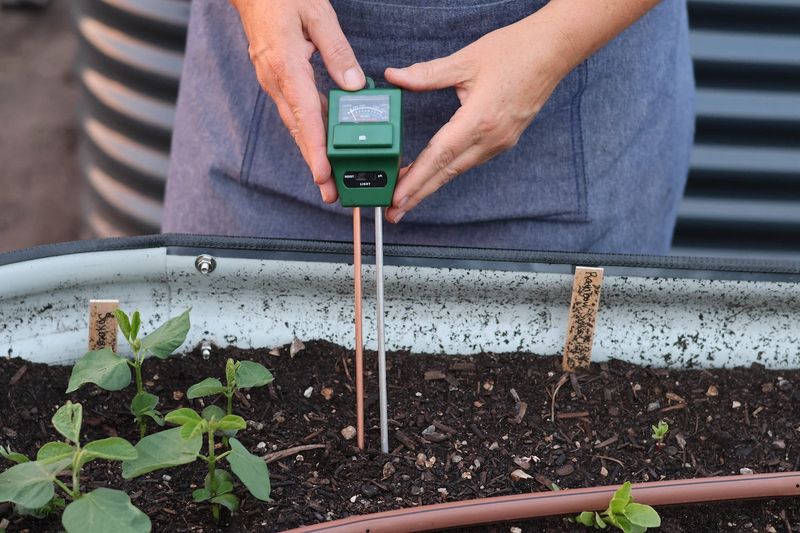
Zinnias require specific pH levels to absorb nutrients effectively. Neglecting soil pH testing can lead to nutrient deficiencies and poor plant health.
Regular soil testing identifies pH imbalances. Adjusting pH using lime or sulfur can optimize growing conditions.
Strive for a pH between 5.5 and 7.5 for zinnias. Maintaining this range supports nutrient uptake and robust growth. Proactively managing soil pH ensures healthy, vibrant zinnias that add beauty to any garden.
15. Not Supporting Tall Varieties
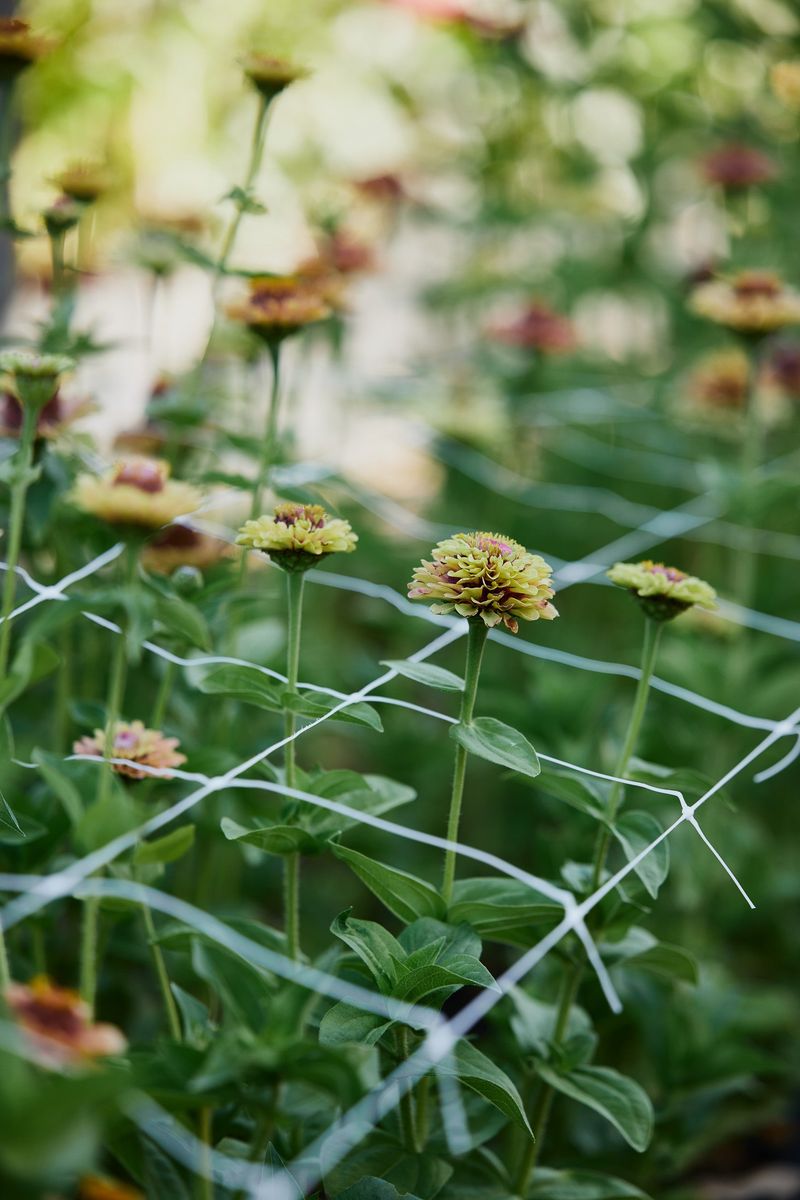
Tall zinnia varieties, such as ‘Benary’s Giant’, require support to prevent them from breaking. Neglecting support can lead to damaged plants and reduced flowering.
Stake tall zinnias early in their growth, using cages or bamboo stakes to provide stability. This prevents stem breakage and encourages upright growth.
Regularly check supports to ensure they remain secure as plants develop. Providing proper support helps tall zinnias thrive, showcasing their full beauty and stature in the garden.
16. Using Contaminated Tools
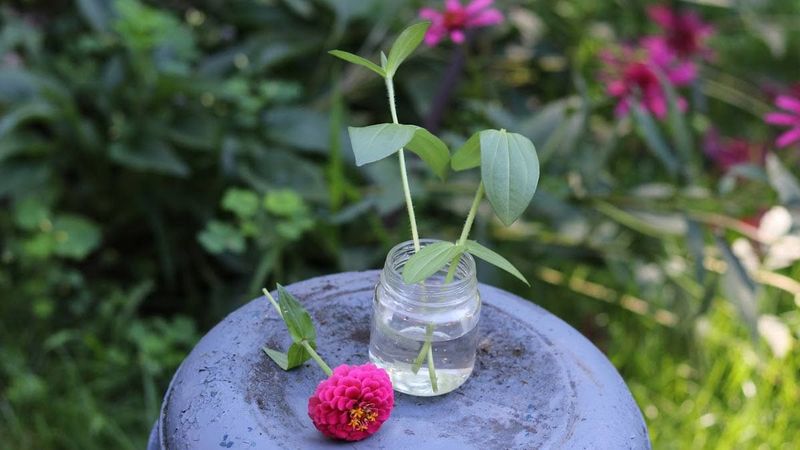
Gardening tools can harbor pathogens that spread diseases to zinnias. Using contaminated tools can devastate your plants.
Always clean and disinfect tools before use, especially after handling diseased plants. This practice minimizes the risk of spreading infections.
Investing in quality tools and maintaining them properly ensures longevity and effectiveness. Keeping tools clean supports a healthy garden environment, safeguarding your zinnias’ health and vitality.
17. Planting at the Wrong Time
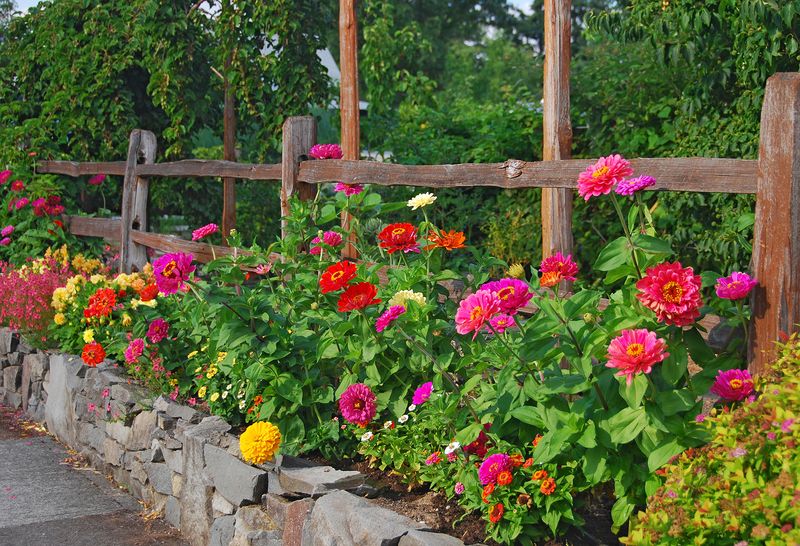
Timing is crucial for planting zinnias. Planting too early or late can expose them to unfavorable conditions, affecting growth and flowering.
Wait for the last frost date before planting zinnia seeds outdoors. This ensures warmer soil temperatures for germination.
Consider starting seeds indoors to extend the growing season. Knowing the right planting time is vital for a successful zinnia garden, leading to a stunning floral display.