 Complete Gardening
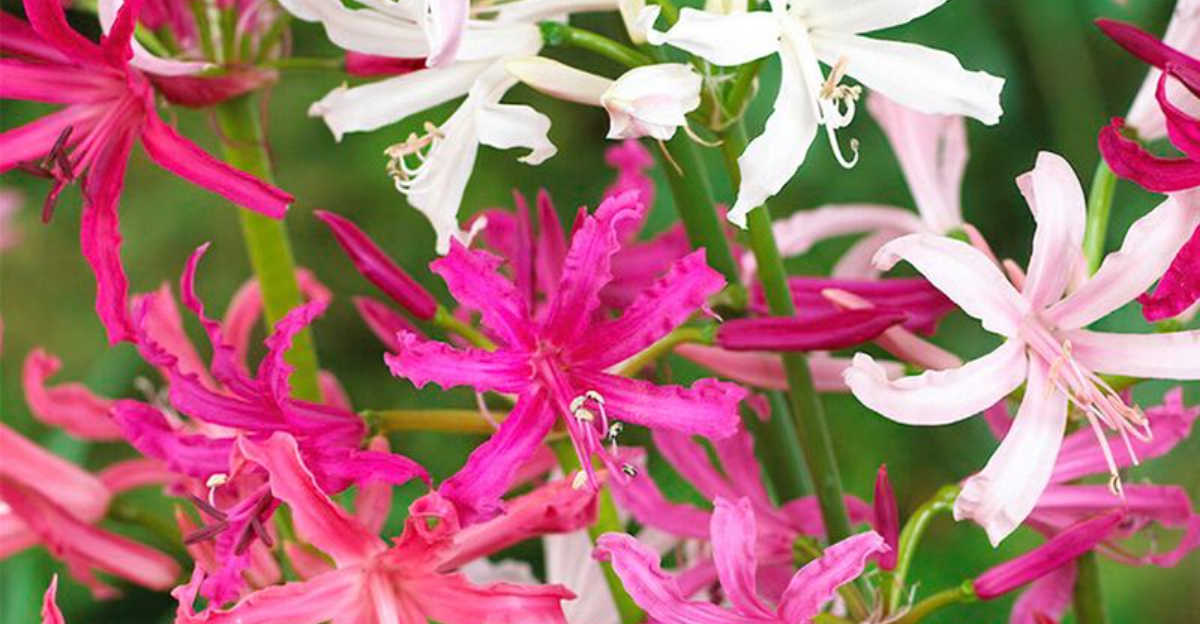
In the world of gardening, some bulbs offer a fleeting glimpse of beauty, blooming for mere weeks before fading away. However, there are certain remarkable bulbs that defy this trend, providing vibrant blossoms for months on end. This blog post explores 19 such resilient bulbs, each with unique qualities that make them a standout choice for gardeners who seek enduring floral displays. From the enchanting Amaryllis to the sturdy Allium, these bulbs promise to transform any garden into a long-lasting tapestry of color and fragrance.
1. Amaryllis
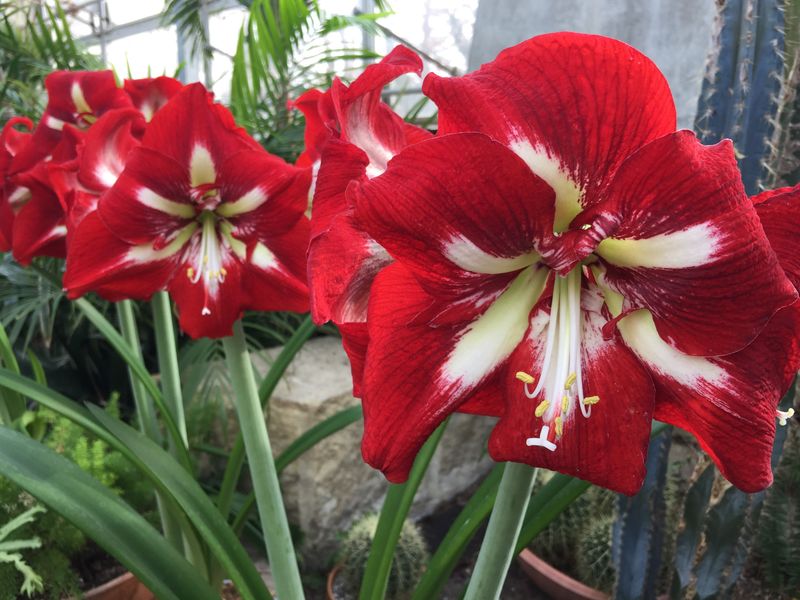
Amaryllis dazzles with its flamboyant blooms that resemble a painter’s masterpiece. Vibrant reds, pinks, and whites emerge on tall, graceful stalks, making a striking display.
This bulb often flowers during winter, bringing cheer to the cold months. Originating from South Africa, amaryllis has become a favorite for indoor gardening.
Remarkably, it continues to bloom for several weeks, maintaining its beauty with minimal care. Its resilience lies in an ability to thrive in varying conditions, showcasing endurance and elegance in perfect harmony.
2. Allium
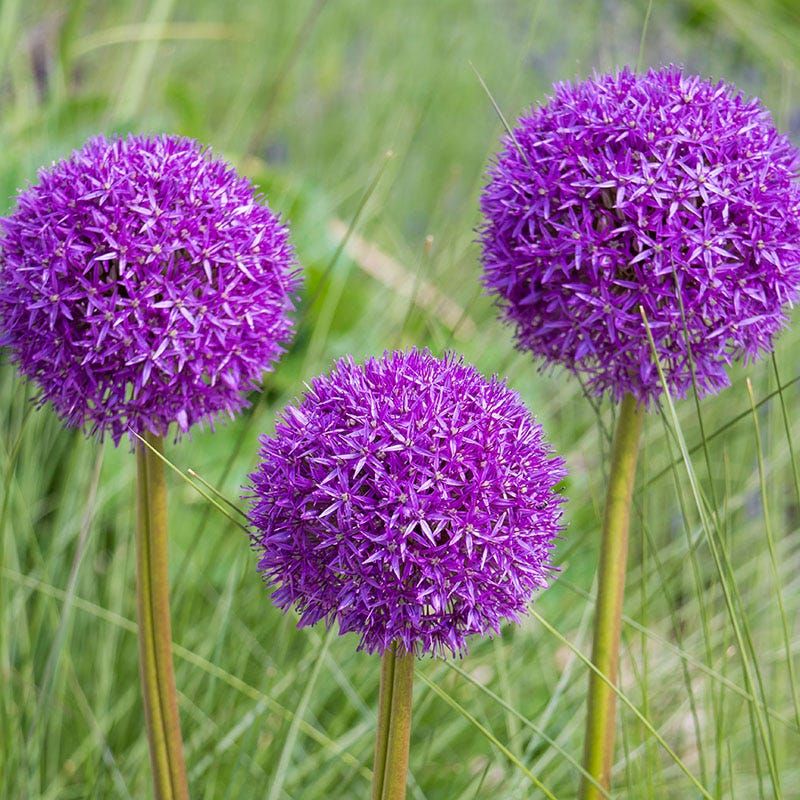
Allium stands tall in the garden, its spherical blooms resembling fireworks frozen in time. This ornamental onion captivates with shades of purple, pink, and white.
A member of the garlic family, its fragrance is subtle yet distinct. Flowering in late spring and lasting well into summer, allium brings structure and drama to any floral arrangement.
Its longevity is matched by its ability to deter pests, making it both a decorative and practical choice. Its unique form adds architectural interest, drawing eyes upward.
3. Dahlia
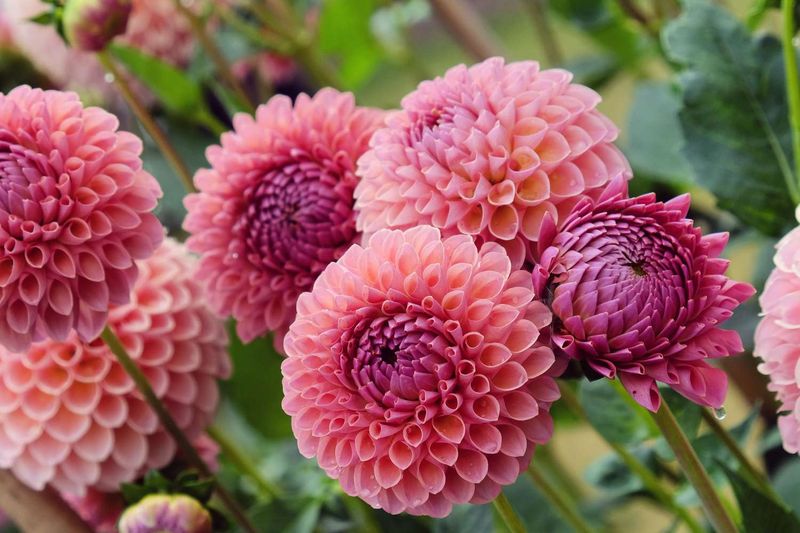
Dahlias are the jewels of the summer garden, offering a spectacular range of colors and forms. From small pom-poms to large dinner-plate blooms, they captivate with their diversity.
Originating from Mexico, these tuberous plants thrive in sunny spots, providing a long-lasting display from midsummer to the first frost.
Their array of vibrant hues and intricate petal formations make them a favorite among gardeners. Dahlias invite pollinators, supporting a healthy ecosystem while brightening any garden space.
4. Canna Lily
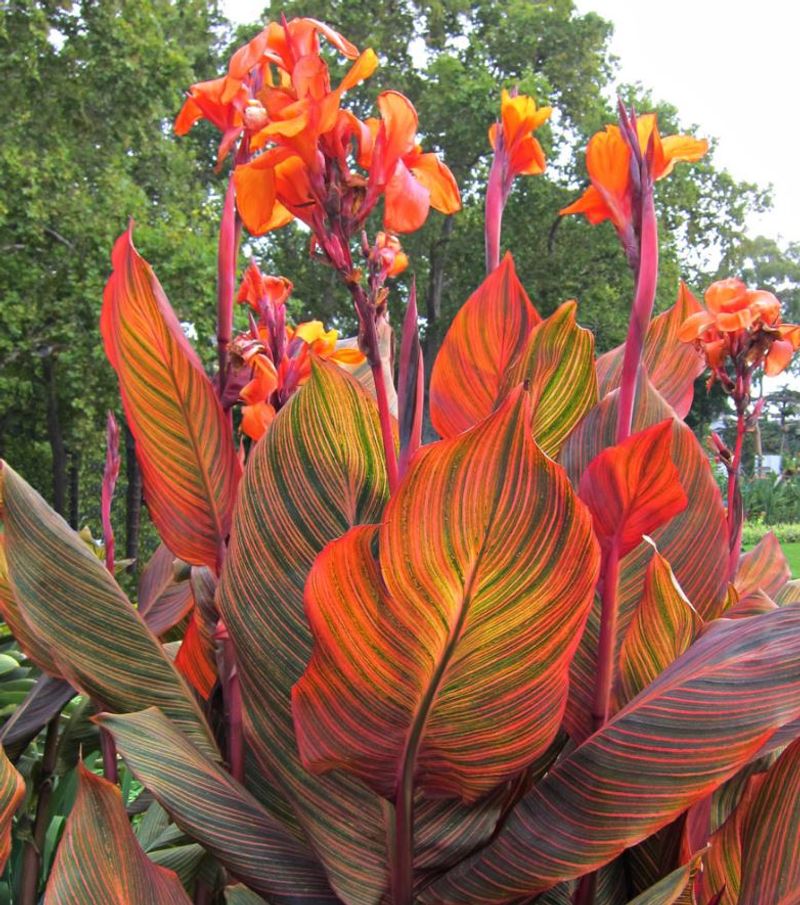
Canna lilies bring a touch of the tropics to gardens, with bold, banana-like leaves and vibrant blooms. Flourishing in warm climates, they command attention with fiery reds, oranges, and yellows.
Cannas grow rapidly, reaching impressive heights, and are known for their resilience. They continue to bloom from summer to fall, adding warmth and exotic flair.
This plant’s lush foliage complements its flowers, creating a dynamic landscape feature. Their ability to thrive in wet conditions adds versatility to their appeal.
5. Liatris
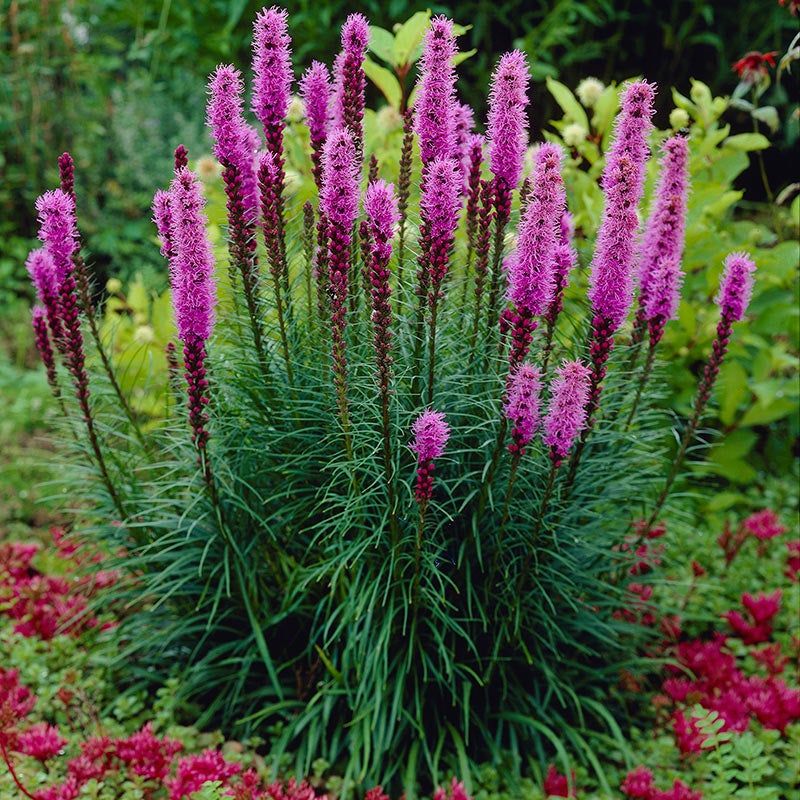
Liatris, known as the blazing star, captivates with tall spikes of feathery purple flowers. Native to North America, it thrives in prairies and meadows, attracting butterflies and hummingbirds.
Its flowers open from top to bottom, providing an extended blooming period from summer to fall. Liatris is drought-tolerant, making it an excellent choice for xeriscaping.
This plant’s vertical presence adds a unique texture to gardens. Its ability to grow in poor soil conditions highlights its resilience and natural charm.
6. Nerine
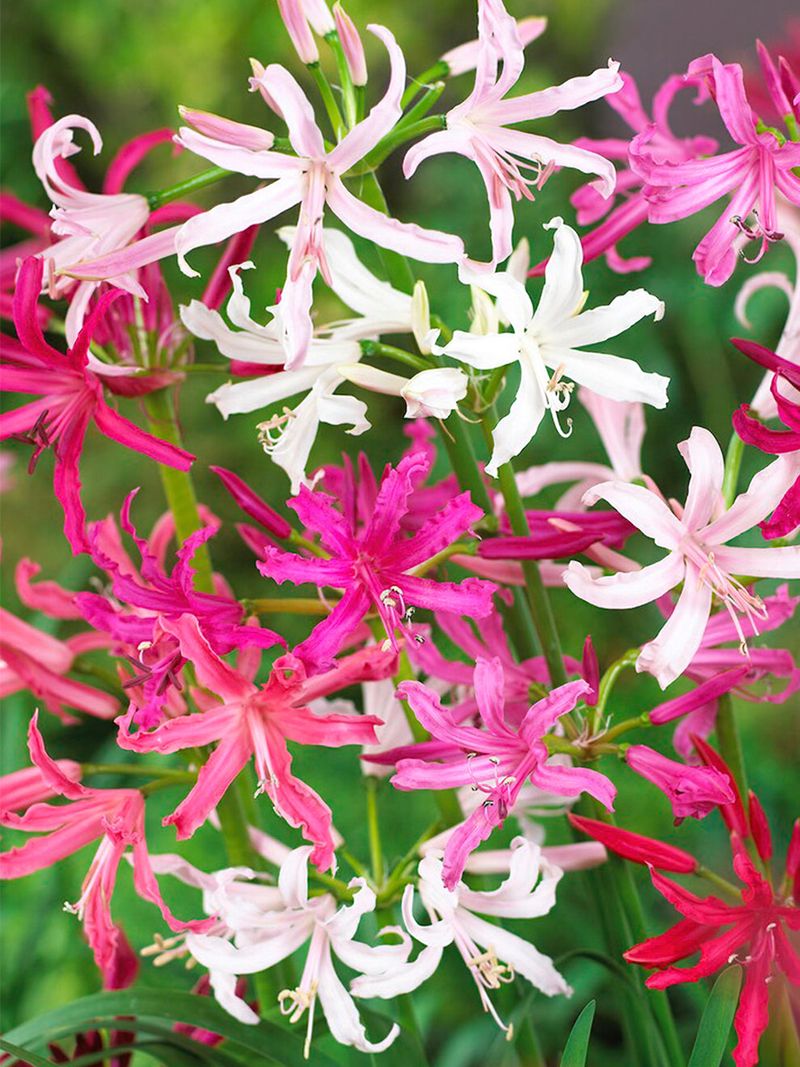
Nerine, sometimes called the Guernsey lily, enchants with its delicate, trumpet-shaped flowers in pink and white. Blooming in late summer, it adds color when few others do.
This South African native is hardy, thriving in well-drained soil and full sun. Its blossoms last several weeks, creating a refreshing burst of color.
Nerine’s slender stems and vibrant petals bring elegance and charm to borders and containers. Its adaptability ensures it remains a gardener’s delight, even in challenging climates.
7. Freesia
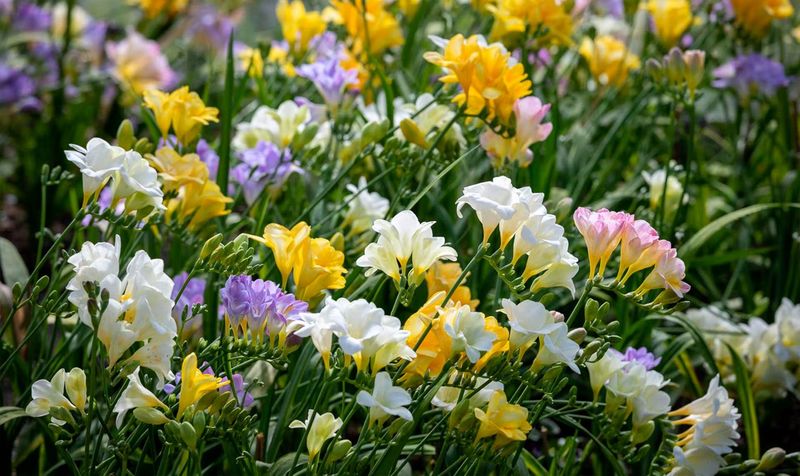
Freesia captivates with its sweet fragrance and delicate, tubular flowers. Available in a rainbow of pastel shades, it brightens gardens and homes alike.
Originating from South Africa, freesia blooms in late winter through spring, lasting several weeks. Its scent is often used in perfumes, adding to its allure.
This plant’s graceful arching stems and cheerful colors make it a popular choice for bouquets. Freesia’s ability to flourish indoors and outdoors adds to its versatile beauty.
8. Crocosmia
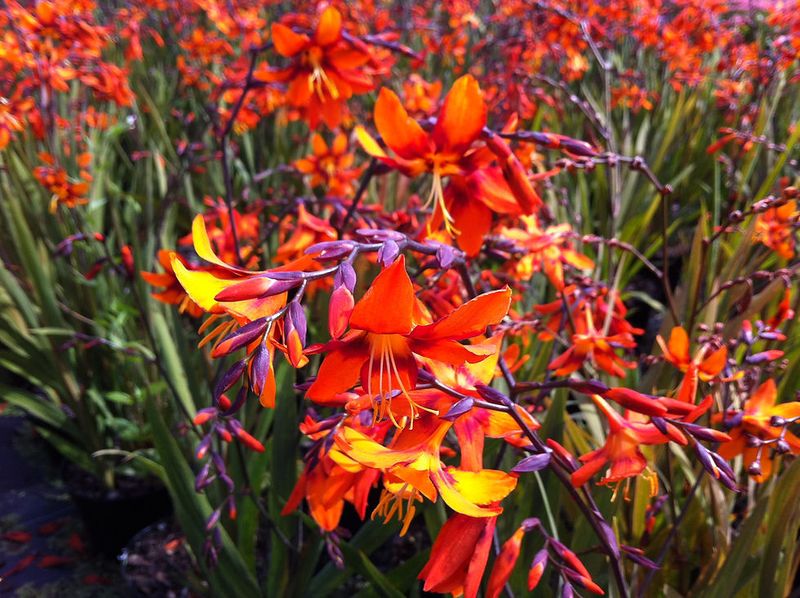
Crocosmia introduces a splash of fiery reds and oranges to gardens, reminiscent of a sunset. Native to South Africa, it thrives in sunny borders, blooming from midsummer into fall.
Its arching stems and sword-like foliage create a dynamic visual effect, drawing attention with ease. Crocosmia’s funnel-shaped flowers attract hummingbirds and add excitement to the landscape.
It is resilient in various soil types, proving both showy and adaptable. This plant’s vibrant presence ensures it stands out, even among the most colorful floral displays.
9. Gladiolus
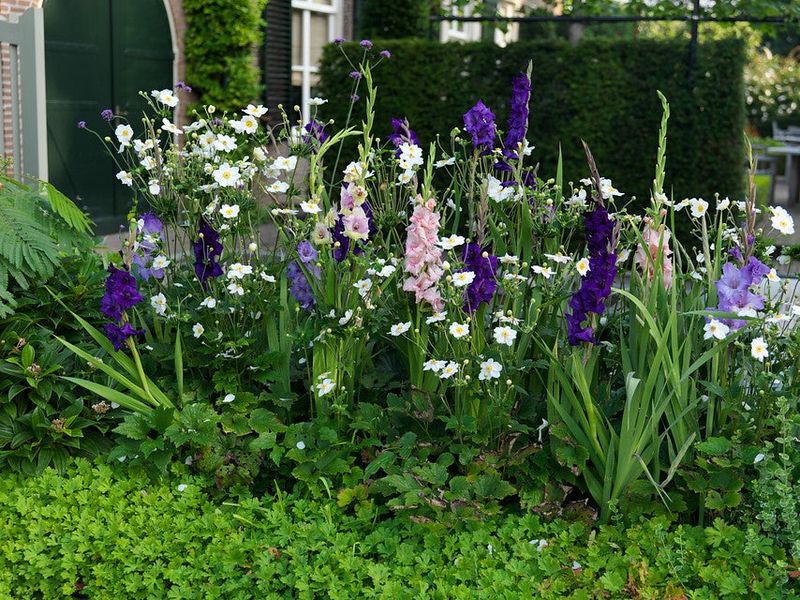
Gladiolus, with its towering spikes of flowers, is a classic choice for summer gardens. Blooming in a spectrum from pink to purple to white, it commands attention with its height and elegance.
Originating from Africa, gladiolus has a rich history of cultivation. Its blooms appear in succession, ensuring a prolonged display.
This plant’s vertical stature adds drama to any arrangement, whether in the garden or a vase. Its long-lasting flowers make it a staple for creating impactful floral designs.
10. Cyclamen
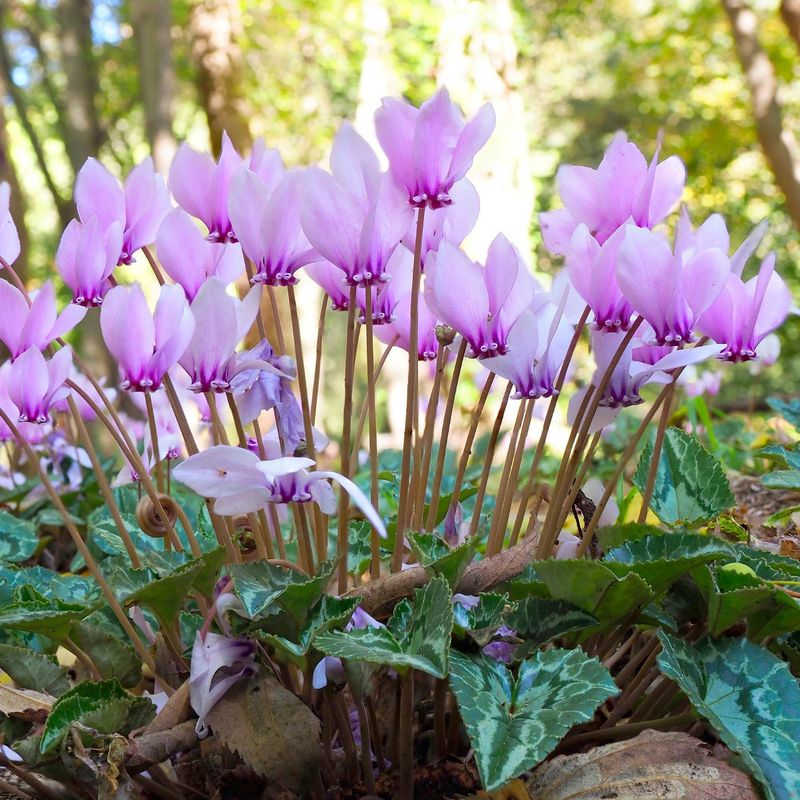
Cyclamen enchants with charming blooms that dance above heart-shaped leaves. Flourishing in woodland settings, it blooms in shades of pink and white.
Flowering from autumn to spring, cyclamen provides color when most gardens lie dormant. Its delicate flowers and marbled foliage create a captivating ground cover.
Resilient to cold, this plant thrives in shaded areas, making it a versatile addition to gardens. Its ability to naturalize in woodlands highlights its enduring beauty and adaptability.
11. Tulip
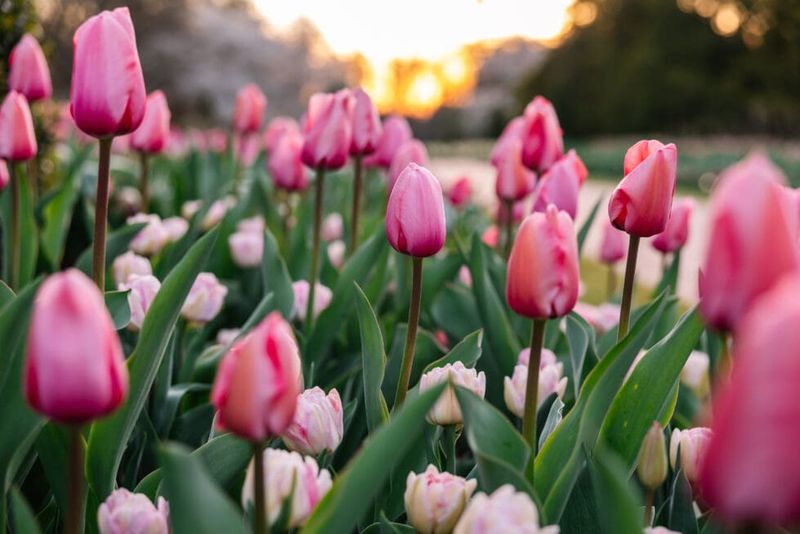
Tulips, synonymous with spring, offer a breathtaking array of colors and shapes. A symbol of renewal, they bloom in late spring, painting landscapes with vibrant hues.
Originating from Central Asia, tulips have captivated gardeners for centuries. Their cup-shaped flowers are resilient, enduring weeks of display with proper care.
Planting tulips in groups enhances their visual impact, creating a sea of color. Their ability to thrive in well-drained soil makes them a reliable favorite for spring gardens.
12. Agapanthus
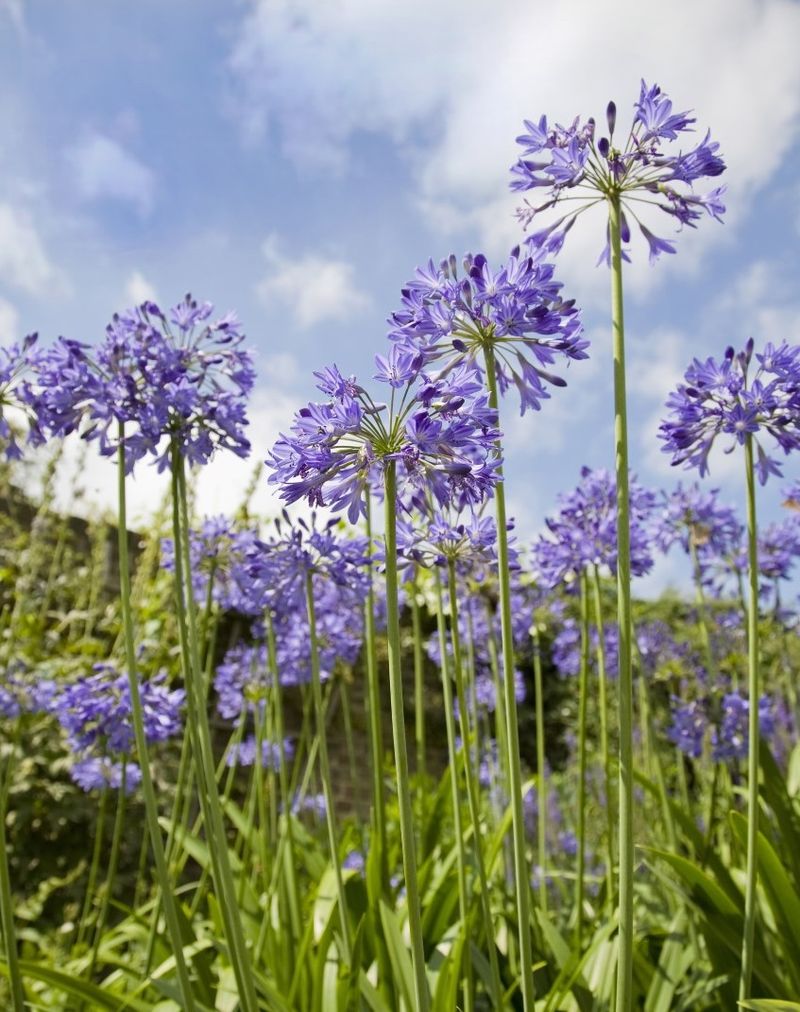
Agapanthus, known as the Lily of the Nile, offers clusters of blue or white flowers. Native to South Africa, it thrives in coastal gardens and sunny borders.
Flowering from mid-summer to early fall, agapanthus provides a long-lasting display. Its strap-like leaves and tall stems add vertical interest to landscapes.
This plant’s ability to withstand drought makes it a practical choice for water-wise gardens. Agapanthus’s bold blooms and structured form create a striking visual statement.
13. Ranunculus
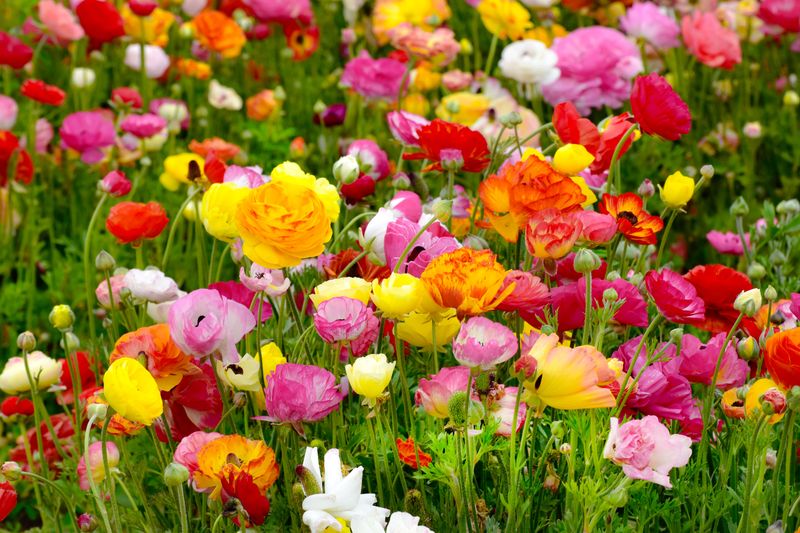
Ranunculus dazzles with its layers of velvety petals, forming intricate rosettes in vibrant shades. Blooming in spring, it brightens gardens and bouquets alike.
Originating from Asia, ranunculus thrives in cool climates, offering a long-lasting display. Its flowers captivate with their depth and richness of color.
This plant’s ability to flourish in well-drained soil and full sun ensures it remains a gardener’s delight. Ranunculus’s elegant form adds sophistication to floral arrangements and garden beds.
14. Anemone
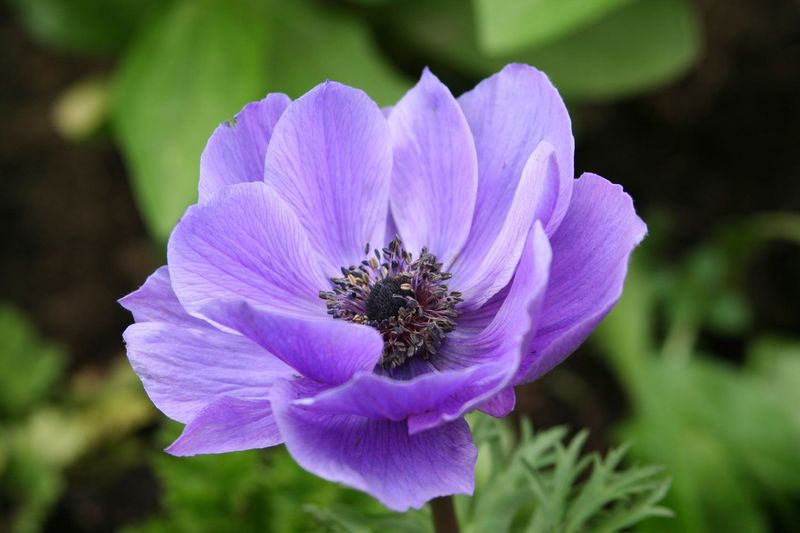
Anemone, also known as windflower, enchants with its simple yet captivating blooms. Flourishing in shades of purple, pink, and white, it adds a touch of whimsy.
Blooming from spring to fall, anemones provide a continuous burst of color. Their delicate petals dance in the breeze, adding movement to the garden.
Resilient and adaptable, this plant thrives in a variety of soils and conditions. Anemone’s charming presence makes it a beloved choice for naturalistic planting schemes.
15. Snowdrop
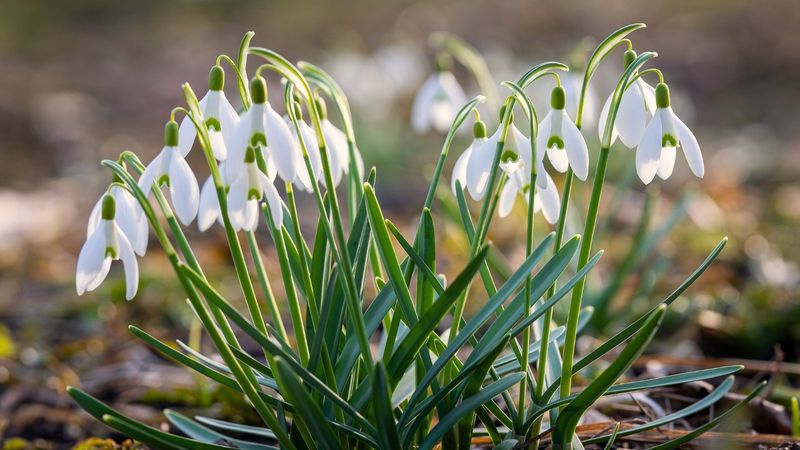
Snowdrops herald the arrival of spring with their nodding, white blooms. Emerging through the snow, they symbolize hope and renewal.
Native to Europe, these flowers thrive in woodland settings, blooming as winter fades. Their simple beauty and resilience make them a cherished sight.
Snowdrops’ ability to naturalize and spread creates a carpet of white, enhancing garden beds and borders. Their early bloom time and hardy nature ensure they remain a gardener’s favorite for adding early-season interest.
16. Bluebell
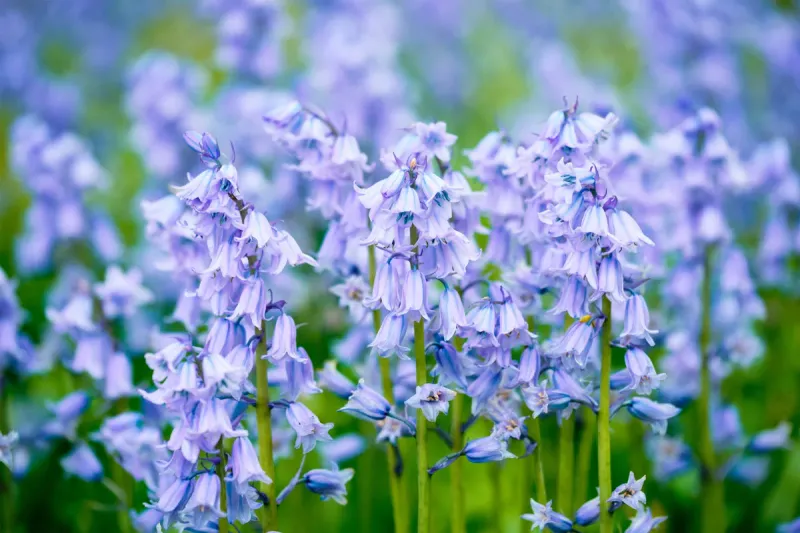
Bluebells transform woodlands into a sea of blue with their enchanting, bell-shaped flowers. Blooming in spring, they carpet the forest floor, creating a magical vista.
Native to Europe, bluebells thrive in shaded areas, preferring moist, well-drained soil. Their sweet fragrance and vibrant color attract pollinators.
This plant’s ability to naturalize ensures a stunning display year after year. Bluebells’ resilience and enchanting presence make them a beloved choice for woodland gardens.
17. Hyacinth
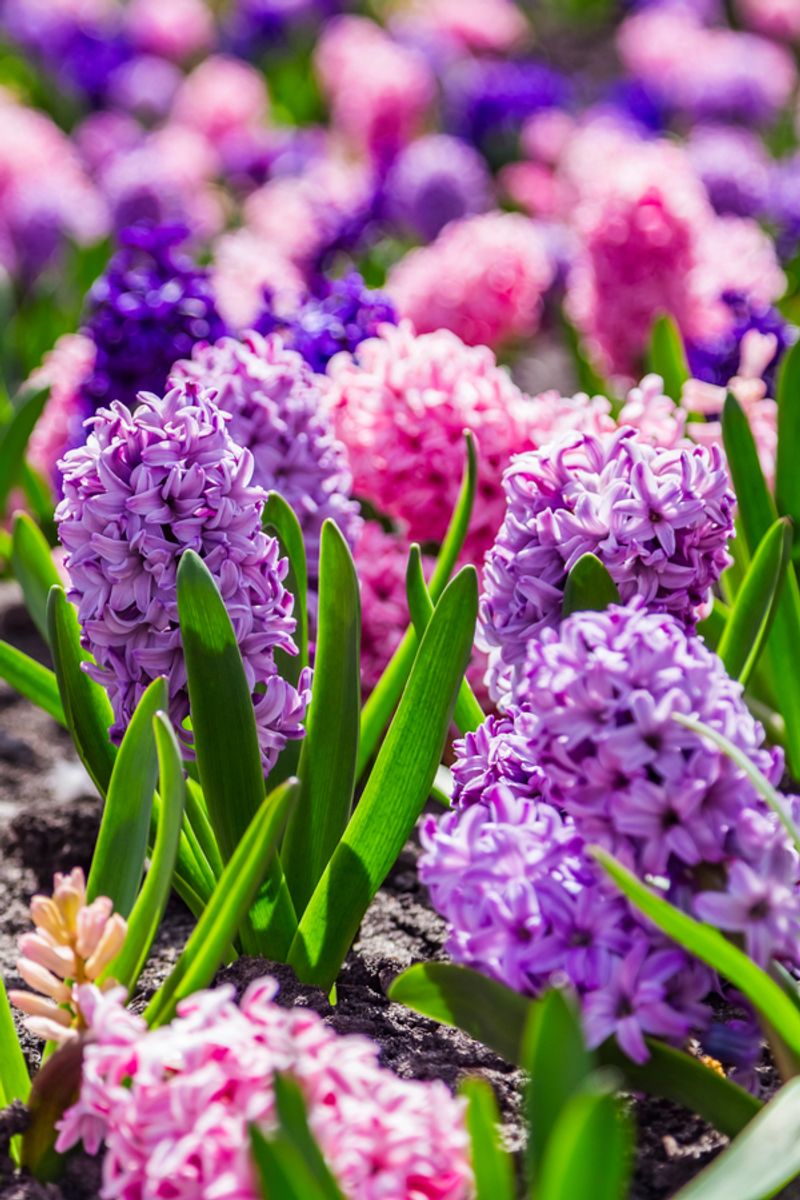
Hyacinths announce spring with their vibrant, fragrant spikes of flowers. Available in shades of purple, pink, and white, they bring a burst of color and scent.
Originating from the eastern Mediterranean, hyacinths have long been prized for their beauty. Their dense clusters of blooms last several weeks, providing enduring interest.
Planted in groups, they create a striking effect, whether in gardens or containers. Hyacinths’ ability to thrive in well-drained soil makes them a reliable choice for early spring color.
18. Iris
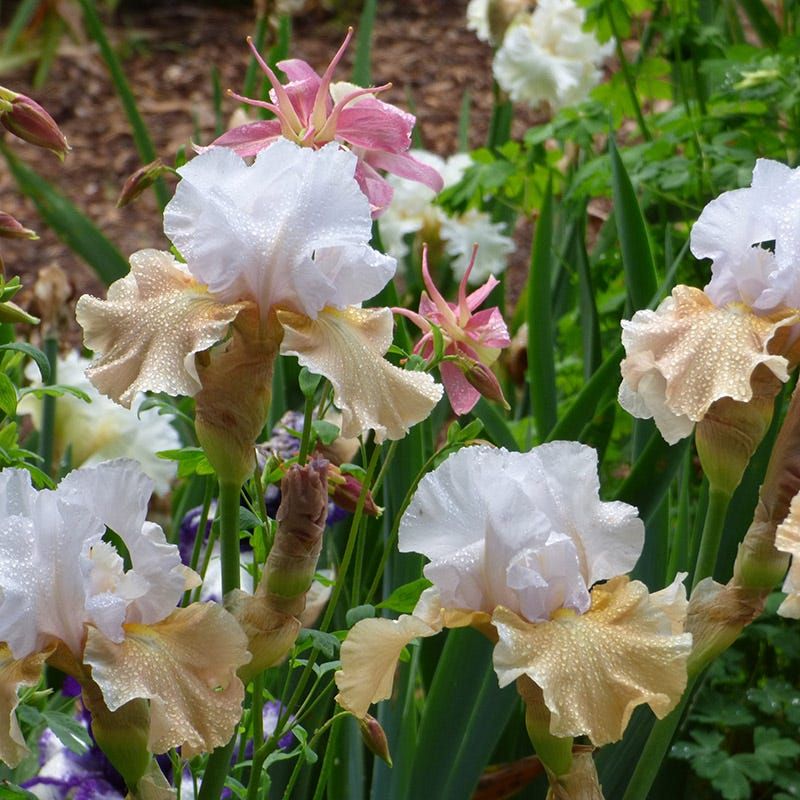
Iris captivates with its regal blooms and intricate patterns. Available in a plethora of colors, it adds elegance to any garden setting.
Blooming from late spring to early summer, irises provide a long-lasting display. Their distinctive flowers and sword-like leaves create a striking focal point.
This plant’s ability to thrive in diverse conditions makes it a versatile choice for gardeners. Iris’s beauty and resilience ensure it remains a perennial favorite for adding structure and color.
19. Lily
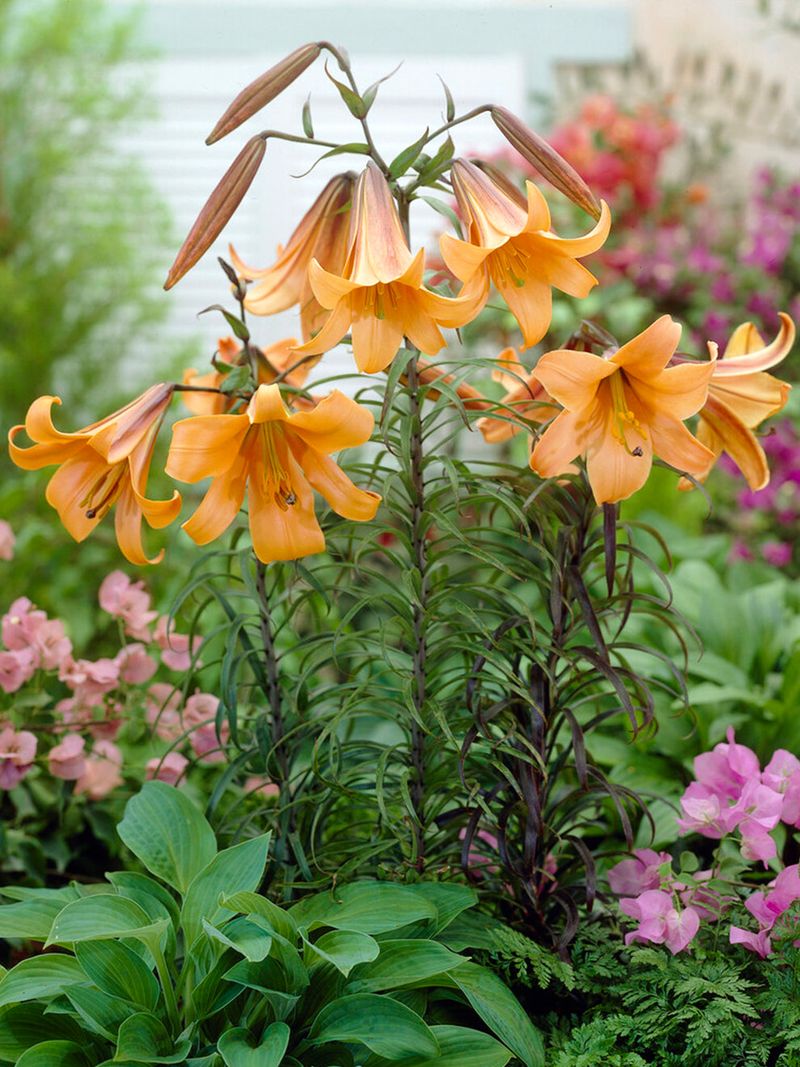
Lilies command attention with their large, trumpet-shaped flowers and intoxicating fragrance. Blooming in midsummer, they add drama and elegance.
Available in a range of colors, lilies thrive in well-drained soil and sunny locations. Their towering stems and bold blooms make them a garden centerpiece.
This plant’s ability to rebloom each year ensures a lasting presence. Lilies’ striking appearance and heady scent make them a timeless choice for gardeners and florists alike.