 Complete Gardening
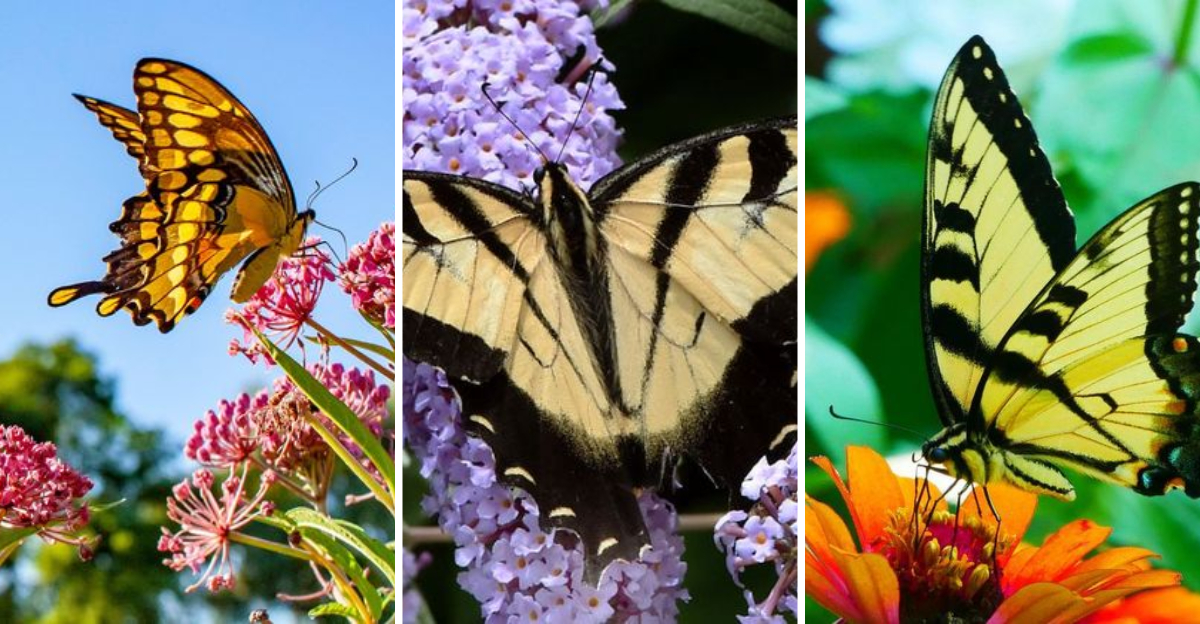
Swallowtail butterflies, with their vibrant colors and elegant flight, bring a touch of enchantment to gardens. Their attraction to certain flowers can transform any garden into a fluttering paradise. Here, we explore 19 flowers known to be irresistible to swallowtails, each offering unique beauty and charm to your outdoor space.
1. Milkweed
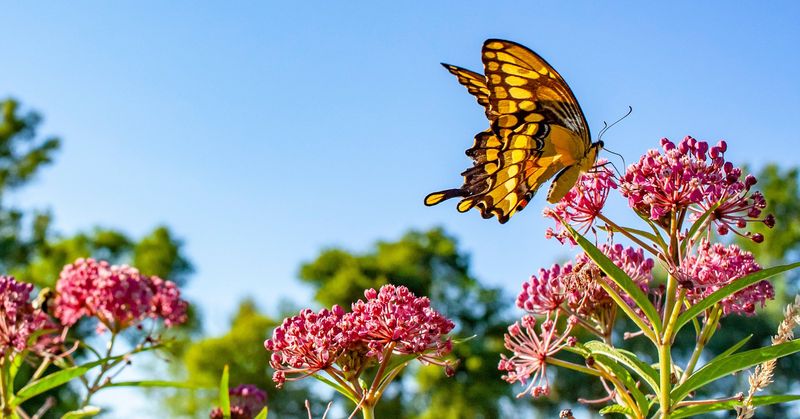
Milkweed’s vibrant hues act like a beacon for swallowtail butterflies. With flowers that range from fiery orange to cardinal red, milkweed not only provides nectar but also serves as a host plant for caterpillars.
What sets milkweed apart is its dual role in the butterfly ecosystem, making it a must-have in butterfly gardens. Its broad leaves and clustered flowers create a picturesque scene.
Did you know? Milkweed’s milky sap was once used as a folk remedy for warts. Its allure for butterflies, however, remains its most enchanting feature.
2. Butterfly Bush

The butterfly bush is aptly named, serving as a butterfly magnet. Its elongated clusters of purple blooms emit a sweet fragrance that draws in swallowtails from afar.
A versatile shrub, it can be pruned to fit various garden sizes, making it both functional and decorative. It’s a staple in creating an inviting space for butterflies.
Fun fact: The butterfly bush, despite its appeal, is considered invasive in some areas due to its vigorous growth. Gardeners are encouraged to choose sterile varieties to keep nature in balance.
3. Zinnias

Zinnias stand as a cheerful addition to any garden, boasting a spectrum of colors. Their daisy-like appearance and easy growth make them a gardener’s favorite.
For swallowtail butterflies, zinnias serve as both a feeding ground and a resting spot. Their height and vibrant blooms offer a perfect landing pad.
Did you know? Zinnias are native to the scrub and dry grasslands of the southwestern United States and Mexico, showing resilience and adaptability, much like the butterflies they attract.
4. Coneflower

Coneflowers are not just a feast for the eyes but a buffet for swallowtails. Their prominent centers and petal shades of purple and pink attract not just butterflies but also bees.
The resilient nature of coneflowers makes them an excellent choice for beginners. They thrive in various climates, bringing life to any garden setting.
Historically, coneflowers were used by Native Americans for medicinal purposes, adding a layer of cultural significance to their natural beauty.
5. Marigolds

Marigolds, with their cheerful blooms, serve as a natural pest deterrent, making them a gardener’s ally. For swallowtails, they provide nectar and a splash of color.
These flowers are easy to grow and adapt well to various soil types, ensuring a bright display throughout the season. Their sunny disposition makes for a delightful garden.
A fun tidbit: In many cultures, marigolds are used in celebrations and religious ceremonies, symbolizing warmth and creativity.
6. Lavender

Lavender’s fragrance is its hallmark, drawing in not just butterflies but humans as well. Its purple spikes are a feast for the senses and a favorite for swallowtails.
The calming presence of lavender in a garden offers more than just beauty—it provides a serene escape. Its drought-resistant nature makes it practical for sustainable gardening.
Did you know? Lavender has been used for centuries in herbal remedies and perfumes, illustrating its timeless appeal.
7. Lantana
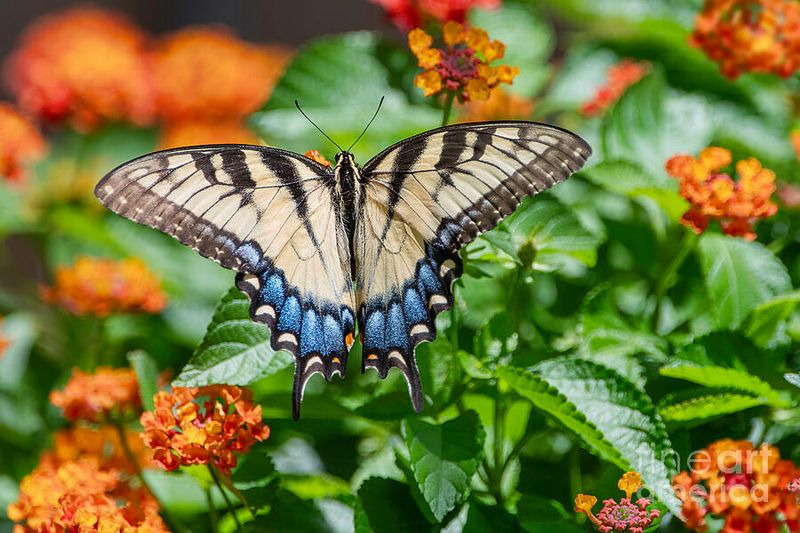
Lantana flowers are like a kaleidoscope, offering a mix of vibrant colors that captivate both humans and swallowtails. Their clusters provide ample nectar for these beautiful butterflies.
These hardy plants can survive in various climates, making them a robust addition to any garden. Their resilience mirrors the adaptability of the butterflies they attract.
A quirky fact: Lantana is sometimes known as “ham and eggs” due to its colorful blooms, adding a touch of whimsy to its garden presence.
8. Phlox
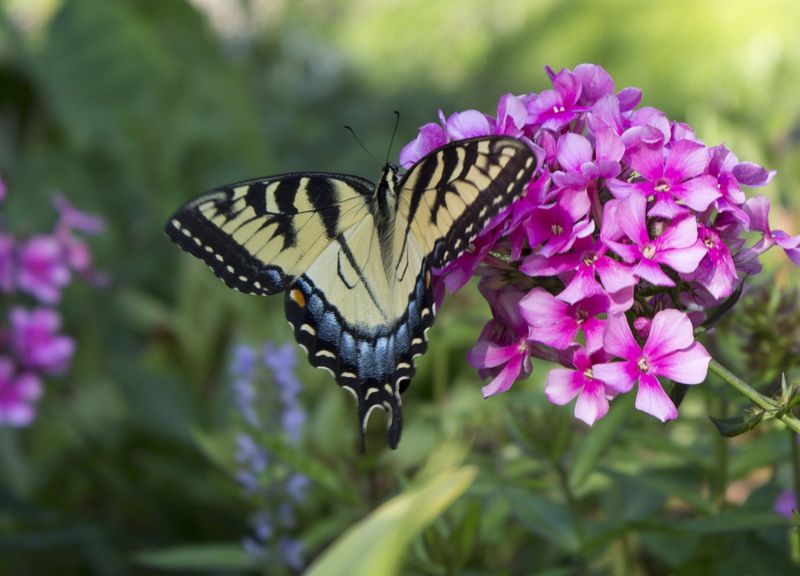
Phlox dazzles with clusters of star-shaped flowers, offering a sweet fragrance that is irresistible to swallowtails. Their vibrant hues range from soft pinks to deep purples.
These flowers thrive in full sun and are perfect for creating a colorful border in gardens. Their blooms last throughout the summer, providing continuous allure.
Curiously, phlox is derived from the Greek word for flame, a nod to its bright and fiery appearance.
9. Bee Balm
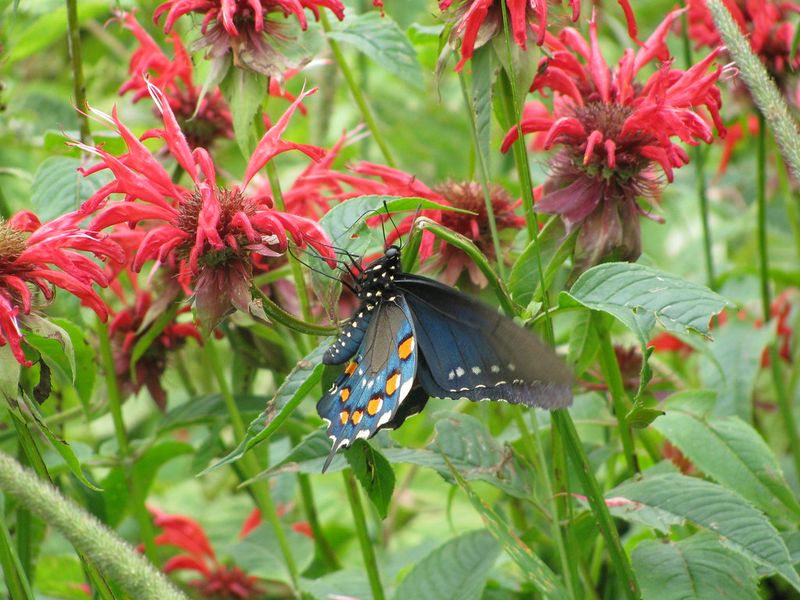
Bee balm is a vibrant addition to gardens, known for its aromatic leaves and striking red blooms. These tubular flowers are a haven for nectar-seeking swallowtails.
Growing bee balm adds depth and texture to a garden, thriving in sunny spots. It’s a favorite among gardeners aiming to attract pollinators.
Did you know? Bee balm is also known as “Oswego tea,” named after the Native American tribe that introduced it to colonists. Its historical significance complements its natural beauty.
10. Coreopsis
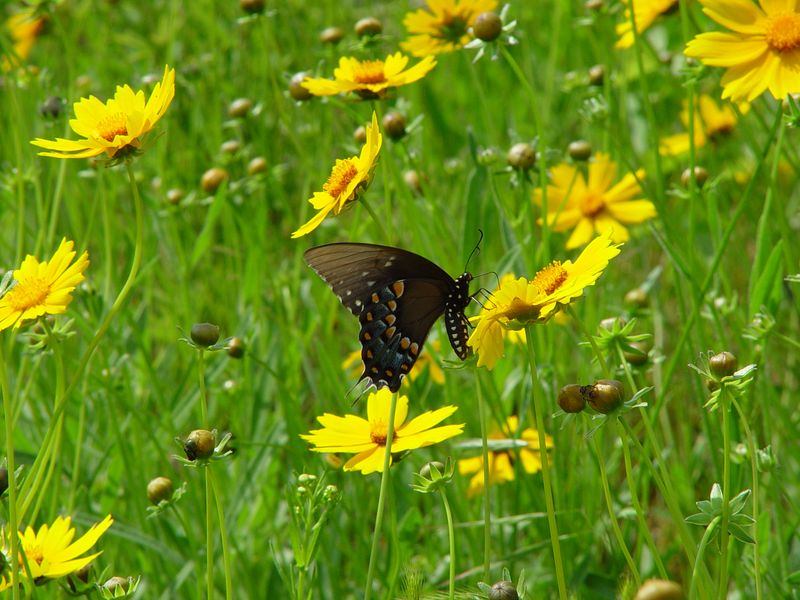
Coreopsis, with its daisy-like yellow blooms, is a beacon for swallowtails. These flowers create a cheerful and sunny atmosphere, perfect for uplifting garden aesthetics.
Their long-lasting blooms and hardy nature make them ideal for both seasoned and novice gardeners. Coreopsis thrives in various conditions, ensuring vibrancy.
Interestingly, coreopsis is also known as “tickseed,” a name derived from the shape of its seeds, adding a playful twist to its character.
11. Heliotrope
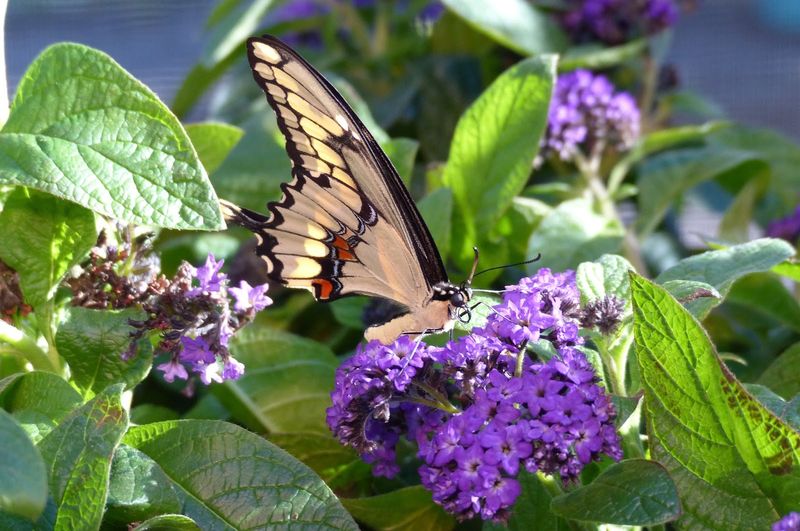
Heliotrope is renowned for its intoxicating scent, reminiscent of vanilla and cherry pie, which lures in swallowtails. Its clusters of purple flowers add elegance to any garden.
These fragrant blooms thrive in sunny locations, offering a sensory delight for both butterflies and gardeners. Heliotrope’s classic charm is timeless.
Fun fact: The name heliotrope comes from the Greek words for “sun” and “turn,” reflecting the flower’s habit of turning towards the sun.
12. Joe-Pye Weed
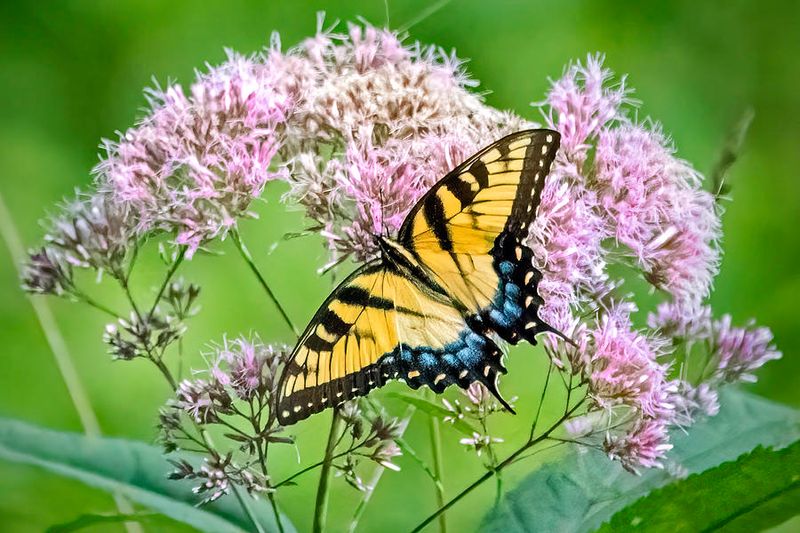
Joe-Pye Weed stands tall with its mauve flower heads, enticing swallowtails to visit. This native plant is a powerhouse for attracting pollinators.
Its towering presence adds height and structure to garden landscapes, perfect for creating a naturalistic style. The more butterflies, the merrier!
Did you know? Joe-Pye Weed is named after a Native American herbalist who used it to treat typhus, showcasing the plant’s historical importance.
13. Salvia

Salvia, with its striking spikes of purple and red flowers, provides a rich nectar source for swallowtails. Its tubular blooms are a visual delight.
These drought-tolerant plants are a staple for sustainable gardening, offering beauty without the need for excessive watering. Salvia’s presence elevates garden aesthetics.
Interestingly, salvia belongs to the mint family, adding an aromatic touch to its visual appeal.
14. Sunflower

Sunflowers, the giants of the garden, offer more than just seeds. Their towering stalks and large, sunny faces provide a perfect landing pad for swallowtails.
These cheerful blooms are more than just a pretty face; they support wildlife by offering food and habitat. Sunflowers bring a touch of the countryside to any setting.
Fun fact: Sunflowers are heliotropic, meaning they turn to face the sun as it moves across the sky, a trait that harmonizes with their sunny disposition.
15. Dill

Dill, often seen in culinary gardens, doubles as a swallowtail attractant. Its feathery leaves and yellow flowers are a delightful addition to any herb patch.
Swallowtail caterpillars, in particular, find dill an ideal host plant. Its aromatic presence is both practical and attractive.
A quirky tidbit: Dill has been used historically in magic spells to bring good luck, adding a mystical touch to its practical uses.
16. Parsley
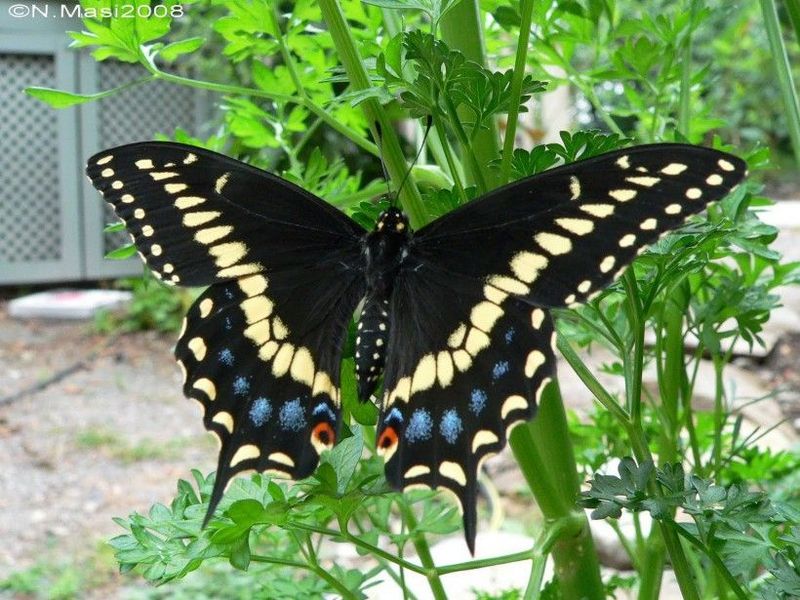
Parsley isn’t just for garnishing; it’s a vital host plant for swallowtail caterpillars. Its vibrant green leaves provide both nutrition and beauty.
This versatile herb thrives in various garden settings and offers culinary benefits alongside its ecological role. A gardener’s delight with a twist of purpose.
Did you know? In ancient times, parsley was used in wreaths to ward off evil spirits, showcasing its storied past.
17. Fennel

Fennel, with its feathery foliage and aromatic presence, is a favorite among swallowtail caterpillars. Its yellow flower clusters add a soft elegance to garden spaces.
This perennial herb thrives in sunny spots and offers culinary uses, complementing its role as a butterfly host plant. A harmonious blend of form and function.
Interestingly, fennel has been used in traditional remedies to aid digestion, adding to its multifaceted charm.
18. Cosmos
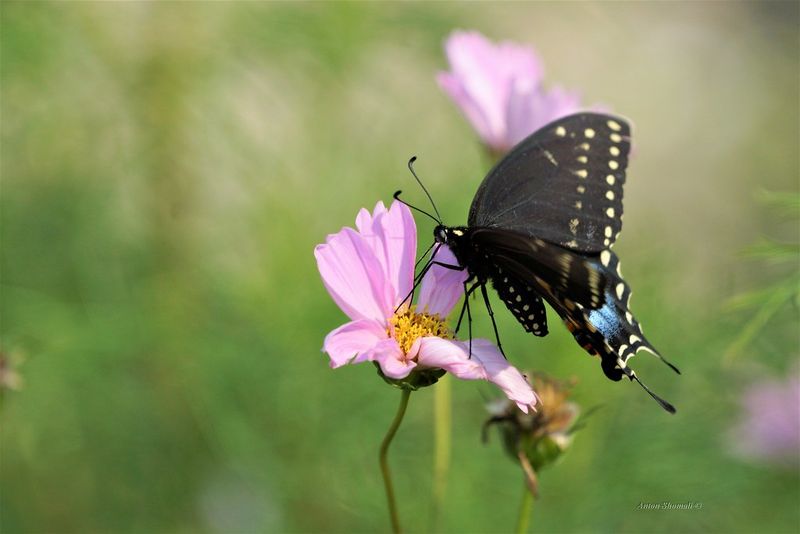
Cosmos flowers, with their delicate petals and vibrant colors, bring a touch of whimsy to gardens. Their open-faced blooms are inviting to swallowtails.
These flowers are easy to grow and can fill a garden with color throughout the summer. Their airy appearance adds a gentle elegance to any setting.
Fun fact: Cosmos is native to Mexico, bringing a hint of exotic flair to its natural charm.
19. Verbena
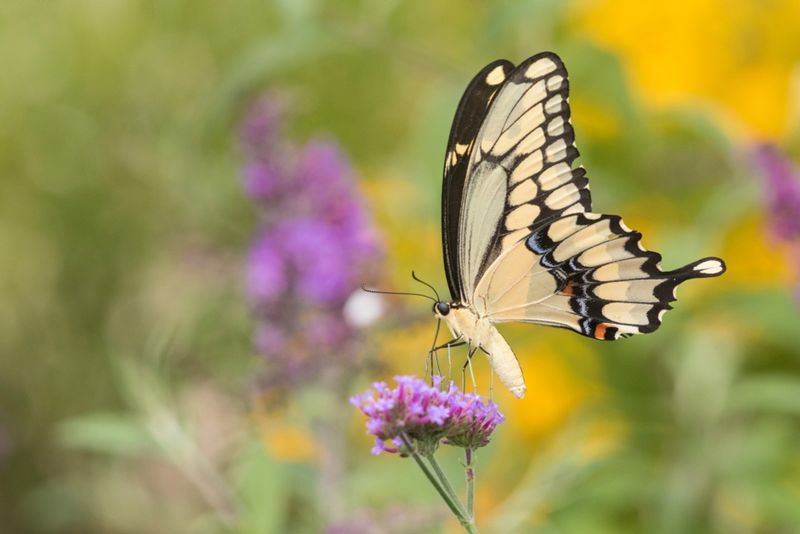
Verbena, with its petite clusters of purple blossoms, is a charming sight in any garden setting.
Its nectar-rich flowers are irresistible to Swallowtails, drawing them in like moths to a flame. Each bloom offers a delicate platform for these butterflies to rest their wings, creating an ever-changing tableau of color and movement.
In addition to its visual appeal, Verbena is easy to grow and hardy in various climates, making it a favorite among gardeners.
Did you know? Verbena has been used historically for its medicinal properties, believed to bring good luck and protection.