 Complete Gardening
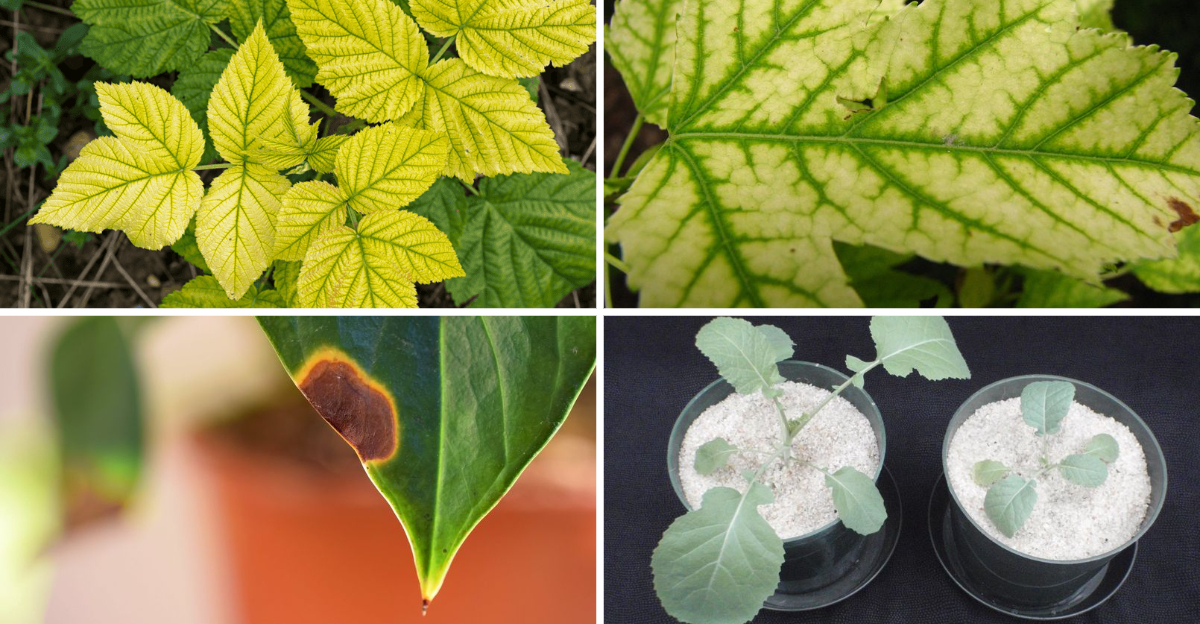
Your garden speaks to you every day, but are you listening? Plants have their own way of crying for help when nutrients run low. Recognizing these warning signs early can save your garden from becoming a disappointing mess of wilted dreams and failed harvests.
1. Yellow Leaves Taking Over Your Plants
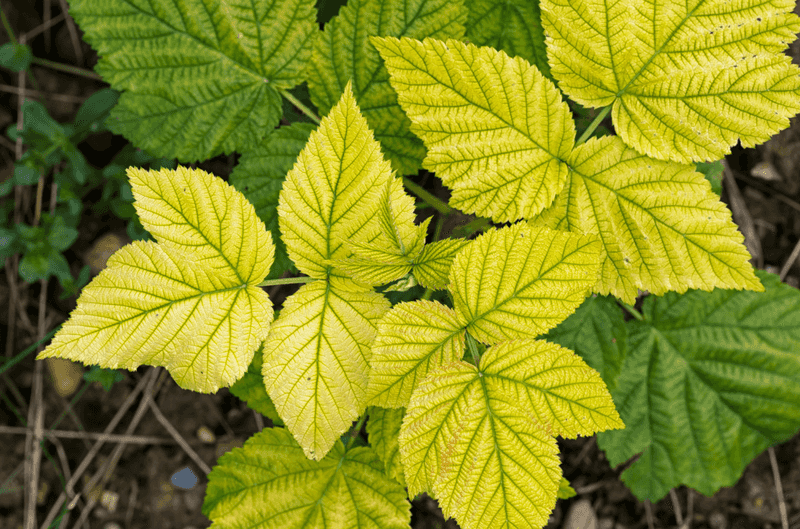
Chlorosis strikes when nitrogen levels drop too low, turning once-vibrant green foliage into sickly yellow patches. Older leaves typically show symptoms first before spreading upward.
This nutrient deficiency affects photosynthesis, weakening your plants’ ability to produce food. Quick action with balanced fertilizer can reverse this troubling trend within weeks.
2. Stunted Growth Despite Perfect Weather
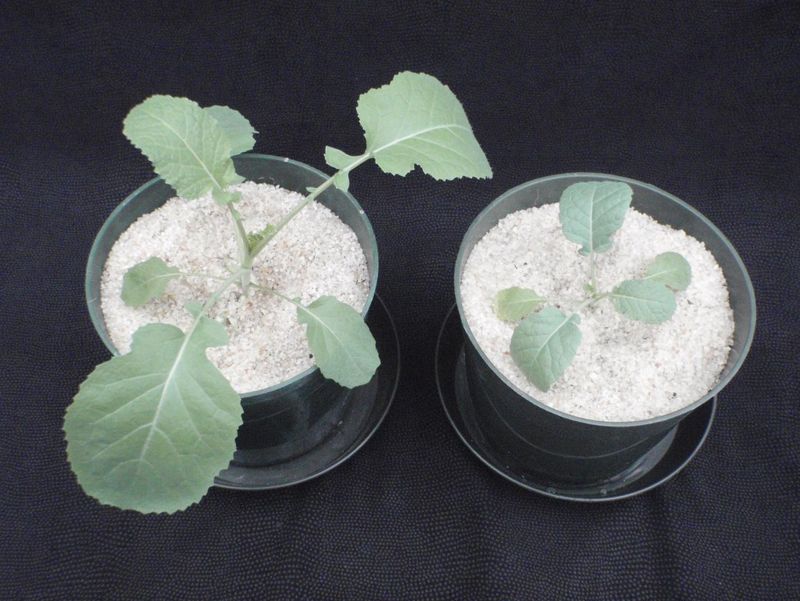
Plants refusing to reach their expected height signal serious nutrient shortages, even when sunshine and water seem adequate. Phosphorus deficiency often causes this frustrating growth halt.
Younger plants suffer most dramatically, appearing weeks behind their normal development schedule. Root development also slows significantly, creating a cascade of health problems throughout the growing season.
3. Purple or Red Discoloration on Foliage
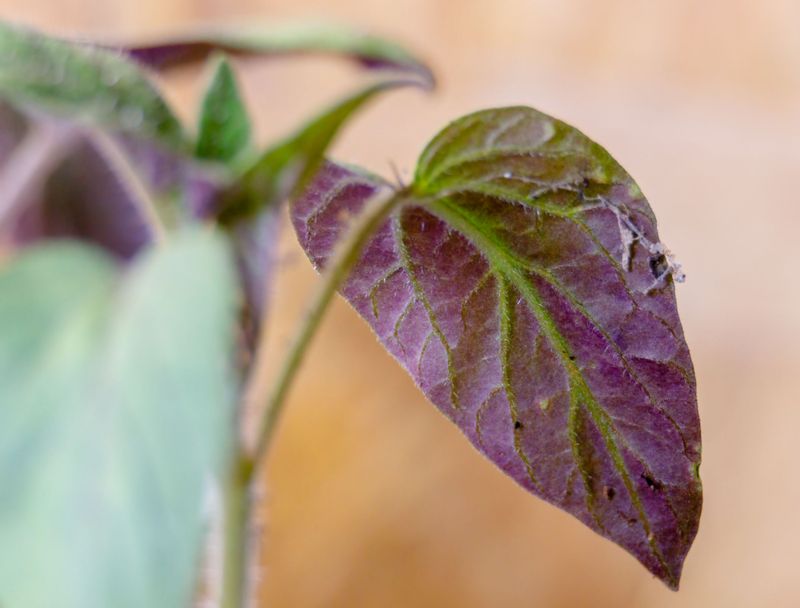
Anthocyanin pigments create dramatic purple or reddish hues when phosphorus becomes scarce in soil. Cool weather can intensify these unusual color changes.
Corn, tomatoes, and leafy greens commonly display these warning colors on leaf undersides first. Without intervention, flowering and fruit production will suffer dramatically, leaving you with beautiful but unproductive plants.
4. Weak Stems That Bend or Break Easily
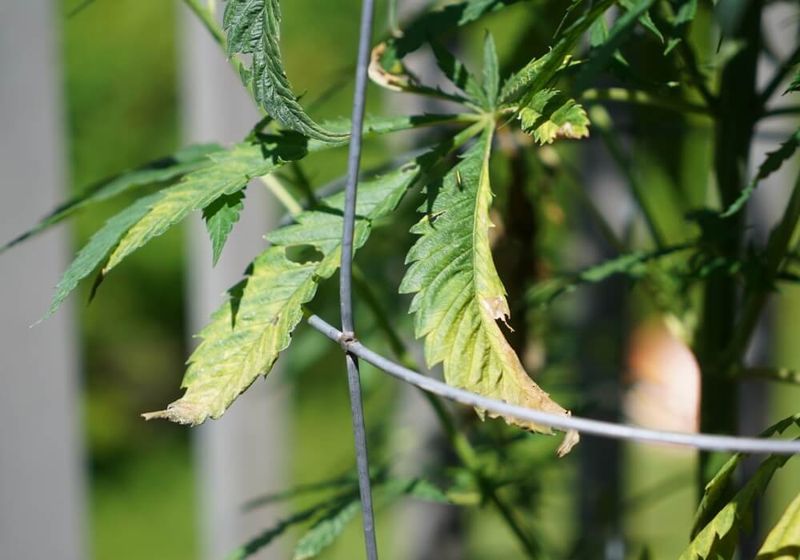
Potassium shortage creates structurally unsound plants with stems that snap under gentle pressure. Strong winds or heavy rain can devastate these weakened specimens.
Cell wall development suffers without adequate potassium, making plants vulnerable to disease and pest attacks. Flower stalks and fruit-bearing branches become particularly fragile during critical production periods.
5. Leaf Edges Turning Brown and Crispy
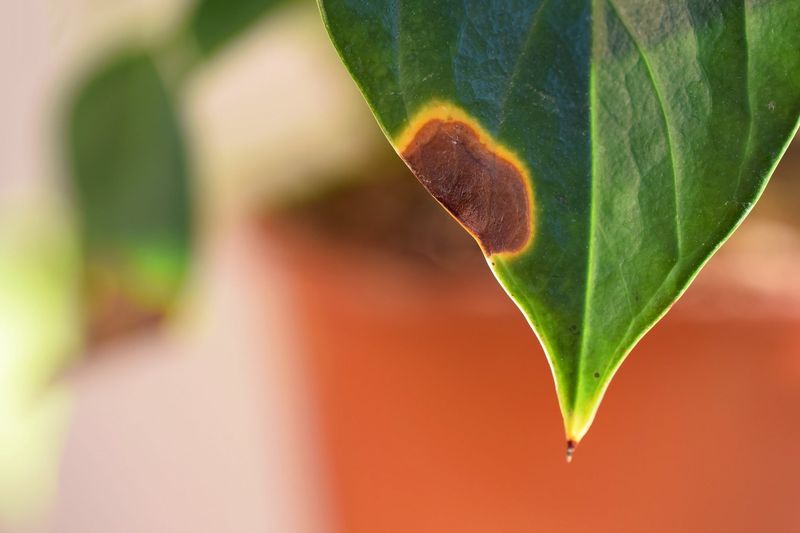
Marginal leaf burn creates brown, crispy edges that feel papery to touch, indicating potassium deficiency stress. This damage typically starts with older leaves first.
Water regulation becomes impossible when potassium levels drop, causing cells to dehydrate and die. Fruit quality suffers significantly, with poor flavor development and reduced storage life becoming major concerns.
6. Poor Fruit Set Despite Abundant Flowers
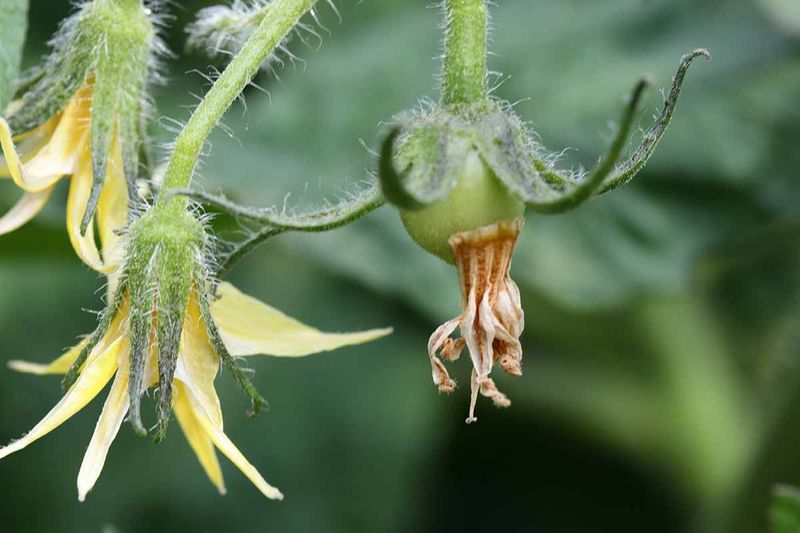
Blossoms dropping without forming fruit indicates phosphorus or potassium deficiencies affecting reproductive processes. Pollination may occur successfully, but fruit development fails.
Calcium deficiency also contributes to this heartbreaking scenario, particularly in tomatoes and peppers. Energy reserves become insufficient for supporting both flowering and fruit formation simultaneously.
7. Interveinal Chlorosis Creating Striped Patterns
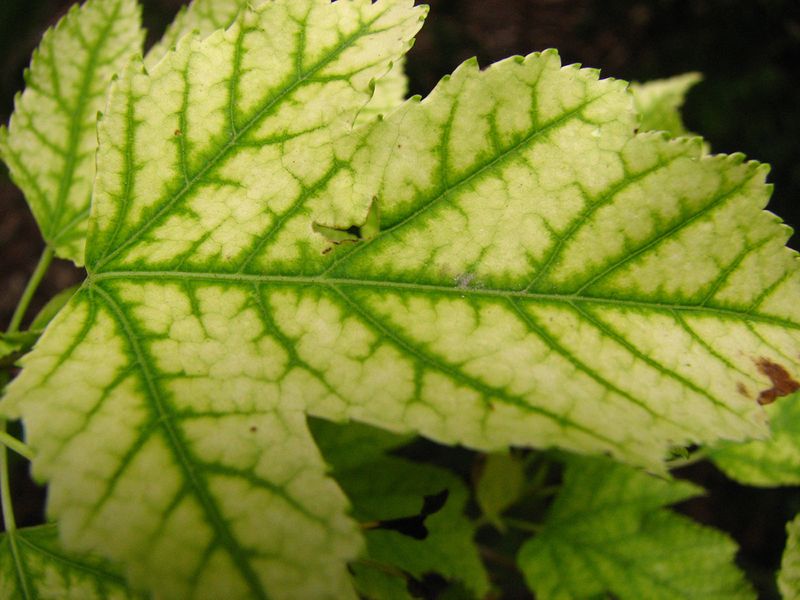
Iron deficiency creates distinctive green-veined, yellow-leafed patterns that look almost decorative but signal serious trouble. Young leaves show symptoms most dramatically.
Alkaline soil conditions often lock up iron, making it unavailable despite adequate presence. Acid-loving plants like blueberries and azaleas display these symptoms most frequently in typical garden settings.
8. Unusually Small Leaves Throughout the Plant
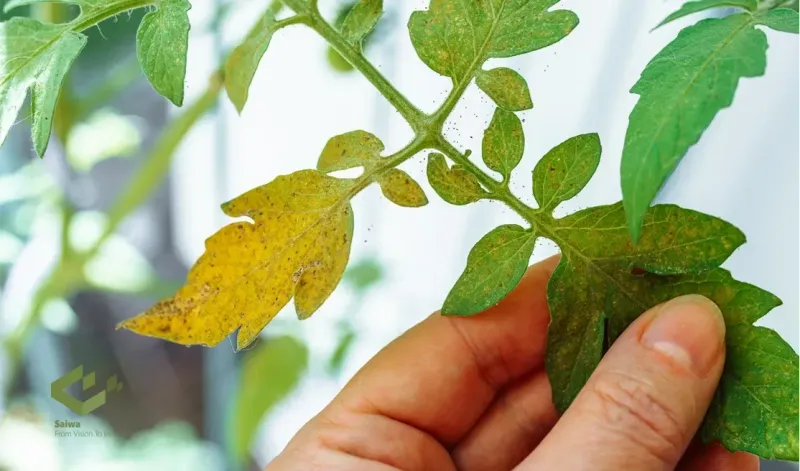
Nitrogen shortage forces plants to produce miniature leaves as they struggle to maintain basic functions. New growth appears increasingly smaller over time.
Protein synthesis becomes limited without adequate nitrogen, affecting all aspects of plant development. Leaf production slows dramatically, creating sparse, unhealthy-looking specimens that disappoint even novice gardeners.
9. Delayed Flowering or No Blooms at All
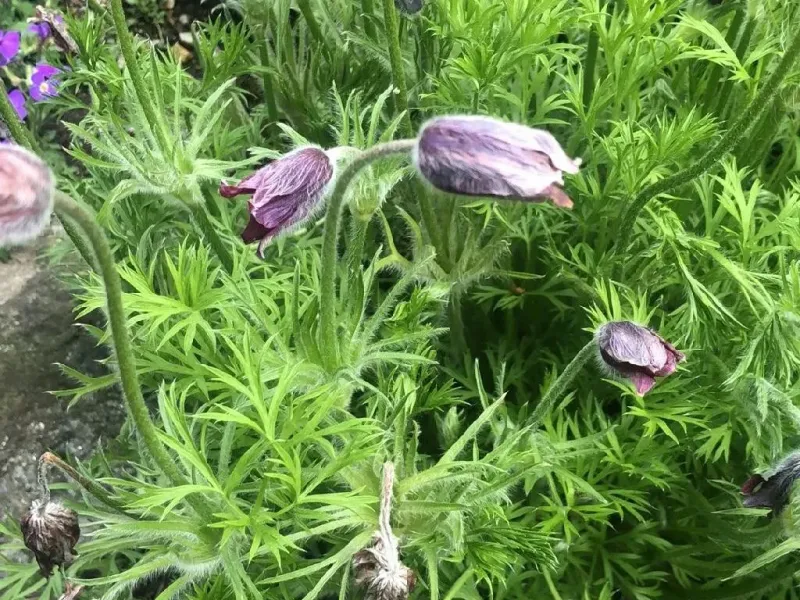
Phosphorus deficiency postpones or prevents flowering entirely, leaving you with leafy plants that refuse to bloom. Energy allocation shifts toward survival rather than reproduction.
Perennial flowers and flowering vegetables suffer most noticeably, disappointing gardeners who expect seasonal displays. Root development takes priority over flower production when nutrients become scarce.
10. Pale Green Color Instead of Deep Green
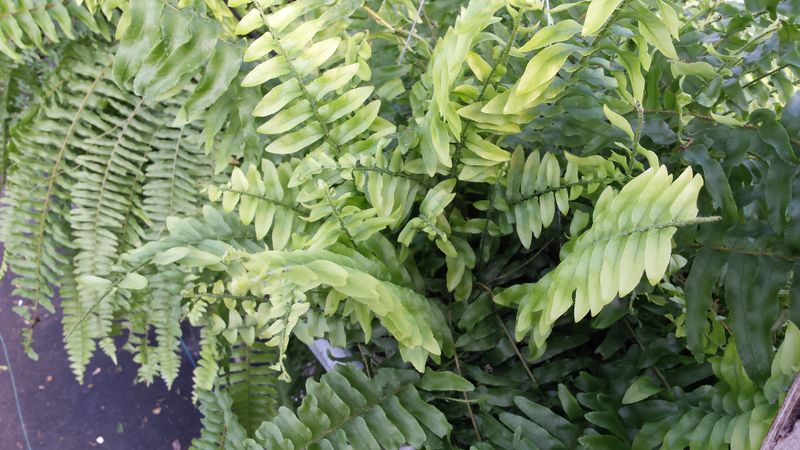
Overall chlorophyll reduction creates washed-out, pale green coloration that lacks the vibrant intensity of healthy plants. This subtle change often goes unnoticed initially.
Magnesium deficiency frequently causes this gradual color fade, particularly in container plants. Photosynthesis efficiency drops significantly, reducing sugar production and overall plant vigor throughout the growing season.
11. Excessive Pest and Disease Problems
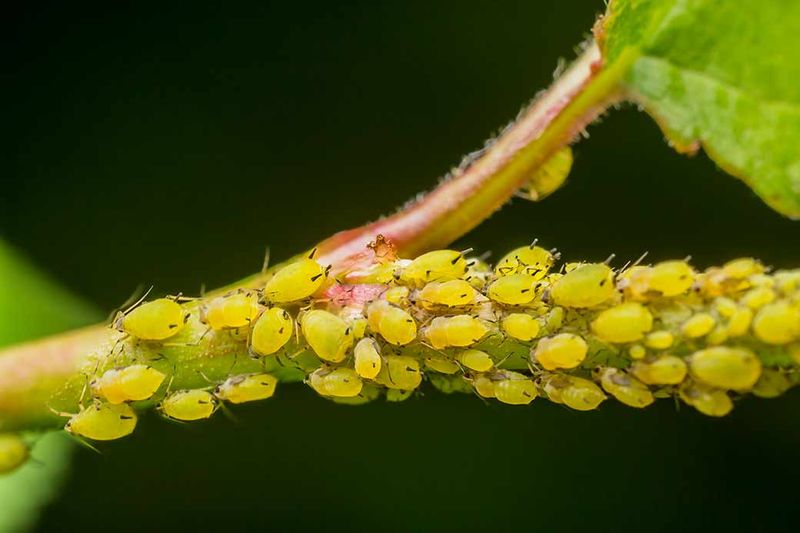
Malnourished plants become magnets for insects and pathogens that typically avoid healthy specimens. Weakened immune systems cannot fight off common garden threats.
Aphids, spider mites, and fungal diseases multiply rapidly on nutrient-deficient plants. Cell walls become thin and permeable, making invasion easier for opportunistic pests seeking vulnerable targets.
12. Roots Growing Above Soil Surface
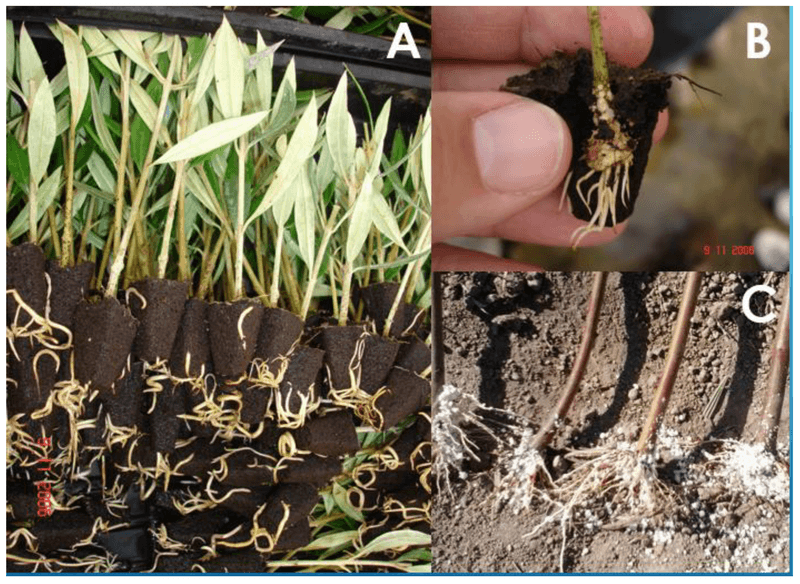
Adventitious root formation above ground indicates desperate nutrient-seeking behavior as plants struggle to find adequate nutrition. Surface roots appear white and fibrous.
Compacted or depleted soil forces plants to explore alternative feeding strategies. This adaptation signals that underground nutrition has become insufficient for supporting healthy growth patterns.
13. Fruit Cracking or Splitting Open
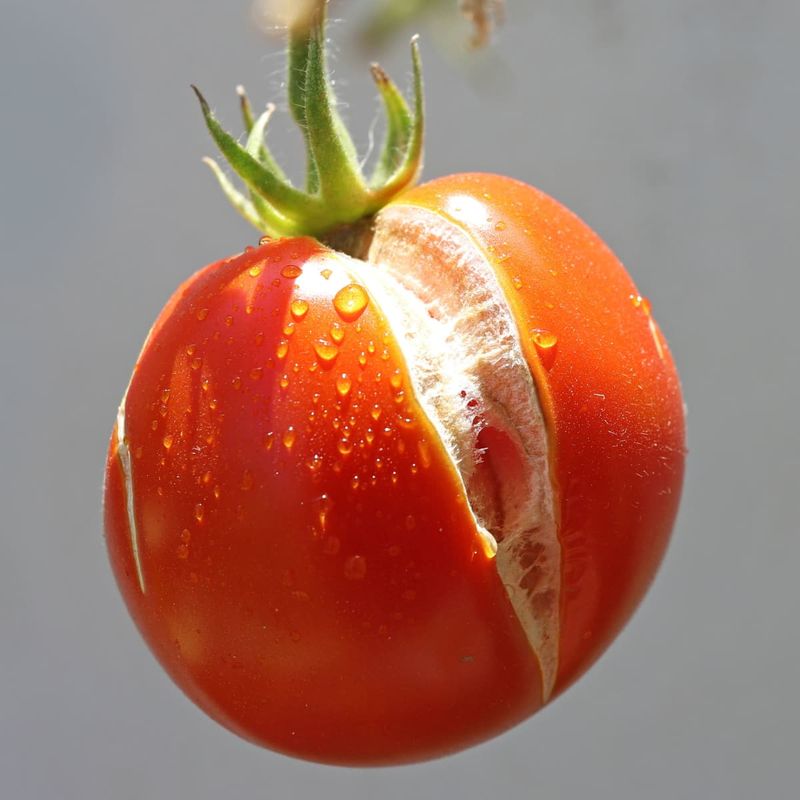
Calcium deficiency causes structural weakness in developing fruits, leading to unsightly cracks and splits that invite rot and pest invasion. Tomatoes suffer most commonly.
Inconsistent watering combined with poor nutrition creates perfect conditions for this frustrating problem. Blossom end rot often accompanies cracking, destroying entire harvests before maturity.
14. Leaves Dropping Prematurely
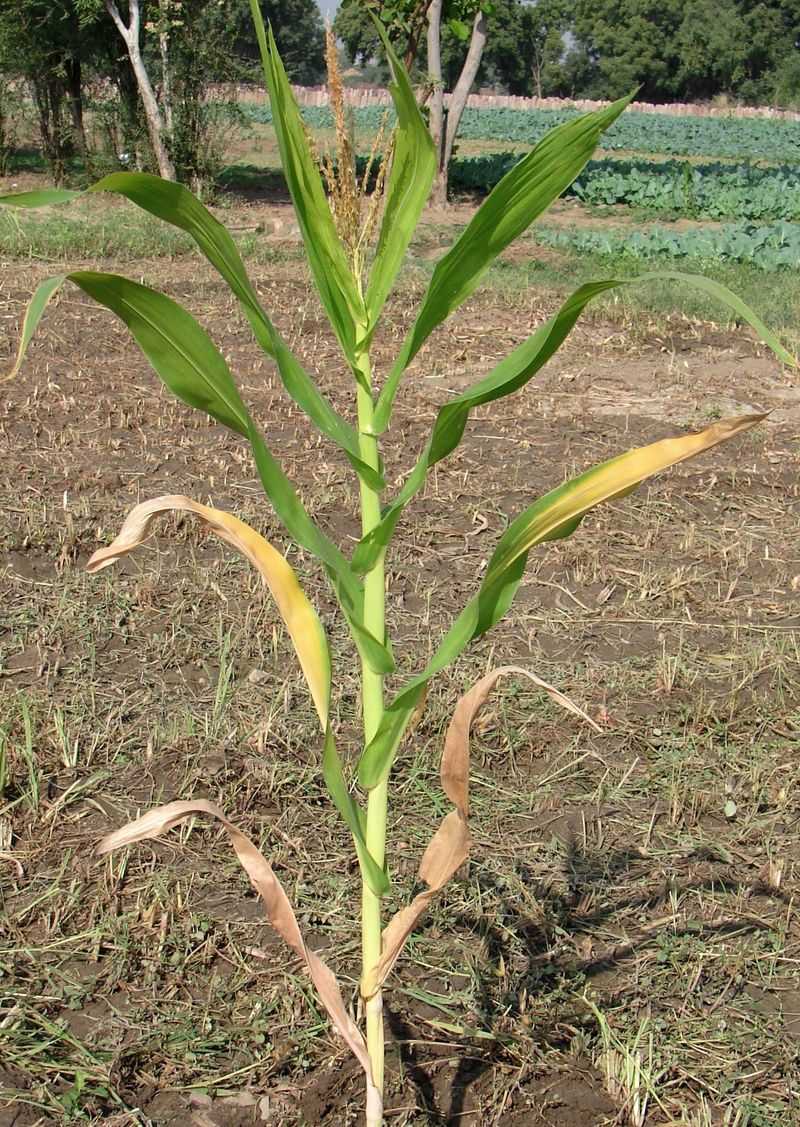
Abscission occurs when plants jettison leaves to conserve energy during nutrient stress periods. Lower leaves typically drop first, working upward progressively.
Multiple nutrient deficiencies can trigger this survival mechanism, leaving plants increasingly bare. Photosynthetic capacity decreases with each lost leaf, creating a downward spiral of declining health.
15. Unusual Leaf Shapes or Deformities
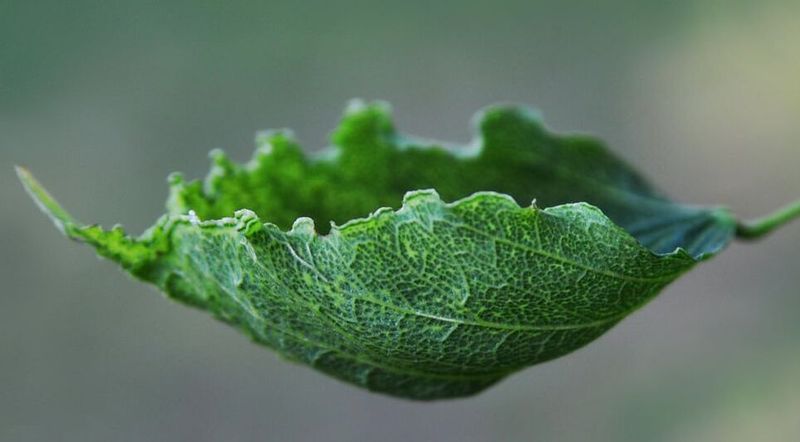
Boron deficiency creates bizarre leaf distortions, including cupping, curling, and irregular shapes that look almost alien. New growth shows symptoms most dramatically.
Cell division becomes erratic without adequate boron, producing malformed tissue that cannot function properly. Growing points may die completely, forcing abnormal branching patterns throughout the plant.
16. Slow Recovery After Watering
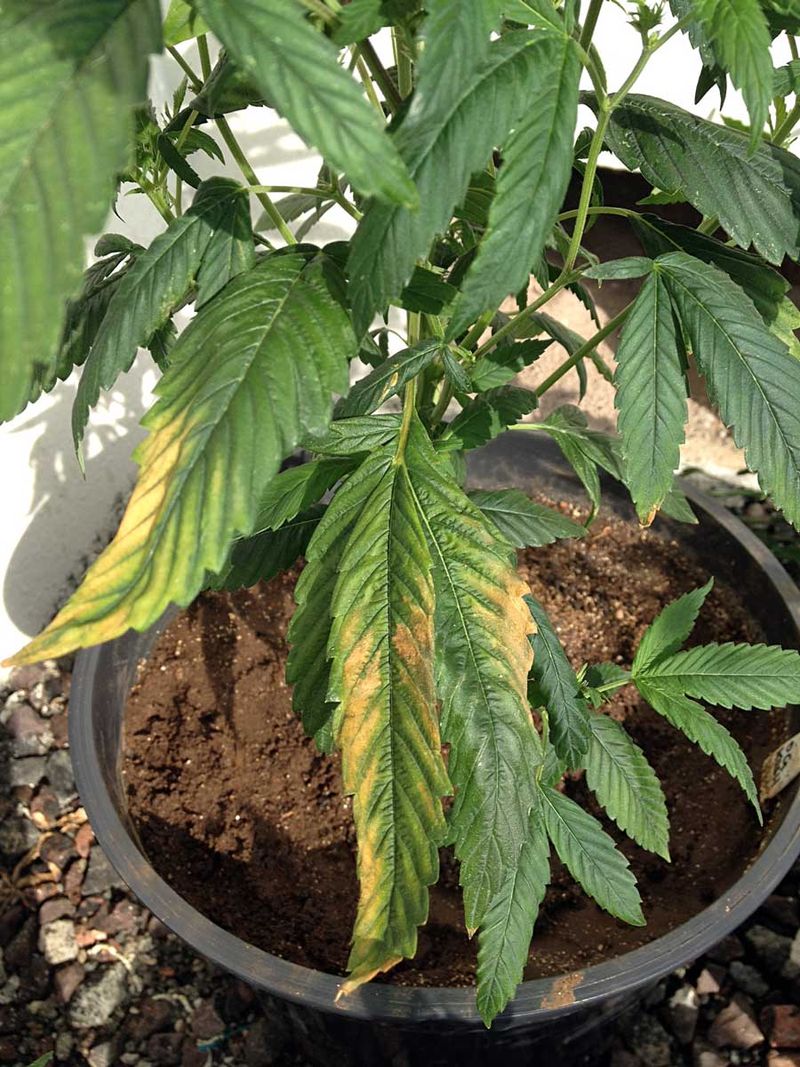
Well-fertilized plants bounce back quickly after drought stress, but nutrient-deficient specimens remain wilted despite adequate moisture. Root systems lack the strength for efficient water uptake.
Potassium shortage particularly affects water regulation, making recovery sluggish and incomplete. Cellular repair mechanisms work poorly without proper nutrition, prolonging stress symptoms unnecessarily.
17. Soil pH Testing Reveals Imbalances
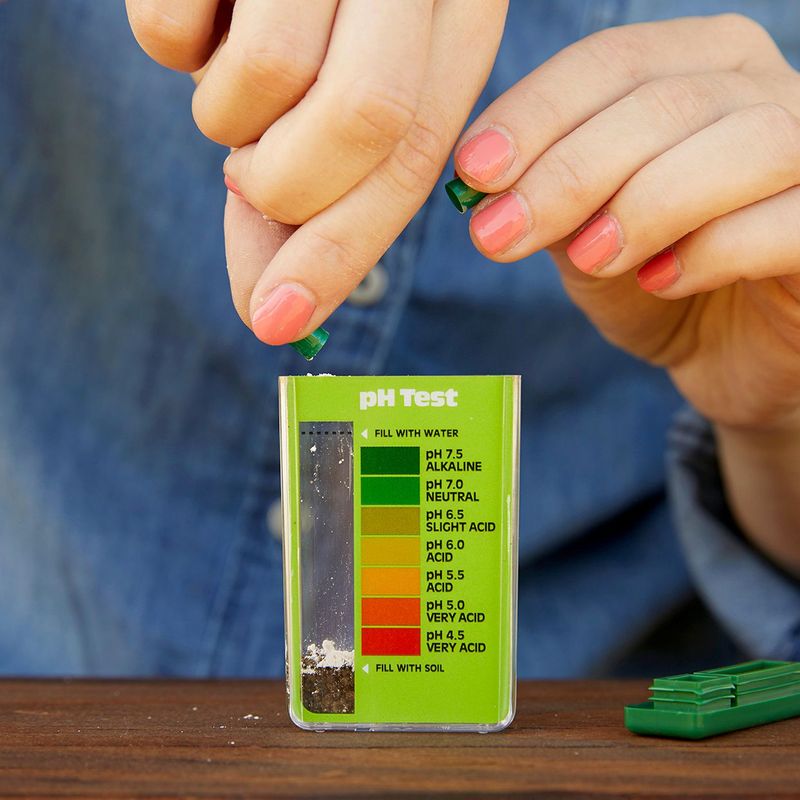
pH levels outside the 6.0-7.0 range lock up essential nutrients, making them unavailable even when physically present in soil. Simple test kits reveal these hidden problems.
Acidic conditions below 6.0 or alkaline conditions above 7.5 create nutrient lockout situations. Regular testing helps identify when lime or sulfur amendments become necessary for optimal nutrition.
18. Reduced Harvest Yields Compared to Previous Years
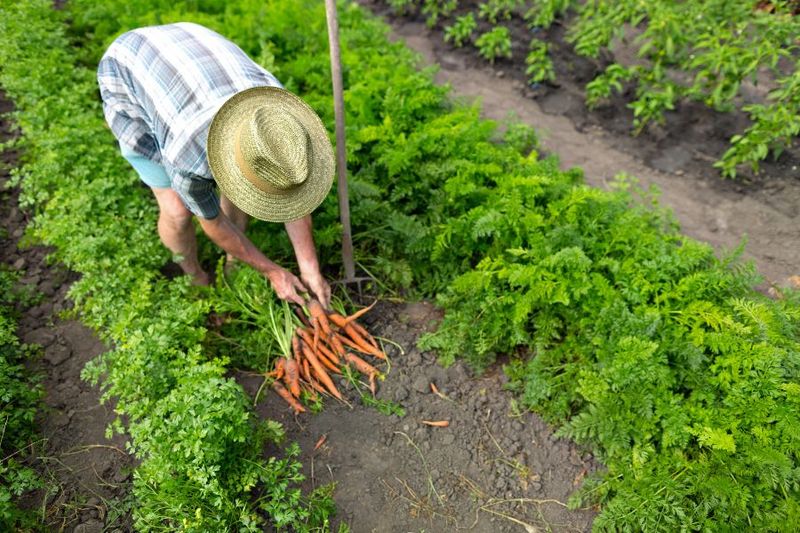
Declining productivity over successive seasons indicates progressive soil depletion that requires immediate attention. Nutrient reserves become exhausted without regular replenishment.
Intensive gardening practices gradually strip soil of essential elements, particularly nitrogen, phosphorus, and potassium. Organic matter decomposition cannot keep pace with plant demands in most garden situations.
19. Plants Failing to Respond to Adequate Water and Sunlight
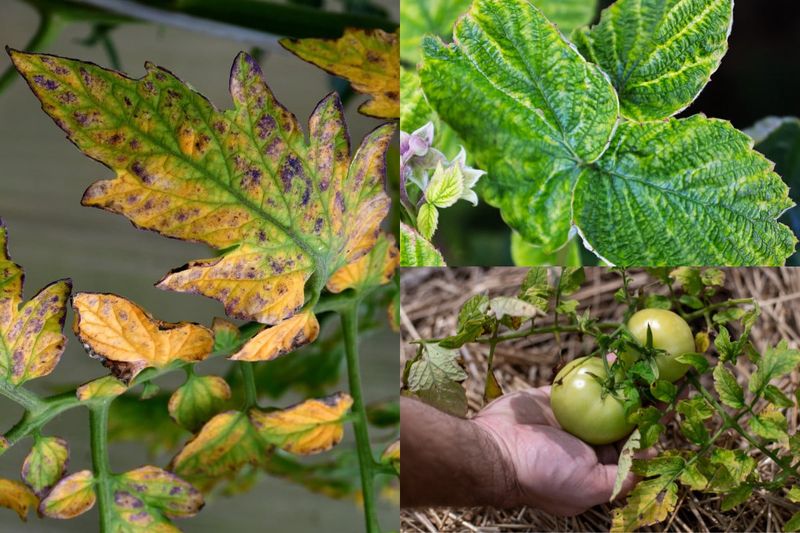
When optimal growing conditions produce disappointing results, hidden hunger for micronutrients often explains the mystery. Plants need more than just water and sunshine.
Trace elements like zinc, manganese, and copper become limiting factors in plant health. Comprehensive soil testing reveals these subtle deficiencies that standard observation cannot detect reliably.