 Complete Gardening
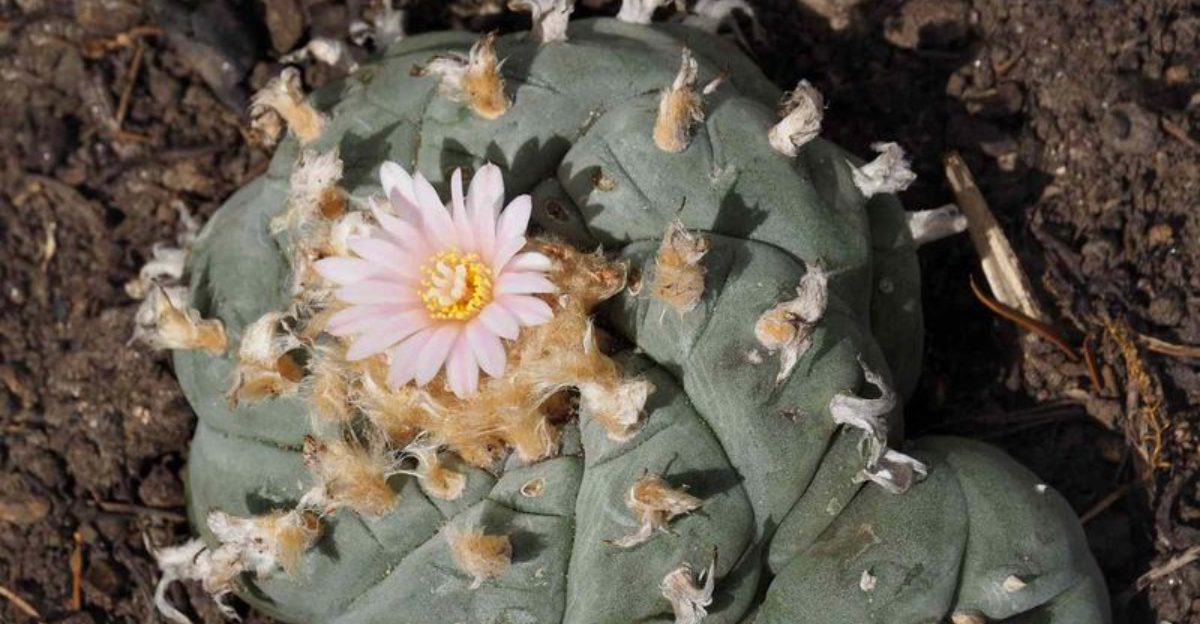
Throughout history, certain plants have been so potent and dangerous that governments and rulers felt compelled to ban them entirely.
From mind-altering substances to deadly toxins, these botanical specimens have shaped laws, sparked wars, and changed civilizations.
Some were outlawed for their psychoactive properties, while others posed serious threats to public health or environmental safety.
1. Cannabis (Marijuana)
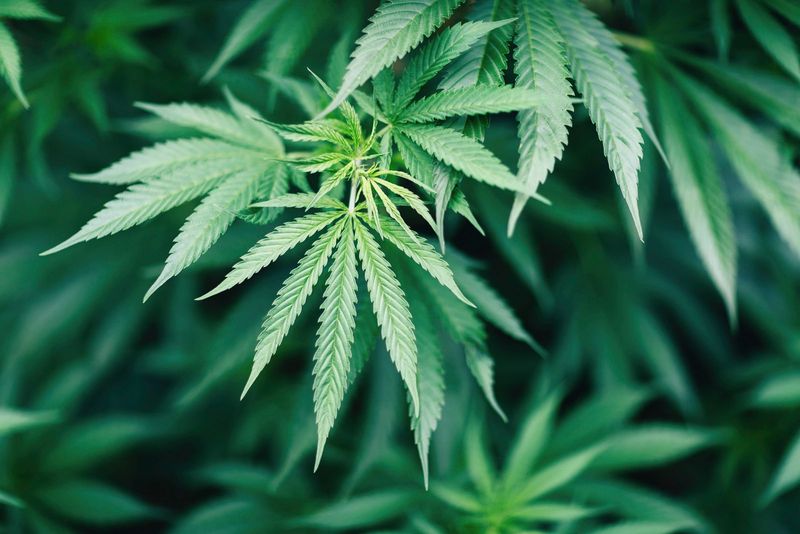
Once considered a valuable crop for rope and textiles, cannabis found itself at the center of global prohibition in the 20th century. Ancient civilizations used it for medicine and spiritual ceremonies without controversy.
Today, this versatile plant remains illegal in many countries despite growing evidence of its medical benefits. The ban has created a massive underground economy and filled prisons worldwide with non-violent offenders.
2. Opium Poppy (Papaver somniferum)
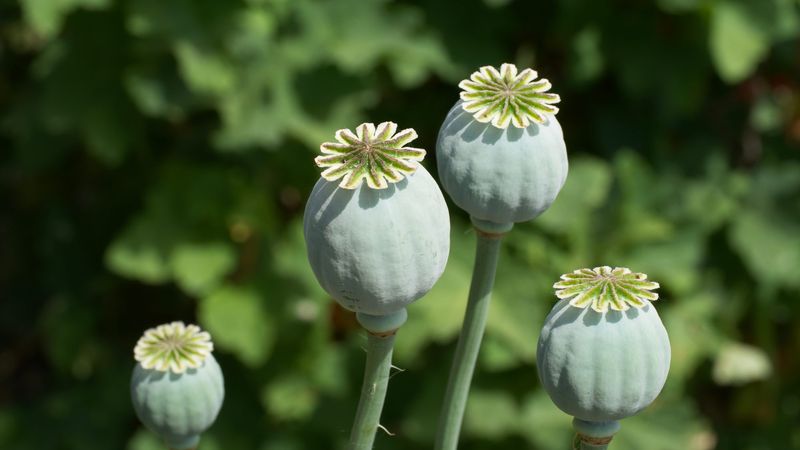
Beautiful red and white flowers hide one of history’s most addictive substances. Ancient Sumerians called it the “joy plant,” but opium’s dark side sparked the devastating Opium Wars in China.
Governments worldwide now strictly control this flower because its sap produces morphine and heroin. Even growing these seemingly innocent poppies in your garden can result in serious legal consequences in most countries.
3. Coca (Erythroxylum coca)
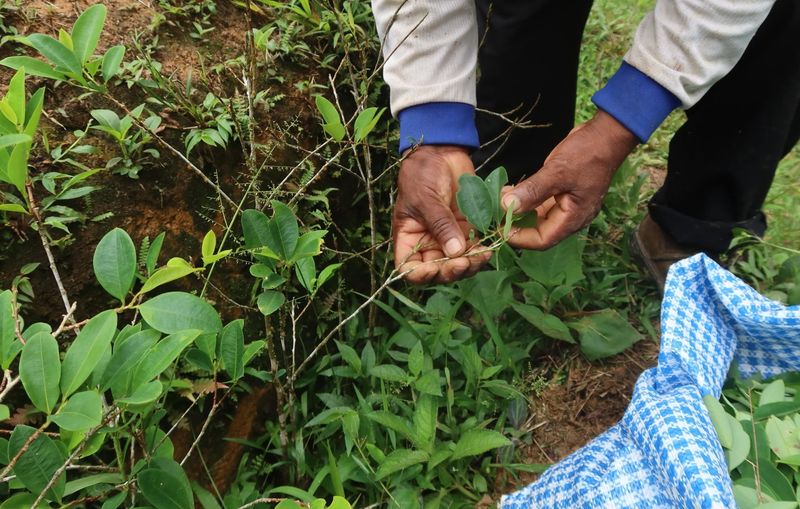
High in the Andes Mountains, indigenous people have chewed coca leaves for thousands of years to combat altitude sickness and fatigue. This sacred plant held deep cultural significance in ancient civilizations.
Everything changed when scientists isolated cocaine from its leaves in the 1800s. Now this traditional medicine faces global prohibition, despite its harmless use in its natural form by millions of people.
4. Salvia Divinorum
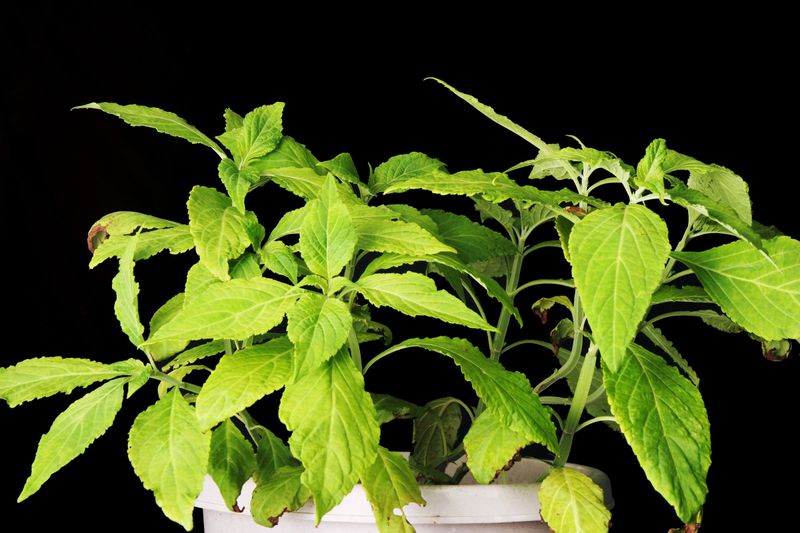
Mazatec shamans in Mexico considered this mint-family plant a sacred tool for spiritual journeys and healing rituals. Its powerful psychoactive effects earned it the nickname “diviner’s sage.”
Modern governments quickly banned salvia after videos of people using it spread online. The plant’s intense but short-lived effects made lawmakers nervous, leading to restrictions across multiple countries and states within just a few years.
5. Khat (Catha edulis)
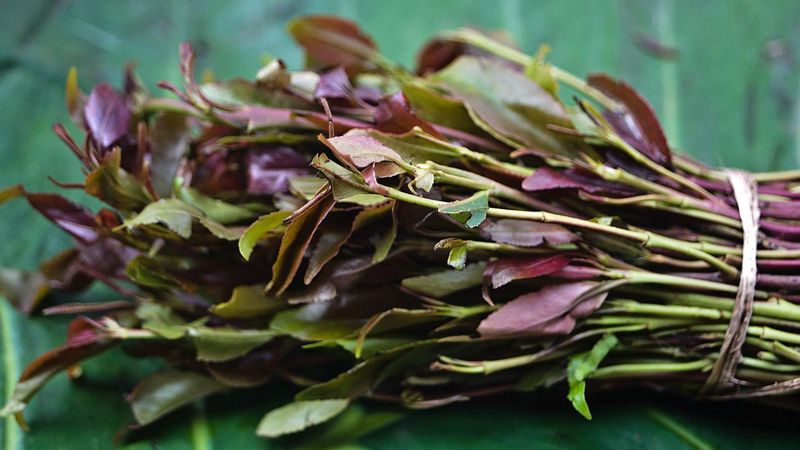
Fresh green leaves of this East African shrub provide a mild stimulant effect when chewed, similar to drinking several cups of coffee. Social gatherings often revolve around sharing khat in traditional communities.
Many Western countries have banned khat due to concerns about its amphetamine-like compounds. The prohibition has disrupted cultural practices and created legal problems for immigrant communities who view it as harmless as tea.
6. Kratom (Mitragyna speciosa)
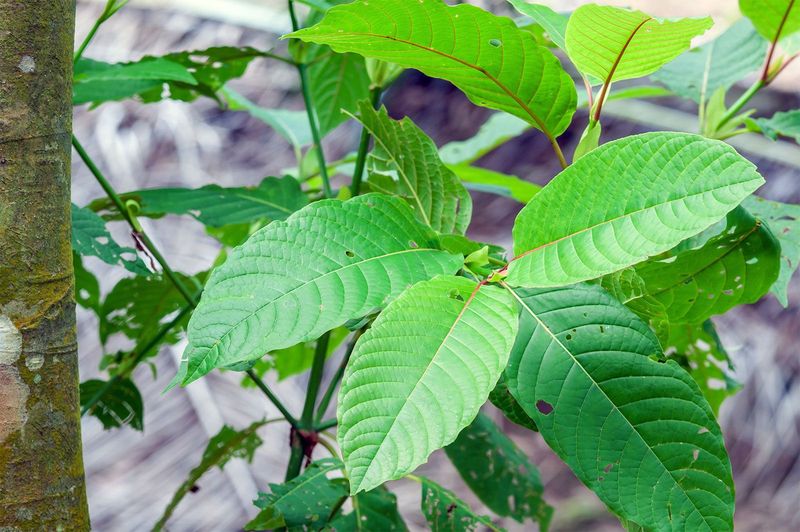
Workers in Southeast Asia have traditionally chewed kratom leaves to boost energy during long days in rice fields and rubber plantations. This tropical tree belongs to the coffee family.
Recent bans in several countries stem from concerns about its opioid-like effects, though supporters argue it helps people overcome addiction to harder drugs. The debate continues as more research emerges about its potential benefits and risks.
7. Peyote Cactus (Lophophora williamsii)
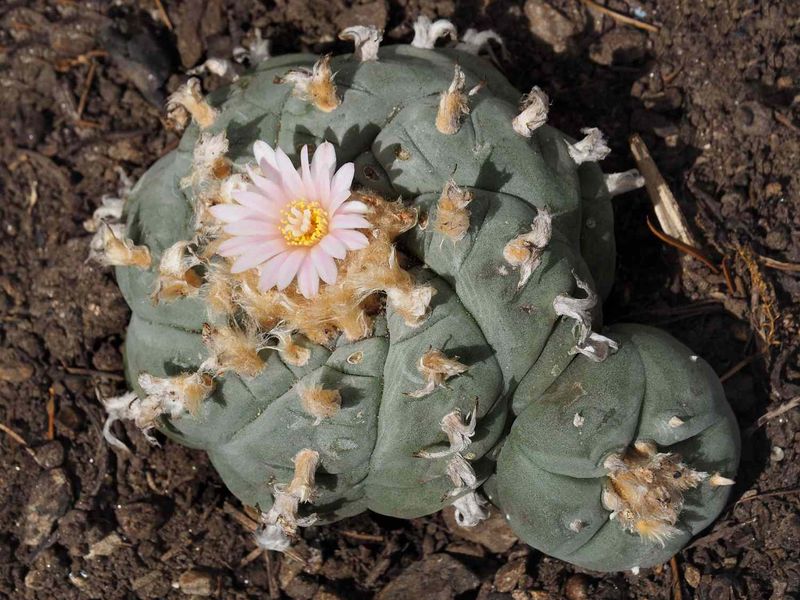
This small, spineless cactus contains mescaline, a powerful hallucinogen that has been used in Native American religious ceremonies for over 5,000 years. Its spiritual significance runs deep in indigenous cultures.
Legal restrictions on peyote have created conflicts between religious freedom and drug laws. While some Native American groups retain legal access for ceremonial use, the cactus remains prohibited for most people worldwide.
8. Aconitum (Monk’s Hood)
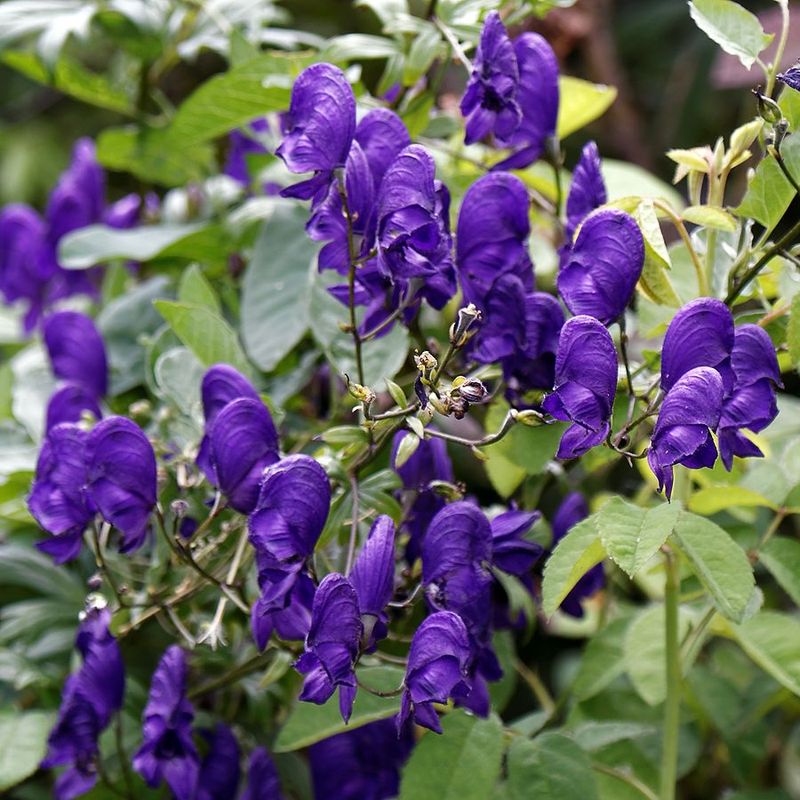
Medieval assassins knew this beautiful purple flower by another name: wolfsbane. Just touching the plant without gloves can cause heart problems and death within hours.
Ancient Greeks dipped their arrows in aconitum extract before battle. Today, many countries restrict or ban its cultivation because accidental poisonings still occur when people mistake it for harmless garden plants. Even experienced gardeners avoid this deadly beauty.
9. Kava (Piper methysticum)

Pacific Island cultures have used kava root to make ceremonial drinks for centuries, promoting relaxation and social bonding. The plant holds sacred meaning in traditional ceremonies and diplomatic meetings.
Several countries banned kava after reports of liver damage, though later studies suggested the problems came from using stems and leaves instead of just roots. Some nations have since lifted their bans after recognizing the cultural importance.
10. Asarum Europaeum (Wild Ginger)
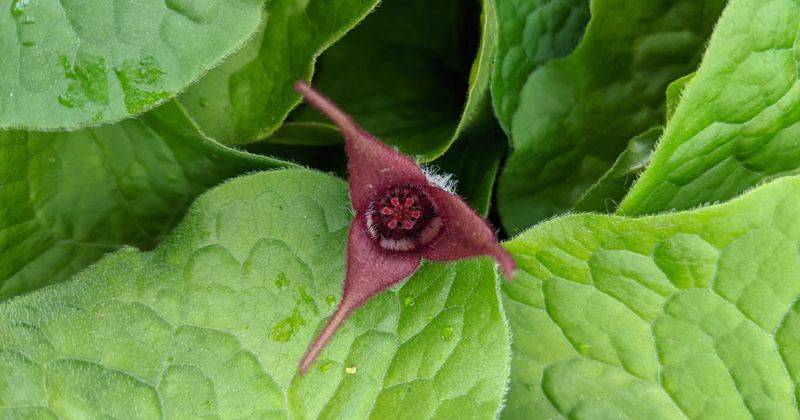
Despite its innocent appearance, wild ginger contains aristolochic acid, a compound that can cause kidney failure and cancer. Traditional medicine once used it to treat various ailments.
Modern toxicology revealed its dangerous nature, leading to bans in dietary supplements and herbal medicines. The plant still grows wild in European forests, but harvesting it for consumption is now prohibited in many regions due to serious health risks.
11. Oleander (Nerium oleander)
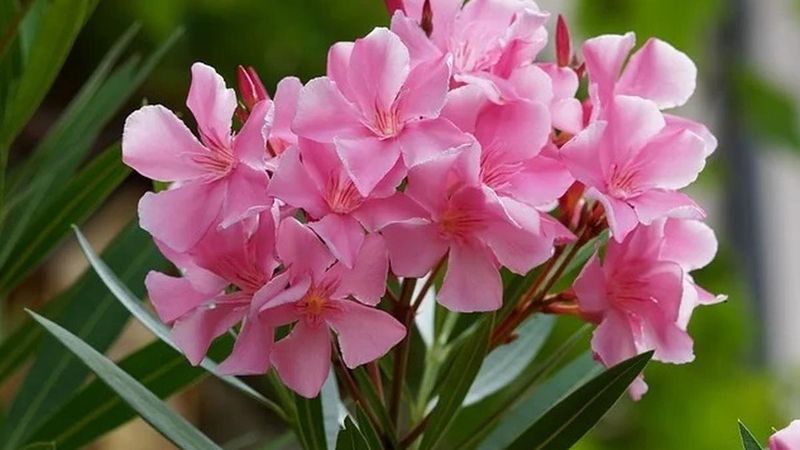
Every part of this attractive flowering shrub contains deadly cardiac glycosides that can stop a human heart. Even burning oleander releases toxic smoke that can harm anyone nearby.
Many municipalities have banned oleander from public spaces and school grounds after children were poisoned by eating the flowers or leaves. Gardeners who grow it must take extreme precautions to prevent accidental ingestion by pets or family members.
12. Blue Egyptian Lotus (Nymphaea caerulea)
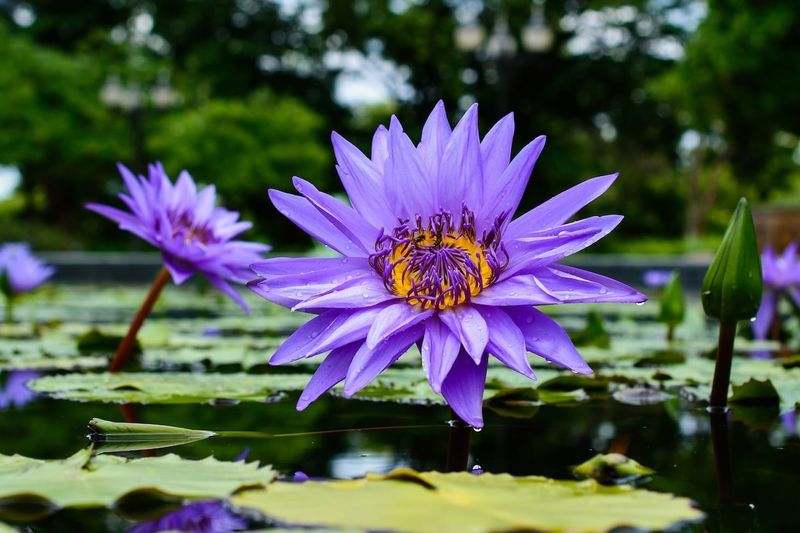
Ancient Egyptians considered this water lily sacred, often depicting it in tomb paintings and religious ceremonies. The flower contains compounds that produce mild psychoactive effects when smoked or brewed as tea.
Modern authorities have restricted blue lotus in several countries, classifying it as a controlled substance. Archaeological evidence shows it played a central role in Egyptian spiritual practices, making its current banned status particularly ironic.
13. Pennyroyal (Mentha pulegium)
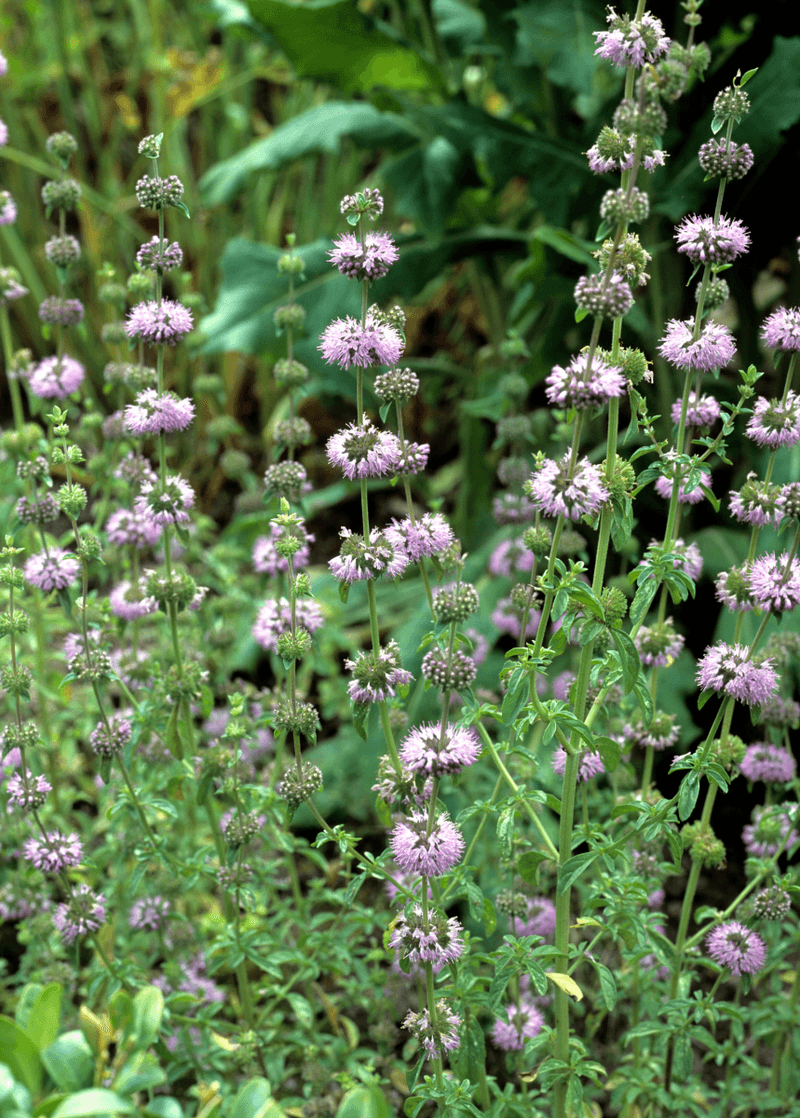
This mint-family herb was once popular for treating digestive issues and repelling insects. Women historically used pennyroyal to induce abortions, though often with fatal consequences.
The plant contains pulegone, a compound that destroys liver cells and can cause death even in small amounts. Most countries now ban pennyroyal in food products and supplements, though it still grows wild in many regions.
14. Jimsonweed (Datura stramonium)
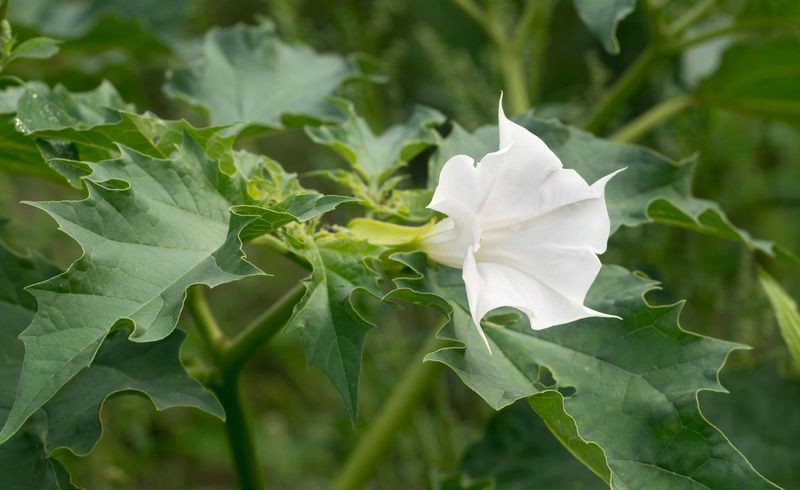
Teenagers sometimes seek out this common roadside weed for its hallucinogenic properties, not realizing how dangerous it can be. The line between an intoxicating dose and a lethal one is razor-thin.
Emergency rooms regularly treat jimsonweed poisoning cases, leading many areas to require its removal from public spaces. The plant’s unpredictable potency makes it particularly hazardous, as users never know how much active compound they’re consuming.
15. Water Hyacinth (Eichhornia crassipes)
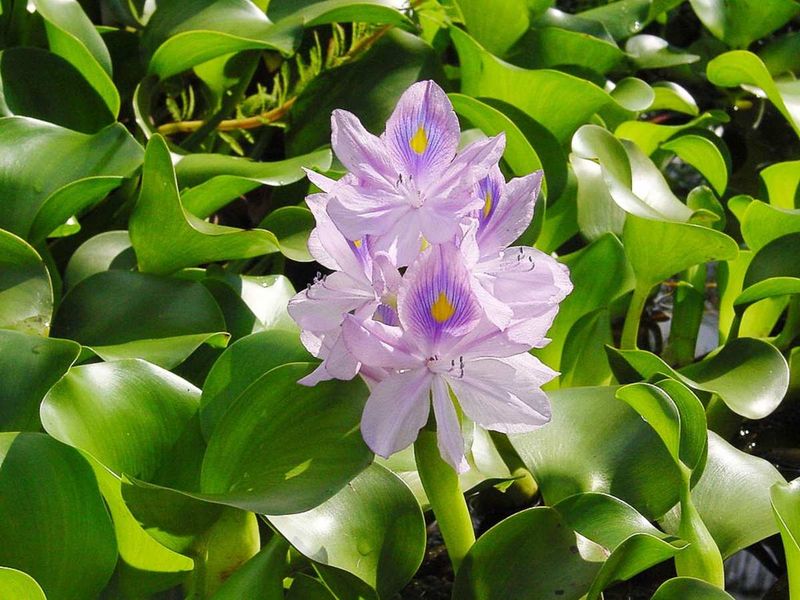
Originally from South America, this purple-flowered aquatic plant seemed like a beautiful addition to water gardens worldwide. Its rapid growth and attractive blooms made it popular among gardeners.
Water hyacinth became an ecological nightmare, choking waterways and destroying native ecosystems. Many countries now ban its import, sale, and cultivation. The plant doubles its population every two weeks, making it nearly impossible to control once established.
16. Giant Hogweed (Heracleum mantegazzianum)
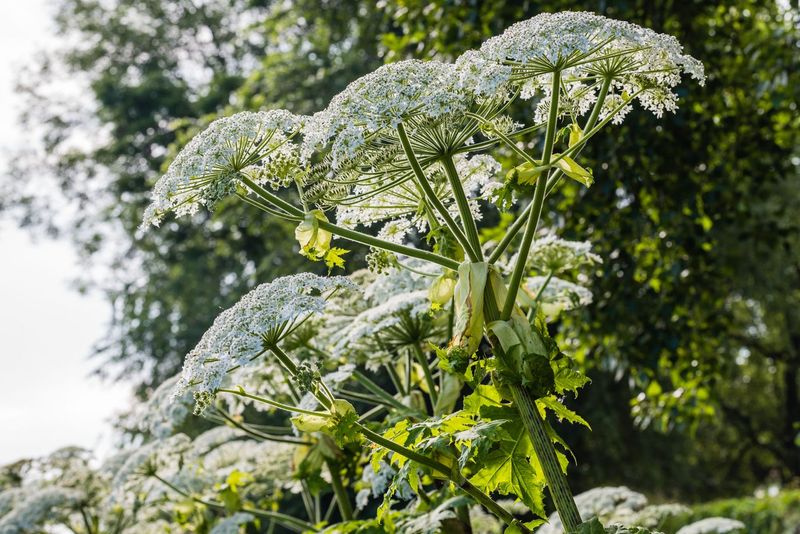
Standing up to 15 feet tall with umbrella-like white flowers, giant hogweed looks impressive in any landscape. However, its sap contains chemicals that cause severe burns and permanent scarring when exposed to sunlight.
Authorities classify giant hogweed as a noxious weed requiring immediate removal. Contact with the plant can result in third-degree burns and blindness. Many regions now impose heavy fines for growing or failing to remove this dangerous giant.
17. Japanese Barberry (Berberis thunbergii)
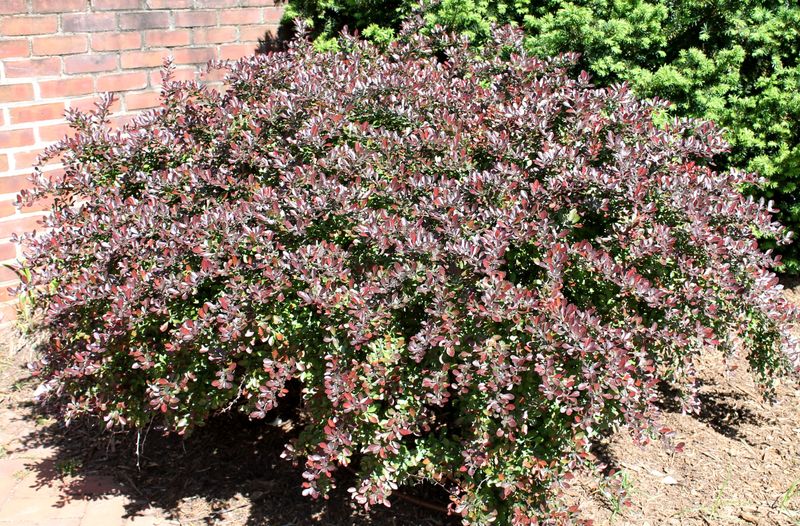
Landscapers once loved this thorny shrub for its colorful foliage and low maintenance requirements. Its sharp spines also made it popular for security hedges around properties.
Japanese barberry creates ideal habitat for disease-carrying ticks and crowds out native plants. Several states have banned its sale and planting. The shrub’s ability to thrive in shade gives it an unfair advantage over native species in forest ecosystems.
18. Kudzu (Pueraria montana var. lobata)

Introduced to control erosion in the American South, kudzu earned the nickname “the vine that ate the South” for good reason. This fast-growing climber can cover entire buildings and forests in just one growing season.
Kudzu now faces restrictions and active removal programs across multiple states. The plant grows up to a foot per day during peak season, smothering everything in its path and costing millions in damage control efforts.
19. Myrtle Spurge (Euphorbia myrsinites)
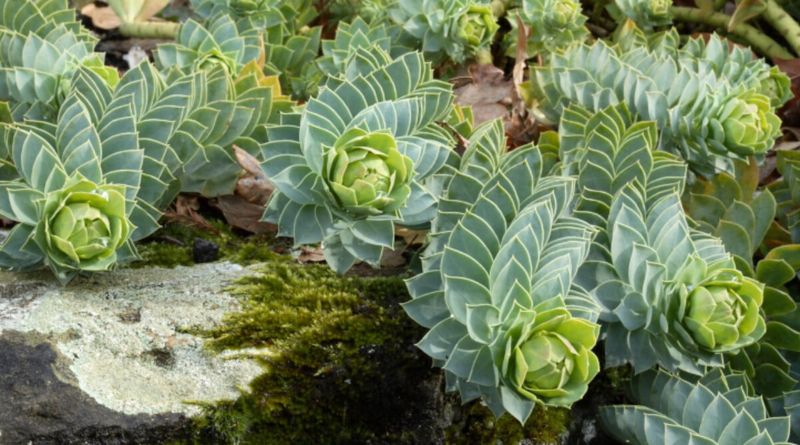
Garden centers once sold this blue-green succulent as an attractive ground cover for dry areas. Its unusual color and texture made it popular in rock gardens and xeriscaping projects.
Myrtle spurge escaped cultivation and began invading natural areas, particularly in the western United States. The plant’s milky sap also causes skin irritation and eye damage. Many states now prohibit its sale and require existing plants to be removed by professionals.