 Complete Gardening
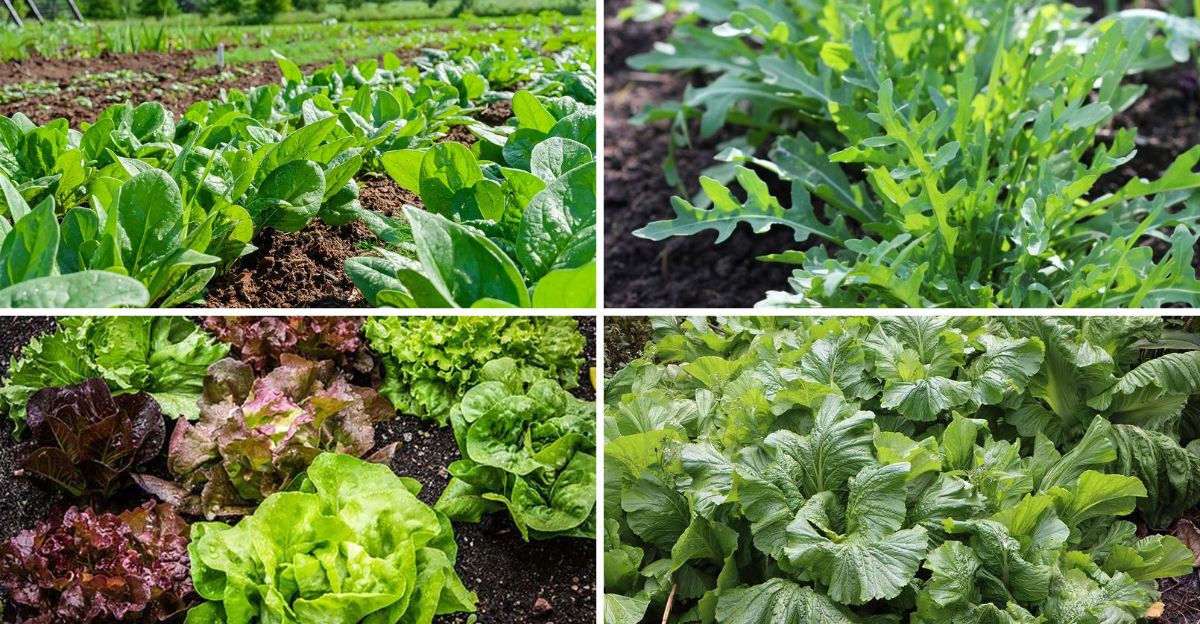
Gardening enthusiasts often face the challenge of growing vegetables in low-light conditions. However, some vegetables not only survive but flourish in the shade, surprising even seasoned gardeners. This blog post explores 19 exceptional shade-loving vegetables that defy expectations and thrive where most plants would wither.
1. Spinach
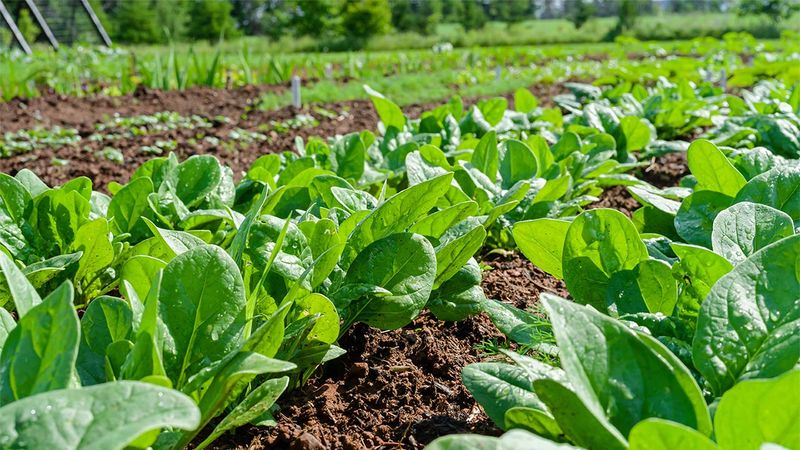
Spinach is a leafy green that thrives in partial shade, becoming tender and sweet. In shaded conditions, it becomes a favorite for many gardeners who seek reliable growth throughout the cooler months. It’s known for its rich nutritional profile, providing essential vitamins and minerals. Fun fact: Spinach was made famous by the cartoon character Popeye, who relied on its strength-giving properties!
2. Lettuce
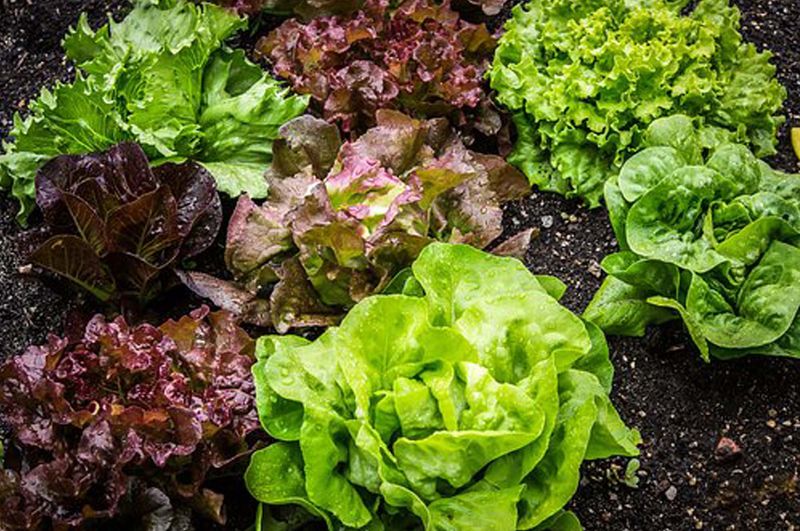
Lettuce, with its refreshing crunch, performs exceptionally well under shaded conditions. Its growth is enhanced in cooler, dim environments, allowing for a longer growing season. This makes lettuce a versatile choice for salads and sandwiches. Historically, lettuce has been cultivated for thousands of years, making it a staple in many diets around the world.
3. Kale
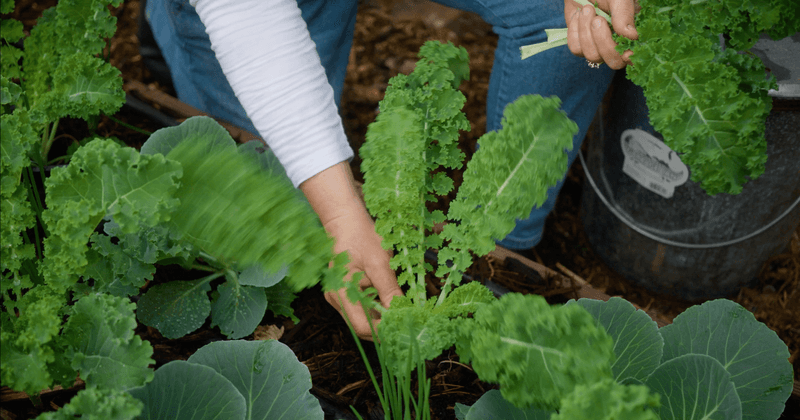
Kale is a hardy leafy green that actually appreciates some shade, which helps prevent it from becoming too bitter. Gardeners are often delighted by its resilience and nutrient-packed leaves. As a superfood, kale offers an abundance of vitamins, fibers, and antioxidants. Anecdote: During World War II, kale was popular in the UK as a nutritious and easy-to-grow vegetable.
4. Arugula
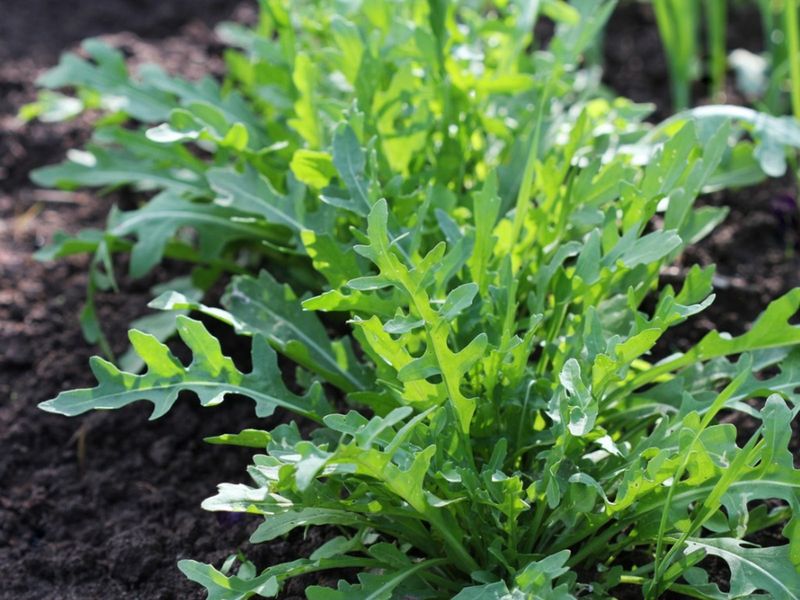
Arugula, known for its peppery flavor, surprisingly flourishes in shaded areas. The shade softens its sharp taste, making it a delightful addition to salads. Gardeners appreciate its quick growth cycle and its ability to reseed itself. Interestingly, arugula’s popularity dates back to ancient Rome, where it was considered an aphrodisiac.
5. Chard
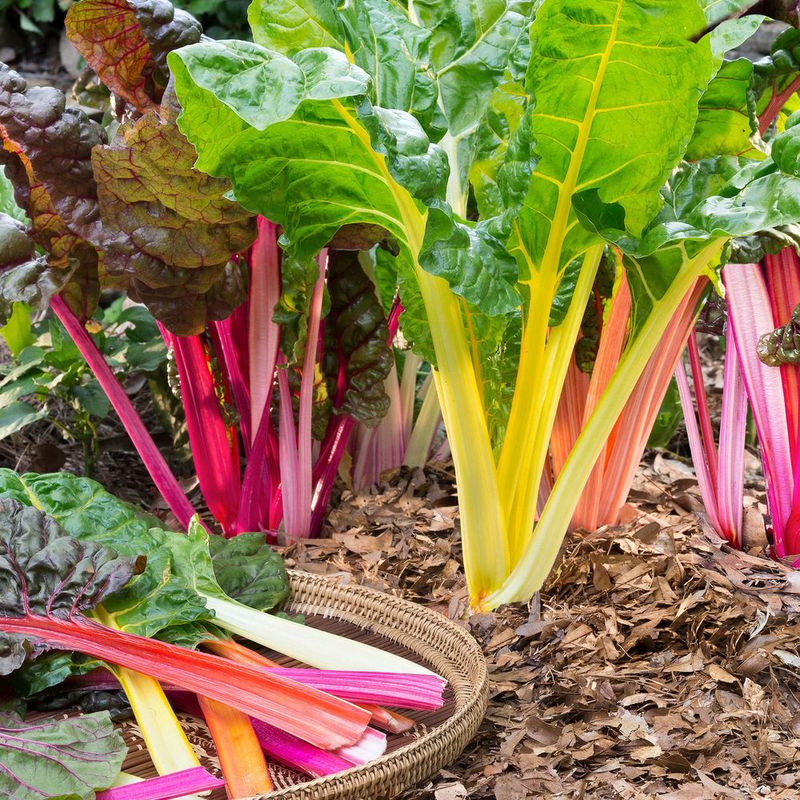
Chard, with its vibrant stems, is an eye-catching addition to any shaded garden. It thrives in low-light environments and offers a mild, earthy flavor. This leafy green is not only visually appealing but also packed with nutrients. Historically, chard has been enjoyed since the Roman times, valued for both its culinary and medicinal uses.
6. Collard Greens
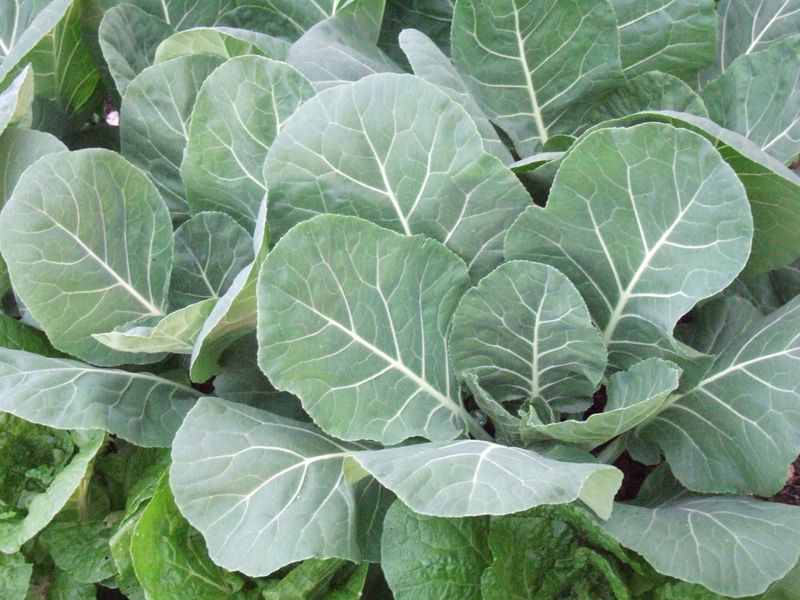
Collard greens, with their rich, dark leaves, thrive in the shade, which helps maintain their tender texture. These greens are a staple in southern cuisine, often cooked down for a comforting dish. Rich in vitamins and minerals, collard greens are celebrated for their health benefits. Hook: Imagine a Sunday dinner without collard greens – it’s almost impossible in many homes!
7. Red Leaf Lettuce
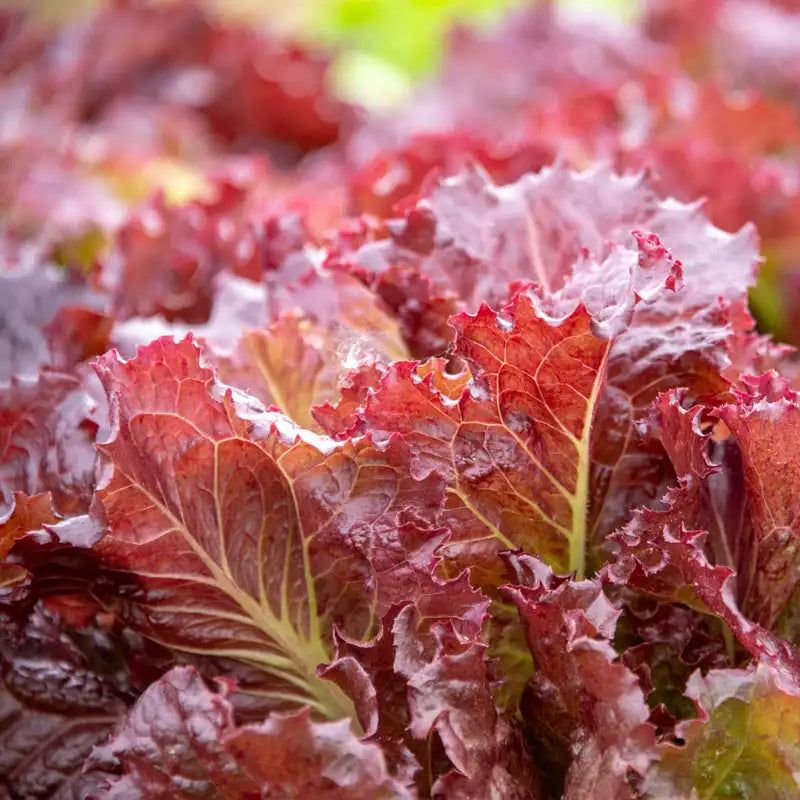
Red leaf lettuce adds a splash of color to shaded gardens, thriving in cooler, dimmer conditions. Its mildly sweet flavor and crisp texture make it a salad favorite. Gardeners favor it for its quick growth and vibrant appearance. Fun fact: Red leaf lettuce gets its color from anthocyanins, which are powerful antioxidants.
8. Mustard Greens
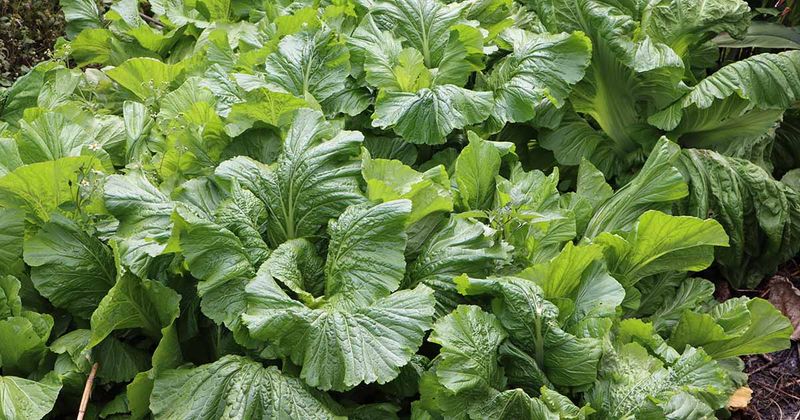
Mustard greens bring a zingy spice to the garden, thriving in shaded areas that temper their bold flavor. These greens are a staple in many cuisines, known for their versatility and nutritional benefits. Packed with vitamins and antioxidants, they can be enjoyed raw or cooked. Anecdote: Mustard greens are a beloved ingredient in Indian and Southern American dishes, celebrated for their peppery taste.
9. Bok Choy
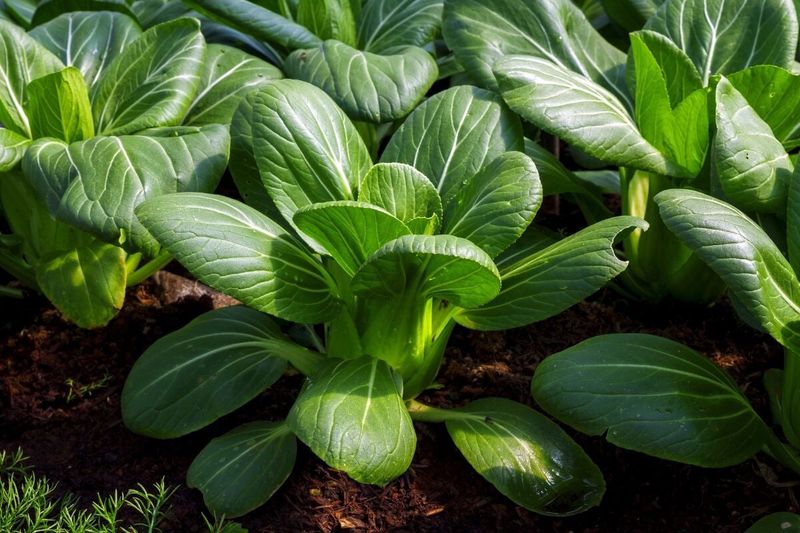
Bok choy, or Chinese cabbage, is well-adapted to shaded gardens, where it develops tender leaves and crunchy stems. Its mild flavor makes it a versatile ingredient in stir-fries and soups. This vegetable is a staple in Asian cuisine, appreciated for its quick growth and ease of cultivation. Did you know? Bok choy is one of the oldest cultivated vegetables in China.
10. Endive
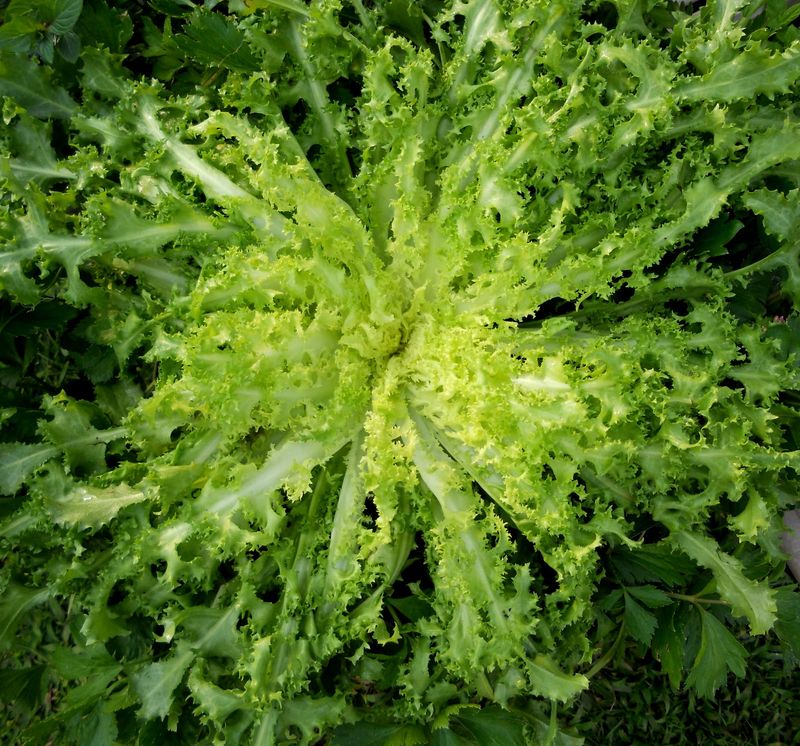
Endive’s distinctive curly leaves thrive under partial shade, where they develop a mildly bitter taste that is highly prized in salads. It is a member of the chicory family and offers a unique flavor profile. Gardeners appreciate its ability to grow in cooler, less sunny spots. Historically, endive has been cultivated since the ancient Egyptian times for its medicinal properties.
11. Watercress
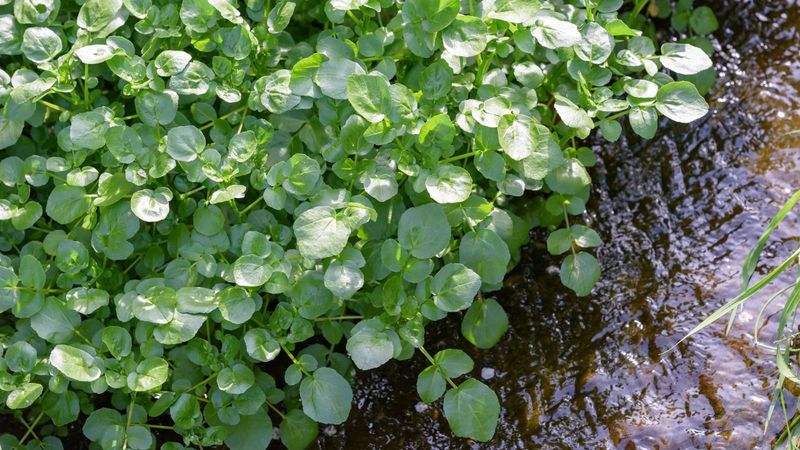
Watercress loves the gentle, filtered light found near streams and ponds, where it grows vigorously. Its peppery leaves add a lively kick to sandwiches and salads. As one of the oldest known leaf vegetables consumed by humans, watercress has a rich history of use. It was a staple in the diet of Roman soldiers, who valued its health-boosting properties.
12. Cabbage
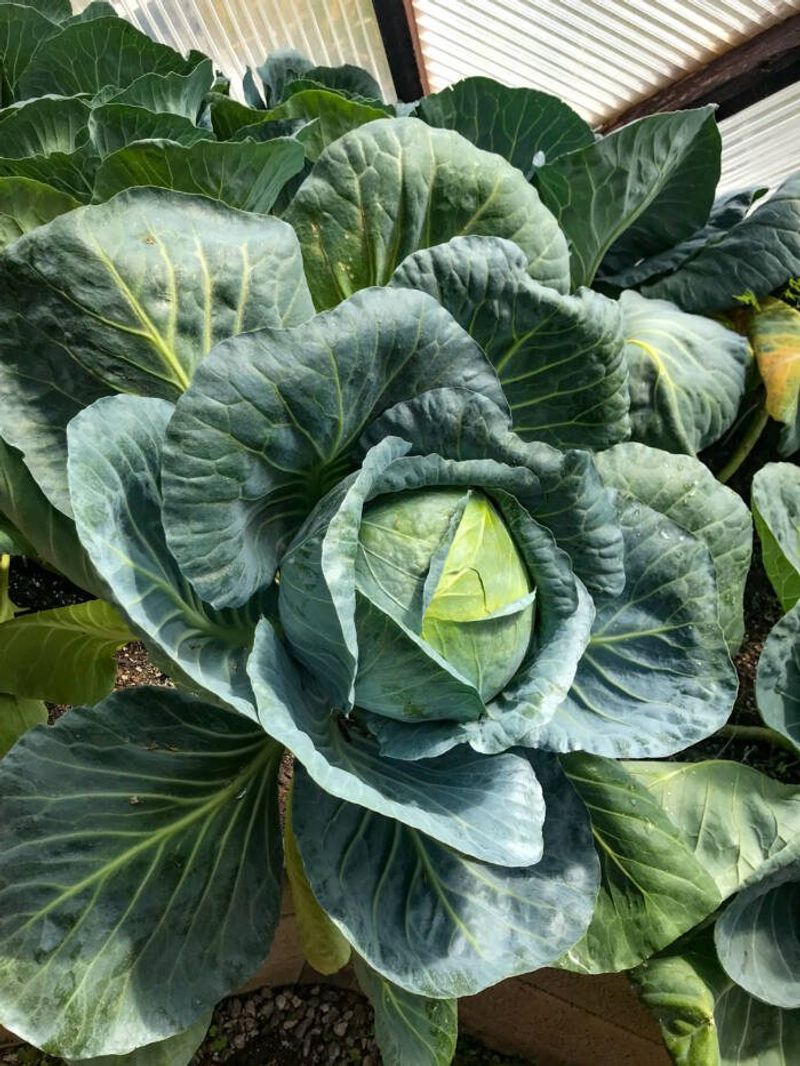
Cabbage is a beloved vegetable that does well in partial shade, where it develops firm, compact heads. Its versatility in the kitchen is unmatched, providing the basis for coleslaw, sauerkraut, and many more dishes. Cabbage has been cultivated for over 4,000 years, making it one of the oldest known vegetables, revered for its durability and nutritional value.
13. Sorrel
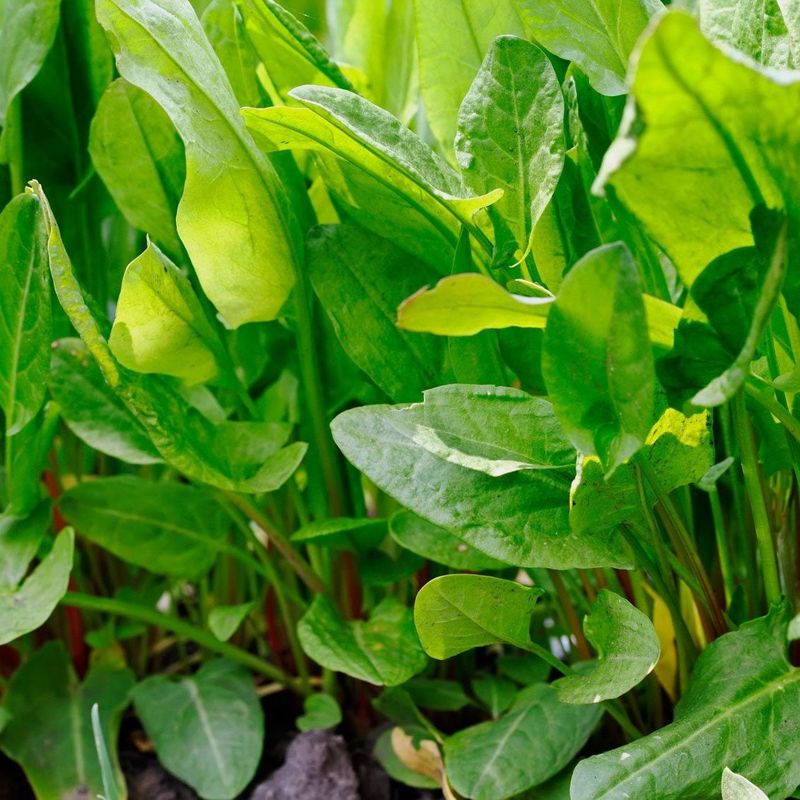
Sorrel brings a refreshing tang to the garden, thriving in shaded areas that enhance its lemony flavor. Often used in soups and sauces, sorrel is a favorite among chefs for its unique taste. This perennial herb has been used for centuries in European cuisine and medicine. Hook: Sorrel leaves were a favorite among early French cooks for their tangy bite.
14. Peas
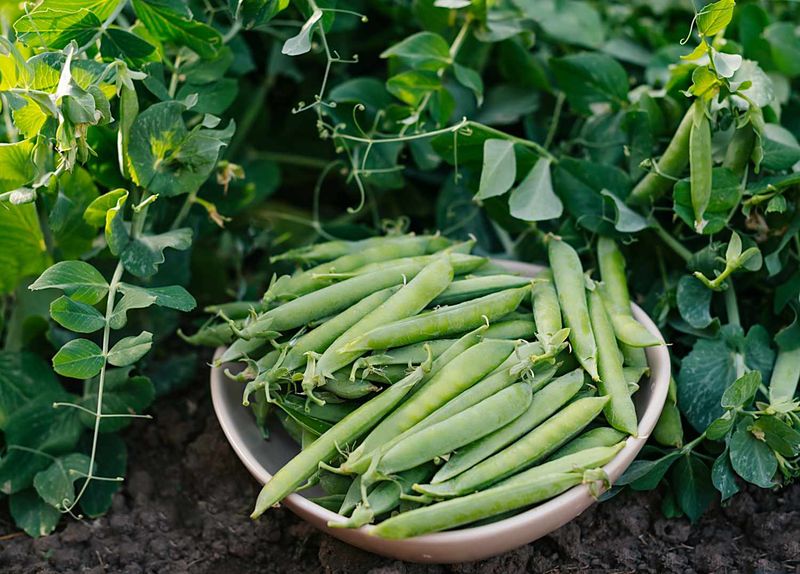
Peas are surprisingly adaptable, thriving in dappled shade where their sweet pods flourish. These plants are not only easy to grow but also enhance soil health by fixing nitrogen. Peas have a storied history, having been cultivated since antiquity and celebrated in dishes worldwide. Anecdote: In the Middle Ages, peas were considered a luxury food reserved for the aristocracy.
15. Radicchio
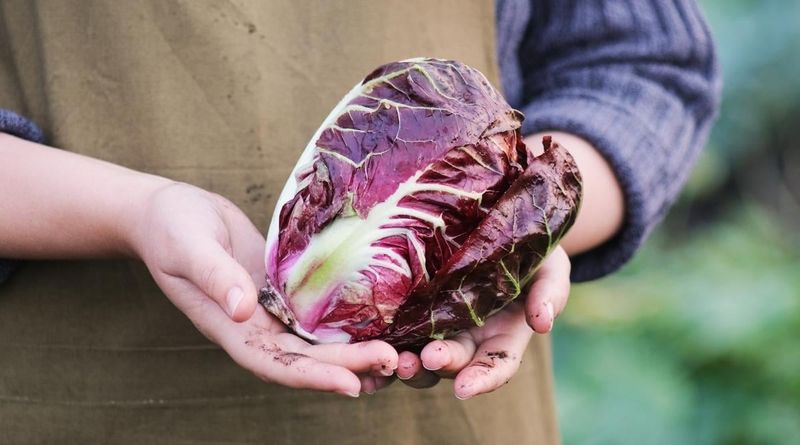
Radicchio, with its bold red leaves, thrives in the cooler, shaded parts of the garden. Its bitter taste mellows when cooked, adding depth to dishes. This leafy vegetable is a staple in Italian cuisine, known for its vibrant color and unique taste. Fun fact: Radicchio was often featured in Renaissance paintings as a symbol of luxury and abundance.
16. Herbs (Mint, Parsley, Cilantro)
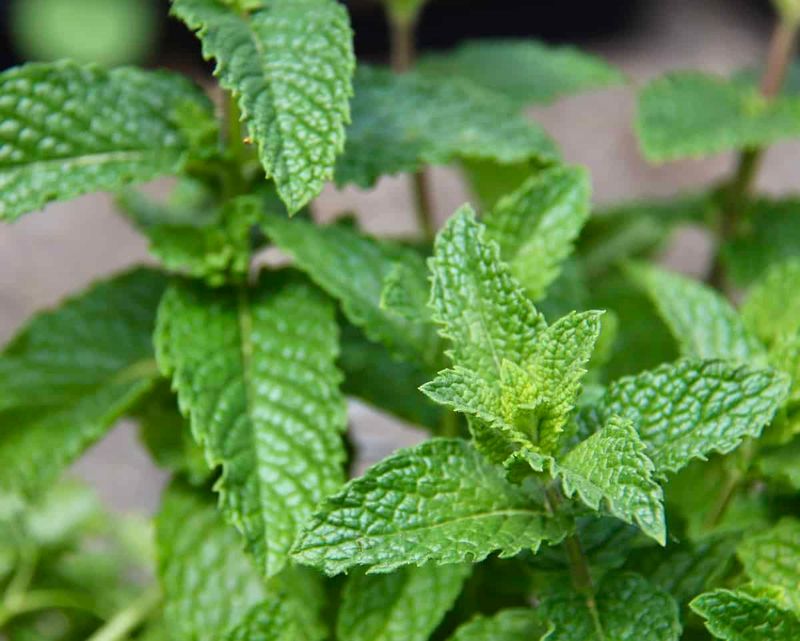
Herbs like mint, parsley, and cilantro flourish in partial shade, offering fresh flavors and scents. These herbs are easy to grow and are staples in a variety of cuisines, providing aromatic accents to dishes. Their robust nature makes them ideal for containers or garden beds. Did you know? Mint was used extensively in ancient Greece and Rome as a symbol of hospitality.
17. Beets
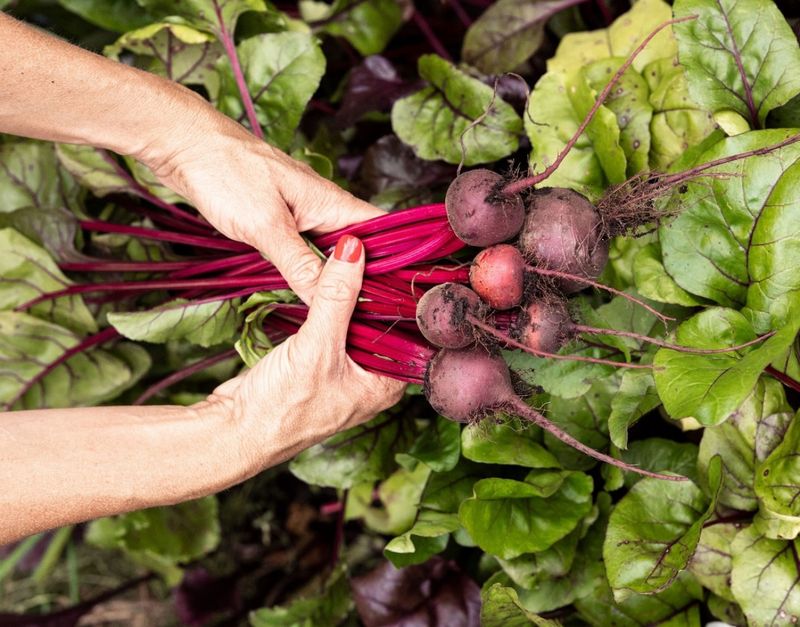
Beets, with their earthy sweetness, grow well in shaded conditions, where they develop vibrant roots and greens. They’re celebrated for their versatility and nutritional benefits, being rich in fiber and vitamins. Beets have a long history of cultivation, dating back to the Roman times when they were used for medicinal purposes. Hook: Beets were considered an aphrodisiac by the Romans!
18. Fennel
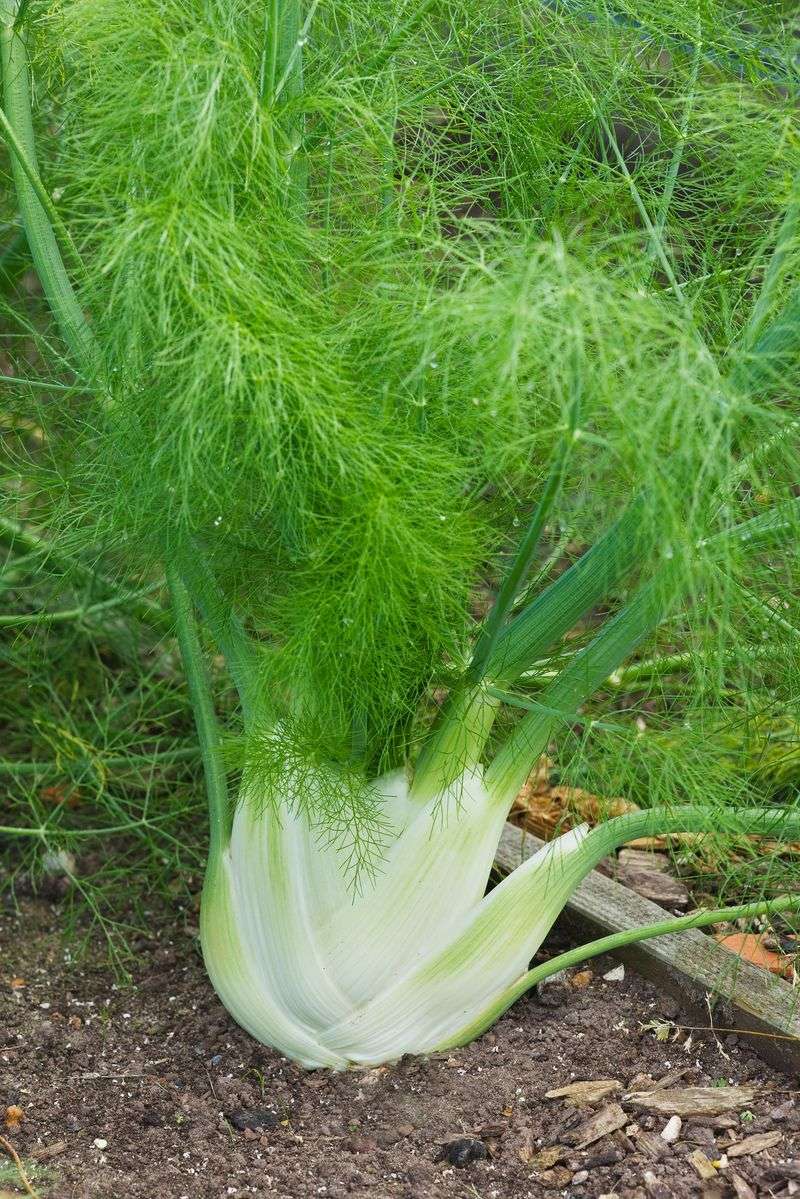
Fennel, with its distinct licorice flavor, adapts well to shaded gardens. Its bulb and fronds are used in a variety of dishes, adding a unique taste. Gardeners appreciate fennel for its ability to attract beneficial insects. Fun fact: Fennel has been used since antiquity as a medicinal plant and was believed to ward off evil spirits in ancient times.
19. Rhubarb
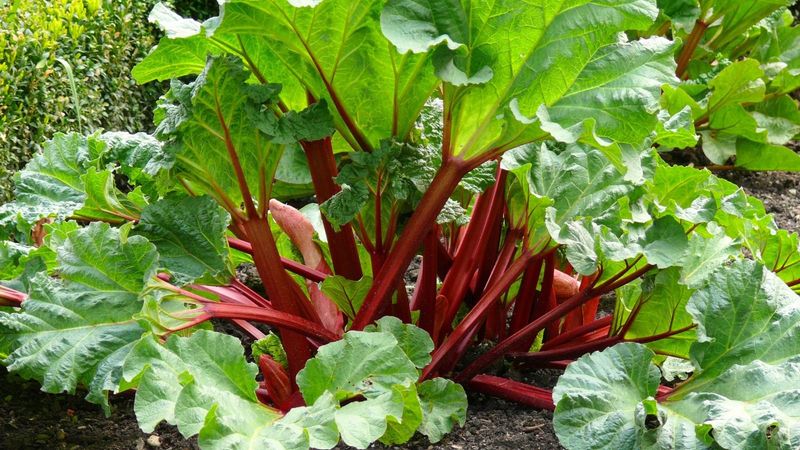
Rhubarb, known for its tart stalks, thrives in the cool, shaded areas of the garden. Its vibrant red stalks are used in desserts and jams, offering a burst of flavor. This perennial plant is cherished for its low maintenance and productive nature. Historically, rhubarb was used in traditional Chinese medicine long before it became a culinary favorite.