 Complete Gardening
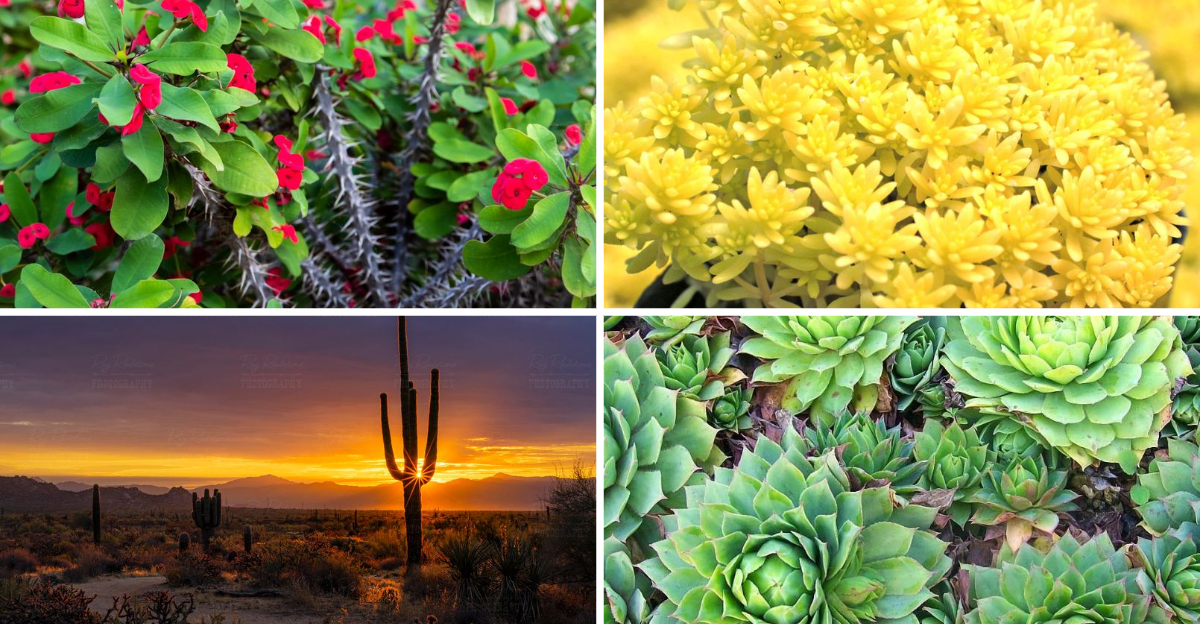
In the world of sun-loving flora, certain plants have developed a unique adaptation that rivals the survival skills of camels. These remarkable plants have evolved to store water within their tissues, enabling them to thrive in arid environments where water is scarce. This ability not only allows them to endure prolonged periods of drought but also makes them fascinating subjects of study. In this blog post, we explore 19 such resilient plants, each with its distinct characteristics and survival strategies. From succulents to cacti, these plants showcase nature’s ingenuity and resilience.
1. Aloe Vera
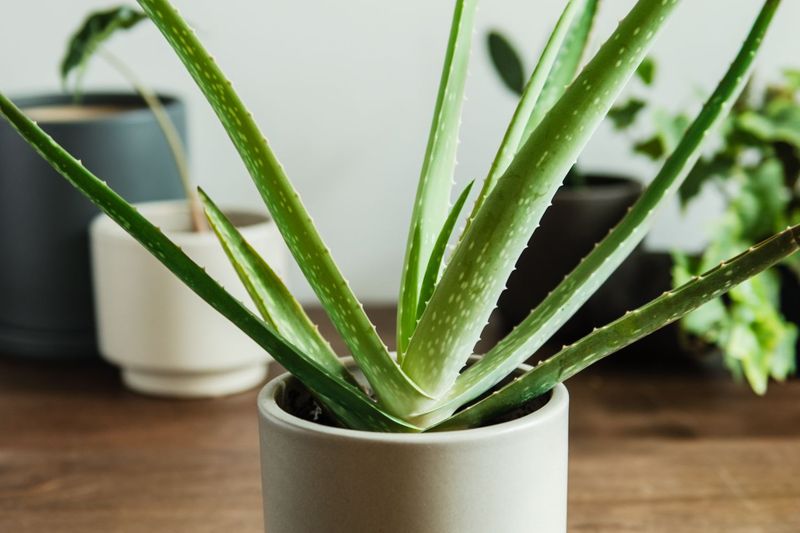
Aloe Vera, known for its soothing gel, is a desert plant with thick, fleshy leaves that store water efficiently. This succulent thrives under the sun’s intense rays, making it a perfect choice for sunlit gardens. Its leaves, spiky yet soft to touch, hold a secret: a reservoir of water that sustains it through dry spells.
Did you know? Aloe Vera has been used for medicinal purposes for centuries, being a natural remedy for skin ailments. It not only survives but flourishes in arid climates, showcasing its exceptional resilience.
2. Agave
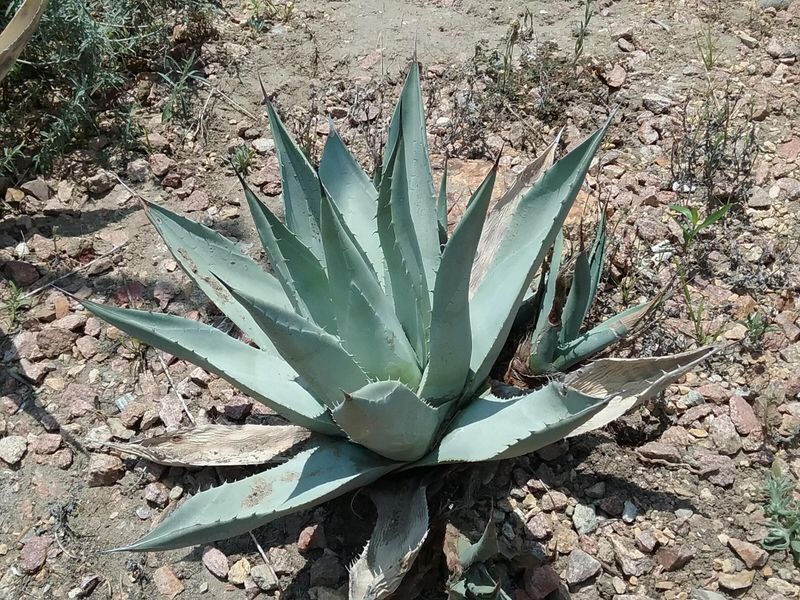
The Agave plant is a quintessential symbol of the desert, with its large, pointed leaves arranged in a striking rosette pattern. These leaves are not just for show; they are vital water storage units that allow the plant to endure prolonged droughts.
In the hot desert sun, Agave thrives, using its water reserves to sustain itself. Interestingly, some Agave species are used to make tequila, showcasing their versatility. Their architectural beauty and survival prowess make them a favorite for xeriscaping.
3. Saguaro Cactus
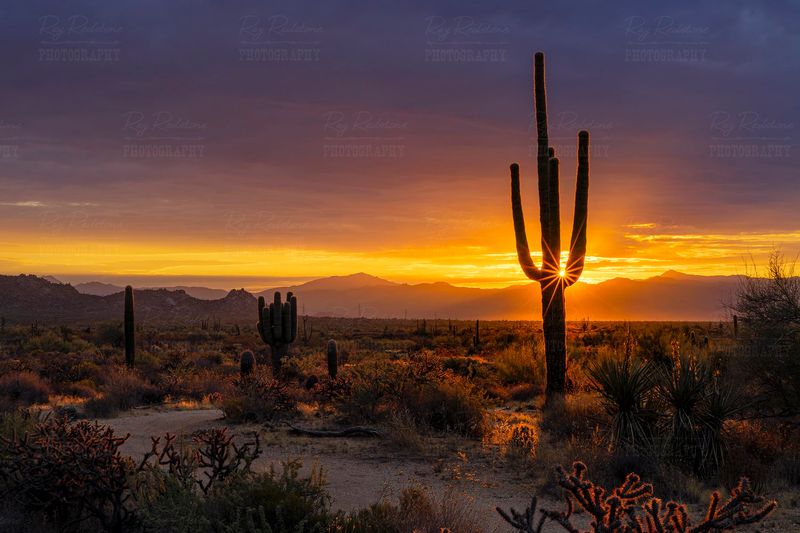
Standing tall and majestic, the Saguaro Cactus is an iconic desert dweller. Its towering, pillar-like body stores vast amounts of water, enabling it to survive the harshest sunlit environments. The pleated surface expands and contracts, a design feature that aids in water storage.
This cactus can live for over 150 years, witnessing the passage of time in desert landscapes. Its white blossoms are Arizona’s state flower, adding to its legendary status. The Saguaro is truly a marvel of nature’s engineering.
4. Jade Plant
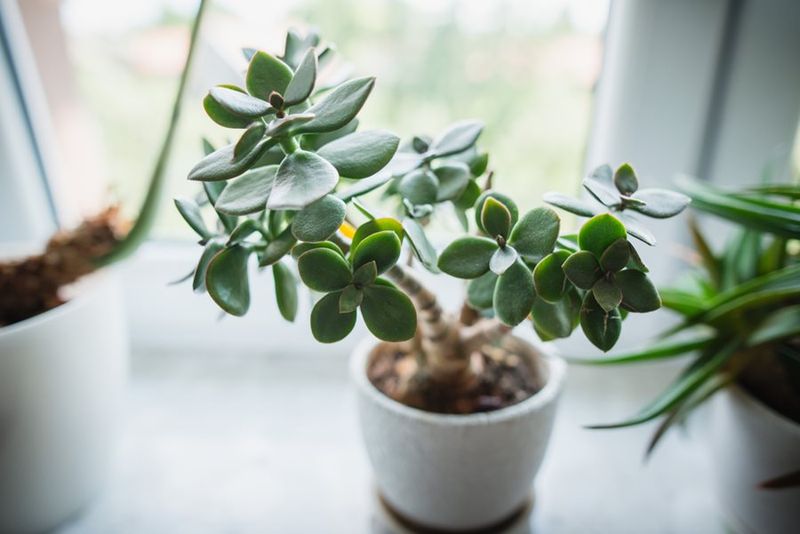
The Jade Plant, often a beloved houseplant, boasts thick, glossy leaves that are adept at storing water. These oval-shaped leaves give the plant a charming appearance, while its ability to thrive in sunlight makes it a popular choice for sunny windowsills.
Native to South Africa, the Jade Plant is also known as the “money tree,” symbolizing prosperity and good luck. Its resilience and low-maintenance nature make it an ideal plant for both novice and experienced gardeners.
5. Euphorbia
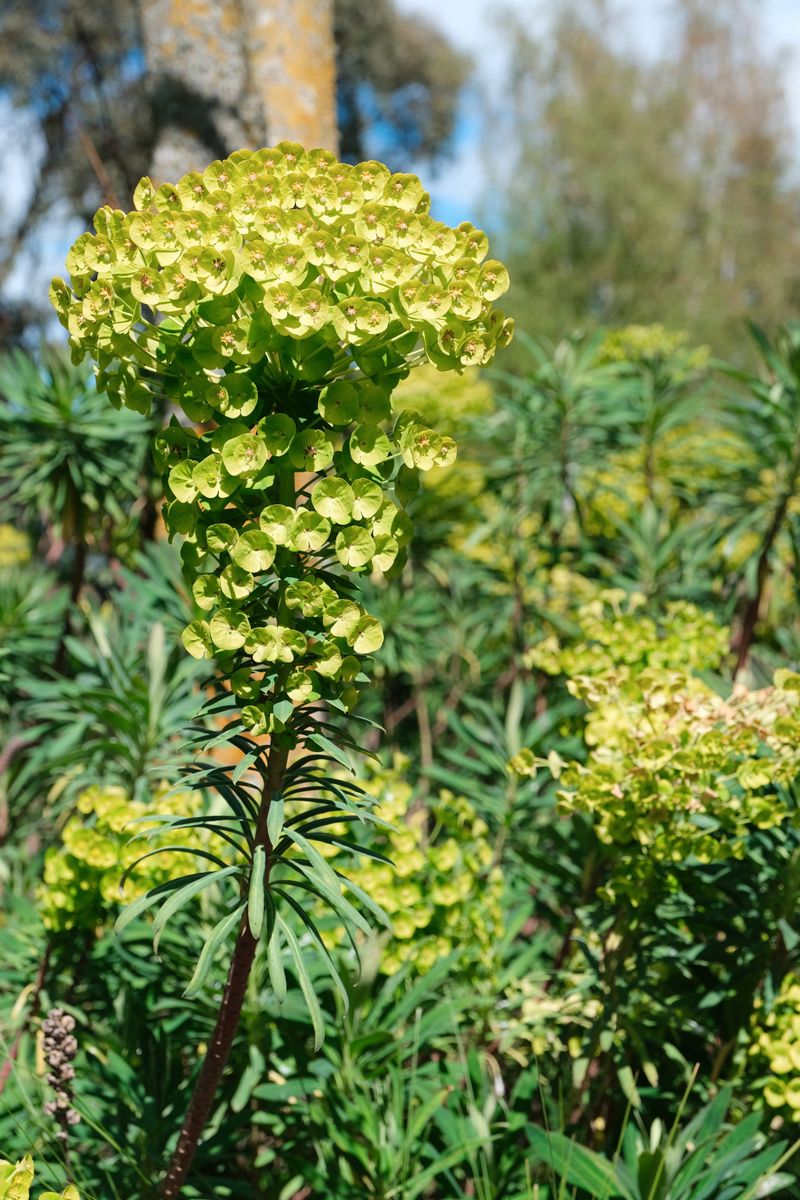
Euphorbia, with its diverse forms and striking appearance, is a standout in any sunlit garden. Its spiky stems and vibrant blooms are not just visually appealing; they are water storage experts, enabling the plant to endure arid conditions.
Some species of Euphorbia produce a milky sap, used traditionally in folk medicine. This adaptability and unique beauty make Euphorbia a popular choice for gardeners looking to add a touch of the exotic to their landscapes.
6. Sedum
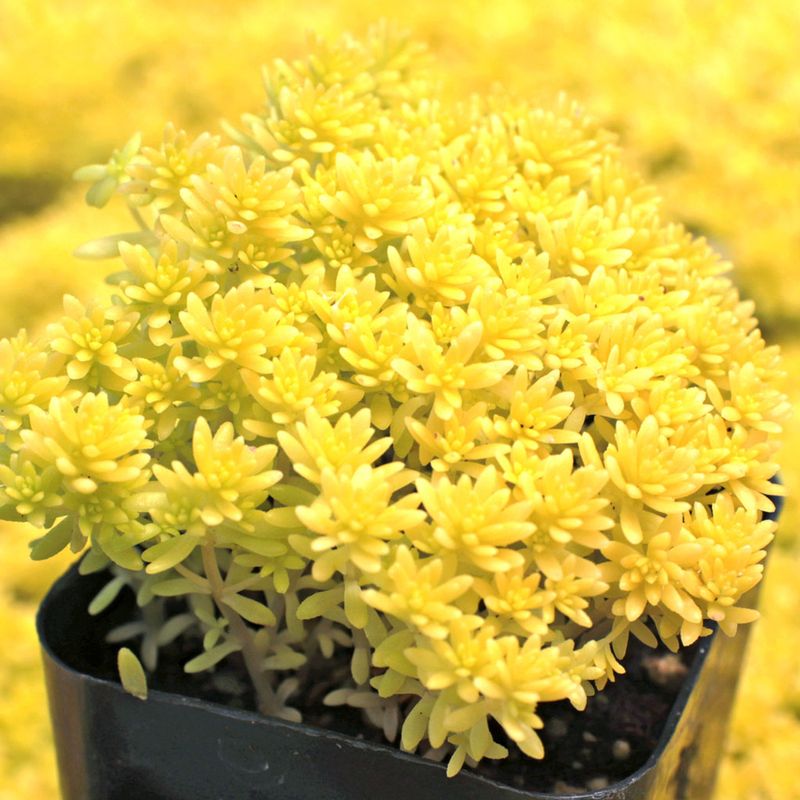
Sedum, also known as stonecrop, is a succulent superstar that loves the sun. With its vibrant, fleshy leaves, Sedum is not only a visual delight but also a water storage magician. The leaves are adapted to conserve moisture, allowing the plant to thrive in dry, sunny environments.
Sedum’s ability to attract pollinators like bees and butterflies adds to its garden appeal. Its easygoing nature and low water needs make it a favorite for rock gardens and green roofs.
7. Crown of Thorns
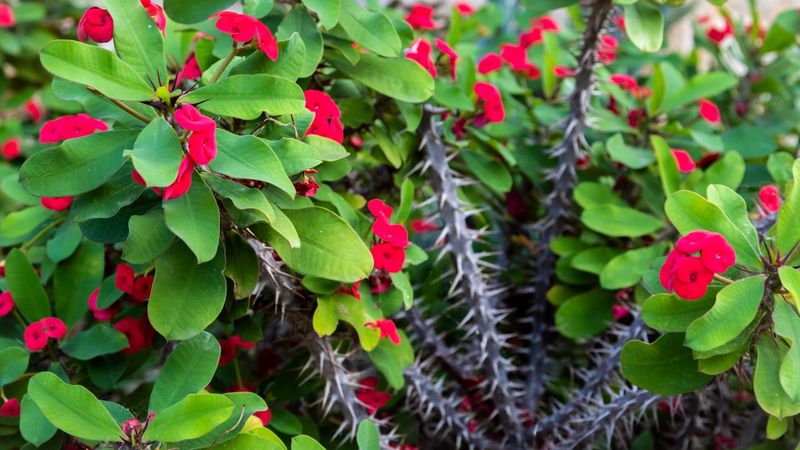
The Crown of Thorns, with its thorny stems and vivid red flowers, is a plant that commands attention. Its succulent nature allows it to store water, making it well-suited for sunny, dry climates.
This plant’s resilience is matched by its beauty, as it blooms almost year-round, adding a splash of color to any garden. Native to Madagascar, it’s believed to bring good luck, further enhancing its allure.
8. Barrel Cactus
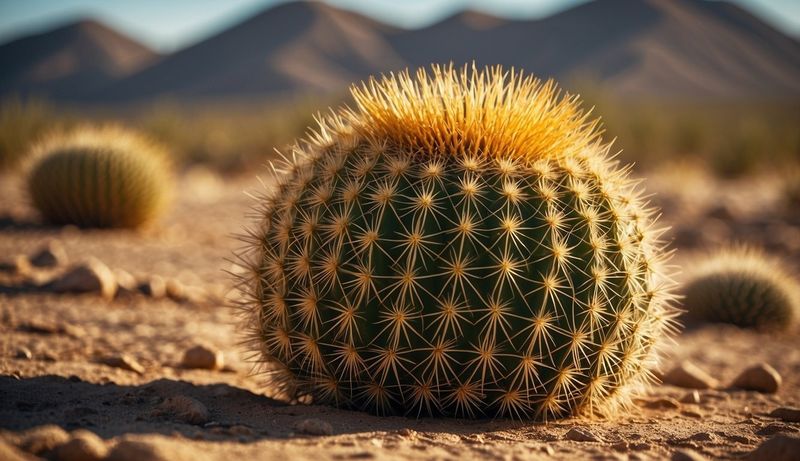
The Barrel Cactus, with its ribbed, rounded body, is a classic desert icon. Its shape is not just for aesthetics; it is a water-saving design that allows the cactus to swell with moisture during rainy spells.
In the hot desert sun, it survives by storing water in its thick, fleshy stems. Indigenous peoples have utilized this cactus as an emergency water source, highlighting its life-sustaining capabilities. The Barrel Cactus is a testament to survival against the odds.
9. Hens and Chicks
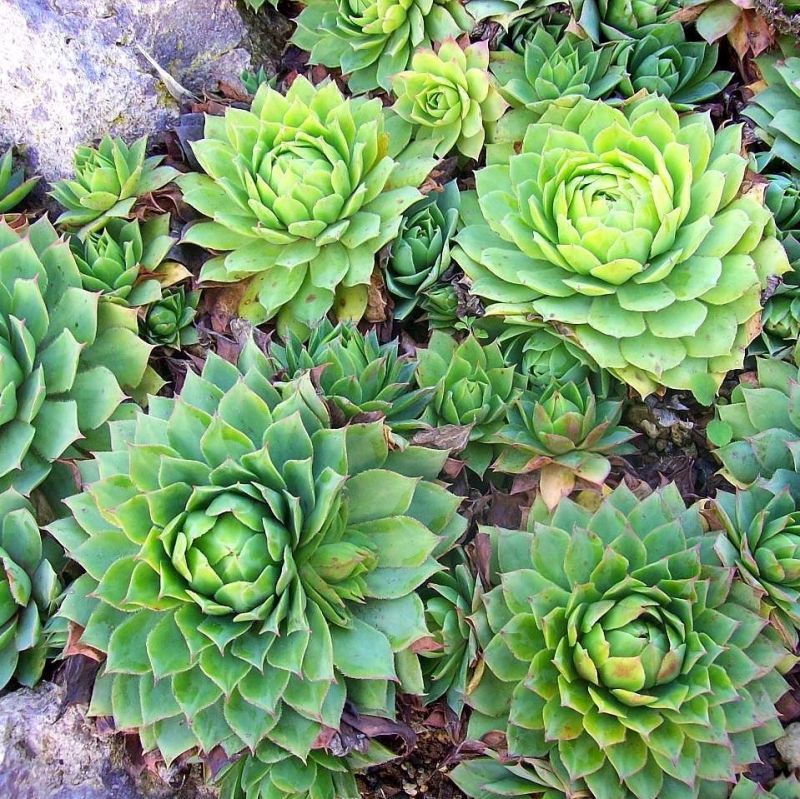
Hens and Chicks, with their charming rosette-shaped clusters, are a favorite among succulent enthusiasts. These plants are masters at conserving water within their fleshy leaves, enabling them to flourish in sun-drenched areas.
Their ability to propagate easily adds to their appeal, as they produce “chicks” that surround the “hen.” The plant’s resilience and unique growth pattern make it a delightful addition to rock gardens and containers.
10. Century Plant
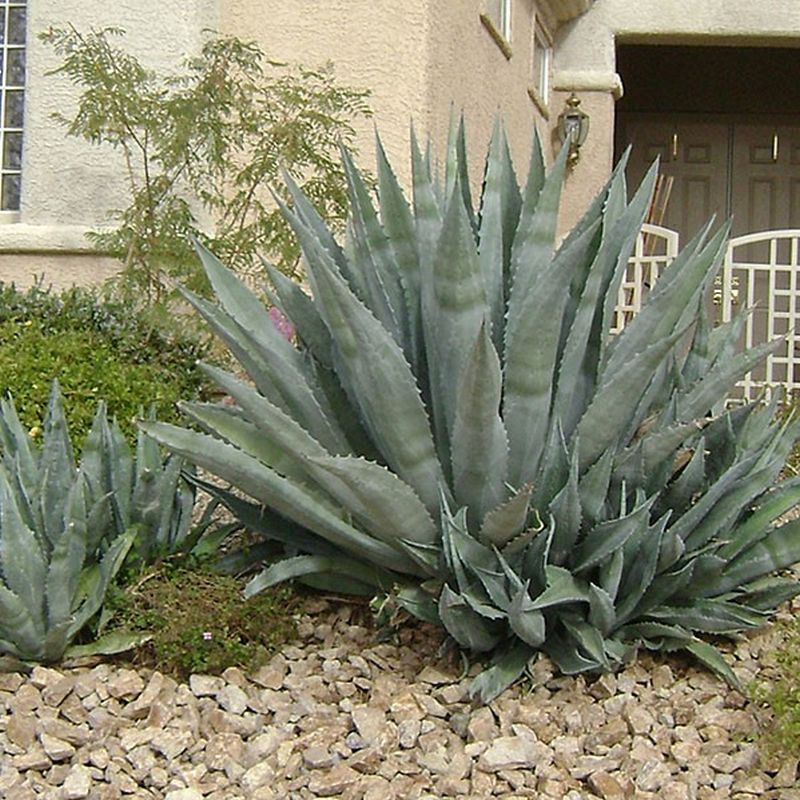
The Century Plant is a striking figure in the desert landscape, known for its large, spiky leaves and tall flowering stalk that blooms once in its lifetime. These attributes are not just decorative; they are essential for storing water and surviving harsh conditions.
Its name is a misnomer, as it typically blooms after 10 to 30 years, not a century. The plant’s dramatic life cycle and architectural presence make it a compelling subject for any sunlit garden.
11. Ice Plant
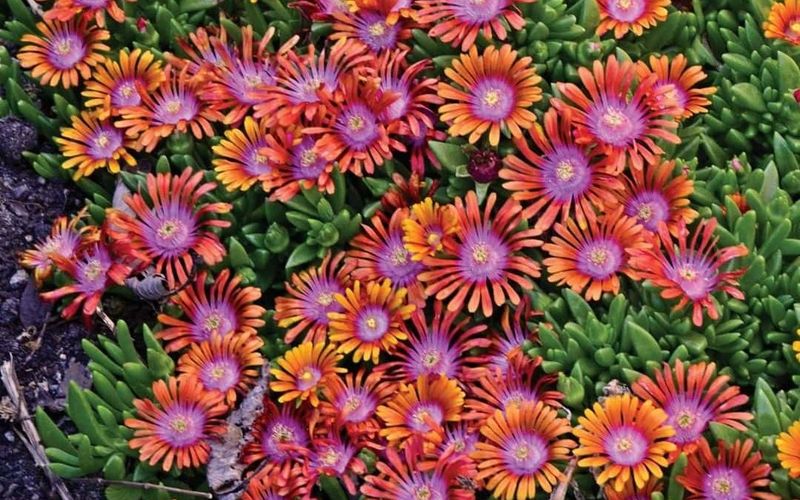
The Ice Plant, with its succulent leaves and bright, daisy-like flowers, is a true sun lover. Its leaves are adept at water storage, enabling it to withstand periods of drought.
This plant is often used for ground cover due to its low-growing habit and vibrant blooms that attract pollinators. Native to South Africa, the Ice Plant thrives in poor soils, proving that beauty can indeed be resilient.
12. Aeonium
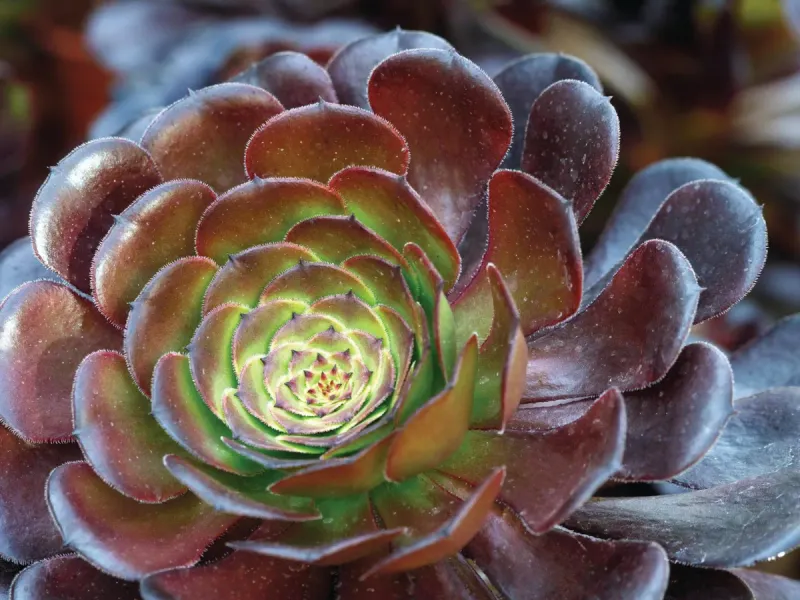
Aeonium, with its rosette-shaped, fleshy leaves, is a succulent that adds a touch of the exotic to any garden. These leaves are skilled at storing water, allowing Aeonium to thrive in sunny, dry environments.
Originating from the Canary Islands, Aeonium’s unique structure and vibrant colors make it a popular choice for gardeners seeking a statement plant. Its hardiness and visual appeal ensure it stands out in any landscape.
13. Bunny Ears Cactus
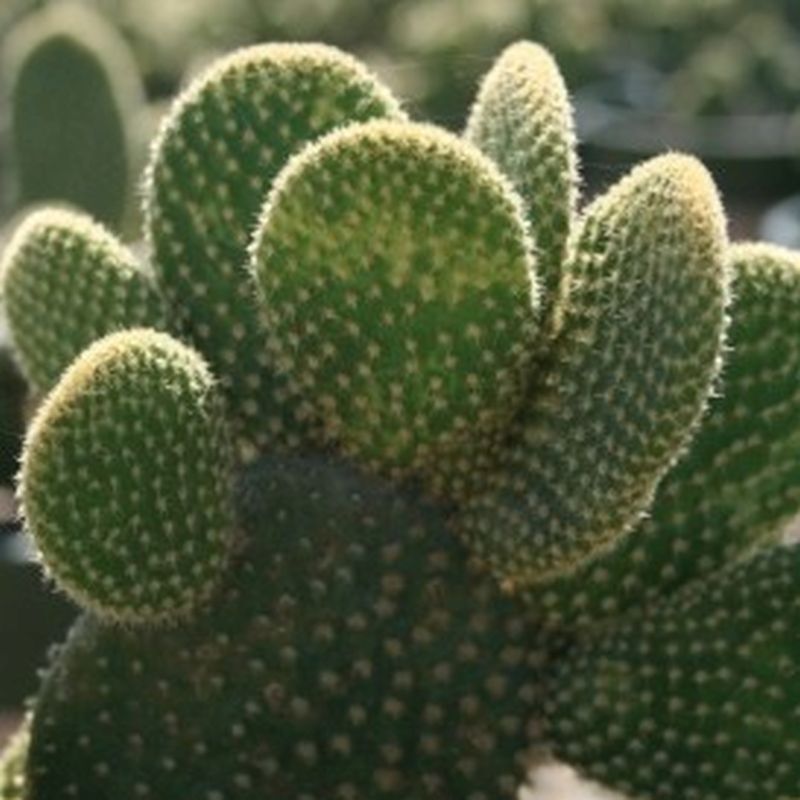
The Bunny Ears Cactus, with its pad-like segments and tiny spines, is both charming and resilient. Each pad functions as a water reservoir, allowing the cactus to endure the intense desert sun.
Despite its cute appearance, it is a hardy survivor, thriving in arid conditions. Its ease of care and playful look make it a favorite among cactus enthusiasts and beginners alike.
14. Pig’s Ear
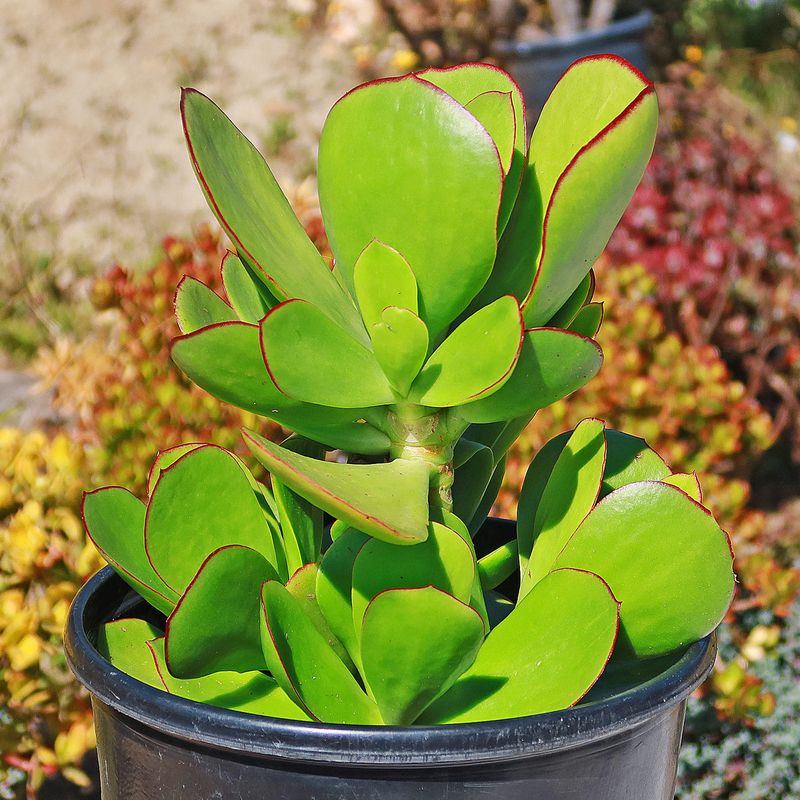
Pig’s Ear is a succulent with oval, fleshy leaves that are perfectly adapted to store water. This plant thrives in sunlit gardens, its leaves turning a deeper red hue when exposed to full sun.
Native to South Africa, Pig’s Ear is not only drought-tolerant but also low-maintenance, making it an excellent choice for busy gardeners. Its unique appearance and ease of care add to its charm.
15. Ponytail Palm
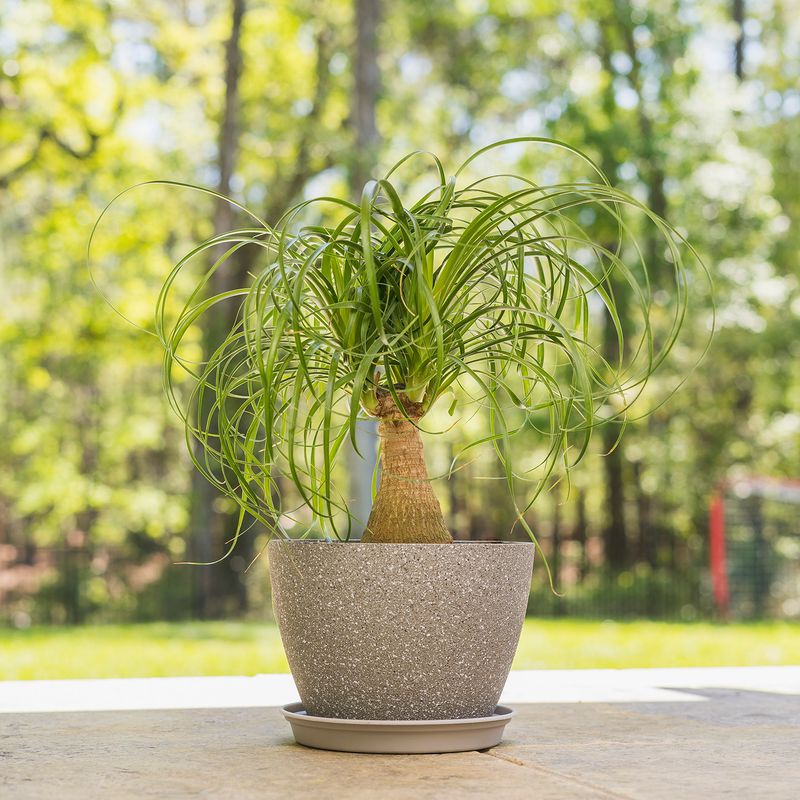
The Ponytail Palm, with its bulbous trunk and long, curly leaves, is a plant with personality. The trunk acts as a water storage tank, enabling it to survive in bright, sunlit environments.
Despite its name, it is not a true palm, but its distinctive look and drought resistance make it a popular ornamental plant. Its quirky appearance and resilience add to its appeal for plant lovers.
16. Ghost Plant
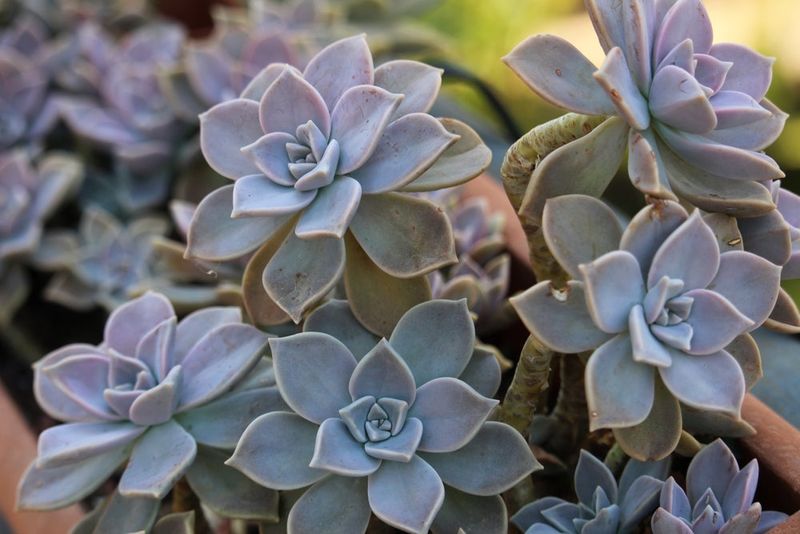
The Ghost Plant, with its pale, bluish-grey rosettes, is a succulent that captures the imagination. Its leaves are water storage experts, allowing it to thrive in sun-drenched areas.
This plant is often used in rock gardens and containers, where its ethereal appearance adds a touch of mystery. Its adaptability and low-water needs make it a favorite for those looking to add unique charm to their gardens.
17. Kalanchoe
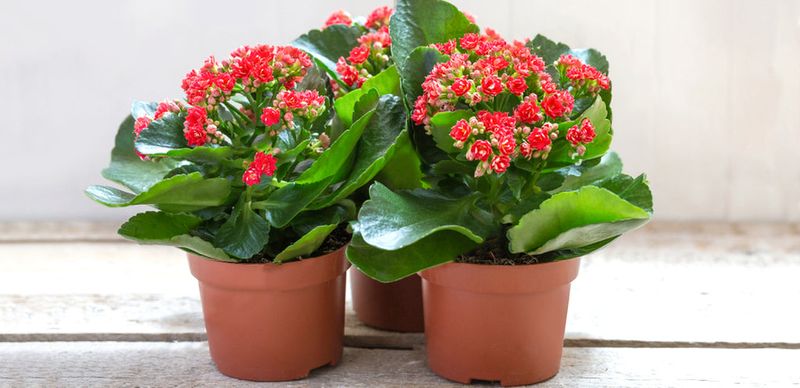
Kalanchoe, known for its vibrant flowers and fleshy leaves, is a succulent that loves the sun. These leaves are adept at storing water, ensuring the plant’s survival during dry spells.
Often found as a decorative houseplant, Kalanchoe brings a splash of color to any environment. Its ease of care and striking appearance make it a beloved choice for plant enthusiasts.
18. Blue Chalksticks
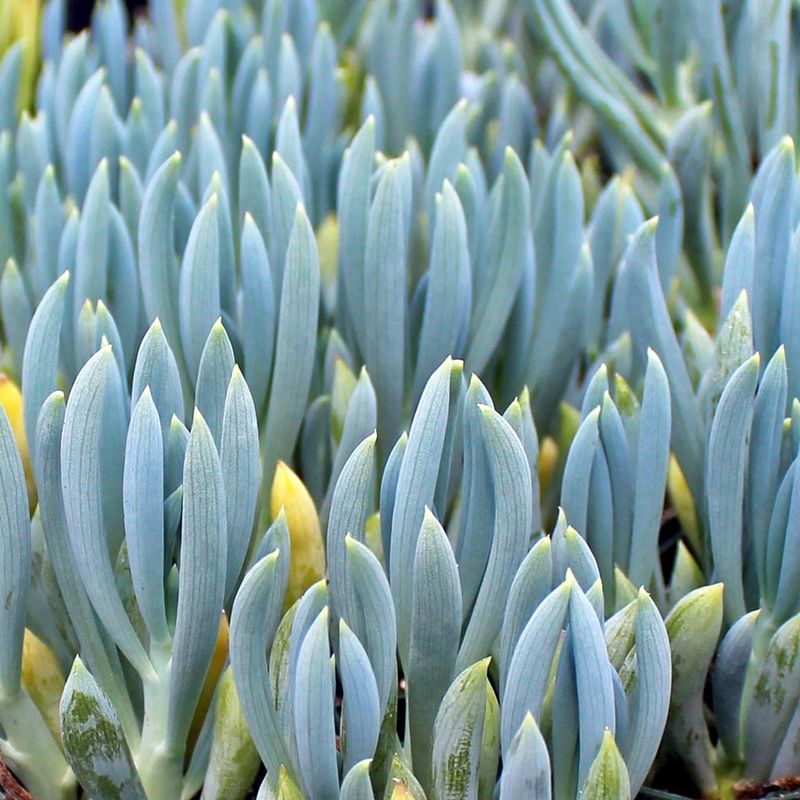
Blue Chalksticks, with their long, blue-grey stems, are a striking addition to any garden. These stems are efficient at storing water, allowing the plant to thrive in sunny, dry conditions.
Native to South Africa, Blue Chalksticks are often used as ground cover, where their unique color and form add visual interest. Their resilience and low maintenance make them a favorite for xeriscaping.
19. Parodia Magnifica (Ball Cactus)
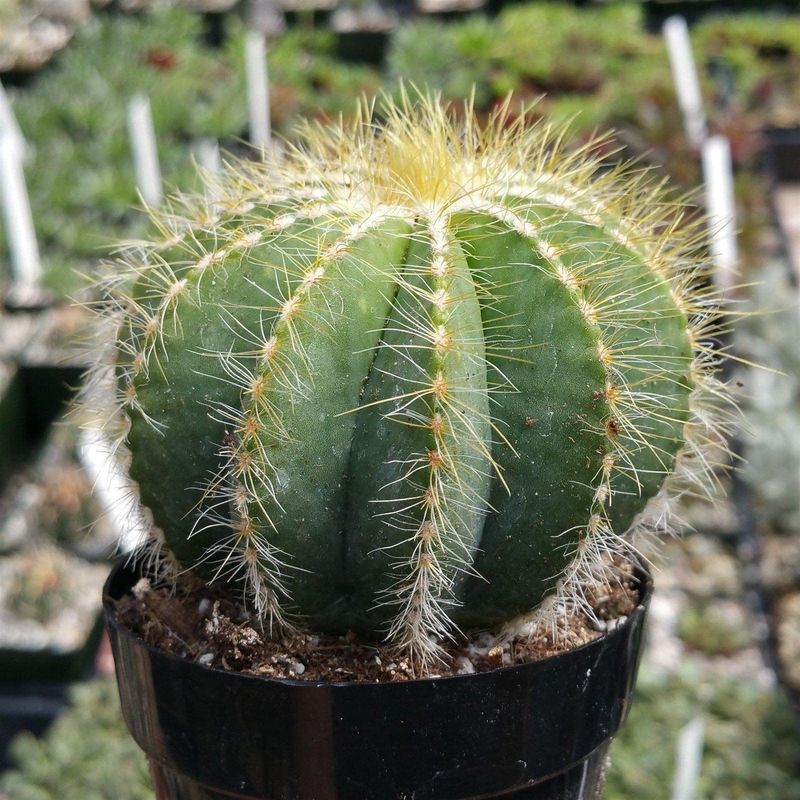
Imagine a plant as round as a beach ball, thriving in the sun with a determination that’s hard to match. The Parodia Magnifica, known as the Ball Cactus, is a spherical marvel of nature. Native to South America, it flaunts a unique ribbed body adorned with bright yellow flowers during the blooming season.
This resilient cactus stores water efficiently, allowing it to endure long periods of drought. Its thick, ribbed skin not only gives it an intriguing look but also aids in water retention. A sight to behold, the Ball Cactus is both captivating and practical.
Fun fact: Despite its small stature, this cactus can live for decades, making it a true survivor in the plant world.