 Complete Gardening
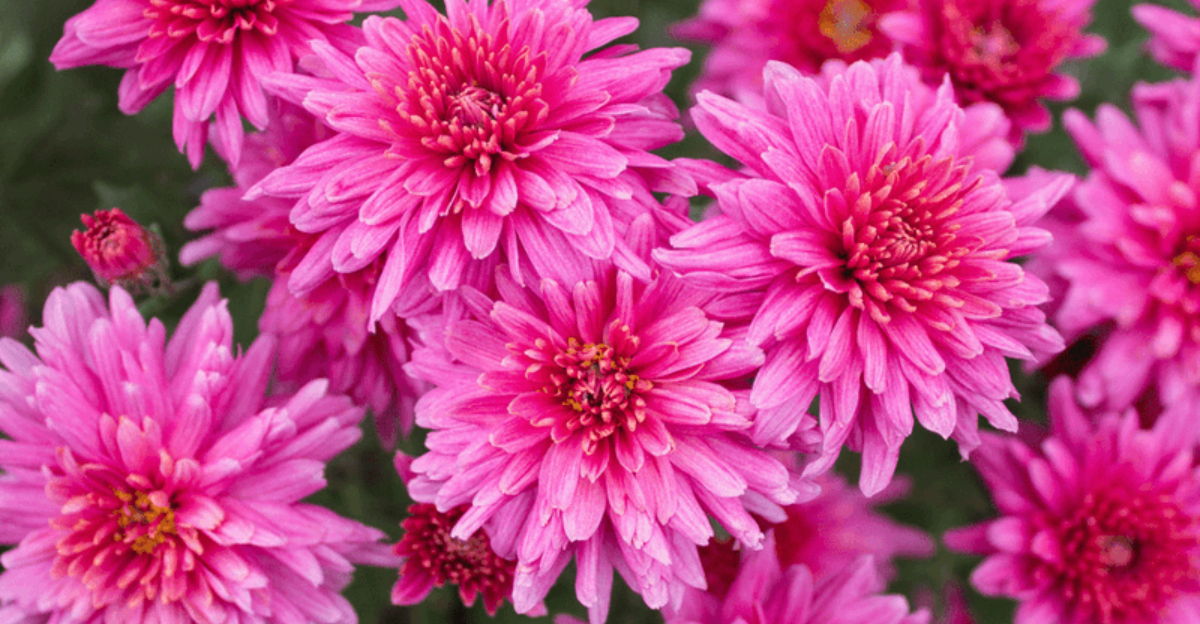
In the world of gardening, few things are as delightful as the perennial blooms that grace our gardens year after year. Among these, pink perennials hold a special charm, offering vibrancy and continuity. From cottage gardens to contemporary landscapes, these resilient plants bring perennial joy. Let’s explore 22 of these stunning pink blooms that promise to make a lasting impression in your garden, season after season.
1. Peony
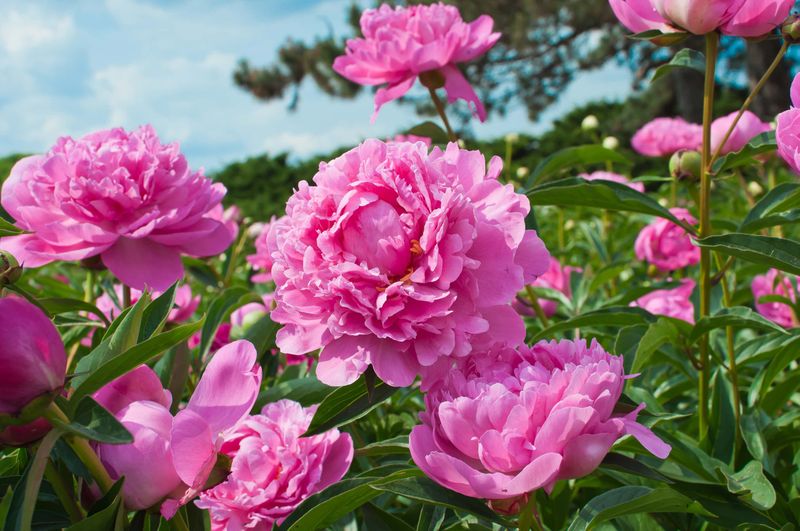
Peonies are the aristocrats of the flower world. They boast large, luscious blooms and a fragrance that’s utterly divine. With their origins dating back to ancient China, these flowers symbolize prosperity and honor. Peonies are known for their resilience, effortlessly returning each spring.
Their showy blossoms, ranging from blush to deep rose, can transform any garden into a majestic spectacle. Whether in a vase or a garden bed, they capture hearts with their elegance.
Did you know? Peonies can live over 100 years, outlasting generations of gardeners.
2. Coneflower
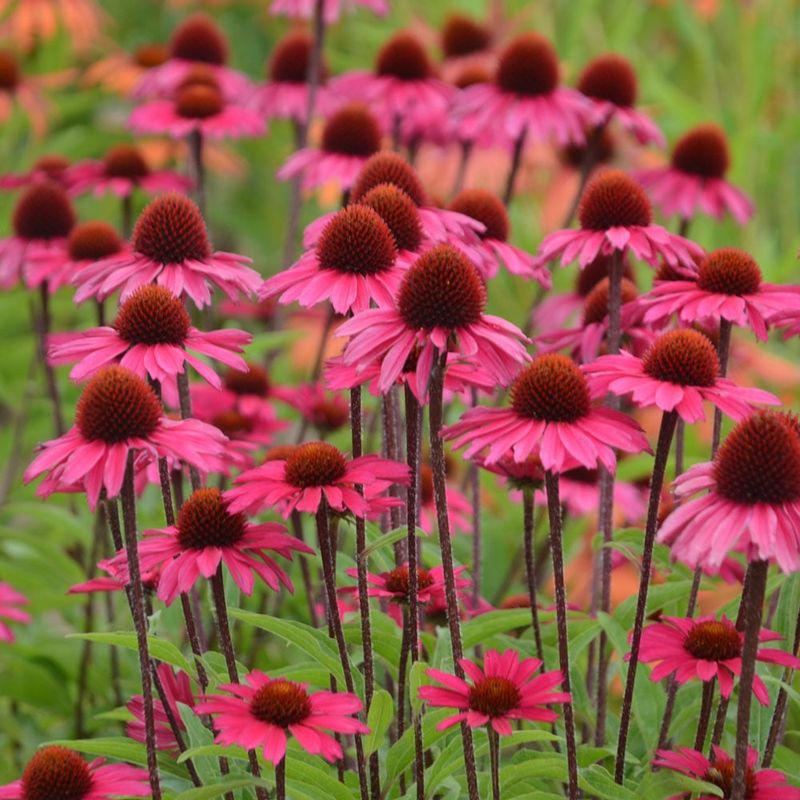
Coneflowers, or Echinacea, are tough cookies of the perennial world. Their vibrant pink petals surround a spiky seed cone, attracting butterflies and bees alike. Originally from North America, they have been used in traditional medicine for centuries.
They thrive in poor soil and drought conditions, making them ideal for less-than-perfect gardens. Their long-lasting blooms offer both beauty and resilience.
A fun fact: Coneflowers are not only beautiful but also beneficial! They support pollinators and are known for their immune-boosting properties.
3. Astilbe

Astilbes are the mistresses of the shade garden. With their feathery plumes, they bring a touch of whimsy to any dark corner. Originating from Asia and North America, they are beloved for their ability to thrive in moist, shaded areas.
The soft pinks of Astilbe blooms add a delicate contrast to their lush, fern-like foliage. These perennials offer a refreshing splash of color where most flowers fear to grow.
Intriguingly, Astilbes can adapt to both gardens and containers, offering versatile charm wherever planted.
4. Bleeding Heart
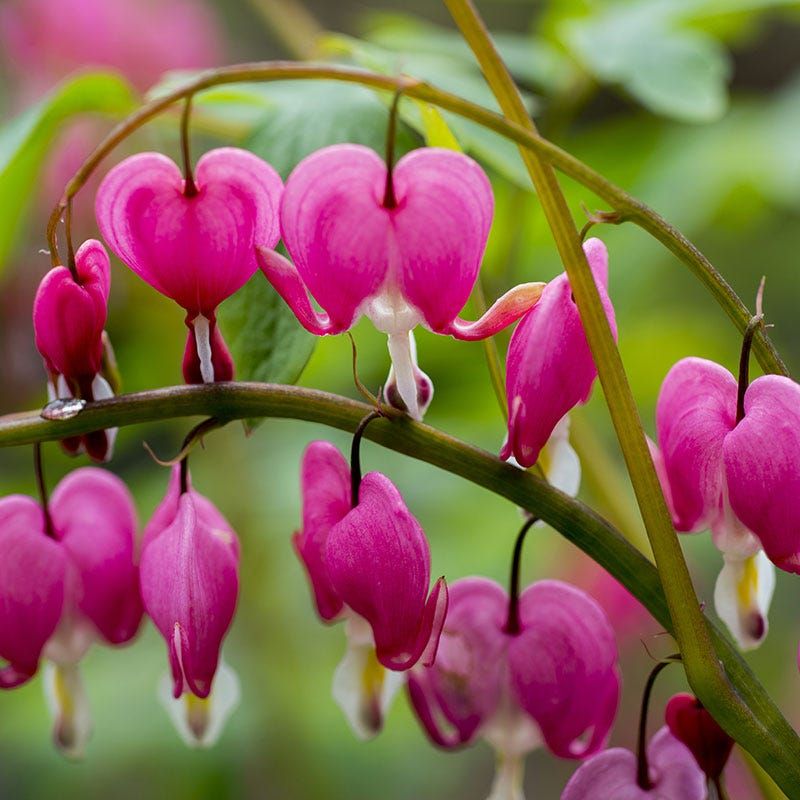
Bleeding Hearts are the romantics of the plant world. With heart-shaped blooms dangling from arching stems, they add a touch of grace and nostalgia to gardens. Native to Asia and North America, they thrive in cool, shaded environments.
The soft pink and white flowers look like little hearts with a tiny teardrop, captivating all who see them. Their foliage, a gentle fern-like green, complements the blooms beautifully.
Did you know? Despite their delicate appearance, Bleeding Hearts are surprisingly hardy and make a comeback each spring.
5. Hellebore

Hellebores, known as the winter roses, defy the seasons. They bloom when most other flowers are asleep, showcasing their pink petals amid winter’s chill. Originating from Europe and Asia, they have a rich history in folklore and medicine.
Their evergreen leaves provide a year-round backdrop for the charming blooms. Hellebores are perfect for shaded gardens, offering resilience and beauty even in the coldest months.
A curious fact: Hellebores have a unique growth cycle, beginning their bloom in late winter and continuing through early spring.
6. Pink Yarrow
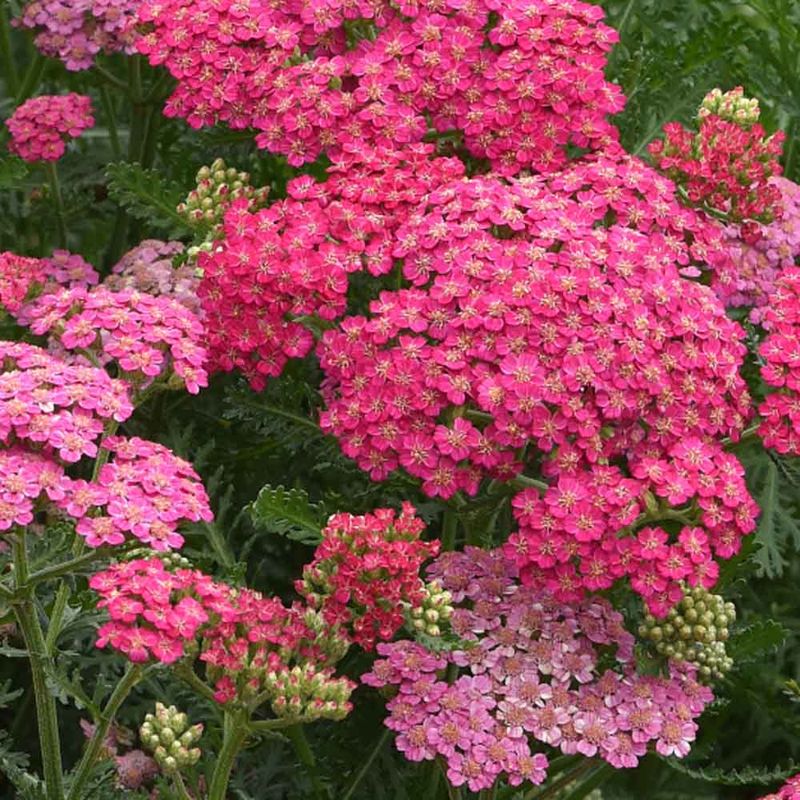
Pink Yarrow is the herbalist’s delight. Known for its clusters of tiny pink flowers, it adds a splash of color to any garden. Yarrow has been revered since ancient times for its medicinal properties and was often used in traditional healing.
These perennials thrive in sunny, well-drained locations and are drought-resistant, making them perfect for eco-friendly gardens. Their fern-like foliage is as attractive as the blooms themselves.
Fun fact: Yarrow is known to attract beneficial insects, making it a gardener’s ally in maintaining a healthy ecosystem.
7. Coral Bells
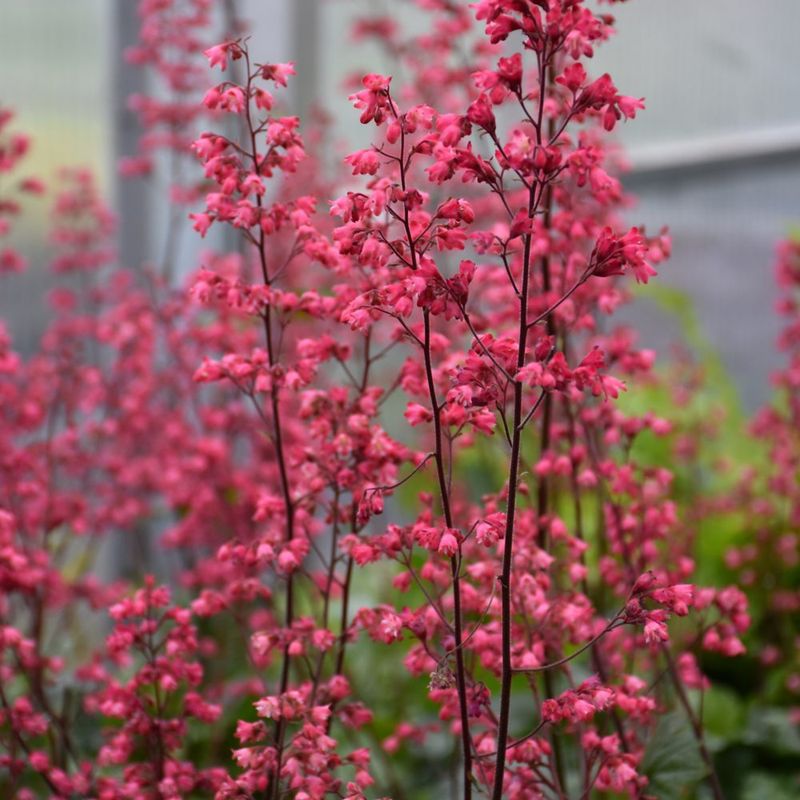
Coral Bells, with their vibrant pink flowers and stunning foliage, are the artists of the garden world. Their small, bell-shaped blooms rise above colorful leaves that range from silver to deep burgundy. Originating from North America, they are beloved for their versatility and striking appearance.
These perennials thrive in both sun and shade, making them adaptable to various garden settings. Their foliage remains attractive throughout the year, providing interest even when not in bloom.
Coral Bells are perfect for adding texture and color to garden borders.
8. Chrysanthemum
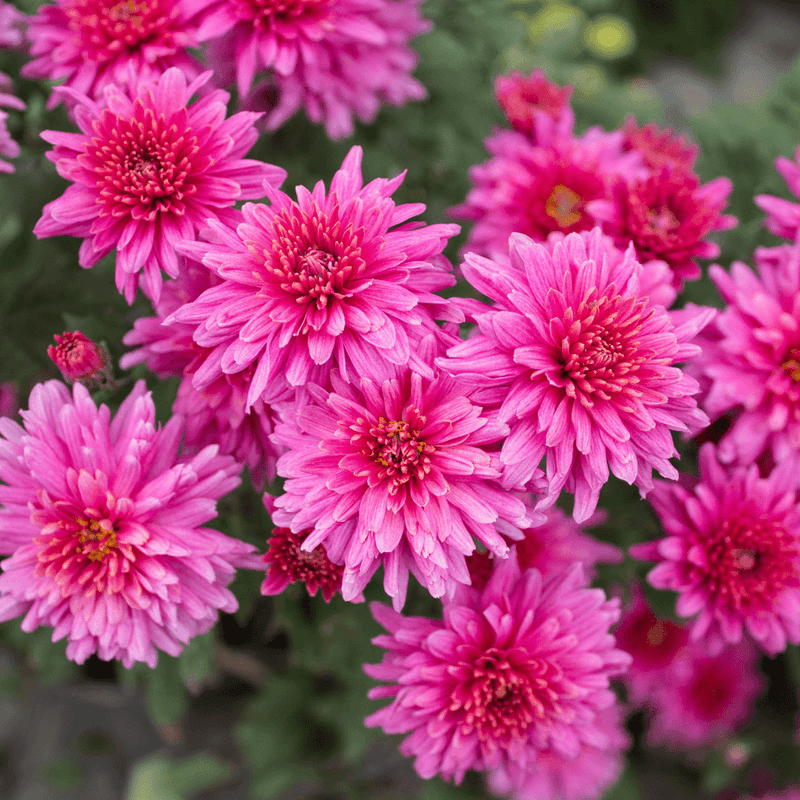
Chrysanthemums are the harbingers of autumn. With their dense clusters of pink blooms, they bring life and color to fall gardens. Originally from Asia, ‘mums’ have been cultivated for centuries and symbolize joy and optimism.
Their ability to withstand early frosts makes them invaluable for extending the blooming season. Chrysanthemums are versatile, thriving in both pots and garden beds, and come in various shapes, from pompons to daisy-like forms.
Did you know? In Japan, the chrysanthemum is a symbol of the emperor and the imperial family.
9. Daylily
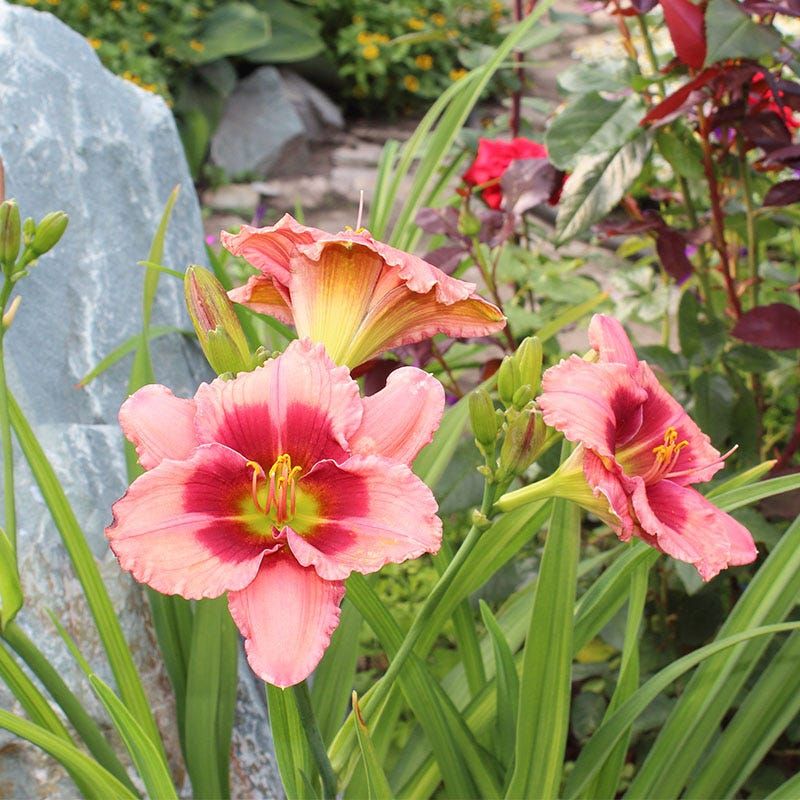
Daylilies are the sun-lovers of the perennial world. Known for their trumpet-shaped pink blooms, they brighten gardens with their cheerful presence. These resilient plants, native to Asia, adapt to a variety of environments, from sunny borders to mixed flower beds.
Each daylily flower blooms for just one day, but the plant produces multiple buds that open in succession, ensuring continuous color throughout the season.
Fun fact: Daylilies are edible! Both buds and flowers can be used in salads or as a garnish, adding a unique flavor to dishes.
10. Phlox
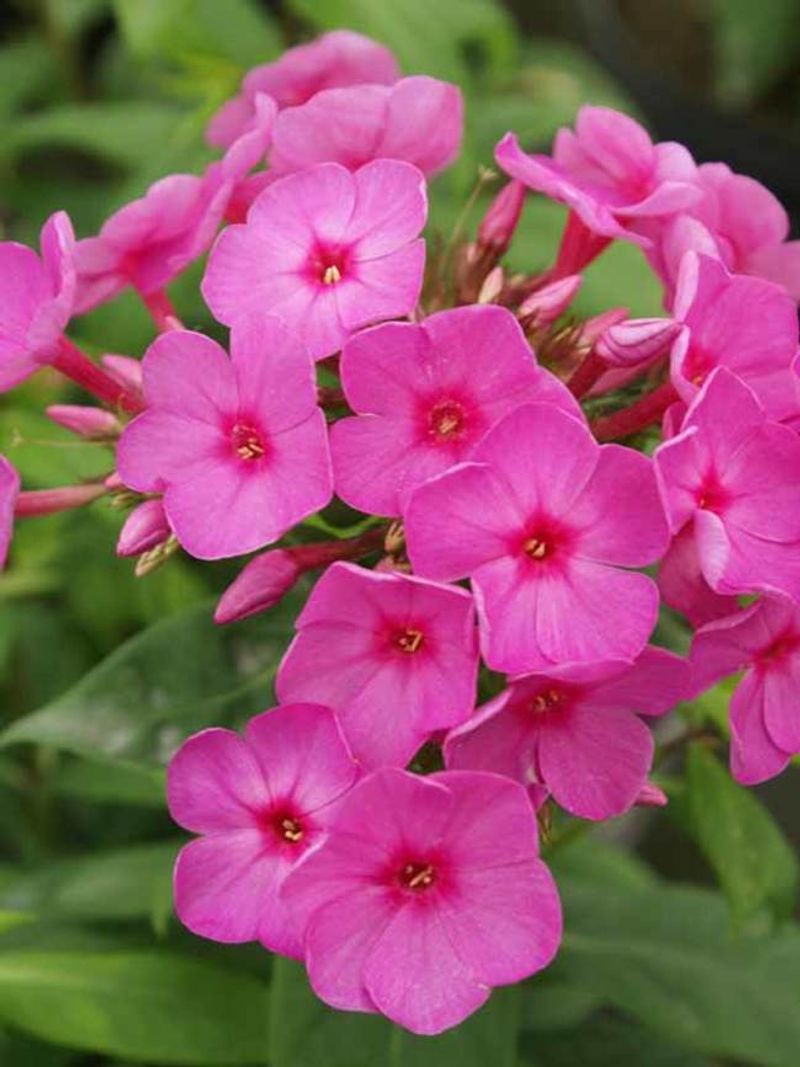
Phlox are the sweethearts of cottage gardens. With their fragrant pink blooms, they create clouds of color that attract butterflies and hummingbirds. Native to North America, phlox thrive in sunny borders and have a long blooming season.
Their clusters of flowers are perfect for cutting and bring a touch of old-fashioned charm to garden beds. The versatility of phlox makes them a staple in both traditional and modern landscapes.
A fun tidbit: Phlox were named after the Greek word for flame, reflecting their vibrant and fiery blooms.
11. Anemone
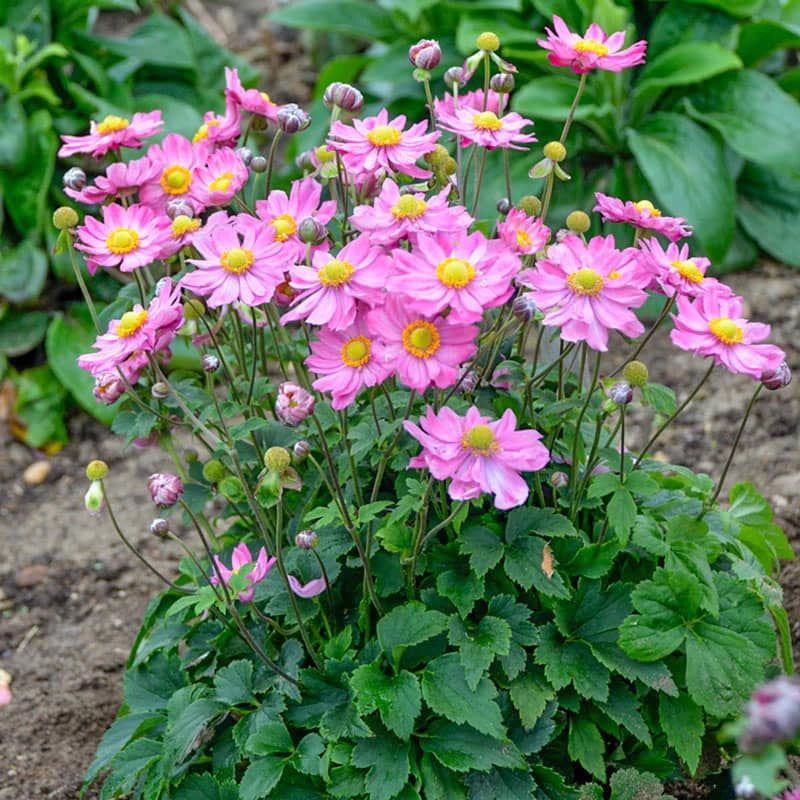
Anemones are the dancers of the garden. Their delicate pink petals sway gracefully in the breeze, creating a dynamic display. These perennials, originating from Europe and Asia, thrive in a variety of soils and are known for their long blooming season.
Their charm lies in their simplicity, with flowers that seem to float above the foliage on slender stems. Anemones are perfect for adding movement and life to garden spaces.
Interestingly, anemones are sometimes called “windflowers,” a nod to their delicate nature and graceful movements.
12. Geranium
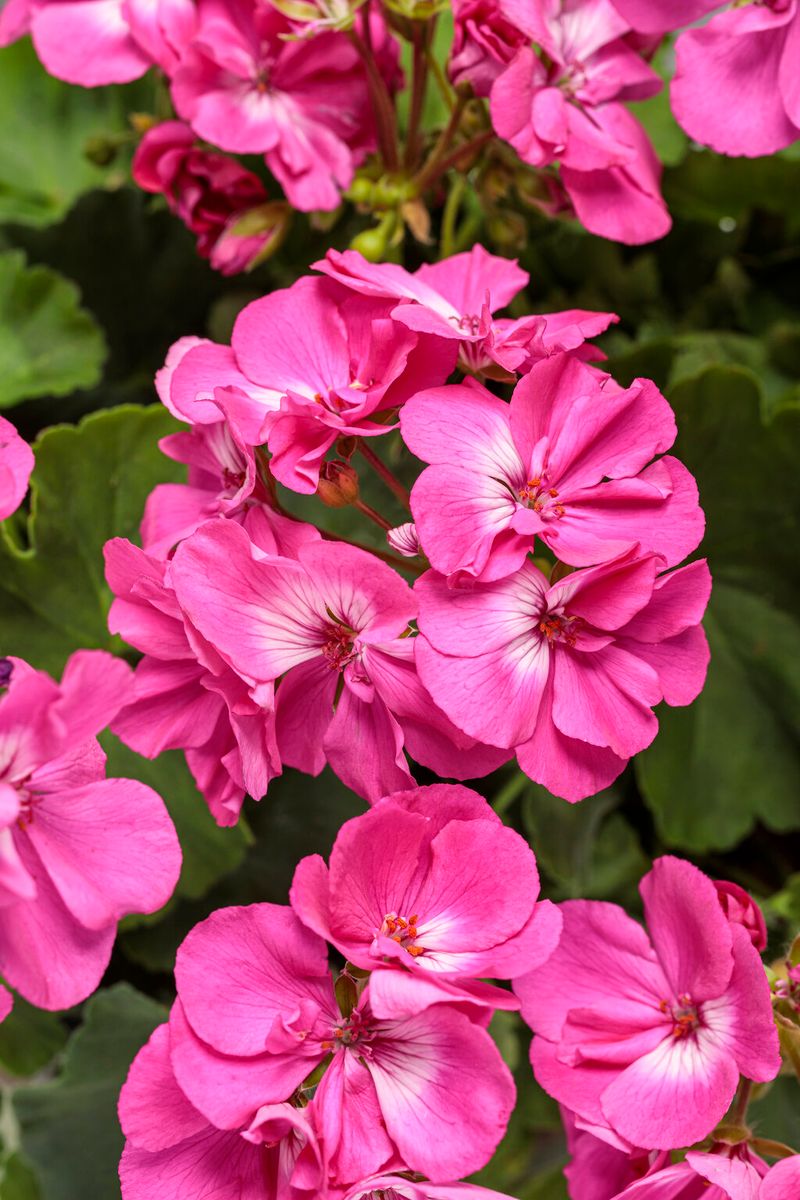
Geraniums are the workhorses of the garden. With vibrant pink blooms and a robust nature, they are loved for their ability to flower profusely. Native to South Africa, geraniums are versatile, thriving in pots, borders, and hanging baskets.
Their long blooming period makes them ideal for gardeners seeking continuous color. The unique scent of geranium leaves adds an aromatic dimension to gardens, enhancing the sensory experience.
Fun fact: Geraniums are often confused with pelargoniums, but they are distinct plants with different growing requirements.
13. Primrose
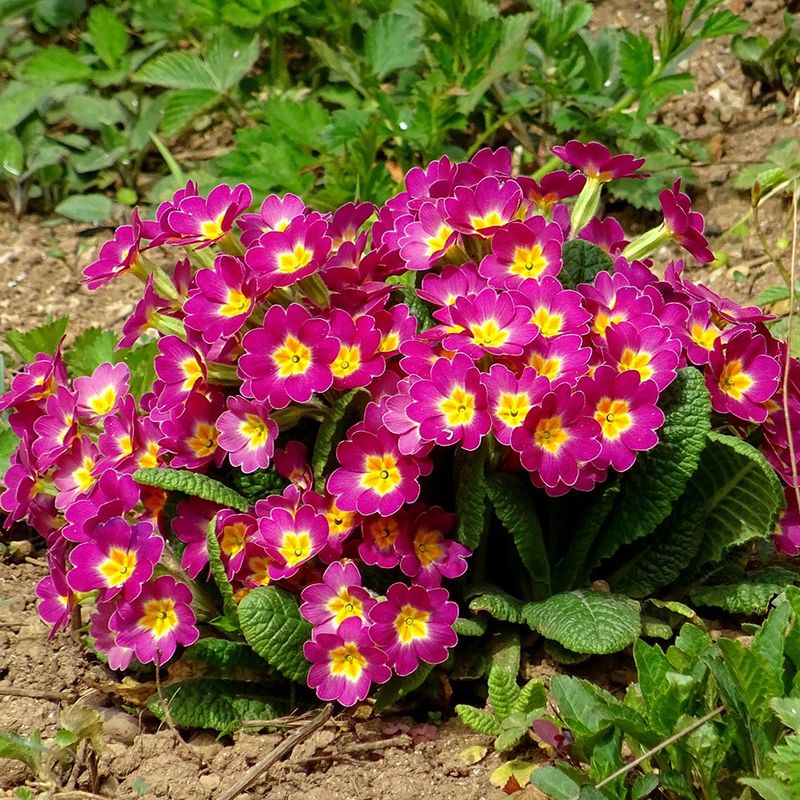
Primroses herald the arrival of spring with their cheerful pink blooms. These perennials, native to Europe and Asia, light up gardens with their vivid colors and sweet fragrance. They thrive in cool, shaded areas, making them perfect for woodland gardens.
Primroses are known for their rosette of leaves and delicate flowers that bring early color to garden beds. They’re a favorite for gardeners seeking an early season splash of color.
Did you know? The name “primrose” comes from “prima rosa,” meaning “first rose” in Latin, reflecting its early blooming nature.
14. Lavatera

Lavatera, often called the tree mallow, is the coastal beauty of the garden. With tall spikes of pink blooms, it thrives in seaside gardens and windy locations. Originating from the Mediterranean, this perennial is known for its resilience and ability to withstand salt and drought.
Lavatera’s hibiscus-like flowers add a tropical flair, while its lush foliage provides a verdant backdrop. Its long flowering season ensures that gardens stay colorful well into the fall.
An interesting fact is that Lavatera was named after a Swiss botanist, Johann Heinrich Lavater.
15. Pink Dianthus

Dianthus, known as “pinks,” are the perfumed stars of the garden. With fringed pink blooms, they exude a spicy-sweet fragrance that delights the senses. These perennials, with origins in Europe and Asia, have been cultivated for centuries.
Dianthus thrives in well-drained soil and sunlit areas, making them ideal for borders and rock gardens. Their compact size and vibrant color make them a favorite for filling gaps in garden beds.
Did you know? The name “dianthus” means “divine flower” in Greek, a testament to its timeless beauty and appeal.
16. Salvia

Salvias are the sages of the plant world. With tall spikes of pink blooms, they stand proudly in sunny gardens. Native to the Mediterranean and Central America, salvias are celebrated for their drought tolerance and aromatic leaves.
These perennials attract hummingbirds and bees, adding life and motion to landscapes. Salvia’s long blooming season ensures a vibrant display well into late summer. Their versatility makes them suitable for both formal and informal garden designs.
A fun tidbit: The name “salvia” comes from the Latin “salvare,” meaning “to heal,” reflecting their historical medicinal use.
17. Sedum

Sedums are the stoics of the plant world. Known for their fleshy leaves and clusters of pink blooms, they thrive in rocky, sun-drenched areas. Native to the Northern Hemisphere, sedums are drought-resistant and can survive harsh conditions with ease.
Their blooms attract pollinators and provide a long-lasting display from late summer into fall. Sedums’ adaptability makes them perfect for rock gardens and green roofs, where they add both texture and color.
Did you know? Sedums are sometimes called “stonecrops,” a nod to their ability to grow in rocky areas.
18. Japanese Anemone
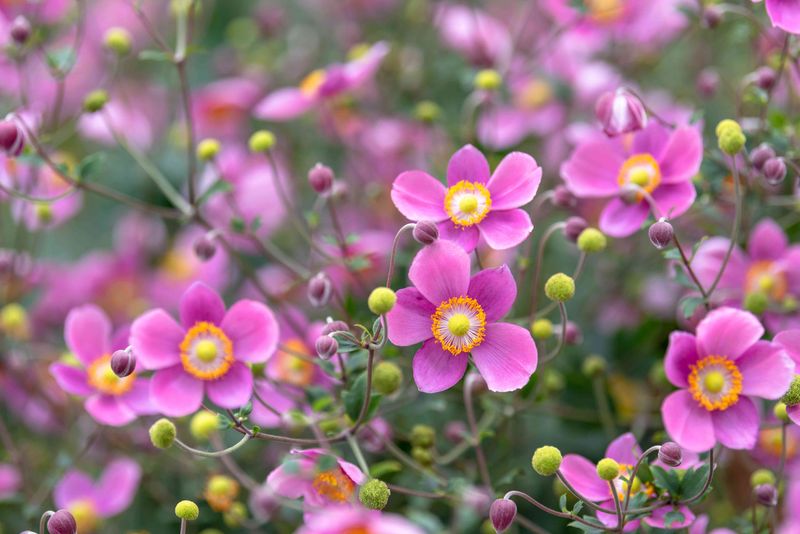
Japanese Anemones are the graceful performers of the garden. With their tall stems and delicate pink blooms, they dance elegantly in the late summer breeze. Originating from Japan, these perennials thrive in part shade and moist, well-drained soil.
Their flowers, resembling wind-spun dancers, add a touch of elegance to garden borders and woodland settings. The long blooming season ensures continued beauty as summer transitions to fall.
An intriguing fact: Japanese anemones are often associated with anticipation and excitement, symbolizing the transition from one season to the next.
19. Pink Lupine
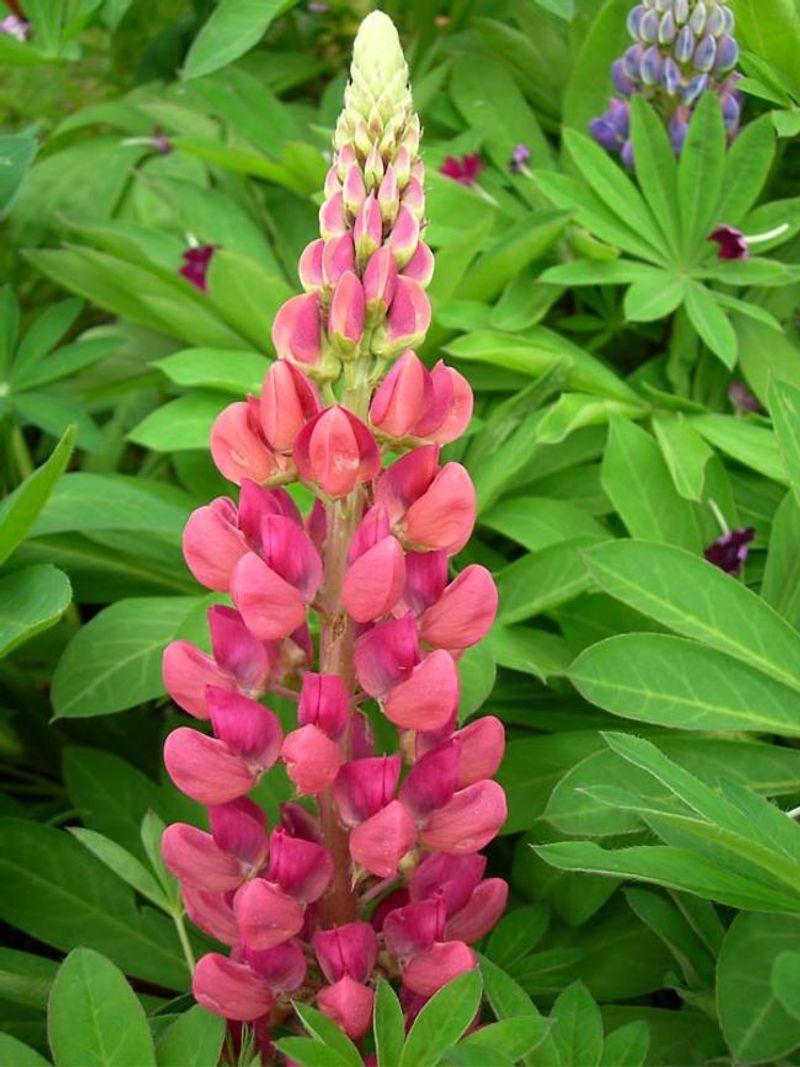
Lupines are the sentinels of the cottage garden. With towering spikes of pink blooms, they command attention with their stately presence. Native to the Americas, lupines thrive in sunny spots with well-drained soil.
Their striking flowers attract bees and butterflies, adding movement and color to gardens. Lupines’ ability to fix nitrogen in the soil makes them beneficial companions for other plants, enriching the garden ecosystem.
Did you know? In the 1930s, lupines were introduced to the UK and have since become a beloved staple in British gardens.
20. Penstemon
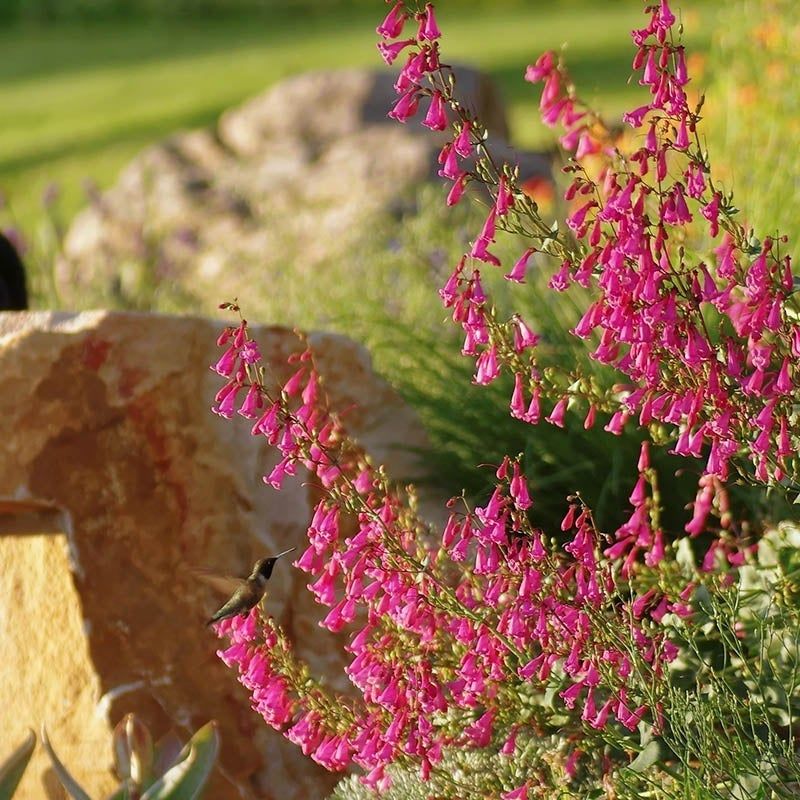
Penstemons are the rebels of the flower world. With tubular pink blooms, they thrive in dry, desert-like conditions. Native to North America, these perennials are celebrated for their ability to attract pollinators, especially hummingbirds.
Their unique flower shape and vibrant color make them stand out in any garden setting. Penstemons are perfect for xeriscaping, offering beauty without demanding water.
A quirky fact: Penstemons are sometimes called “beardtongues,” a nod to the hairy stamen that protrudes from the flower’s throat.
21. Ice Plant
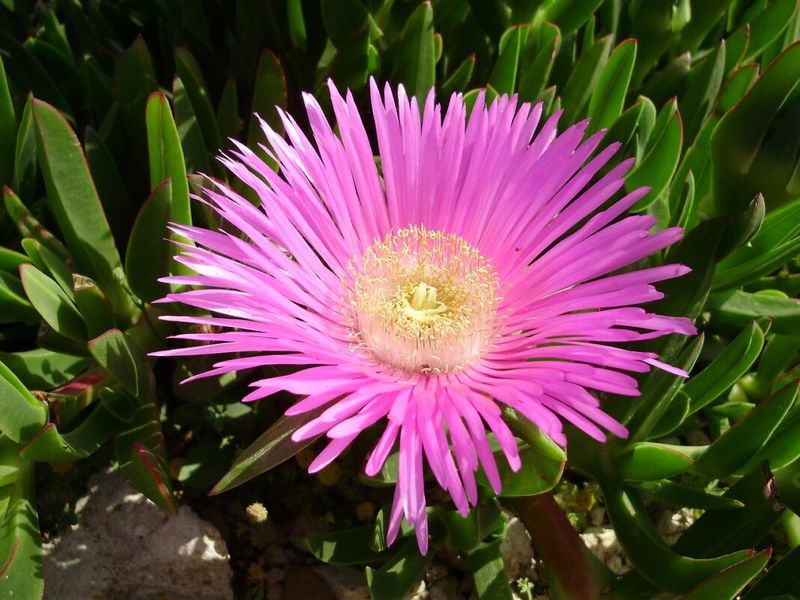
Ice Plants are the jewels of the seaside. With their vibrant pink blooms and succulent leaves, they thrive in sandy, coastal environments. Native to South Africa, ice plants are drought-tolerant and can withstand harsh coastal winds.
Their shimmering flowers add a pop of color to beachside gardens, while their fleshy foliage provides year-round interest. Ice plants are perfect for ground cover, stabilizing sandy soils and preventing erosion.
Did you know? Ice plants have specialized cells that reflect sunlight, giving them a sparkling appearance in the sun.
22. Pink Aster
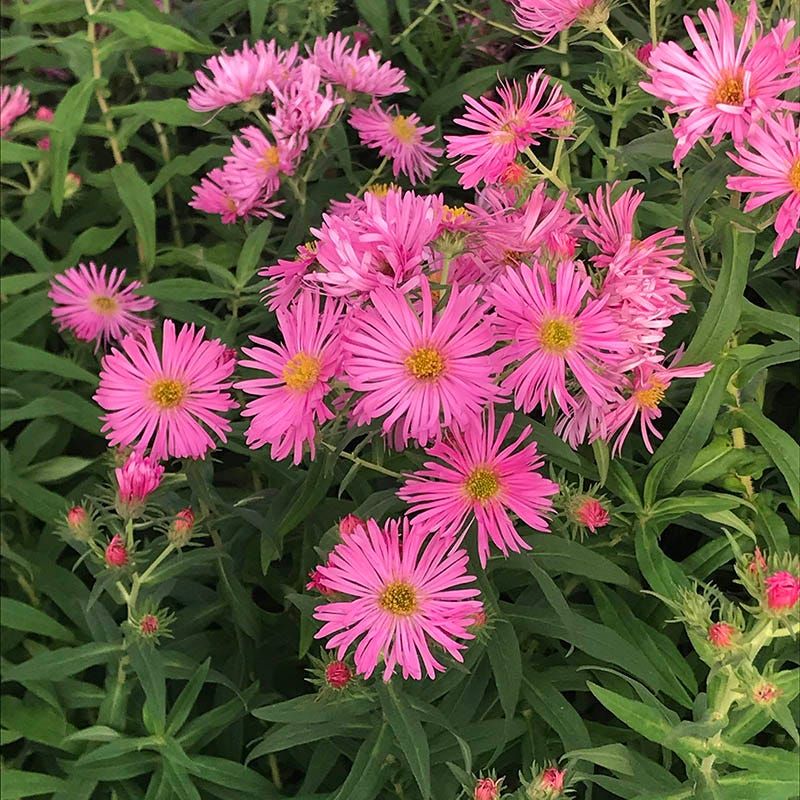
Asters are the stars of the fall garden. With their daisy-like pink blooms, they bring a burst of color as summer fades. Native to North America, asters are beloved for their ability to thrive in a variety of soils and climates.
Their blooms attract butterflies and bees, supporting pollinators as the season changes. Asters’ late blooming time makes them essential for extending the garden’s color palette into autumn.
Fun fact: Asters are named after the Greek word for “star,” reflecting their star-shaped flowers that light up fall landscapes.