 Complete Gardening
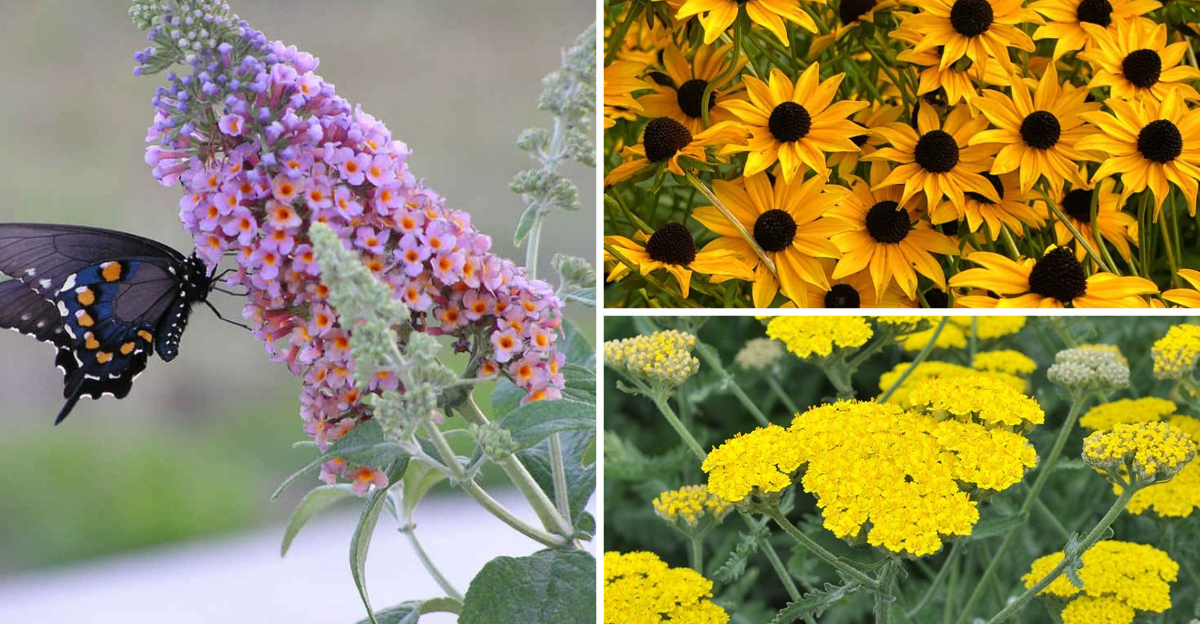
Exploring the resilient beauty of perennial flowers that thrive in less-than-ideal soil conditions, this list uncovers the wonders of 23 unique varieties. These flowers defy the odds, proving that even in poor soil, vibrant life can flourish. With diverse appearances and surprising traits, they offer both new and seasoned gardeners exciting additions to their gardens, without the need for perfect conditions.
1. Black-Eyed Susan
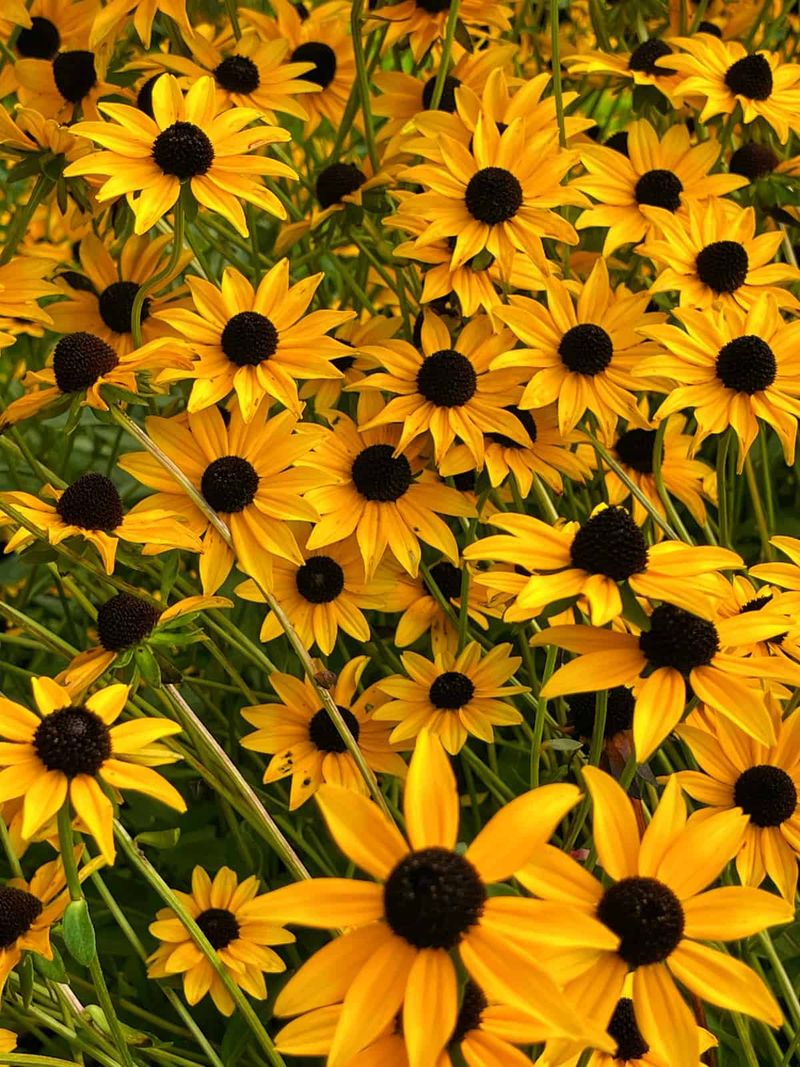
Black-Eyed Susans, with their sunny yellow petals and contrasting dark centers, seem to smile at adversity. These hardy perennials not only survive but flourish in less-than-ideal soil conditions. Their cheerful appearance and easygoing nature make them a favorite for gardeners looking to add color without fuss. They’re like the optimists of the flower world, finding joy where others might wither. Did you know these flowers can attract butterflies? Their resilience and beauty bring life to gardens, inviting both insects and admiration from all who pass by.
2. Yarrow
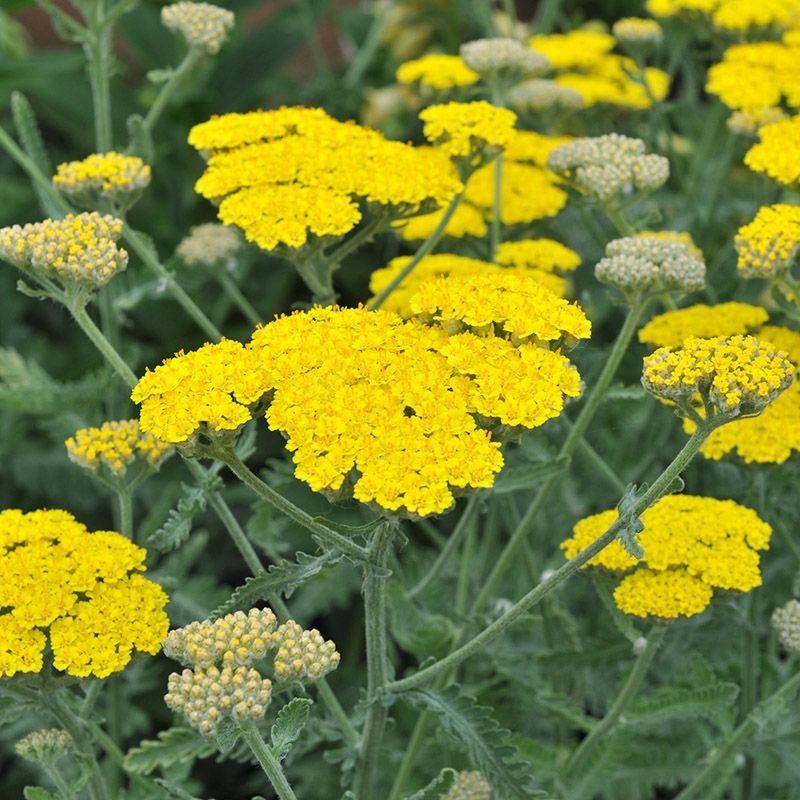
Yarrow, with its feathery leaves and clusters of tiny flowers, is a perennial that thrives where others might struggle. Its tenacity and vibrant colors, ranging from white to deep red, make it a stunning addition to any garden. Yarrow not only beautifies but also aids in soil improvement, making it a gardener’s ally. Historically used in traditional medicine, this plant adds a touch of history and utility to its beauty, proving once again that strength often lies in unexpected places.
3. Sedum
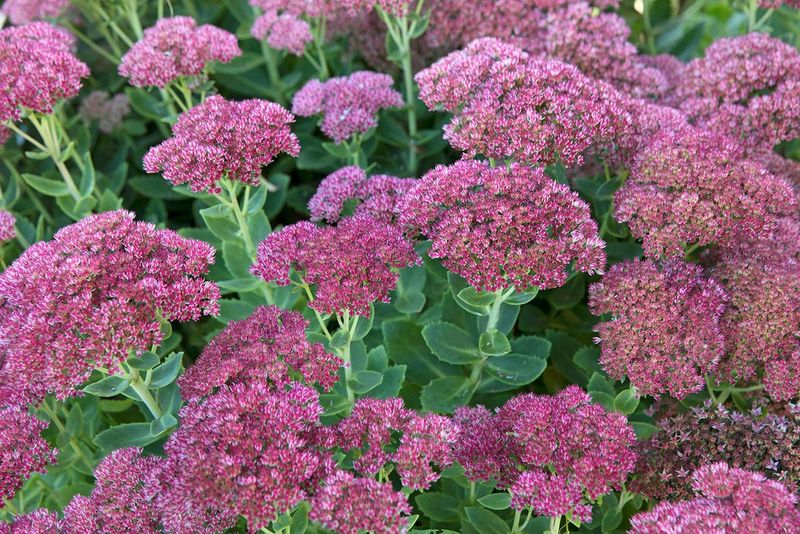
Sedum, known for its succulent leaves and star-shaped flowers, is the epitome of resilience. This perennial embraces bad soil conditions with gusto, thriving where others falter. Its ability to store water in its leaves makes it well-suited for dry, rocky terrains. With varieties that offer a palette of colors, Sedum provides a living tapestry that’s both hardy and beautiful. Whether in hanging baskets or garden beds, Sedum’s adaptability and low-maintenance nature make it a gardener’s dream.
4. Daylily
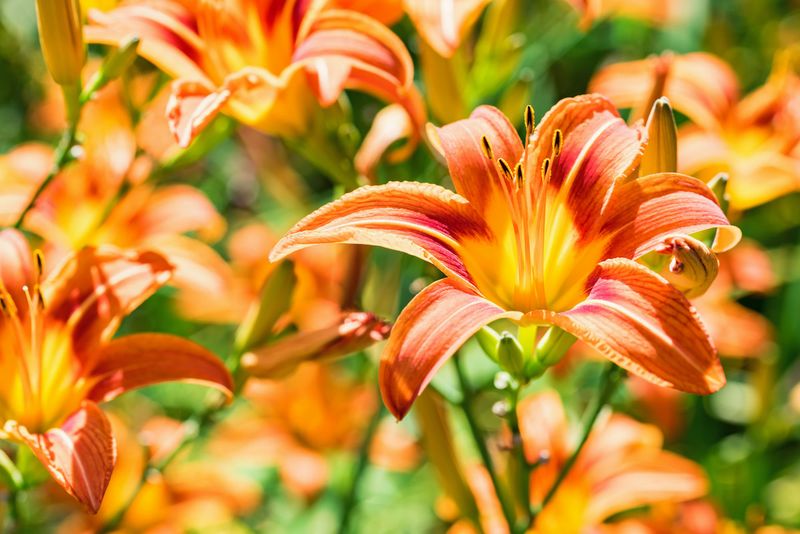
Daylilies are the trumpets of the garden, announcing their presence with bold, vibrant colors. These perennials are unphased by poor soil, flourishing with minimal attention. Their name reflects their fleeting beauty, as each bloom lasts just one day, yet the plant remains covered in buds, promising a continuous display. Daylilies’ adaptability and stunning array of colors make them a versatile choice for gardeners. Their resilience is a testament to nature’s ability to find beauty in simplicity, making them a favorite despite challenging conditions.
5. Coneflower
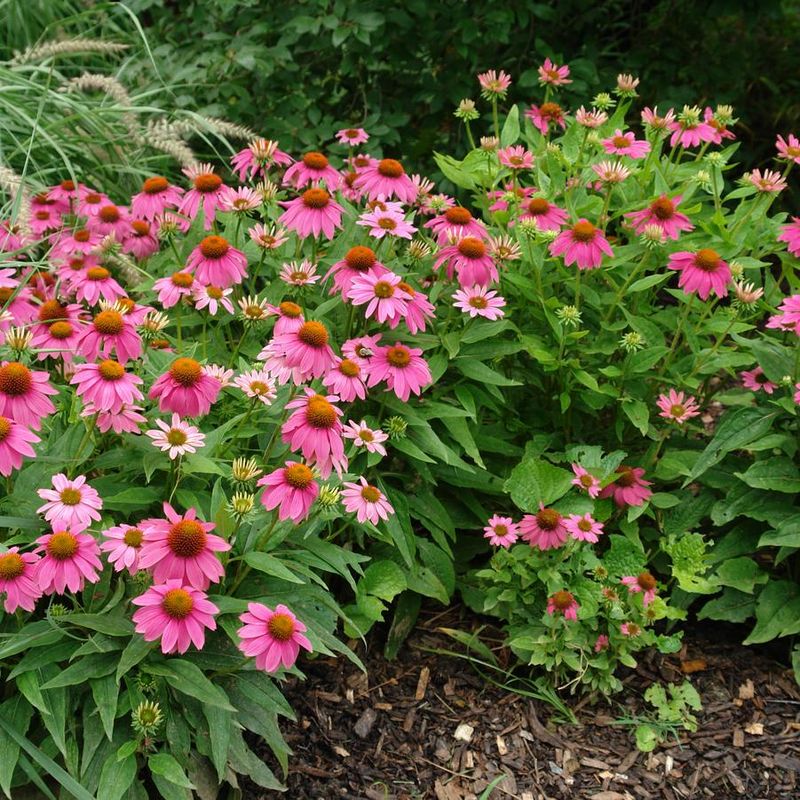
Coneflowers, with their distinctive drooping petals and spiky centers, make a bold statement in any garden. These perennials thrive in poor soil, showcasing their tenacity and charm. Their ability to attract pollinators like bees and butterflies adds an ecological benefit beyond their visual appeal. Known for their medicinal properties, Coneflowers also offer a historical touch, connecting modern gardens to ancient herbal practices. Their resilience and beauty prove that even the toughest conditions can yield a garden full of life and color.
6. Russian Sage
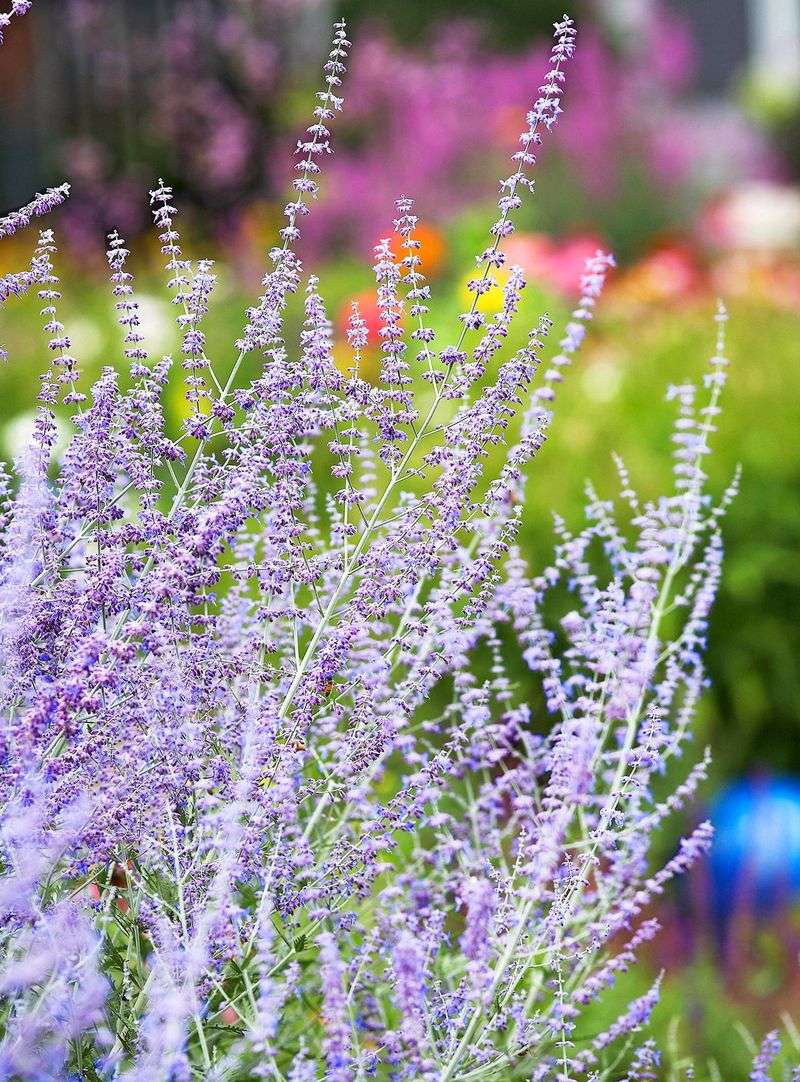
Russian Sage brings elegance and resilience to gardens with its tall, silvery stems and lavender-blue flowers. This perennial thrives in poor soil, requiring little maintenance while offering a long-lasting display. Its aromatic leaves add a sensory dimension, making it a favorite among gardeners. Often used as a border plant, Russian Sage’s airy appearance adds texture and depth to landscapes. This plant’s ability to withstand challenging conditions while maintaining its grace is truly remarkable, a testament to its robust nature.
7. Lavender
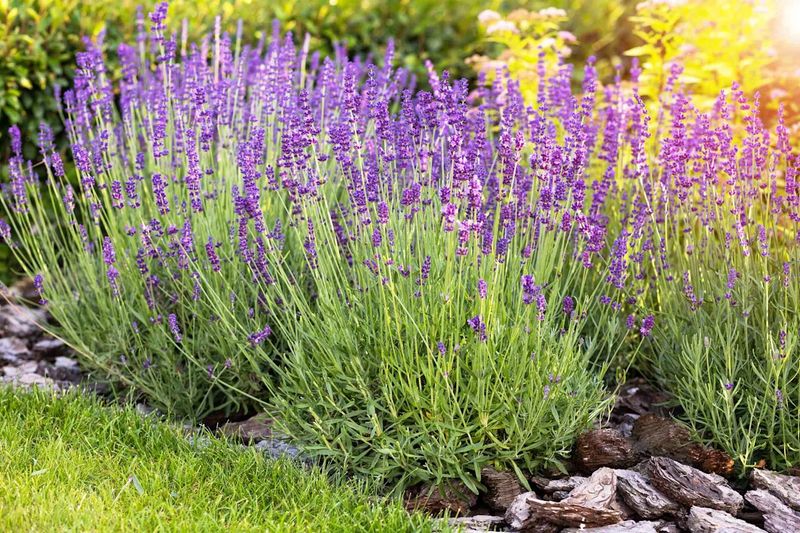
Lavender, with its soothing scent and vibrant purple flowers, is a perennial favorite that thrives in less-than-perfect soil. Known for its calming properties, it’s a staple in gardens worldwide. Lavender’s ability to attract pollinators like bees makes it a valuable addition to any ecosystem. Whether used in bouquets, oils, or simply as a garden highlight, this plant embodies grace and resilience. Its historical associations with relaxation and healing add layers to its appeal, making it much more than just a pretty face.
8. Butterfly Bush
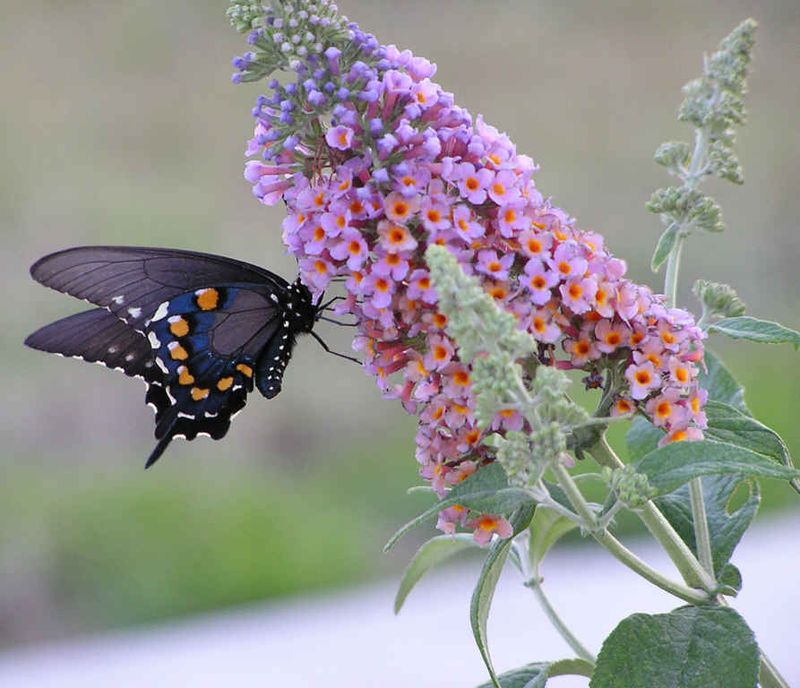
The Butterfly Bush is a magnet for life, drawing butterflies and bees with its abundant, fragrant blooms. Thriving even in poor soil, this perennial is a vibrant testament to nature’s resilience. Its elongated flower clusters come in various shades, offering visual delight throughout the growing season. Often used as a focal point, the Butterfly Bush is more than ornamental; it’s an ecological powerhouse that supports pollinators. Its hardiness and beauty make it a beloved choice for gardeners looking to create a lively, sustainable garden.
9. Catmint
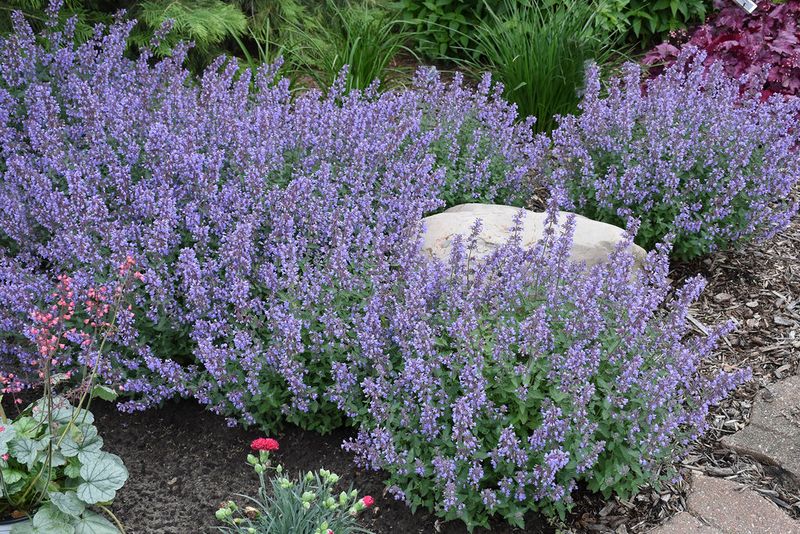
Catmint is a perennial that thrives on neglect, flourishing in poor soil with its soft, gray-green foliage and spikes of lavender-blue flowers. It’s not just a favorite among gardeners; cats adore its scent, making it a dual-purpose plant. This plant’s ability to attract pollinators while requiring minimal care makes it an ideal choice for low-maintenance gardens. Its calming aroma and long blooming season add to its charm, offering both visual and sensory pleasure to any space it inhabits.
10. Coreopsis
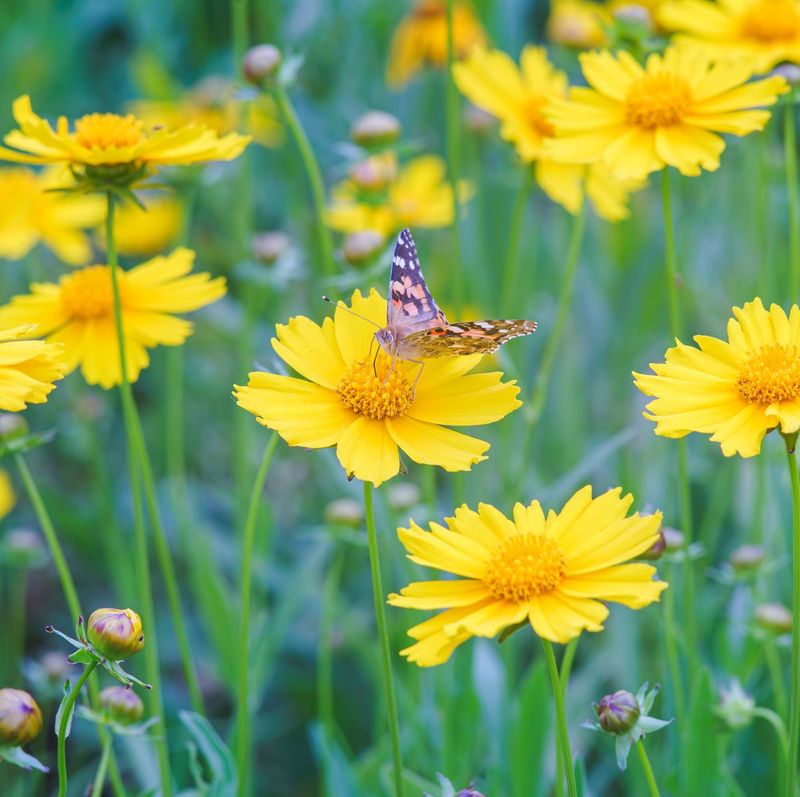
Coreopsis, with its bright, daisy-like blooms, is a sun lover that embraces poor soil with enthusiasm. These cheerful perennials bring a splash of color to gardens, their blossoms resembling rays of sunshine. Known for their long blooming period, Coreopsis offers extended beauty with minimal fuss. Their adaptability to challenging conditions highlights their role as a gardener’s ally, providing both visual appeal and resilience. This flower’s vibrant display and hardiness make it a joyful addition to any garden, brightening even the dullest of landscapes.
11. Gaillardia
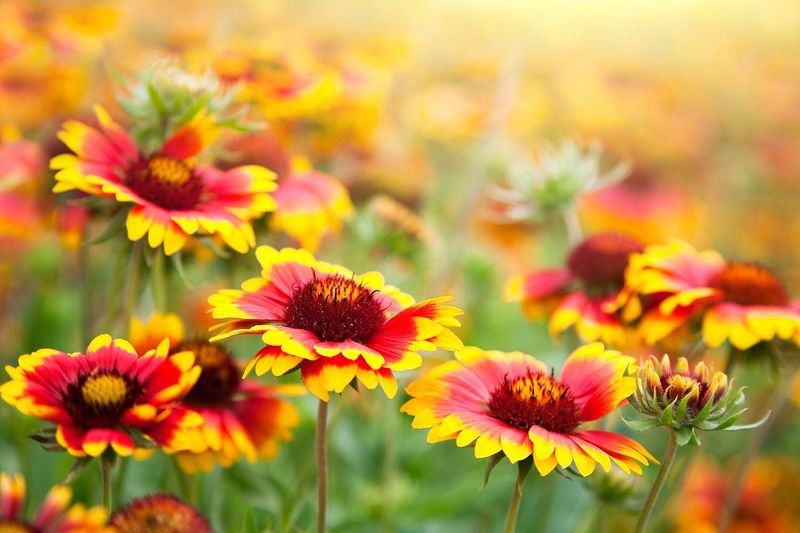
Gaillardia, commonly known as Blanket Flower, wraps gardens in warmth with its fiery blooms. Its red and yellow petals seem to ignite the garden with color, thriving in sandy soil where others might struggle. This perennial’s long-lasting blooms and drought-resistant nature make it a favorite for gardeners seeking both beauty and resilience. Its ability to attract pollinators adds ecological value, supporting local ecosystems. Gaillardia’s vibrant presence and adaptability make it a standout choice for those looking to brighten their gardens with minimal effort.
12. Lupine
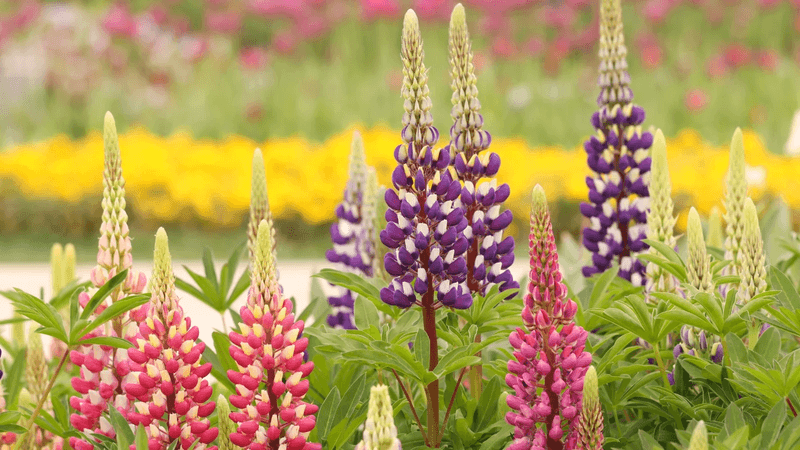
Lupines stand tall and proud in gardens, their vertical spires of pea-like flowers offering a striking visual appeal. These perennials thrive in poor soil, using their deep roots to access nutrients others can’t reach. Their vibrant colors and unique shape add architectural interest to landscapes, making them a favorite among gardeners. Lupines also play a role in improving soil quality by fixing nitrogen, adding to their ecological benefits. Their combination of beauty, resilience, and utility makes them a cherished addition to any garden.
13. Blanket Flower
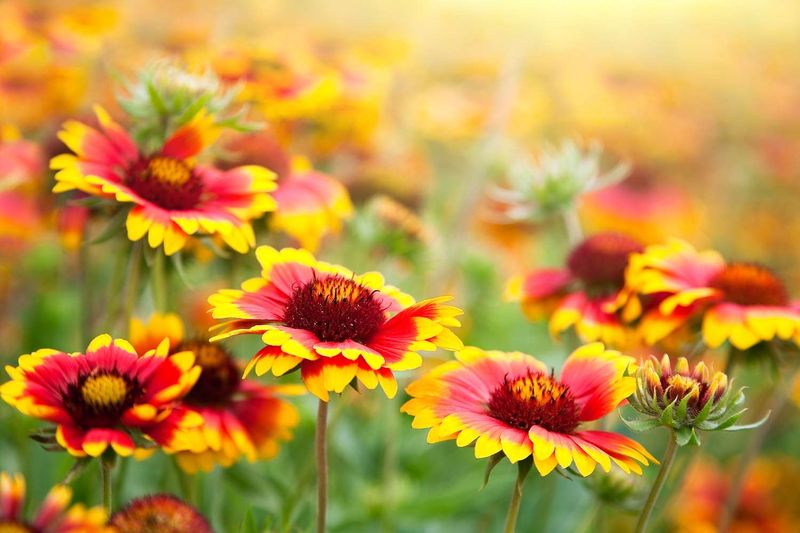
Blanket Flowers, with their sunlit hues of red and yellow, bring warmth to gardens. These perennials are well-suited to sandy, poor soils, where they flourish with minimal care. Their cheerful blooms appear like little sunrises, offering continuous color throughout the season. Known for their drought tolerance, Blanket Flowers are ideal for gardeners seeking low-maintenance beauty. Their ability to attract pollinators adds ecological value, enhancing biodiversity in the garden. With their vibrant appearance and resilience, they are a bright addition to any floral display.
14. Bee Balm
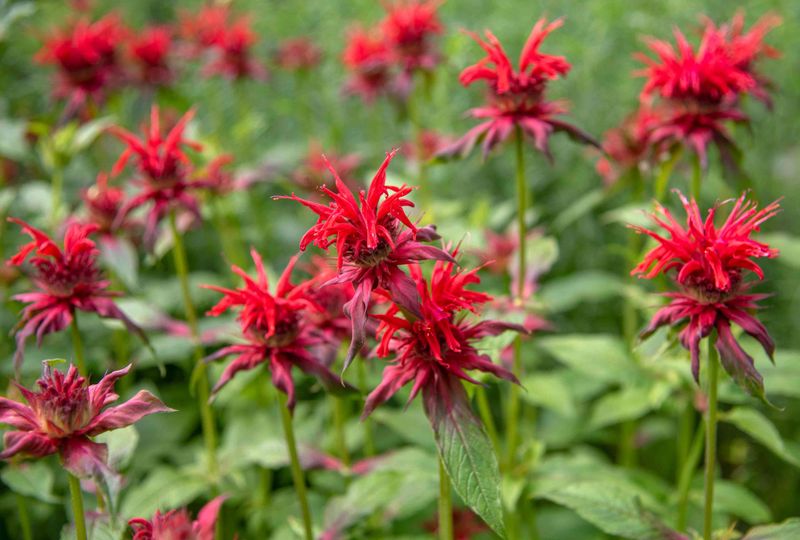
Bee Balm is a perennial that buzzes with life, attracting hummingbirds and bees with its vibrant red and purple flowers. Thriving in poor soil, it adds not only beauty but also a dynamic element to gardens. Its aromatic leaves offer a sensory pleasure, enhancing its appeal. Bee Balm’s long history as a medicinal and culinary herb adds layers of interest, making it a plant of both aesthetic and practical value. Its ability to support pollinators while requiring little care makes it a gardener’s dream.
15. Echinacea
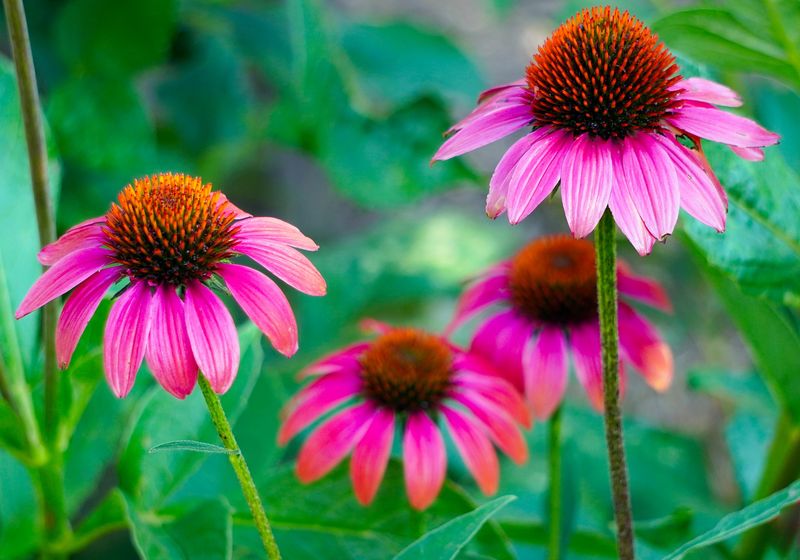
Echinacea, with its spiky center and pink-purple petals, stands as a beacon of resilience in gardens. This perennial thrives in poor soil, showcasing its tenacity and grace. Known for its medicinal properties, Echinacea offers historical depth, linking modern gardens to ancient remedies. Its ability to attract pollinators like bees and butterflies adds ecological value, enhancing garden biodiversity. Echinacea’s combination of beauty, utility, and hardiness makes it a beloved choice for gardeners looking to blend aesthetics with practical benefits.
16. Hellebore
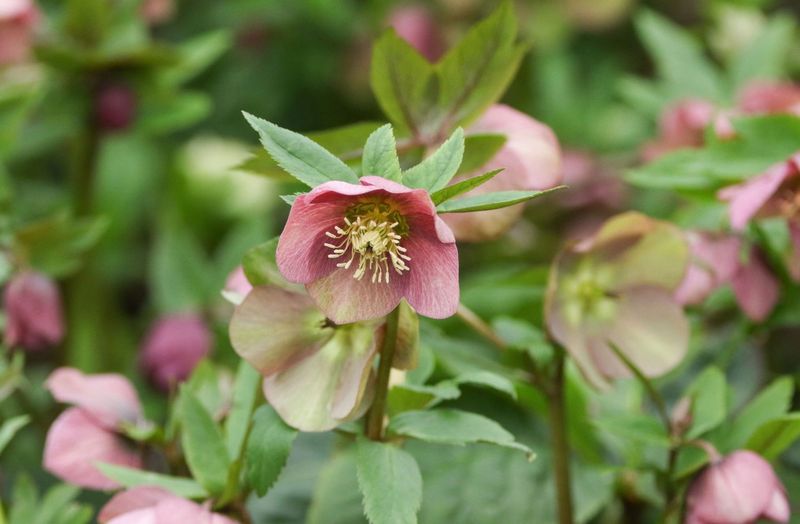
Hellebores, with their nodding, pastel-colored blooms, bring a touch of elegance to gardens. Thriving in poor soil and shade, these perennials offer beauty where others might struggle. Their early blooming season provides color at a time when many gardens are still resting. Often associated with historical legends and myths, Hellebores add a touch of mystique and depth to their visual charm. Their ability to thrive in challenging conditions while offering delicate beauty makes them a gardener’s ally in creating diverse, enchanting landscapes.
17. Sweet Alyssum
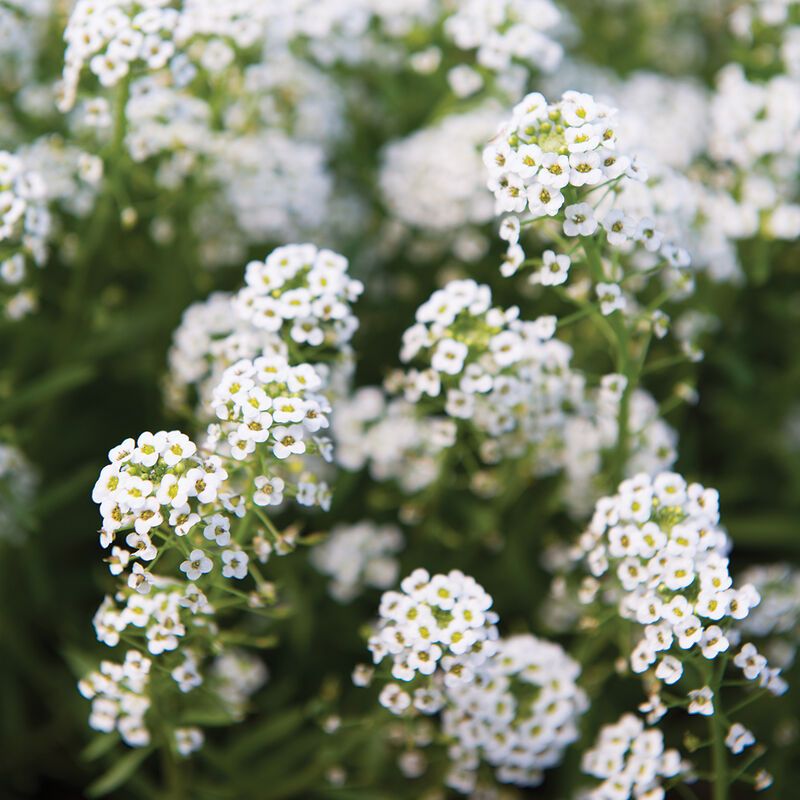
Sweet Alyssum is a fragrant ground cover that transforms gardens with its delicate, white blooms. Thriving in poor soil, this perennial provides a carpet of beauty and scent. Its ability to spread quickly makes it an excellent choice for filling spaces with minimal effort. Sweet Alyssum’s sweet fragrance and ability to attract beneficial insects add sensory and ecological value. Its combination of charm, ease of growth, and ecological benefits makes it a beloved choice for gardeners seeking both beauty and functionality.
18. Lamb’s Ear
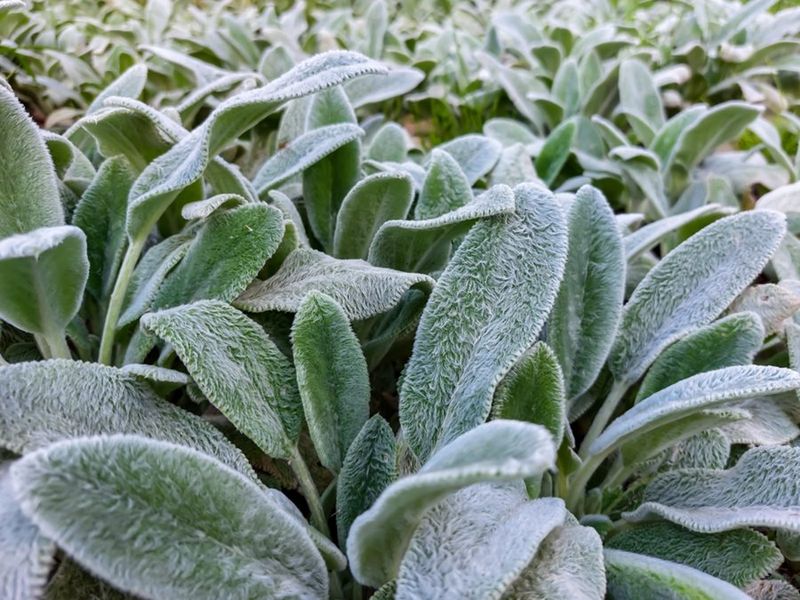
Lamb’s Ear is a perennial known for its soft, silver-gray leaves that invite touch. Thriving in poor soil, it offers unique texture and color contrast in gardens. Its ability to form dense mats makes it an excellent ground cover, providing both visual appeal and practicality. Lamb’s Ear’s fuzzy foliage not only adds interest but also serves as a backdrop for more colorful flowers. Its resilience and unique appearance make it a favorite for those looking to add variety and texture to their garden spaces.
19. Sea Holly
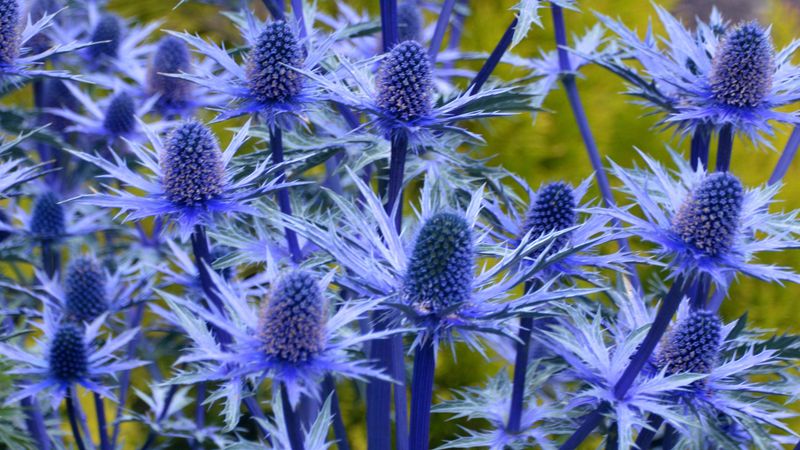
Sea Holly stands out with its spiky, metallic-blue flowers that seem to thrive in the toughest of conditions. Well-suited to sandy, poor soils, this perennial adds an unusual and striking element to gardens. Its architectural form and unique color make it a focal point, drawing attention and admiration. Sea Holly’s resilience and ability to attract pollinators add ecological value, supporting garden biodiversity. Its combination of unique appearance and hardiness makes it a standout choice for adventurous gardeners looking for something different.
20. Balloon Flower
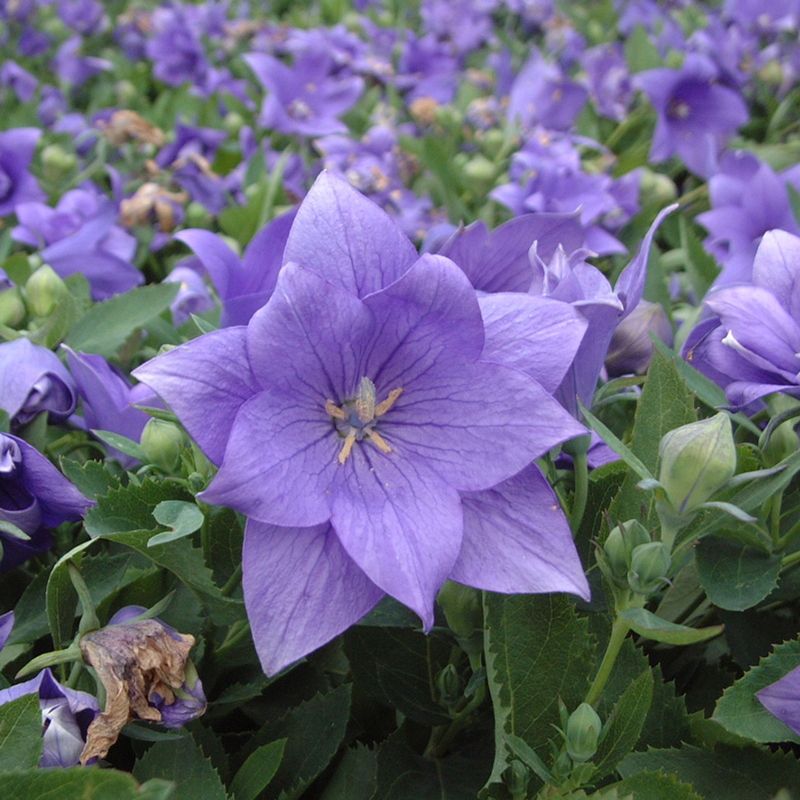
Balloon Flowers enchant with their whimsical, balloon-like buds that open into star-shaped blooms. Thriving in poor soil, these perennials add a playful touch to gardens. Their ability to withstand challenging conditions while providing continuous color makes them a gardener’s ally. Balloon Flowers are not only visually appealing but also attract pollinators, enhancing garden biodiversity. This plant’s unique blooming process and resilience make it a delightful addition to any garden, offering both charm and practicality.
21. Creeping Thyme
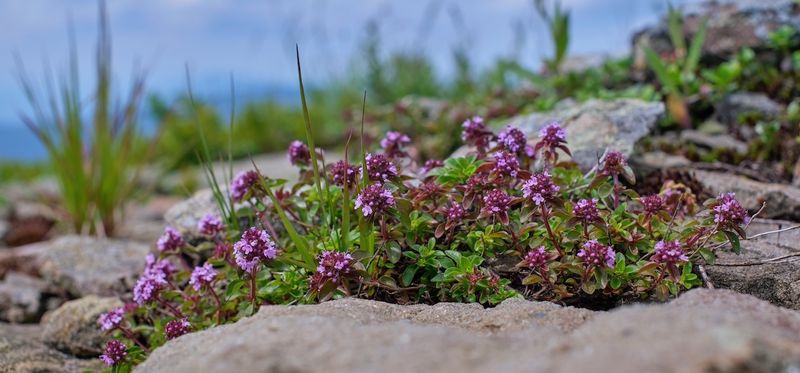
Creeping Thyme, with its tiny purple flowers and fragrant foliage, is a perennial that thrives in poor soil. Perfect for ground cover, it spreads easily, filling spaces between stones or in garden beds. Its aromatic presence adds sensory delight, making it a favorite for pathways and borders. Creeping Thyme’s ability to attract beneficial insects adds ecological value, enhancing garden ecosystems. Its combination of fragrance, beauty, and resilience makes it a standout choice for gardeners seeking both form and function in their landscapes.
22. Oxeye Daisy
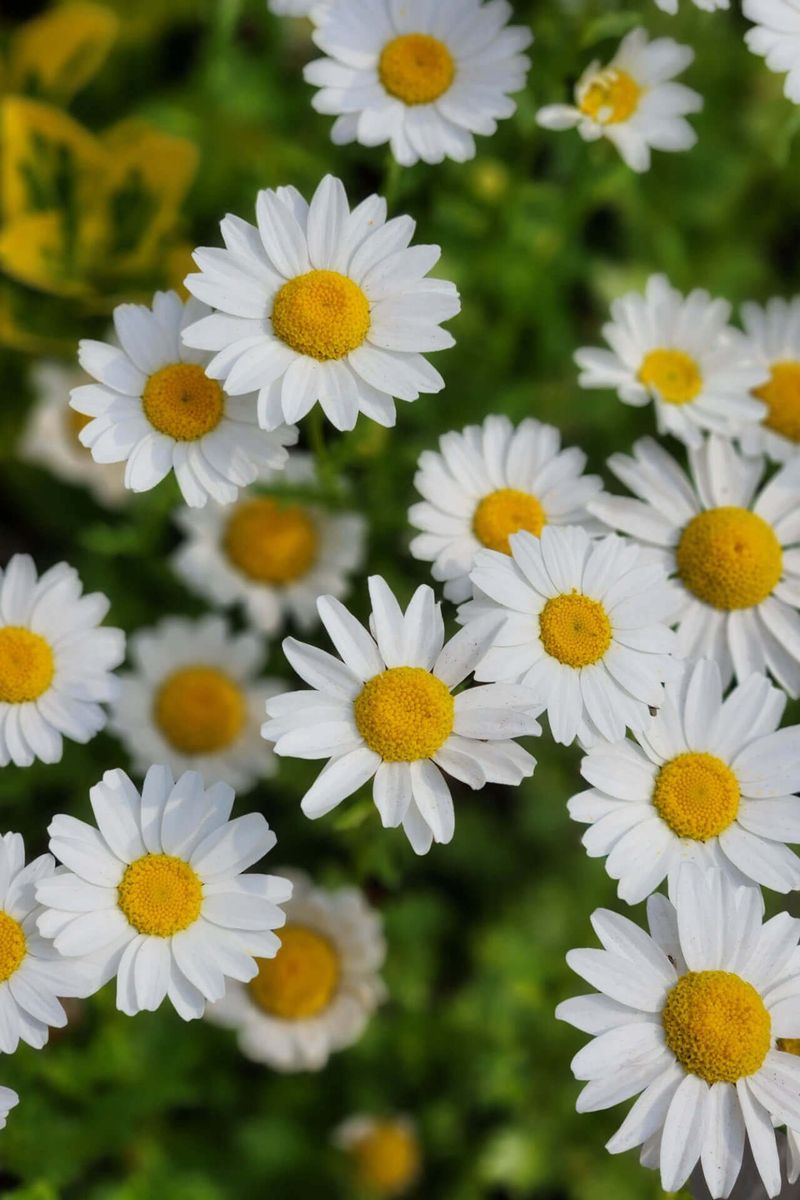
Oxeye Daisies bring a classic, cheerful appearance to gardens, with their white petals and sunny yellow centers. These perennials thrive in poor soil, bringing simplicity and beauty to landscapes. Known for their hardiness, Oxeye Daisies require minimal care, making them ideal for low-maintenance gardeners. Their presence in folklore and tradition adds a layer of cultural richness, connecting modern gardens to historical narratives. Oxeye Daisies’ combination of classic beauty and resilience makes them a beloved addition to gardens seeking timeless charm.
23. Verbena
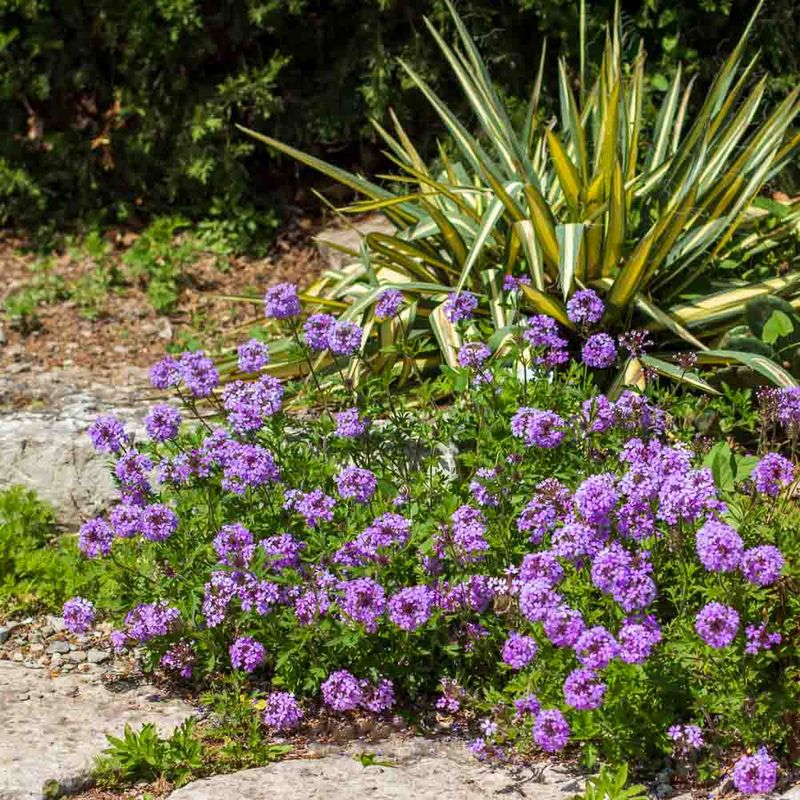
Verbena, with its vibrant hues and delicate blooms, thrives even in dry, rocky soil. Known for its resilience, this perennial flourishes where others fail, bringing striking color to barren landscapes.
Its sturdy nature doesn’t compromise charm, as verbena produces profusions of small, fragrant flowers that attract pollinators like bees and butterflies. Gardeners appreciate its low maintenance and drought tolerance, making it a favorite in challenging climates.
Did you know? Verbena was revered in ancient times for its supposed magical properties, believed to bring protection and healing. A true testament to its enduring allure.