 Complete Gardening
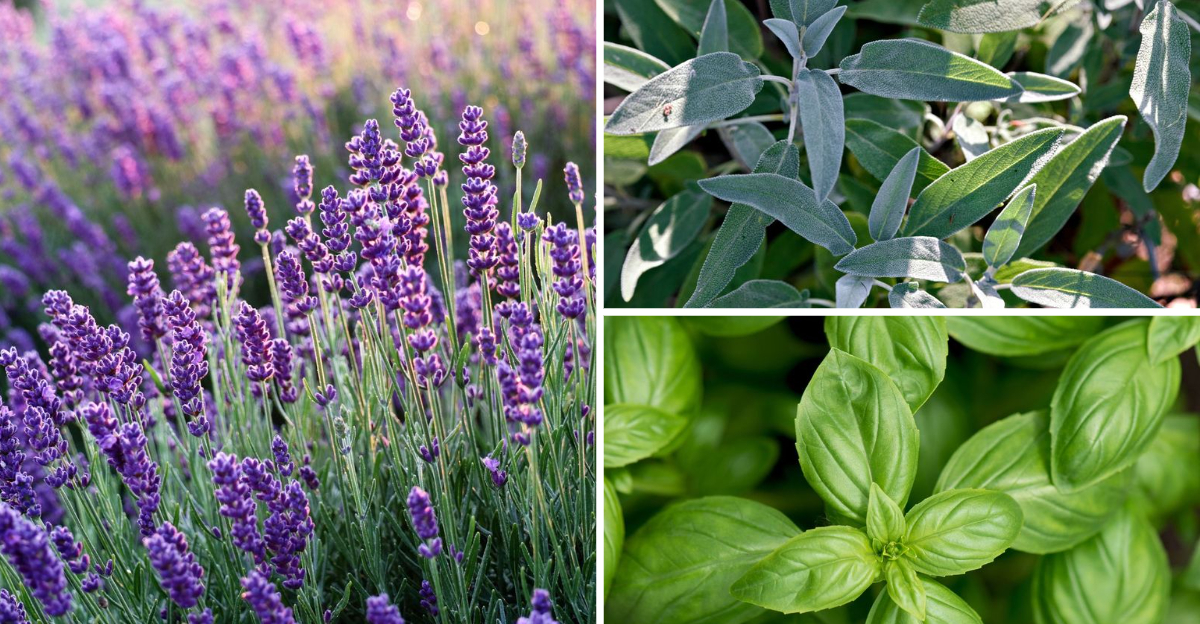
Explore a curated list of 23 plants that not only repel mosquitoes but also deter deer and other summer pests. These natural solutions will enhance your garden’s beauty and protect your outdoor spaces from unwanted visitors.
1. Lavender
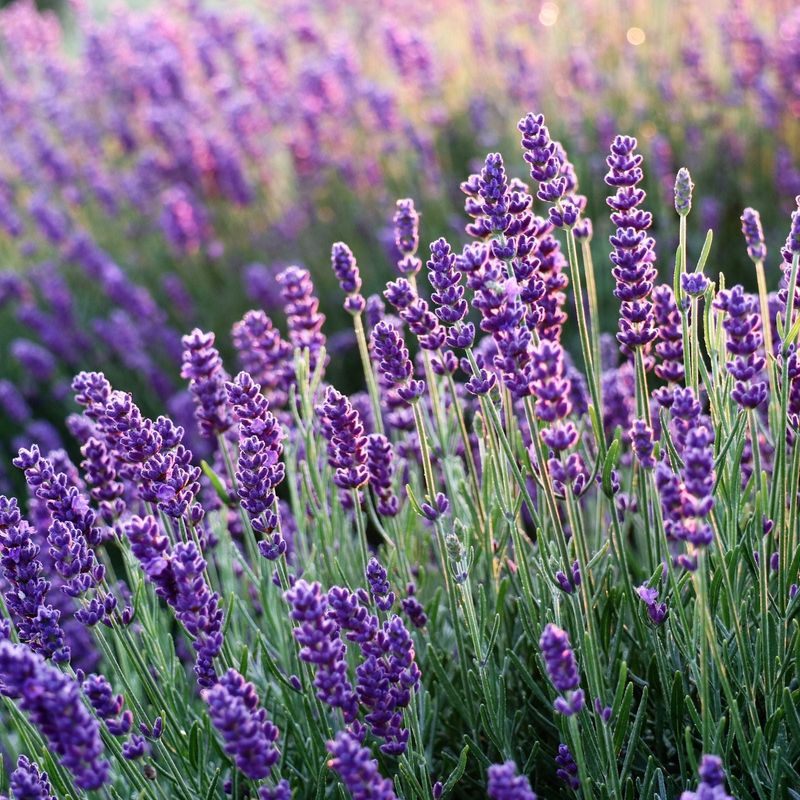
Lavender, with its fragrant purple flowers, is more than just a calming scent. Known for its ability to repel mosquitoes, this plant’s essential oils are a natural deterrent. But it’s not only mosquitoes that steer clear; deer avoid it too. Its hardy nature makes it a garden favorite, thriving in sunny spots with well-drained soil. Lavender’s calming presence adds a peaceful touch to any garden, making it a versatile choice. Did you know? Lavender has been used for centuries in perfumery and medicine, showcasing its enduring appeal and utility.
2. Marigold
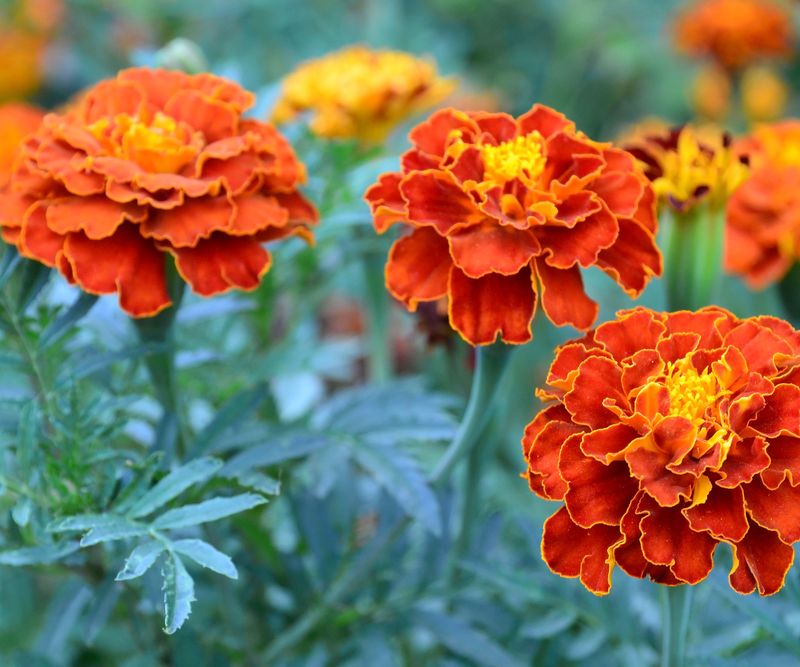
With their bright colors, marigolds are a staple in many gardens. Beyond their beauty, they serve a crucial purpose: repelling mosquitoes. The distinct scent emitted by marigolds is unpleasant to these pests, making it an effective natural barrier. Additionally, marigolds are known to deter deer and rabbits, protecting your plants from being nibbled away. Easy to grow, these flowers thrive in sunny conditions, adding a splash of color and protection. Interestingly, marigolds have historical significance in celebrations and rituals across different cultures.
3. Basil
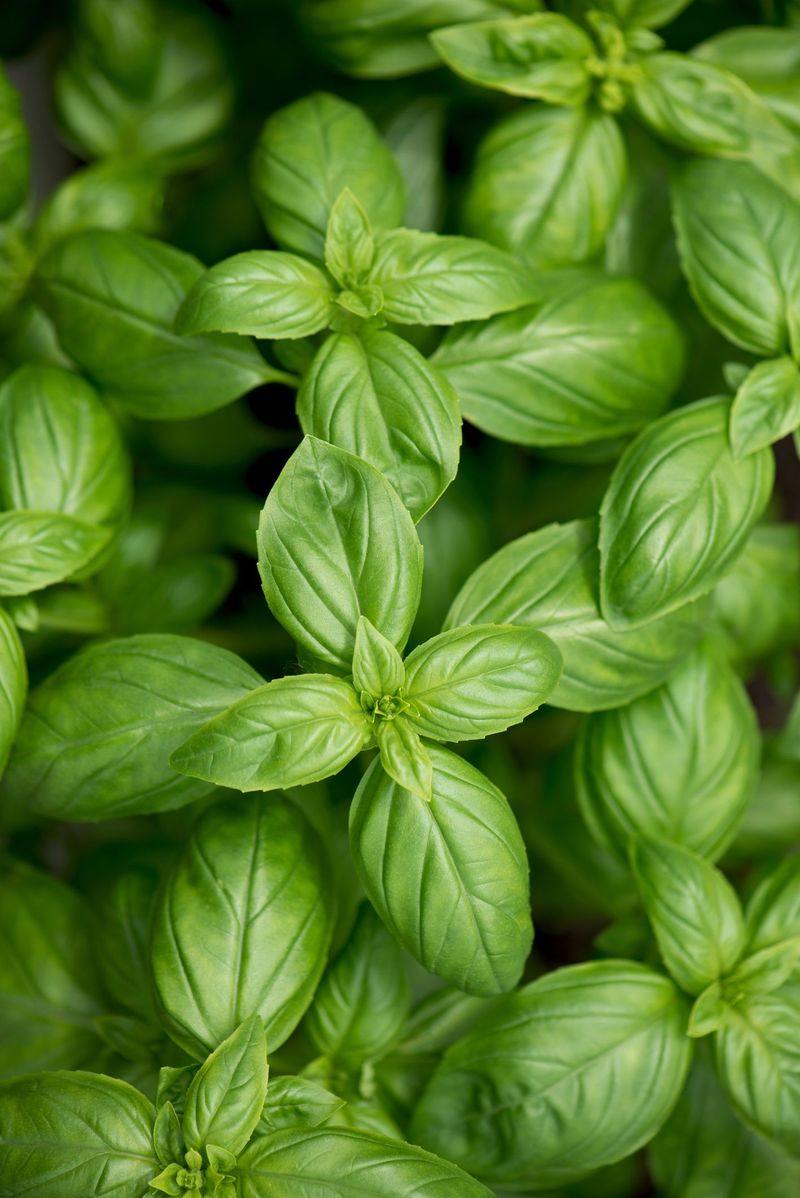
Basil isn’t just for cooking; it’s a mosquito’s nemesis. The aromatic oils from basil leaves are highly effective at keeping mosquitoes at bay. Plant basil in pots around your patio or garden for a natural shield. It’s not just mosquitoes that dislike basil; deer find it unappealing too. Growing basil is straightforward, requiring only sunlight and regular watering. Besides its pest-repelling traits, basil is a culinary favorite, enhancing dishes with its fresh flavor. Fun fact: Basil has spiritual significance in some cultures, symbolizing love and protection.
4. Catnip
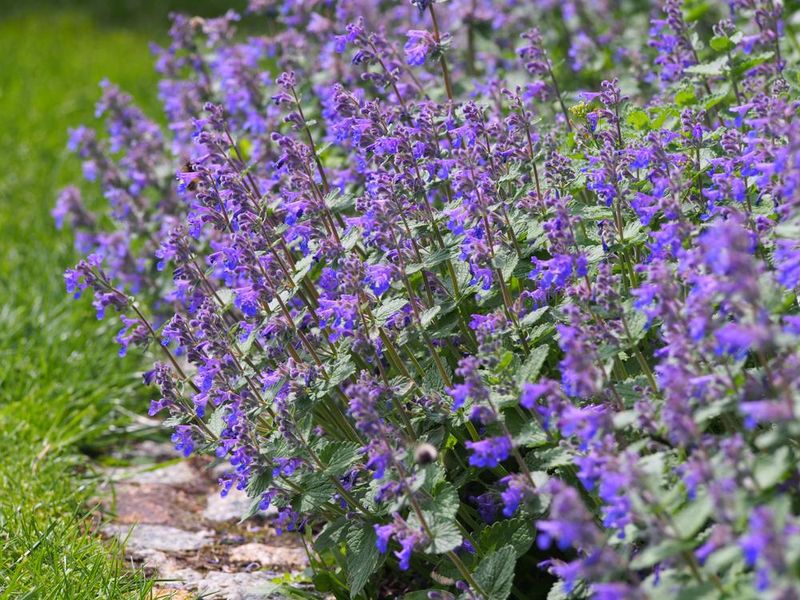
Catnip is famous for driving cats wild with delight, but it also repels mosquitoes effectively. The essential oil in catnip, nepetalactone, is a strong mosquito repellent. It’s also known to deter deer, making it a dual-purpose garden plant. Catnip grows easily in well-drained soil, preferring sunny or partially shaded areas. Besides its practical uses, catnip offers an aromatic addition to your garden. Did you know? Catnip has been used since ancient times, not just for feline fun, but also in teas and herbal remedies for humans.
5. Rosemary
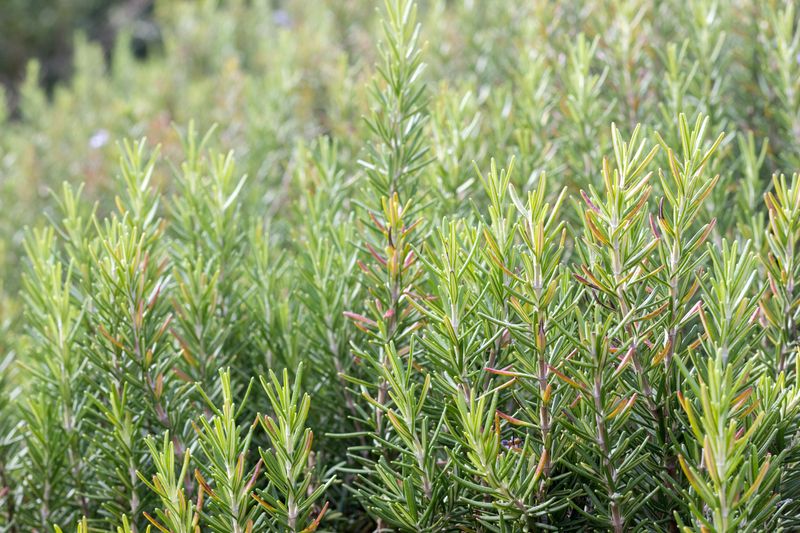
Rosemary’s needle-like leaves are more than just a culinary delight; they repel mosquitoes too. The aromatic oils released from rosemary plants keep mosquitoes at bay, making it a wonderful addition to your outdoor spaces. Rosemary is also unpalatable to deer, providing a natural deterrent. This evergreen shrub prefers sunny, well-drained areas and is relatively easy to care for. Fun fact: Rosemary has been associated with memory enhancement throughout history, adding to its list of versatile benefits.
6. Peppermint
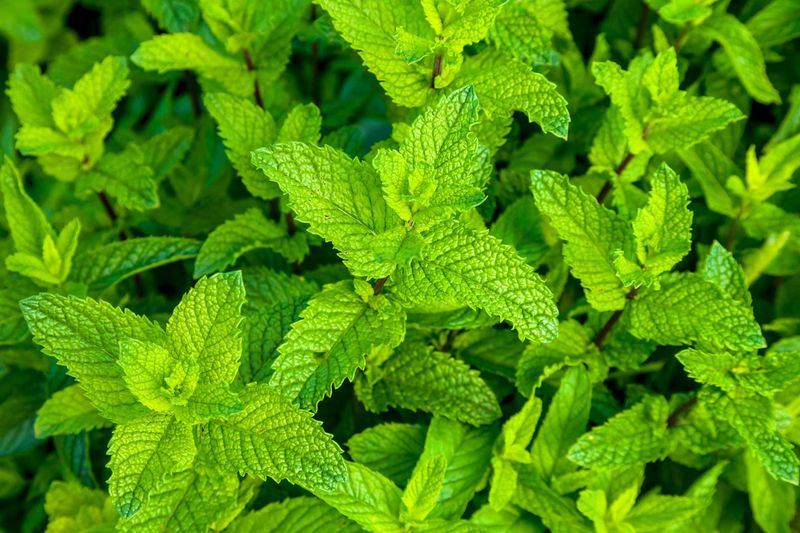
Peppermint’s invigorating scent is enjoyed by many, but mosquitoes can’t stand it. The menthol in peppermint leaves acts as a natural mosquito repellent, perfect for garden borders. Peppermint is also disliked by deer, making it a dual-purpose plant. It thrives in moist, shaded areas, spreading quickly if not contained. Apart from its pest-repelling qualities, peppermint is valued in teas and culinary dishes for its refreshing taste. Did you know? Peppermint has been used in traditional medicine to soothe digestive issues, highlighting its versatile uses.
7. Lemongrass
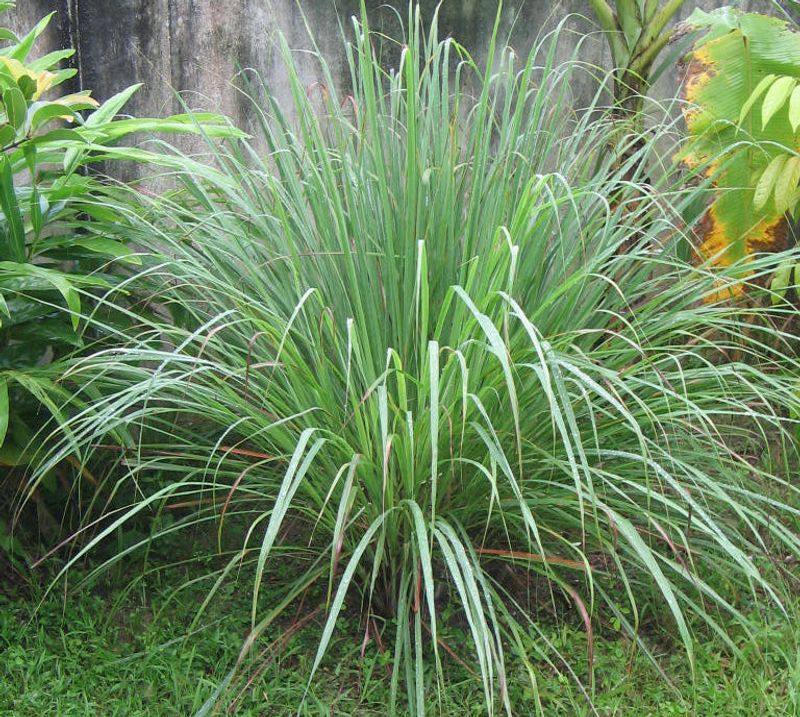
Lemongrass is your garden’s aromatic powerhouse, known for its ability to repel mosquitoes with its citrusy scent. The citronella oil derived from lemongrass is a common ingredient in mosquito repellents. Besides mosquitoes, deer avoid this plant, making it a protective addition to gardens. Lemongrass thrives in warm climates and prefers plenty of sun. It’s also used in culinary dishes, adding a fresh, lemony flavor. Fun fact: Lemongrass is a staple in Southeast Asian cuisine, beloved for its unique taste and aroma.
8. Sage
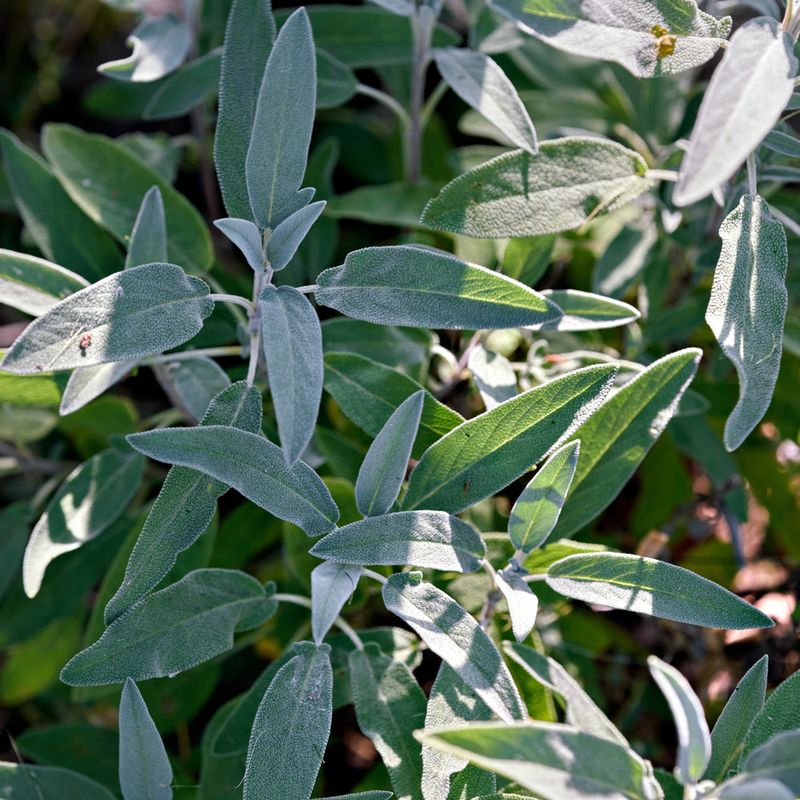
Sage isn’t just a kitchen staple; it’s a mosquito’s nemesis. The aromatic oils in sage leaves repel mosquitoes, making it a great choice for gardens and patios. Sage is also unappealing to deer, providing an extra layer of protection. It prefers sunny spots with well-drained soil, and its hardy nature makes it easy to grow. Beyond its pest-repelling properties, sage has historical significance in cleansing rituals and traditional medicine. Did you know? Sage has been used for centuries for its healing properties and culinary uses.
9. Mint
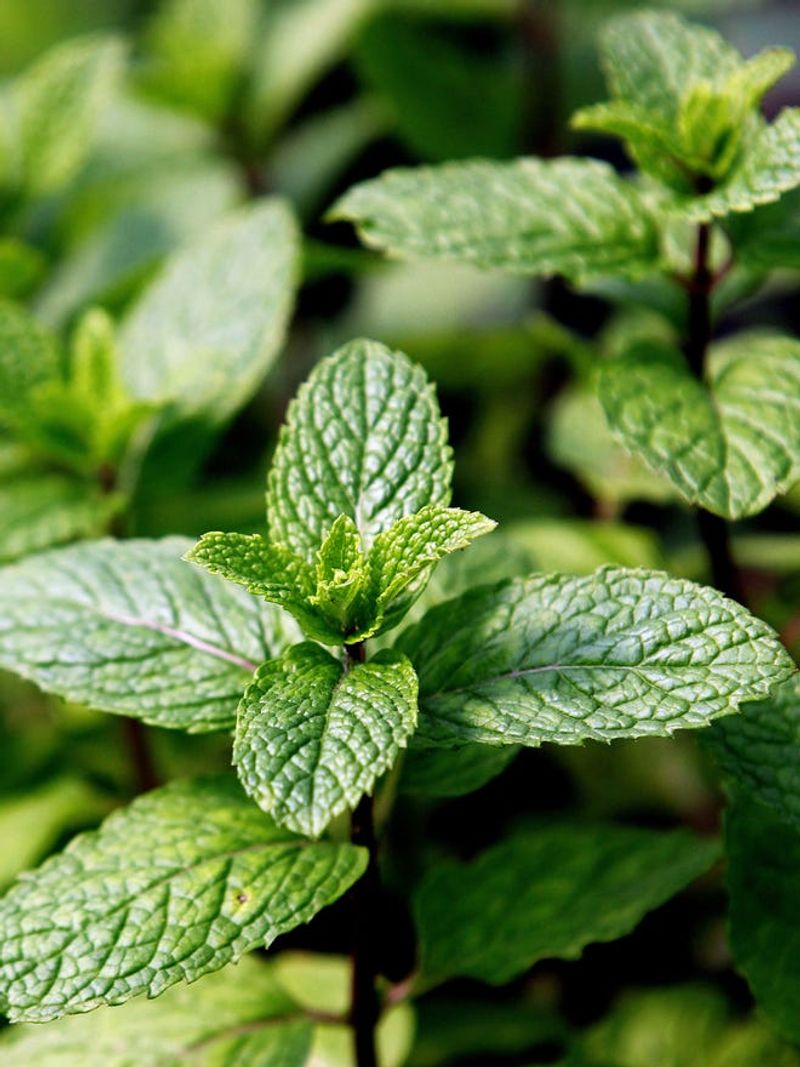
Mint’s refreshing aroma is loved by people but loathed by mosquitoes. The menthol in mint leaves acts as a natural repellent, making it ideal for garden borders. Mint also deters deer, adding to its protective benefits. It grows quickly in shaded, moist conditions, often spreading if not controlled. Besides its pest-repelling qualities, mint is popular in beverages and cuisines for its fresh taste. Fun fact: Mint has been a symbol of hospitality and wisdom since ancient times, showcasing its enduring cultural significance.
10. Citronella
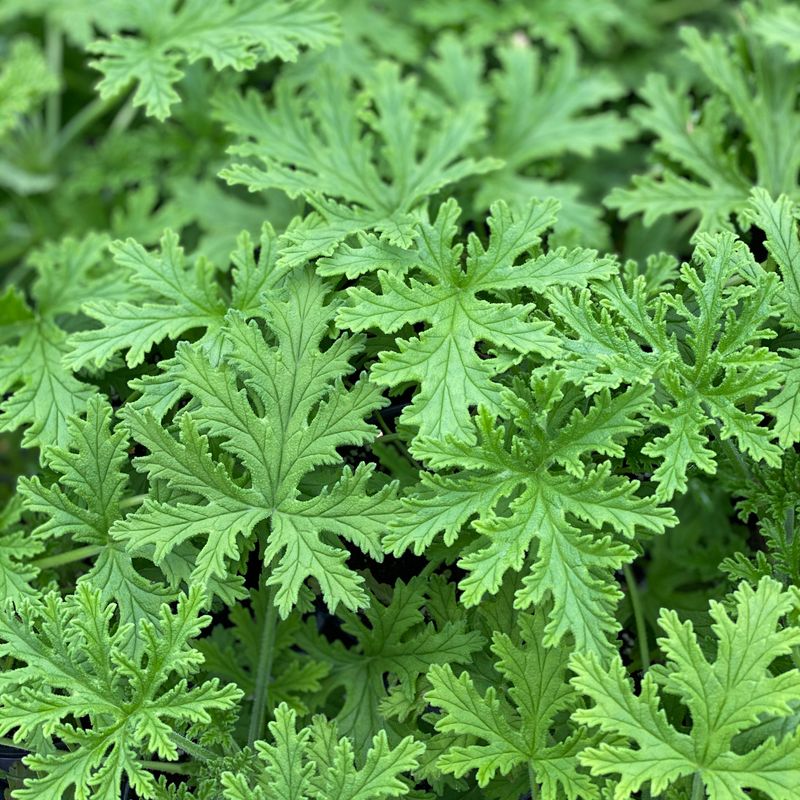
Citronella is renowned for its mosquito-repelling abilities, often used in candles and sprays. The plant’s strong citrus aroma is unpleasant to mosquitoes, providing a natural barrier. Citronella also deters deer, making it a valuable addition to gardens. It thrives in full sun and requires regular watering for optimal growth. Besides its pest-repelling traits, citronella is used in aromatherapy for its calming effects. Did you know? Citronella’s oil is a staple in traditional healing practices across various cultures, valued for its soothing properties.
11. Ageratum
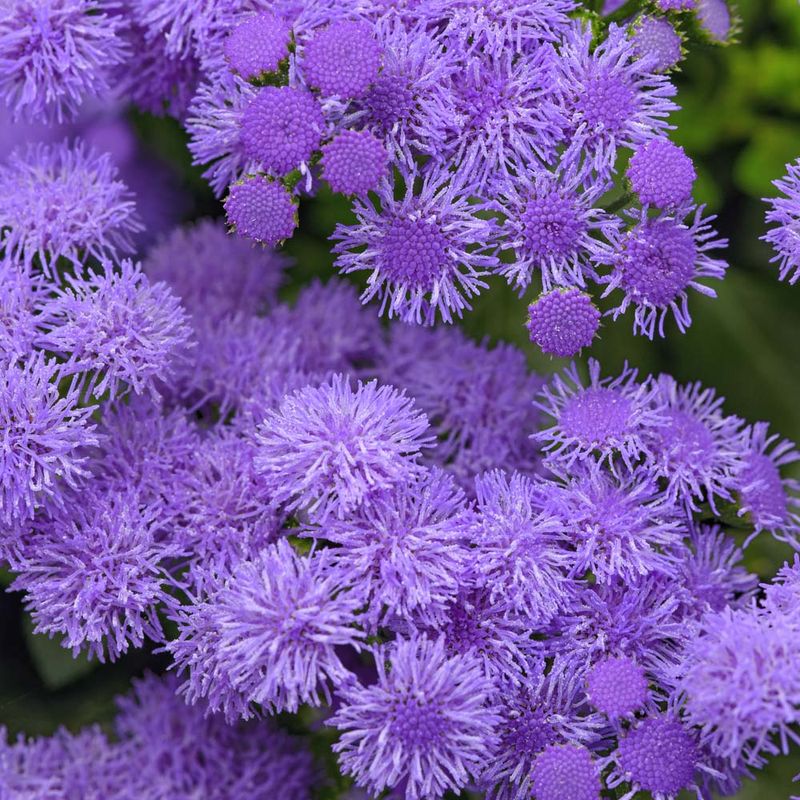
Ageratum, with its fluffy blooms, is more than just an ornamental plant. It contains coumarin, a chemical that naturally repels mosquitoes. This plant is not favored by deer either, adding to its garden utility. Ageratum thrives in sunny spots with well-drained soil and is relatively low-maintenance. Besides its pest-repelling abilities, it adds a burst of color to flower beds. Fun fact: Ageratum is often called “floss flower” due to its fluffy appearance, making it a charming addition to any garden.
12. Allium
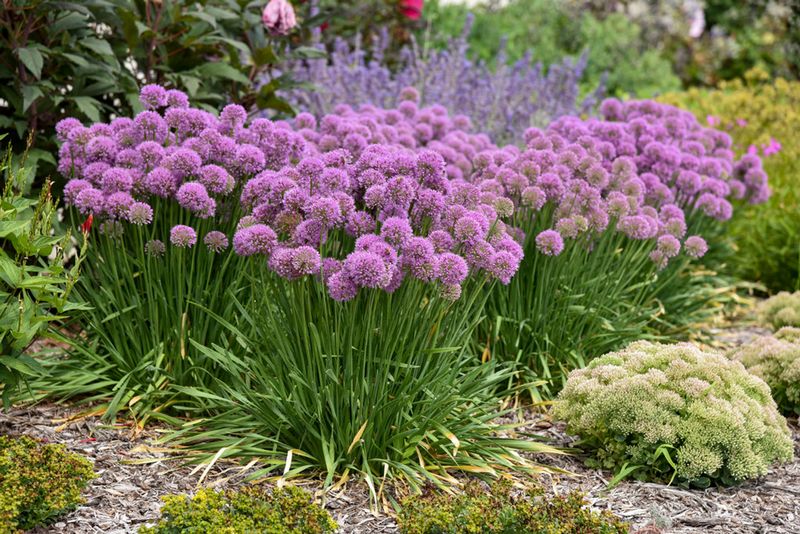
Allium, with its striking globe-shaped flowers, is not just a visual delight. It acts as a natural mosquito repellent, thanks to its strong scent. Deer also tend to avoid allium, making it a dual-purpose plant. It thrives in sunny locations and well-drained soil, requiring minimal care. Besides its pest-repelling properties, allium adds architectural interest to gardens. Fun fact: Allium is part of the onion family, and its edible varieties are used in cuisines worldwide, known for their distinctive flavor and aroma.
13. Bee Balm
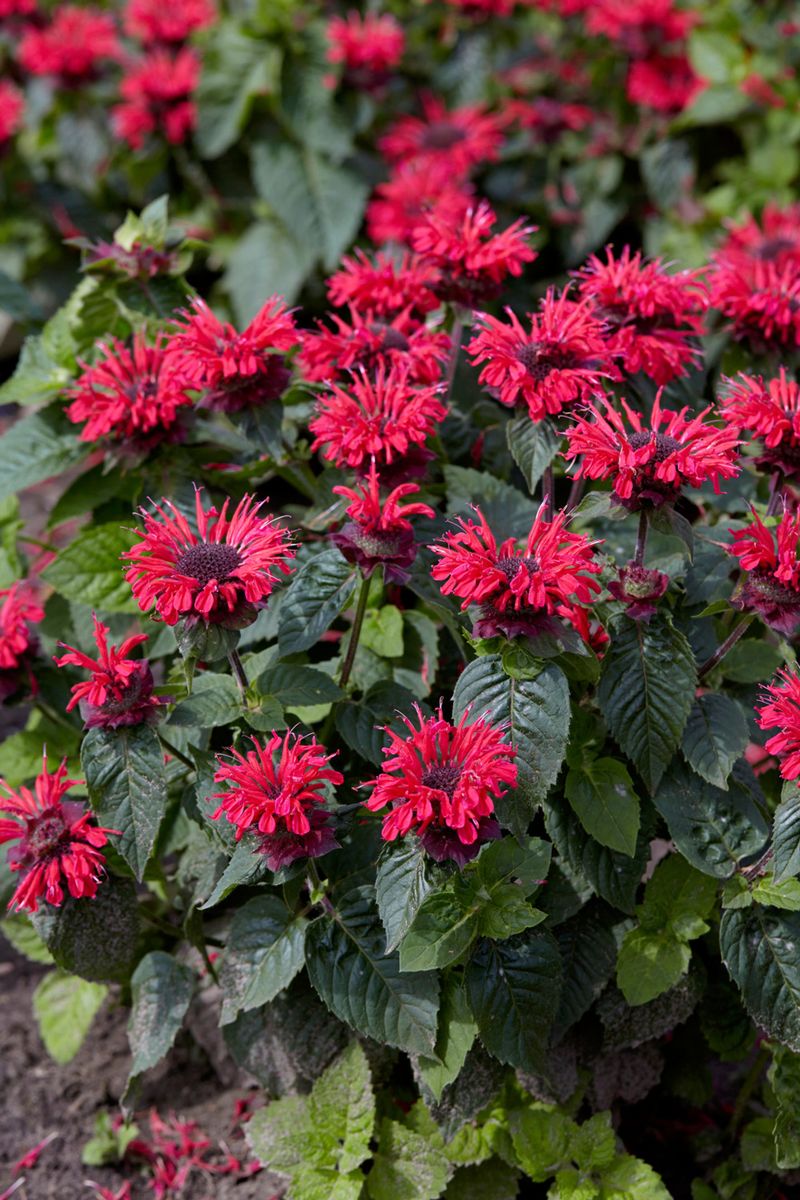
Bee balm is a garden favorite for its vibrant flowers and ability to attract pollinators. It also serves as a natural mosquito repellent, emitting an aroma disliked by these pests. Deer tend to avoid bee balm, making it a protective addition to gardens. It thrives in sunny locations with well-drained soil, adding color and life to any space. Beyond its pest-repelling qualities, bee balm is known for its medicinal uses, often used in teas. Did you know? Bee balm was used by Native Americans for its healing properties, highlighting its rich history.
14. Eucalyptus

Eucalyptus is renowned for its refreshing aroma, but it also serves as a potent mosquito repellent. The oil extracted from its leaves is a common ingredient in natural insect repellents. Additionally, deer find eucalyptus unappealing, making it a versatile choice for gardens. Eucalyptus prefers sunny, well-drained areas and can grow into a majestic tree. Beyond its pest-repelling traits, eucalyptus is used in aromatherapy and herbal remedies. Did you know? Eucalyptus is native to Australia and is a favorite food of koalas, underscoring its ecological importance.
15. Lemon Balm
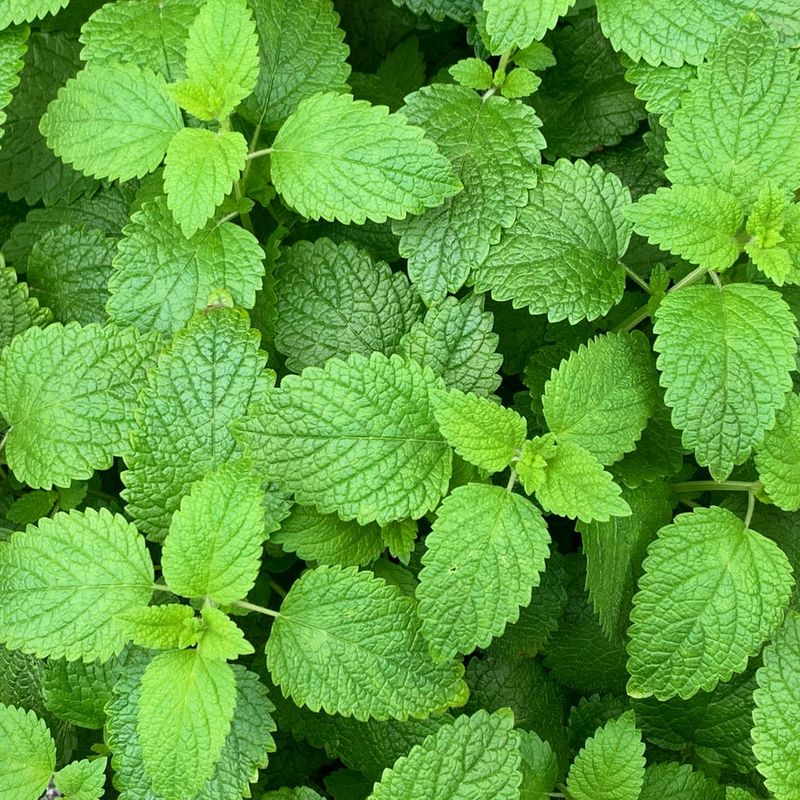
Lemon balm, with its fresh lemony scent, is more than just a culinary herb. It’s a natural mosquito repellent, thanks to the citronellal compound in its leaves. Deer also tend to avoid lemon balm, making it a protective garden choice. It grows well in sunny or partially shaded areas, thriving in well-drained soil. Besides its pest-repelling properties, lemon balm is valued in teas and culinary dishes for its refreshing flavor. Fun fact: Lemon balm has been used since the Middle Ages to promote relaxation and reduce stress, showcasing its versatile benefits.
16. Thyme
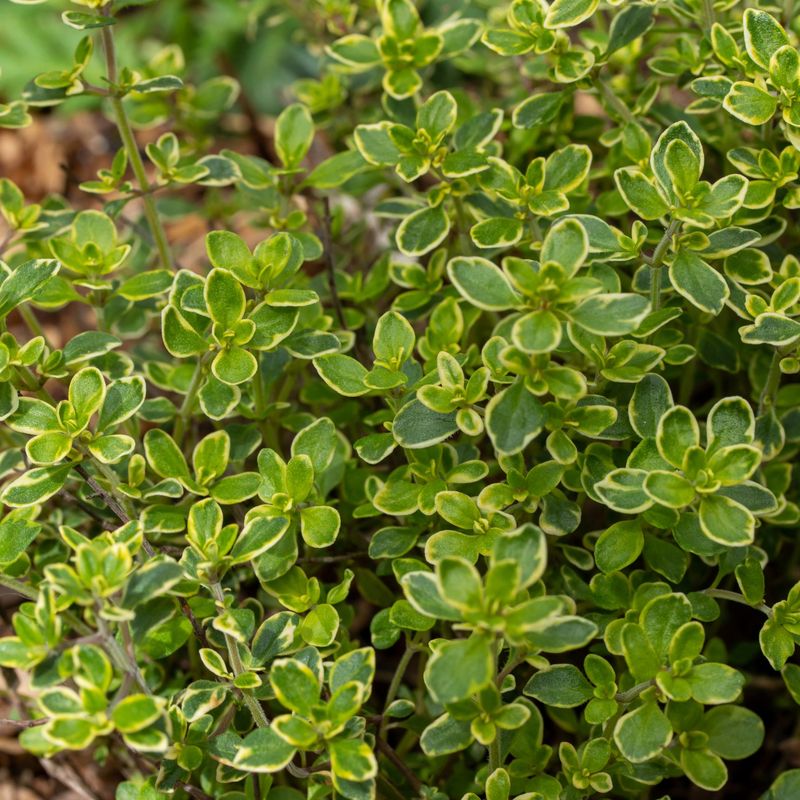
Thyme, a staple in kitchens, doubles as a mosquito repellent with its aromatic oils. These oils keep mosquitoes at bay, while deer tend to avoid thyme, adding to its garden utility. It thrives in sunny areas with well-drained soil and requires minimal maintenance. Beyond its pest-repelling traits, thyme is a favorite in culinary dishes, known for its robust flavor. Did you know? Thyme has been associated with courage and bravery since ancient times, often used in rituals to inspire valor, highlighting its cultural significance.
17. Chrysanthemum
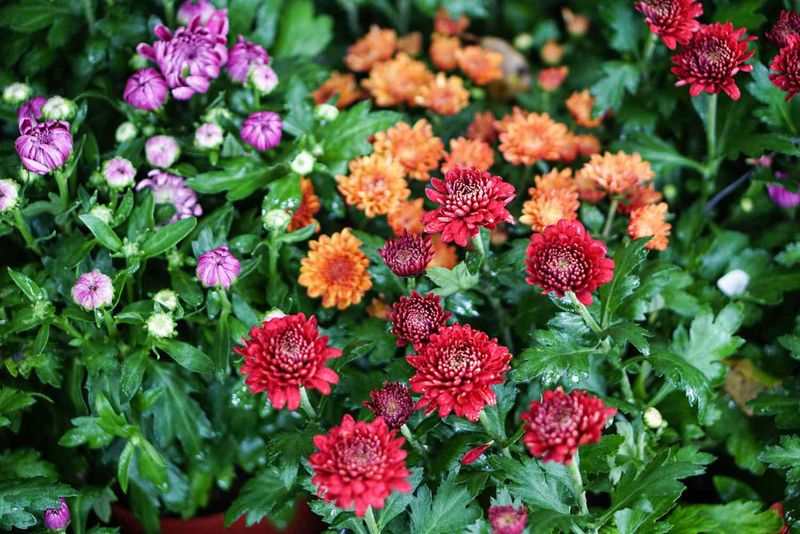
Chrysanthemums, with their vibrant blooms, are not only ornamental but also effective mosquito repellents. The pyrethrum compound in chrysanthemums repels mosquitoes, while deer generally avoid them. These flowers thrive in sunny spots and well-drained soil, adding color and protection to gardens. Besides their pest-repelling abilities, chrysanthemums are used in teas and traditional medicine. Fun fact: Chrysanthemums hold cultural significance in some Asian countries, symbolizing longevity and rejuvenation, underscoring their enduring appeal.
18. Garlic
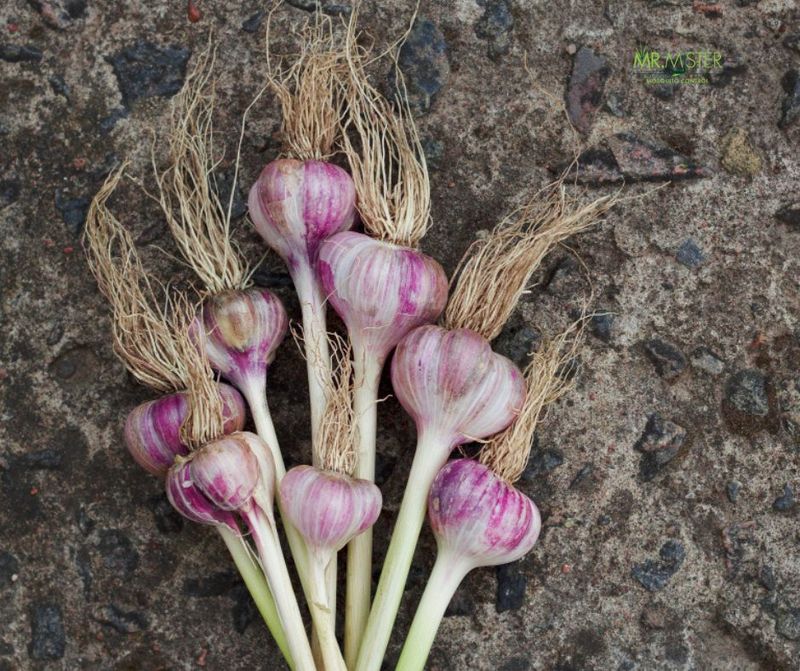
Garlic, famous for its culinary uses, also serves as a natural mosquito repellent. The sulfur compounds in garlic are unpleasant to mosquitoes, providing a natural shield. Deer tend to avoid garlic, enhancing its protective qualities. It grows well in sunny areas with rich soil, adding utility to gardens. Beyond its pest-repelling properties, garlic is celebrated for its health benefits, often used in traditional medicine. Fun fact: Garlic has been associated with protection and healing in folklore, making it a legendary plant with diverse uses.
19. Geranium
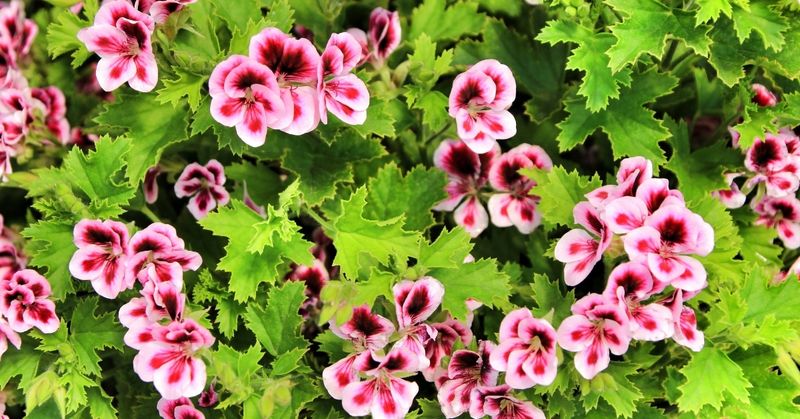
Geraniums, with their vibrant flowers, are more than just a visual delight; they repel mosquitoes too. The scent of geraniums is unpleasant to mosquitoes, creating a natural barrier. Deer typically avoid geraniums, adding to their garden appeal. They thrive in sunny conditions and require regular watering, enhancing outdoor spaces with their colorful presence. Besides their pest-repelling traits, geraniums are used in aromatherapy for their soothing aroma. Did you know? Geraniums have been cultivated since ancient times for their beauty and fragrance, showcasing their timeless charm.
20. Petunias
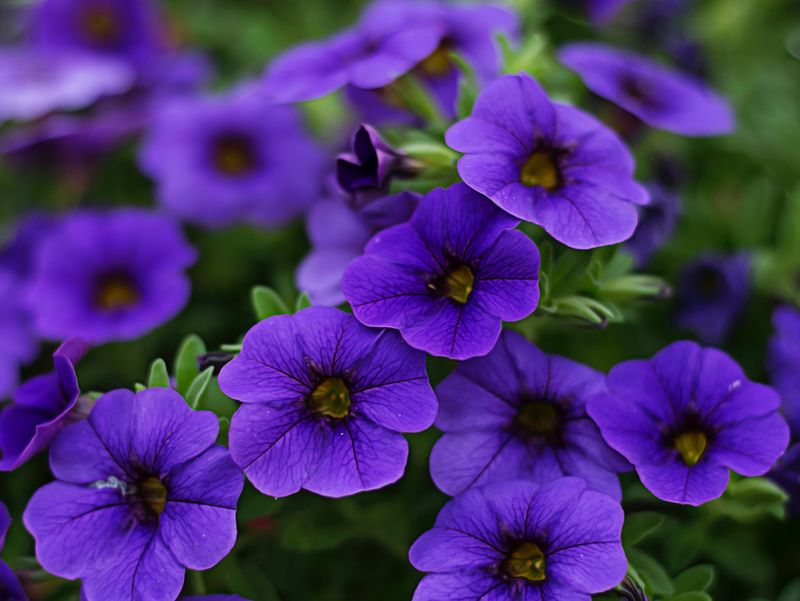
Petunias are a gardener’s favorite for their diverse colors and ease of care. They also serve a practical purpose by repelling mosquitoes with their subtle fragrance. Deer tend to avoid petunias, making them a protective addition to gardens. These flowers thrive in sunny areas and require regular watering for optimal growth. Besides their pest-repelling qualities, petunias add vibrant color to any landscape. Fun fact: Petunias are part of the nightshade family, which includes tomatoes and potatoes, highlighting their diverse botanical connections.
21. Fennel
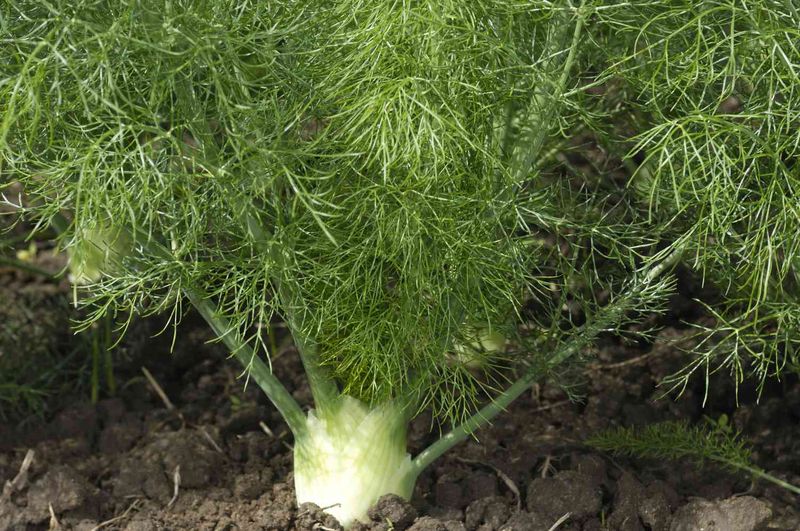
Fennel, with its feathery leaves and aromatic seeds, is more than just a culinary herb. It serves as a natural mosquito repellent, thanks to its strong scent. Deer tend to avoid fennel, enhancing its protective qualities. It grows best in sunny areas with well-drained soil, adding utility and beauty to gardens. Beyond its pest-repelling properties, fennel is celebrated for its digestive benefits and is often used in traditional cuisines. Did you know? Fennel has been associated with strength and courage since ancient times, often used in rituals to inspire bravery.
22. Oregano
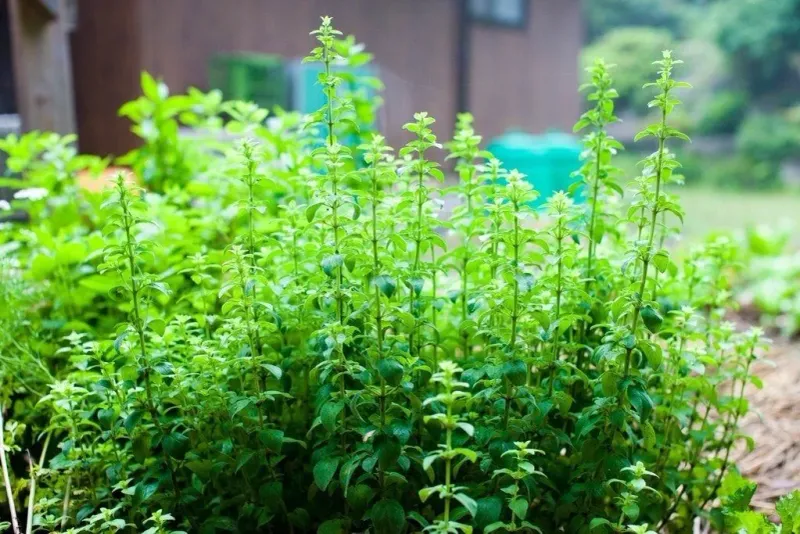
Oregano, known for its culinary uses, also serves as a natural mosquito repellent. The aromatic oils in oregano leaves deter mosquitoes, while deer generally avoid this plant. It thrives in sunny spots with well-drained soil, making it a low-maintenance addition to gardens. Besides its pest-repelling traits, oregano is a favorite in Mediterranean dishes, loved for its robust flavor. Fun fact: Oregano was believed to bring joy and happiness in ancient Greek culture, often used in weddings and celebrations, highlighting its positive symbolism.
23. Borage
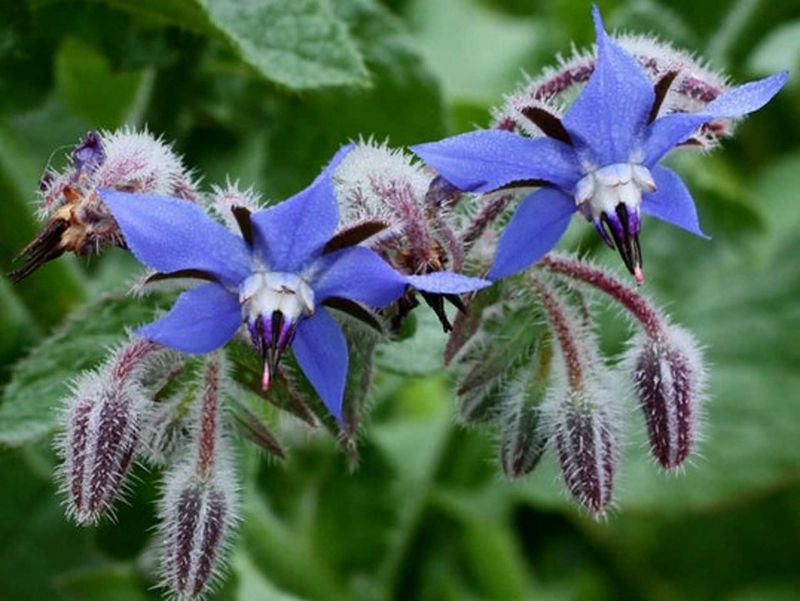
Known for its striking star-shaped blue flowers, borage is more than just a pretty face in the garden. This plant emits a subtle cucumber-like fragrance that deters mosquitoes, making it a perfect addition to any outdoor space.
Borage is also a favorite among bees, attracting these beneficial pollinators while keeping mosquitoes at bay. Its fuzzy leaves and vibrant blooms create a visual delight, and it’s easy to grow in various climates.
Historically, borage was believed to bring courage, a charming notion for gardeners seeking to combat summer pests naturally.