 Complete Gardening
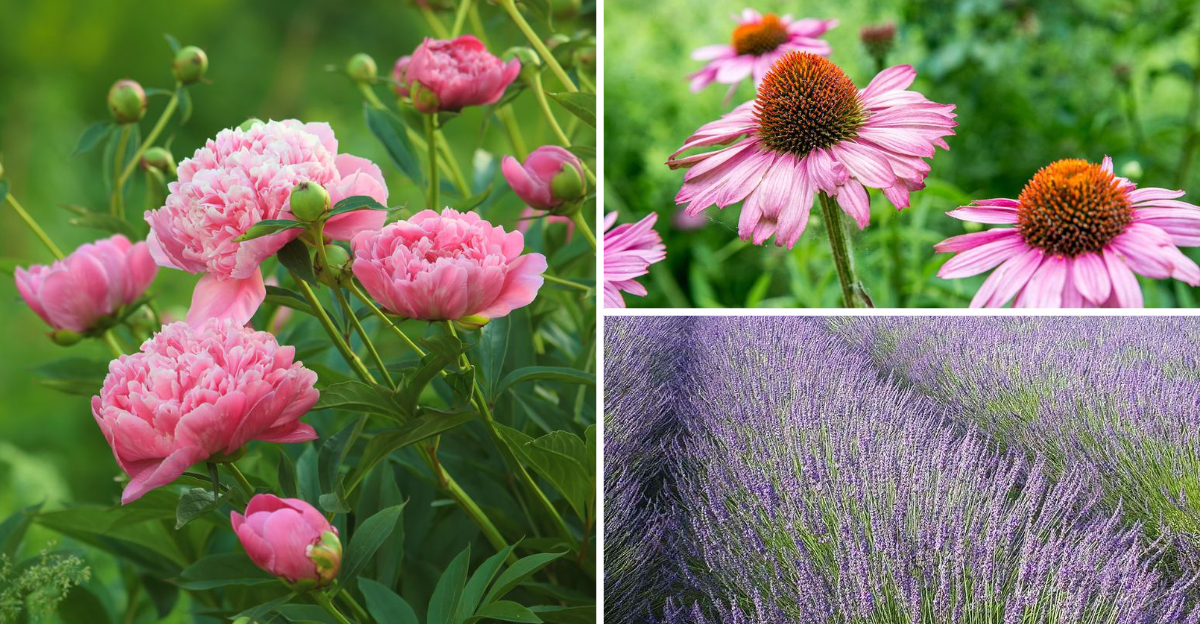
Perennial flowers are the backbone of any garden, providing vibrant colors and textures year after year. Landscapers often have their secret picks that transform ordinary spaces into spectacular displays. Discover 31 perennial favorites that create show-stopping gardens with their unique charm and resilience. From sunny borders to shaded retreats, these perennial flowers are sure to impress with their beauty and adaptability. Each flower has its own charm, personality, and history, showcasing the diversity and wonder of nature in every bloom.
1. Purple Coneflower (Echinacea)
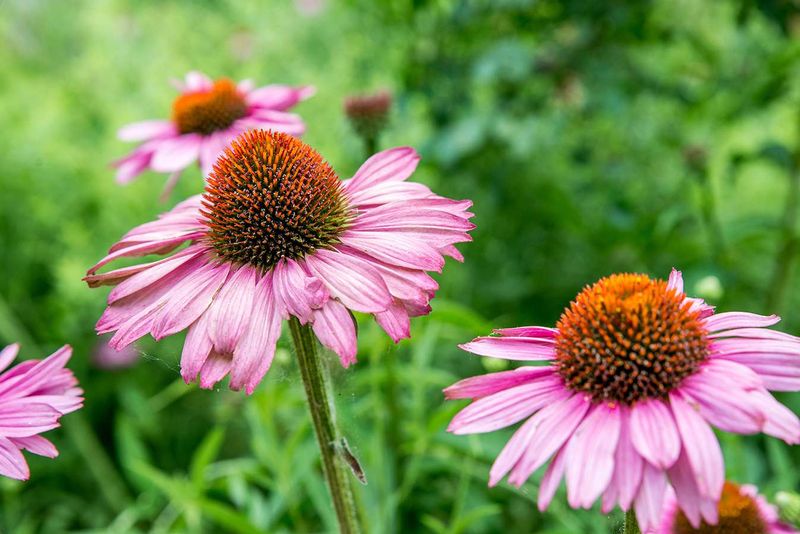
Purple Coneflower, known for its daisy-like appearance and vibrant purple petals, is a garden staple. Its ability to attract pollinators makes it a favorite among gardeners. With a sturdy stem, it withstands varying weather conditions, adding a touch of resilience to any garden.
Historically, Native Americans utilized this flower for its medicinal properties, and today, it remains popular in herbal remedies. Its adaptability allows it to thrive in different soil types, making it an easy choice for landscapes.
The coneflower’s striking appearance and robust nature make it a perennial favorite, creating stunning visual interest.
2. Black-eyed Susan (Rudbeckia)
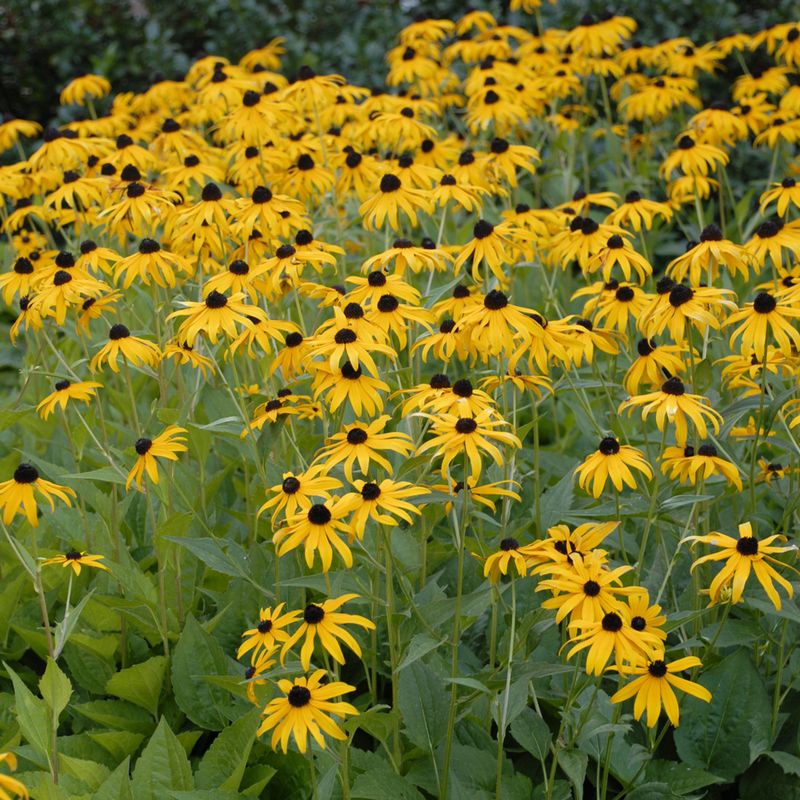
Black-eyed Susan dazzles with its bright yellow petals and contrasting dark center. Often seen swaying in fields, it brings a cheerful vibe to gardens. Reliable and hardy, this flower can withstand droughts, making it an enduring choice.
Its name, inspired by the dark center resembling an eye, adds an element of whimsy. Historically, it symbolizes encouragement and justice, lending meaning to its beauty.
The flower’s ability to bloom profusely in various conditions makes it a landscaper’s trusted ally. Its joyous colors and tenacity make it a garden favorite.
3. Peony (Paeonia)
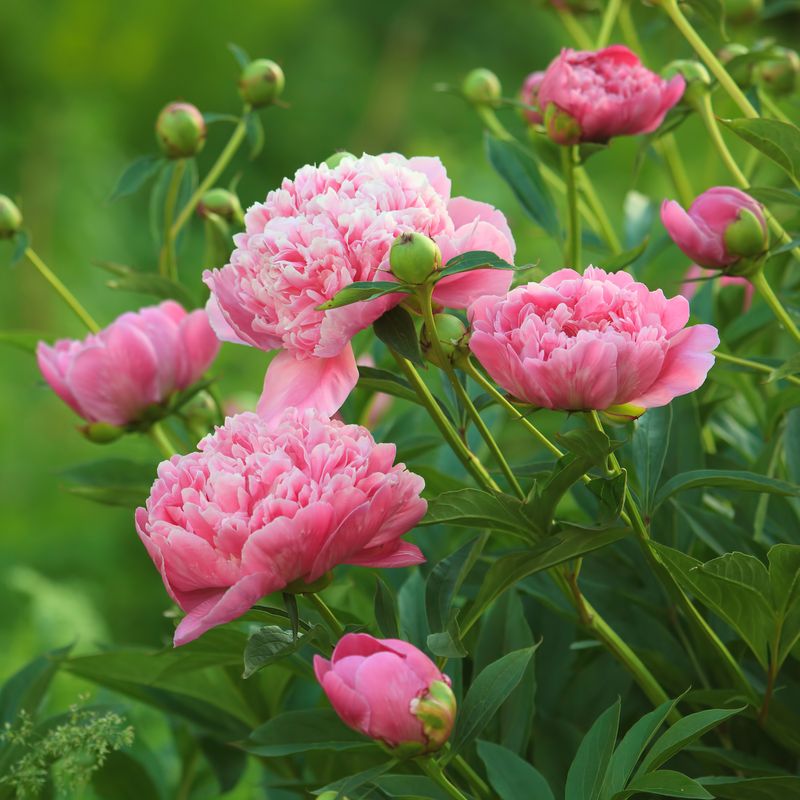
The peony’s lush, ruffled blooms are a sight to behold. With soft pink petals that evoke a sense of romance, it’s a beloved choice for many gardeners. The peony has a rich history, often associated with prosperity and good fortune.
This flower requires a period of cold to thrive, aligning with its resilient nature. It’s known to live for decades, adding to its allure.
Each spring, peonies burst forth with an abundance of blooms, transforming gardens into a wonderland. Their timeless elegance ensures they remain a perennial favorite.
4. Daylily (Hemerocallis)
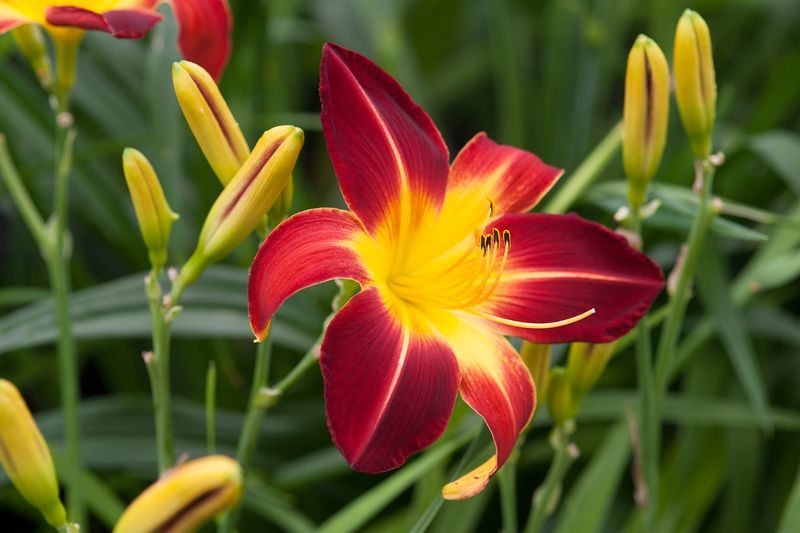
Daylilies are the chameleons of the garden, offering a variety of colors and forms. With their vibrant blooms, they brighten up any space effortlessly. Each flower lasts only a day, but the plant continuously produces new blossoms.
Their low maintenance needs make them ideal for busy gardeners. Daylilies adapt well to different environments, thriving in both sun and partial shade.
This flower’s ability to regenerate quickly and its rainbow of colors ensure it a place in any garden. Daylilies are celebrated for their simplicity and grace.
5. Lavender (Lavandula)
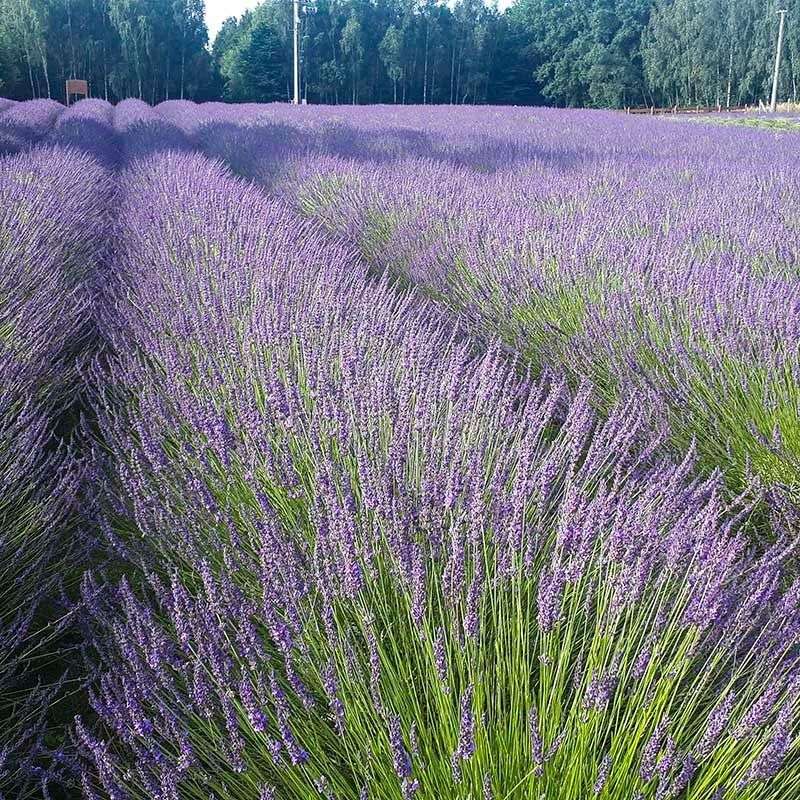
Lavender is more than just a flower; it’s an experience. Its soothing scent and delicate purple blooms make it a cherished garden addition. Known for its calming properties, lavender has been used in aromatherapy for centuries.
It thrives in sunny, well-drained areas, making it perfect for borders and rock gardens. The plant’s resilience and low maintenance appeal to many.
Beyond beauty, lavender attracts pollinators, enhancing garden biodiversity. Its multifaceted nature ensures it remains a perennial favorite, both for its aesthetics and functionality.
6. Butterfly Bush (Buddleia)
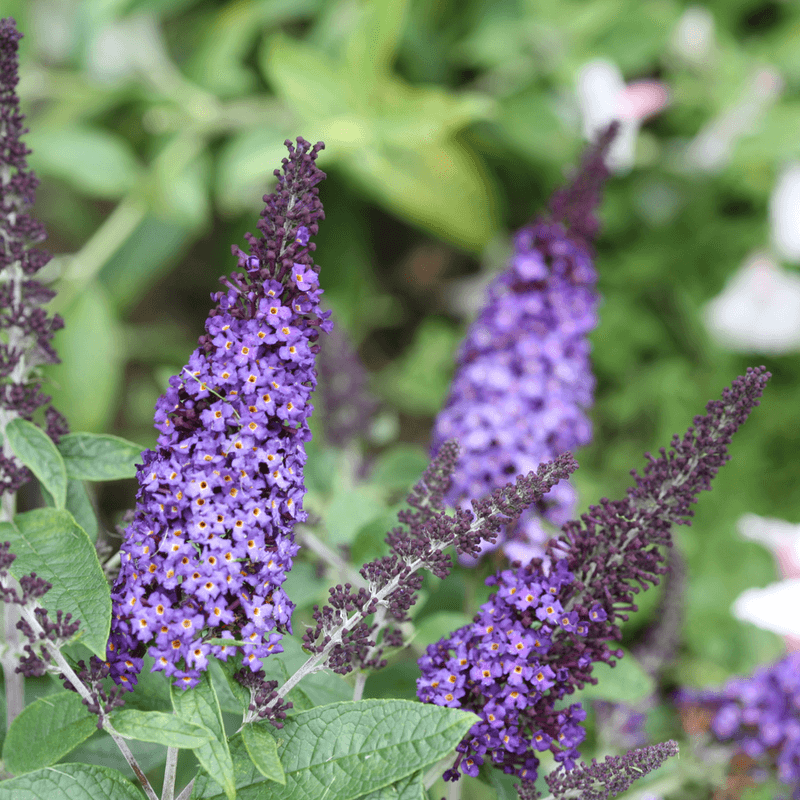
Known for its captivating ability to attract butterflies, the Butterfly Bush brings a touch of enchantment to any garden. Its fragrant clusters of small, tubular flowers range in color from deep purple to pure white. This plant thrives in sunny spots and well-drained soil.
With its fast-growing nature, it quickly becomes a centerpiece in garden landscapes. Despite its beauty, it’s essential to manage its growth, as it can become invasive if unchecked. Perfect for those looking to add a touch of wild beauty to their outdoor space.
7. Hosta (Hosta spp.)
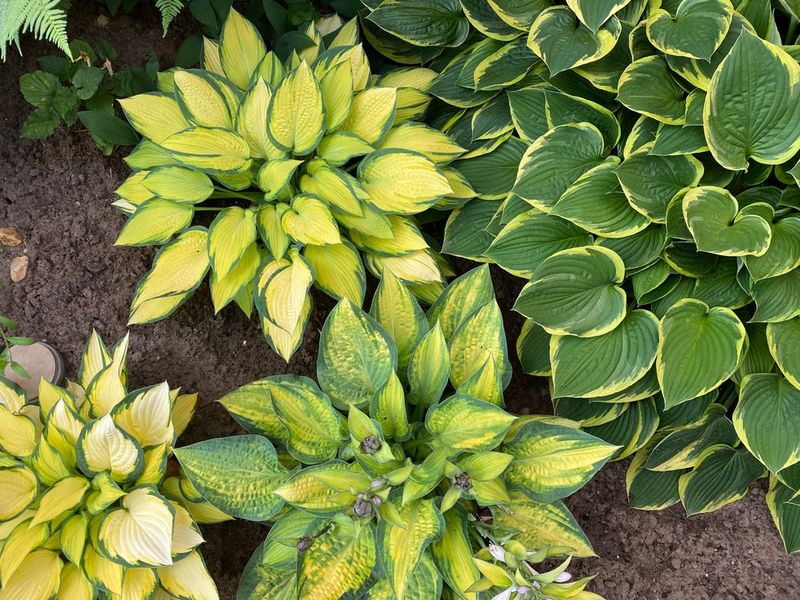
Hostas are beloved for their lush foliage and ability to thrive in shady areas. With leaves that in shades of green, blue, and variegated patterns, they add texture to garden beds.
Their lilac or white flowers offer an additional layer of interest, particularly when they sway gently in the breeze. Hostas require minimal care, making them ideal for busy gardeners. However, vigilance against slugs and snails is necessary to maintain their pristine appearance. This plant is a staple for shaded gardens seeking elegance and tranquility.
8. Bleeding Heart (Dicentra spectabilis)
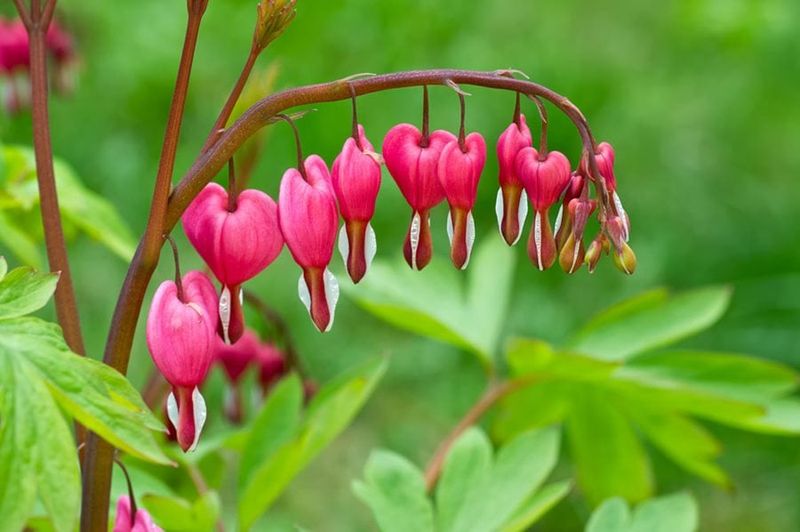
The Bleeding Heart, with its romantic heart-shaped blooms, adds a whimsical charm to shaded gardens. Its arching stems adorned with pink and white flowers create an elegant, cascading effect.
This perennial flourishes in cool, moist conditions, making it perfect for woodland or shaded gardens. The plant’s delicate appearance belies its hardy nature. While it may go dormant in the heat, it reliably returns each spring, enchanting gardeners with its timeless beauty.
9. Coral Bells (Heuchera)
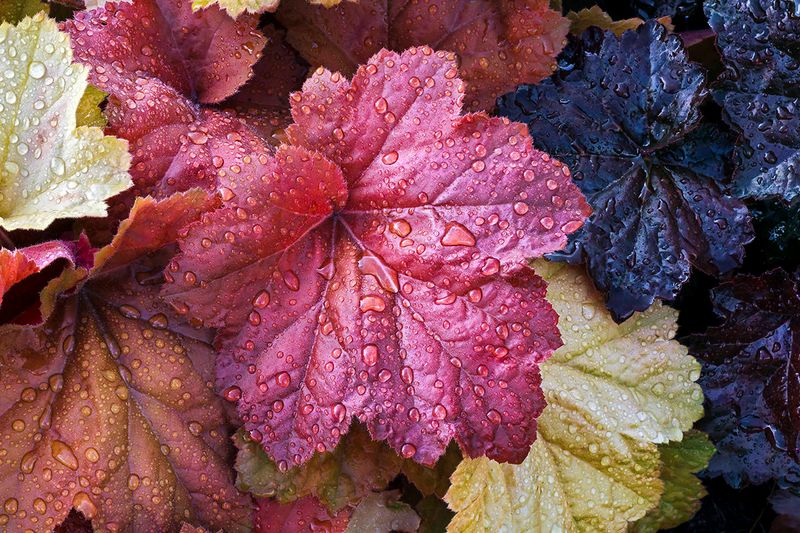
Coral Bells are renowned for their colorful foliage and delicate blooms. The leaves come in a variety of colors, including deep purples, vibrant greens, and fiery reds, offering visual interest throughout the year.
Their tiny bell-shaped flowers attract hummingbirds, adding life to the garden. Easy to care for, these perennials thrive in partial shade and well-drained soil. Ideal for borders or as ground cover, Coral Bells are a versatile choice for gardeners seeking to add texture and color to their landscape.
10. Lungwort (Pulmonaria)
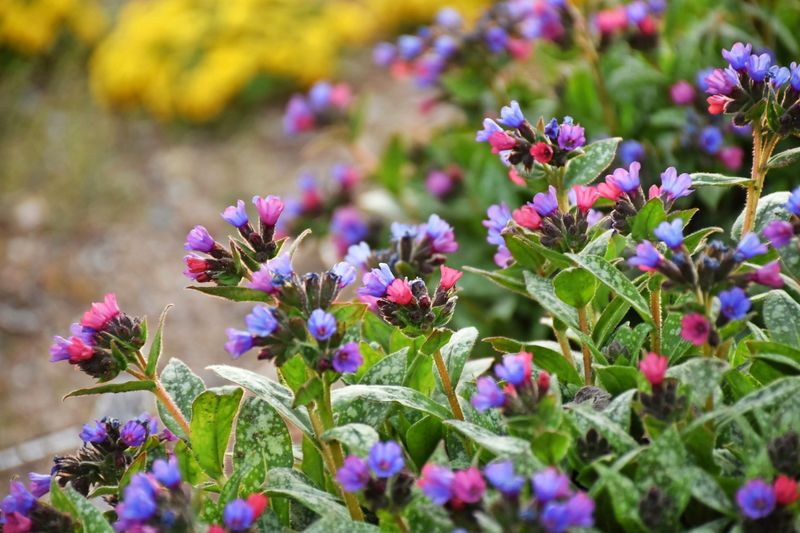
Lungwort is a delightful addition to any shaded garden, known for its speckled leaves and clusters of pink and blue flowers. These plants thrive in cool, moist areas, making them ideal for woodland gardens.
Their unique foliage patterns add interest even after the flowers have faded. Lungwort is low-maintenance and resistant to deer and rabbits, making it a hardy choice for gardeners. As spring heralds its bloom, Lungwort provides early nectar for pollinators, contributing to a vibrant ecosystem.
11. Foxglove (Digitalis purpurea)
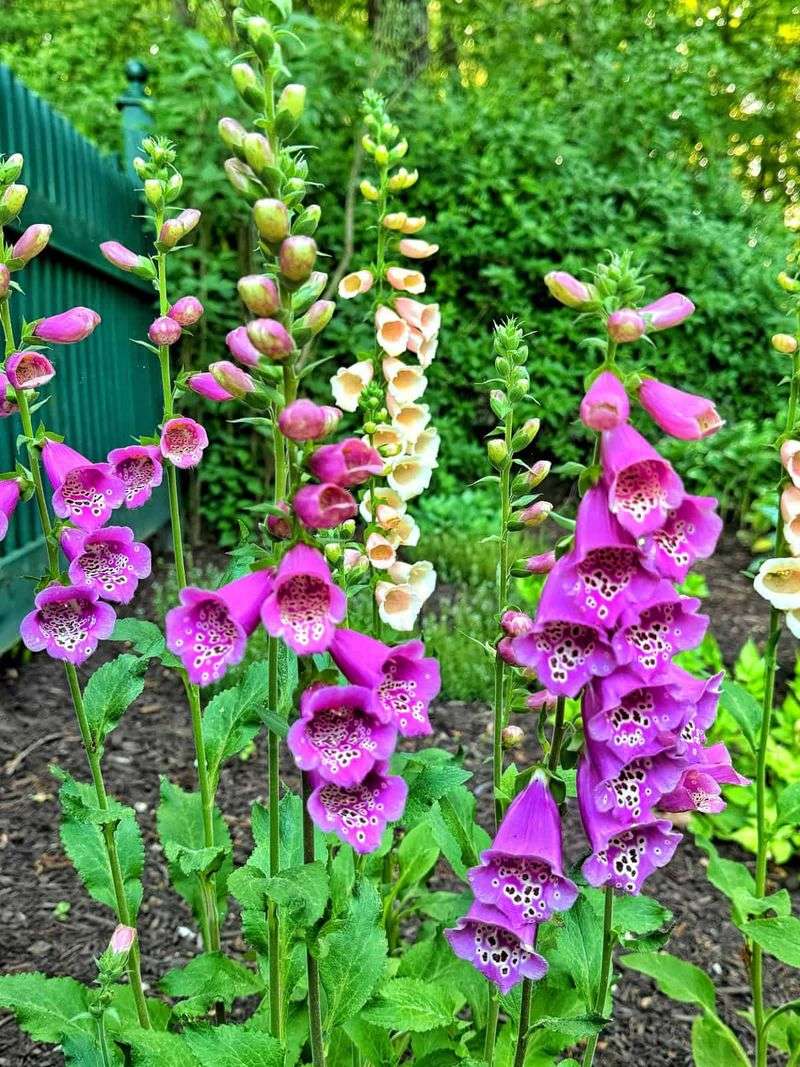
Foxglove stands tall with its majestic spires of tubular flowers, attracting bees and hummingbirds. In shades of pink, purple, and white, they create a vertical spectacle.
These biennials thrive in full to partial sun and prefer well-drained soil. While beautiful, all parts of the plant are toxic if ingested, so care should be taken when planting. Foxglove’s striking appearance makes it a favorite for cottage gardens and wildflower meadows.
12. Shasta Daisy (Leucanthemum × superbum)
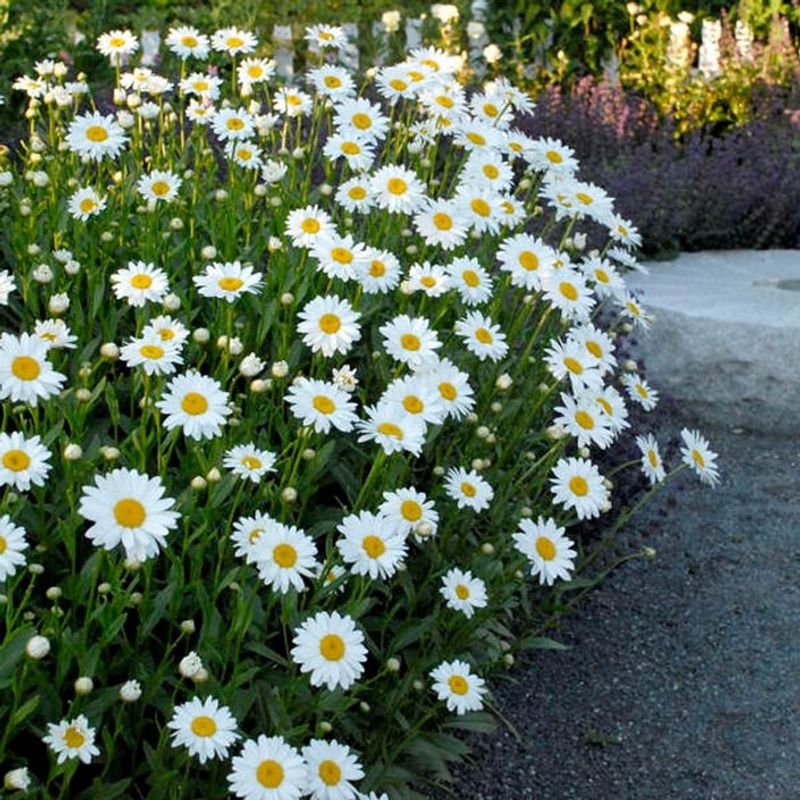
Shasta Daisies, with their classic white petals and yellow centers, bring a cheerful brightness to gardens. These robust perennials thrive in full sun and well-drained soil, offering a long blooming season.
Their sturdy stems make them excellent for cutting gardens, providing fresh blooms for indoor arrangements. Easy to grow and maintain, Shasta Daisies are perfect for beginners or those wishing to add a timeless floral accent to their garden.
13. Lupine (Lupinus)
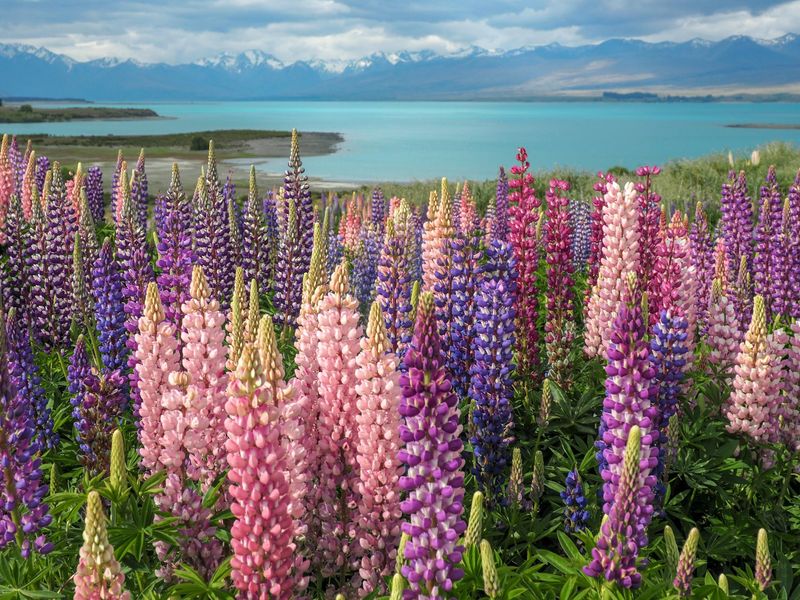
Lupines are known for their tall, colorful flower spikes that add vertical interest to gardens. Available in a range of colors, they create a dynamic display when planted en masse.
These perennials prefer full sun and well-drained soil. In addition to their beauty, lupines enrich the soil with nitrogen, benefiting surrounding plants. As a symbol of imagination, they inspire creativity in gardeners and are a top choice for naturalistic and cottage garden designs.
14. Astilbe (Astilbe spp.)
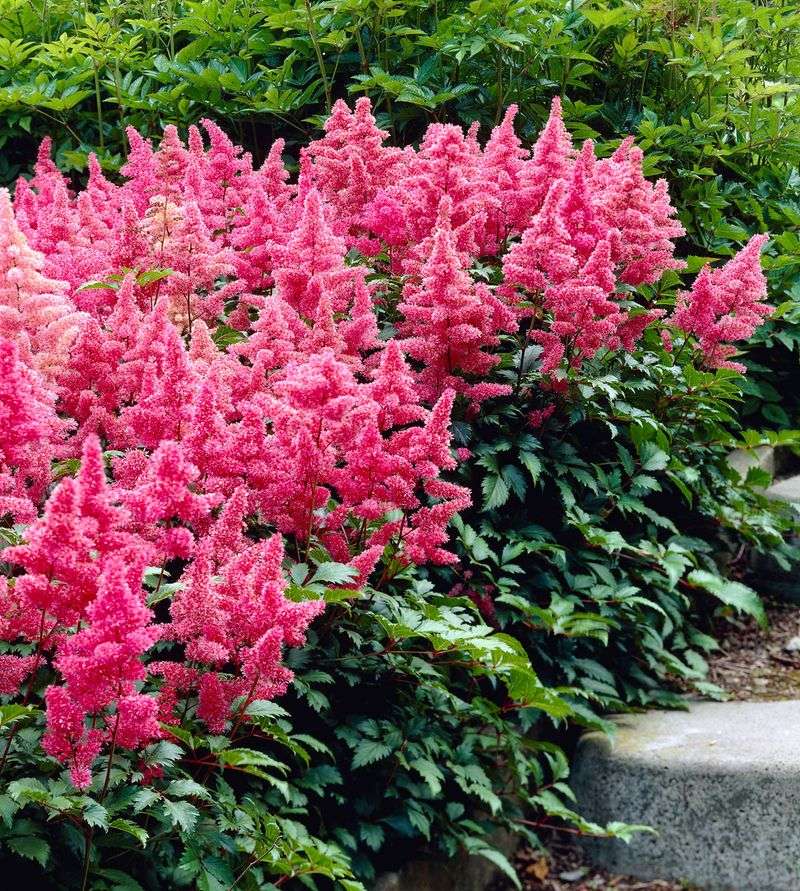
Astilbe brings a touch of elegance with its feathery plumes of flowers in shades of pink, white, and red. These perennials thrive in shady, moist environments, making them ideal for woodland gardens.
Their fern-like foliage retains its beauty long after the blooms have faded, providing texture and interest. Easy to care for, astilbes are resistant to deer and other pests, ensuring their longevity in the garden. They are perfect for adding softness and movement to garden borders.
15. Yarrow (Achillea millefolium)
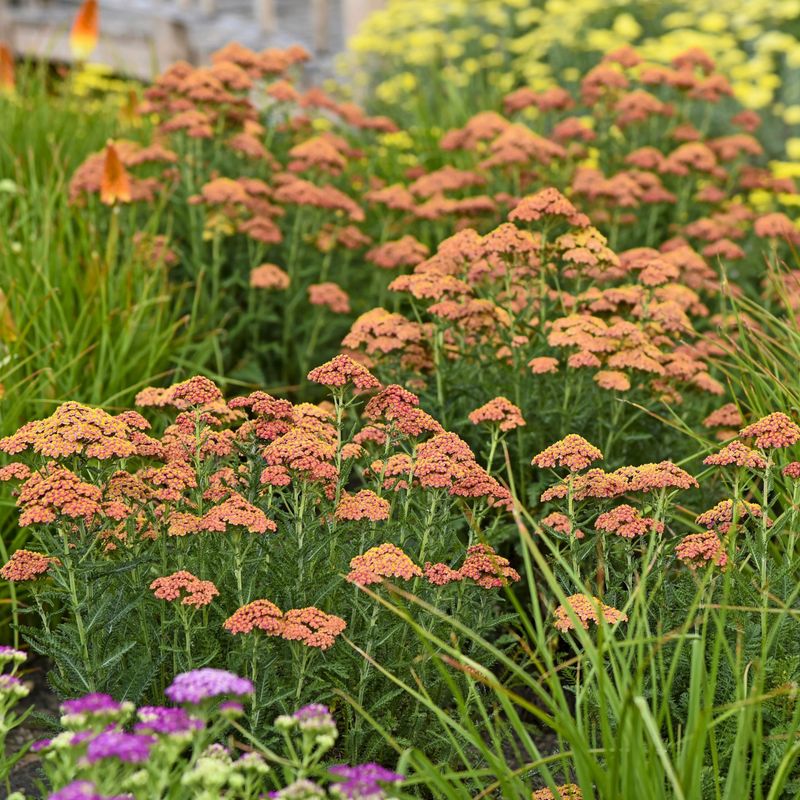
Yarrow is a hardy perennial that thrives in sunny, well-drained areas. Its flat-topped clusters of flowers come in various colors, including yellow, pink, and white.
Known for its medicinal properties, yarrow has been used historically to heal wounds. In the garden, it attracts butterflies and other pollinators, contributing to a healthy ecosystem. With its drought resistance and low maintenance needs, yarrow is an excellent choice for xeriscaping.
16. Russian Sage (Perovskia atriplicifolia)
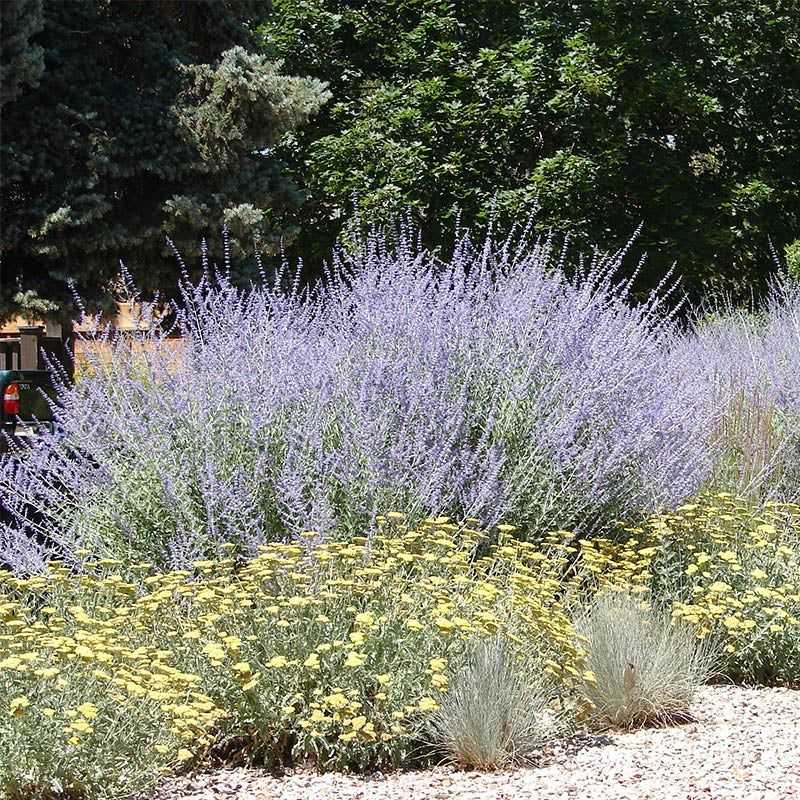
Russian Sage is celebrated for its aromatic leaves and lavender-blue flowers that create a haze of color in the garden. This drought-tolerant perennial thrives in sunny locations and well-drained soil.
Its tall, airy appearance makes it a captivating backdrop for other plants. Russian Sage’s resilience and striking beauty make it a favorite for gardeners looking to add a touch of drama to their landscapes without extensive maintenance.
17. Hellebore (Helleborus)
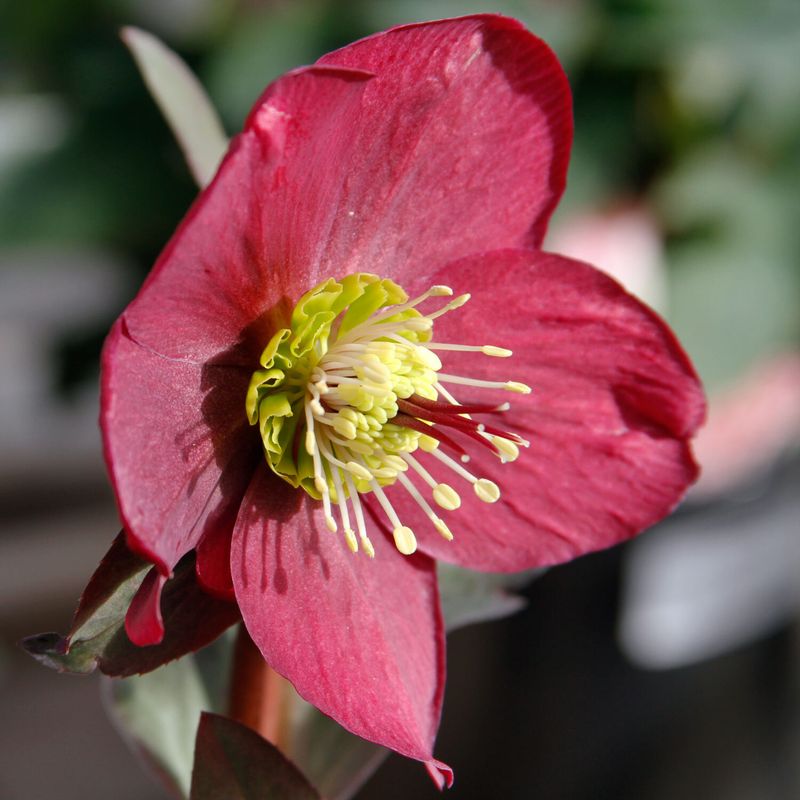
Hellebores, often called the “Christmas Rose,” bloom in late winter to early spring, offering color when little else does. Their nodding flowers come in various hues, from white to deep purple.
These perennials thrive in shaded areas with rich, well-drained soil. Hellebores are long-lived and require minimal care, making them a reliable choice for perennial gardens. Their early blooms provide an essential nectar source for pollinators emerging from winter dormancy.
18. Sedum (Sedum spp.)
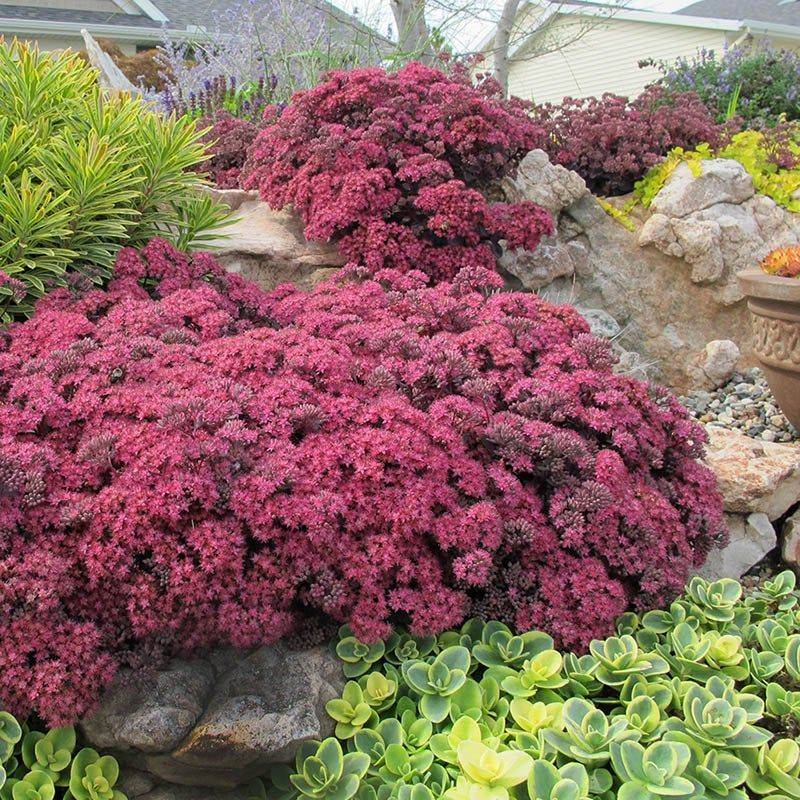
Sedum, with its succulent leaves and star-shaped flowers, is a versatile choice for gardens. Available in a range of heights, they are perfect for rock gardens, borders, or as ground cover.
Thriving in sunny, dry conditions, sedums are drought-tolerant and low-maintenance. Their flowers attract pollinators, adding life to the garden. Sedum’s ability to store water in its leaves makes it an excellent choice for xeriscaping, providing both beauty and functionality.
19. Bearded Iris (Iris germanica)
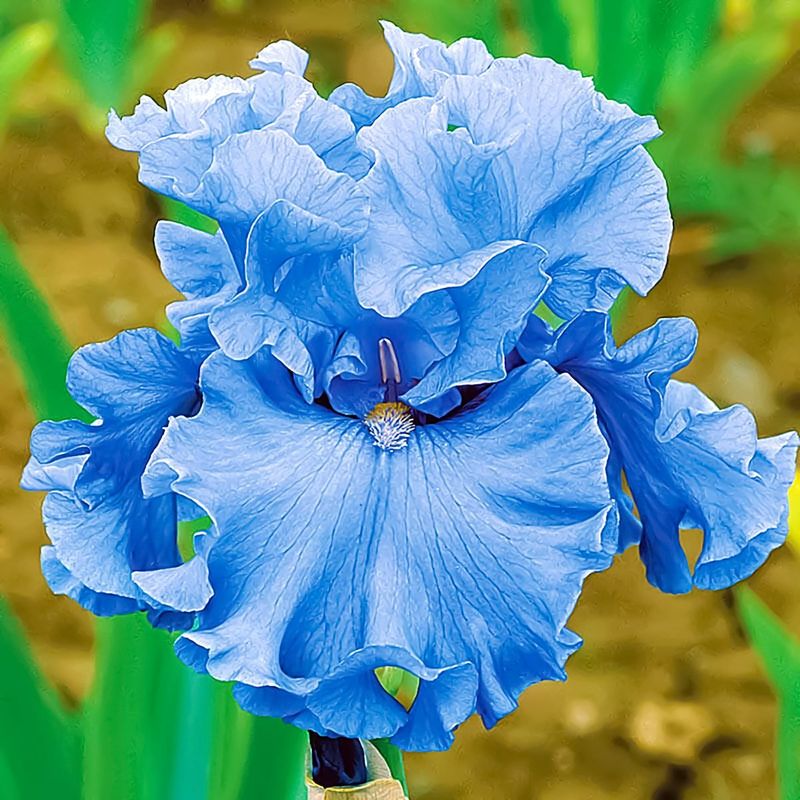
The Bearded Iris is known for its intricate, ruffled petals and vibrant colors. Its regal blooms make a striking statement in any garden.
These perennials prefer sunny locations and well-drained soil, where they can showcase their beauty in late spring. Easy to care for, they multiply quickly, providing more blooms each year. Bearded Irises are a classic choice for gardeners seeking to add elegance and drama to their flower beds.
20. Columbine (Aquilegia)
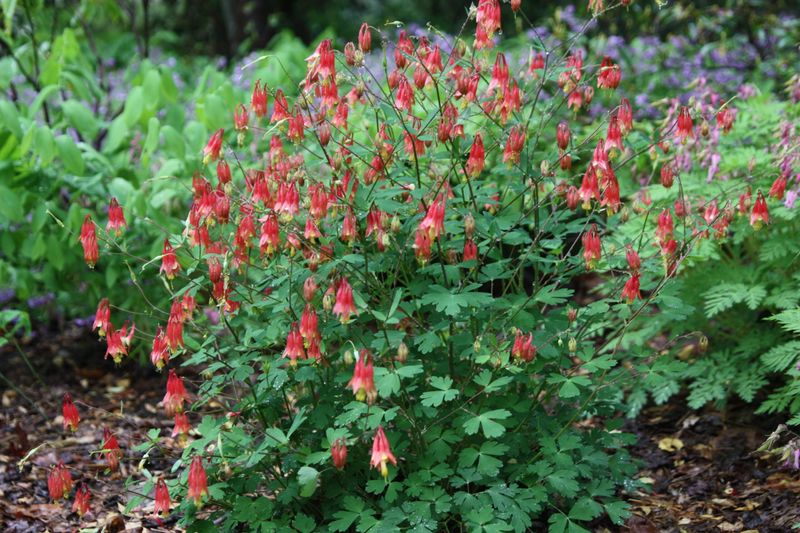
Columbines are admired for their unique, spurred flowers and delicate foliage. Available in a wide range of colors, they are a delight in any garden setting.
These perennials thrive in full sun to partial shade and well-drained soil. Their graceful blooms attract hummingbirds and butterflies, enhancing the garden’s ecosystem. Columbines are known for their resilience, making them a perfect choice for gardeners seeking beauty with minimal effort.
21. Coreopsis (Coreopsis spp.)
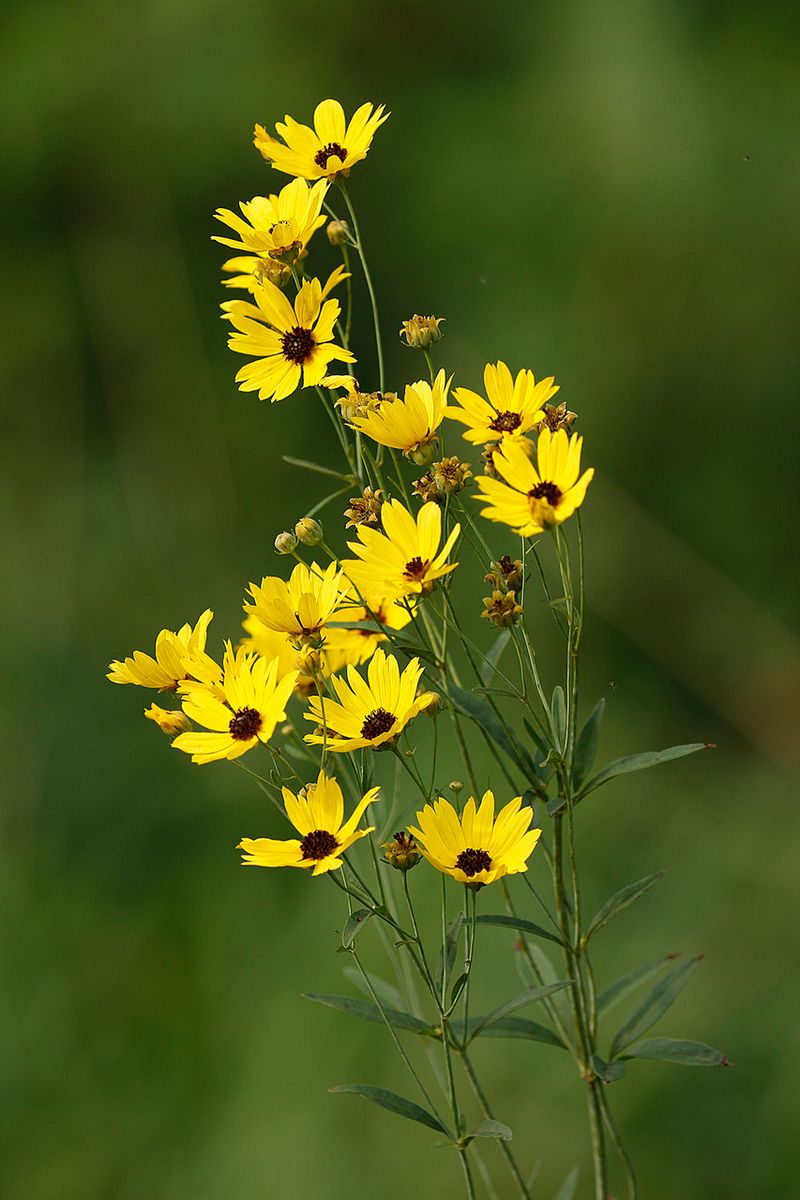
Coreopsis, also known as tickseed, offers bright, cheerful blooms in shades of yellow, orange, and red. These perennials are sun-loving and drought-tolerant, making them ideal for low-maintenance gardens.
Their long blooming season provides continuous color, and they attract pollinators, contributing to a vibrant garden ecosystem. Coreopsis is perfect for borders, rock gardens, or wildflower mixes, embodying the spirit of summer with their sunny disposition.
22. Coneflower (Echinacea purpurea)
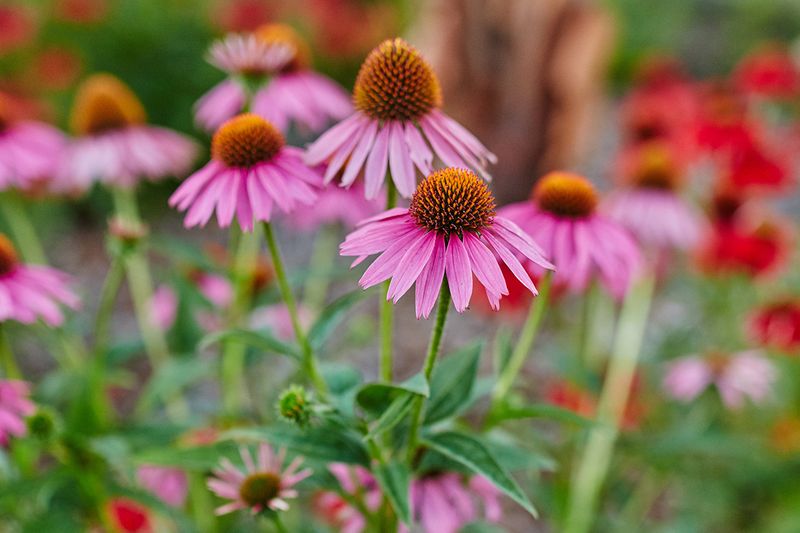
Coneflowers are prized for their daisy-like appearance and resilience. Their pink-purple petals and prominent central cone add a distinctive touch to any garden.
These perennials thrive in full sun and well-drained soil, attracting butterflies and other pollinators. Known for their medicinal properties, particularly in herbal teas, coneflowers are both beautiful and beneficial. Their ease of care makes them a favorite among gardeners seeking robust, long-lasting blooms.
23. Phlox (Phlox paniculata)
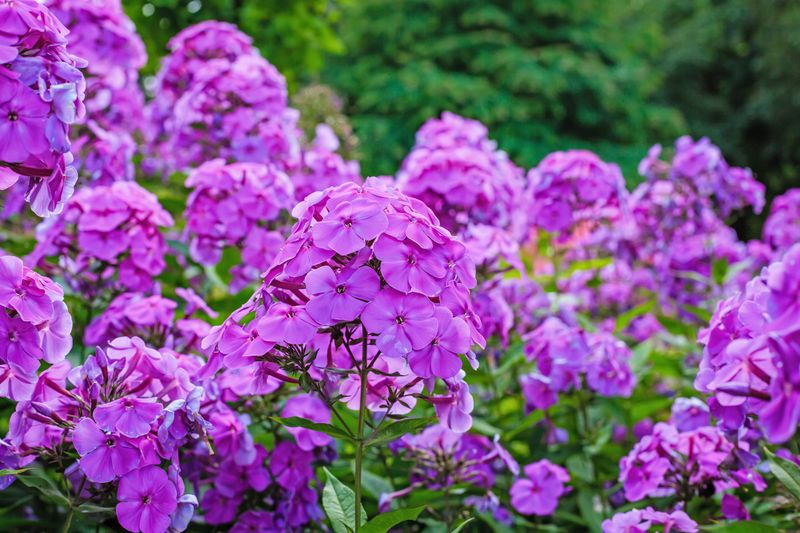
Phlox is cherished for its abundant clusters of fragrant flowers that bloom in midsummer. Available in a variety of colors, these perennials add a splash of color to any garden setting.
Thriving in full sun and well-drained soil, phlox attracts butterflies and hummingbirds. Its long blooming period ensures months of enjoyment, while its sweet fragrance enhances outdoor spaces. An excellent choice for those looking to add height and color to their garden borders.
24. Anemone (Anemone hupehensis)
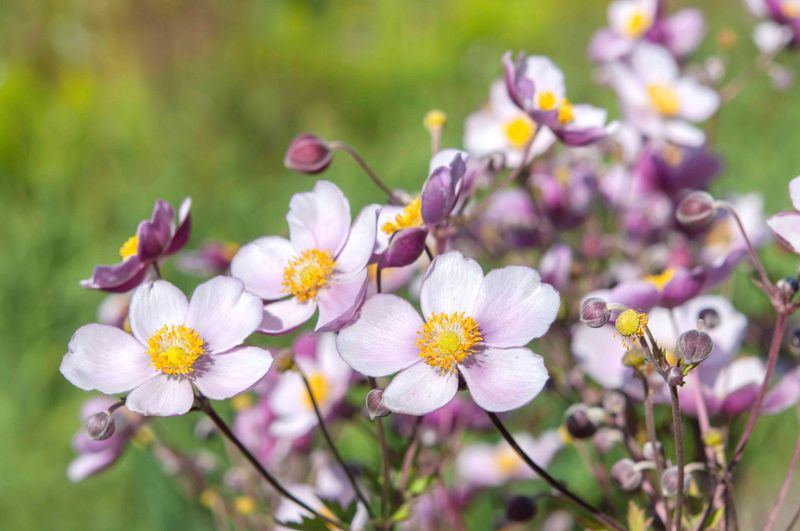
Anemones are a delightful addition to gardens, known for their graceful blooms that appear in late summer to fall. The flowers, with their simple beauty, come in shades of pink, white, and purple.
These perennials prefer partial shade and well-drained soil, thriving in woodland settings. Anemones bring a touch of elegance and movement to the garden, capturing the essence of seasonal change as they sway in the autumn breeze.
25. Aster (Aster spp.)
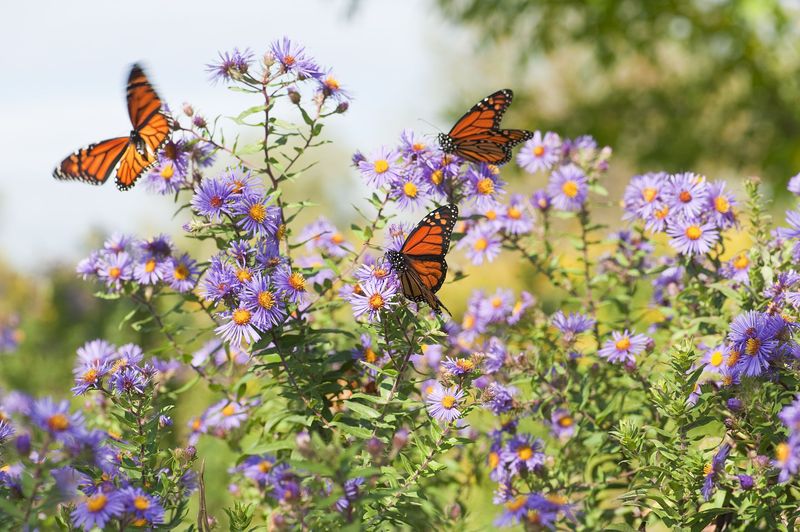
Asters are known for their star-like flowers that bloom in late summer and fall, offering much-needed color as the garden begins to quiet.
With a range of colors from purple to pink and white, asters thrive in sunny locations with well-drained soil. These perennials attract butterflies, adding life to the late-season garden. Asters are ideal for borders and naturalistic plantings, providing a seamless transition between summer and fall.
26. Hibiscus (Hibiscus moscheutos)
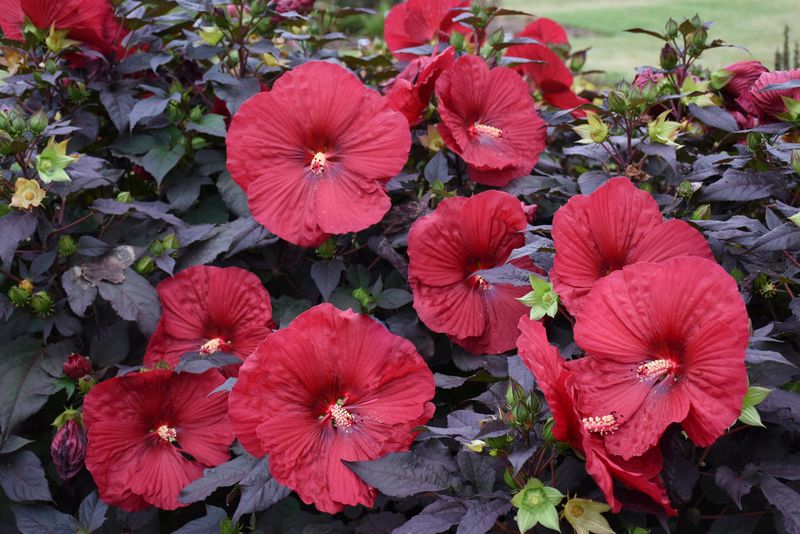
Hibiscus plants are famous for their large, showy flowers that evoke a tropical feel in any garden. With blooms in hues of red, pink, and white, they become the focal point of any landscape.
These perennials thrive in sunny, warm climates and require well-drained soil. While they may need more care than some perennials, the payoff is a stunning display of blooms that attract hummingbirds and butterflies. Hibiscus is perfect for adding a touch of the exotic to temperate gardens.
27. Gaillardia (Gaillardia x grandiflora)
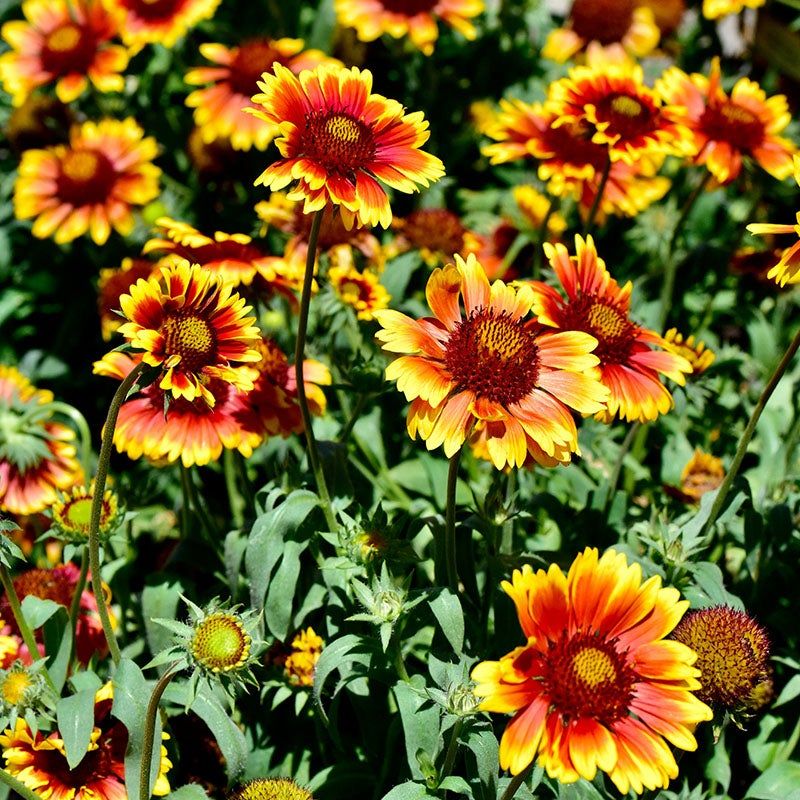
Gaillardia, commonly known as Blanket Flower, offers bold, sunset-hued blooms that brighten any garden. These perennials are drought-tolerant and thrive in full sun, making them ideal for challenging environments.
Their long blooming season and ability to attract pollinators make them a valuable addition to any garden. Gaillardia’s fiery colors and resilience embody the spirit of the Southwest, providing a lively splash of color in dry landscapes.
28. Delphinium (Delphinium spp.)
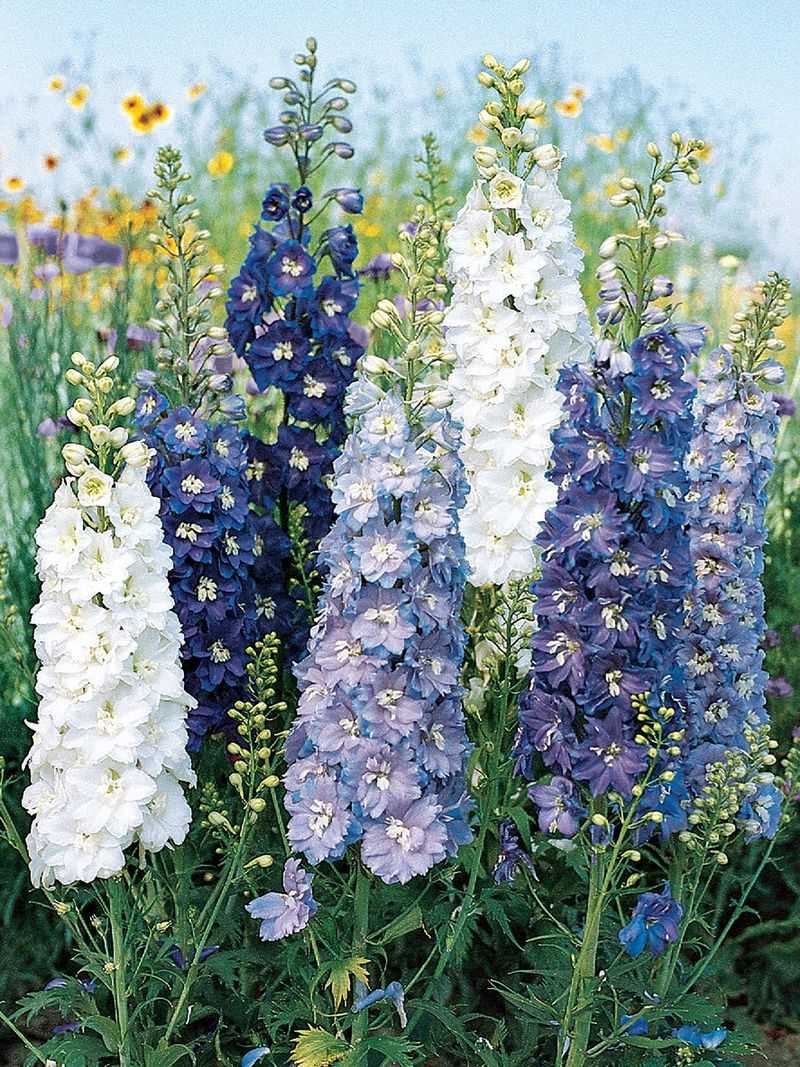
Delphiniums are admired for their towering spires of flowers in stunning shades of blue, purple, and pink. These perennials bring a touch of grandeur to any garden setting.
They prefer full sun and rich, well-drained soil. While requiring some care, including staking to support their height, the visual payoff is tremendous. Delphiniums are favored for traditional and cottage gardens, where they add vertical interest and a burst of color.
29. Penstemon (Penstemon spp.)
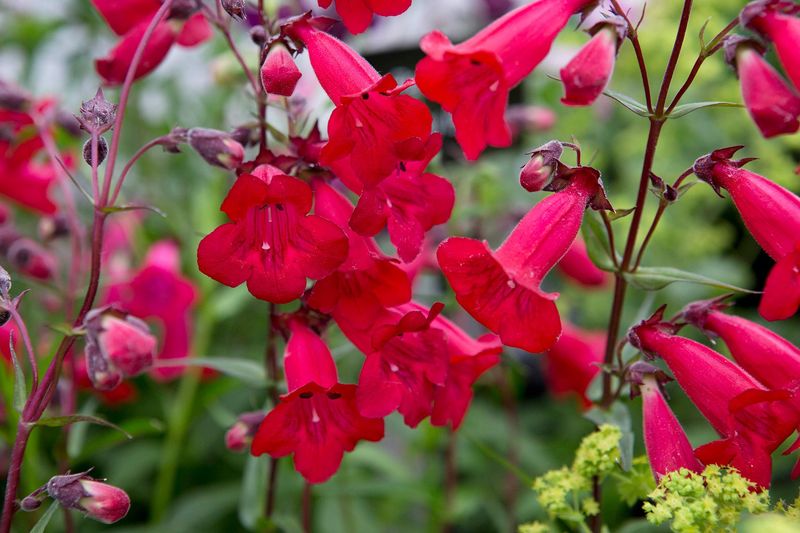
Penstemons are celebrated for their tubular flowers and ability to thrive in challenging conditions. With blooms in varying shades of red, purple, and pink, they are a vibrant addition to any garden.
These perennials prefer sunny locations and well-drained soil, making them ideal for rock gardens and dry landscapes. Penstemons attract hummingbirds and other pollinators, enhancing the garden’s biodiversity. Their resilience and beauty make them a valuable choice for diverse garden settings.
30. Salvia (Salvia nemorosa)
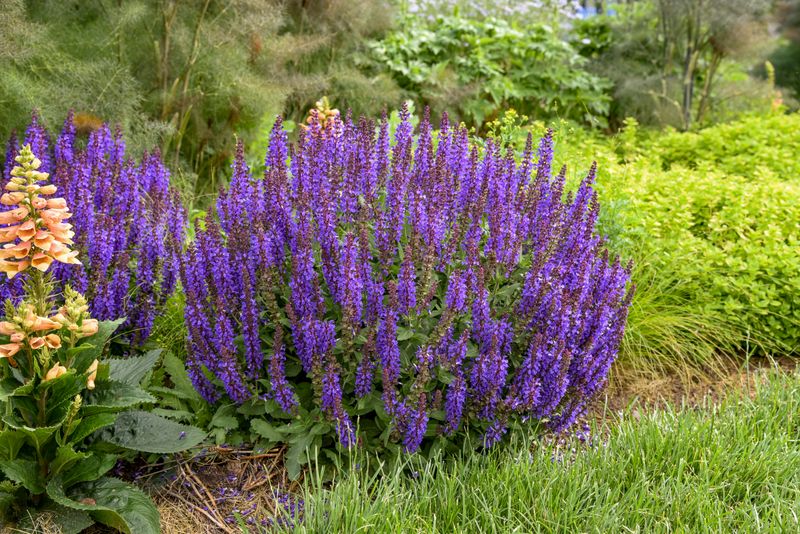
Salvia, or sage, is known for its tall spikes of flowers and aromatic foliage. These drought-tolerant perennials thrive in sunny locations, offering vibrant blooms in shades of purple, pink, and white.
Salvias attract bees, butterflies, and hummingbirds, contributing to a lively garden ecosystem. Their long blooming period and easy care make them a favorite for gardeners seeking to add color and fragrance without extensive maintenance. Perfect for borders or mass plantings, Salvia enhances any garden setting.
31. Hollyhock (Alcea rosea)
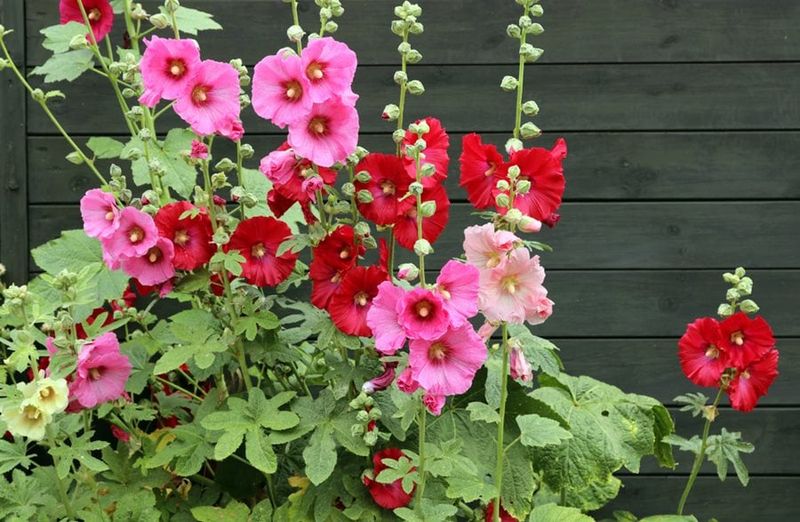
Hollyhocks are classic cottage garden plants, known for their tall stalks covered in vibrant blooms. With flowers in shades of pink, red, and yellow, they create a vertical spectacle.
These biennials thrive in sunny locations and rich, well-drained soil. Their towering presence makes them ideal for garden backdrops or along fences. Hollyhocks are easy to grow from seed, offering a timeless floral display reminiscent of traditional English gardens.