 Complete Gardening
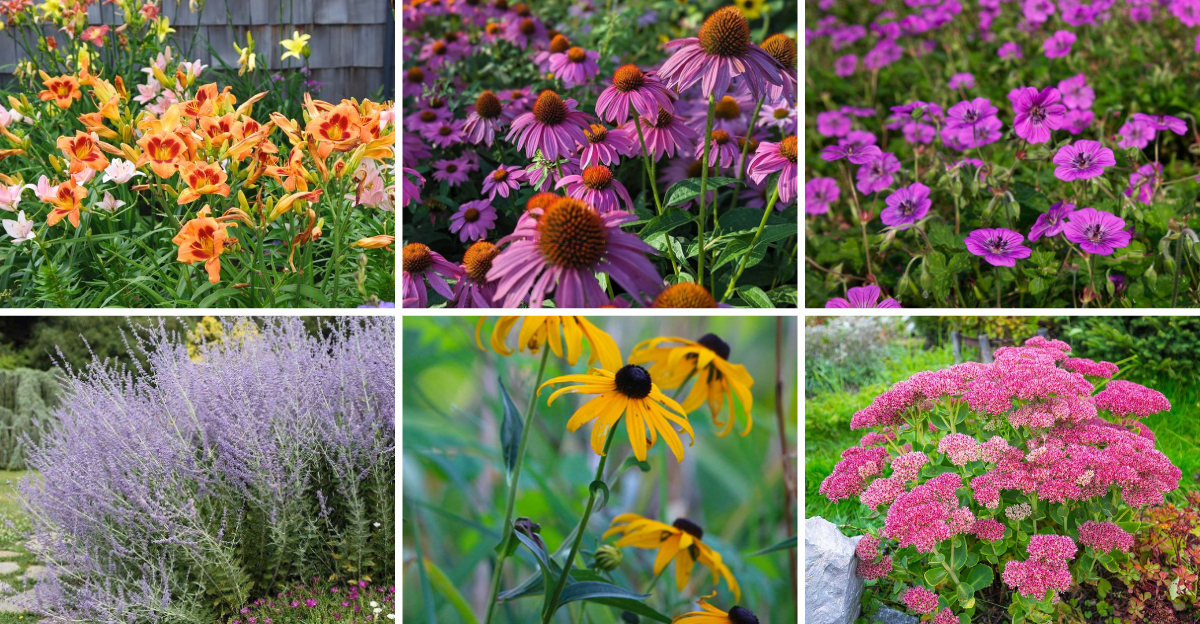
Imagine a garden that never stops showcasing its beauty, no matter the season. With the right selection of perennials, this dream can become a reality. These plants not only provide consistent color and vibrancy but also require minimal maintenance, making them the perfect choice for both novice and experienced gardeners. In this comprehensive guide, we’ll explore 31 stunning perennials that promise to keep your garden in perpetual bloom.
1. Daylily (Hemerocallis)
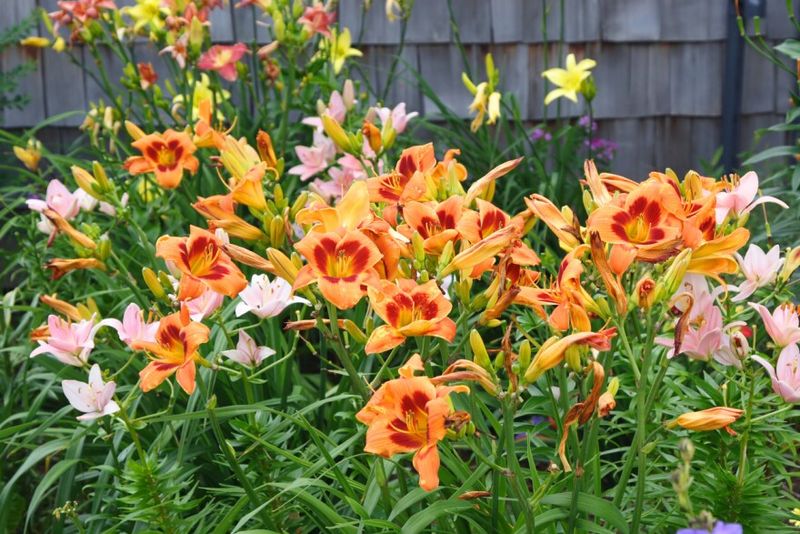
Daylilies are the ultimate showstoppers in any garden. Known for their resilience and ability to thrive in various climates, these perennials burst into bloom with stunning colors ranging from soft pastels to vibrant oranges. Their blooms open anew each day, ensuring your garden remains a visual feast throughout the summer months.
Each daylily plant can produce dozens of flowers, creating a continuous wave of color. Whether planted in large swathes or as standalone accents, they never fail to impress. With a history rooted in ancient Asian cultures, daylilies have been cherished for their beauty and versatility for centuries.
2. Coneflower (Echinacea)
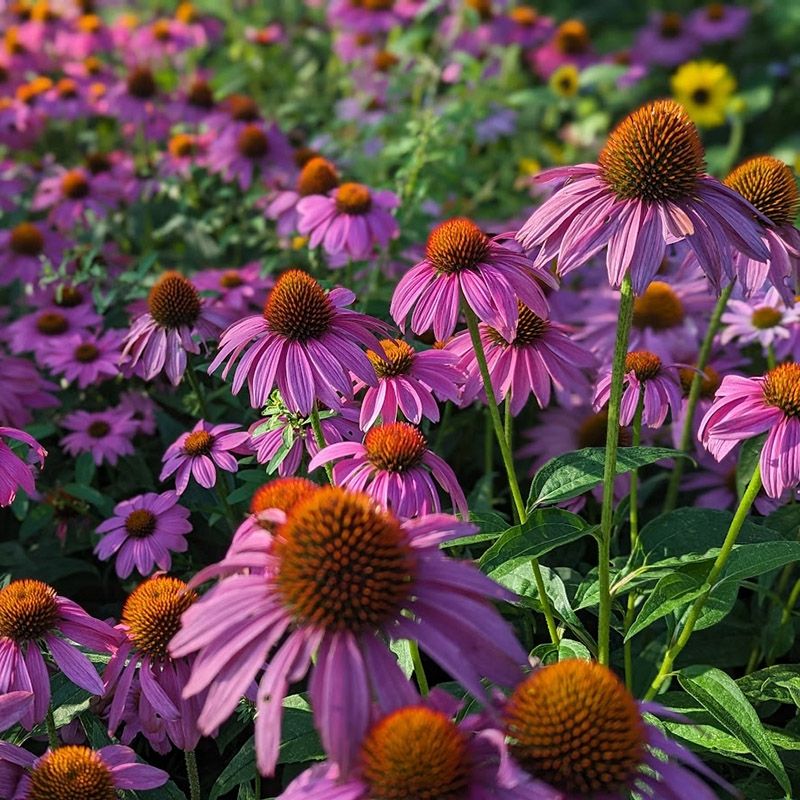
Echinacea, commonly known as coneflowers, are beloved by gardeners and pollinators alike. With their striking, spiky centers and drooping petals, they add a unique charm to any garden. These hardy perennials are not only beautiful but also incredibly easy to grow, thriving in poor soil conditions.
Coneflowers come in an array of colors, with purple being the most traditional. They are drought-tolerant and attract a host of beneficial insects, making them a favorite in eco-friendly gardens. Historically, Native Americans used Echinacea for its medicinal properties, adding to its allure.
3. Russian Sage (Perovskia atriplicifolia)
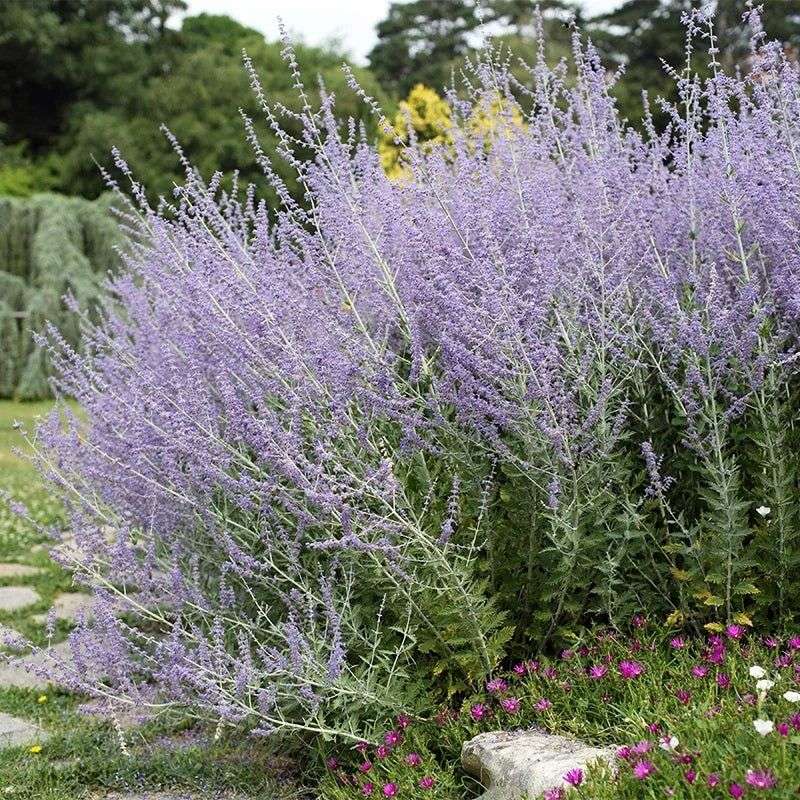
Russian sage is a perennial that brings both structure and color to the garden. With its silvery foliage and tall, wispy spikes of lavender-blue flowers, it creates a soft, ethereal effect. This plant is perfect for adding height and contrast to flower beds and borders.
Tolerant of drought and poor soil, Russian sage is a low-maintenance gem. It blooms from mid-summer to fall, ensuring a long-lasting display. Its aromatic leaves add another layer of interest, making it a delightful addition to sensory gardens.
4. Black-eyed Susan (Rudbeckia)
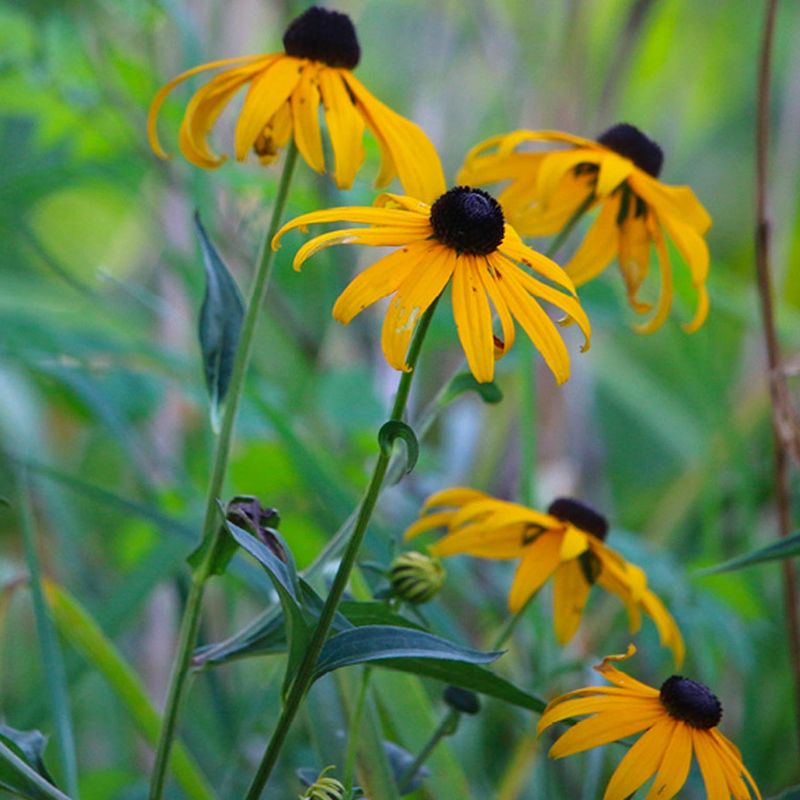
Black-eyed Susans are cheerful, sun-loving perennials that brighten any garden space. Their vibrant yellow petals and contrasting dark centers create a striking visual appeal. Blooming from midsummer to early fall, they provide a long-lasting splash of color.
These perennials are incredibly versatile and can be used in various garden settings, from wildflower meadows to formal borders. They attract butterflies and birds, enhancing the ecological value of your garden. Historically, black-eyed Susans have been used in traditional medicine for their healing properties.
5. Lavender (Lavandula)
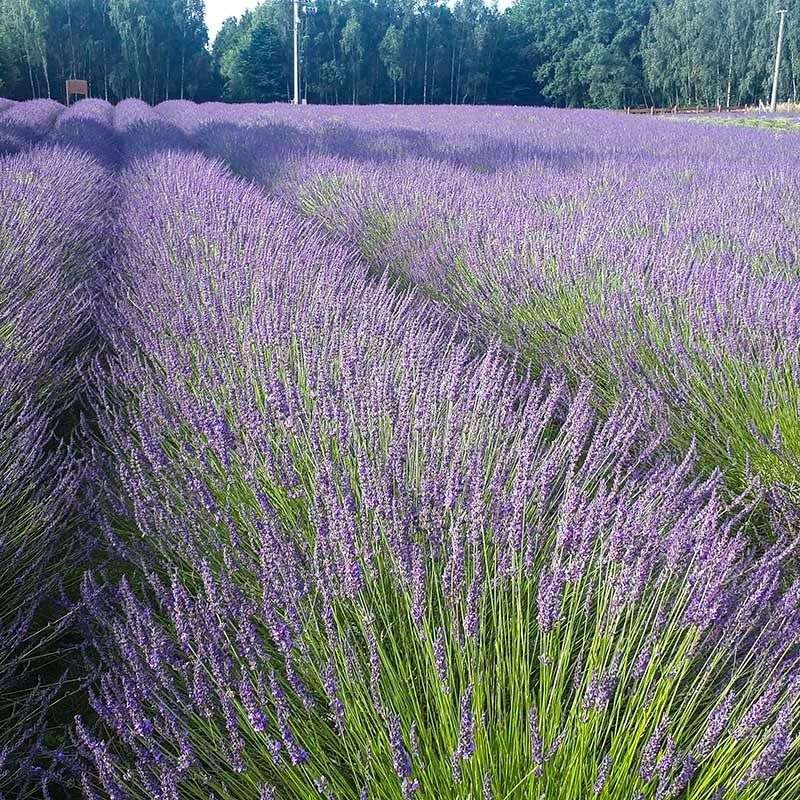
Lavender is a perennial that embodies tranquility and elegance. Its fragrant purple blooms and silvery foliage have made it a garden staple worldwide. Beyond its beauty, lavender is celebrated for its calming scent and numerous uses in aromatherapy and herbal remedies.
This plant is drought-resistant and thrives in sunny locations with well-drained soil. Once established, it requires minimal care, making it ideal for low-maintenance gardens. Lavender’s history as a beloved herb dates back to ancient times, where it was used in baths, medicine, and even as a sacred offering.
6. Salvia (Salvia nemorosa)
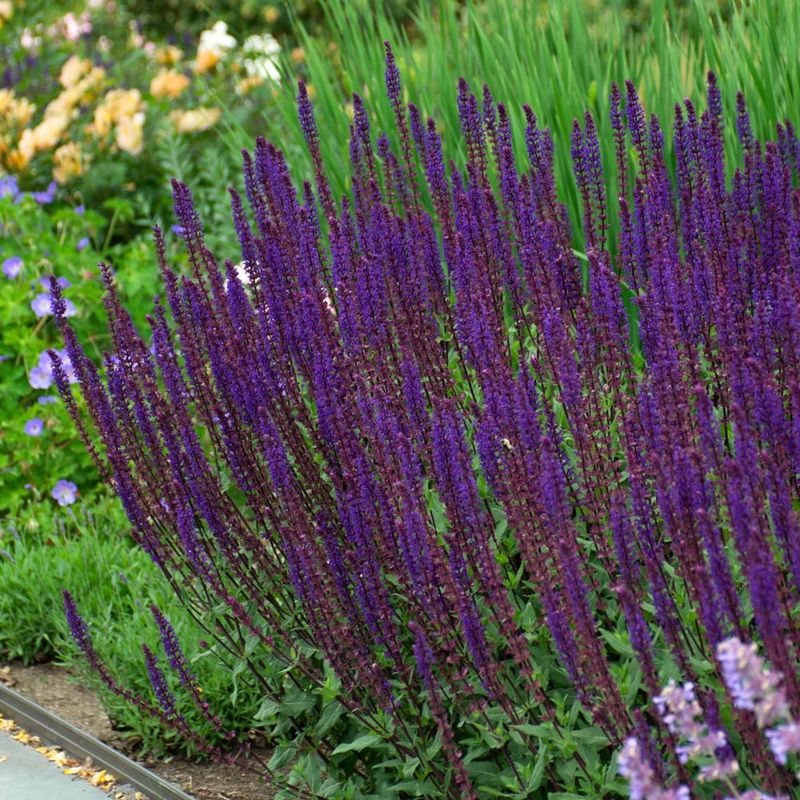
Salvia, with its vibrant spikes of blue or purple flowers, is a favorite among gardeners looking to attract wildlife. These perennials are not only beautiful but also resilient, tolerating heat and drought with ease. They are perfect for creating a lively and colorful garden setting.
Blooming from late spring to early fall, Salvia provides continuous interest throughout the growing season. Its flowers are beloved by bees, butterflies, and hummingbirds, adding dynamic movement to your garden. With over 900 species, Salvia offers a vast array of options for every garden.
7. Coreopsis (Coreopsis verticillata)
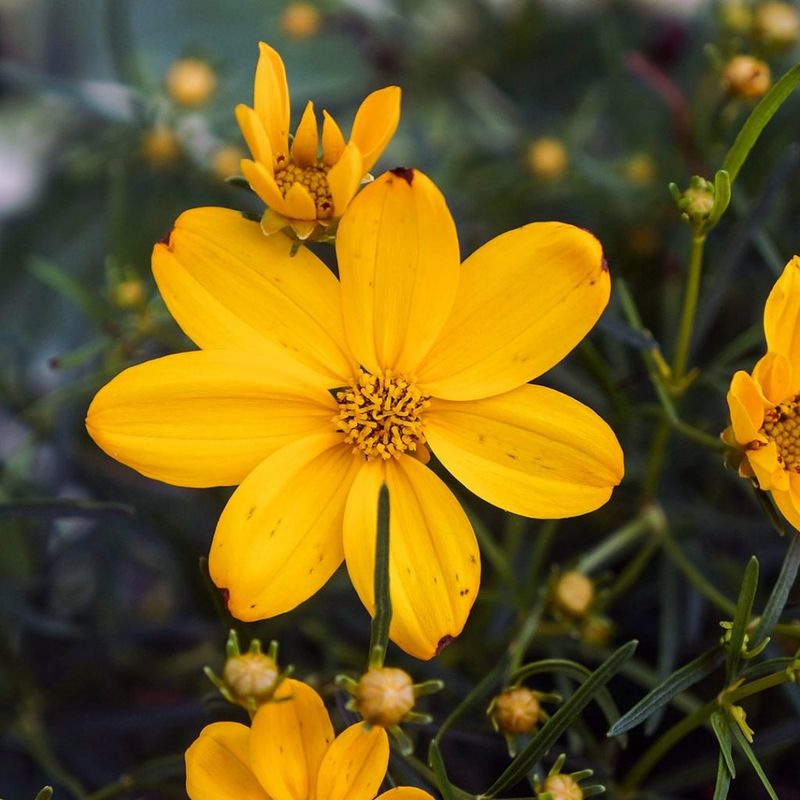
Coreopsis, also known as “tickseed,” is a cheerful addition to any garden. These perennials are prized for their sunny yellow flowers and long blooming period. Their delicate, feathery foliage adds texture and movement to the garden landscape.
Easy to grow and drought-tolerant, coreopsis flourishes in various soil types. It blooms from early summer to fall, providing a persistent display of color. Coreopsis flowers are also excellent for cutting, allowing gardeners to bring their beauty indoors.
8. Geranium (Cranesbill)
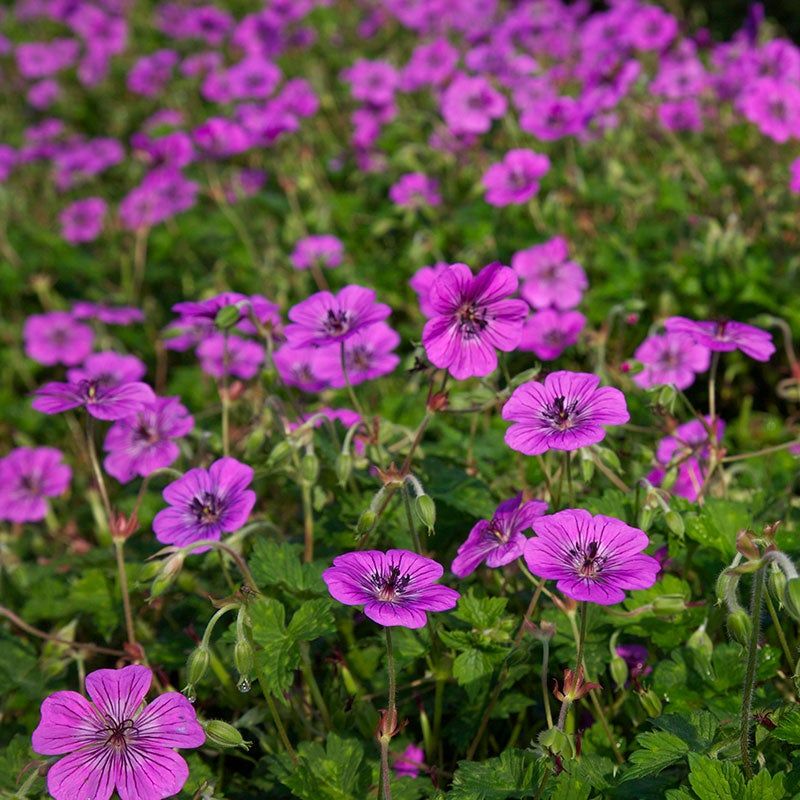
Geraniums, or cranesbills, are perennials that bring a burst of color to gardens. Their showy blooms come in shades of pink, purple, and white, complementing their lush green foliage. Geraniums are versatile and can thrive in various garden settings, from borders to containers.
These plants are known for their resilience and can tolerate a range of soil conditions. Geraniums bloom from late spring to early fall, ensuring a continuous display of color. Their ability to attract pollinators adds to their garden appeal, making them a beloved choice for many gardeners.
9. Sedum (Stonecrop)
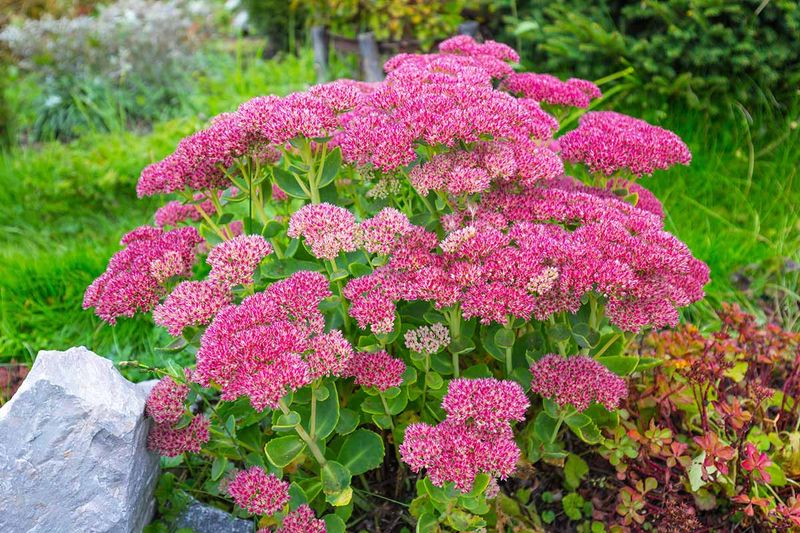
Sedum, commonly known as stonecrop, is a hardy perennial that thrives in tough conditions. With its succulent leaves and clusters of star-shaped flowers, sedum adds texture and color to rock gardens and borders. It’s perfect for gardeners seeking low-maintenance yet visually appealing plants.
Blooming from late summer to fall, sedum’s flowers come in shades of pink, red, and yellow. These perennials are drought-tolerant and attract beneficial insects, enhancing their ecological value. Sedum’s adaptability makes it a versatile choice for various garden environments.
10. Hibiscus (Hibiscus moscheutos)
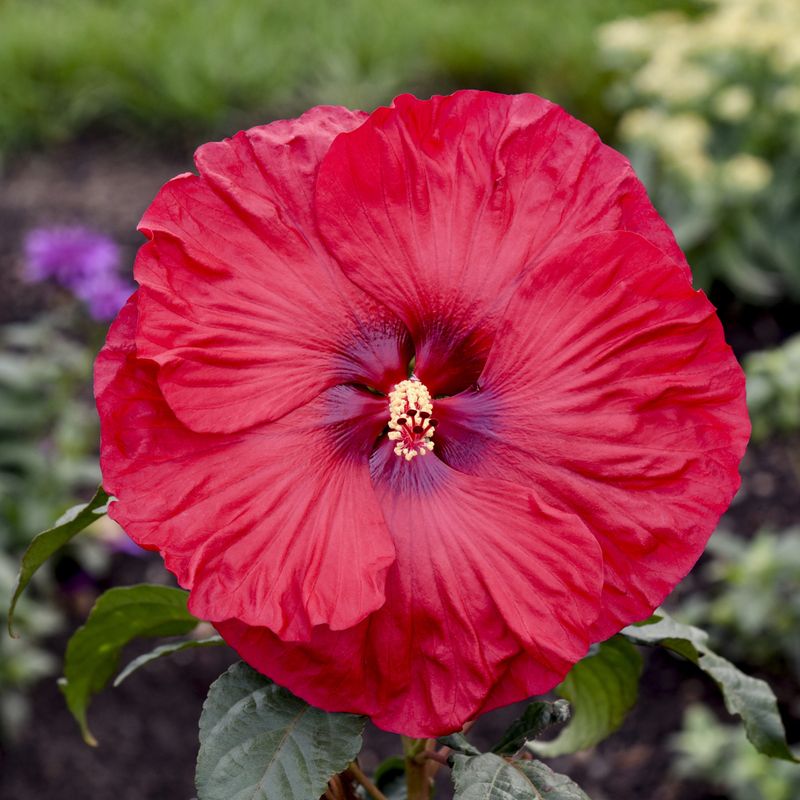
Hibiscus moscheutos, often called hardy hibiscus, brings a tropical flair to temperate gardens. Known for their enormous, showy flowers, hibiscus plants become the focal point of any garden. Their blooms, which can reach up to 12 inches in diameter, are sure to captivate onlookers.
These perennials thrive in sunny, well-drained locations and bloom from midsummer to fall. Their vibrant pink, red, or white flowers create a stunning visual impact. Hibiscus also attracts pollinators, making it a valuable addition to eco-friendly gardens.
11. Yarrow (Achillea millefolium)
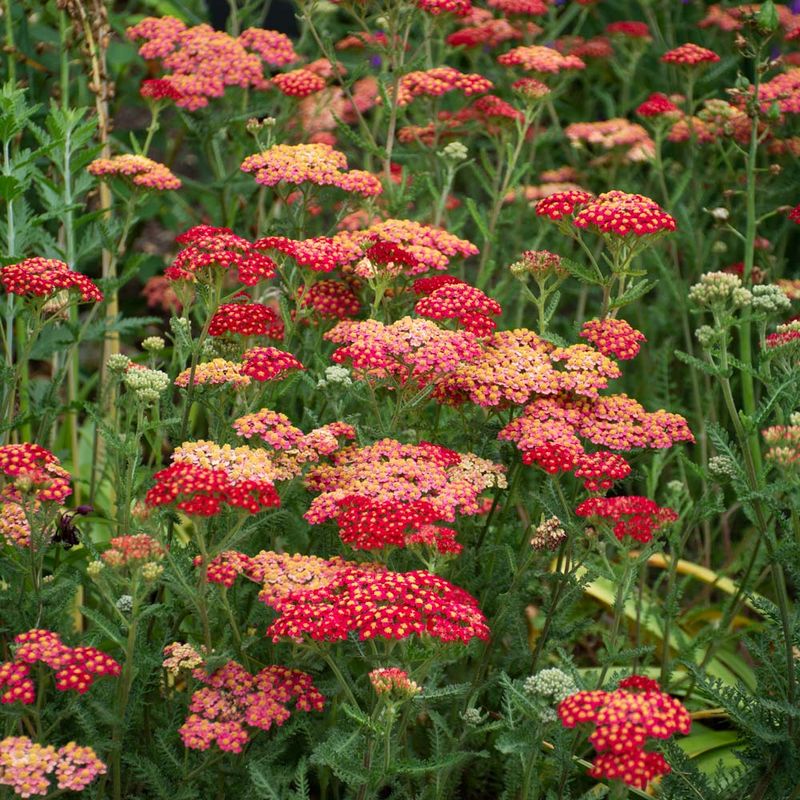
Yarrow is a perennial known for its flat-topped clusters of flowers and feathery, fern-like foliage. These plants are incredibly resilient, thriving in poor soils and withstanding drought conditions. Yarrow’s cheerful blooms come in a variety of colors, including yellow, pink, and white.
Blooming from late spring to early fall, yarrow provides a long-lasting display. Its flowers are perfect for cutting and drying, adding versatility to its appeal. Historically, yarrow was used for medicinal purposes, and its name honors the Greek hero Achilles, who is said to have used it to heal wounds.
12. Bee Balm (Monarda)
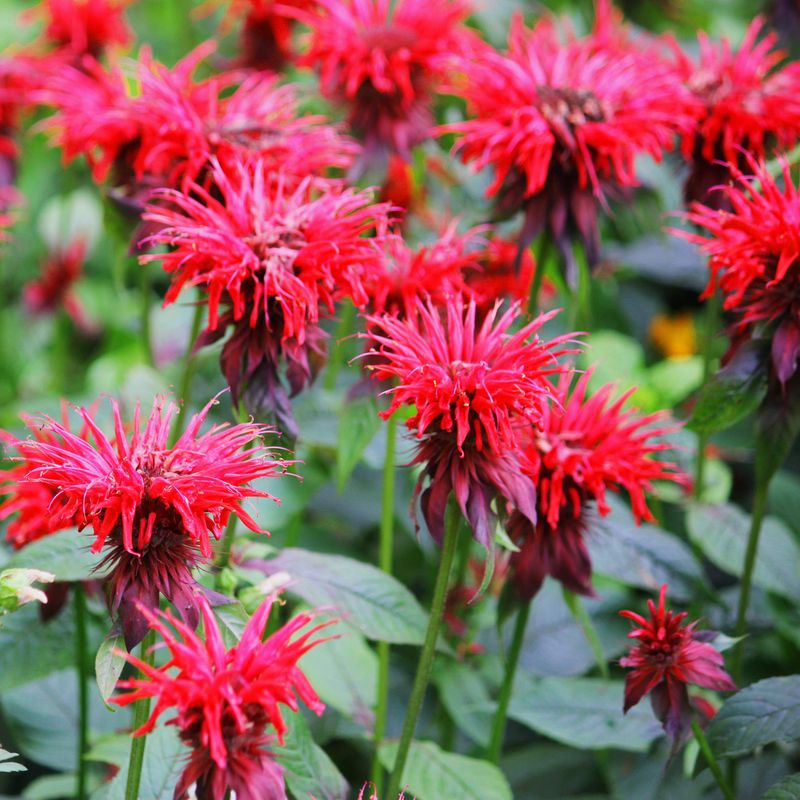
Bee balm, or Monarda, is a perennial that attracts attention with its vibrant, tubular flowers. Known for drawing in hummingbirds and bees, bee balm adds life and movement to gardens. Its aromatic foliage and striking colors make it a favorite among gardeners.
Blooming from midsummer to early fall, bee balm provides continuous interest. Its flowers come in shades of red, pink, and purple, creating a lively garden palette. Besides its ornamental value, bee balm has been used in traditional medicine for its therapeutic properties.
13. Shasta Daisy (Leucanthemum × superbum)
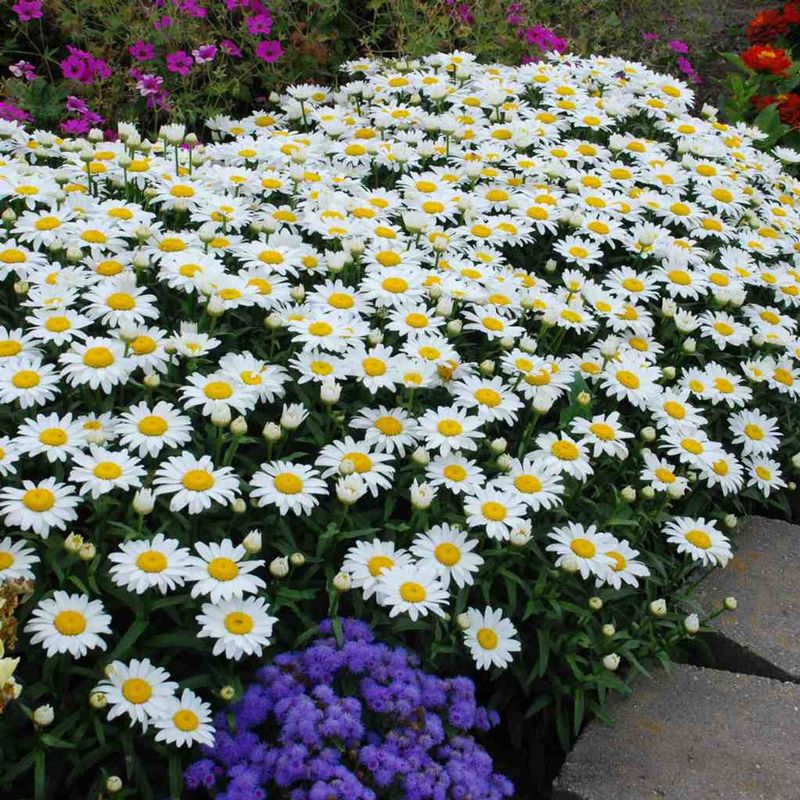
Shasta daisies are classic perennials that bring a touch of simplicity and elegance to gardens. With their white petals and sunny yellow centers, they resemble the traditional daisies everyone knows and loves. Shasta daisies thrive in full sun and well-drained soil, making them easy to cultivate.
These perennials bloom from early summer to early fall, offering a prolonged period of beauty. They are excellent for cutting, allowing gardeners to enjoy their blooms indoors as well. Shasta daisies attract butterflies, adding an ecological dimension to their charm.
14. Catmint (Nepeta)
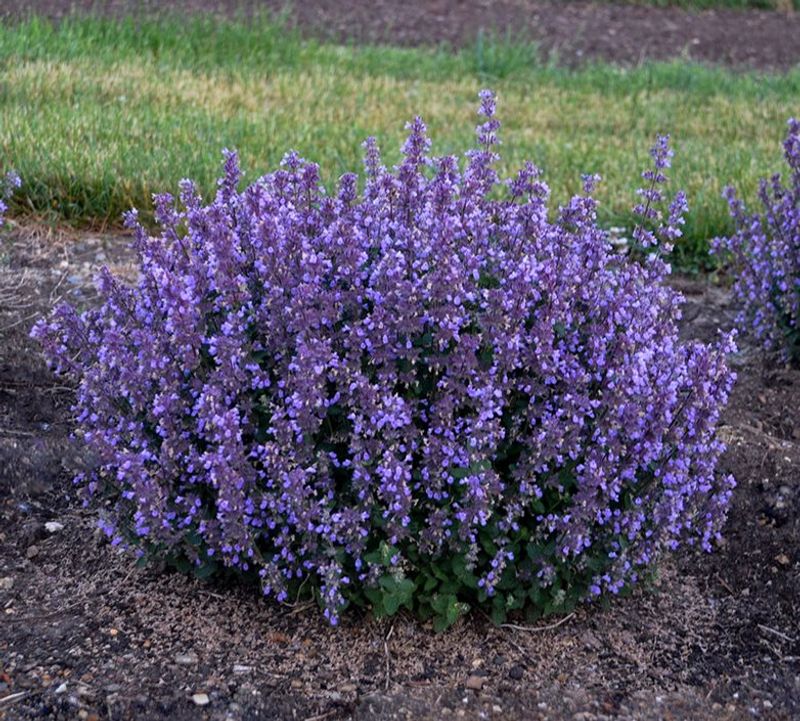
Catmint, or Nepeta, is a perennial adored for its aromatic foliage and lavender-blue flowers. This plant spills gracefully over borders, adding a soft, romantic touch to garden paths. Its long blooming period and low maintenance requirements make it a favorite among gardeners.
Blooming from late spring to early fall, catmint is a magnet for bees and butterflies. It thrives in sunny locations with well-drained soil and is resistant to deer and rabbits. The plant’s calming scent adds another layer of sensory delight to its aesthetic appeal.
15. Astilbe (False Spirea)
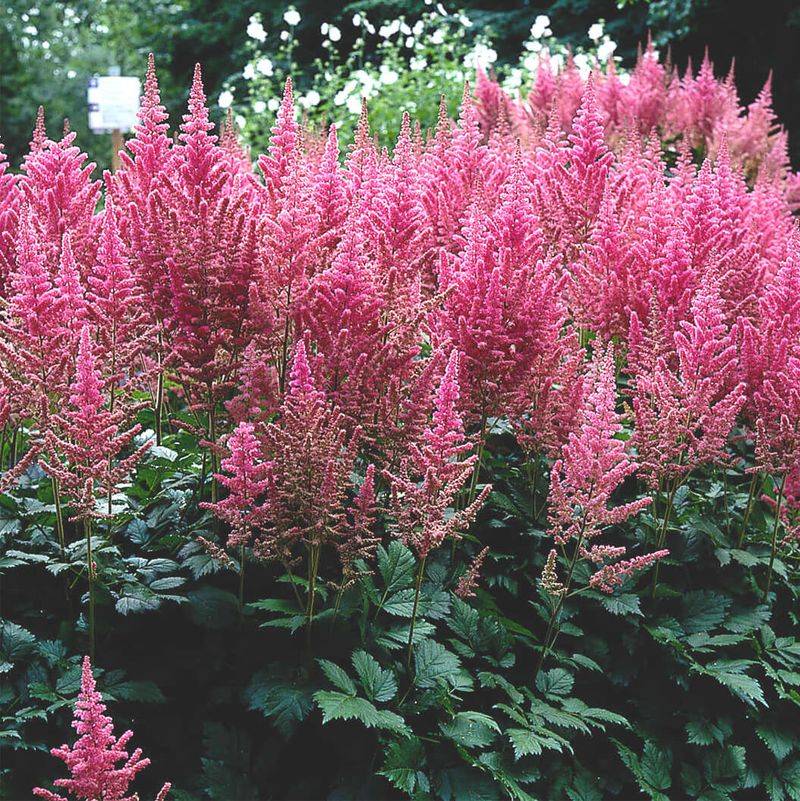
Astilbe, known for its feathery plumes of flowers, brings grace and elegance to shaded gardens. These perennials thrive in moist, well-drained soil and provide a striking contrast with their bold foliage and delicate blooms. Astilbe’s flowers come in shades of pink, white, and red.
Blooming from late spring to midsummer, astilbe adds vertical interest to garden beds. Its flowers make excellent cut arrangements, adding beauty indoors as well. Astilbe’s ability to thrive in low-light conditions makes it a valuable addition to woodland gardens.
16. Peony (Paeonia)
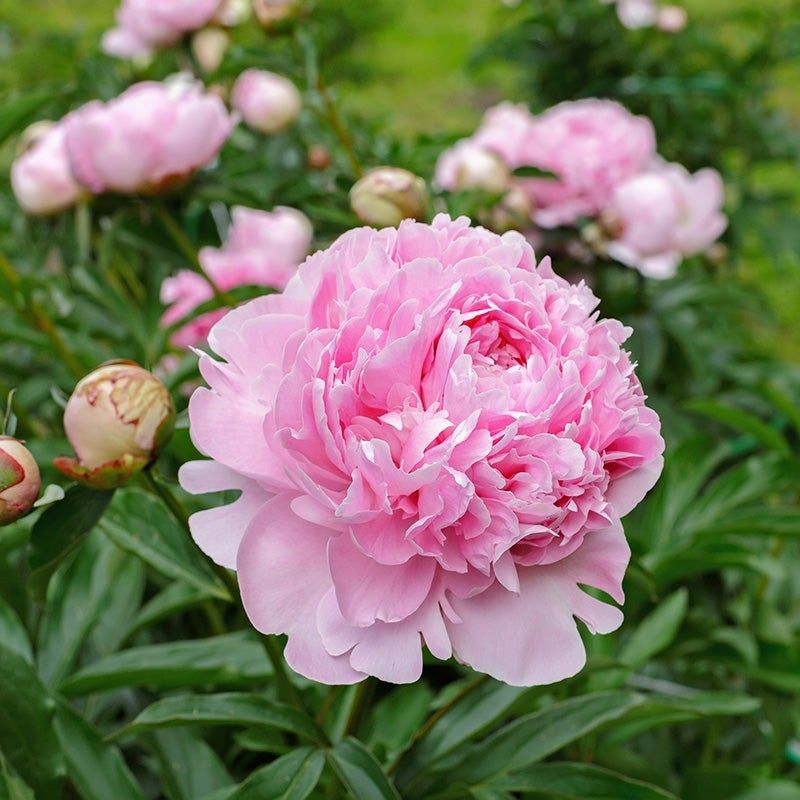
Peonies are cherished perennials known for their large, fragrant blooms and longevity. These plants can live for decades, gracing gardens with their luxurious flowers season after season. Peonies prefer sunny locations and well-drained soil to truly flourish.
Blooming in late spring to early summer, peonies offer a brief but spectacular display. Their flowers come in shades of pink, white, red, and even yellow, creating a palette of possibilities for gardeners. Peonies have been cultivated for centuries, celebrated for their beauty and elegance in gardens worldwide.
17. Helenium (Sneezeweed)
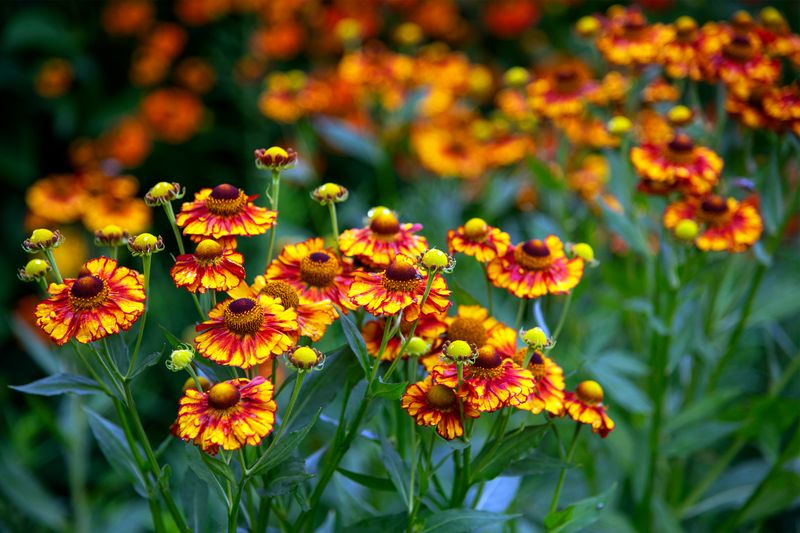
Helenium, often called sneezeweed, offers a burst of color in late summer gardens. Its daisy-like flowers come in fiery hues of red, orange, and yellow, providing a warm transition into autumn. Helenium thrives in full sun and rich, well-drained soil.
These perennials bloom from midsummer to fall, offering a long-lasting display. Helenium’s vibrant colors attract butterflies, adding life to your garden. Despite its name, sneezeweed is not allergenic; its name originates from its historical use in making snuff.
18. Bleeding Heart (Dicentra spectabilis)
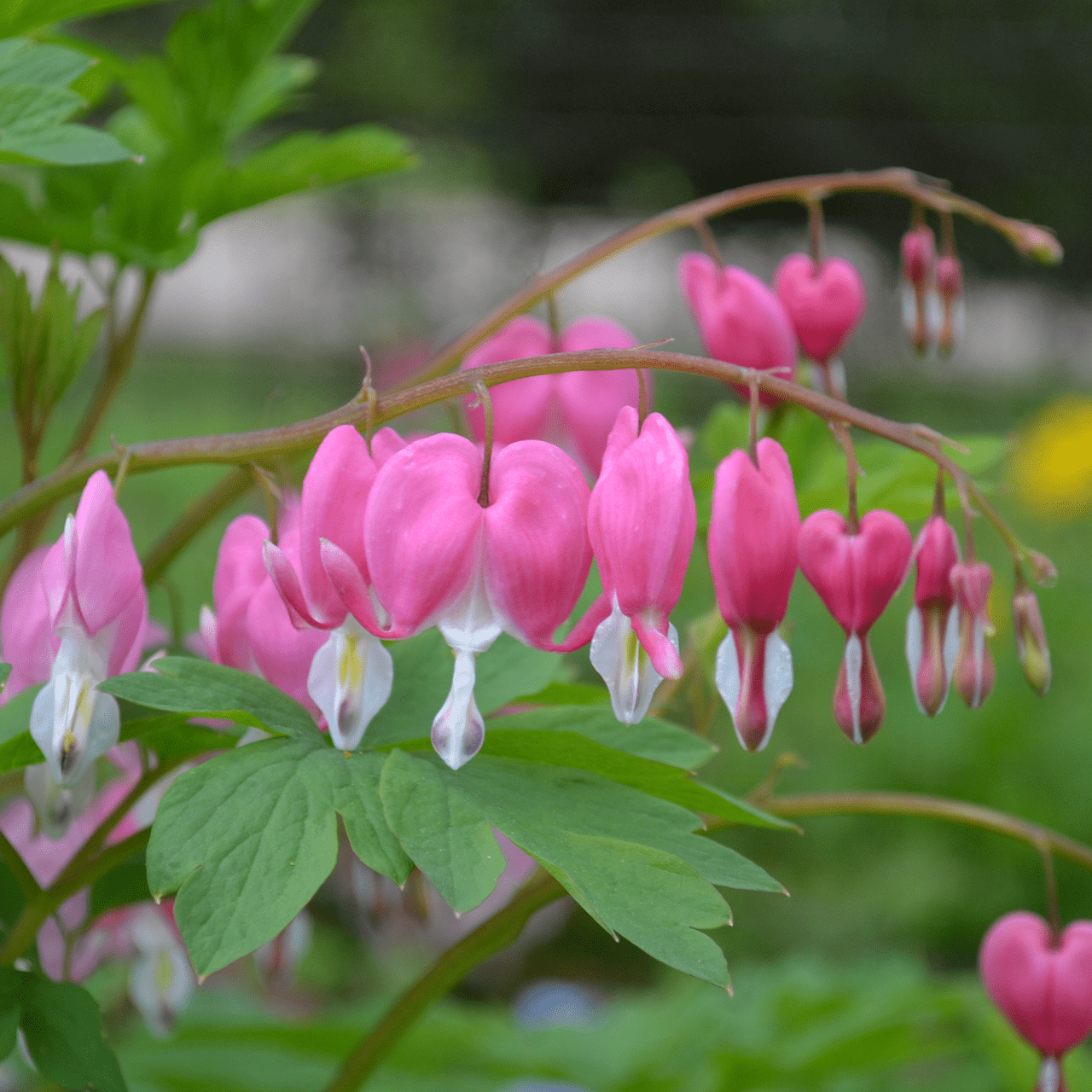
Bleeding heart, or Dicentra spectabilis, captivates with its heart-shaped flowers that dangle from arching stems. These perennials thrive in shaded areas, making them perfect for woodland gardens. Their delicate pink and white blooms create a sense of whimsy and romance.
Blooming in late spring to early summer, bleeding heart offers a unique floral display. The plant’s fern-like foliage adds texture and interest even after the flowers fade. Bleeding heart has a rich cultural history, often symbolizing love and compassion in folklore.
19. Anemone (Windflower)
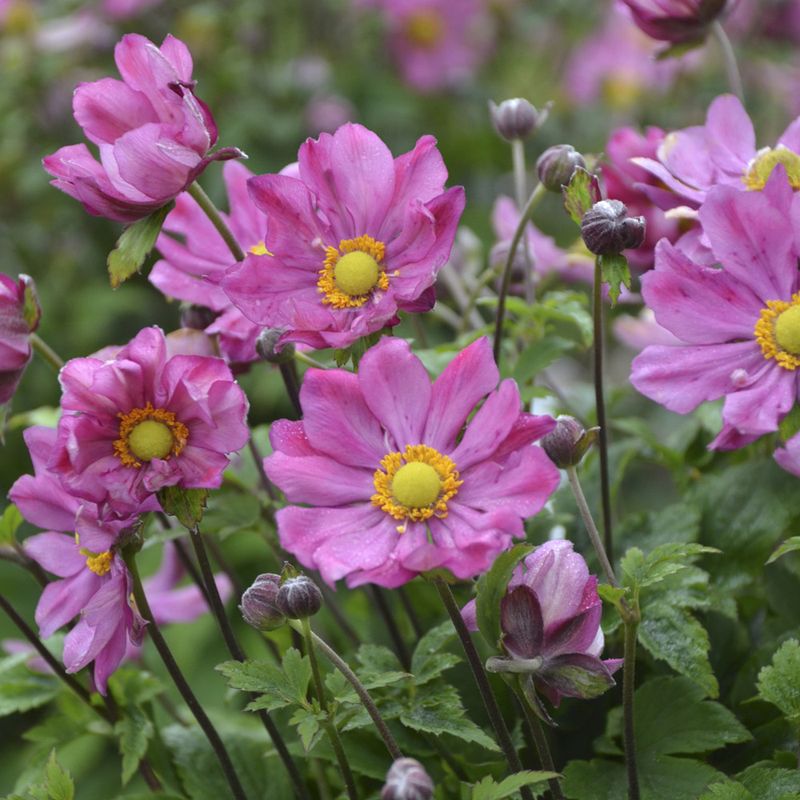
Anemones, also known as windflowers, bring a touch of elegance to gardens. These perennials are celebrated for their simple yet striking blooms that dance with the wind. Anemones thrive in well-drained soil and partial shade, providing versatility in garden design.
Blooming in late summer to fall, anemones offer a refreshing splash of color. Their flowers come in white, pink, and purple, complementing various garden palettes. Anemones have a storied past, with roots in Greek mythology, symbolizing anticipation and protection.
20. Foxglove (Digitalis purpurea)
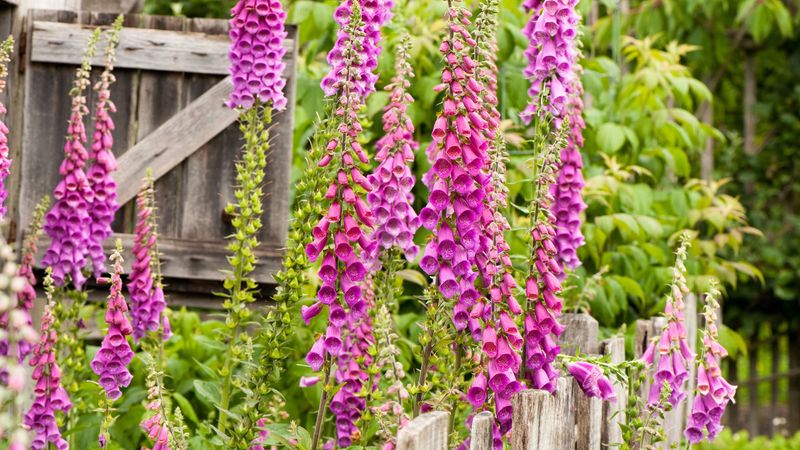
Foxgloves, or Digitalis purpurea, are known for their tall, spire-like blooms that add drama to gardens. These perennials feature tubular flowers that attract hummingbirds, making them a dynamic addition to any landscape. Foxgloves thrive in partial shade and moist, well-drained soil.
Blooming from late spring to early summer, foxgloves create a vertical accent in garden beds. Their flowers come in shades of purple, pink, and white, offering a diverse color palette. Historically, foxgloves have been used for medicinal purposes, although they should be grown with caution due to their toxicity.
21. Lungwort (Pulmonaria)
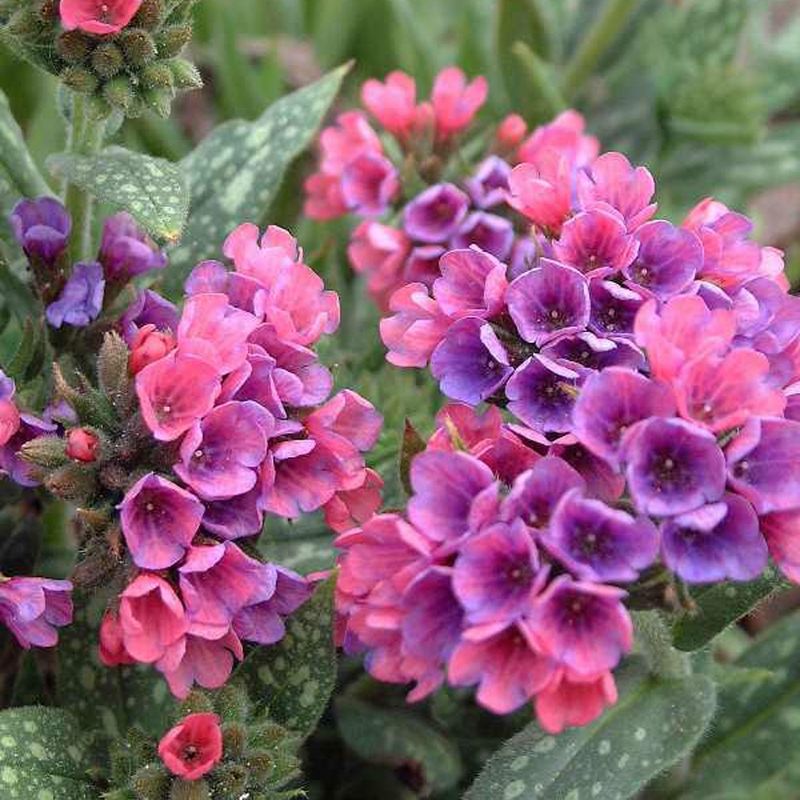
Lungwort, or Pulmonaria, is a perennial that thrives in shady garden areas. Known for its distinctive spotted leaves and clusters of blue and pink flowers, lungwort adds both color and texture to shaded landscapes. Its early spring blooms provide a welcome burst of color after winter.
These perennials prefer moist, well-drained soil and can tolerate a range of light conditions. Lungwort’s unique foliage remains attractive throughout the growing season, enhancing its ornamental appeal. Historically, lungwort was used in folk medicine, believed to benefit respiratory health.
22. Japanese Anemone (Anemone hupehensis)
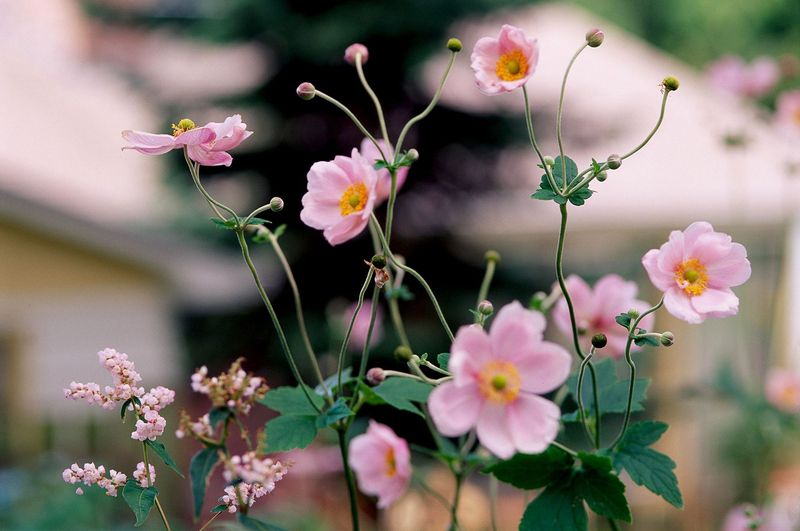
Japanese anemones bring grace and beauty to late summer gardens. Their tall stems and large, cup-shaped flowers sway elegantly in the breeze, creating a sense of movement and life. These perennials thrive in partial shade and moist, well-drained soil.
Blooming from late summer to fall, Japanese anemones provide a seamless transition of color. Their flowers are available in shades of pink and white, complementing autumnal garden palettes. Japanese anemones have a refined charm, often associated with tranquility and grace.
23. Coral Bells (Heuchera)
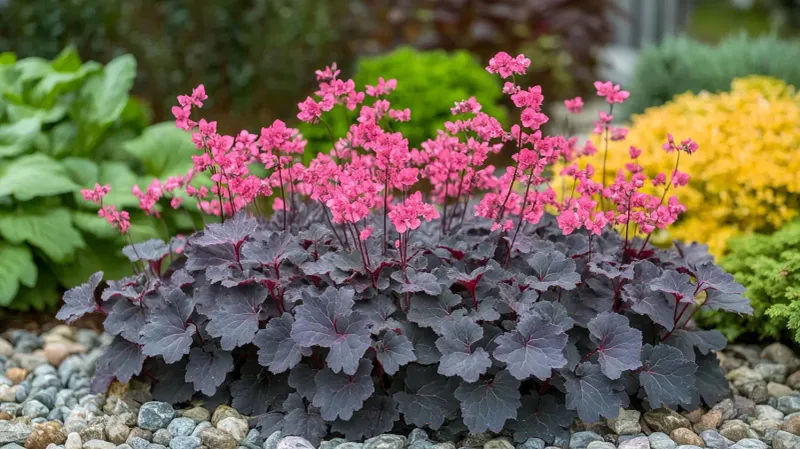
Coral bells, or Heuchera, are perennials celebrated for their colorful foliage and delicate flowers. Their leaves come in a variety of hues, from deep purples to bright greens, providing year-round interest. Coral bells thrive in partial shade and well-drained soil.
Blooming in late spring to early summer, their bell-shaped flowers attract hummingbirds, adding life to your garden. Coral bells are versatile, used in borders, containers, and ground cover. Their ability to adapt to different garden settings makes them a popular choice among gardeners.
24. Hellebore (Helleborus)
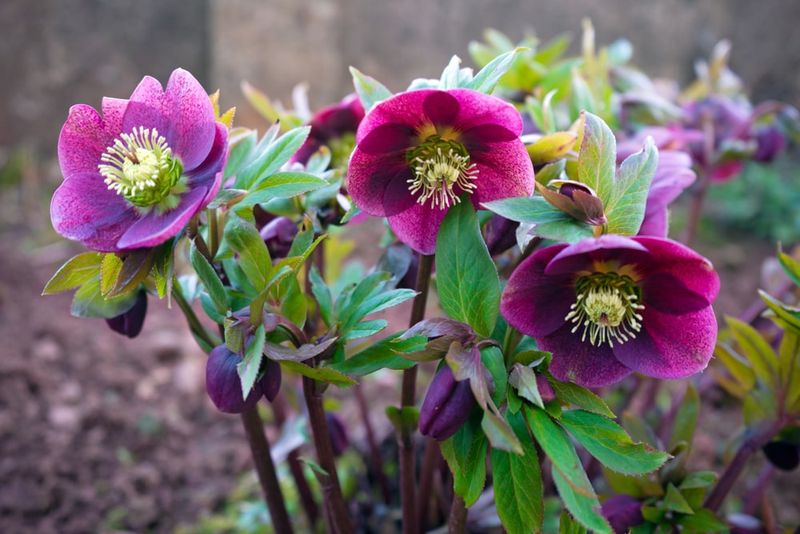
Hellebores, often referred to as Lenten roses, are perennials that bloom in the cool months of late winter to early spring. Their nodding flowers come in a range of colors, including pink, white, and green, adding life to winter gardens. Hellebores prefer shaded areas with well-drained soil.
These long-lived plants are deer-resistant and require minimal maintenance once established. Hellebores’ flowers provide an early source of nectar for pollinators, enhancing their ecological value. Their historical use in traditional medicine adds an intriguing layer to their appeal.
25. Brunnera (Brunnera macrophylla)
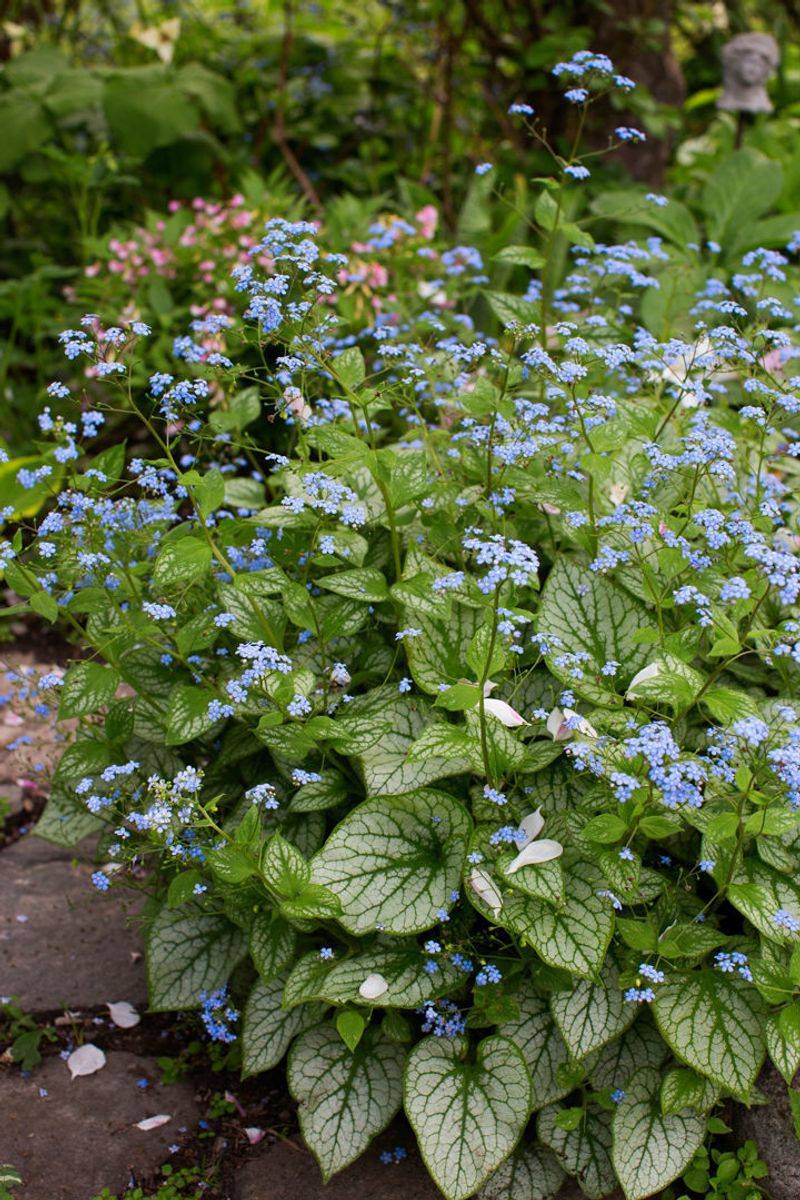
Brunnera, or Siberian bugloss, is a perennial that brightens shaded gardens with its tiny blue flowers and attractive foliage. The plant’s heart-shaped leaves often have silver highlights, adding a touch of elegance to garden beds.
Blooming in early to mid-spring, brunnera provides a refreshing splash of color. Its flowers resemble forget-me-nots, creating a nostalgic appeal. Brunnera thrives in moist, well-drained soil and can tolerate a variety of light conditions, making it a versatile choice for gardeners.
26. Liatris (Blazing Star)
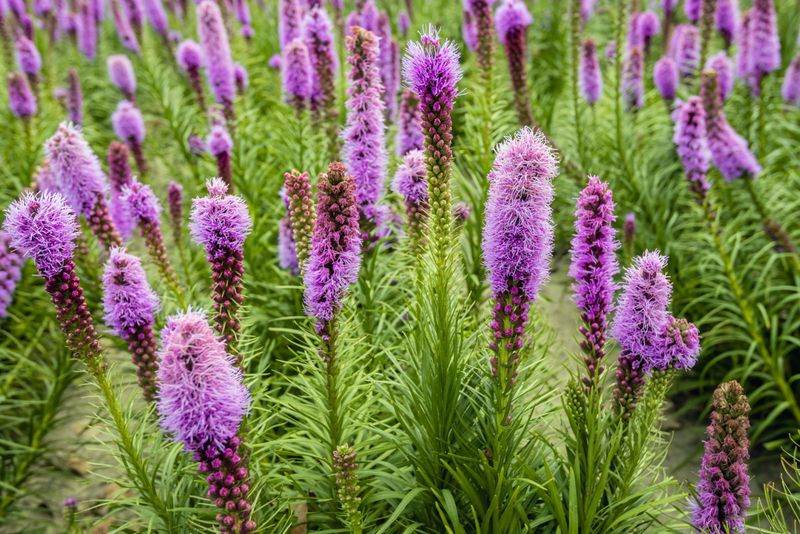
Liatris, commonly known as blazing star, is a perennial that adds vertical interest to gardens. Its tall spikes of purple flowers create a dramatic focal point, attracting butterflies and other pollinators. Liatris thrives in full sun and well-drained soil, making it ideal for prairies and wildflower gardens.
Blooming in mid to late summer, liatris provides a long-lasting display. Its corms can tolerate drought, enhancing its resilience in various garden settings. Liatris’s unique flower structure and habitat adaptability make it a favorite among gardeners seeking a standout plant.
27. Gaillardia (Blanket Flower)
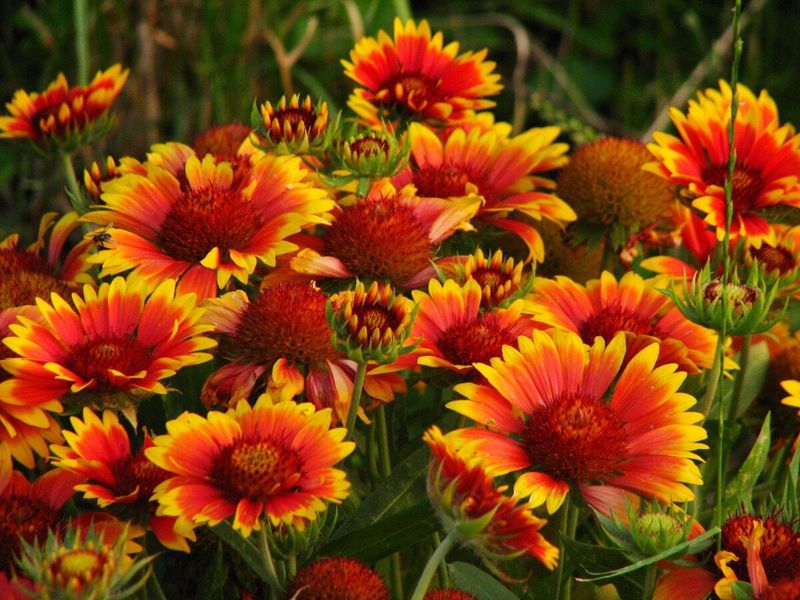
Gaillardia, also known as blanket flower, is a vibrant perennial that brings warmth to gardens. Its daisy-like flowers come in striking combinations of red, orange, and yellow, resembling a sunburst. Gaillardia thrives in full sun and well-drained soil, making it a hardy choice for gardeners.
These perennials bloom from early summer to fall, ensuring a continuous display of color. Gaillardia’s resilience in poor soils and drought conditions adds to its appeal. The plant’s vibrant flowers attract pollinators, enhancing the garden’s ecological value.
28. Veronica (Speedwell)
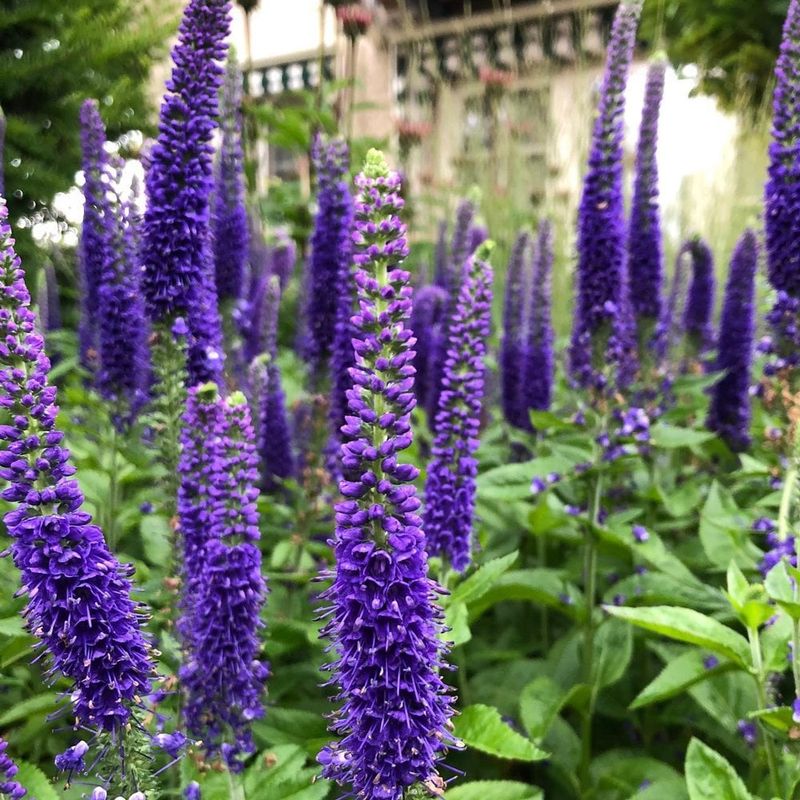
Veronica, or speedwell, is a perennial known for its spiky blue flowers and lush foliage. These plants add a touch of elegance to garden borders and rock gardens. Veronica is easy to grow and thrives in sunny locations with well-drained soil.
Blooming from spring to summer, veronica provides a burst of color that lasts throughout the season. Its flowers attract bees and butterflies, contributing to a healthy garden ecosystem. Veronica’s adaptability and visual appeal make it a popular choice for gardeners seeking both beauty and function.
29. Campanula (Bellflower)
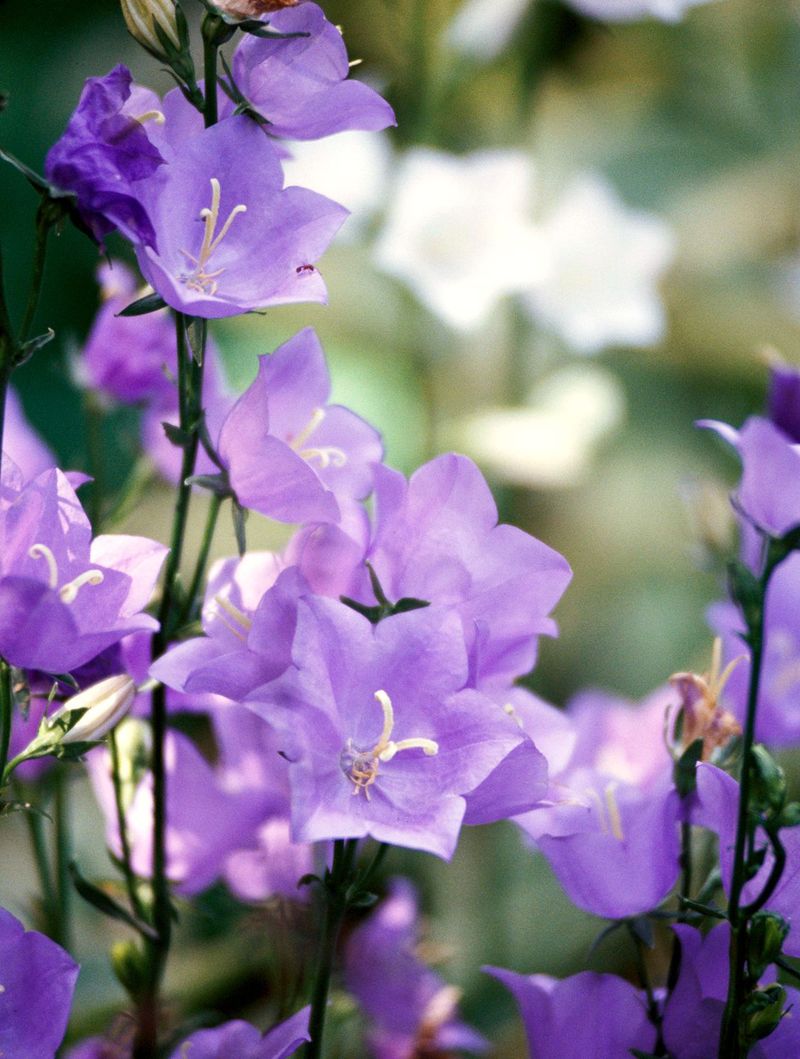
Campanula, or bellflower, is a charming perennial that adds a whimsical touch to gardens. Its clusters of bell-shaped flowers come in shades of blue, white, and purple. Campanula thrives in sunny or partially shaded locations, making it versatile for various garden settings.
These perennials bloom from late spring to summer, offering a prolonged period of beauty. Campanula’s flowers attract pollinators, enhancing its ecological value. The plant’s rich history in folklore and its diverse species add depth to its garden allure.
30. Achillea (Yarrow)
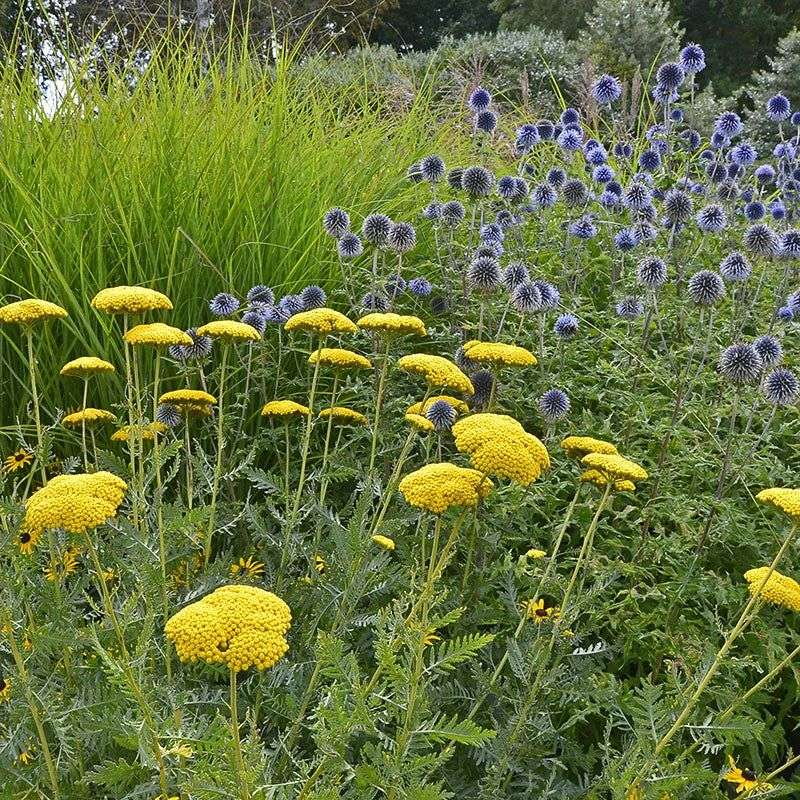
Achillea, commonly known as yarrow, is a versatile perennial that thrives in various garden settings. Known for its flat-topped clusters of flowers and feathery foliage, achillea adds texture and color to meadows and borders. This plant is drought-tolerant and easy to grow.
Blooming from late spring to early fall, achillea provides a long-lasting display. Its flowers come in shades of yellow, pink, and white, and are perfect for cutting and drying. Achillea’s historical use in folk medicine adds an intriguing aspect to this garden favorite.
31. Hollyhock (Alcea)
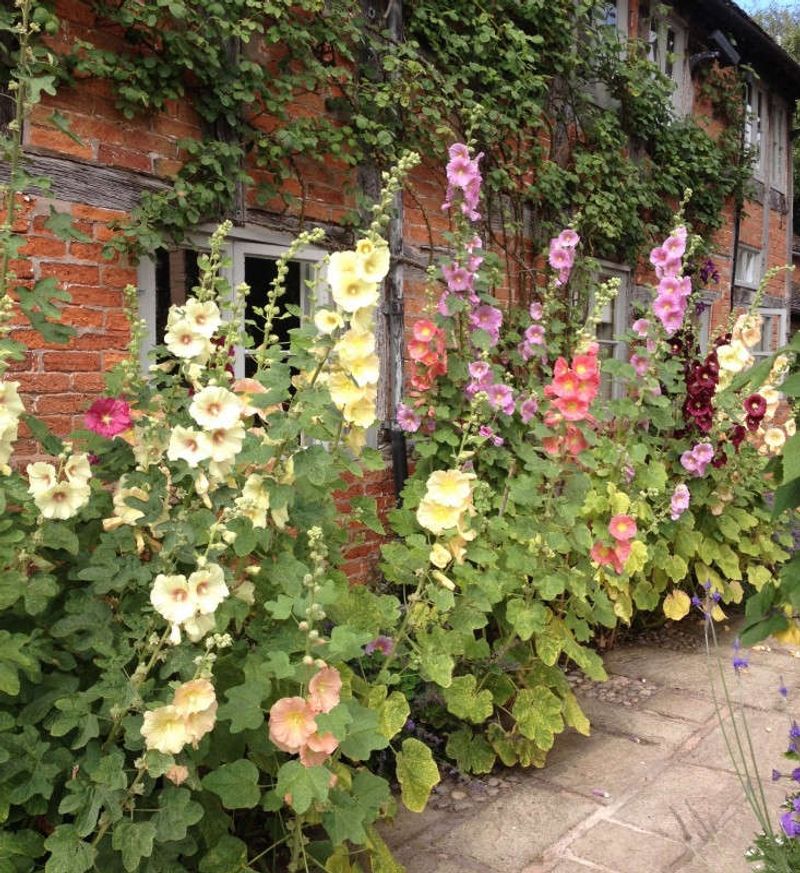
Hollyhocks, or Alcea, are towering perennials that bring a touch of nostalgia to gardens. Their tall spikes of flowers come in a range of colors, from pastel pinks and yellows to deep reds and purples. Hollyhocks thrive in full sun and well-drained soil.
Blooming from midsummer to fall, these perennials create a vertical accent in garden beds and borders. Hollyhocks’ old-fashioned charm and association with cottage gardens add to their appeal. Despite their height, they are surprisingly easy to grow, making them a favorite for gardeners seeking dramatic flair.