 Complete Gardening
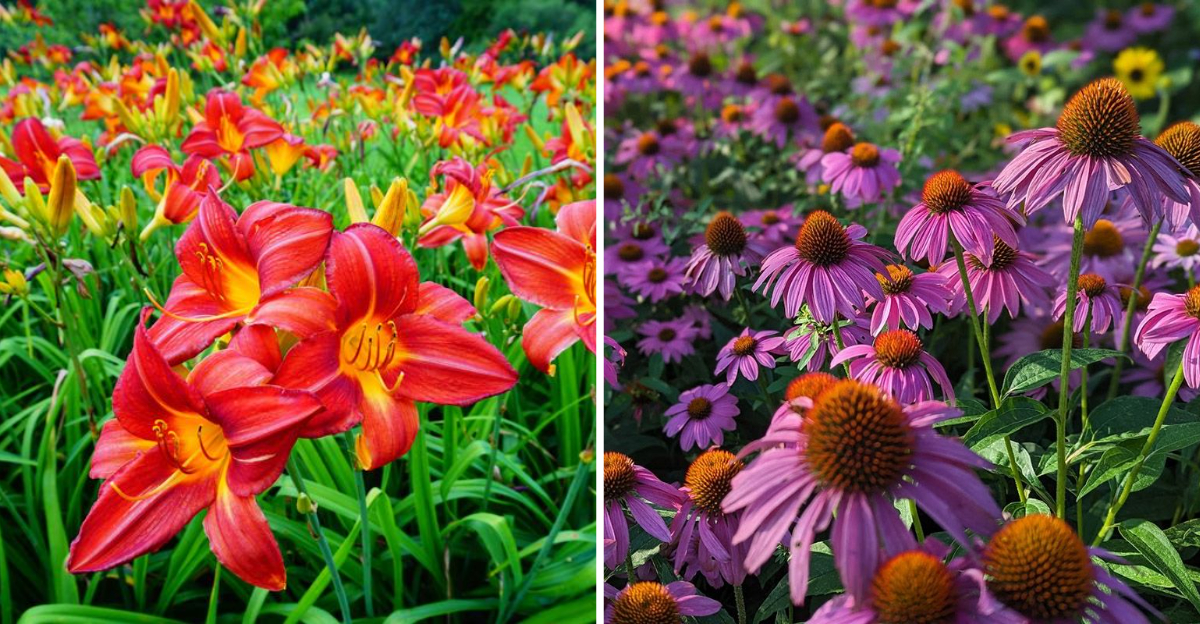
Beginning a gardening journey can be daunting, filled with uncertainty and trial. However, there exists a delightful group of perennial plants so resilient, they thrive even in the hands of novice gardeners. These hardy perennials not only promise vibrant blooms year after year but also require minimal care, making them an ideal choice for beginners. Their ability to adapt to varying conditions and bounce back from neglect makes them a favorite among seasoned gardeners as well. Explore these 35 robust plants and discover the ease and joy they can bring to your garden.
Hemerocallis (Daylily)
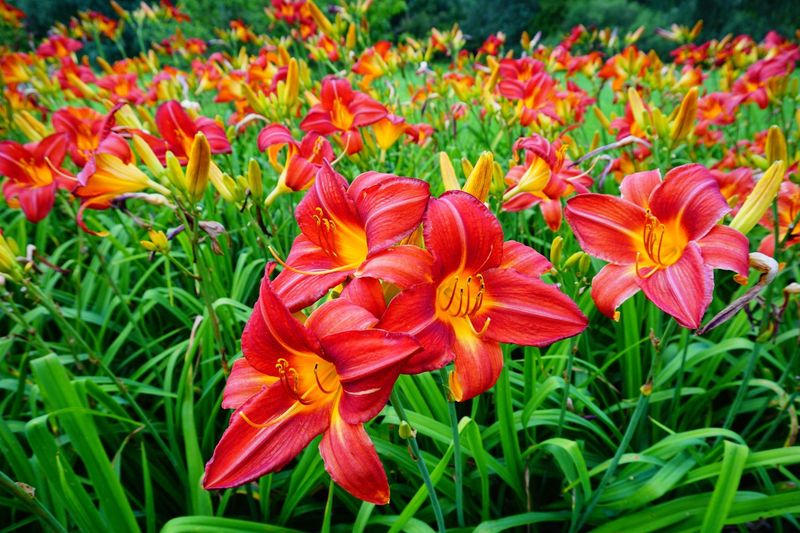
Hemerocallis, commonly known as Daylily, is a perennial that graces gardens with its lush blooms. Known for its hardiness, this plant thrives in various climates. Its radiant flowers open in the morning and wither by night, only to be replaced by fresh blossoms the following day. This cycle continues throughout its blooming season. Daylilies require minimal care, surviving on rainwater and occasional fertilization. They adapt to poor soil conditions and resist pests. Ideal for novice gardeners, these plants promise beauty with little effort. Their resilience makes them a beloved choice for garden enthusiasts.
Sedum (Stonecrop)
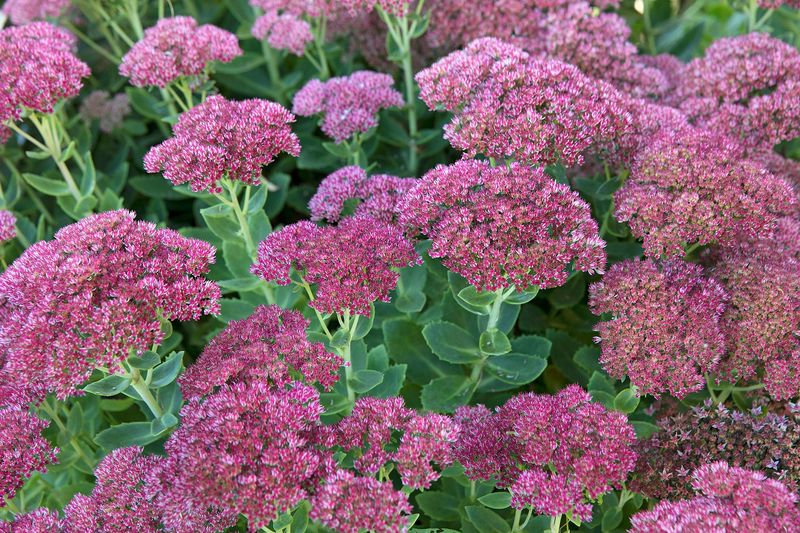
Sedum, or Stonecrop, is a succulent perennial admired for its fleshy leaves and star-like flowers. Its robust nature allows it to thrive in rocky terrains and sandy soils. Stonecrop requires little water, making it perfect for drought-prone areas. It attracts pollinators like bees and butterflies, adding life to your garden. The plant’s ability to withstand harsh conditions makes it a favorite among beginners. Ideal for container gardens and borders, Sedum adds a splash of color and texture. Its enduring charm lies in its adaptability and vibrant appearance.
Lavandula (Lavender)
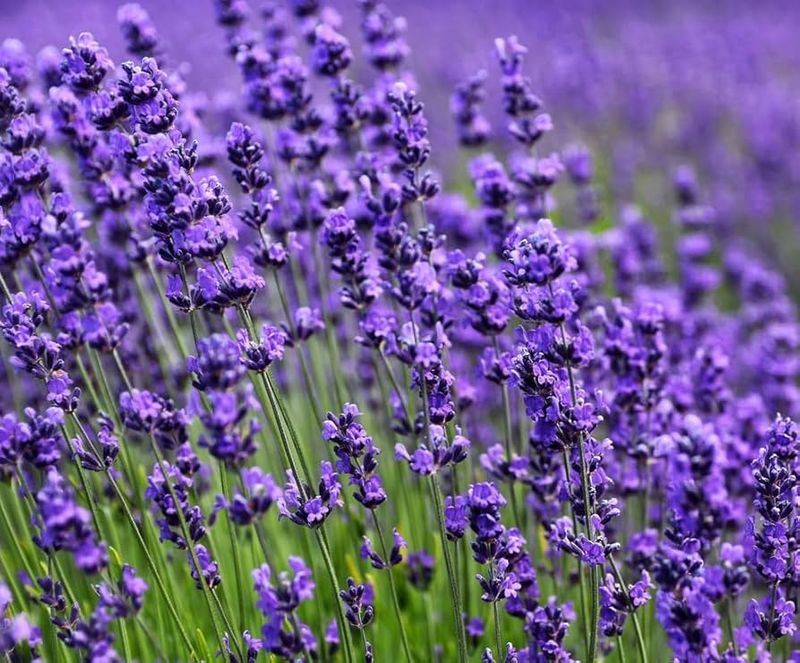
Lavandula, known as Lavender, offers not just visual appeal but also aromatic delight. Its fragrant blooms and silvery foliage make it an iconic garden perennial. Having Mediterranean origins, Lavender thrives in sunny, dry climates. It demands little more than well-drained soil and occasional pruning. The plant’s aromatic oils are renowned for calming properties, often used in aromatherapy. Lavender attracts bees and butterflies, promoting biodiversity. Its resilience to drought and low maintenance needs make it perfect for novices. A symbol of serenity and beauty, Lavender graces any garden with elegance.
Echinacea (Coneflower)
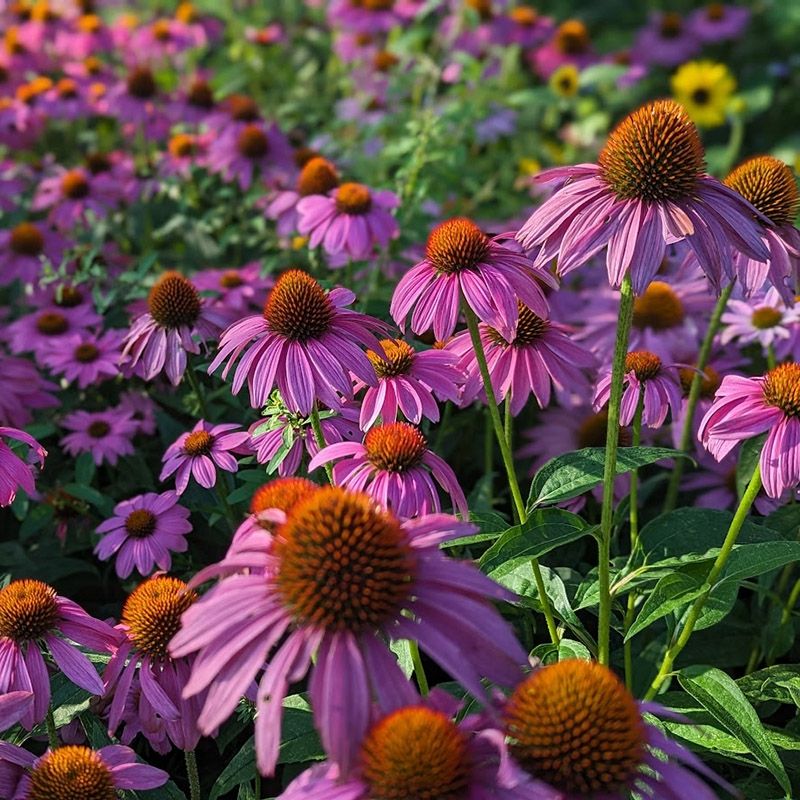
Echinacea, commonly known as coneflower, stands tall with its striking daisy-like flowers. These hardy perennials are known for their resilience and ability to thrive in a variety of conditions.
Their vibrant colors attract butterflies and bees, adding life to any garden. Coneflowers are drought-tolerant and require minimal care, making them ideal for beginners.
Native to North America, Echinacea was traditionally used by Native Americans for medicinal purposes. Today, they are cherished not only for their beauty but also for their health benefits. A garden staple, coneflowers symbolize strength and healing.
Helleborus (Lenten Rose)
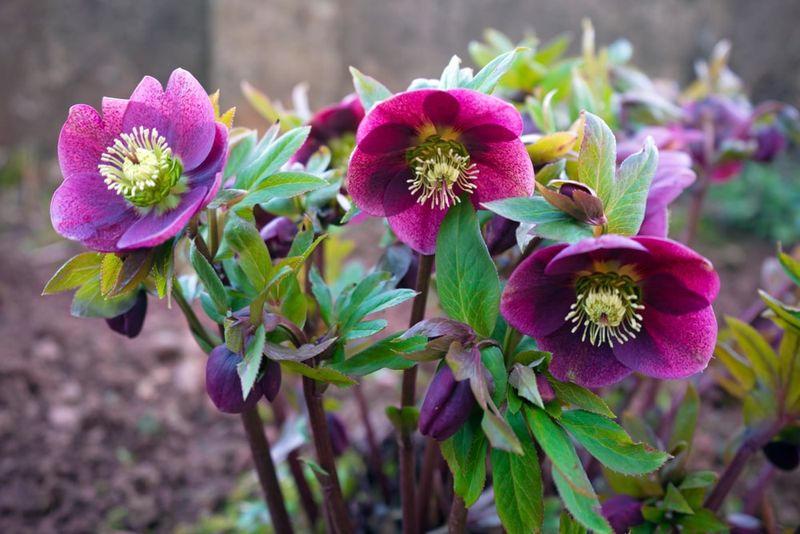
Helleborus, or the Lenten Rose, defies the cold, blooming even in late winter. Known for its leathery foliage, this perennial is a beacon of color when most gardens are still dormant.
Despite its delicate appearance, Helleborus is incredibly sturdy and requires minimal maintenance. It thrives in shaded areas, providing elegance to any garden.
Originating from Europe and Asia, the Lenten Rose has been admired for centuries. Its ability to bloom in adverse conditions makes it a symbol of hope and endurance, perfect for gardeners seeking year-round beauty.
Hosta
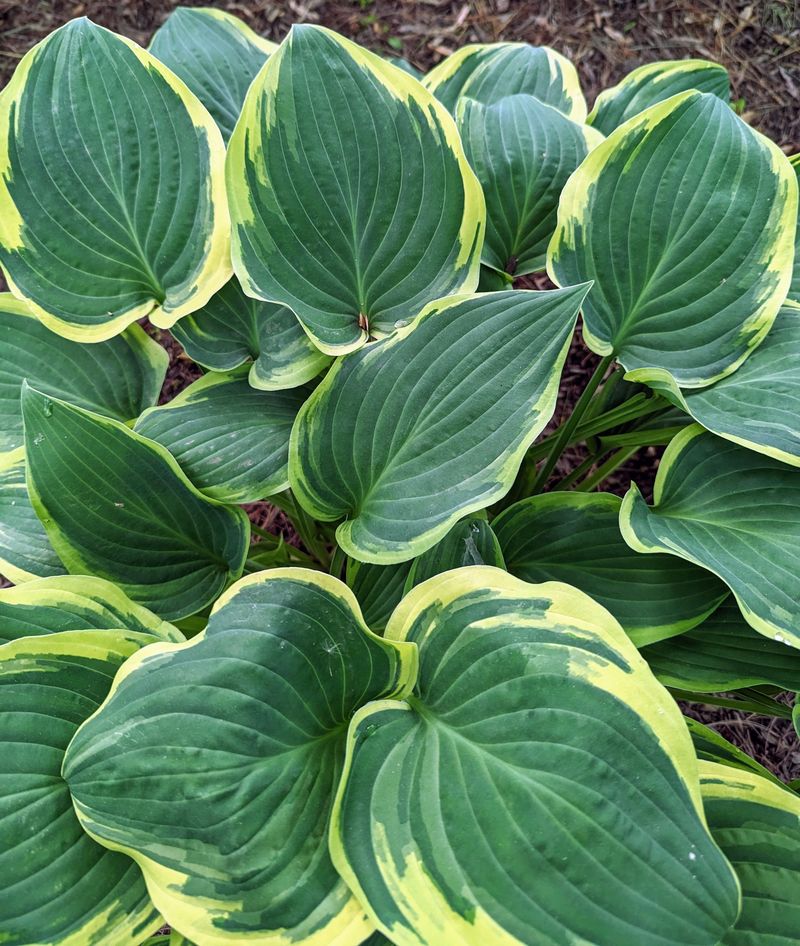
Hostas are the epitome of low-maintenance beauty. With their broad, lush leaves, they thrive in shaded areas where other plants struggle. They’re a favorite for adding texture to gardens. Hostas are incredibly hardy, even in less-than-ideal soil conditions. Whether you choose a variety with subtle variegation or one with vibrant gold tones, these plants offer a visual feast. Did you know? Hostas are native to Northeast Asia and have become a staple in gardens worldwide. Their versatility and low upkeep make them perfect for any gardener.
Black-eyed Susan
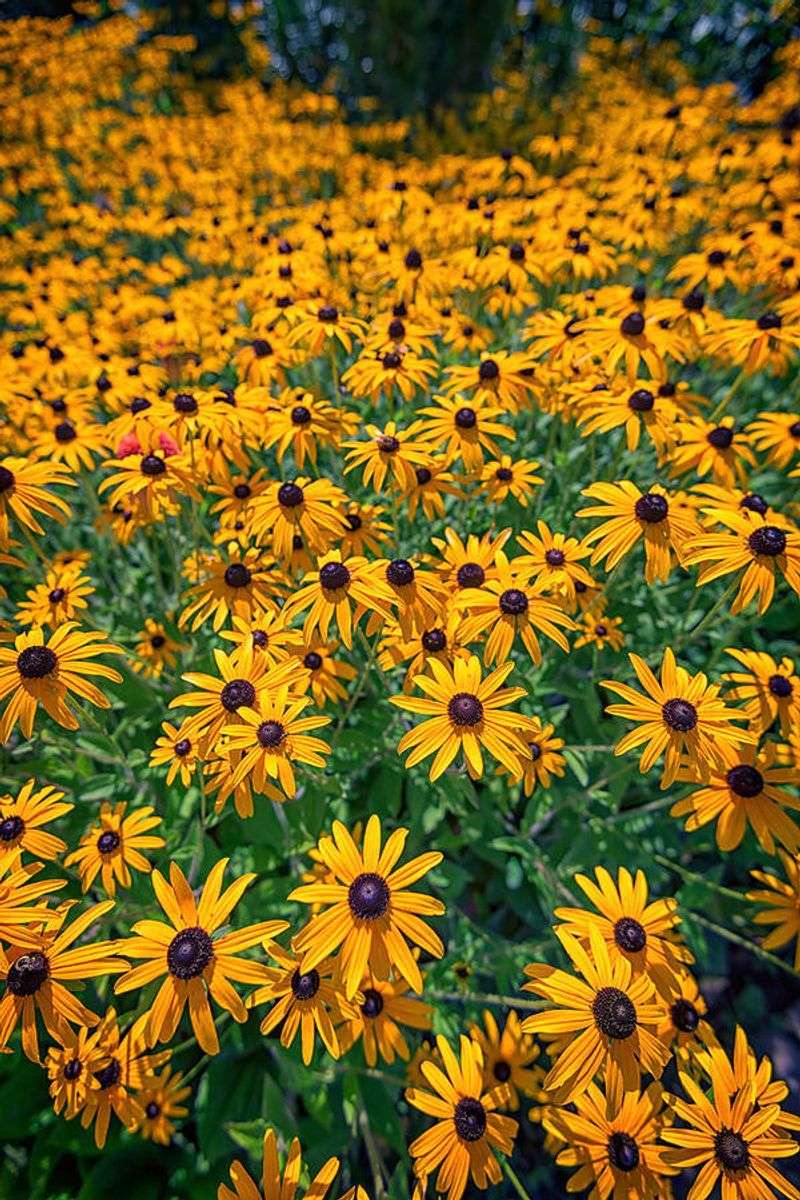
Black-eyed Susans bring sunshine to any garden with their bright yellow petals and striking dark centers. Known for their resilience, they thrive in various conditions, from full sun to partial shade. These cheerful flowers bloom from mid-summer to autumn, providing continuous color. They’re not just beautiful; they’re also drought-tolerant, making them ideal for low-water gardens. Fun fact: Black-eyed Susans, native to North America, have been a symbol of encouragement and motivation. Their ability to attract pollinators adds an ecological benefit to their charm.
Yarrow
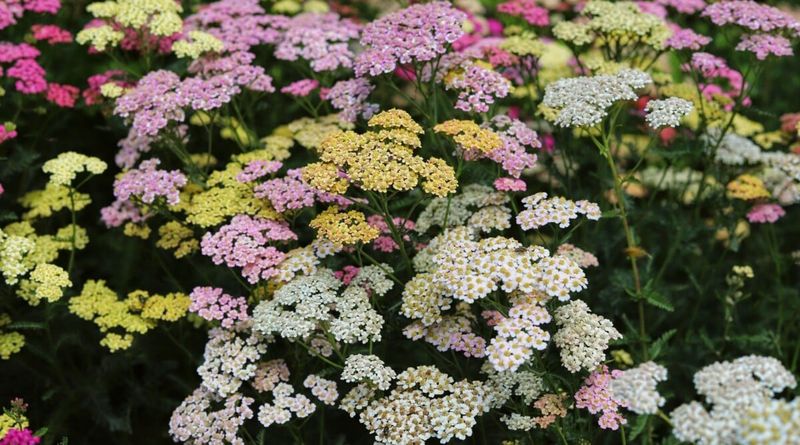
Yarrow is a gardener’s dream with its fern-like foliage and flat-topped flower clusters. These hardy perennials are known for their drought tolerance and ability to thrive in poor soil. With blooms in shades of white, yellow, pink, and red, yarrow adds a splash of color to any garden. Aside from its beauty, yarrow has been used for medicinal purposes for centuries. Its ability to attract beneficial insects makes it a valuable addition to an eco-friendly garden. Yarrow’s resilience ensures it remains a favorite for gardeners everywhere.
Russian Sage
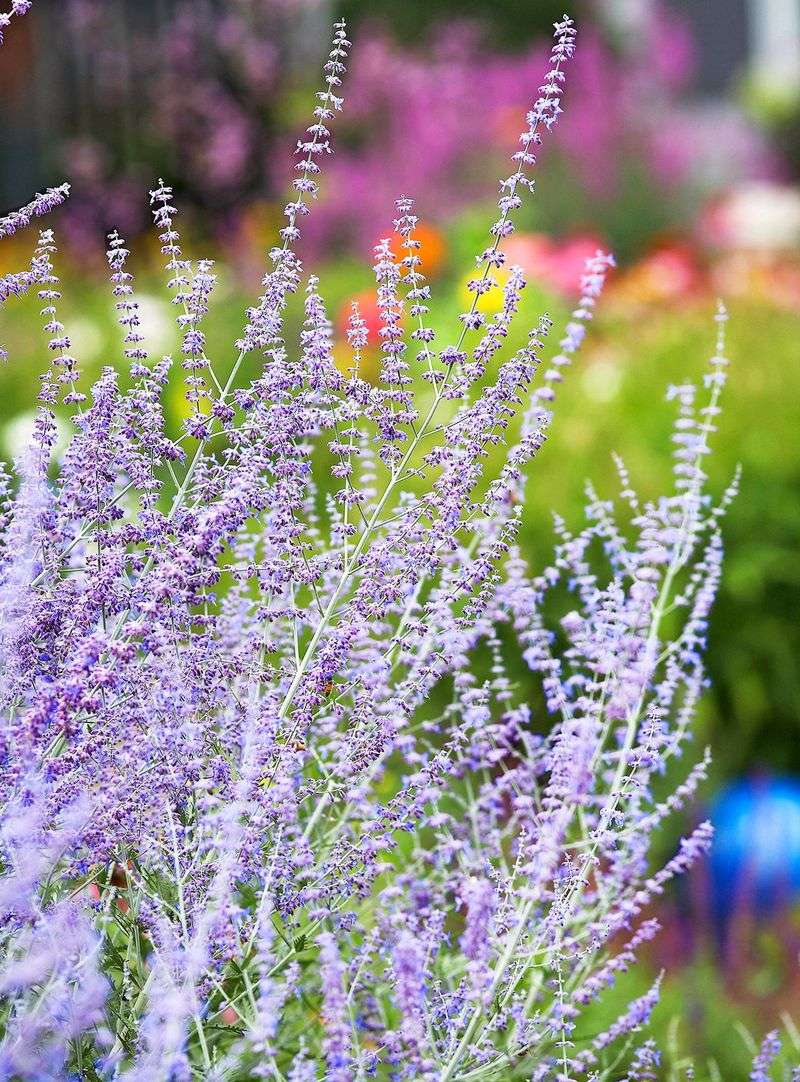
Russian Sage offers a delightful mix of form and fragrance. With silvery foliage and delicate lavender-blue flowers, it adds a touch of elegance to gardens. This perennial is exceptionally drought-tolerant and thrives in full sun. Its aromatic leaves are a bonus, releasing a pleasant scent when brushed against. Interestingly, Russian Sage is not native to Russia but Central Asia. Its resilience against pests and diseases makes it a favorite among gardeners seeking low-maintenance beauty. Russian Sage promises to deliver stunning color and texture all season long.
Bee Balm
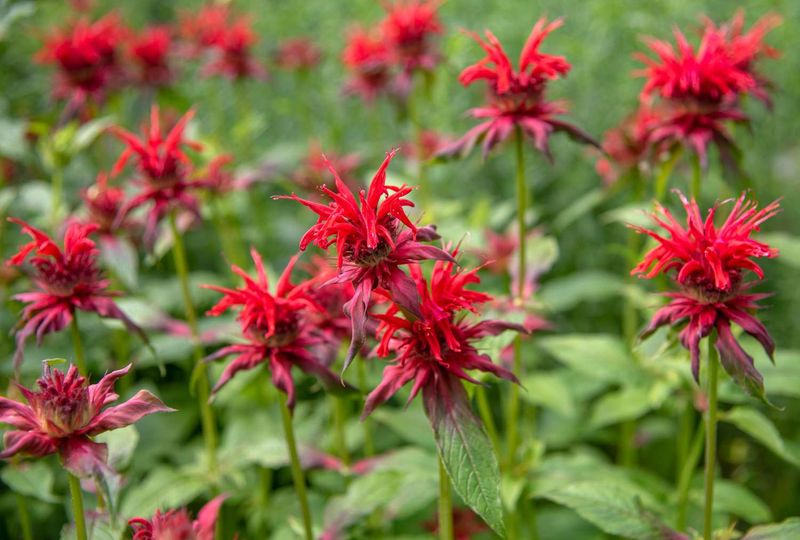
Bee Balm, with its striking red and purple blooms, is a magnet for pollinators. This perennial is perfect for those looking to attract bees and butterflies to their garden. Bee Balm thrives in full sun and well-drained soil, offering vibrant color from mid-summer to early fall. Beyond its beauty, Bee Balm has a rich history as a medicinal plant used by indigenous peoples. Its resilience against common garden pests adds to its allure. Plant Bee Balm to enjoy both visual appeal and the buzz of happy pollinators.
Coreopsis
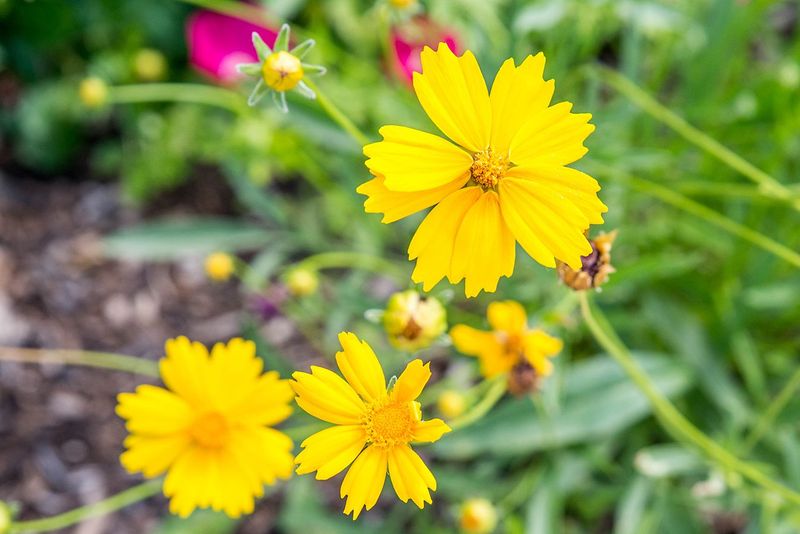
Coreopsis, often known as tickseed, is renowned for its bright, daisy-like flowers and long blooming period. These cheerful perennials are available in various colors, including yellow, pink, and red, bringing a burst of sunshine to gardens. Coreopsis thrives in full sun and is drought-tolerant, making it easy to grow even in challenging conditions. Fun fact: Coreopsis was designated the official wildflower of Florida in 1991 due to its popularity. Its ability to attract butterflies and low maintenance requirements make it a garden favorite.
Salvia
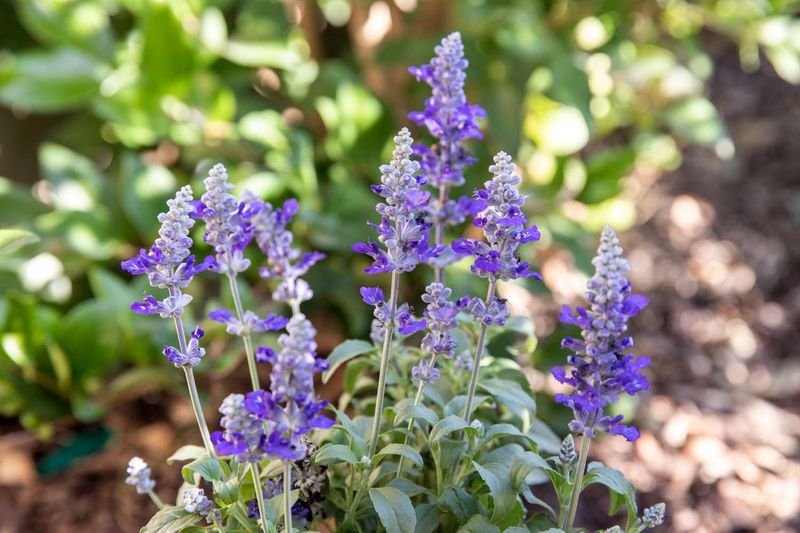
Salvia, with its spiky blooms and aromatic foliage, is a standout in any garden. These hardy perennials come in a range of colors, including blue, purple, pink, and red, offering diverse options for gardeners. Salvia thrives in full sun and well-drained soil, and its drought-resistant nature adds to its appeal. Interestingly, Salvia has a long history of use in traditional medicine. Its ability to attract pollinators like bees and hummingbirds enhances its ecological value. Plant Salvia for a garden filled with color and life.
Astilbe
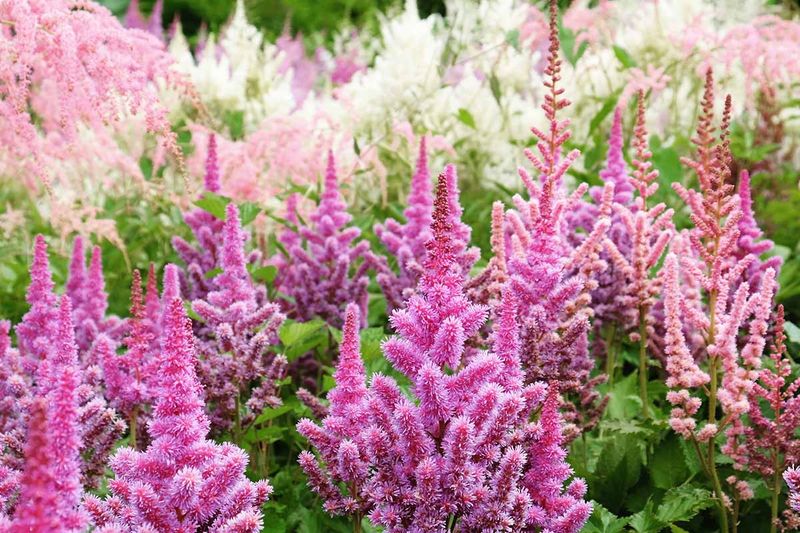
Astilbe is known for its delicate, feathery plumes that rise above fern-like foliage. Perfect for shaded garden areas, these perennials add elegance with their soft pink, white, and red blooms. Astilbe thrives in moist soil, making it ideal for planting near water features or in areas with consistent moisture. An interesting tidbit: Astilbe is native to Asia and North America, often found in woodland areas. Their ability to attract beneficial insects makes them a valuable addition to any garden focused on biodiversity.
Lamb’s Ear
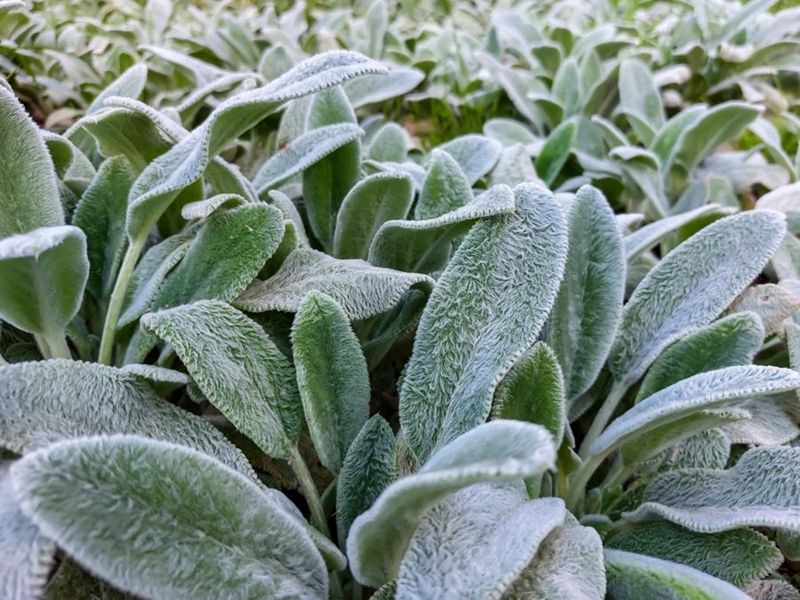
Lamb’s Ear is cherished for its soft, velvety leaves that invite touch. This perennial’s silvery-green foliage adds a unique texture to gardens, making it an excellent ground cover. Lamb’s Ear thrives in full sun and well-drained soil, proving its resilience in various conditions. Beyond its visual appeal, Lamb’s Ear is deer-resistant, offering a practical solution for gardens frequented by wildlife. Fun fact: Lamb’s Ear gets its name from its leaf shape, reminiscent of a lamb’s ear. Its low-maintenance nature makes it a gardener’s delight.
Catmint
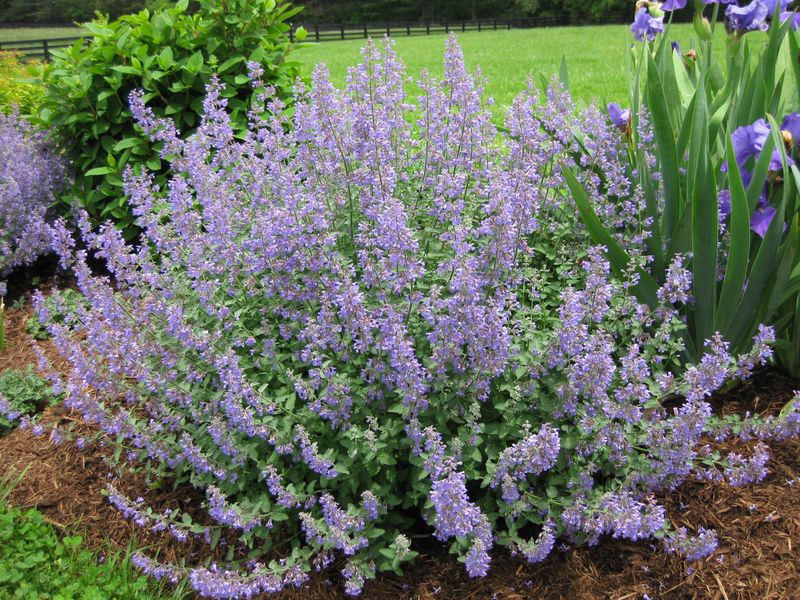
Catmint stands out with its aromatic foliage and lavender-blue flowers. This perennial is a favorite among gardeners for its long blooming season and ability to attract pollinators like bees and butterflies. Catmint thrives in full sun and tolerates drought, making it a low-maintenance choice for gardens. Interestingly, Catmint is related to catnip, sharing a similar scent that cats adore. Its resilience against pests and adaptability to various soil types add to its charm. Plant Catmint for a garden filled with life and fragrance.
Brunnera
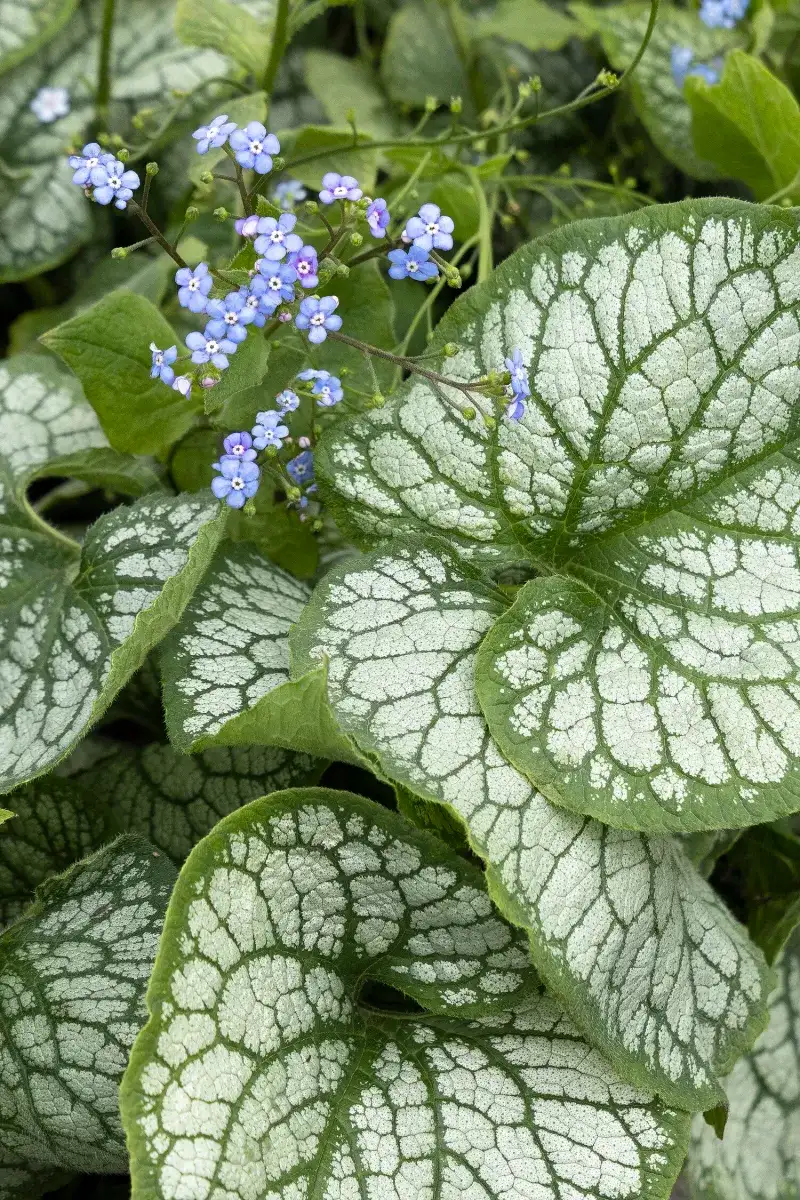
Brunnera offers a touch of enchantment with its heart-shaped leaves and delicate blue flowers. This perennial thrives in shaded areas, bringing color to parts of the garden that often lack it. Brunnera is known for its resilience, tolerating various soil conditions with ease. Its leaves are often variegated, adding further interest and texture. Did you know? Brunnera is commonly called Siberian Bugloss, hinting at its cold hardiness. Its ability to withstand harsh winters and low light makes it a valuable addition to any garden.
Japanese Anemone
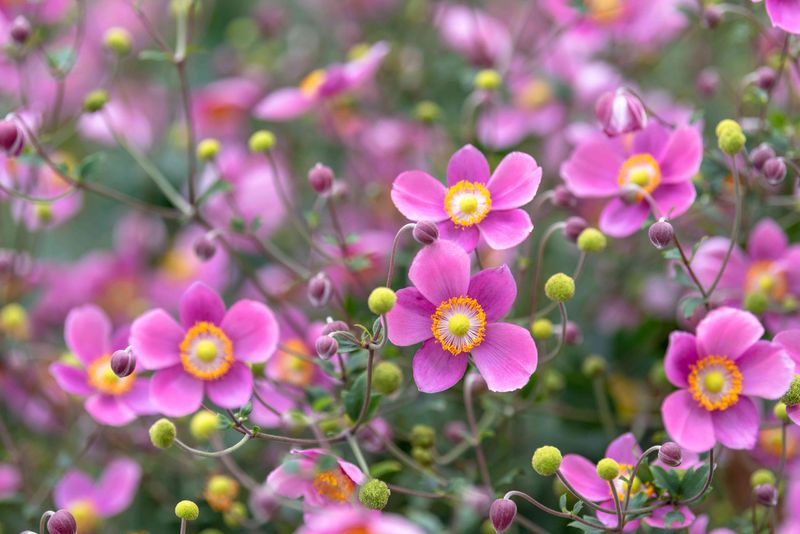
Japanese Anemones add a touch of grace with their delicate flowers on tall, wiry stems. These perennials bloom in late summer to fall, providing color when many other plants fade. They thrive in partial shade and well-drained soil, showcasing their resilience in diverse conditions. Japanese Anemones are known for their ability to establish quickly, forming large clumps over time. A fun fact: Despite their name, these anemones are native to China and were introduced to Japan centuries ago. Their elegance and hardiness make them a garden favorite.
Bergenia
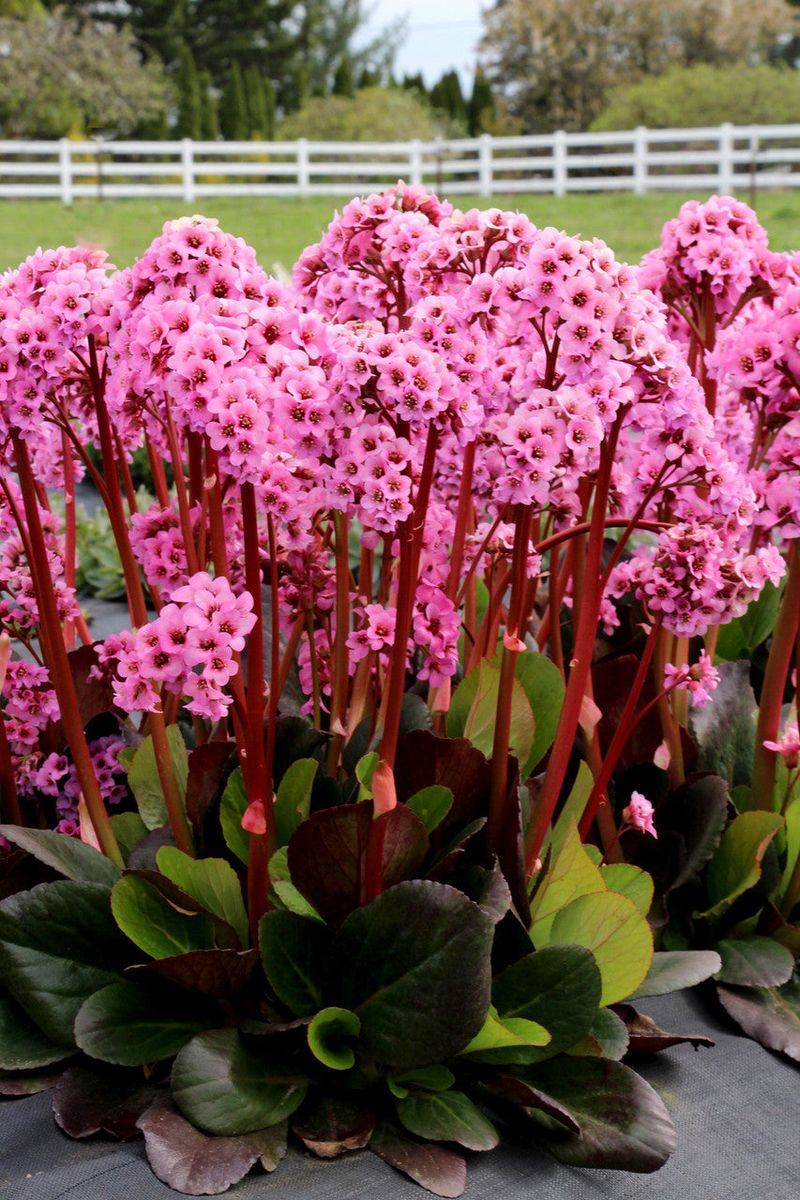
Bergenia is a standout with its large, glossy leaves and clusters of pink blooms. This perennial is perfect for adding color to gardens in early spring. Bergenia thrives in partial to full shade, showcasing its adaptability to various light conditions. Its evergreen leaves provide interest year-round, turning red or bronze in fall. Did you know? Bergenia is often called “Pig Squeak” due to the sound its leaves make when rubbed. Its hardiness and low maintenance make it a practical choice for any garden.
Coral Bells
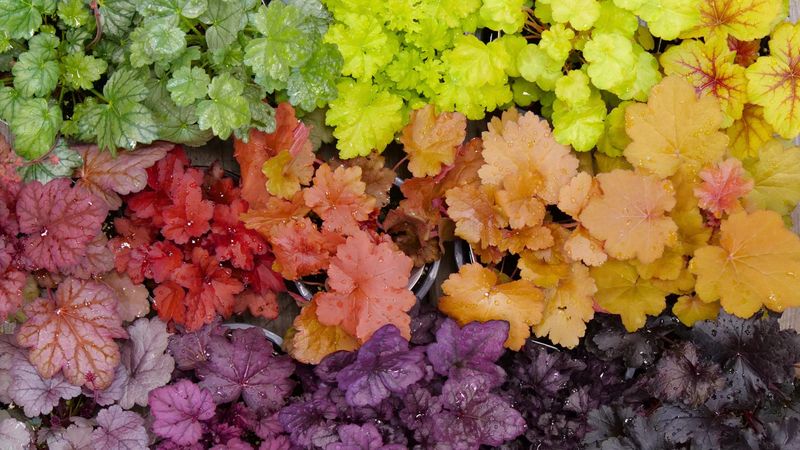
Coral Bells are prized for their vibrant foliage, ranging from deep purple to lime green. These perennials add interest to gardens with their unique leaf colors and tiny bell-shaped flowers. Coral Bells thrive in partial shade and well-drained soil, making them versatile additions to borders and containers. Interestingly, Coral Bells are also known as Heuchera, named after the German botanist Johann Heinrich von Heucher. Their appeal extends beyond beauty, offering resilience against pests and diseases. Plant Coral Bells for a garden full of color and charm.
Penstemon
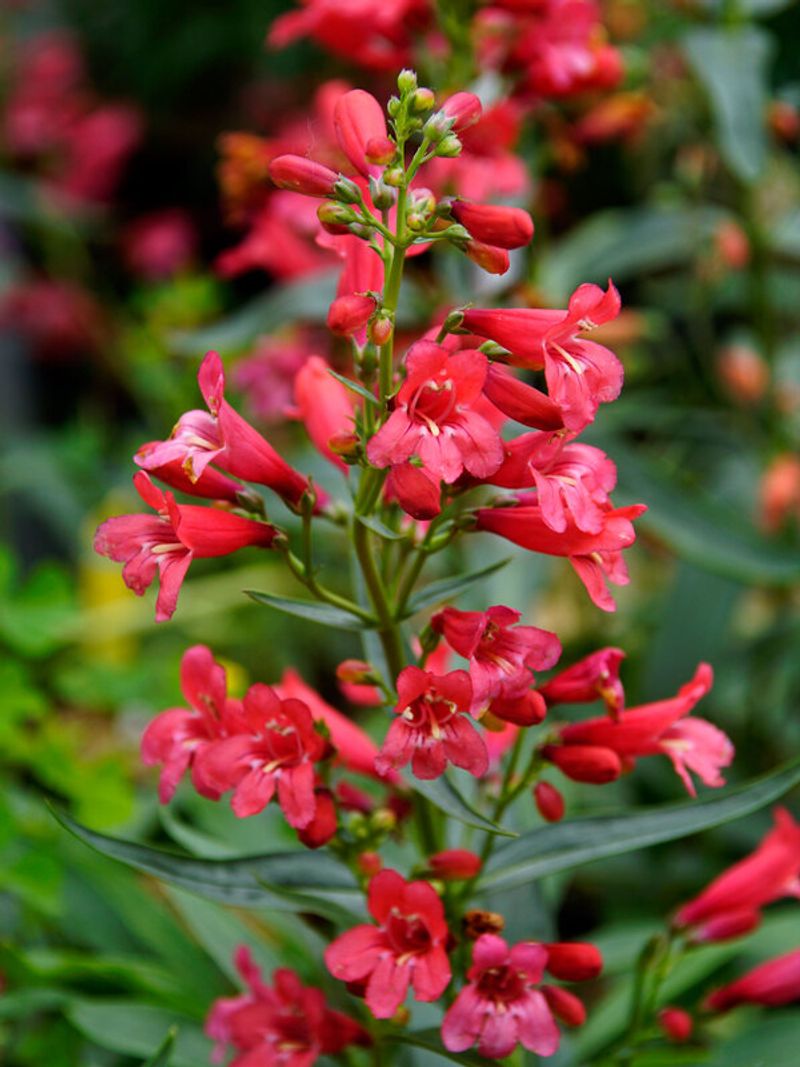
Penstemon, with its tubular flowers and vibrant colors, is a favorite for attracting hummingbirds. These perennials thrive in full sun and well-drained soil, showcasing their resilience in dry conditions. Penstemon flowers come in shades of pink, red, blue, and purple, adding diversity to gardens. An interesting tidbit: Penstemon is often called “Beardtongue” due to the appearance of its stamens. Its ability to adapt to various climates and soil types makes it a versatile choice for gardeners seeking color and wildlife attraction.
Sedum Autumn Joy
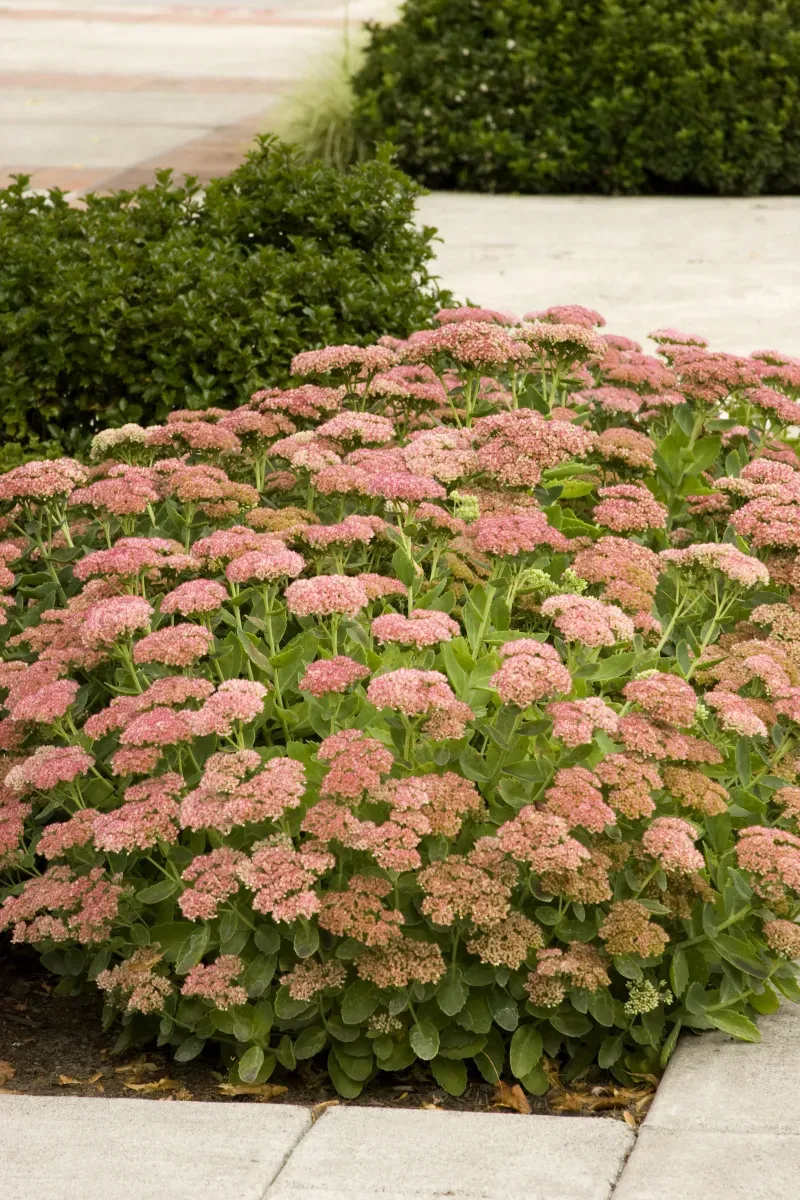
Sedum Autumn Joy is a versatile perennial known for its changing colors. Its flower heads transition from pink to deep red as the season progresses, offering visual interest. This hardy plant thrives in full sun and well-drained soil, proving its resilience in challenging conditions. Sedum Autumn Joy is drought-tolerant, making it ideal for xeriscaping. Fun fact: Sedum is part of the Crassulaceae family, known for its succulent-like qualities. Its ability to attract butterflies and withstand neglect makes it a popular choice for low-maintenance gardens.
Gaillardia
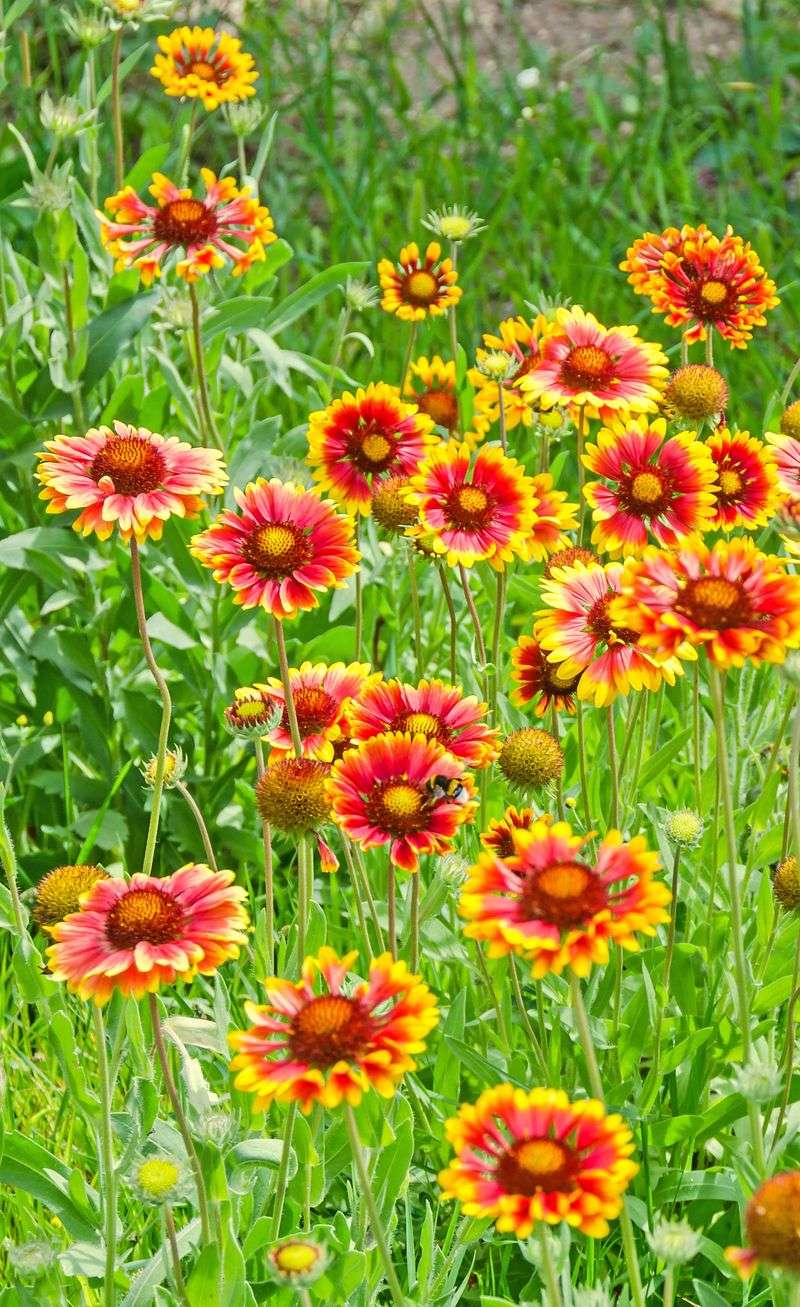
Gaillardia, or Blanket Flower, is celebrated for its fiery red and yellow blooms. These perennials bring warmth to gardens with their prolonged flowering period from summer to autumn. Gaillardia thrives in full sun and well-drained soil, showcasing its drought tolerance and resilience. Interestingly, Gaillardia is native to North and South America, named after a French patron of botany, M. Gaillard de Charentonneau. Its ability to attract pollinators makes it a valuable addition to eco-friendly gardens. Enjoy a burst of color with this hardy perennial.
Pulmonaria
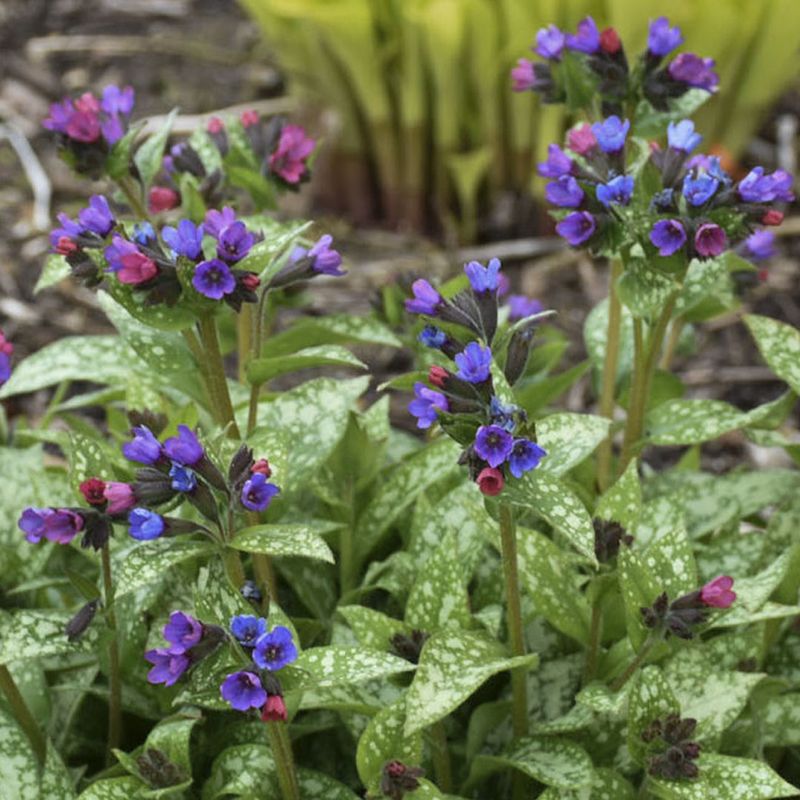
Pulmonaria, known for its spotted leaves and blue flowers, brings a touch of whimsy to shaded gardens. These perennials thrive in partial to full shade, adding color where others cannot. Pulmonaria’s blooms appear in early spring, providing early-season interest. Did you know? Pulmonaria is also called “lungwort” due to its historical use in treating lung ailments. Its hardiness and ability to attract pollinators make it a valuable garden addition. Enjoy the blend of unique foliage and vibrant blooms with Pulmonaria.
Ajuga
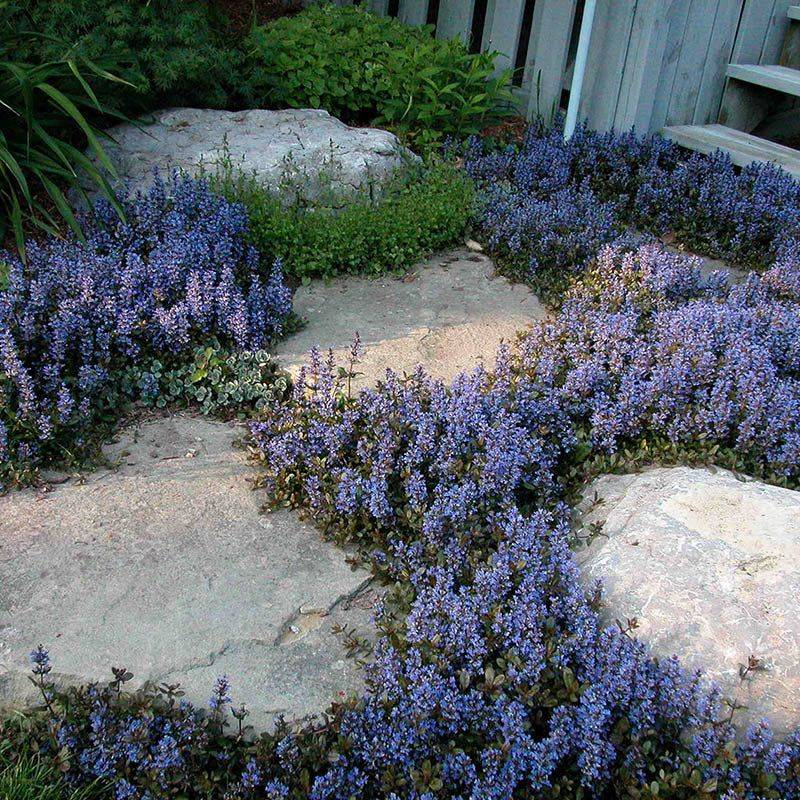
Ajuga, or Bugleweed, is a ground cover marvel with its dense foliage and striking flower spikes. This perennial thrives in full sun to partial shade, offering versatility in various garden settings. Ajuga’s leaves come in shades of green, bronze, and purple, providing year-round interest. An intriguing fact: Ajuga is often used in herbal medicine for its astringent properties. Its ability to suppress weeds and adapt to different soil types makes it a practical choice for gardeners seeking low-maintenance solutions. Add texture and color with Ajuga.
Cranesbill Geranium
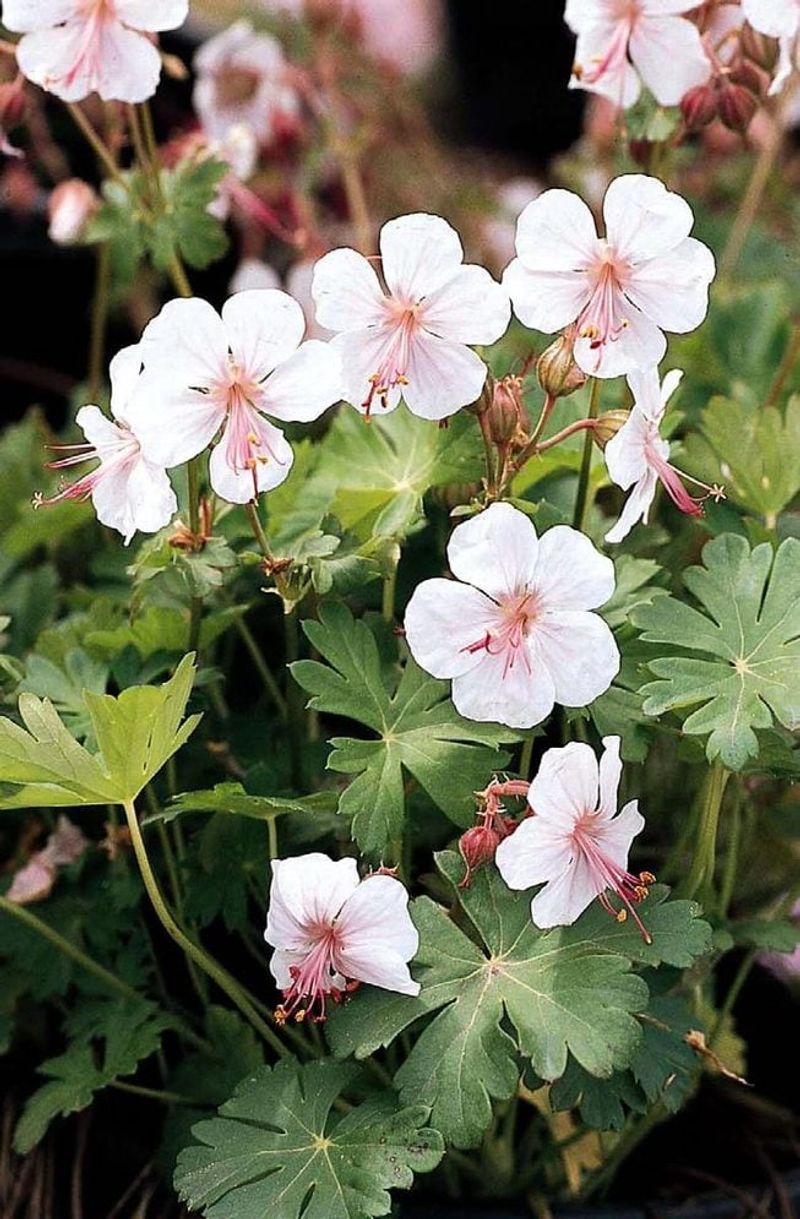
Cranesbill Geraniums are beloved for their delicate blooms and finely cut leaves. These perennials thrive in full sun to partial shade, offering versatility and charm. Their flowers come in shades of pink, blue, and white, providing a soft, romantic touch to gardens. Did you know? Cranesbill Geraniums are named for their seed pods, which resemble a crane’s bill. Their resilience against pests and adaptability to different soil types make them a gardener’s favorite. Enjoy the timeless elegance of Cranesbill Geraniums in your garden.
Baptisia
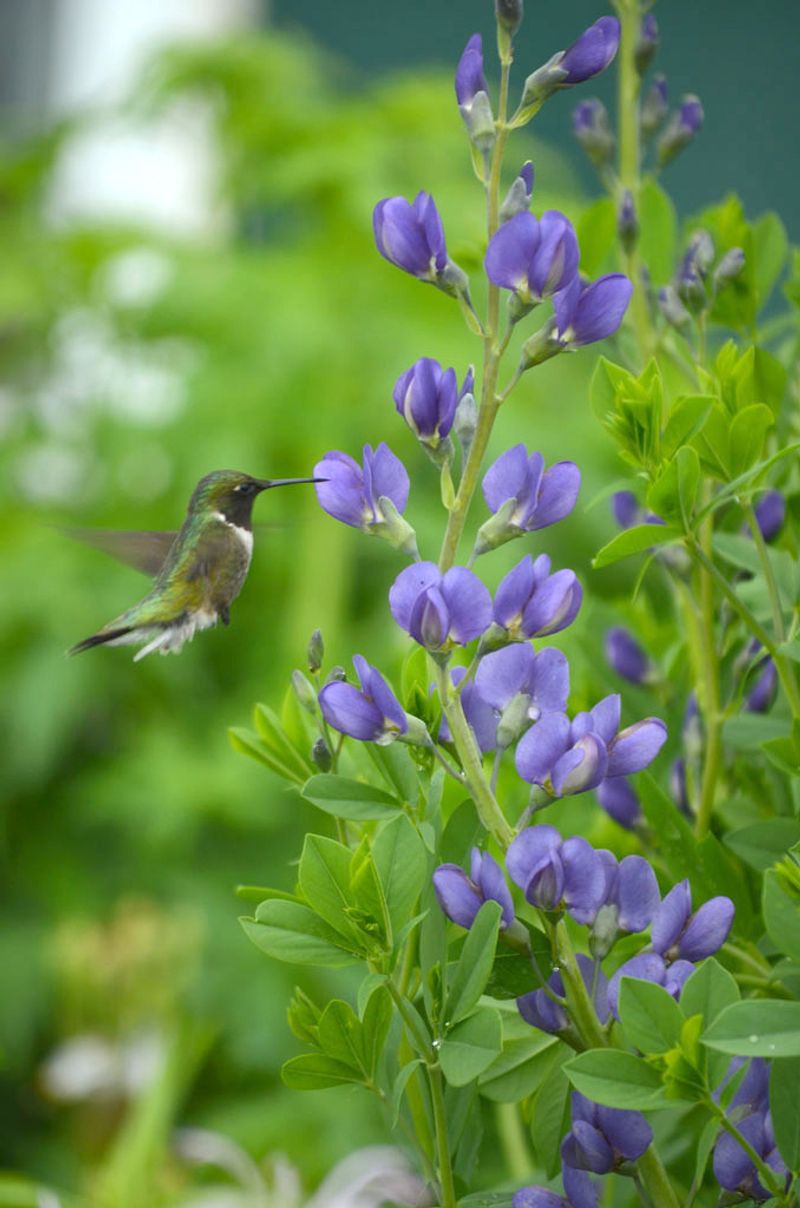
Baptisia, with its indigo-blue flowers, adds a touch of wild beauty to gardens. These perennials thrive in full sun and well-drained soil, showcasing their resilience in various climates. Baptisia’s blooms resemble lupines, creating a striking visual impact. A fun fact: Baptisia is commonly known as “False Indigo,” historically used as a dye plant by Native Americans. Its ability to withstand drought and attract pollinators makes it a valuable addition to eco-friendly gardens. Enjoy the natural elegance of Baptisia all season long.
Aster
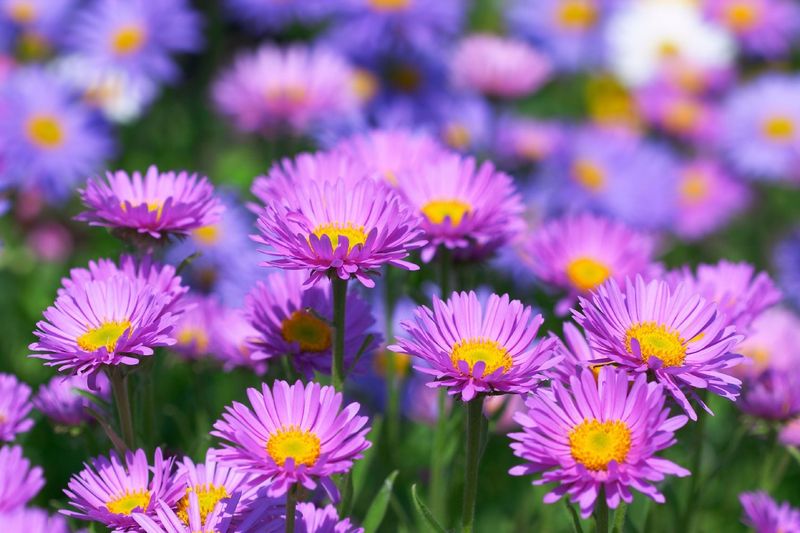
Asters are the stars of autumn gardens with their vibrant blooms in purple, pink, and white. These perennials thrive in full sun and well-drained soil, offering late-season color when other flowers have faded. Asters are known for their ability to attract pollinators, making them an ecological asset. Interestingly, Asters are related to sunflowers and daisies, sharing the characteristic daisy-like flower structure. Their resilience against pests and adaptability to various conditions add to their appeal. Plant Asters for a garden that shines in fall.
Hollyhock
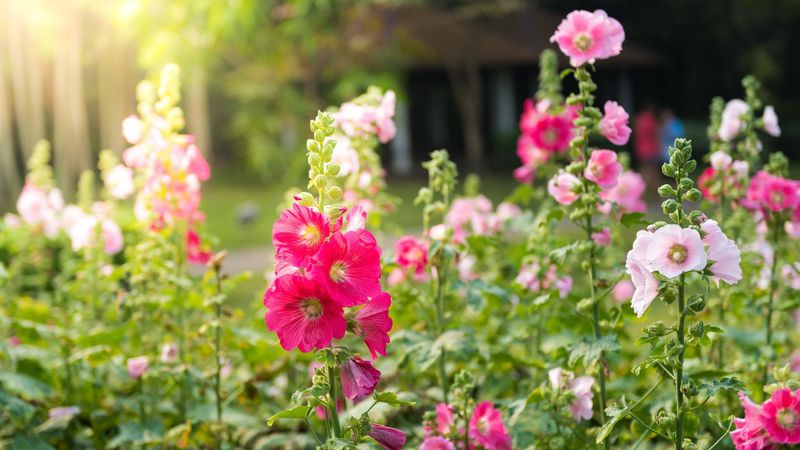
Hollyhocks bring a touch of nostalgia with their towering spikes and colorful blooms. These perennials are perfect for cottage gardens, adding vertical interest and classic charm. Hollyhocks thrive in full sun and well-drained soil, showcasing their resilience in various environments. Did you know? Hollyhocks have been cultivated since ancient times, with a rich history in traditional gardens. Their ability to attract pollinators and withstand drought makes them a valuable addition to low-maintenance landscapes. Enjoy the timeless beauty of Hollyhocks in your garden.
Phlox
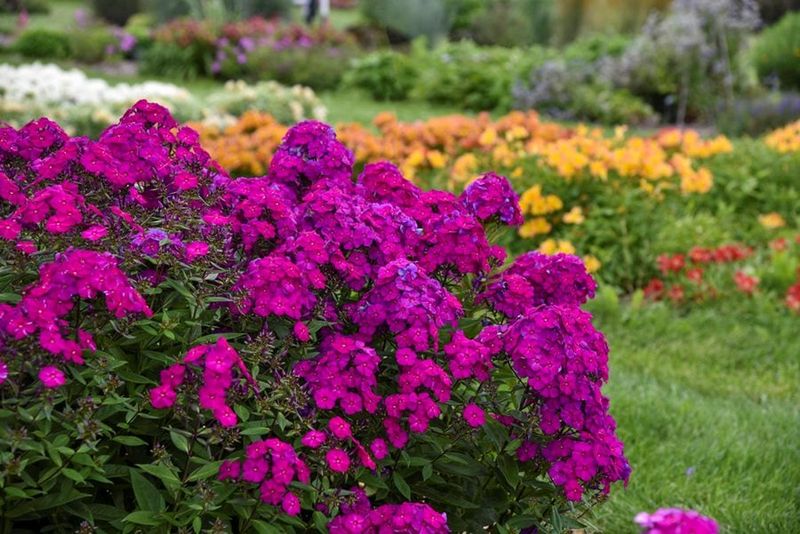
Phlox is celebrated for its fragrant flowers and vibrant colors. These perennials add beauty to gardens with their clusters of blooms in pink, purple, white, and red. Phlox thrives in full sun and well-drained soil, offering a long flowering season from summer to fall. An interesting note: Phlox is native to North America, with several species adapted to different climates. Its ability to attract butterflies and resist common pests makes it a favorite among gardeners. Fill your garden with the fragrance and color of Phlox.
Helenium
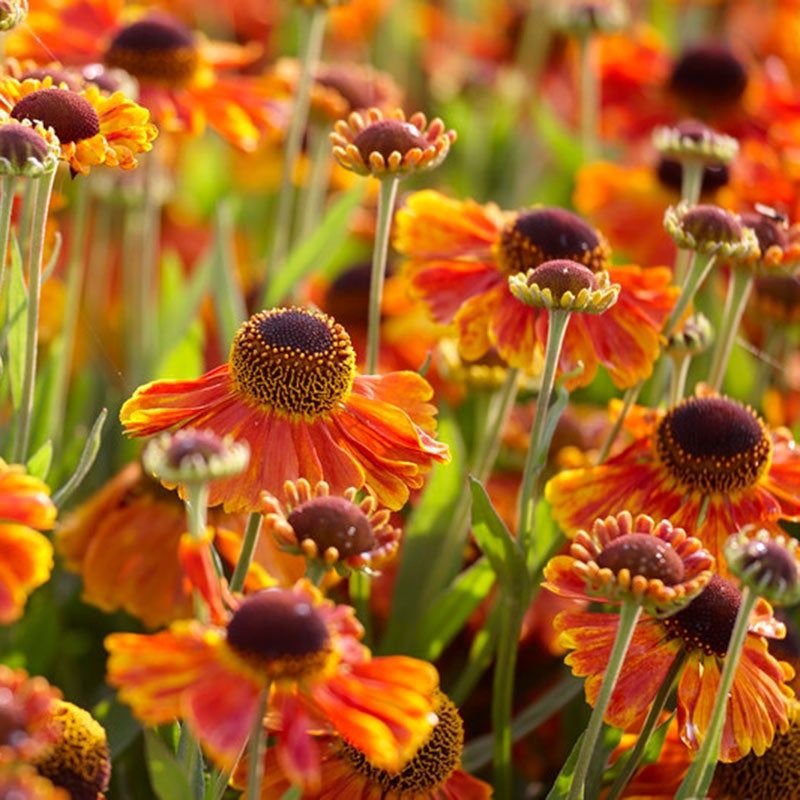
Helenium, or Sneezeweed, is known for its warm-toned blooms in shades of yellow, orange, and red. These perennials thrive in full sun and well-drained soil, adding a burst of color to gardens. Helenium flowers from midsummer to fall, providing consistent beauty. A fun fact: The name “Sneezeweed” comes from the plant’s historical use as a snuff ingredient. Its ability to attract pollinators and resist deer makes it a practical choice for gardeners seeking low-maintenance beauty. Enjoy the cheerful presence of Helenium in your landscape.
Plumbago
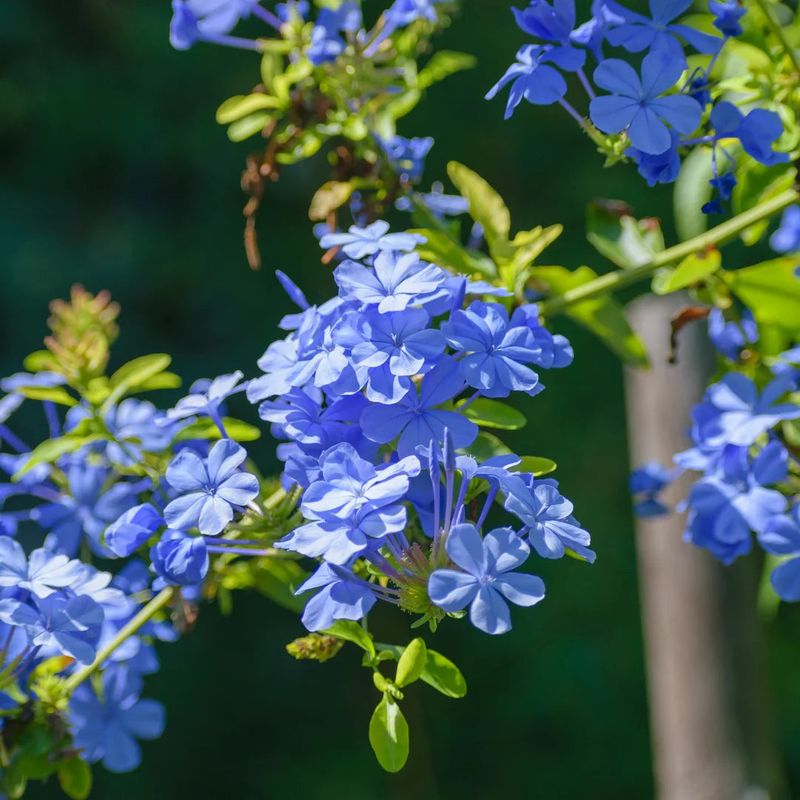
Plumbago is adored for its sky-blue flowers and sprawling growth habit. These perennials thrive in full sun and well-drained soil, adding a touch of tranquility to gardens. Plumbago’s blooms appear from spring to fall, offering long-lasting color. Did you know? Plumbago is also known as “Leadwort,” with a history of medicinal use in various cultures. Its resilience against pests and ability to attract butterflies make it a valuable addition to eco-friendly gardens. Let Plumbago’s serene beauty enhance your landscape.
Nepeta
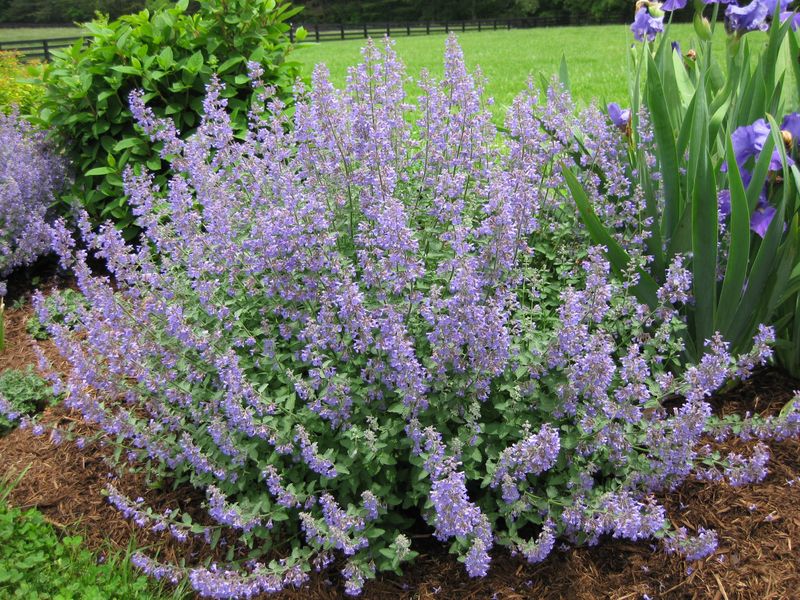
Nepeta, commonly known as Catmint, enchants with its aromatic leaves and lavender-blue blooms. These perennials thrive in full sun and well-drained soil, showcasing resilience in various conditions. Nepeta’s long blooming season and ability to attract pollinators make it a favorite among gardeners. An interesting tidbit: Nepeta is related to catnip, with a scent that cats love. Its drought tolerance and resistance to pests add to its appeal. Plant Nepeta for a garden filled with fragrance and lively activity.