 Complete Gardening
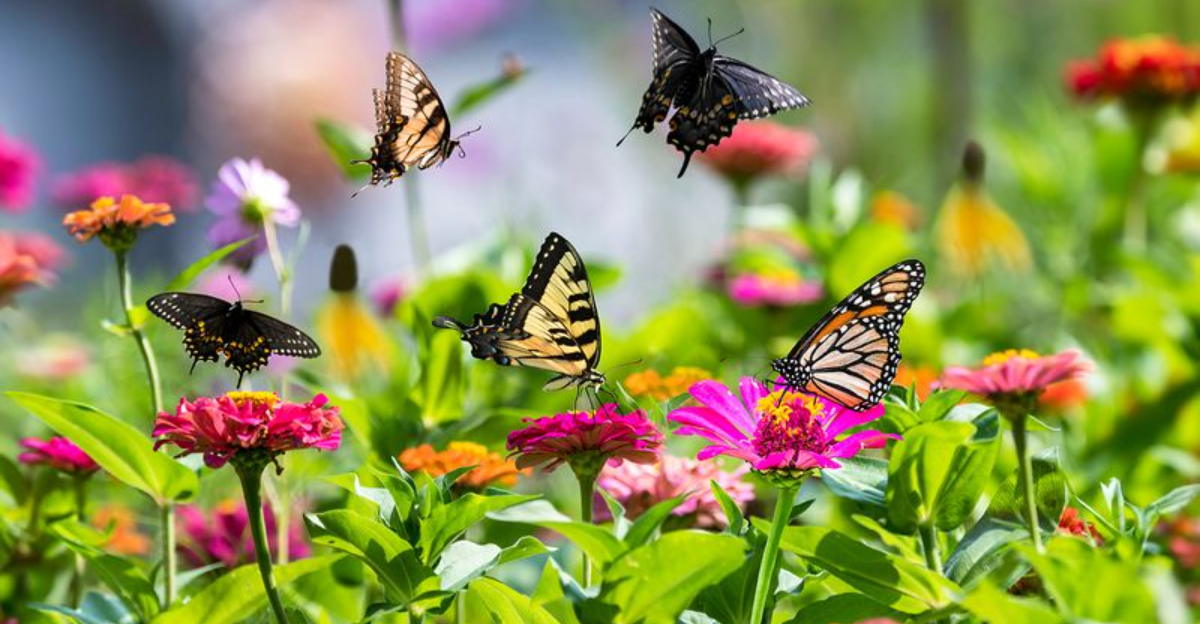
Butterflies bring joy and vibrancy to gardens, and they are easily attracted by certain plants.
This post will explore 40 different butterfly-friendly plants that can turn any garden into a colorful paradise.
These plants not only serve as nourishment for butterflies but also enhance the aesthetics of your garden, creating a lively and stunning environment.
1. Butterfly Bush (Buddleia)
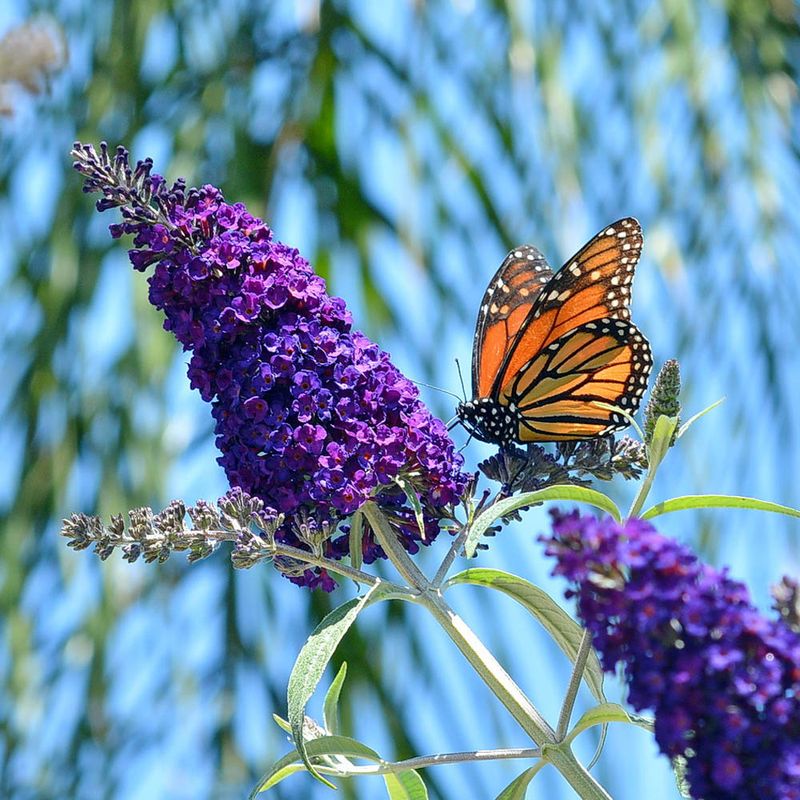
The Butterfly Bush, known for its long, arching clusters of flowers, serves as a beacon for butterflies. Its nectar-rich blooms make it irresistible. Capable of reaching heights of 10 feet, it becomes a focal point in any garden. Originating from China, this plant thrives in sunny locations with well-drained soil. While its colorful blossoms range from pink to deep purple, its appeal lies in how it attracts countless butterflies. Gardeners appreciate its low maintenance and drought resistance. Did you know? Despite its name, the Butterfly Bush is not related to true bushes.
2. Milkweed (Asclepias)
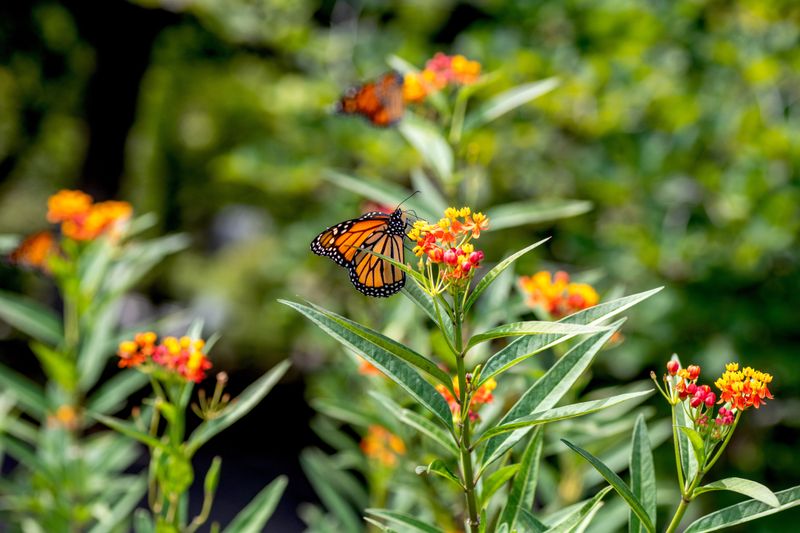
Milkweed is a vital plant for the monarch butterfly’s survival. Its milky sap contains toxins that, when ingested by caterpillars, render them unpalatable to predators. Flourishing in sunny meadows, milkweed boasts clusters of small, fragrant flowers. These blooms range from pink to orange, offering visual delight. With its deep roots, it stabilizes soil and supports local ecosystems. Varieties like Swamp Milkweed prefer wet conditions, while Butterfly Weed thrives in drier spots. A fun fact: Milkweed’s silky seeds were used as pillow stuffing during World War II. This plant is truly nature’s wonder!
3. Coneflower (Echinacea)
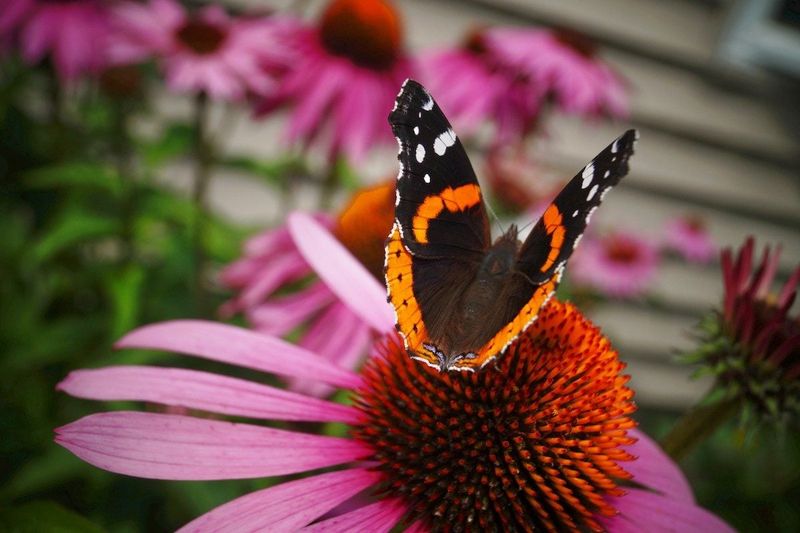
Coneflowers, with their daisy-like appearance, are a staple in butterfly gardens. These hardy perennials are drought-tolerant and attract various pollinators. Blooming from early summer to autumn, their vibrant petals in hues of pink, purple, and white stand out. Besides their visual appeal, coneflowers have medicinal properties. Historically, Native Americans utilized them for their healing abilities. Today, they are popular in herbal remedies. Their central cone, filled with seeds, becomes a feast for birds after flowering. Did you know? Coneflowers are named for their cone-shaped centers. Truly a garden must-have!
4. Lantana
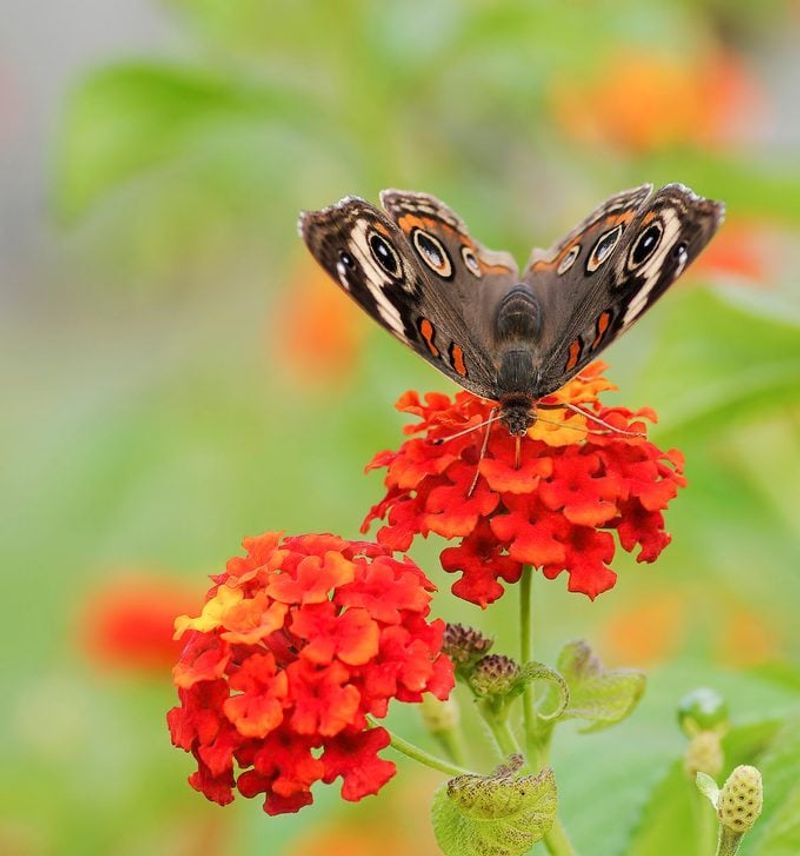
Lantana, with its cheerful clusters of flowers, is a magnet for butterflies. Its blooms change color as they age, offering a dynamic splash of hues. This plant thrives in sunny environments, showcasing its drought-resistant nature. Lantana’s fragrance and nectar-rich flowers are irresistible to butterfly species. In tropical climates, it can be evergreen, providing year-round beauty. However, in colder zones, it acts as an annual. A quirky fact: Lantana leaves can emit a citrus aroma when crushed. Gardeners value its ability to deter deer and rabbits, ensuring it shines uninterrupted.
5. Black-eyed Susan (Rudbeckia)
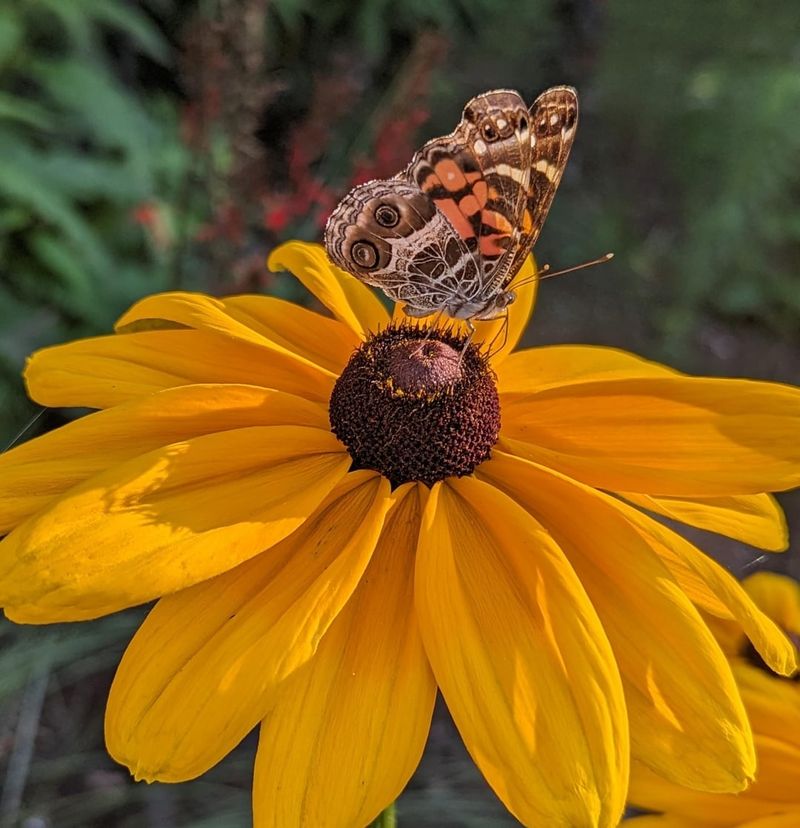
Black-eyed Susans, known for their sunny disposition, are a favorite in butterfly gardens. Their vibrant yellow petals encircle a dark, central cone, creating a striking contrast. These perennials flourish in sunny spots and are drought-tolerant. Besides attracting butterflies, they provide nectar for bees and seeds for birds. Originating from North America, they hold cultural significance. A historical tidbit: They symbolize justice in the language of flowers. Their long-lasting blooms make them ideal for cut flower arrangements. With minimal care needs, Black-eyed Susans are a gardener’s delight.
6. Bee Balm (Monarda)
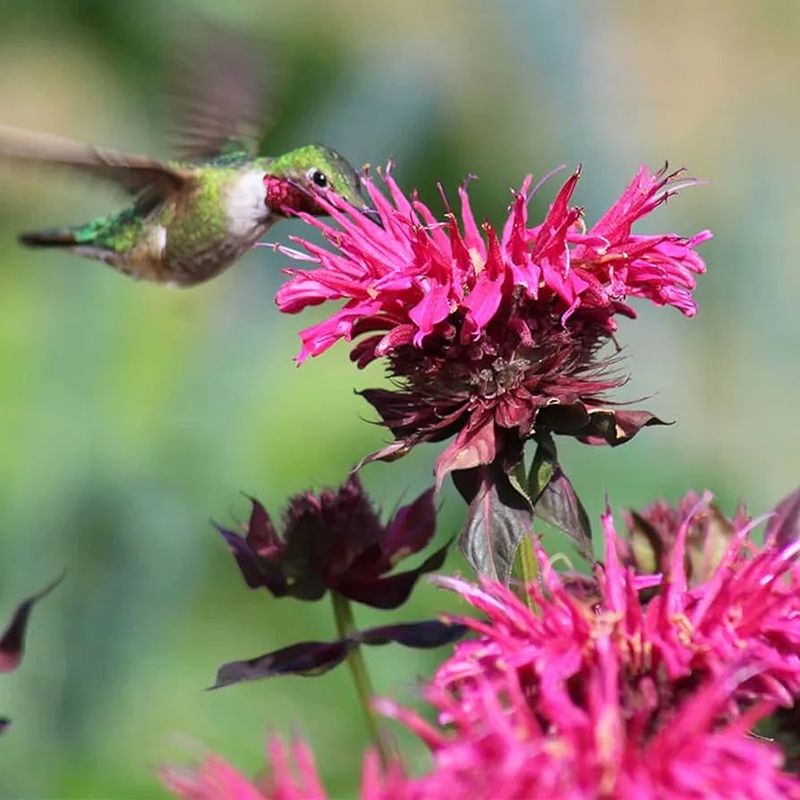
Bee Balm, with its spiky flowers, is a showstopper in butterfly gardens. Its bright blooms in shades of red, pink, and purple attract not only butterflies but hummingbirds too. Flourishing in moist, sunny areas, it’s also known as Oswego Tea, named after the Oswego Native Americans. This plant has a rich history, being used for medicinal teas. Its aromatic leaves can be brewed for a refreshing drink. Did you know? Bee Balm’s fragrance resembles that of bergamot oranges. It’s a delightful addition, both visually and for its historical significance.
7. Joe-Pye Weed (Eutrochium)
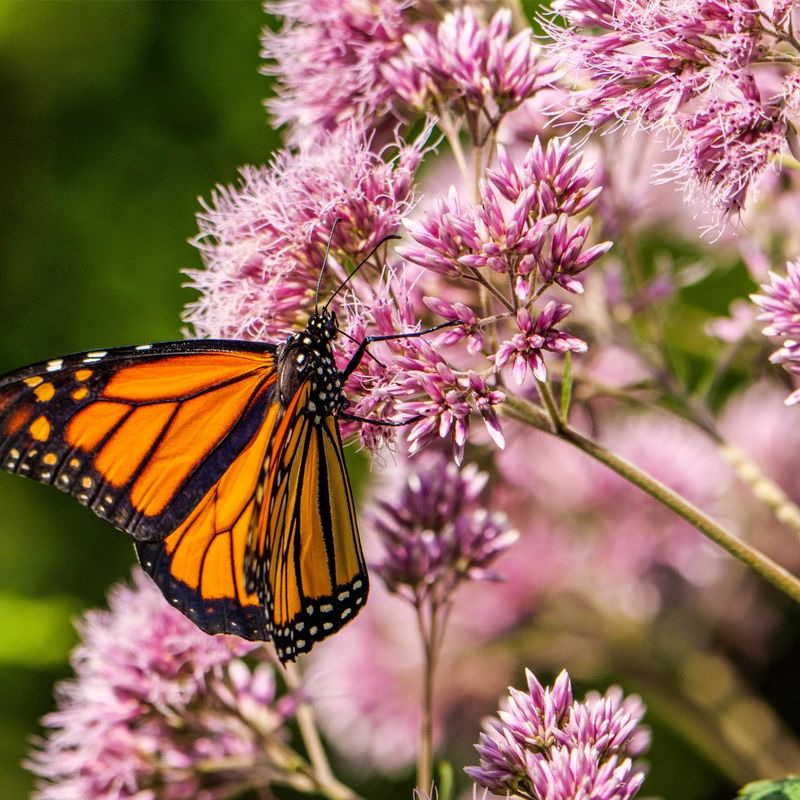
Joe-Pye Weed, with its towering stature, commands attention in any garden. Its mauve flowers are a magnet for butterflies and bees. Named after Joe Pye, a Native American herbalist, this plant has historical significance. It was traditionally used to treat fevers and kidney ailments. Thriving in moist soils, it can reach heights of up to 7 feet. As summer wanes, its blooms provide essential late-season nectar. A fun fact: Joe-Pye Weed’s hollow stems were once used as primitive musical instruments. Its presence in the garden is both functional and fascinating.
8. Zinnias
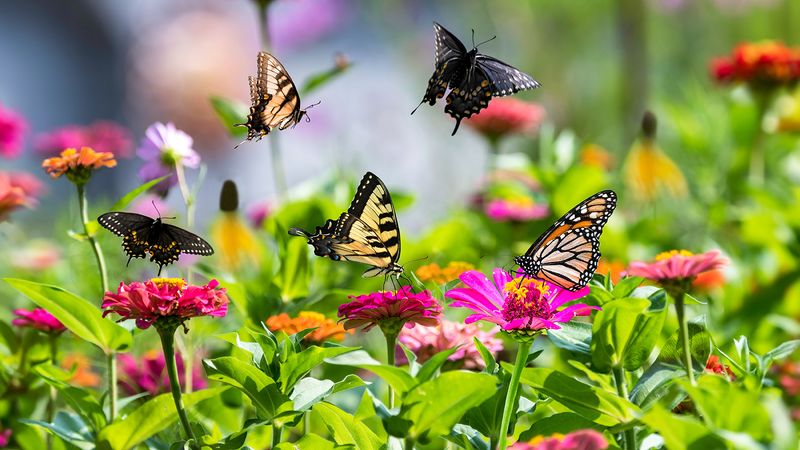
Zinnias, with their vibrant, multi-colored blooms, are a staple in any butterfly garden. These annual plants thrive in sunlit areas, offering a continuous burst of color from summer through fall. Their daisy-like flowers attract a plethora of pollinators. Besides butterflies, they are favored by bees and hummingbirds. Zinnias are easy to grow from seed, making them a favorite among gardeners. A quirky tidbit: Zinnias symbolize lasting affection in the language of flowers. Their resilient nature and vibrant display make them a garden favorite, ensuring a lively and colorful setting.
9. Verbena
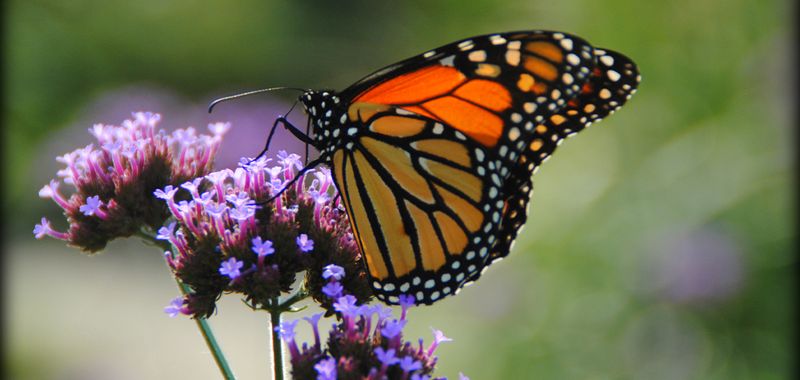
Verbena, known for its cascading clusters of small flowers, is a delight in butterfly gardens. Its blooms come in a range of colors, from pink to deep purple. These perennial plants thrive in sunny, well-drained locations. Besides attracting butterflies, verbena is loved for its long-lasting blooms. Gardeners appreciate its low maintenance and drought resistance. Verbena has also been used historically for its medicinal properties. A fun fact: Verbena was believed to have magical properties and was used in ancient rituals. Its enchanting presence continues to captivate garden enthusiasts today.
10. Coreopsis
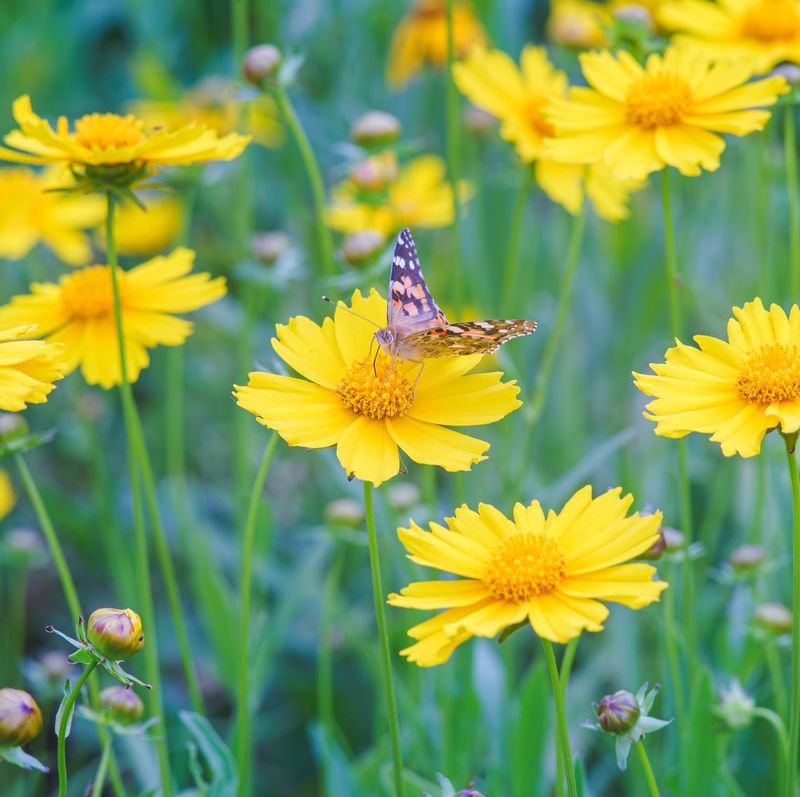
Coreopsis, often referred to as tickseed, is a sunny addition to any butterfly garden. Its bright yellow blooms are like bursts of sunshine, attracting various pollinators. Flourishing in well-drained soil and full sun, it’s a hardy perennial. Its long blooming period, from early summer to fall, ensures continuous color and life. Beyond its beauty, coreopsis has been used in traditional medicine. A quirky tidbit: Its seeds resemble ticks, hence the name ‘tickseed.’ With minimal care needs, it’s perfect for gardeners seeking vibrant, low-maintenance plants that attract butterflies.
11. Asters
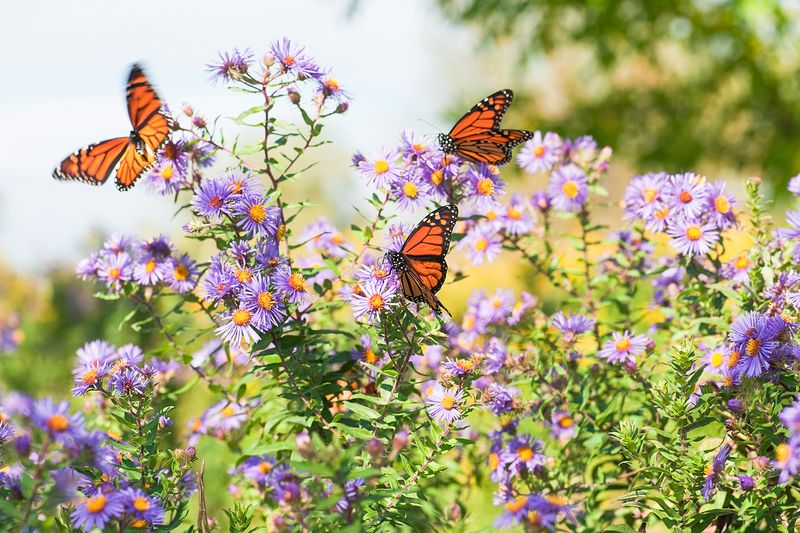
Asters, with their starry blooms, bring color to late-season gardens. These perennials are vital nectar sources for butterflies preparing for migration. Blooming in shades of purple, pink, and white, they stand out as autumn approaches. Asters thrive in sunny spots and are easy to grow. Besides attracting butterflies, they serve as crucial late-season forage for bees. A fun fact: Asters are associated with love and patience in the language of flowers. Their vibrant display and ecological importance make them cherished additions to any garden, ensuring beauty and life as seasons change.
12. Goldenrod (Solidago)
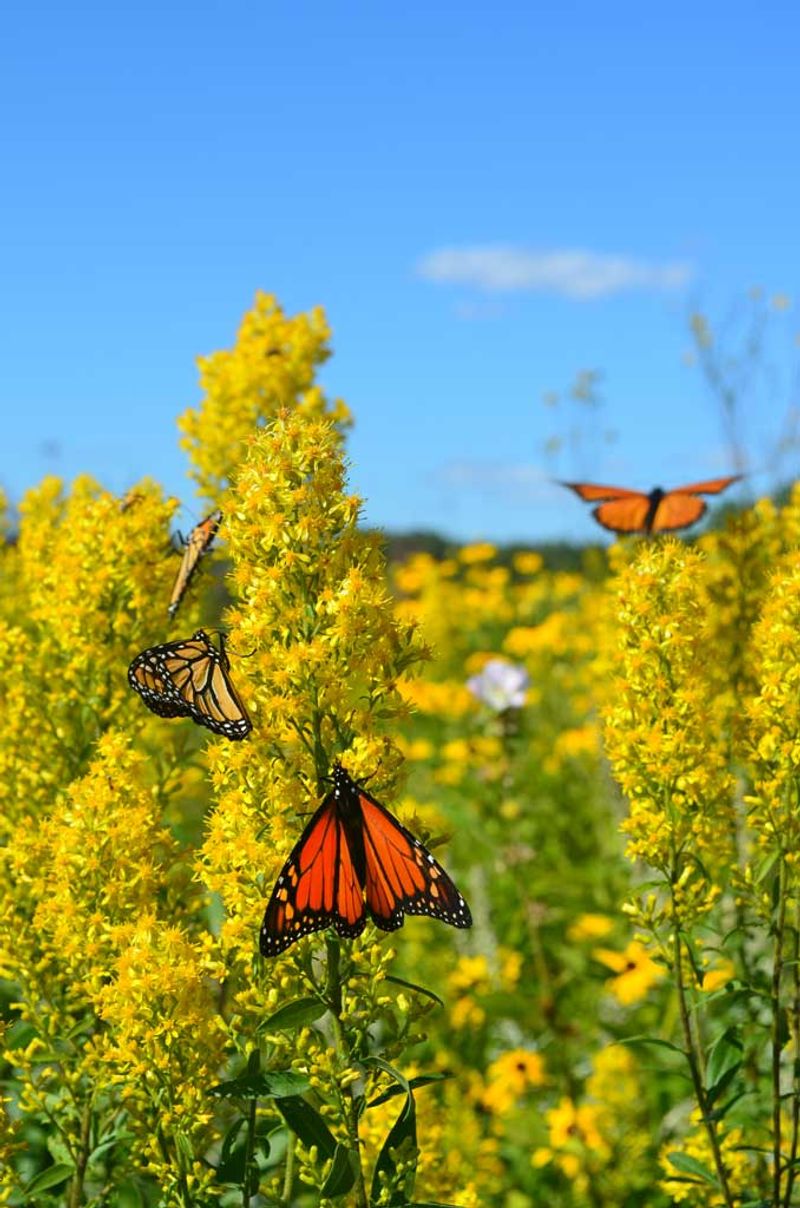
Goldenrod, with its golden plumes, lights up late summer gardens. Often misunderstood as an allergy culprit, it’s actually ragweed that causes sneezes. Instead, goldenrod offers nectar to butterflies and bees during late summer when other blooms fade. This hardy perennial thrives in various conditions, from fields to roadside ditches. Its tall, arching stems support vibrant yellow flowers. Goldenrod has a rich history in herbal medicine, used for its anti-inflammatory properties. A quirky tidbit: Thomas Edison experimented with goldenrod as a potential source of rubber. Its beauty and usefulness make it a garden gem.
13. Phlox
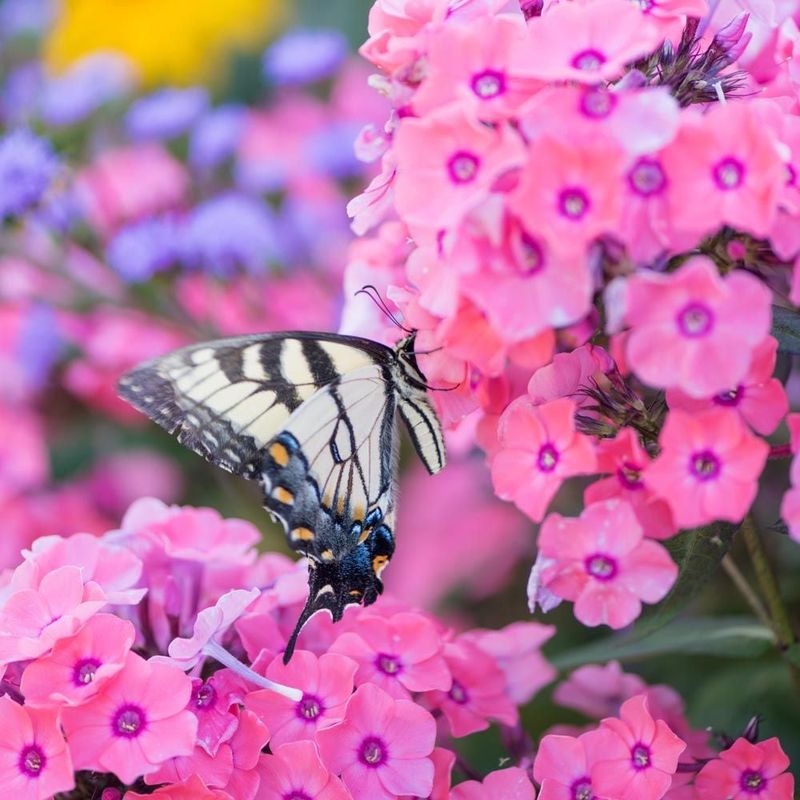
Phlox, with its clusters of fragrant flowers, is a butterfly garden favorite. Blooming in shades of pink, purple, and white, it adds a splash of color to any garden space. These perennials thrive in sunny locations, providing nectar for butterflies and hummingbirds alike. Besides their ornamental value, phlox have a sweet fragrance that enhances garden ambiance. A fun fact: In the language of flowers, phlox represents sweet dreams. Their long-lasting blooms and ease of care make them popular among gardeners, ensuring a vibrant and welcoming habitat for pollinators.
14. Blazing Star (Liatris)
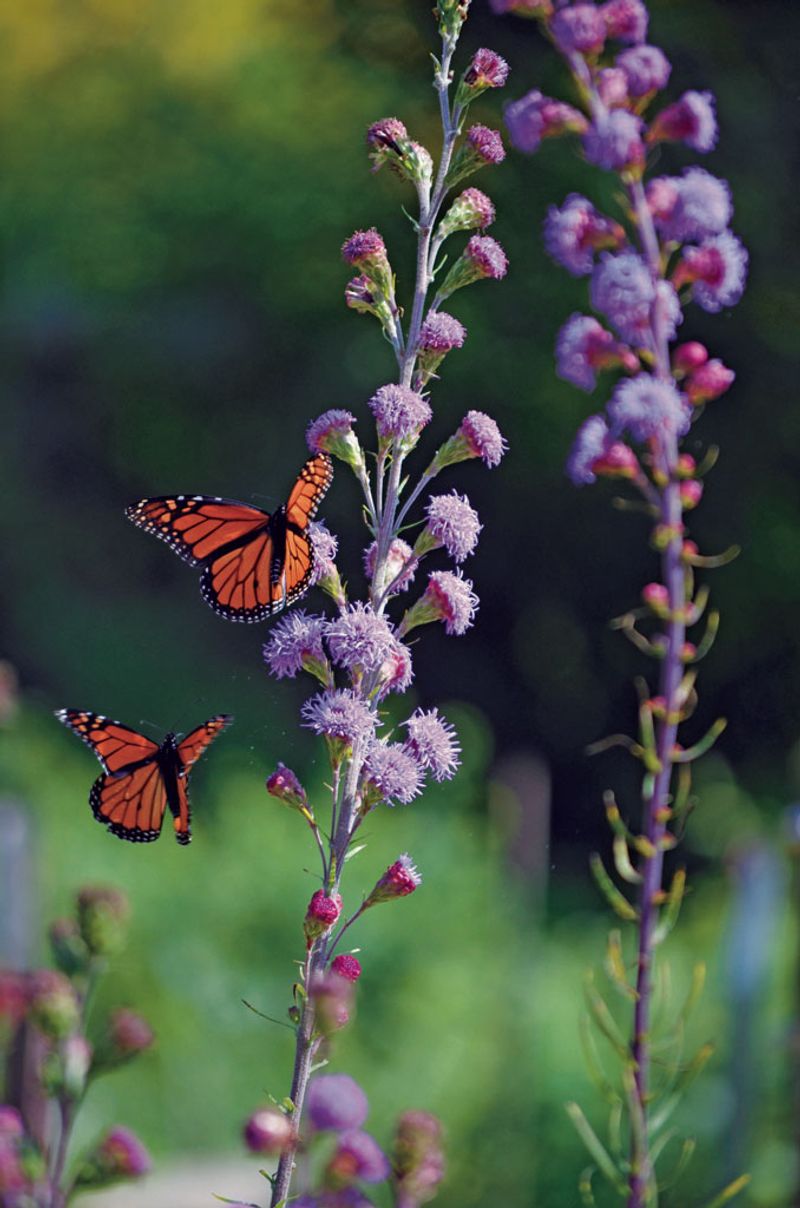
Blazing Star, known for its tall, spiky blooms, is a spectacle in butterfly gardens. Flourishing in sunny, well-drained areas, its purple flowers attract a variety of pollinators. Besides butterflies, bees and hummingbirds are frequent visitors. These perennials are drought-tolerant and easy to grow, making them a favorite for low-maintenance gardens. Did you know? Blazing Star’s roots have been used traditionally for medicinal purposes. Its unique vertical growth and vibrant display make it a standout in any garden setting, ensuring a lively and colorful environment for pollinators.
15. Salvia
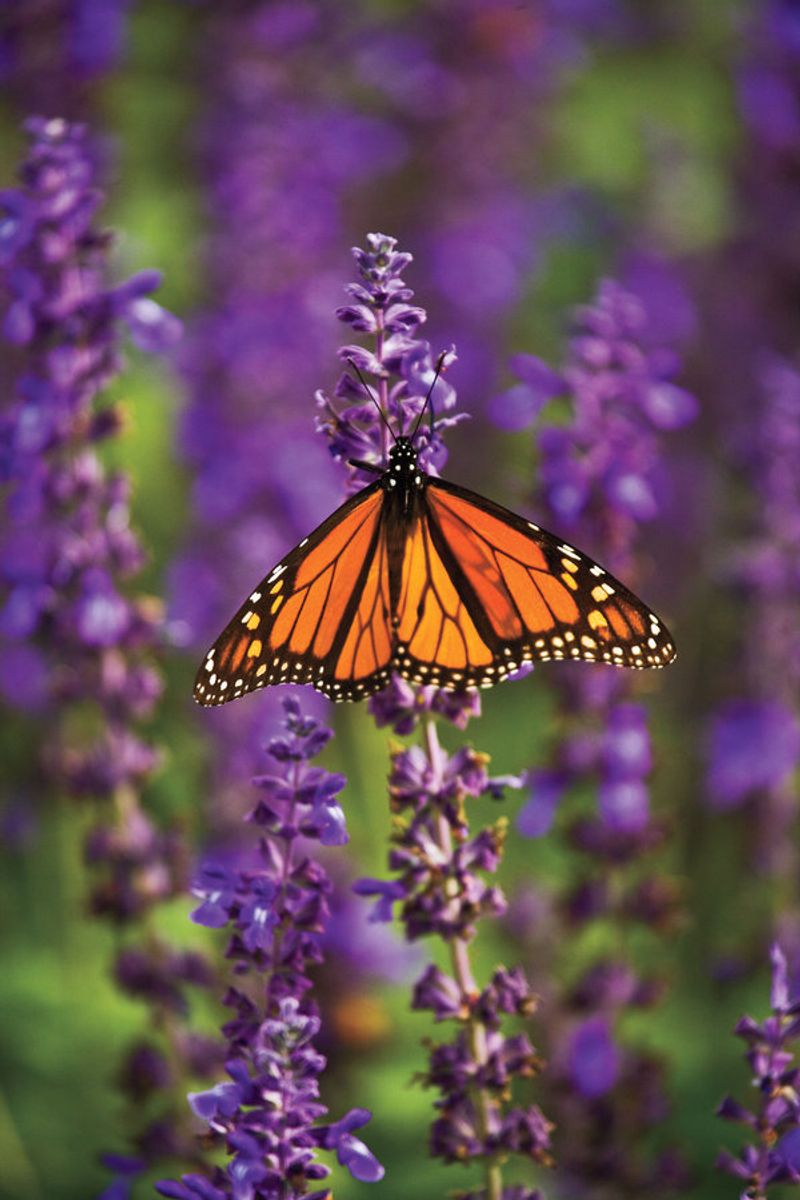
Salvia, with its tall spikes of flowers, is a beloved addition to butterfly gardens. Its vibrant blooms in shades of blue, purple, red, and white attract diverse pollinators. Thriving in sunny spots, salvia is drought-tolerant and easy to care for. Besides butterflies, hummingbirds and bees are frequent visitors. A fun fact: The name ‘salvia’ comes from the Latin word ‘salvare,’ meaning to heal, reflecting its historical medicinal uses. Its long-lasting blooms and aromatic foliage make salvia a garden favorite, adding both beauty and ecological benefits to any setting.
16. Lavender
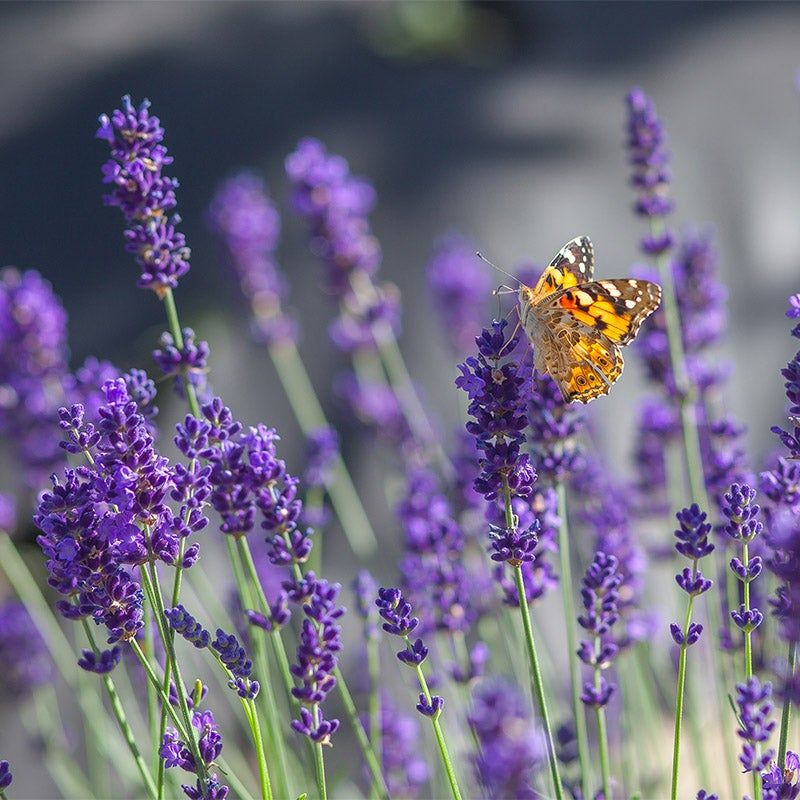
Lavender, with its fragrant purple blooms, is a classic in butterfly gardens. Known for its calming scent, it attracts butterflies and other pollinators. Thriving in sunny, well-drained areas, lavender is drought-tolerant and low maintenance. Besides its ornamental value, lavender’s aromatic leaves are used in culinary and therapeutic applications. A fun tidbit: Lavender has been used for centuries in aromatherapy for relaxation. Its soothing presence in gardens offers a visual and sensory delight, ensuring a harmonious environment. Gardeners cherish its resilience and the touch of tranquility it brings.
17. Yarrow (Achillea)
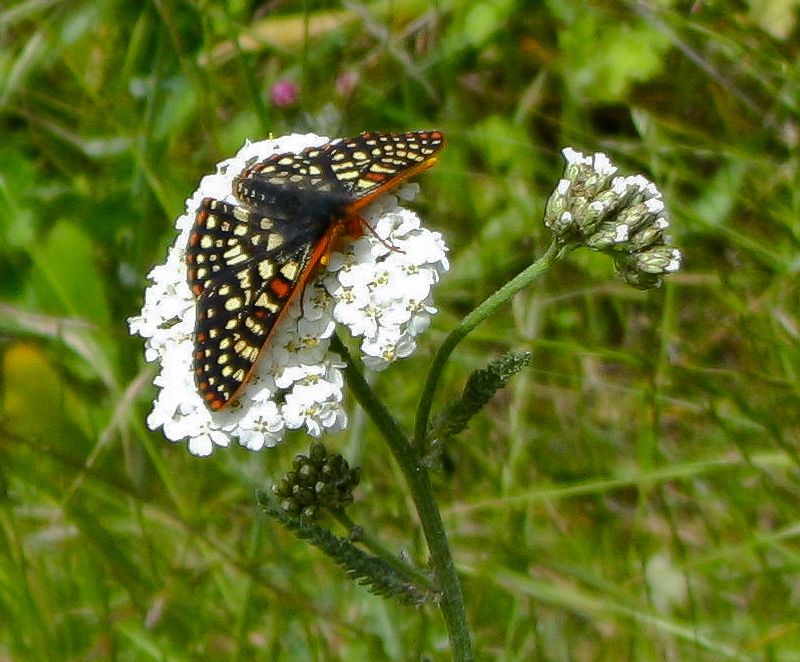
Yarrow, celebrated for its feathery foliage and clusters of tiny flowers, is a staple in butterfly gardens. Its blooms, in shades of yellow, pink, and white, attract a variety of pollinators. Thriving in full sun, yarrow is drought-tolerant and easy to grow. Besides its beauty, yarrow has a rich history in herbal medicine, known for its healing properties. A fun fact: Yarrow was traditionally used by warriors to staunch wounds. Its long-lasting blooms and ecological benefits make it a favorite among gardeners, ensuring a vibrant and inviting habitat for butterflies.
18. Cosmos
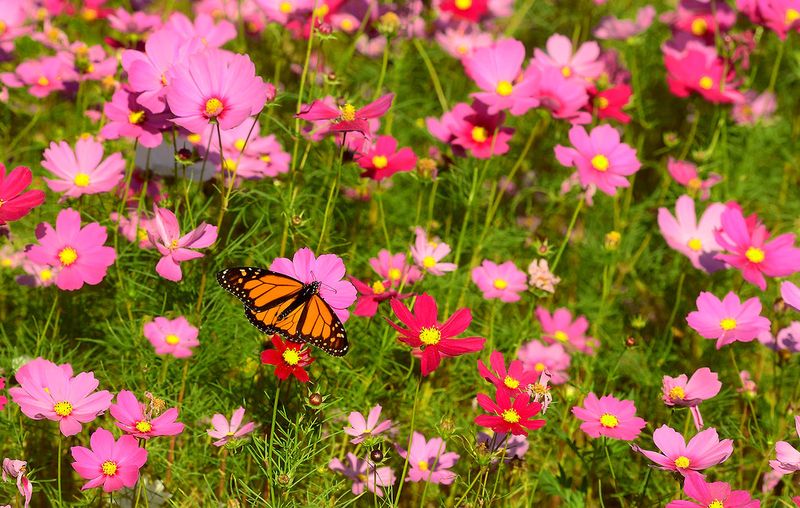
Cosmos, with their delicate, daisy-like flowers, add a whimsical charm to butterfly gardens. These annuals flourish in sunny locations, offering a continuous display of color from summer to fall. Their blooms in shades of pink, white, and orange attract various pollinators, including butterflies and bees. Cosmos are easy to grow from seed, making them a popular choice for gardeners. A quirky tidbit: Cosmos symbolize order and harmony in the language of flowers. Their airy foliage and vibrant blooms ensure a lively and enchanting garden, full of life and color.
19. Marigolds
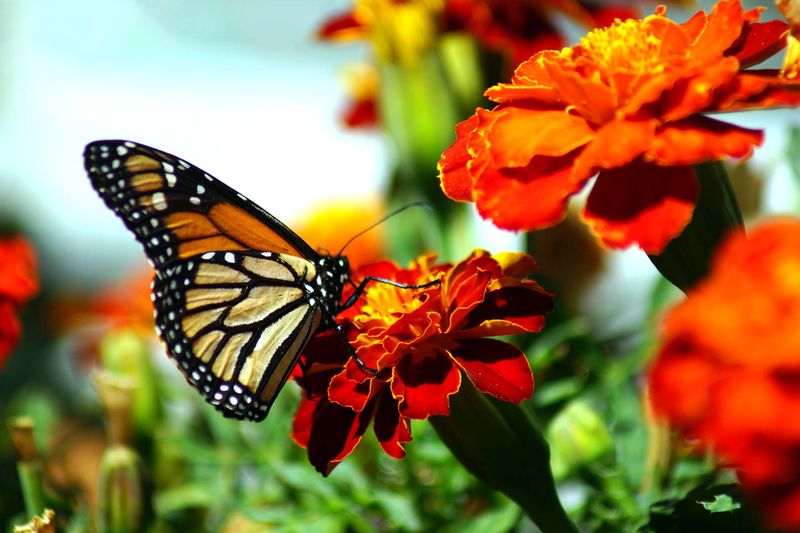
Marigolds, with their sunny, cheerful blooms, are a staple in butterfly gardens. Their vibrant yellow and orange flowers attract a plethora of pollinators, including butterflies and bees. Thriving in sunny locations, marigolds are easy to grow and maintain. Besides their beauty, marigolds are known for their pest-repelling properties, often used as companion plants. A fun tidbit: Marigolds are associated with the sun in ancient mythology. Their long-lasting blooms and ecological benefits make them a gardener’s favorite, ensuring a vibrant and healthy garden teeming with life.
20. Sunflowers
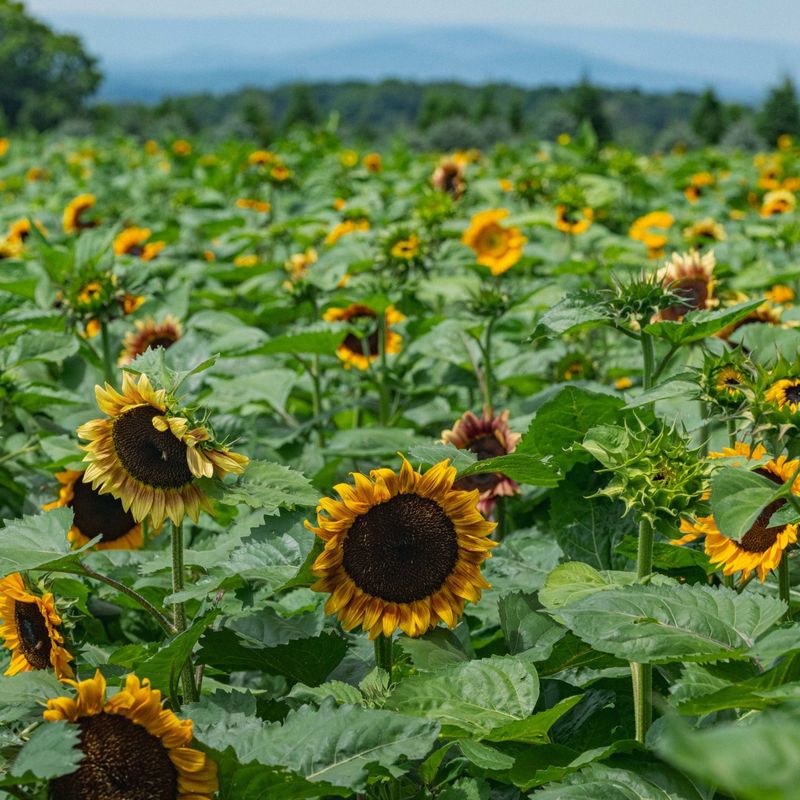
Sunflowers, with their towering stature and vibrant blooms, are iconic in any garden. These annuals thrive in sunny locations, offering a spectacular display of yellow blooms. Besides their beauty, sunflowers attract various pollinators, including butterflies, bees, and birds. Their seeds provide nourishment for wildlife as summer wanes. A fun fact: Sunflowers are heliotropic, meaning they follow the sun’s path across the sky. This trait adds a dynamic touch to gardens. Sunflowers’ cheerful demeanor and ecological benefits make them a beloved choice for gardeners, ensuring an abundant and lively setting.
21. Catmint (Nepeta)
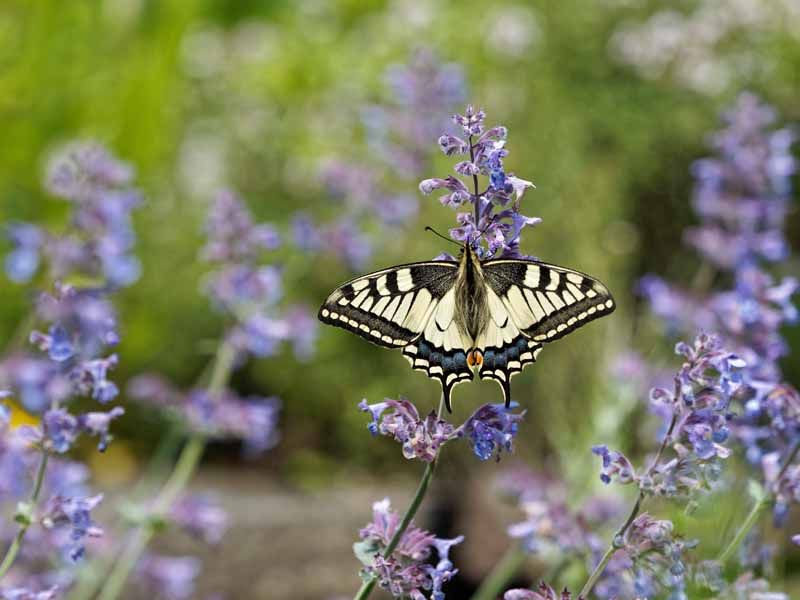
Catmint, with its aromatic foliage and lavender-blue blooms, is a favorite in butterfly gardens. Thriving in sunny, well-drained areas, it’s drought-tolerant and easy to care for. Besides attracting butterflies, catmint is known for its appeal to cats, adding an element of fun to gardens. A fun tidbit: Catmint has been used historically for its calming effects in herbal remedies. Its long-lasting blooms and low maintenance make it a popular choice for gardeners seeking a harmonious and lively environment. Catmint’s soothing presence ensures a garden full of life and color.
22. Alyssum
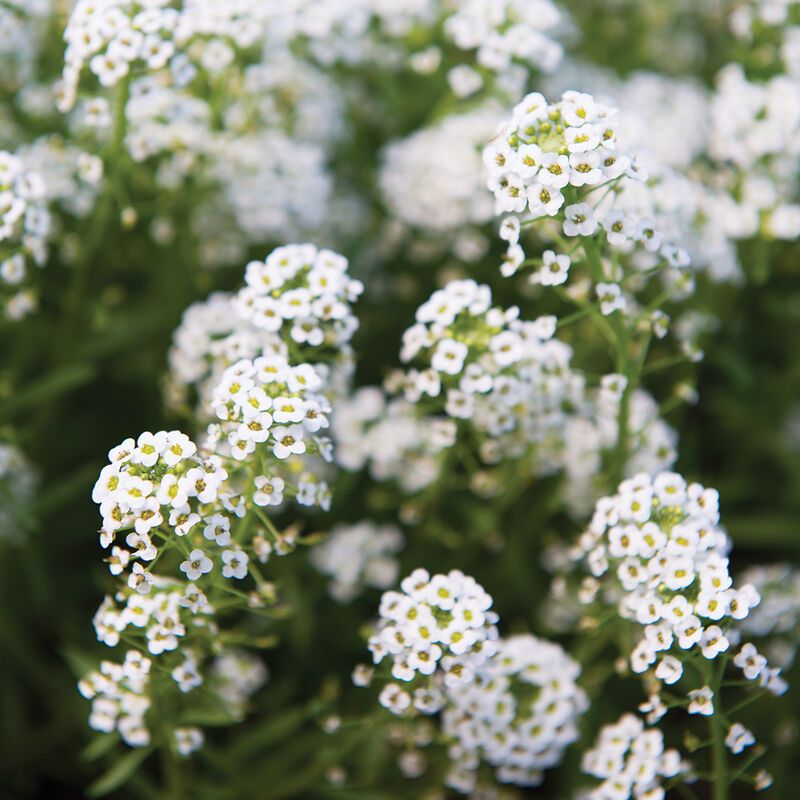
Alyssum, with its tiny, sweet-smelling flowers, is a charming addition to butterfly gardens. These low-growing annuals form dense mats of blooms, attracting a variety of pollinators. Flourishing in sunny locations, alyssum is easy to grow and maintain. Besides their ornamental value, alyssum’s fragrance adds a delightful touch to gardens. A fun fact: Alyssum’s name is derived from the Greek word ‘a’ meaning without and ‘lyssa’ meaning madness, as it was historically believed to cure rabies. Their compact growth and sweet scent make them popular among gardeners, ensuring a vibrant, fragrant setting.
23. Tithonia (Mexican Sunflower)
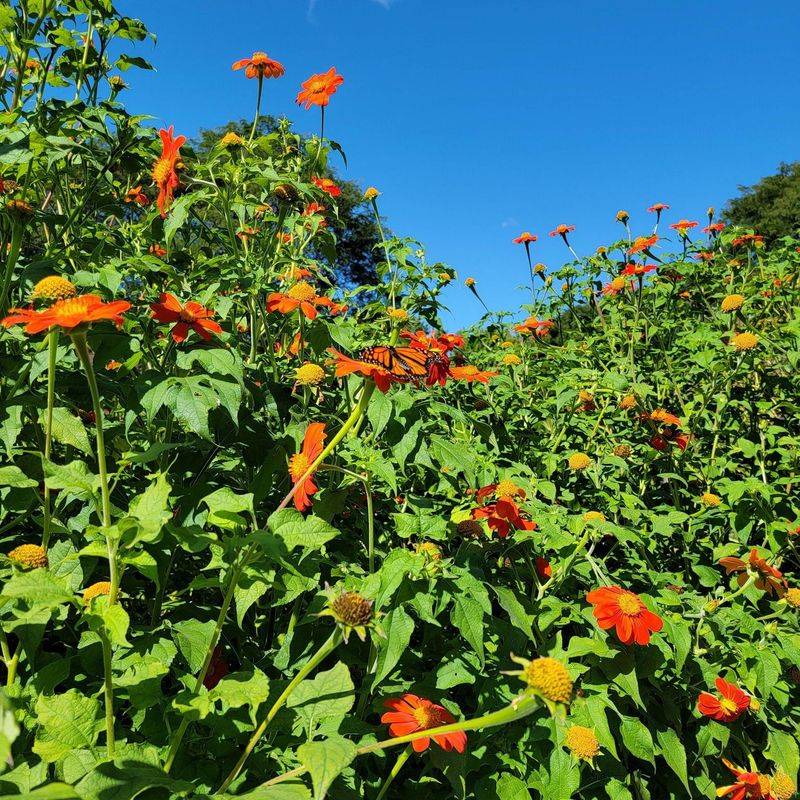
Tithonia, known as the Mexican Sunflower, is a striking addition to butterfly gardens. Its bright orange flowers, resembling sunbursts, attract multiple pollinators. Flourishing in sunny, well-drained areas, tithonia is drought-tolerant and easy to grow. Besides butterflies, it attracts bees and hummingbirds. A fun tidbit: Tithonia was named after the Greek mythological figure Tithonus. Its tall stature and vibrant blooms make it a standout in garden borders, adding height and color. Gardeners appreciate its resilience and the lively environment it creates, ensuring a garden full of warmth and life.
24. Gaillardia (Blanket Flower)
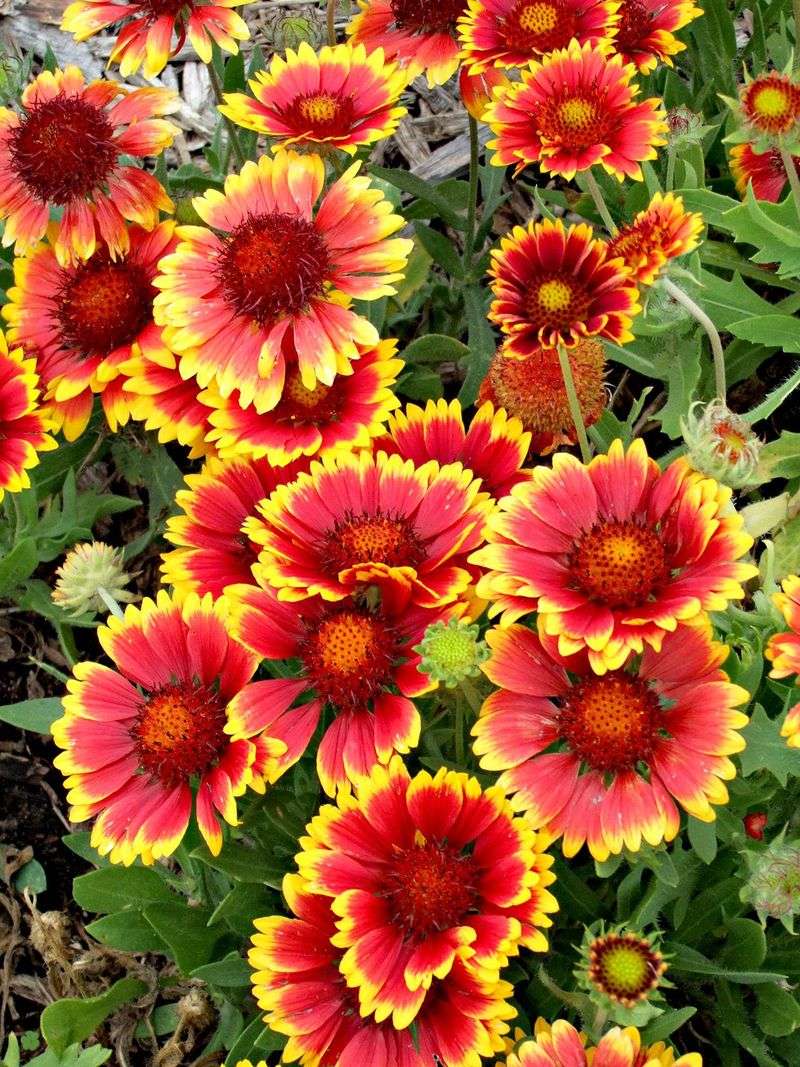
Gaillardia, commonly known as the Blanket Flower, is a bright addition to butterfly gardens. Its daisy-like flowers, in shades of red, yellow, and orange, attract a variety of pollinators. Thriving in sunny, well-drained areas, gaillardia is drought-tolerant and easy to care for. A fun fact: Gaillardia is named after the French botanist Gaillard de Charentonneau. Its long-lasting blooms and minimal care needs make it a favorite among gardeners. Gaillardia’s vibrant display ensures a garden full of color and life, attracting butterflies and enhancing the garden’s summer charm.
25. Nasturtiums
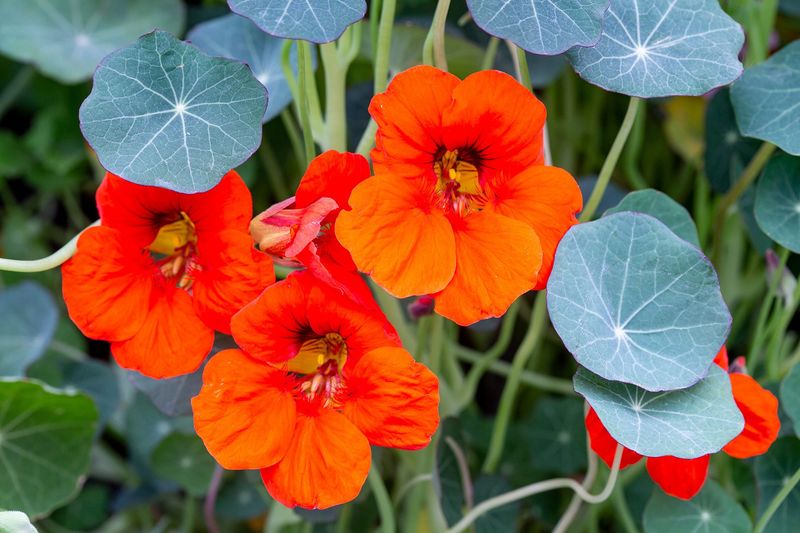
Nasturtiums, with their bright, cheerful blooms, are a favorite in butterfly gardens. These annuals thrive in sunny locations, offering vibrant hues of red, orange, and yellow. Besides attracting butterflies, nasturtiums are edible, adding a peppery flavor to salads. A fun tidbit: Nasturtiums were named after the Latin word for ‘nose-twister’ due to their spicy scent. Their ease of growth and vibrant display make them popular among gardeners. Nasturtiums’ colorful blooms ensure a lively and inviting garden setting, attracting pollinators and adding culinary delights.
26. Snapdragons
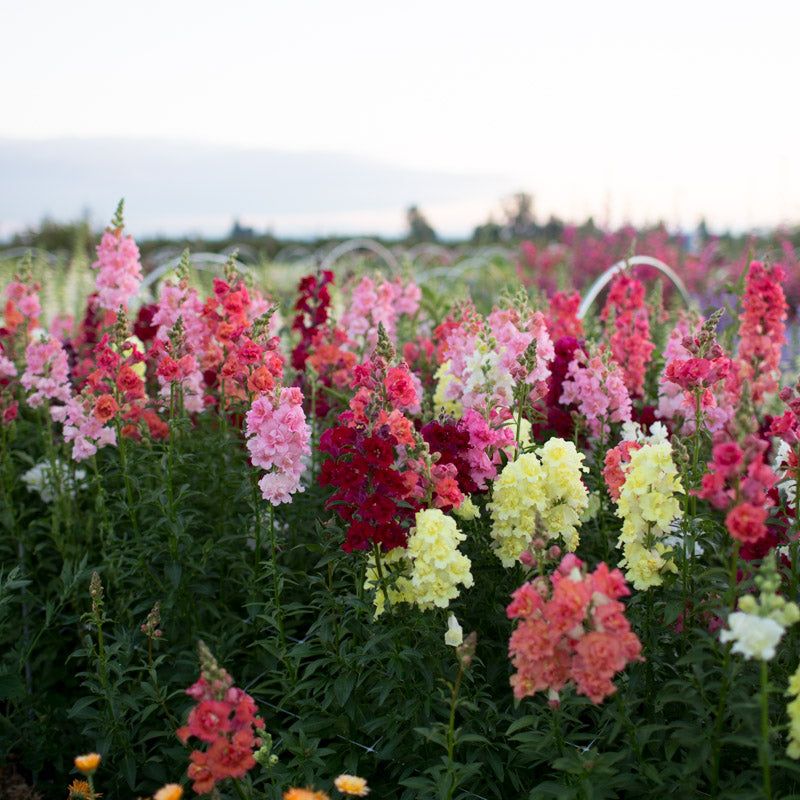
Snapdragons, with their unique, dragon-shaped blooms, are a captivating addition to butterfly gardens. These annuals thrive in sunny locations, offering a wide range of colors from pastels to vibrant hues. Besides attracting butterflies, snapdragons are popular cut flowers, adding charm to floral arrangements. A fun fact: Snapdragons’ name comes from their flower’s resemblance to a dragon’s mouth that snaps open when squeezed. Their versatility and vibrant display make them a gardener’s favorite, ensuring a lively and colorful garden. Snapdragons’ whimsical blooms attract pollinators, enhancing the garden’s beauty.
27. Sweet William (Dianthus barbatus)
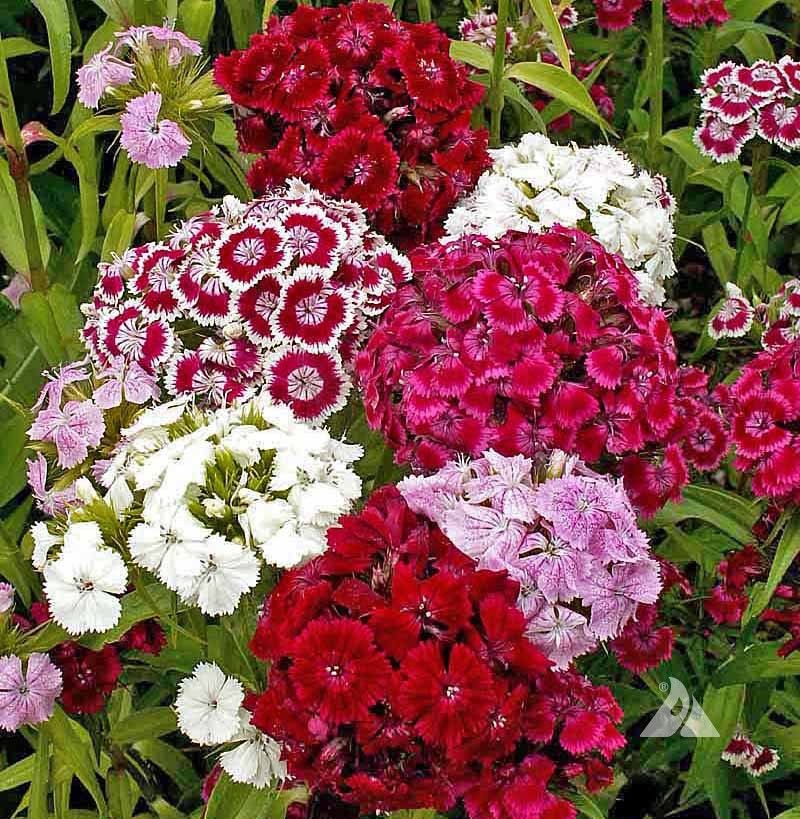
Sweet William, with its clusters of fragrant flowers, is a charming addition to butterfly gardens. These biennials thrive in sunny locations, offering a delightful mix of colors, from pinks to deep reds. Besides butterflies, Sweet William attracts bees and hummingbirds. A fun tidbit: Sweet William was named after William the Conqueror or possibly Prince William, Duke of Cumberland. Their long-lasting blooms and spicy fragrance make them a favorite among gardeners. Sweet William’s vibrant display ensures a lively and inviting garden, attracting pollinators and adding historical charm.
28. Hollyhocks
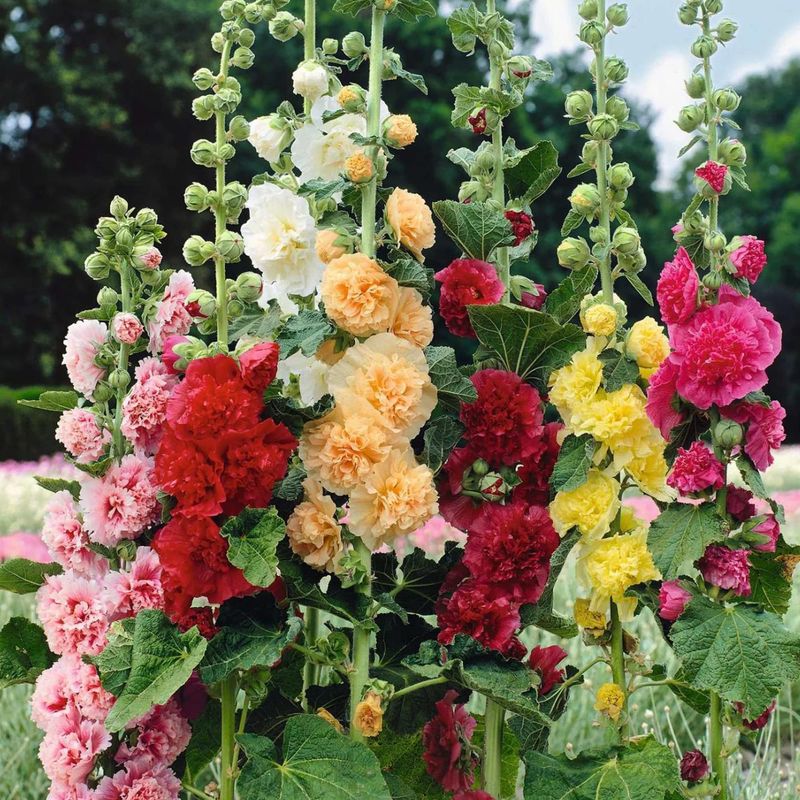
Hollyhocks, with their towering spikes of flowers, are a classic feature in butterfly gardens. These biennials thrive in sunny, well-drained locations, offering a range of colors from pink to deep burgundy. Besides attracting butterflies, hollyhocks are popular for their cottage garden appeal. A fun fact: Hollyhocks were traditionally planted near outhouses to add beauty and provide a screen. Their resilience and towering blooms make them a favorite among gardeners. Hollyhocks’ classic charm ensures a garden full of color and life, attracting pollinators and adding vertical interest.
29. Shasta Daisy
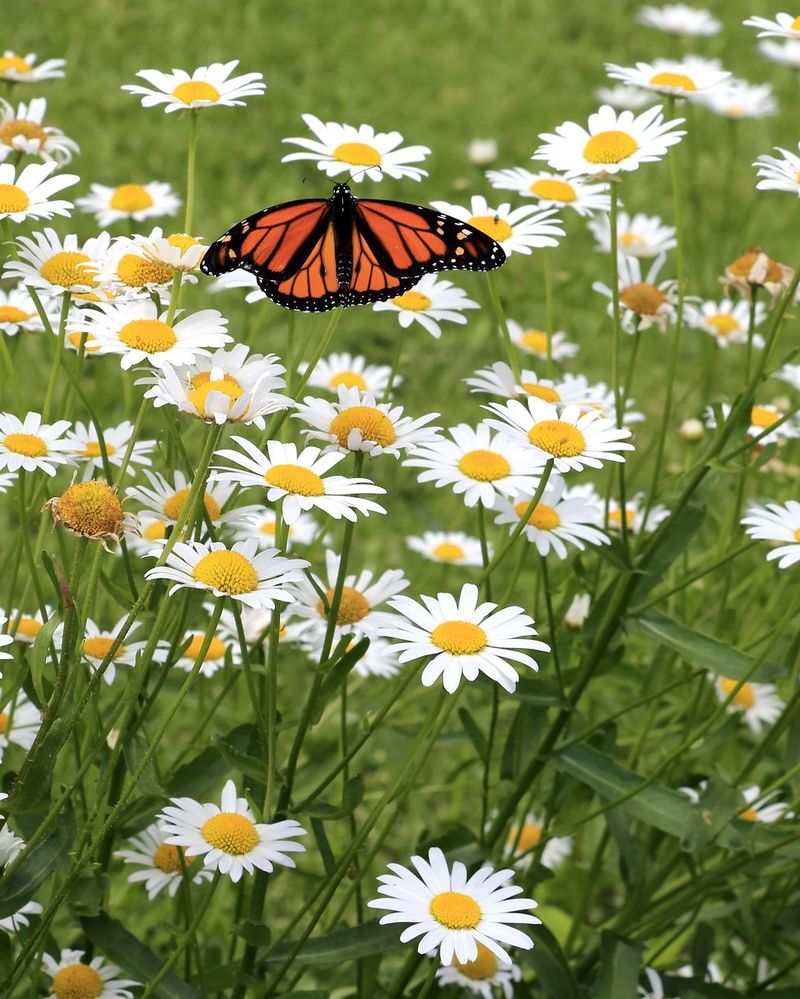
Shasta Daisies, with their cheerful white petals and yellow centers, are a staple in butterfly gardens. These perennials thrive in sunny locations, offering long-lasting blooms from early summer to fall. Besides attracting butterflies, Shasta Daisies are popular for cut flower arrangements. A fun tidbit: Shasta Daisies were bred by crossing four different daisy species to create the perfect garden flower. Their classic charm and minimal maintenance make them a favorite among gardeners. Shasta Daisies’ bright blooms ensure a lively and inviting garden, attracting pollinators and enhancing garden beauty.
30. Penstemon
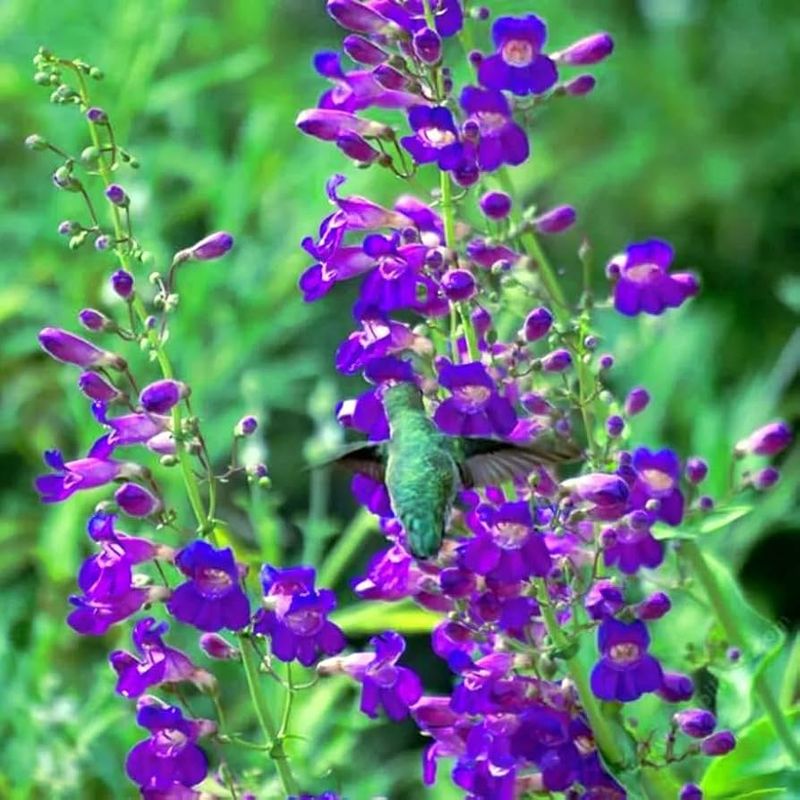
Penstemon, with its tubular blooms, is a striking addition to butterfly gardens. These perennials thrive in sunny, well-drained locations, offering vibrant colors from pink to blue. Besides attracting butterflies, penstemon is favored by hummingbirds. A fun fact: Penstemon is often called ‘beardtongue’ due to the hairy stamen in its flowers. Their long-lasting blooms and minimal care needs make them popular among gardeners. Penstemon’s vibrant display ensures a lively and inviting garden, attracting pollinators and adding architectural interest. Their unique blooms add a dynamic touch to any garden setting.
31. Columbine (Aquilegia)
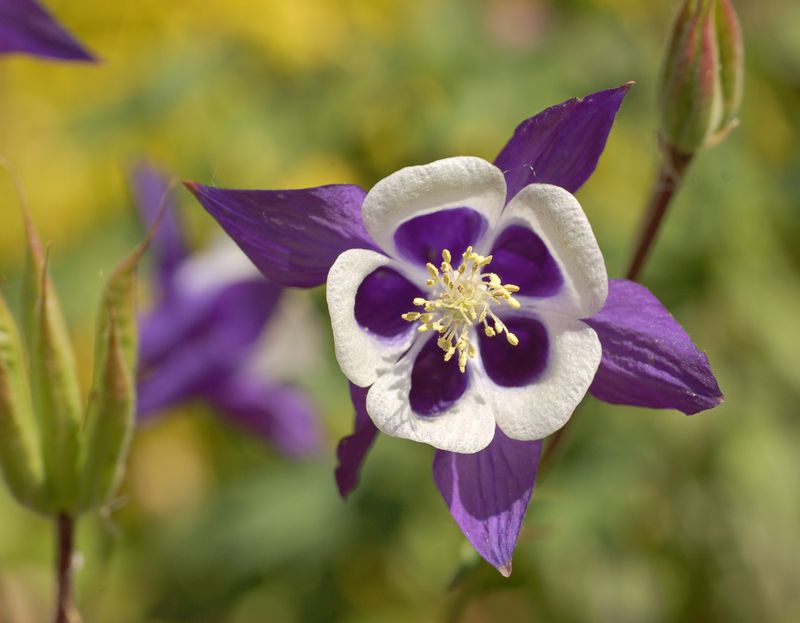
Columbine, with its distinctive, spurred blooms, is an enchanting addition to butterfly gardens. These perennials thrive in sunny or partially shaded locations, offering a range of colors from soft pastels to deep purples. Besides attracting butterflies, columbine is favored by hummingbirds. A fun tidbit: Columbine’s name is derived from the Latin word ‘columba,’ meaning dove, due to its flower shape. Their unique blooms and minimal care needs make them a favorite among gardeners. Columbine’s delicate charm ensures a garden full of life and color, attracting pollinators and enchanting visitors.
32. Agastache (Hyssop)
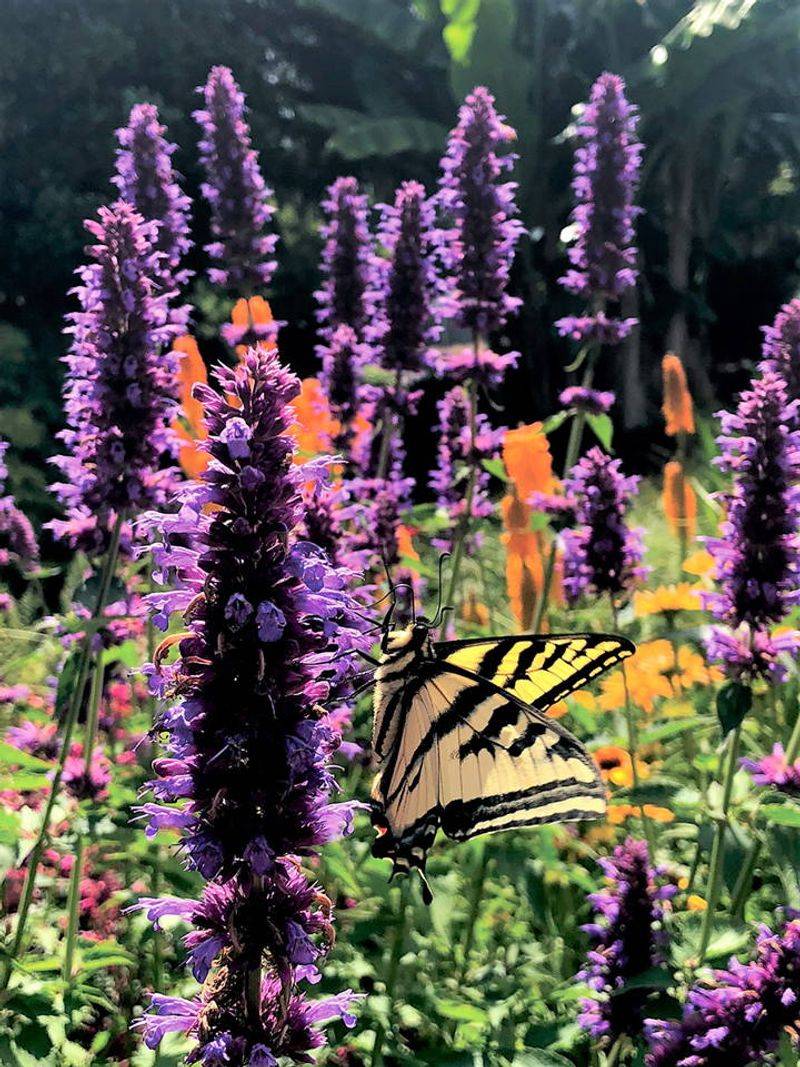
Agastache, commonly known as hyssop, is a fragrant addition to butterfly gardens. These perennials thrive in sunny, well-drained locations, offering vibrant blooms in shades of pink, purple, and orange. Besides attracting butterflies, agastache is beloved by hummingbirds and bees. A fun fact: Agastache’s leaves have a minty aroma, used in herbal teas. Their long-lasting blooms and minimal care needs make them a favorite among gardeners. Agastache’s vibrant display ensures a lively and inviting garden, attracting pollinators and adding a fragrant touch to any setting.
33. Sedum
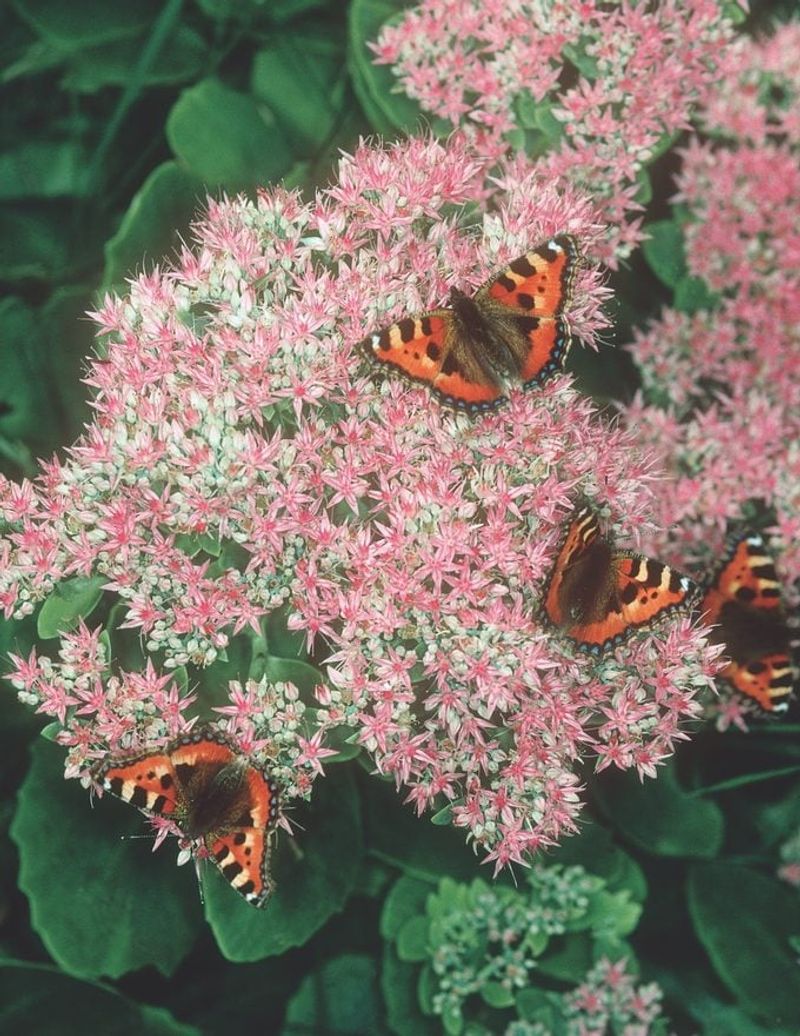
Sedum, with its succulent leaves and clusters of star-shaped flowers, is a favorite in butterfly gardens. These perennials thrive in sunny, well-drained locations, offering a variety of colors from pink to yellow. Besides attracting butterflies, sedum is drought-tolerant and easy to care for. A fun tidbit: Sedum is often used in green roofs due to its resilience and low maintenance. Their unique foliage and long-lasting blooms make them popular among gardeners. Sedum’s vibrant display ensures a lively and inviting garden, attracting pollinators and adding structural interest to any setting.
34. Calendula
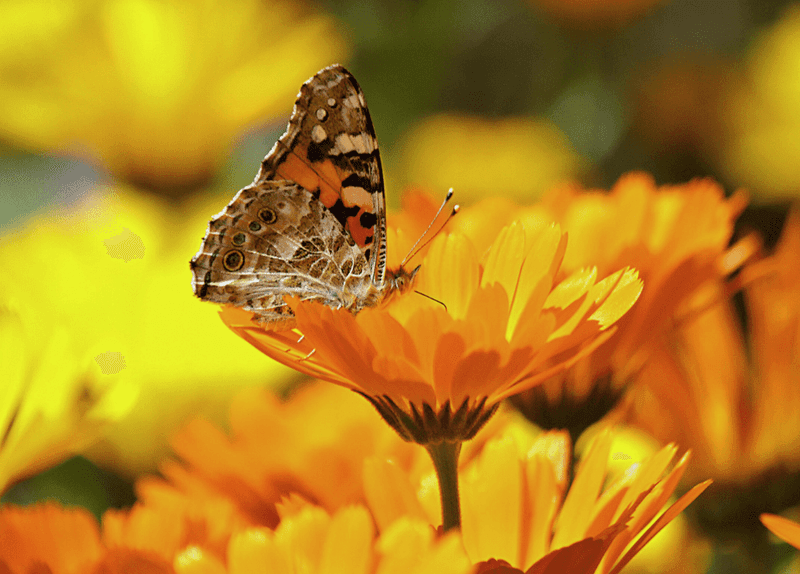
Calendula, with its sunny, daisy-like blooms, is a cheerful addition to butterfly gardens. These annuals thrive in sunny locations, offering vibrant hues of orange and yellow. Besides attracting butterflies, calendula is valued for its medicinal properties, often used in skincare products. A fun fact: Calendula was historically used as a dye for fabrics and foods. Their ease of growth and vibrant display make them a favorite among gardeners. Calendula’s bright blooms ensure a lively and inviting garden, attracting pollinators and adding a touch of sunshine to any setting.
35. Passionflower (Passiflora)
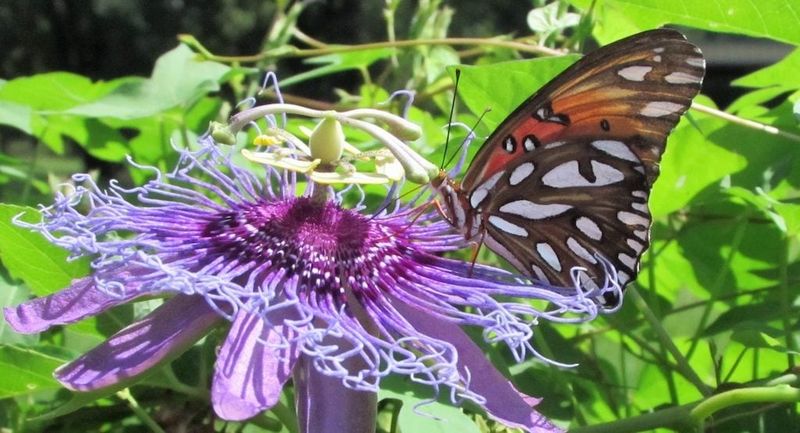
Passionflower, with its intricate, exotic blooms, is a captivating addition to butterfly gardens. These vines thrive in sunny, well-drained locations, offering a range of colors from purple to white. Besides attracting butterflies, passionflower is favored by hummingbirds. A fun fact: Passionflower’s name is derived from the ‘Passion of Christ,’ with its parts symbolizing aspects of the crucifixion. Their unique blooms and vigorous growth make them popular among gardeners. Passionflower’s exotic charm ensures a garden full of life and color, attracting pollinators and enchanting visitors with its beauty.
36. Scabiosa (Pincushion Flower)
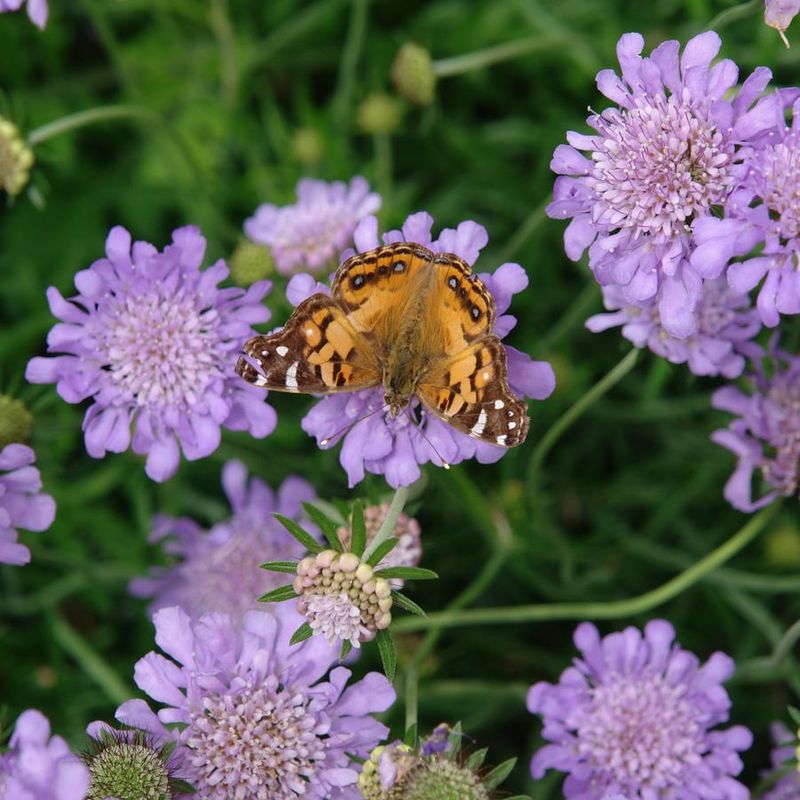
Scabiosa, known as the pincushion flower, is a delicate addition to butterfly gardens. These perennials thrive in sunny, well-drained locations, offering blooms in hues of pink, blue, and white. Besides attracting butterflies, scabiosa is favored by bees. A fun tidbit: Scabiosa’s name is derived from the Latin word ‘scabies,’ as it was once used to treat skin ailments. Their long-lasting blooms and minimal care needs make them a favorite among gardeners. Scabiosa’s delicate charm ensures a garden full of life and color, attracting pollinators and adding a touch of elegance to any setting.
37. Cleome (Spider Flower)
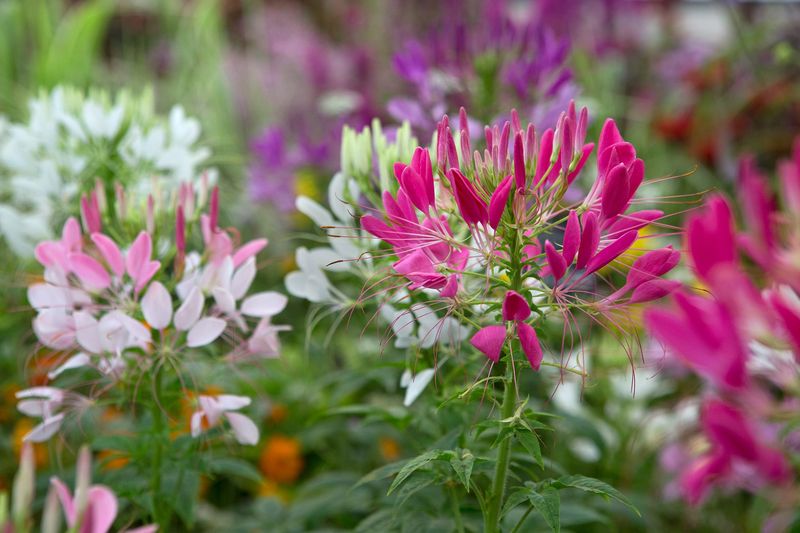
Cleome, known as the spider flower, is a striking addition to butterfly gardens. These annuals thrive in sunny locations, offering blooms in shades of pink, white, and lavender. Besides attracting butterflies, cleome is favored by bees and hummingbirds. A fun fact: Cleome’s name is derived from its spider-like appearance, with long, slender stamens resembling legs. Their tall stature and vibrant display make them popular among gardeners. Cleome’s unique blooms ensure a garden full of life and color, attracting pollinators and enhancing the garden’s summer charm.
38. Heliotrope
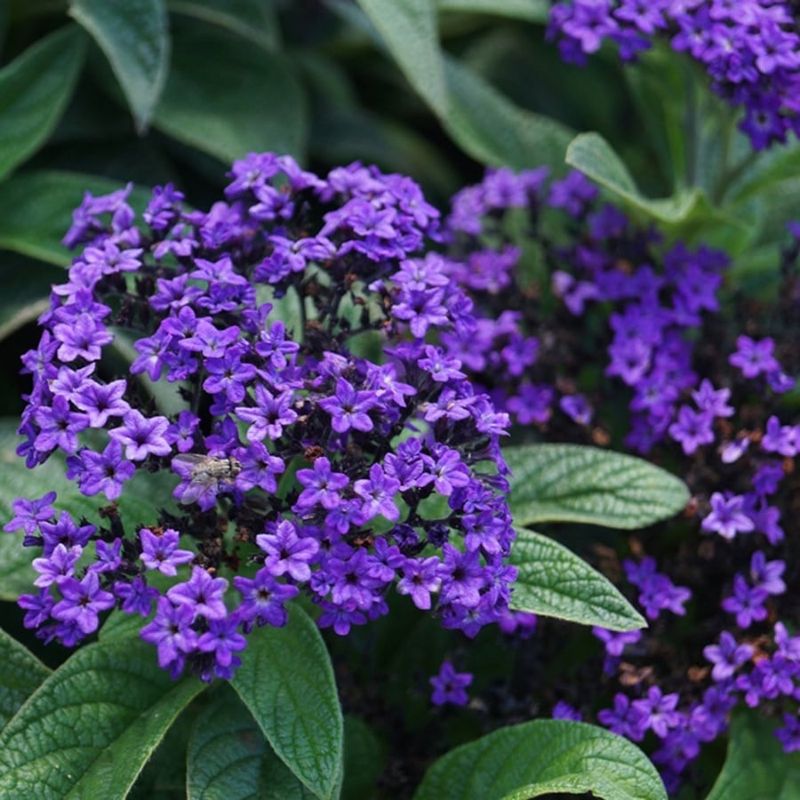
Heliotrope, with its clusters of fragrant flowers, is a delightful addition to butterfly gardens. These perennials thrive in sunny locations, offering blooms in shades of purple and white. Besides attracting butterflies, heliotrope is beloved for its sweet scent, reminiscent of vanilla. A fun tidbit: Heliotrope’s name is derived from the Greek words ‘helios’ and ‘tropos,’ meaning ‘sun’ and ‘turn,’ as the flowers turn towards the sun. Their long-lasting blooms and aromatic presence make them popular among gardeners. Heliotrope’s fragrant charm ensures a garden full of life and beauty.
39. Tickseed
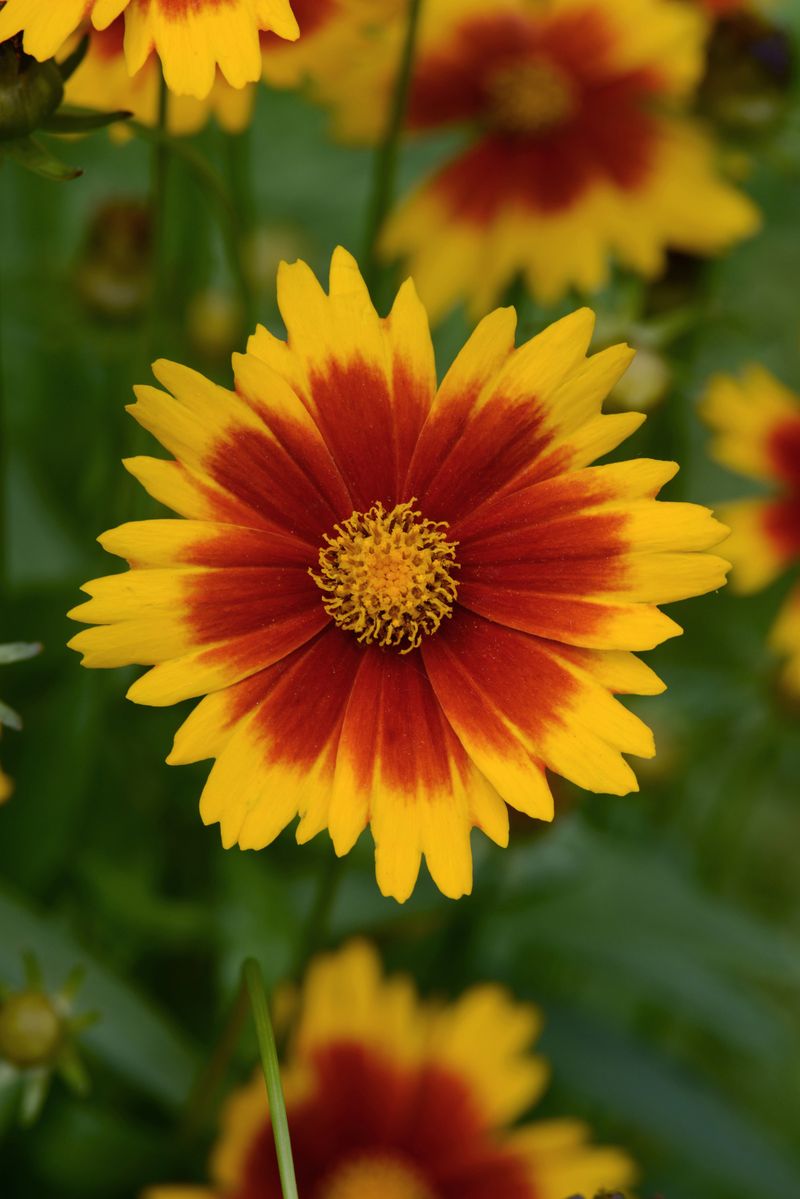
Tickseed, with its bright, daisy-like blooms, is a cheerful addition to butterfly gardens. These perennials thrive in sunny, well-drained locations, offering a range of colors from yellow to orange. Besides attracting butterflies, tickseed is drought-tolerant and easy to care for. A fun fact: Tickseed’s name is derived from its seeds’ resemblance to ticks. Their long-lasting blooms and minimal maintenance make them popular among gardeners. Tickseed’s vibrant display ensures a garden full of color and life, attracting pollinators and adding a sunny touch to any setting.
40. Ironweed (Vernonia)
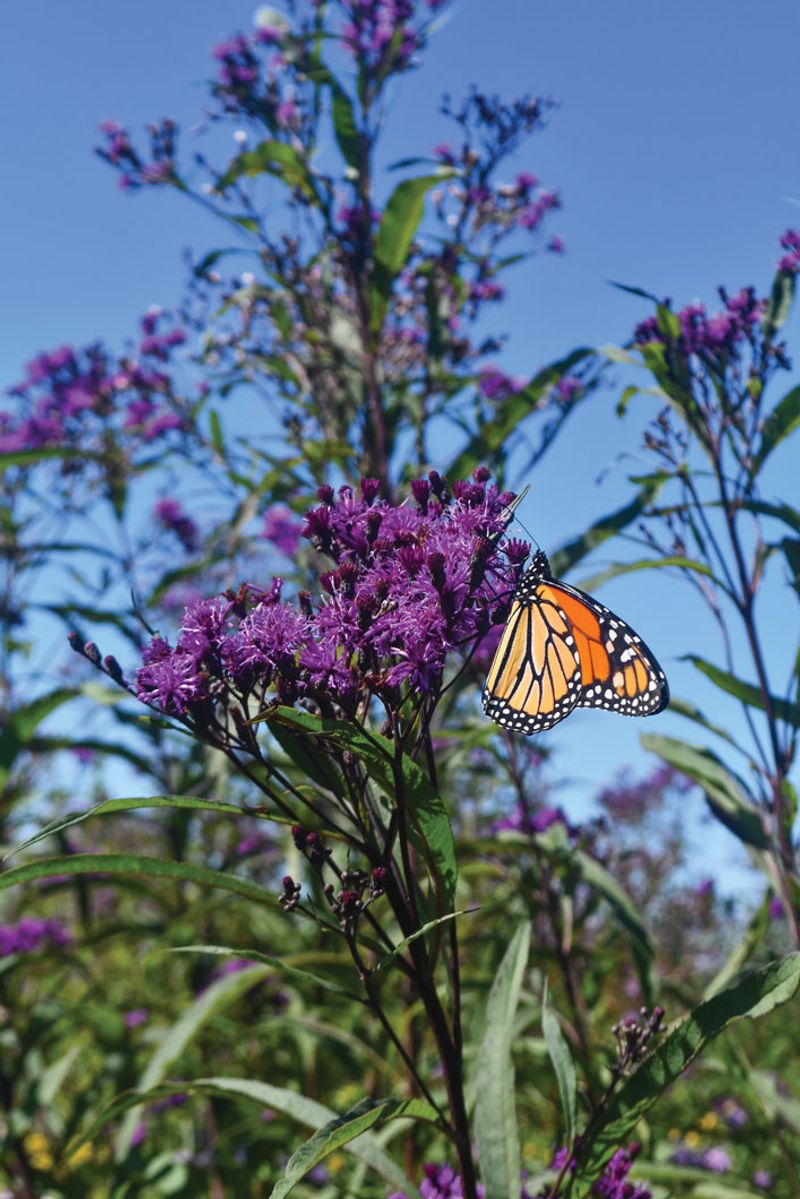
Ironweed, with its tall, robust stature and clusters of purple flowers, is a standout in butterfly gardens. Flourishing in moist, sunny areas, it’s a late-summer nectar source for butterflies and bees. Besides its beauty, ironweed provides ecological benefits by supporting local wildlife. A fun tidbit: Ironweed’s name reflects its tough stems and durability. Their long-lasting blooms add height and color to any garden, making them popular among gardeners. Ironweed’s vibrant display ensures a lively and inviting garden, attracting pollinators and enhancing the garden’s late-summer charm.