 Complete Gardening
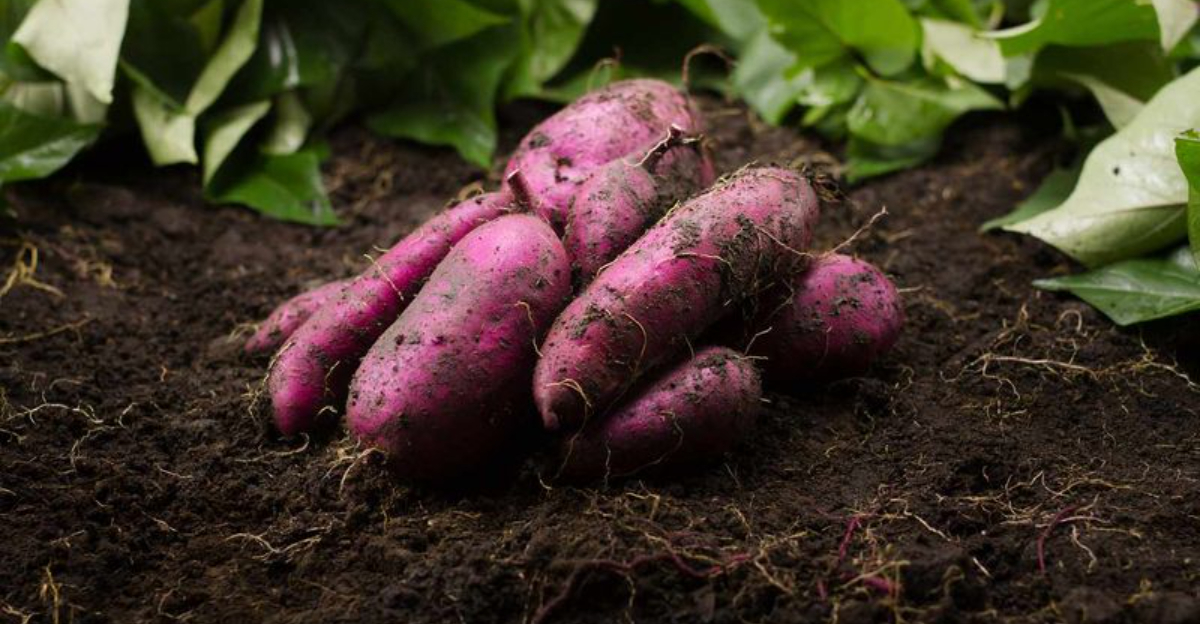
For the gardener who prefers to enjoy the fruits of their labor without constant attention, these seven vegetables offer the perfect solution.
Once planted, they thrive with minimal care, providing a bountiful harvest throughout the summer months.
1. Cherry Tomatoes
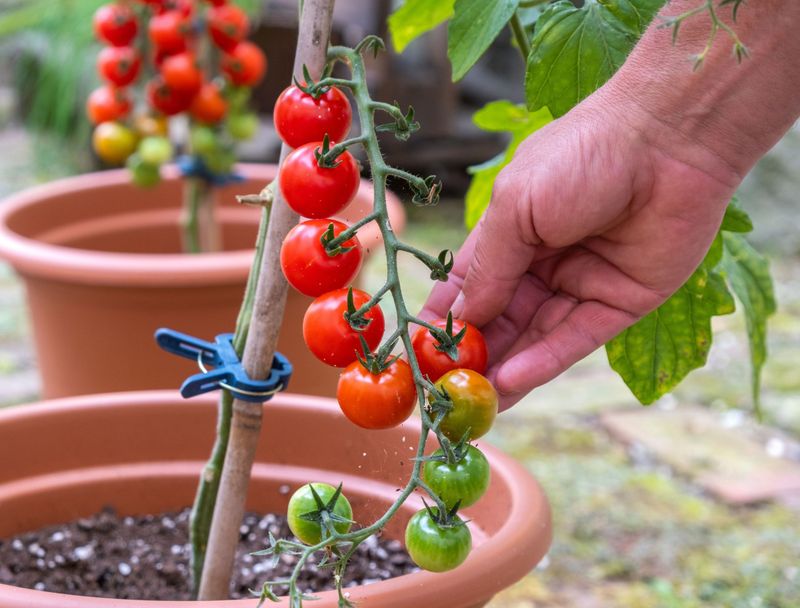
Cherry tomatoes are the epitome of low-maintenance gardening. With just a bit of sun and water, they reward you with sweet, juicy fruits all summer long. Ideal for container gardening, these tomatoes thrive in tight spaces.
Choose determinate varieties like ‘Patio Princess’ for compact growth, making them perfect for balconies or small gardens. Prolific and flavorful, cherry tomatoes are the snack-sized delight of any garden.
Did you know? Cherry tomatoes are believed to have been first cultivated by the Aztecs in pre-Columbian Mexico. Their ease of growth makes them a favorite among amateur gardeners.
2. Zucchini
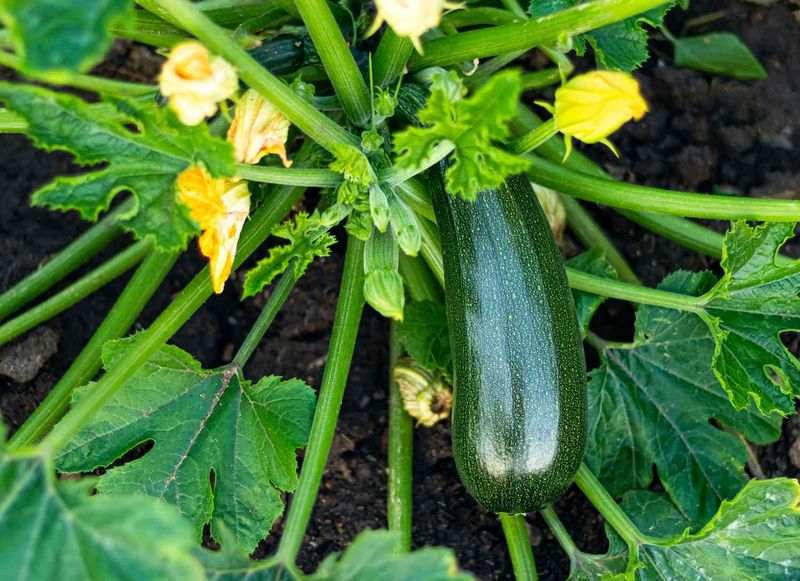
Zucchini is a gardener’s dream for effortless abundance. Known for its prolific yield, just one plant can provide enough zucchini to feed a neighborhood.
Rich soil and full sun are all it needs to flourish. Keep an eye on this fast grower; zucchinis can double in size seemingly overnight!
Intriguingly, zucchini originated in Italy in the 19th century and has since become a staple in gardens worldwide. Its rapid growth and generous production make it a must-have for lazy gardeners seeking bountiful returns.
3. Bush Beans
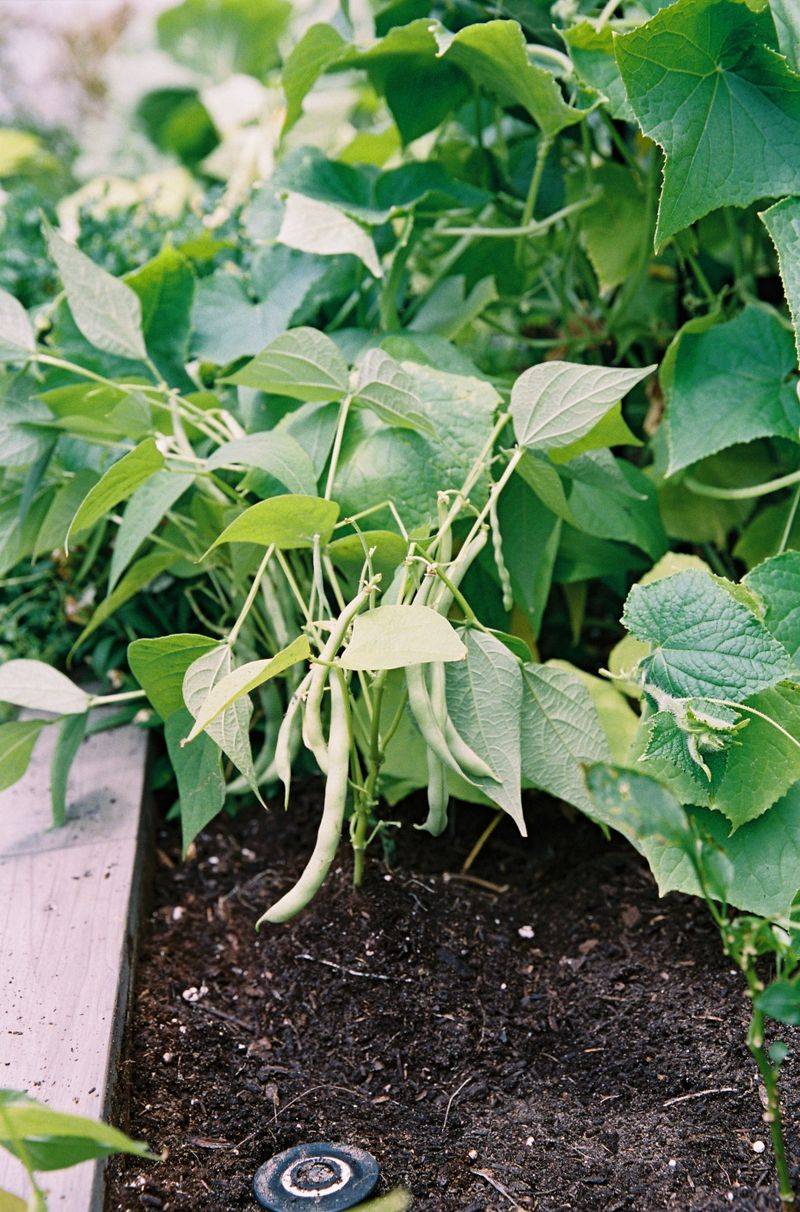
Bush beans are a no-fuss favorite for any garden. These resilient plants don’t require staking and are resistant to many pests, offering a carefree growing experience.
Perfect for succession planting, sowing every two weeks ensures a constant harvest throughout the season. This makes them a staple for those who enjoy continuous picking.
Interestingly, bush beans have been a part of human diets for over 7,000 years, originating from Central and South America. Their hardiness and productivity have cemented them as a staple in gardens globally.
4. Swiss Chard
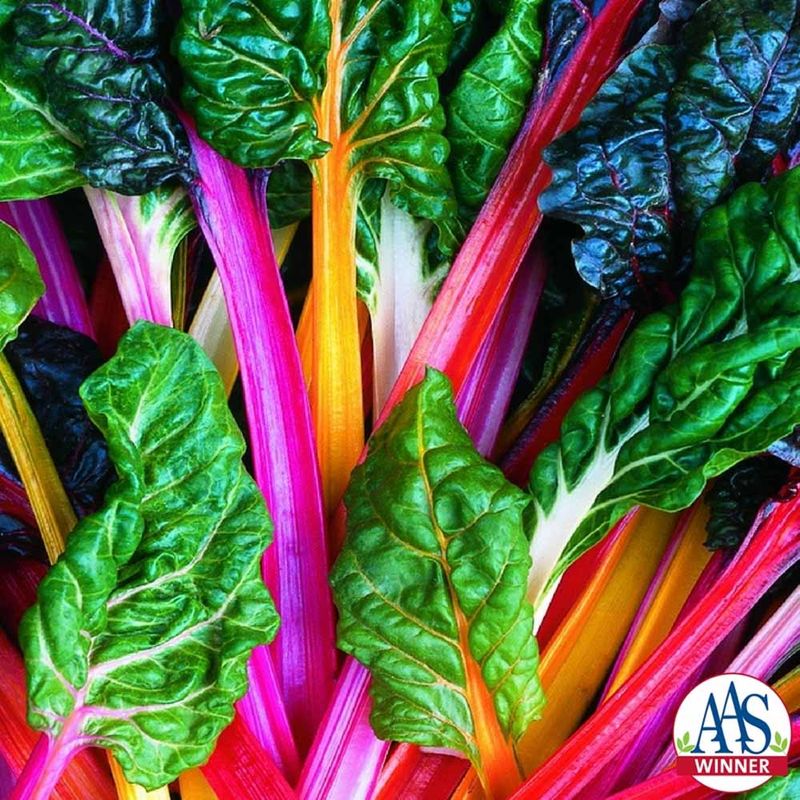
Swiss chard is a colorful addition to any lazy gardener’s plot. Its heat-tolerant nature ensures lush growth all summer, while its cut-and-come-again leaves offer repeated harvests.
The ‘Bright Lights’ variety provides a stunning visual with its rainbow-colored stems, making it both an edible and ornamental choice.
Did you know? Swiss chard isn’t actually Swiss; it was named by a Swiss botanist who helped popularize it in the 19th century. Its beauty and resilience make it a garden favorite.
5. Okra
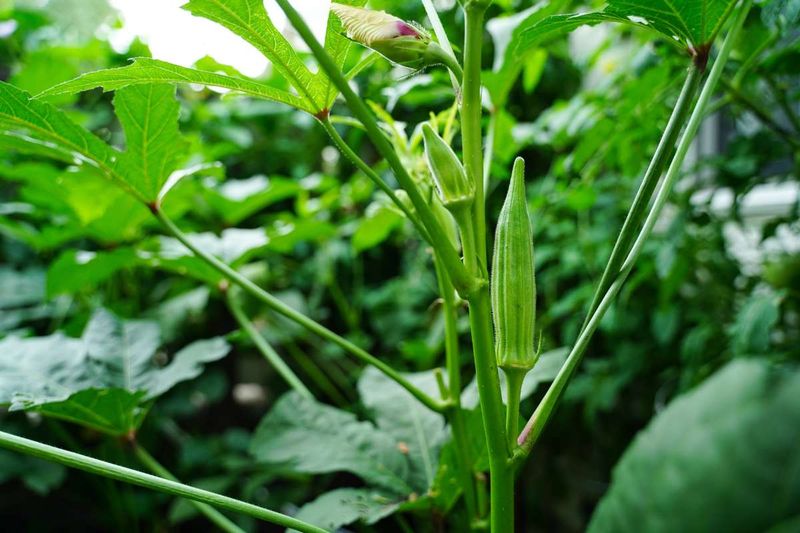
Okra is the unsung hero for those who neglect their gardens. Thriving in heat and drought, it flourishes with minimal care, making it perfect for laid-back gardeners.
Harvesting pods when they’re 3-4 inches long ensures tenderness and prevents them from becoming tough. This little trick guarantees a delicious addition to summer meals.
Interestingly, okra, also known as “lady’s fingers,” is believed to have originated in Africa and was brought to the Americas in the 17th century. Its rugged nature and culinary versatility have kept it popular.
6. Sweet Potatoes
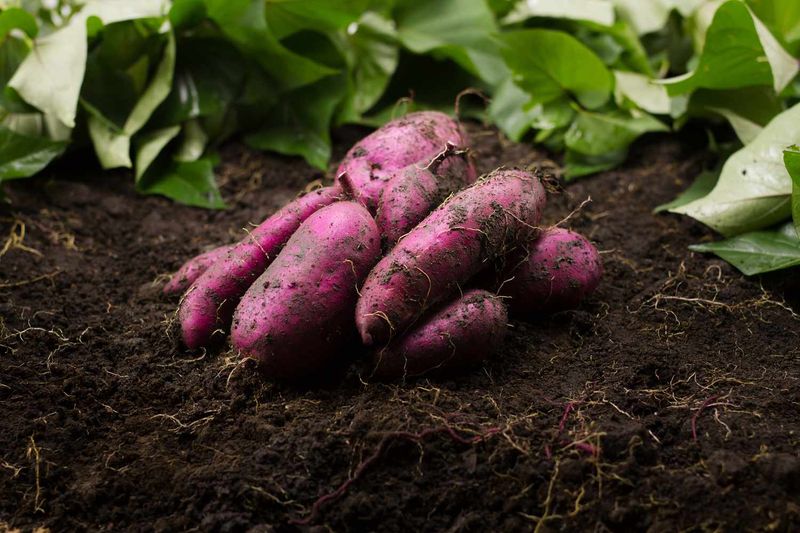
Sweet potatoes are not just for sweet dishes; they’re a gardener’s ally in weed control. As they spread across the ground, they smother weeds, reducing garden maintenance.
Thriving in sandy soil and hot climates, sweet potatoes require occasional watering, making them ideal for regions with dry summers.
Fun fact: Despite their name, sweet potatoes are not related to regular potatoes. They belong to the morning glory family, showcasing another layer to their easygoing, adaptable nature in the garden.
7. Radishes
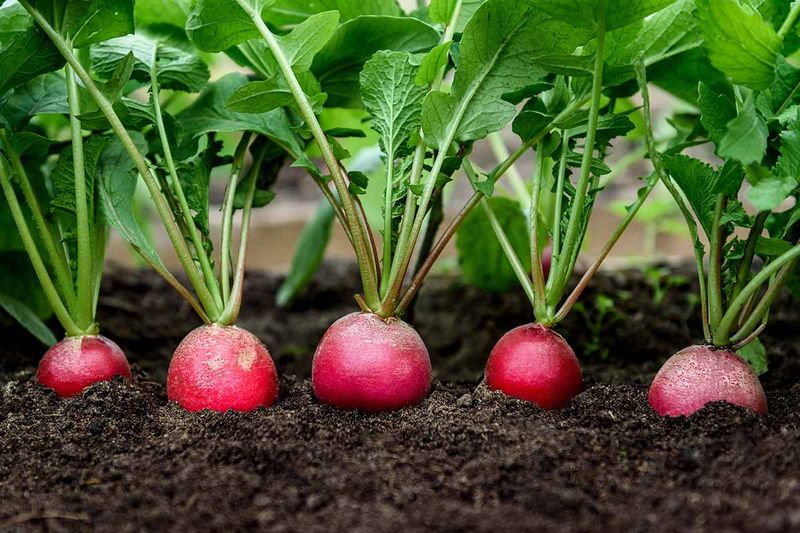
Radishes are the speed demons of the vegetable world, ready to harvest in just 30 days. Perfect for impatient gardeners, they offer quick gratification.
Sow them between slower-growing crops, like tomatoes, to utilize space efficiently. Their peppery crunch adds flavor to salads and sandwiches.
Interestingly, radishes were one of the first European crops introduced to the Americas, and they continue to be a favorite for their rapid growth and low maintenance. This makes them an ideal choice for those seeking instant results.