 Complete Gardening
Explore five incredible grocery store items that can transform your garden into a thriving oasis. These common products not only nourish your plants but also save you money. Discover their surprising benefits and how they contribute to healthier, greener surroundings.
Baking Soda
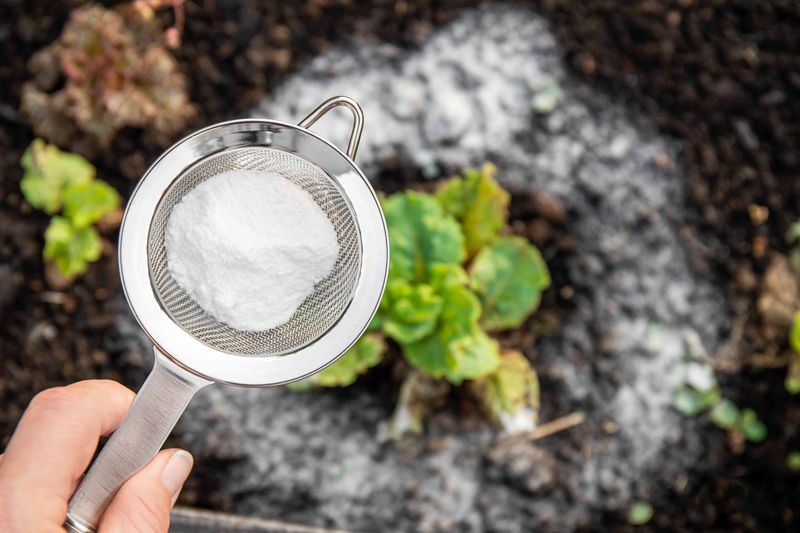
Baking soda is a versatile household staple. Did you know it can also be a gardener’s best friend? Used correctly, it helps prevent fungal diseases. Simply mix a teaspoon of baking soda with water and spray on your plants. This eco-friendly solution is both cost-effective and safe for the environment.
Additionally, baking soda can enhance the sweetness of tomatoes. By sprinkling it lightly around the base of your tomato plants, you’re likely to harvest tastier fruits. This method is a wonderful alternative to chemical fertilizers, offering a natural boost to your garden’s productivity.
Coffee Grounds
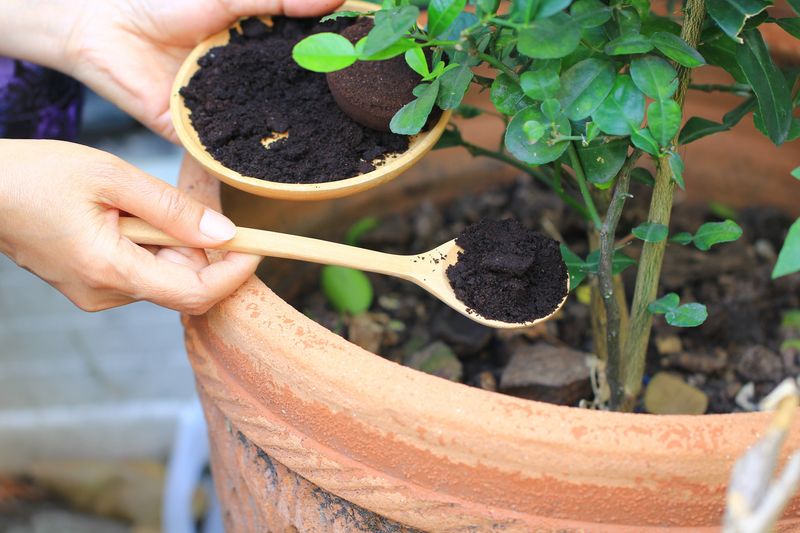
Coffee grounds are more than just a morning pick-me-up. They serve as an excellent fertilizer for acid-loving plants like roses and azaleas. Rich in nitrogen and other essential nutrients, they enhance soil structure and promote healthy growth.
Spreading coffee grounds around your garden not only enriches the soil but also deters pests. Snails and slugs are less likely to munch on your plants when coffee grounds are present. This simple yet effective method makes gardening both sustainable and enjoyable, turning your waste into plant treasure.
Epsom Salt
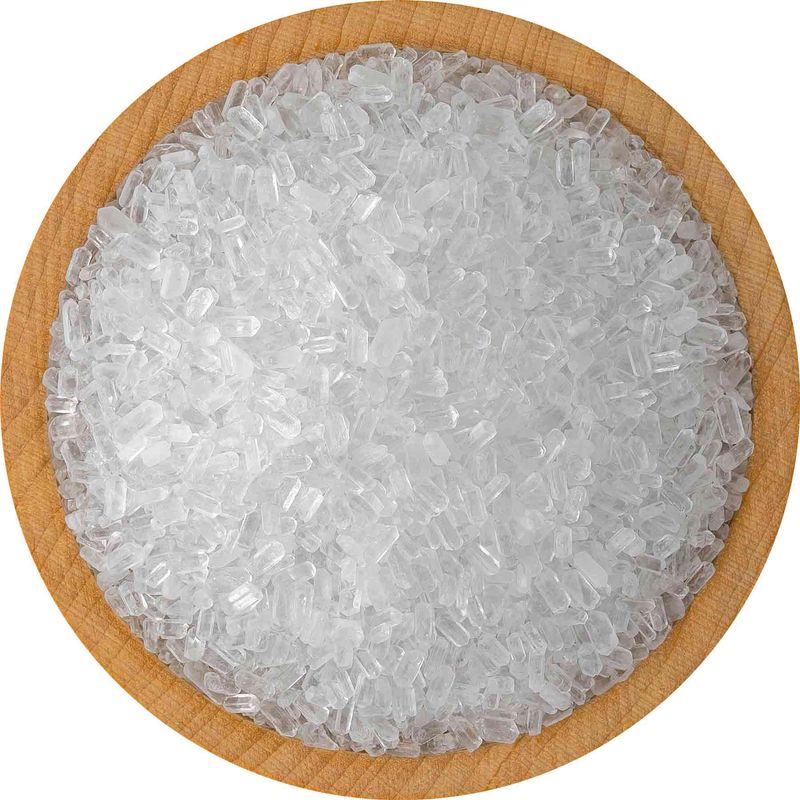
Epsom salt offers an inexpensive way to boost plant health. This common item is filled with magnesium, a crucial nutrient that improves a plant’s chlorophyll production and nutrient absorption. Dissolve a tablespoon in a gallon of water and water your plants regularly.
The benefits are well-documented, with gardeners noting improved leaf color and vigor. Additionally, Epsom salt aids in seed germination, making it a valuable tool for starting a new garden. Its natural properties make it a must-have for any eco-conscious gardener.
Banana Peels
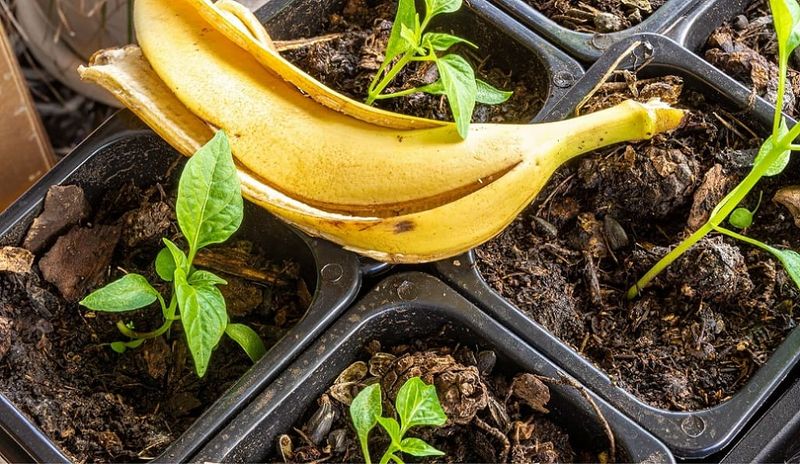
Banana peels are a gardener’s secret weapon. Packed with potassium, they support root development and flower growth. Burying banana peels near the base of plants releases nutrients slowly, feeding them over time.
This method is perfect for roses, which thrive with extra potassium. Banana peels are also known to attract beneficial insects, aiding in pollination. By recycling kitchen waste into your garden, you create a sustainable ecosystem.
It’s an easy and natural way to enhance the health and beauty of your plants without resorting to chemical alternatives.
Vinegar
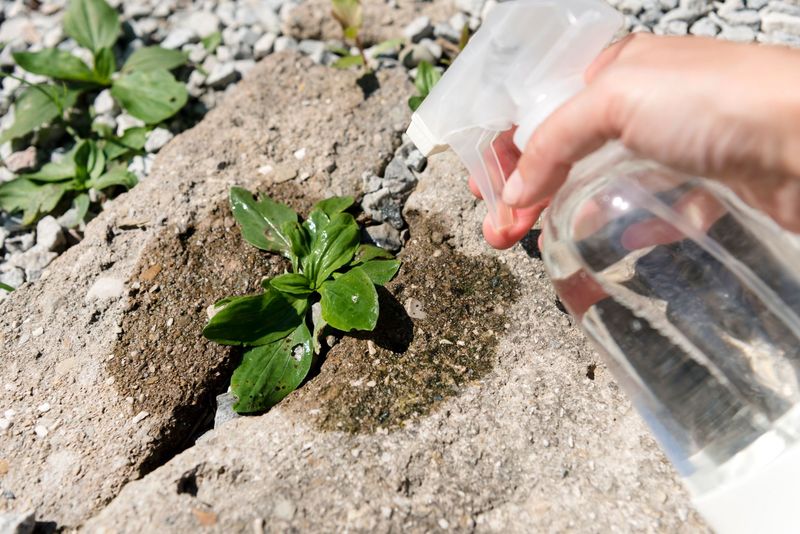
Vinegar is not just for salad dressing—it’s an effective weed killer. Spraying vinegar directly on unwanted plants can eliminate them without harming the surrounding soil. This natural solution is particularly effective on young weeds that are more sensitive to its acidic properties.
However, caution is advised as vinegar can also damage desired plants if not applied carefully. For persistent weeds, multiple applications may be necessary. Despite this, the eco-friendly aspect of using vinegar in your garden is hard to beat, offering a safe alternative to harsh chemical herbicides.
Molasses
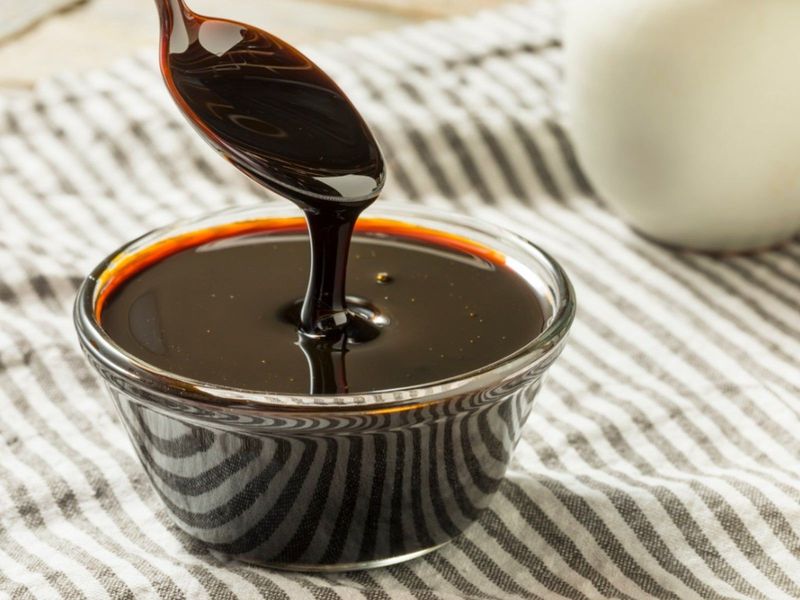
Molasses isn’t just for baking; it’s a powerhouse for plants. Its rich sugar content feeds beneficial microorganisms in the soil, promoting healthier plant growth.
When you add molasses to your garden, you’re supplying essential minerals like iron and calcium. These nutrients support robust root development.
Did you know? Molasses helps combat plant diseases by boosting their immune systems. Use it as a fertilizer by mixing a tablespoon with a gallon of water and applying it to your plants every month for vibrant blooms.
Eggshells
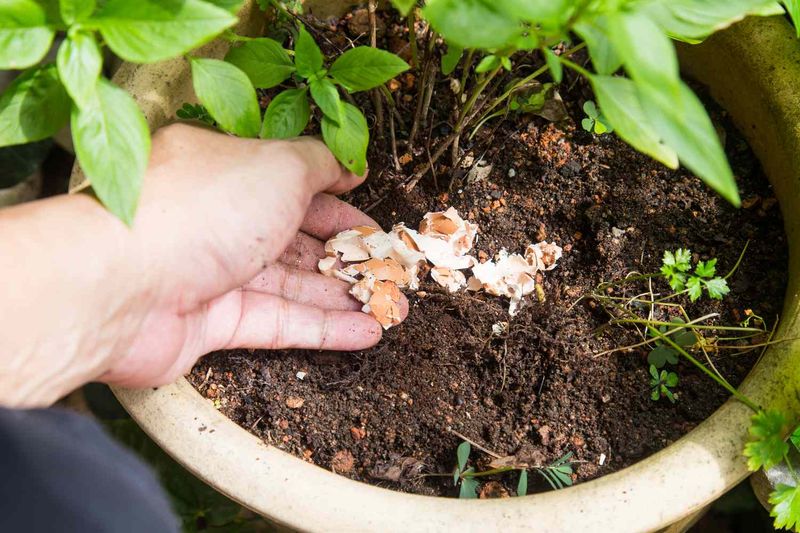
Eggshells are more than breakfast leftovers; they’re calcium-rich gold for your plants. Crushed eggshells provide essential nutrients that strengthen cell walls.
They also deter pests like slugs, making them a dual-purpose garden addition. Simply sprinkle crushed shells around your plants for protection.
With these natural benefits, eggshells enhance soil quality over time, promoting healthier, more resilient plants. Use them regularly to maintain a balanced and nourishing garden ecosystem.
Tea Leaves
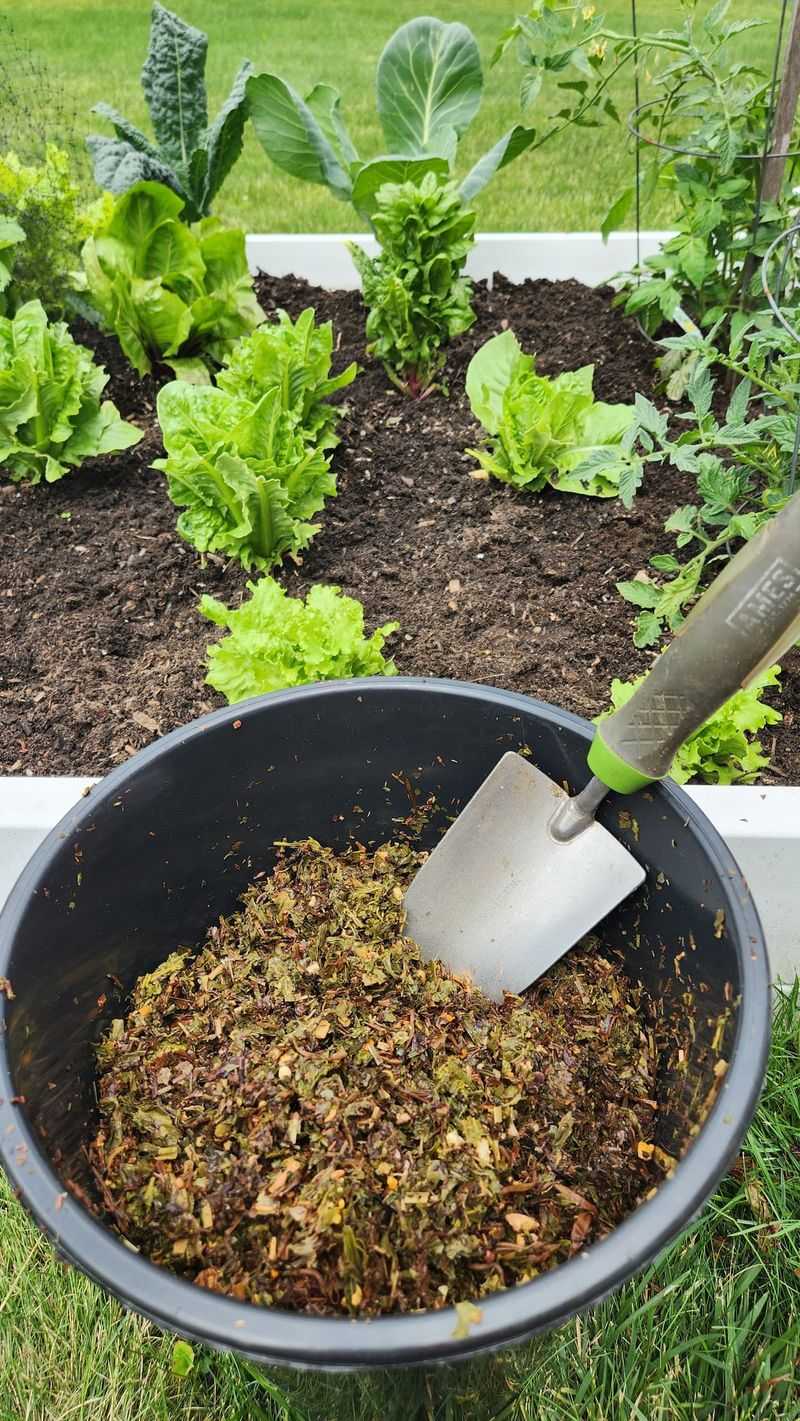
Tea leaves might be your morning ritual, but they’re also fantastic for plants. Rich in tannic acids, they lower soil pH, benefiting acid-loving plants.
These leaves also improve soil structure, helping retain moisture and nutrients. Sprinkle used tea leaves around your plants to see the difference.
Fun fact: Tea leaves were traditionally used in ancient Chinese gardens for their enriching effects. Regular use can boost your plants’ vitality while recycling kitchen waste.
Citrus Peels
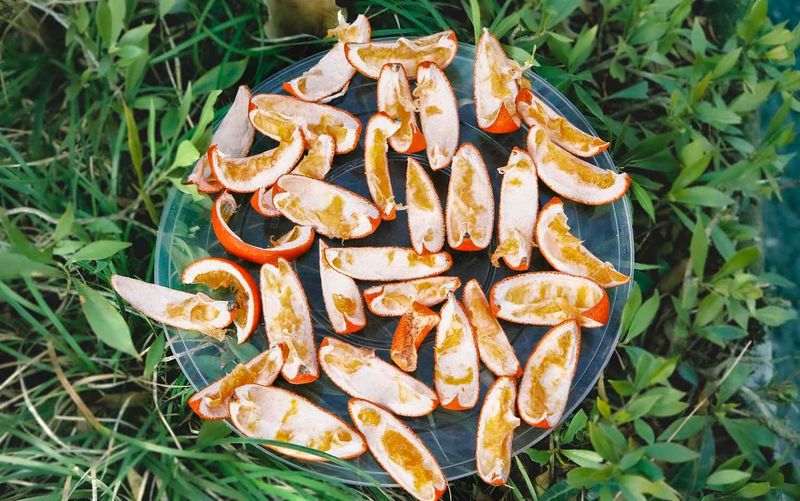
Citrus peels are more than compost material; they’re nature’s insect repellent. Rich in d-limonene, they ward off pests that threaten your garden.
By placing citrus peels around plants, you create a barrier against ants, aphids, and other critters. Plus, as they decompose, they enrich the soil.
Did you know? Citrus peels also add a refreshing scent to your garden, making them a delightful, natural solution for pest management.
Cornmeal
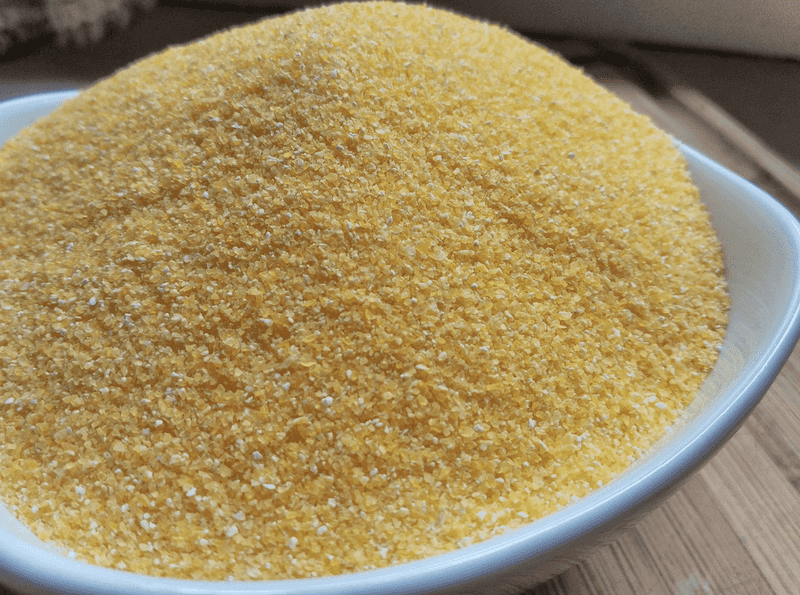
Cornmeal might be a pantry staple, yet it’s also a surprising ally against garden fungus. Its natural compounds inhibit fungal growth, keeping plants healthy.
Sprinkle cornmeal around plant bases to combat common fungal problems. It’s an eco-friendly alternative to chemical treatments.
Interesting tidbit: In organic farming, cornmeal is valued for its antifungal properties, making it a trusted choice among eco-conscious gardeners.
Oatmeal
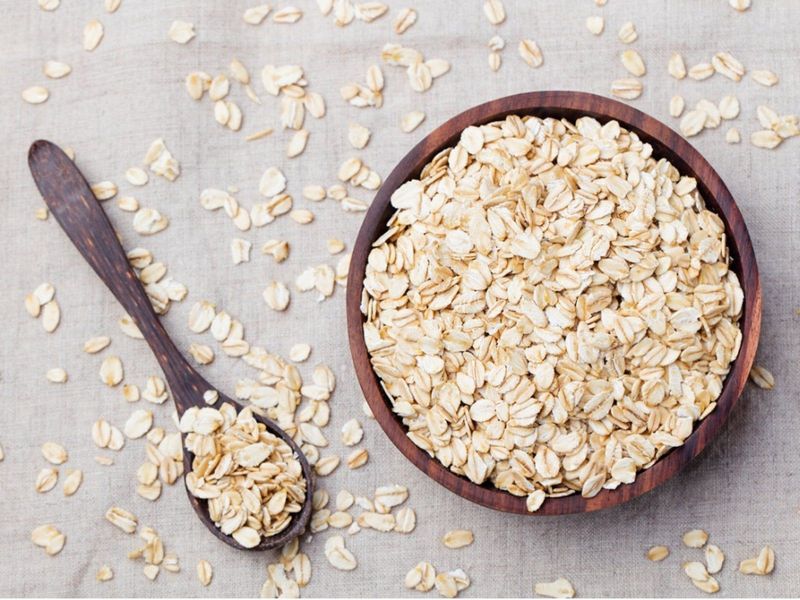
Oatmeal isn’t just for breakfast; it’s a fantastic soil conditioner. Its organic matter improves soil structure, aiding water retention.
Sprinkle cooked oatmeal around your plants and see improved growth and health. It’s a simple way to recycle leftovers.
Fun fact: Oatmeal has been used for decades by gardeners to enhance soil quality, making it a beloved, eco-friendly choice for green thumbs.
Rice Water
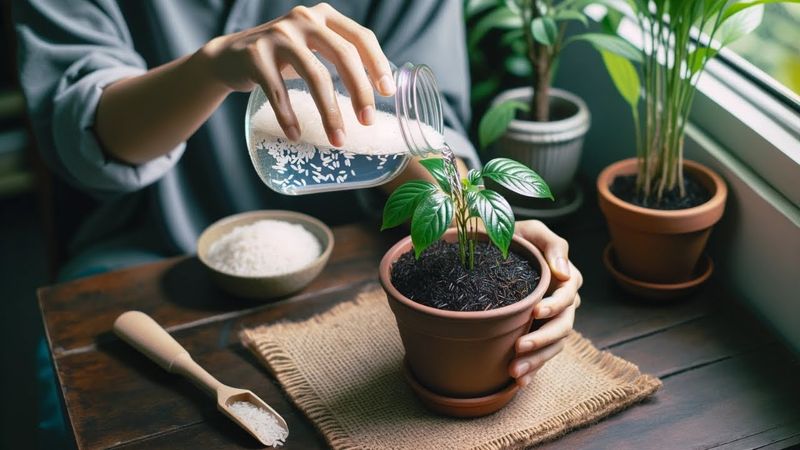
Rice water, often discarded, is a nourishing tonic for plants. Packed with vitamins and minerals, it promotes plant health and growth.
Use this water to hydrate your plants, adding it to the soil around their roots. It’s particularly beneficial for leafy greens.
Did you know? Rice water has been used in Asian gardening traditions for centuries, valued for its enriching qualities that support vigorous plant growth.
Potato Peelings
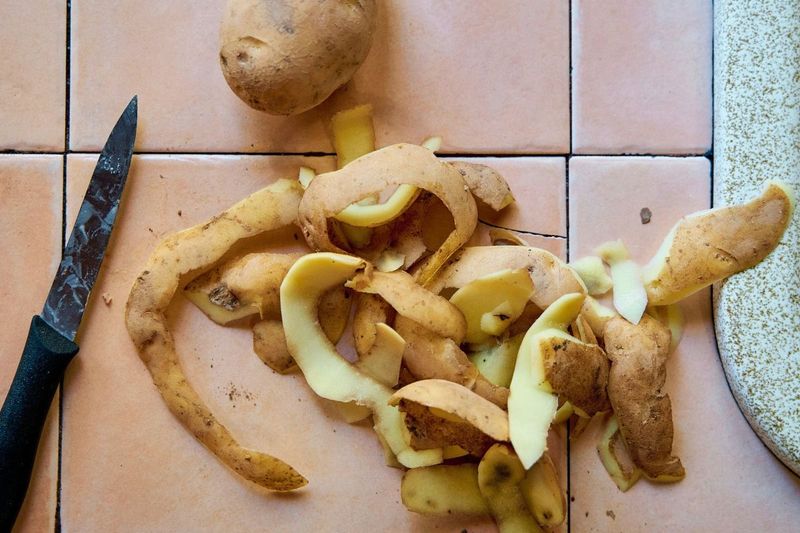
Potato peelings, usually kitchen waste, are rich in nutrients like phosphorus that benefit plant growth. As they decompose, they release these nutrients into the soil.
Spread peelings over your garden beds to enrich the soil naturally, offering plants a nutrient boost.
Fun fact: Potato peelings are a traditional gardener’s secret to lush growth, providing an eco-friendly way to recycle kitchen scraps while nurturing the garden.
Pasta Water
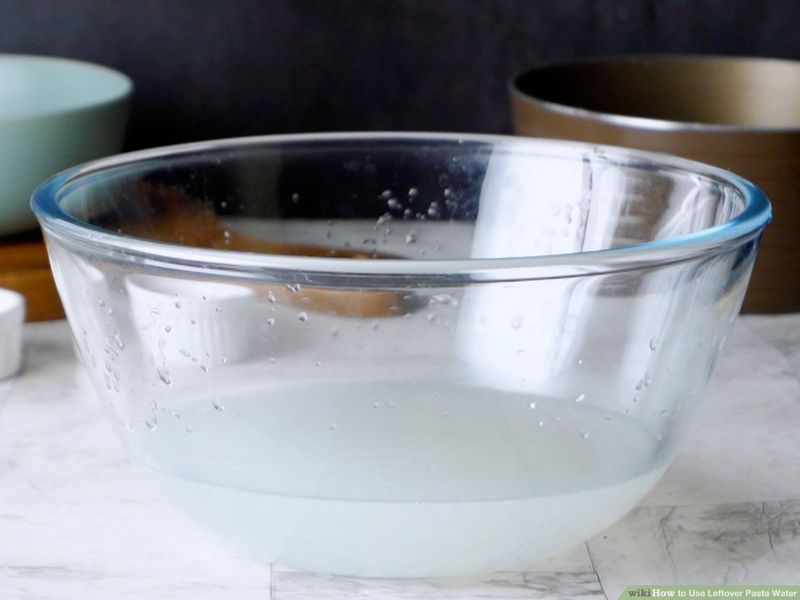
Pasta water, often tossed away, is rich in starches that help plants thrive. These starches promote beneficial soil bacteria growth.
Water your plants with cooled pasta water to see them flourish. It’s an effortless way to give your garden a nutritional boost.
Did you know? Pasta water has long been used by Italian gardeners to enhance soil fertility and encourage lush plant growth, making it a deliciously clever gardening hack.
Gelatin
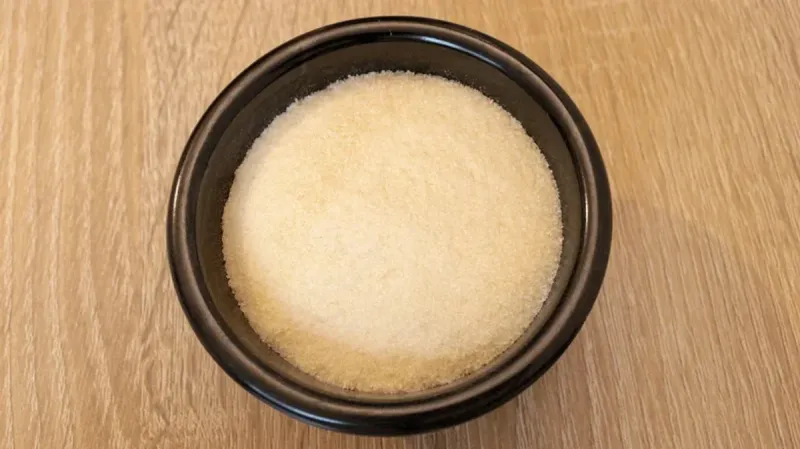
Gelatin, a common pantry item, is an excellent source of nitrogen for plants. This vital nutrient supports leafy growth and overall plant health.
Mix gelatin powder with water and pour it into your plant’s soil. It’s a simple and effective way to improve plant vitality.
Interesting tidbit: Gelatin is particularly useful for stimulating the growth of houseplants, providing an easy solution for indoor gardening enthusiasts.
Club Soda
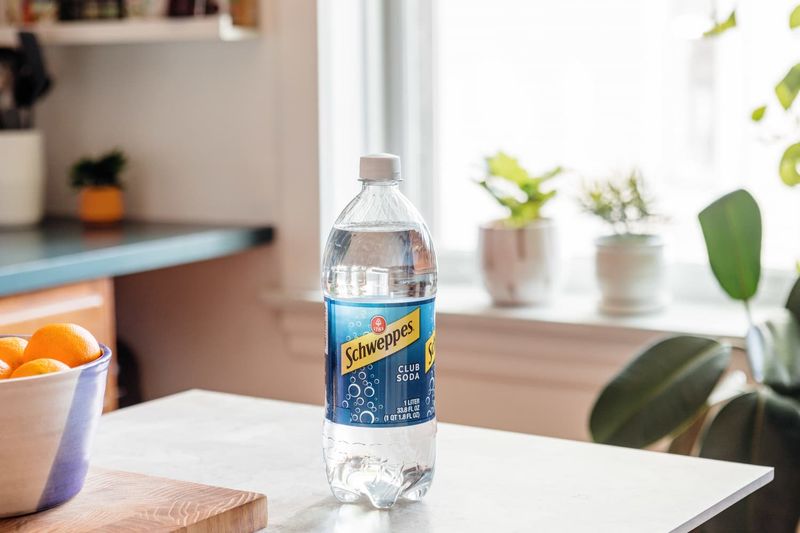
Club soda isn’t just for cocktails; it’s a carbonated boon for plants. The minerals in club soda, like potassium and phosphorus, nourish plants effectively.
Pour club soda over your plants once a week to boost their growth and vitality. It’s a delightful way to recycle leftover fizz.
Did you know? The effervescence in club soda helps aerate the soil, ensuring plants receive ample oxygen for robust development.
Blackstrap Molasses
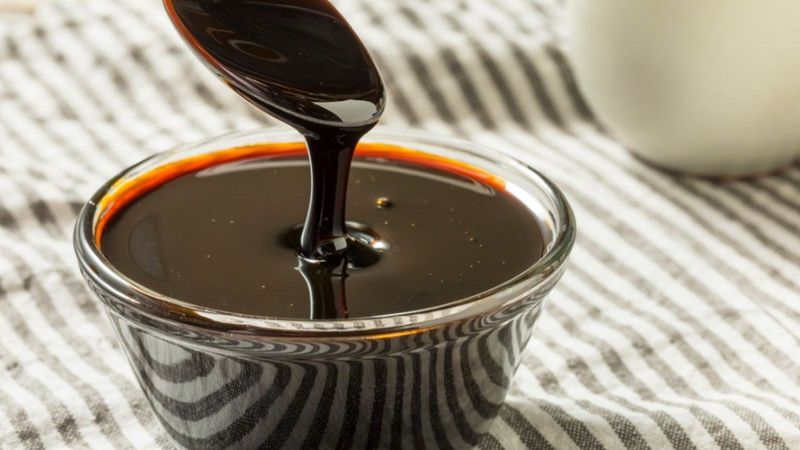
Blackstrap molasses, a byproduct of sugar production, is brimming with nutrients essential for plants. It enriches the soil and fosters microbial activity.
Mix a tablespoon of blackstrap molasses with a gallon of water to feed your plants, encouraging lush growth.
Fun fact: Blackstrap molasses is cherished by organic gardeners for its natural ability to enhance plant health and soil quality, making it a nutritious treat for your garden.
Chia Seeds
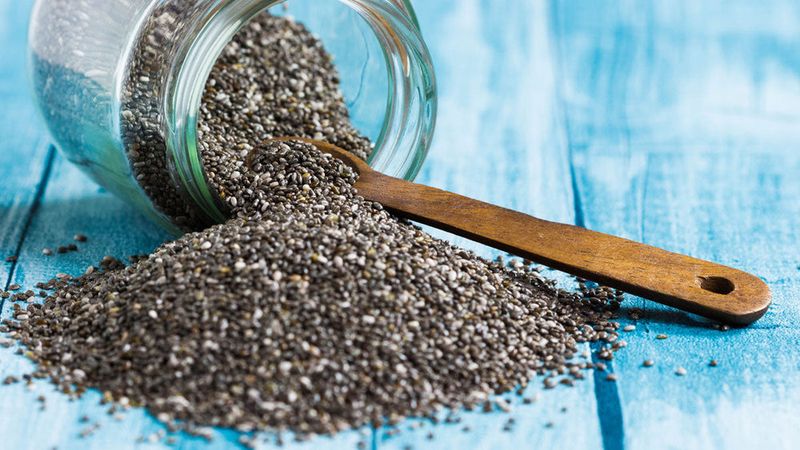
Chia seeds, while known for their nutritional value to humans, also benefit plants. Their ability to retain moisture keeps soil hydrated.
Sprinkle chia seeds over your garden beds to improve water retention in sandy soils. It’s an innovative way to support plant health.
Interesting tidbit: Chia seeds have been used by ancient civilizations to enhance agricultural productivity, making them a timeless gardening secret.
Gelatin
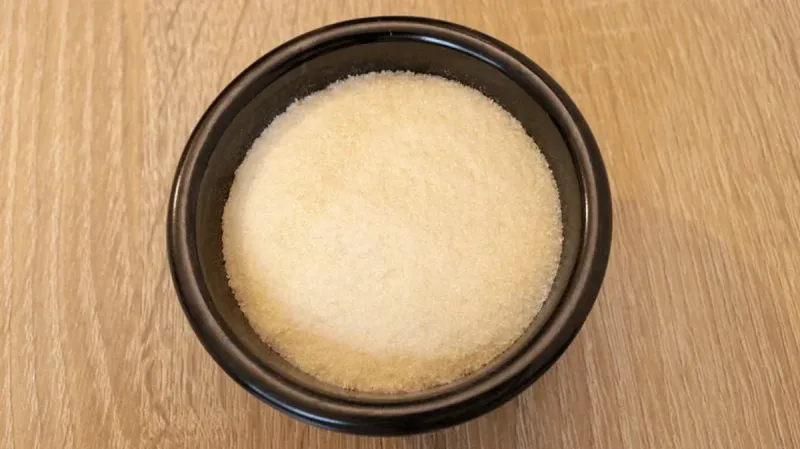
Gelatin, a common pantry item, is an excellent source of nitrogen for plants. This vital nutrient supports leafy growth and overall plant health.
Mix gelatin powder with water and pour it into your plant’s soil. It’s a simple and effective way to improve plant vitality.
Interesting tidbit: Gelatin is particularly useful for stimulating the growth of houseplants, providing an easy solution for indoor gardening enthusiasts.