 Complete Gardening
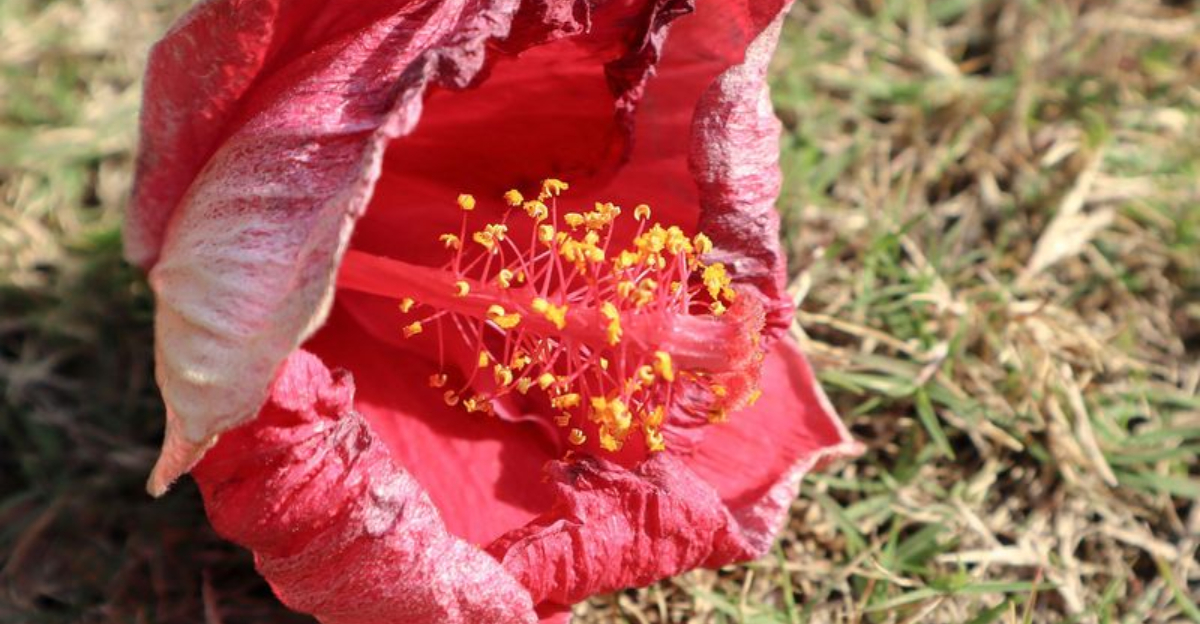
In recent years, garden centers have embraced a variety of trends, hoping to captivate plant enthusiasts and coax them into nurturing a flourishing garden. However, not every trend stands the test of time. This detailed exploration uncovers 17 specific plants that exemplify a declining trend. Whether due to care complexity or market saturation, these plants reveal the often challenging dynamics between consumer preferences and horticultural realities. Join us as we delve into the botanical world, highlighting plants that are not just losing their allure but also sparking a reevaluation of what truly makes a garden thrive.
1. Fiddle Leaf Fig
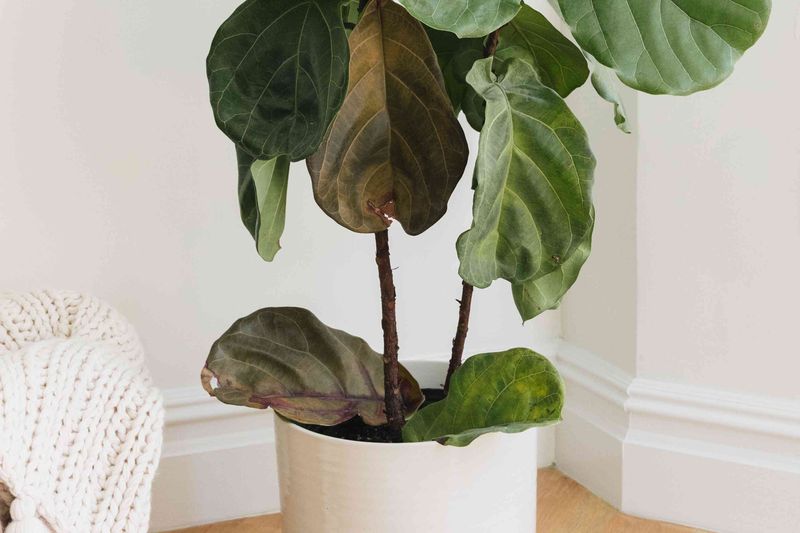
The fiddle leaf fig once reigned supreme as the darling of indoor plants, gracing the pages of design magazines everywhere. Yet, its high-maintenance persona is now overshadowing its aesthetic appeal. Many plant enthusiasts find themselves battling browning leaves and stunted growth.
These challenges are often due to its sensitivity to light and water conditions, making it a tricky companion for the casual gardener. The plant’s need for precise care routines has led many to abandon it for more forgiving options. This decline is a testament to the changing tastes and practicality-driven decisions of plant lovers.
2. Orchid
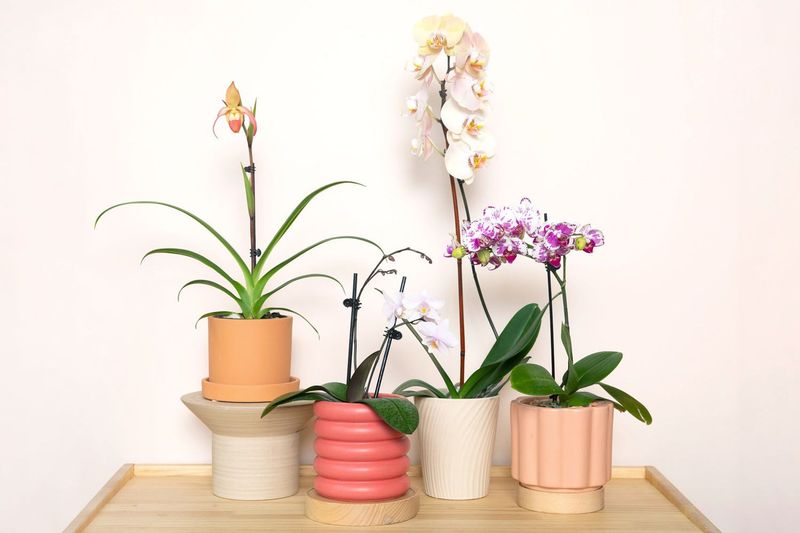
Orchids have long symbolized elegance and exotic beauty, yet their popularity is wilting. Their intricate bloom cycle and exacting care demands can overwhelm even seasoned gardeners.
High humidity and precise watering routines are critical, and the slightest deviation can result in disappointment. As a result, the once-ubiquitous orchid is being replaced by hardier flowering plants.
This shift reflects a broader desire for effortless beauty and resilience, steering plant enthusiasts towards less finicky horticultural choices.
3. Bonsai Tree
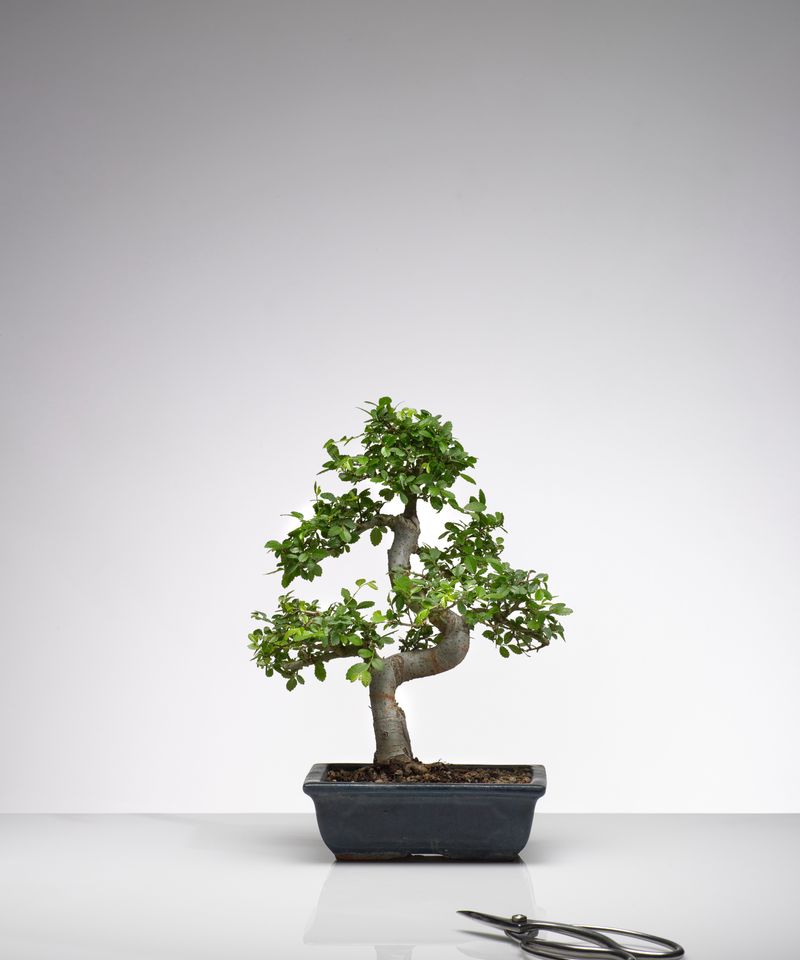
Bonsai trees are admired for their artistic representation of nature, but they demand meticulous attention. They require exact pruning and shaping, not to mention a keen eye for balance and form.
This art form’s complexity often deters newcomers, who might find the learning curve too steep. Consequently, bonsai trees are becoming less common in everyday gardens.
The decrease in popularity signals a movement away from labor-intensive trends towards plants that blend beauty with simplicity and ease of care.
4. Hibiscus
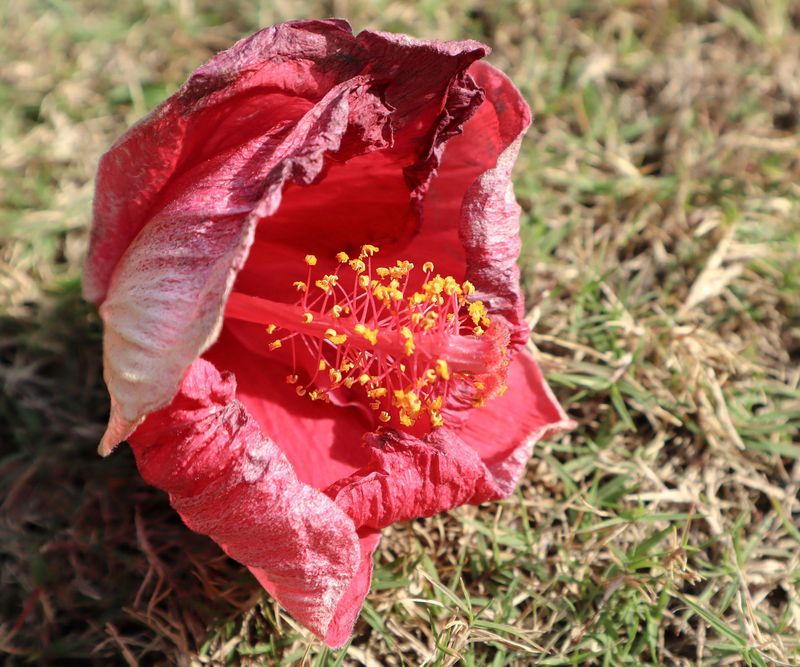
The hibiscus, with its tropical allure, promises vibrant color but often fails to deliver consistent blooms. Its sensitivity to environmental changes, like temperature and watering, makes it prone to stress.
Gardeners may find its care demands frustrating, as it requires constant attention to flourish. This has led to waning interest among hobbyists.
The hibiscus serves as a reminder that beauty is sometimes outweighed by the burden of maintenance, steering people towards plants that ease rather than complicate their gardening journey.
5. Venus Flytrap
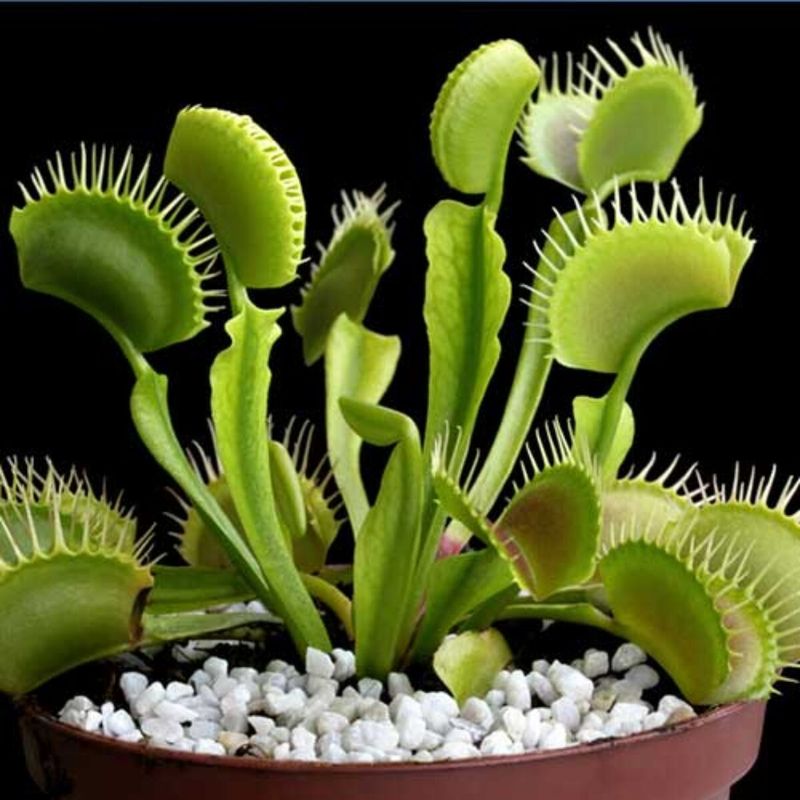
The Venus flytrap fascinates with its carnivorous nature, yet many growers struggle to meet its unique needs. Its requirement for specific soil and insect diet can be daunting.
This plant’s appeal often fades when faced with the reality of its demanding conditions and limited growth cycle. Enthusiasts are moving away from this novelty in favor of plants that offer more consistent rewards.
The decline in interest underscores a shift towards practicality and sustainability in gardening choices.
6. Azalea
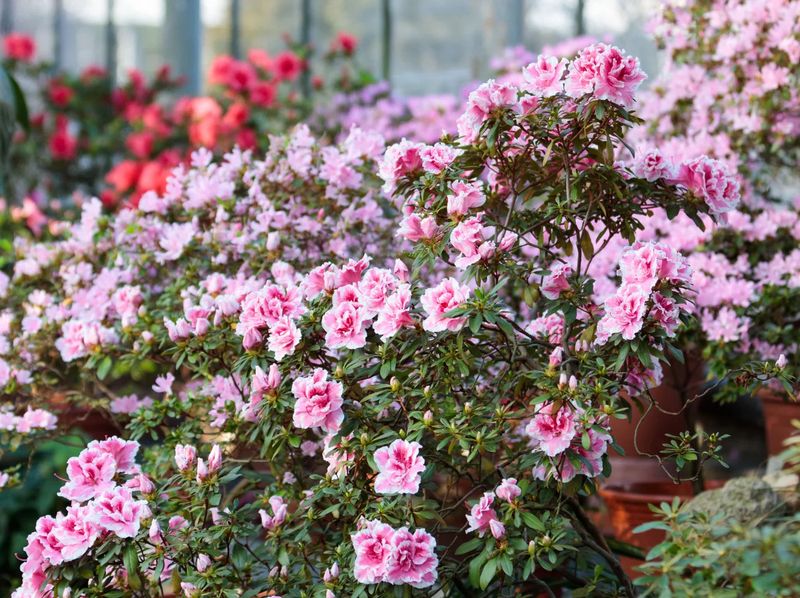
Azaleas are beloved for their stunning blooms, but their care can be complex. They thrive on acidic soil and precise watering, conditions that aren’t easy to maintain.
This finickiness leads to frustration and faded flowers, pushing gardeners to abandon them for more adaptable species. Their decline is indicative of a broader trend towards plants that offer both beauty and ease.
Azaleas highlight how demanding care requirements can diminish a plant’s appeal, driving a shift towards sustainability in garden choices.
7. Boston Fern
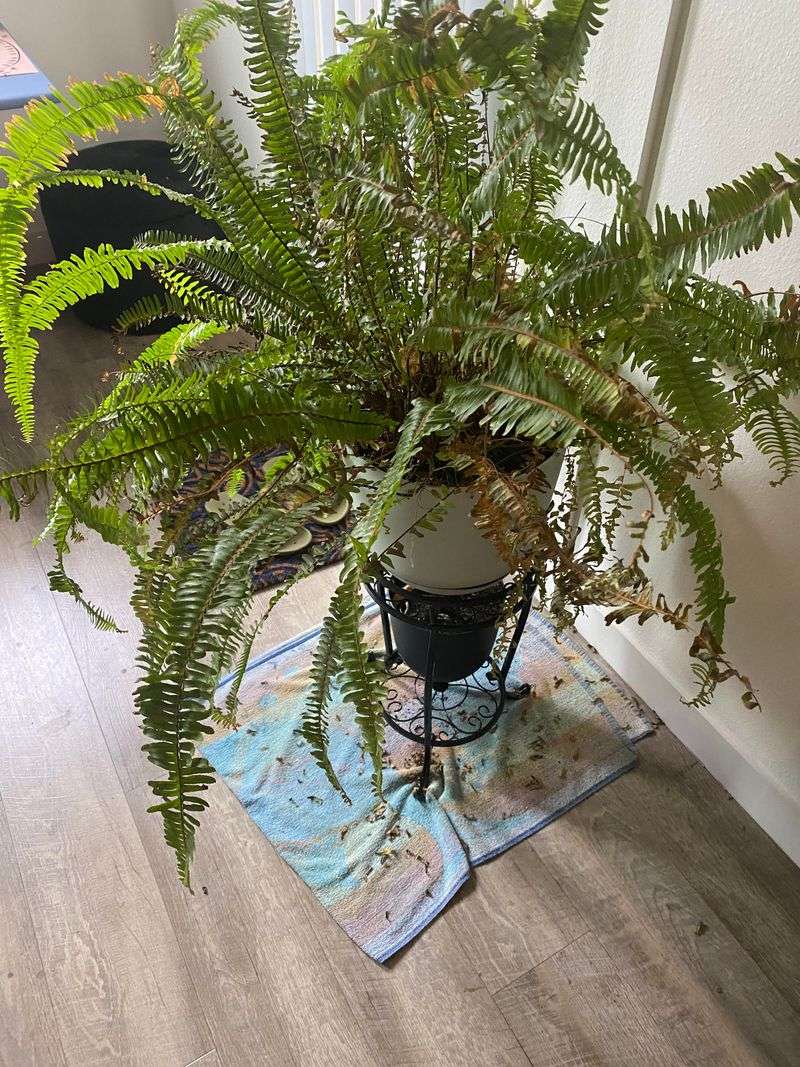
Boston ferns are admired for their lush foliage, but their need for high humidity and consistent moisture makes them a challenging choice.
Many find their maintenance needs too demanding, leading to disappointment as fronds brown and wilt. The fern’s decline in popularity illustrates a preference for low-maintenance greenery that fits busy lifestyles.
This trend highlights a move towards simplicity, with plant enthusiasts seeking options that require minimal intervention yet offer abundant beauty.
8. Lavender
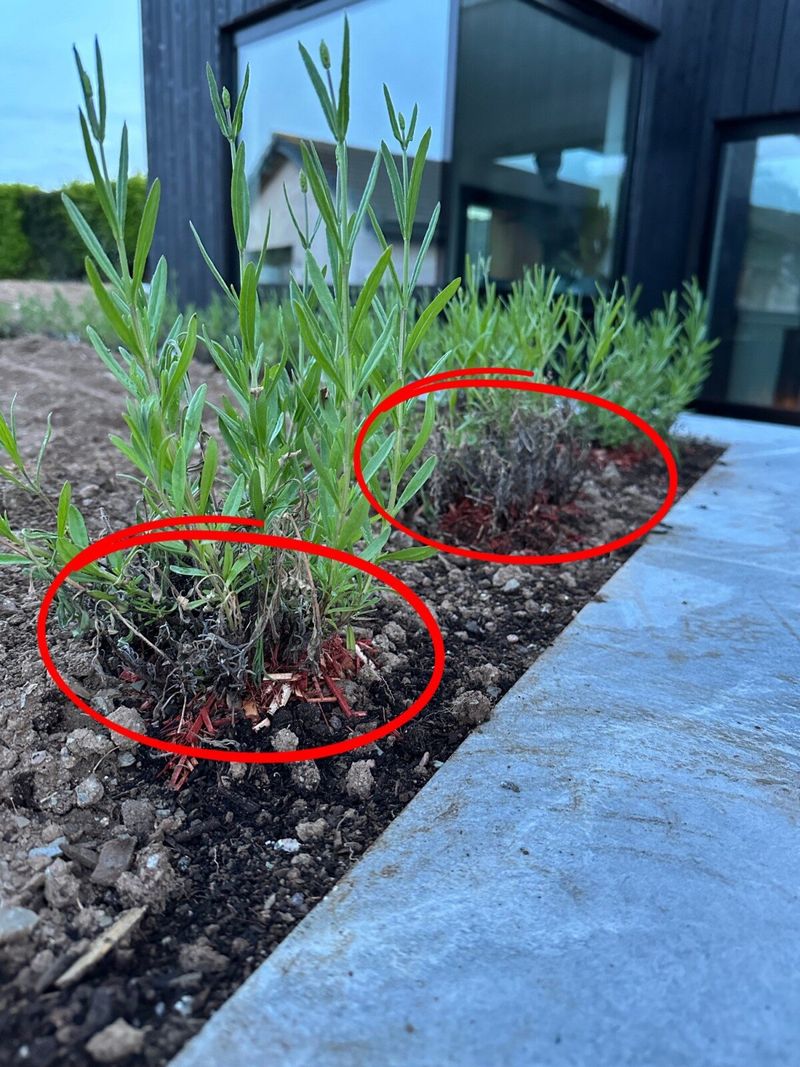
Lavender’s soothing scent and lovely hue make it a favorite, but its care can be unexpectedly tricky. It requires well-draining soil and ample sunlight, conditions not always easily provided.
Gardeners often face wilting blooms due to improper watering or soil conditions. The shift away from lavender signifies a growing demand for plants that are as resilient as they are beautiful.
Lavender’s decline is a reminder of the balance between aesthetic appeal and the practical aspects of plant care.
9. Aloe Vera
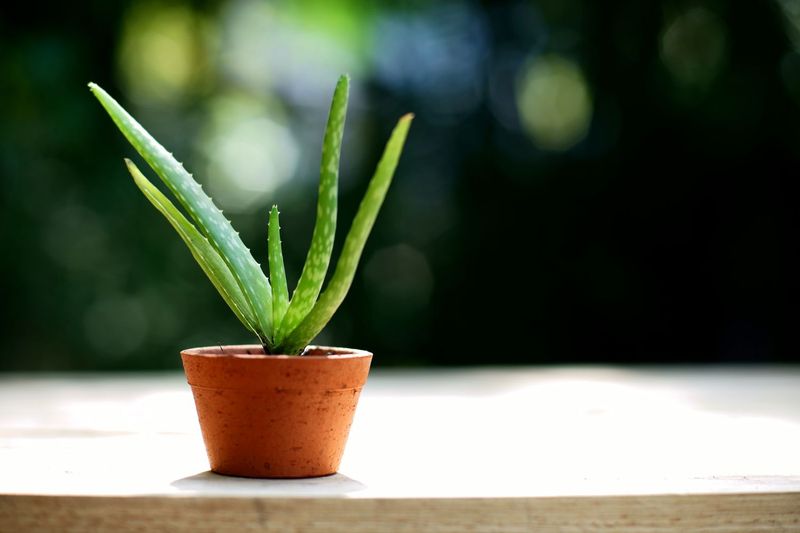
Aloe vera, known for its healing properties, has seen a dip in favor as people seek more exciting plant options. While easy to care for, its static nature can lead to neglect.
Gardeners eager for dynamic growth and visual interest might find aloe’s steady demeanor lackluster. This shift reflects a desire for plants that engage the senses and offer more than just practicality.
Aloe’s declining popularity is part of a broader trend towards plants that captivate with both function and beauty.
10. Pothos
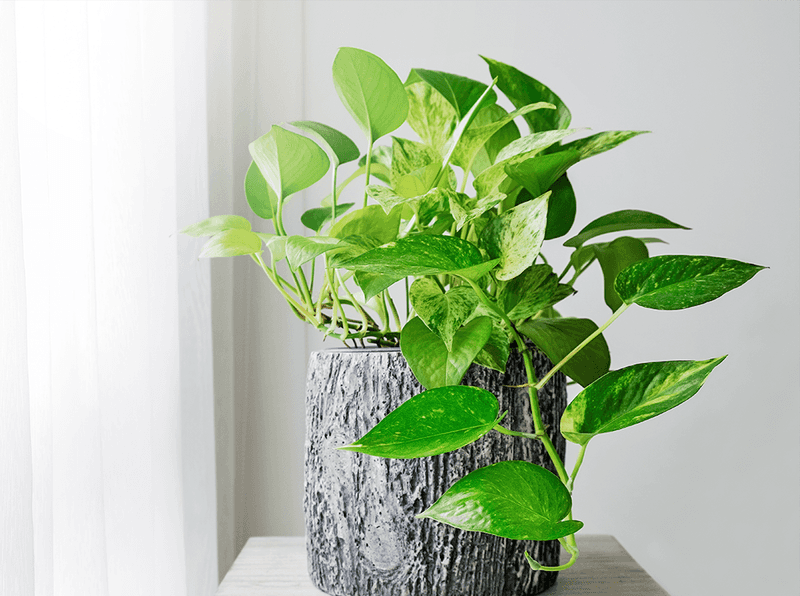
The pothos, once a go-to for beginner gardeners, is losing ground due to its ubiquitous nature. Its ease of care is overshadowed by a lack of novelty, leading people to seek more unique alternatives.
Despite its reputation for resilience, the pothos is being replaced by plants that offer not only durability but also a fresh aesthetic. This move away from the tried-and-true pothos symbolizes a shift towards individuality and creativity in plant choices.
Enthusiasts are now looking for plants that surprise and delight beyond just survival.
11. Peace Lily
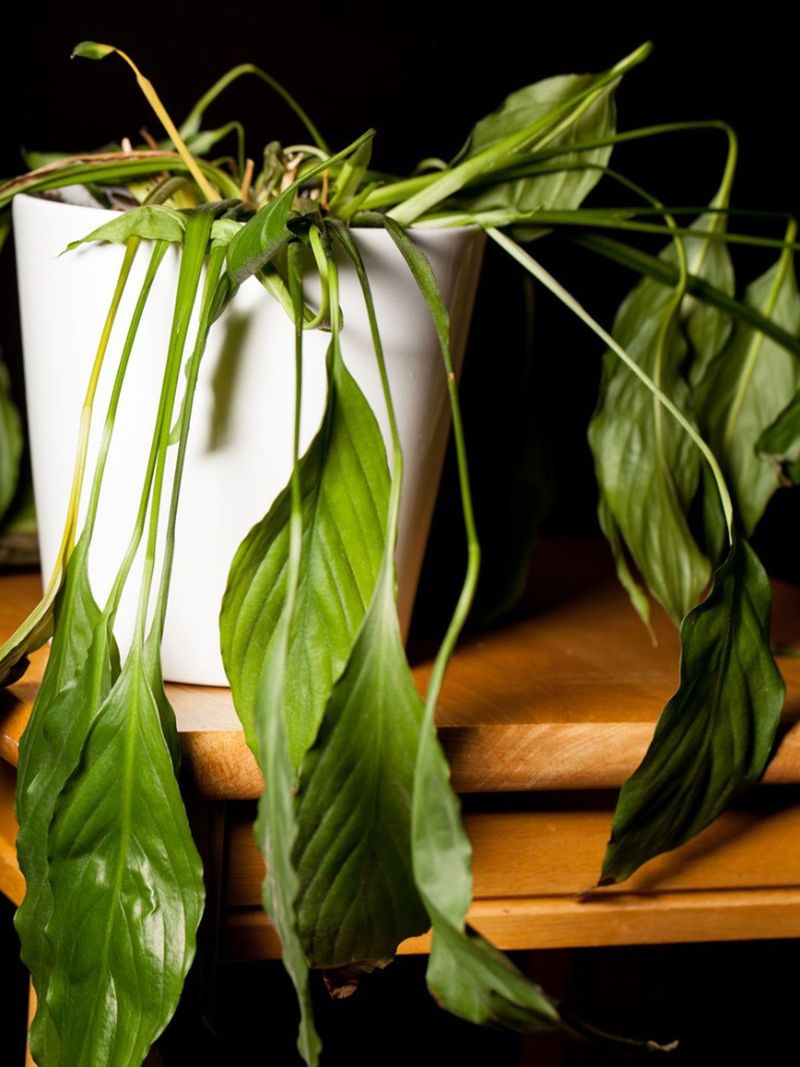
Peace lilies are cherished for their elegant blooms and air-purifying qualities, but their need for precise watering can be challenging. Over or under-watering often leads to drooping leaves, creating frustration.
As a result, they’re being passed over for plants requiring less vigilance. This change reflects a preference for flora that offer grace with minimal effort.
The waning interest in peace lilies highlights a trend where beauty must align with effortless care, paving the way for more forgiving plant options.
12. Snake Plant
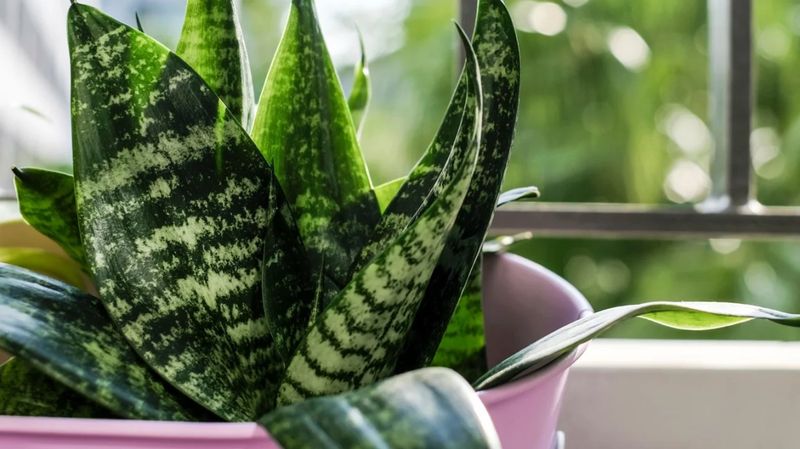
Snake plants, known for their hardy nature, are facing a decline as plant enthusiasts seek more interactive species. Their robustness can sometimes translate to neglect, as they require little attention.
This trend towards plants that engage with their environment and owners is pushing the snake plant into the background. The shift underscores a desire for more than just convenience, but a dynamic connection with greenery.
Snake plants are a casualty of the quest for plants that offer interaction and aesthetic appeal.
13. English Ivy
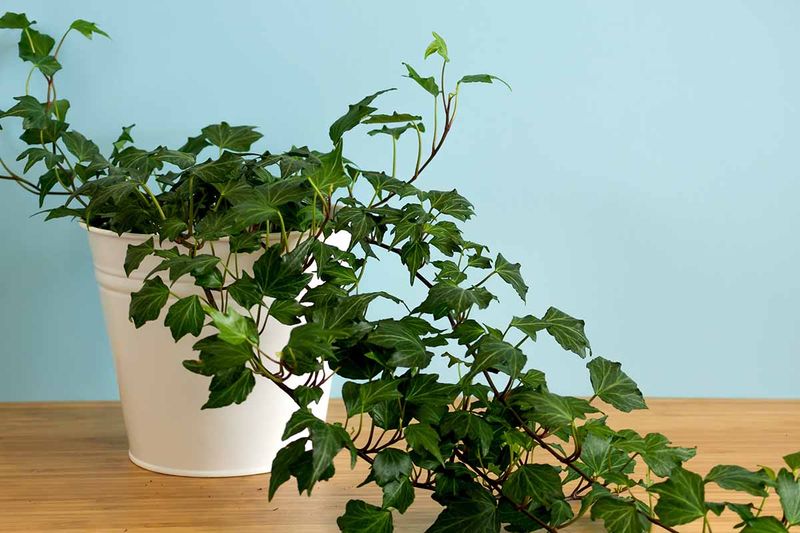
English ivy, once favored for its trailing vines, is falling out of favor due to its invasive nature and care challenges. It can quickly overtake a space, requiring regular pruning to keep it contained.
The plant’s tendency to attract pests further complicates its appeal. This decline reflects a move towards more manageable plants that pose fewer risks to other flora.
English ivy’s waning popularity is a nod to a more harmonious and controlled approach to indoor gardening.
14. Rubber Plant
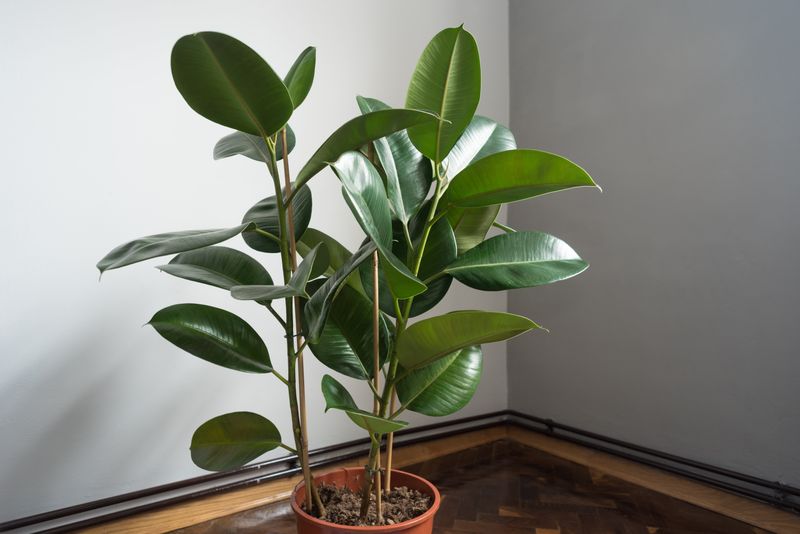
Rubber plants, with their broad, glossy leaves, are losing their sheen as their maintenance needs become clearer. They require regular cleaning to maintain their appearance, which can be a tedious task.
Furthermore, their size can become unwieldy, making them less desirable for compact spaces. This trend reflects a shift towards plants that combine visual impact with easy care.
Rubber plants are being replaced by more size-appropriate options that offer beauty without the burden of constant upkeep.
15. Jade Plant
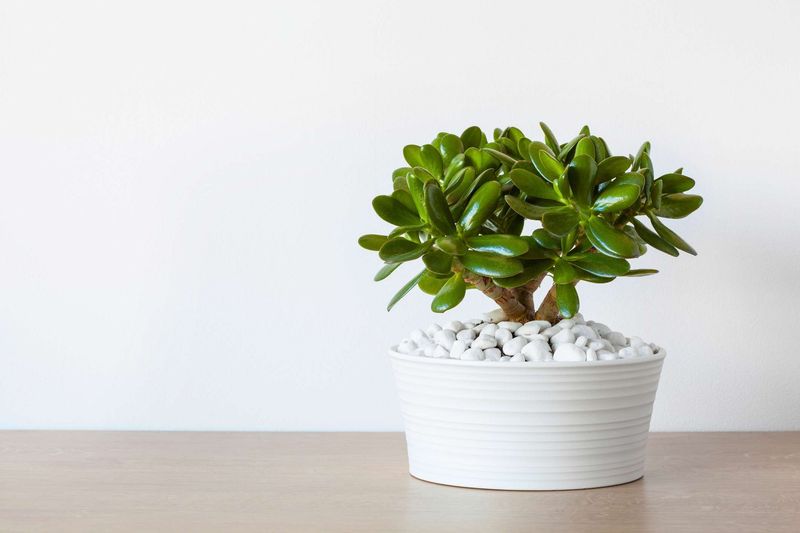
Jade plants symbolize luck and prosperity, yet their care demands can lead to neglect. They require bright light and careful watering, conditions not always met in modern homes.
As a result, these succulents are often left to languish, replaced by plants that better fit contemporary lifestyles. This shift highlights a preference for greenery that thrives effortlessly within our living spaces.
Jade plants are slowly being phased out in favor of more adaptable and visually engaging options.
16. Monstera
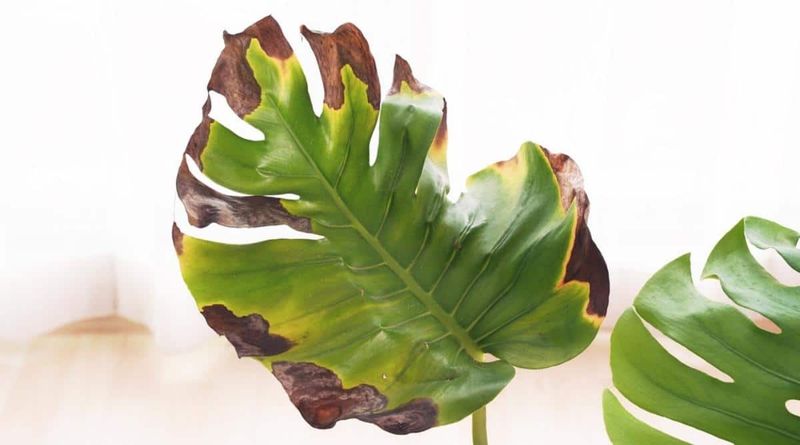
Monsteras, with their striking leaves, have become a staple in modern interiors. However, the difficulty in maintaining their iconic foliage is causing a decline in popularity.
They require specific light and humidity levels to prevent leaf browning, a common complaint among owners. This trend away from monsteras signals a preference for plants that maintain their allure with less intervention.
As plant lovers seek resilient beauty, monsteras are being replaced by options that offer lushness without the hassle.
17. Gardenia
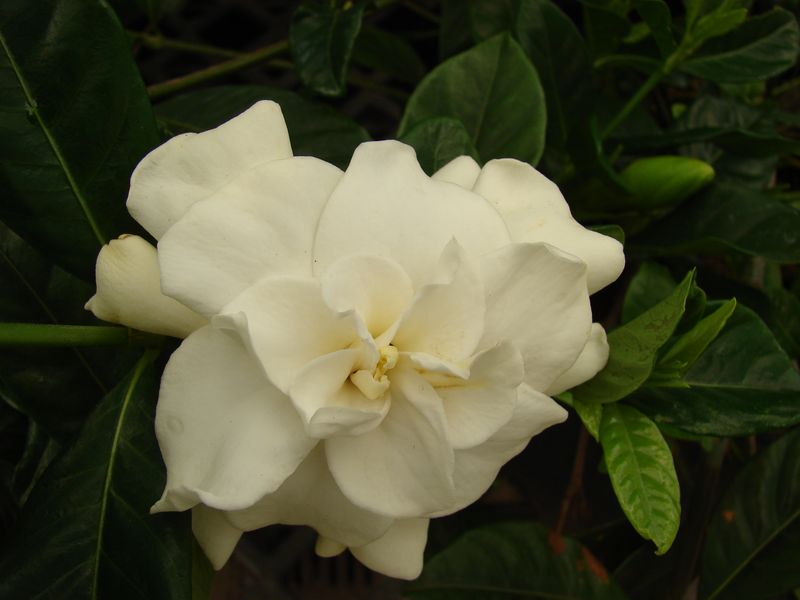
Elegance meets fragrance with the enchanting gardenia. Known for its glossy leaves and exquisite white blooms, it captivates the senses with its aromatic allure. Yet, this plant often disappoints due to its finicky nature.
Requiring precise care, it demands acidic soil, consistent humidity, and vigilant pest control. Gardenias are notorious for their sensitivity to light and temperature, often shedding buds before they bloom.
Did you know? Despite its beauty, gardeners frequently abandon it for hardier options. This diva of the plant world proves that beauty sometimes comes with a price.