 Complete Gardening
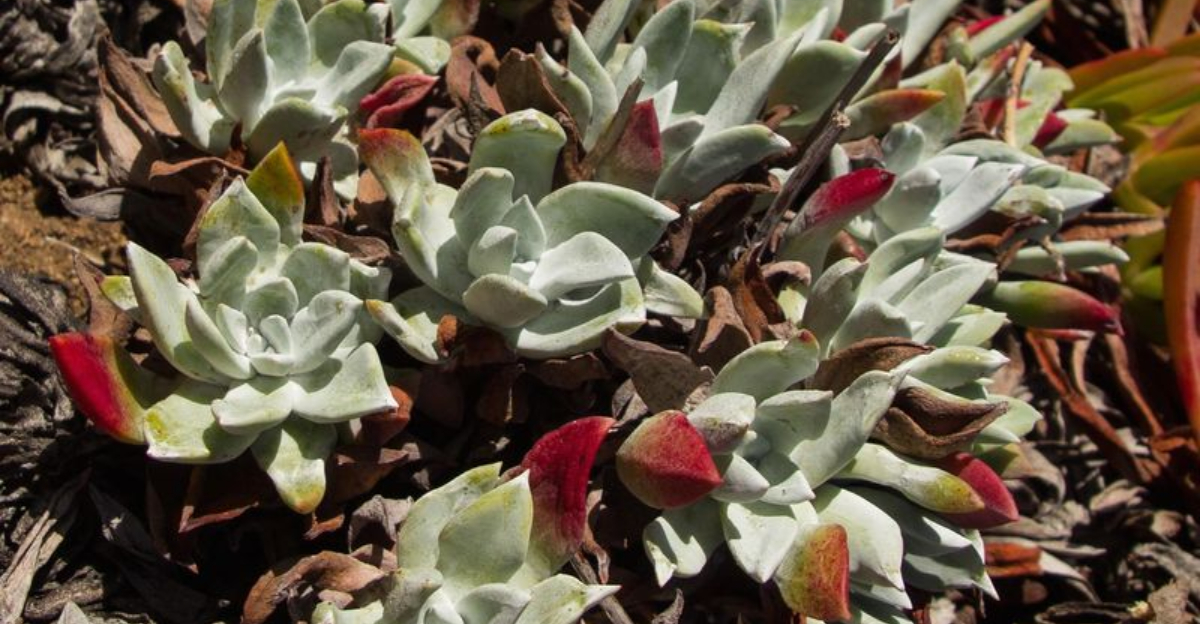
Gardening trends come and go, but some can have unintended consequences. The latest craze in the gardening world is no exception. While it brings excitement and innovation, it also poses significant risks to the very foundations of our beloved gardens.
1. Over-planting Succulents
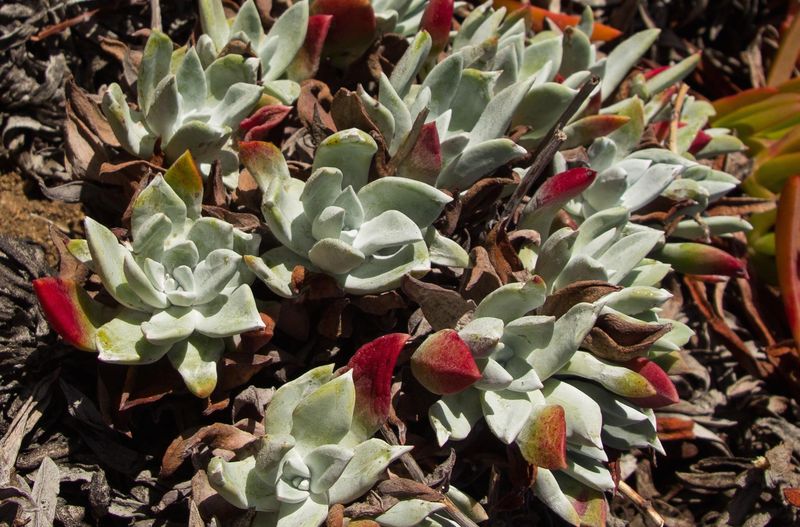
Succulents have become the darling of plant enthusiasts everywhere. Their hardy nature and unique appearance make them appealing. However, over-planting succulents can be a burgeoning issue.
Succulents often require less water, but their vigorous growth can overshadow native plants, leading to imbalance. Imagine a garden once rich with diverse species, now dominated by these water-storing powerhouses.
Consider the gardener who finds their once vibrant garden reduced to a monoculture of succulents. It’s a cautionary tale of moderation and awareness in planting choices.
2. Artificial Turf Invasion
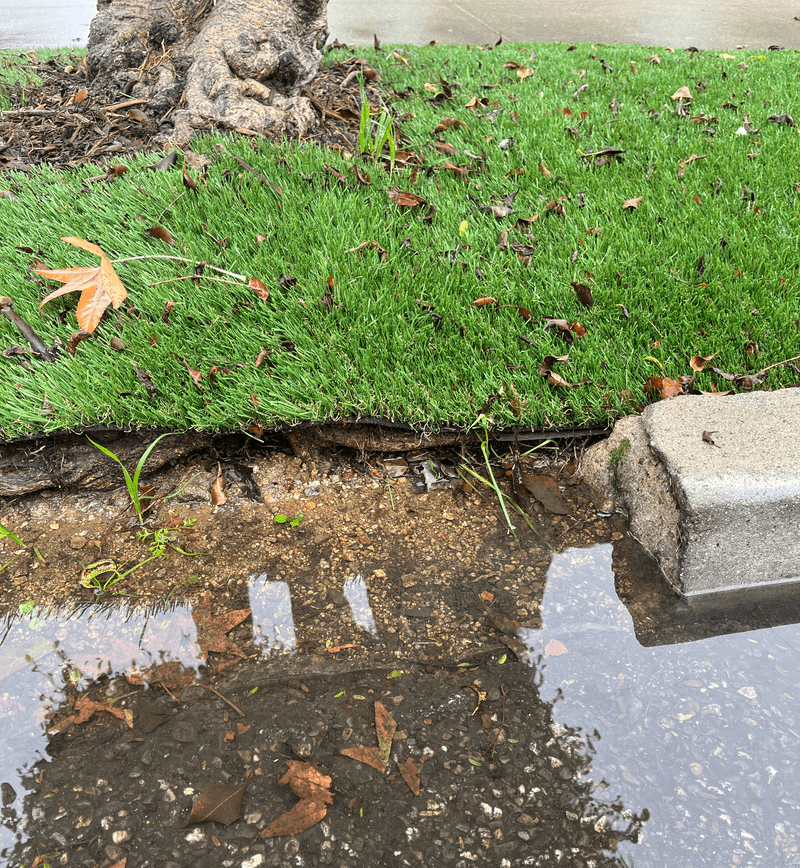
Artificial turf is marketed as a low-maintenance alternative to grass, appealing to busy homeowners. However, the environmental costs can be steep.
Replacing natural grass with artificial turf can suffocate the underlying soil, preventing essential microorganisms from thriving. This leads to a barren ecosystem beneath the surface.
Though it saves time on maintenance, the long-term ecological damage is significant. Homeowners often overlook the fact that real grass supports biodiversity, making the choice of artificial turf more destructive than it may initially appear.
3. Exotic Plant Species
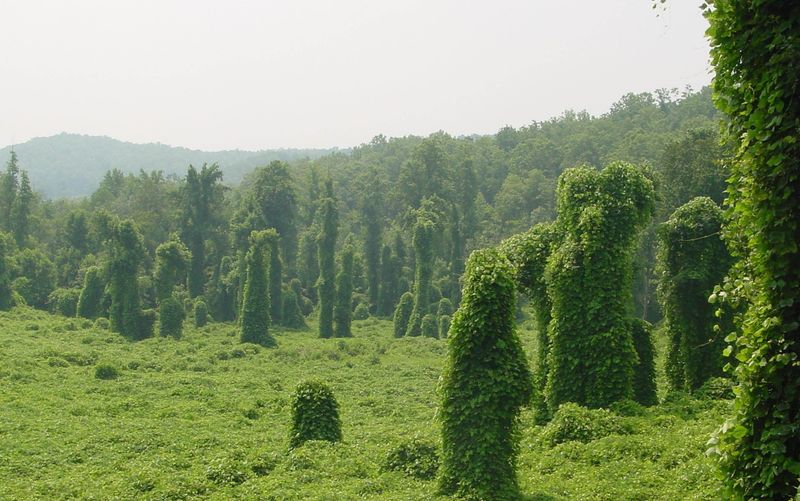
Introducing exotic plant species to a garden may seem exciting, but it can lead to unforeseen issues. These plants often lack natural predators, allowing them to dominate the landscape.
Native plants suffer as these invaders claim space and resources, disrupting the local ecosystem. An elderly gardener might delight in their exotic collection, unaware of the harm it’s causing.
Such choices, driven by novelty, can upset the balance between native and non-native species. It’s a reminder to prioritize native flora and maintain garden harmony.
4. Chemical Fertilizer Overuse
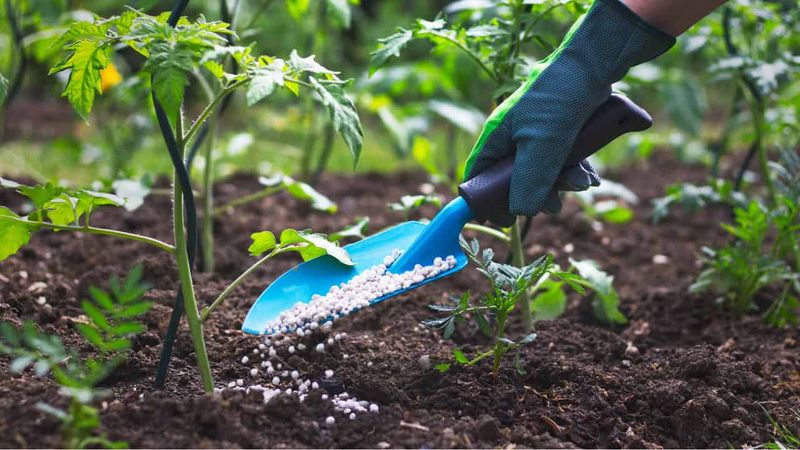
Chemical fertilizers promise lush growth but can lead to dependency and soil degradation. When used excessively, they alter the soil’s natural chemistry, leading to long-term issues.
A gardener might revel in the immediate vibrant blooms, but the underlying soil suffers, losing its natural fertility over time. Nearby wildlife may also be negatively affected by chemical runoff.
Balancing fertilizer use with organic alternatives is crucial to prevent long-term damage and ensure a healthy, thriving garden for years to come.
5. Garden Ornaments Overload

Garden ornaments can add charm, yet too many lead to clutter and reduced space for plants. Overloading a garden with decorations can suffocate the natural beauty it is meant to enhance.
Imagine a young couple, eager to showcase their collection, inadvertently creating a crowded scene that overshadows the greenery. This excess can disturb plant growth and hinder garden aesthetics.
Moderation is key to maintaining a balance between personal style and nature’s elegance, ensuring that gardens remain a sanctuary for both plants and people.
6. Rock Gardens Overload

Rock gardens, once a symbol of low maintenance gardening, are trending again. However, their overuse can lead to issues. In suburban areas, gardeners are replacing rich soil with layers of rocks. This method may seem beneficial for drainage, but it can suffocate plant roots.
Without adequate soil, plants struggle to absorb essential nutrients. The aesthetic appeal of rocks can overshadow the need for green spaces, reducing biodiversity. Over time, the garden becomes a barren landscape.
Did you know? Rock gardens originated in China, where they were designed to represent mountains in miniature landscapes.
7. Monoculture Planting Craze

Monoculture planting offers visual uniformity, but it poses significant risks. In rural settings, gardeners are choosing single species for entire plots. While visually appealing, this practice diminishes biodiversity.
Monocultures are vulnerable to pests and diseases, leading to entire crop failures. Diverse plantings, in contrast, can resist such threats better. The monoculture trend can also deplete soil nutrients rapidly.
A historical note: Monoculture farming became prominent during the Green Revolution but led to many ecological issues.
8. Plastic Mulch Usage
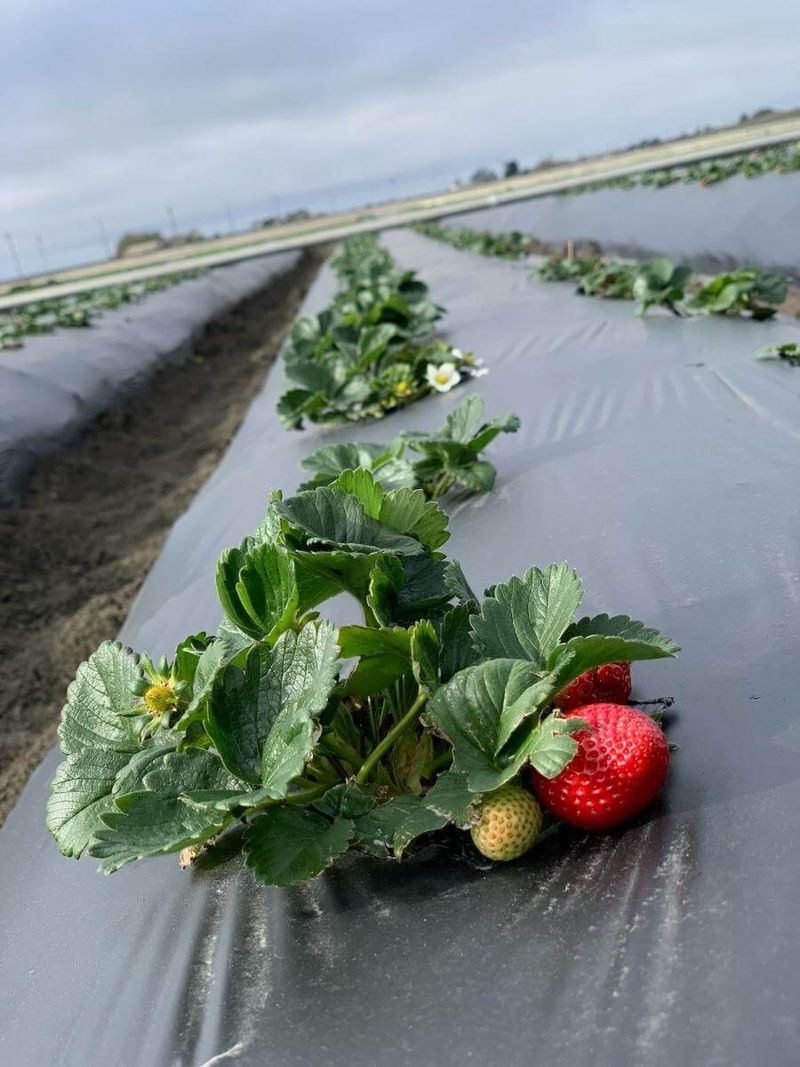
Plastic mulch is gaining popularity for weed control, but it has drawbacks. Urban gardeners often lay it across their plots for convenience. However, plastic restricts water absorption and suffocates beneficial soil organisms.
This impermeable layer can lead to water runoff and soil erosion. While it keeps weeds at bay, it also prevents organic matter from enriching the soil.
Fun Fact: Plastic mulches were first used in the 1950s for commercial strawberry farming, revolutionizing the industry but also raising environmental concerns.
9. Excessive Pruning Practices
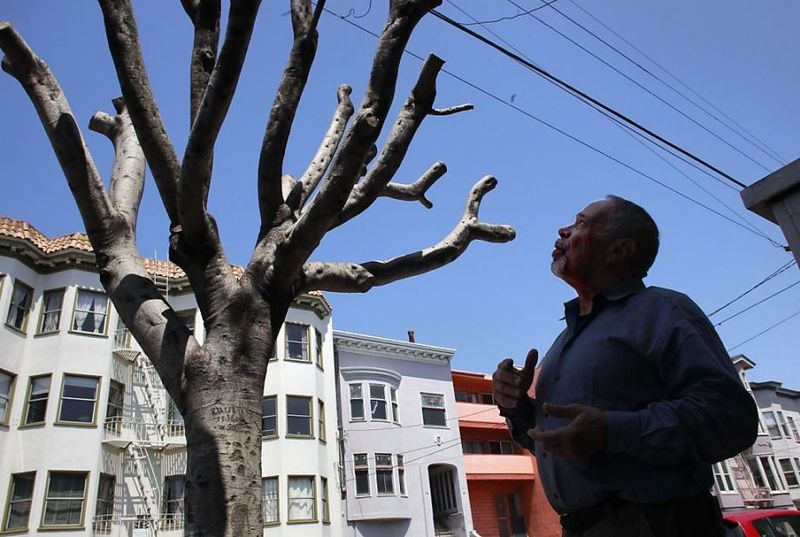
Pruning is essential for plant health, but excessive pruning is an emerging trend. In urban parks, gardeners are cutting back trees and shrubs drastically. This practice can stunt growth and expose plants to diseases.
Over-pruned plants may struggle to photosynthesize effectively, leading to weaker health. The lushness of gardens diminishes, giving way to bare branches.
Did you know? The art of bonsai involves meticulous pruning but aims to enhance the plant’s beauty rather than diminish it.
10. Raised Bed Mismanagement
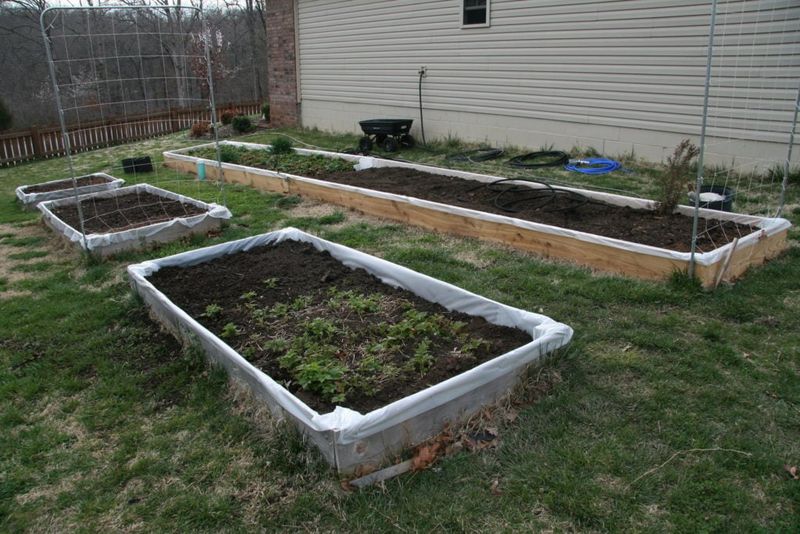
Raised beds are favored for control over soil conditions, yet mismanagement is common. In backyards, builders often use non-durable materials or lack proper drainage. This can result in soil erosion and plant stress.
Poor construction can lead to uneven water distribution, affecting plant health. Although intended to improve gardening efficiency, mismanaged raised beds can become a source of frustration.
A quirky fact: Raised beds were first popularized in ancient civilizations for crop cultivation in flood-prone areas.
11. Synthetic Grass Overuse

Synthetic grass offers a maintenance-free alternative, but its overuse is alarming. On city terraces, gardeners are opting for artificial turf over real grass.
While it appears lush, synthetic grass offers no ecological benefits. It traps heat, lacks biodiversity, and prevents groundwater recharge. The environmental impact is significant, making it a controversial choice.
Did you know? Artificial turf was first used in the 1960s for sports fields, sparking debates about its place in domestic gardens.
12. Water Feature Obsession
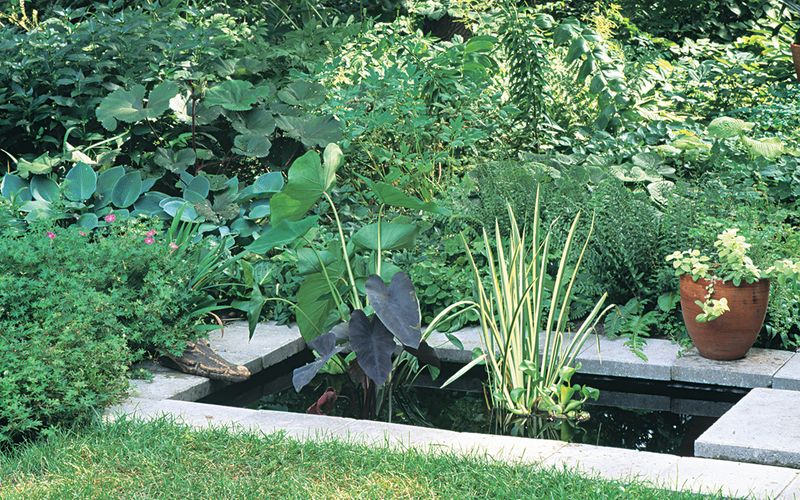
Water features add tranquility but can dominate gardens excessively. In suburban family gardens, large fountains and ponds overshadow plants, disturbing the natural harmony.
These features can consume vast amounts of water, an unsustainable practice in drought-prone areas. They may also create imbalanced ecosystems, favoring algae over plant life.
Historical tidbit: Ornate water features became fashionable in Renaissance gardens, symbolizing wealth and prestige.
13. Exotic Pest Introduction
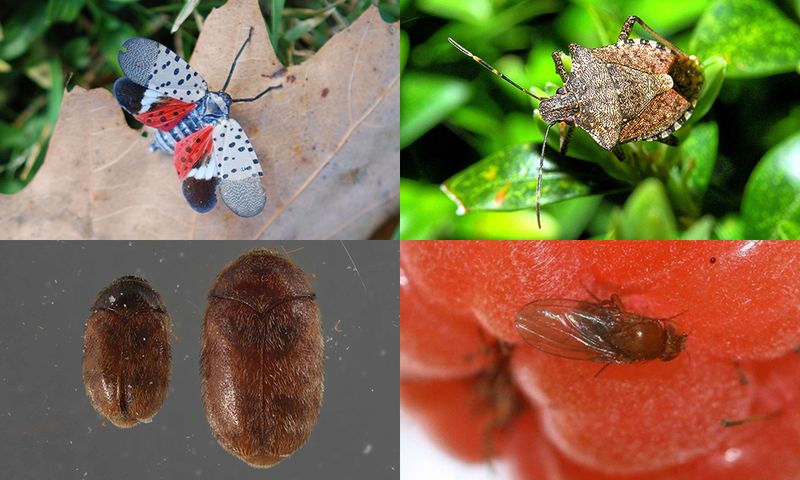
Introducing exotic plants can unintentionally bring invasive pests. Tropical gardens face this dilemma, as foreign flora attracts non-native insects.
These pests can wreak havoc on local plant life, disrupting ecosystems. The balance shifts, as native plants struggle to compete with invasive species.
Fun Fact: The gypsy moth, an invasive pest, was accidentally introduced to North America in the 19th century through imported trees.
14. Over-Landscaped Yards
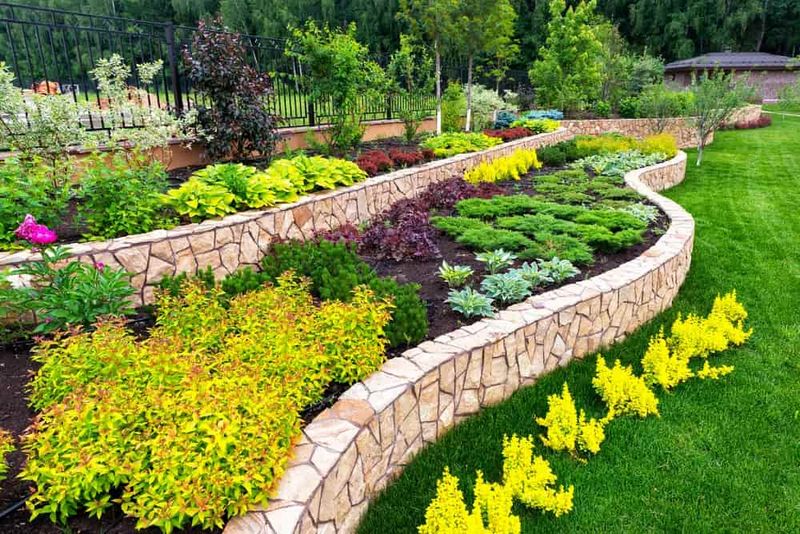
Yard landscaping can enhance beauty, yet overdoing it is problematic. In upscale neighborhoods, gardens are cluttered with statues, paths, and lights.
This clutter can overwhelm native plant species, reducing space for natural growth. Furthermore, excessive landscaping often means increased maintenance and water usage.
Did you know? The English Landscape Garden style values simplicity, contrasting sharply with today’s over-landscaped yards.
15. Overhead Irrigation Excess
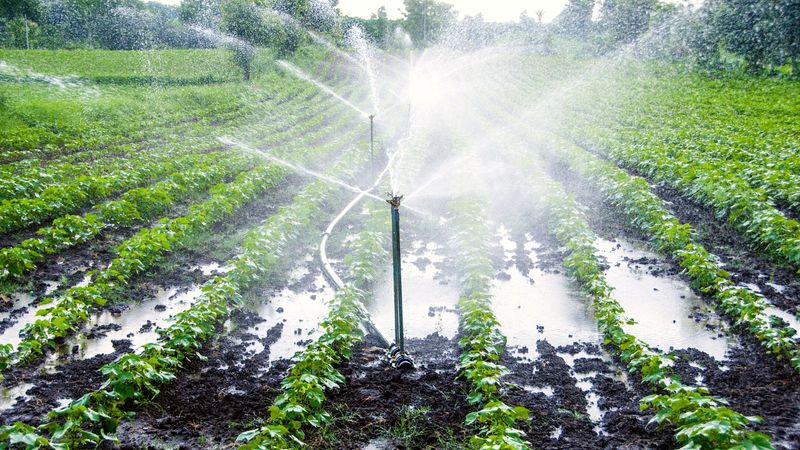
Overhead irrigation is a convenient watering method, yet excess use is harmful. In community gardens, sprinklers often overwater plants, leading to soil saturation.
This practice can promote fungal diseases and root rot, damaging plant health. An alternative is drip irrigation, which conserves water and targets root zones efficiently.
Historical fact: Ancient Persians used clay pot irrigation as an early form of water conservation technique.
16. Inappropriate Climate Planting
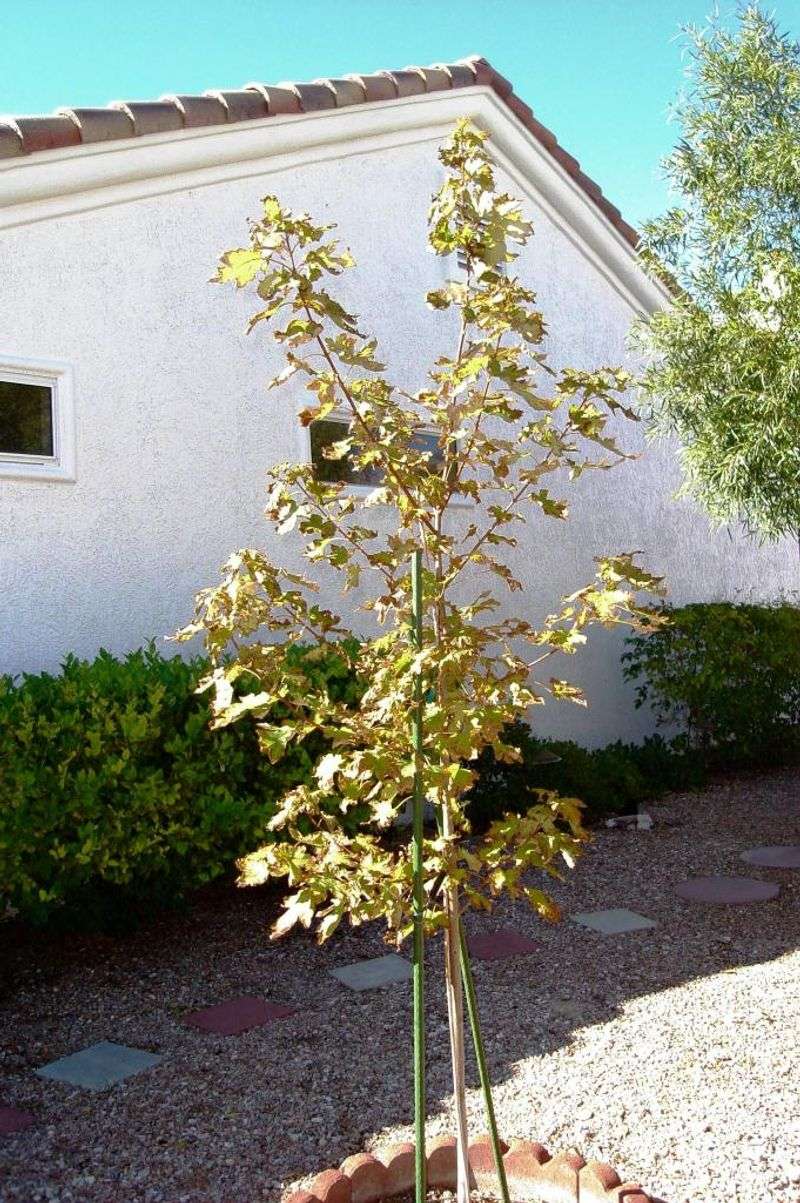
Gardening in unsuitable climates leads to plant stress and failure. In desert regions, gardeners often plant species that can’t tolerate extreme heat.
This mismatch results in wilting plants and wasted resources on unsuccessful growth. Adapting to local climate conditions is essential for flourishing gardens.
Fun Fact: Xeriscaping, a landscaping style for dry climates, conserves water and supports native species effectively.