 Complete Gardening
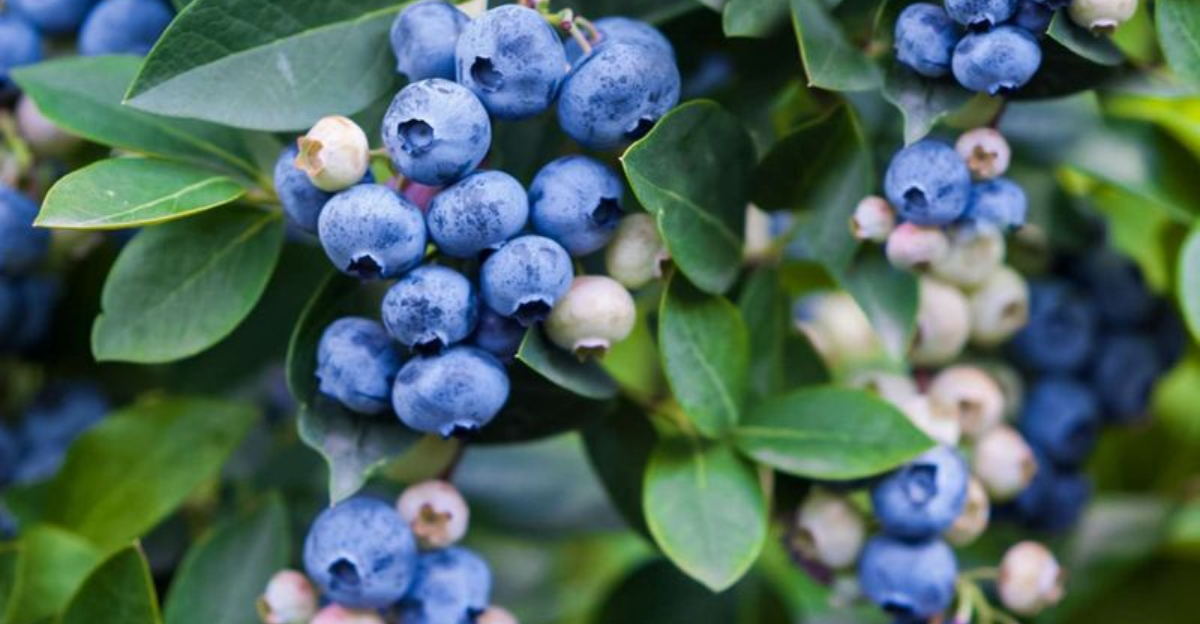
Many of us are unaware of the potent health benefits some common garden fruits can offer. One such fruit stands out in its ability to help lower cholesterol levels, making it an essential addition to your diet. This article explores five remarkable fruits known for their cholesterol-lowering properties, with detailed descriptions of each.
1. Apple
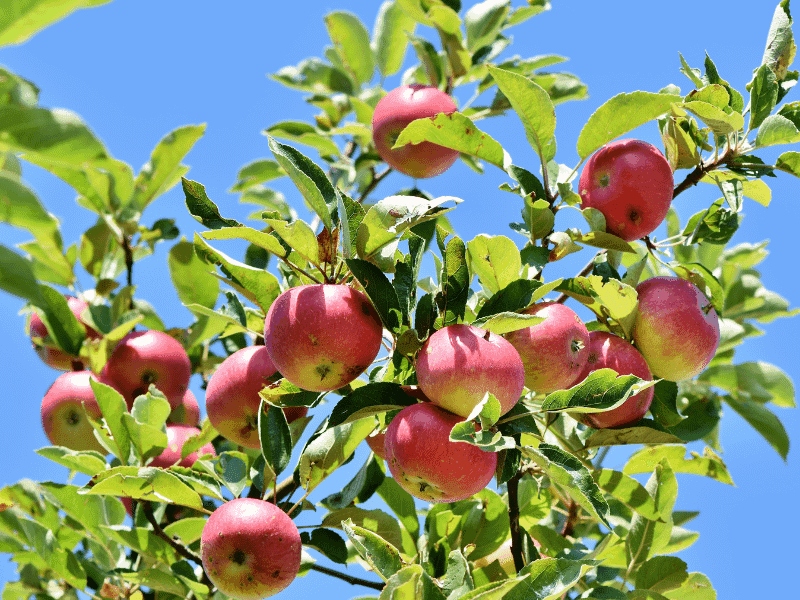
An apple a day keeps more than just doctors away. Bursting with soluble fiber, apples effectively reduce cholesterol levels by binding with fats in the intestines.
The sweet, crisp bite of an apple is not just delightful but a heart-healthy snack. Apples are versatile, finding their way into pies, salads, and even savory dishes.
Did you know? The pectin in apples has been shown to decrease LDL cholesterol, the “bad” cholesterol, by up to 10%. So, next time you reach for a snack, consider the humble apple.
2. Pear
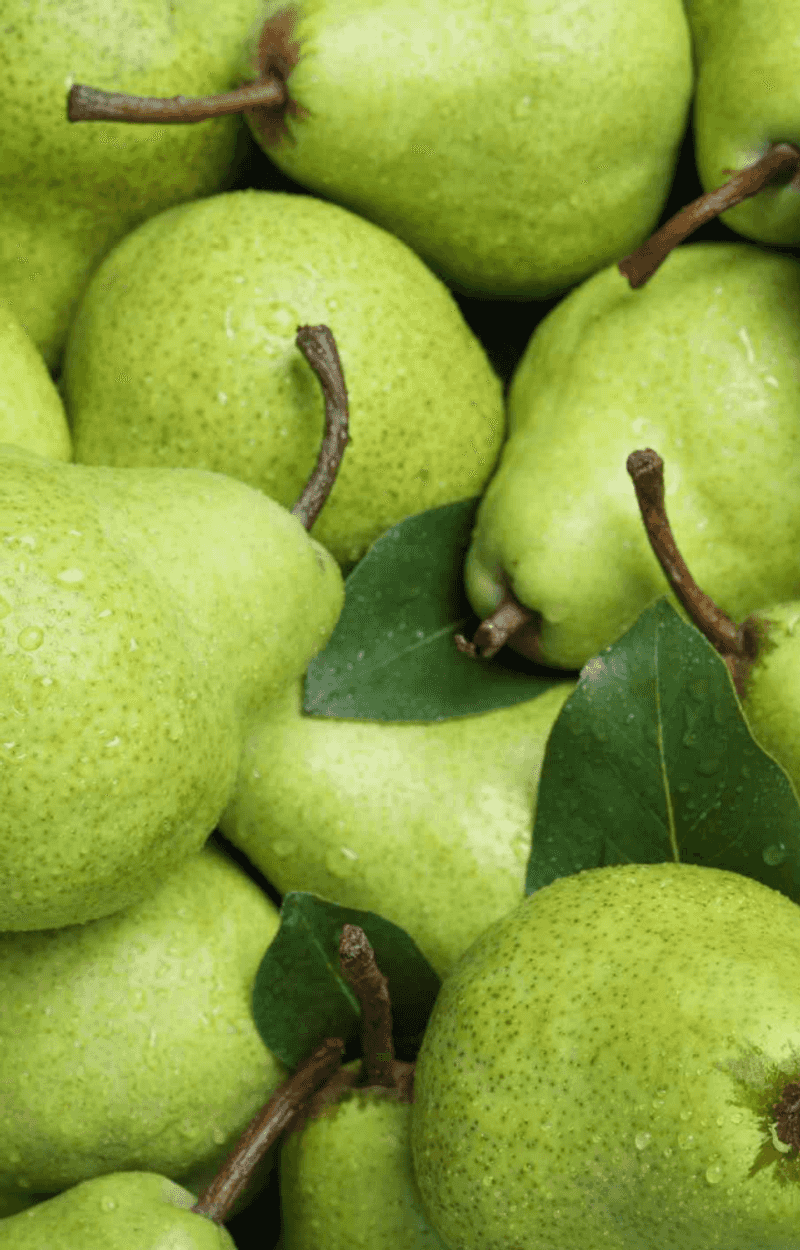
Pears offer a sweet reminder of autumn’s bounty. Rich in pectin, they are a delicious way to help manage cholesterol levels.
Their grainy texture offers a unique eating experience, while their subtle sweetness makes them a favorite in desserts. Pears are just as delightful eaten fresh.
Fun Fact: Pears have been cultivated for over 3,000 years. Their ability to lower cholesterol is just one of many benefits this ancient fruit offers. Add a pear to your diet to enjoy its history and health perks.
3. Orange
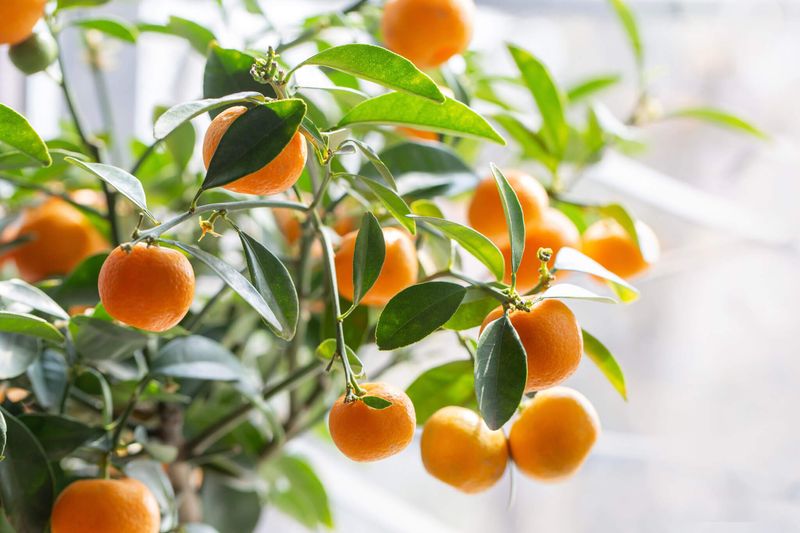
The vibrant orange is more than just a citrus delight; it’s a powerhouse for your heart. High in vitamin C and fiber, oranges contribute to lower cholesterol levels by promoting healthy blood vessels.
Their tangy juice is refreshing, yet the real magic lies in the pulp. Consuming whole oranges ensures you get all the dietary fiber necessary for heart health.
Historically, oranges have been symbols of health. Their bright color mirrors their potent benefits, making them a cheerful addition to your cholesterol-lowering regimen.
4. Grapefruit
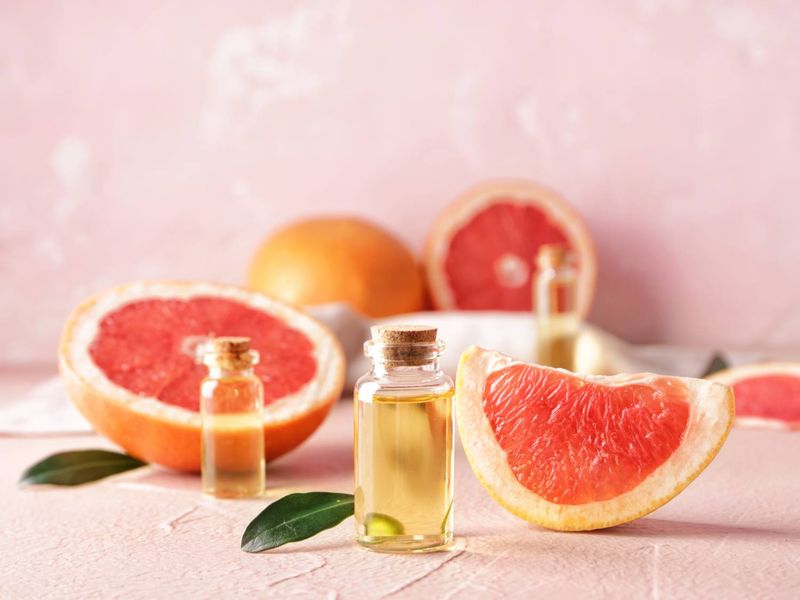
Grapefruit, with its bold tartness, is a refreshing way to start the day. Its unique compounds, like naringenin, are known to lower cholesterol levels.
Enjoyed as a breakfast staple, grapefruit adds a zing to your morning routine. Pair it with a sprinkle of sugar or honey to balance its tartness.
A little-known fact: Grapefruit can interact with certain medications. Always check with a healthcare provider before adding it to your diet. Nevertheless, its health benefits are undeniable, especially for heart health.
5. Avocado
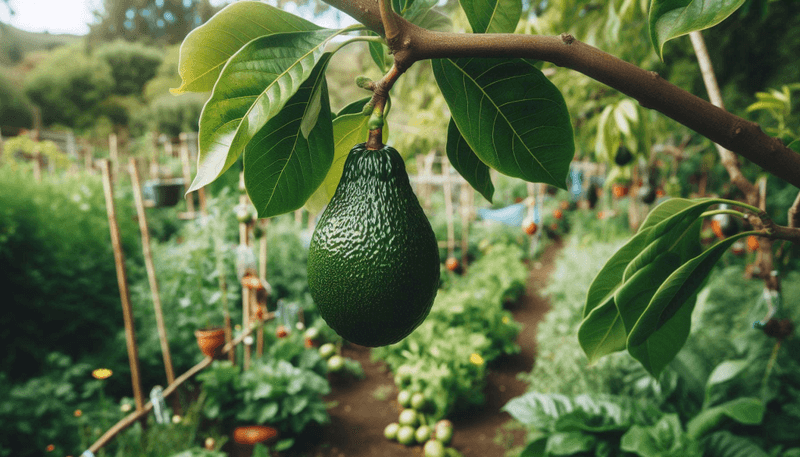
Creamy and rich, avocados are not just for guacamole lovers. Packed with monounsaturated fats, they help lower LDL cholesterol while maintaining good HDL levels.
Their buttery texture makes them a versatile ingredient in salads, sandwiches, and even desserts. Avocados are more than just a trending food; they’re a nutritional powerhouse.
Did you know? Avocados were once called “alligator pears” due to their shape and rough skin. Embrace this fruit to enjoy its unique taste and heart-friendly benefits.
6. Blueberries
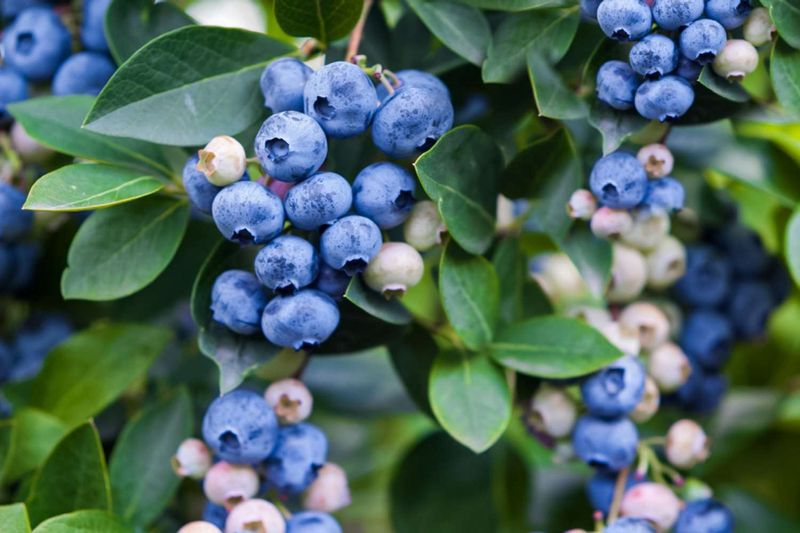
The allure of blueberries is undeniable, with their deep blue hue and sweet-tart flavor. Known for their high antioxidant content, blueberries are not only delicious but also heart-healthy. Antioxidants like anthocyanins found in blueberries play a crucial role in reducing bad cholesterol levels.
Adding a handful of these berries to your daily diet can be a simple yet effective way to promote cardiovascular health. Whether eaten fresh or added to yogurt and smoothies, blueberries offer versatility.
Their compact size and ability to thrive in various climates make them a perfect addition to your garden.
7. Pomegranates
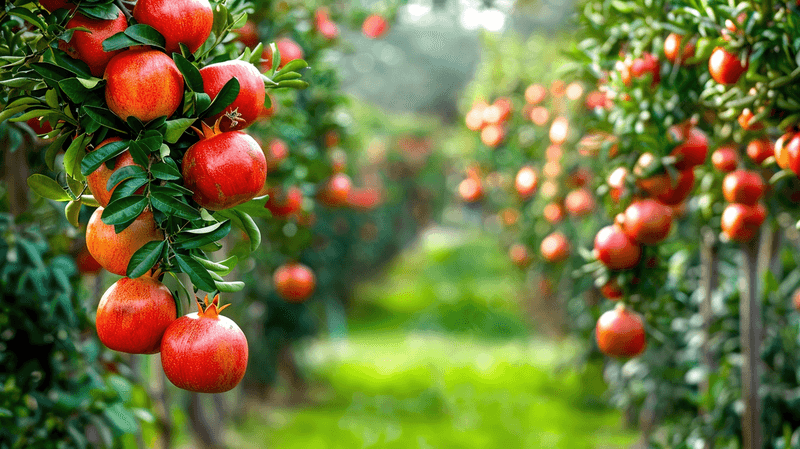
Pomegranates, with their jewel-like seeds, have been revered for centuries for their health benefits. Rich in antioxidants, these fruits help lower cholesterol by decreasing oxidative stress and inflammation in the body.
A glass of pomegranate juice can be a delightful way to enjoy its benefits. The sweet-tart flavor makes it a refreshing choice. Additionally, the seeds, or arils, add a crunchy texture to salads and desserts.
Growing a pomegranate tree in your garden not only enhances its beauty but also provides access to this heart-healthy fruit.
8. Kiwi
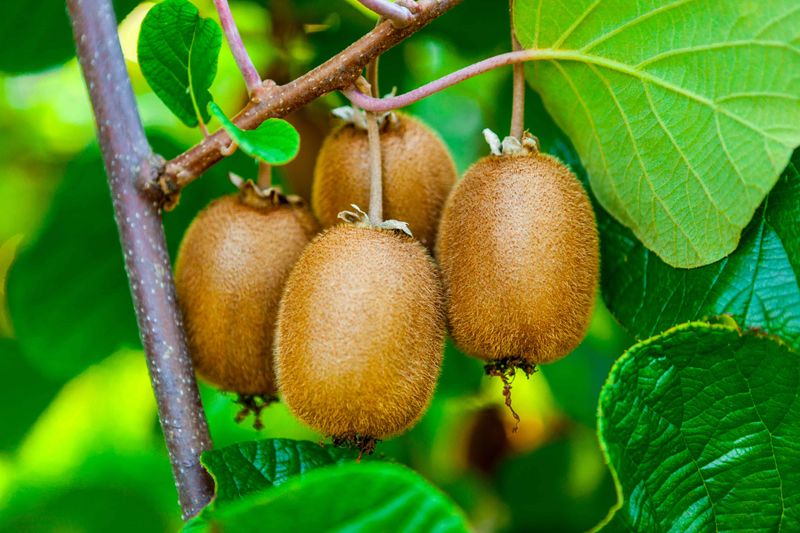
Kiwi, often known as the ‘Chinese gooseberry,’ is a small fruit with big benefits. Its vibrant green flesh is packed with fiber, vitamins, and antioxidants, all of which contribute to lowering cholesterol.
Eating kiwi regularly can aid digestion and promote heart health. The unique tangy-sweet flavor makes it a favorite in fruit salads and smoothies.
With its lush vines and ability to thrive in various climates, kiwi is a fantastic choice for gardeners looking to add variety to their homegrown fruit selection.
9. Strawberries

Strawberries, with their vibrant red color and sweet aroma, are more than just a summer treat. They are rich in polyphenols and vitamin C, which help reduce LDL cholesterol and improve heart health.
Incorporating strawberries into your diet can be as simple as adding them to breakfast cereals or enjoying them as a snack. Their natural sweetness satisfies cravings while offering health benefits.
Growing strawberries in your garden is rewarding, as they don’t require much space and yield plenty of fruit. Their cheerful presence brightens any garden.
10. Figs
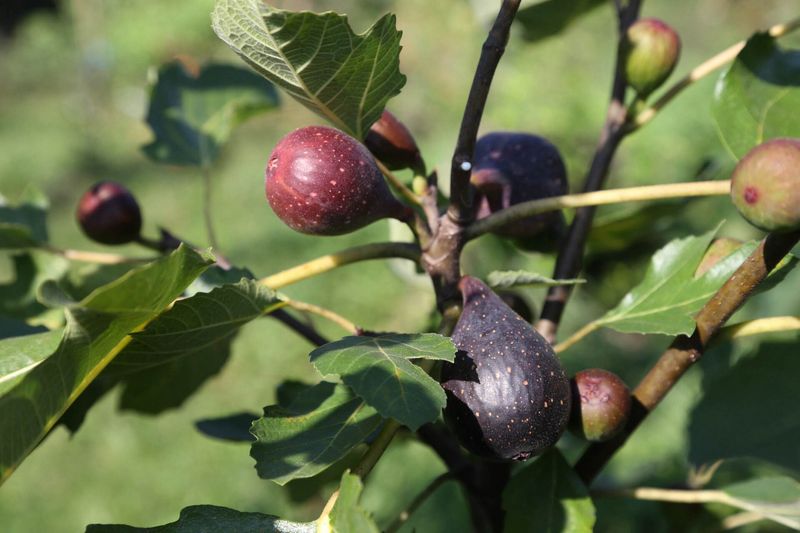
Figs, with their unique texture and natural sweetness, are a delightful addition to any garden. Rich in dietary fiber and antioxidants, figs help reduce cholesterol levels by binding to cholesterol and promoting its excretion.
Enjoying figs fresh or dried provides a nutritious snack that supports heart health. They can also be incorporated into baked goods or paired with cheese for a gourmet treat.
Fig trees are relatively easy to grow and can thrive in many climates, making them a versatile choice for home gardeners seeking to enhance their fruit offerings.
11. Papayas
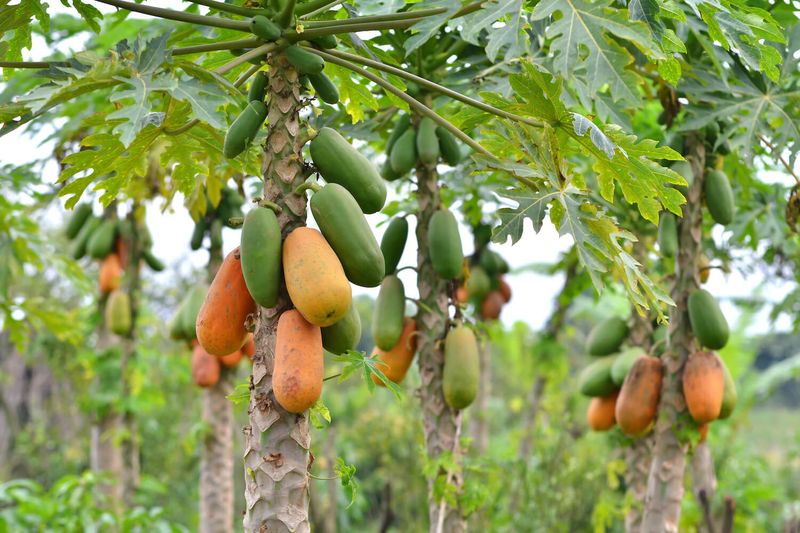
Papayas, with their tropical flair, are not only delicious but also beneficial for heart health. Rich in fiber and antioxidants, such as beta-carotene, papayas help lower cholesterol levels and promote overall wellness.
The sweet, buttery texture of papaya makes it a refreshing addition to fruit salads and smoothies. Its unique flavor profile adds an exotic touch to any dish.
Growing a papaya tree in your garden brings a tropical vibe and provides a consistent supply of this vibrant, health-promoting fruit.
12. Goji Berries
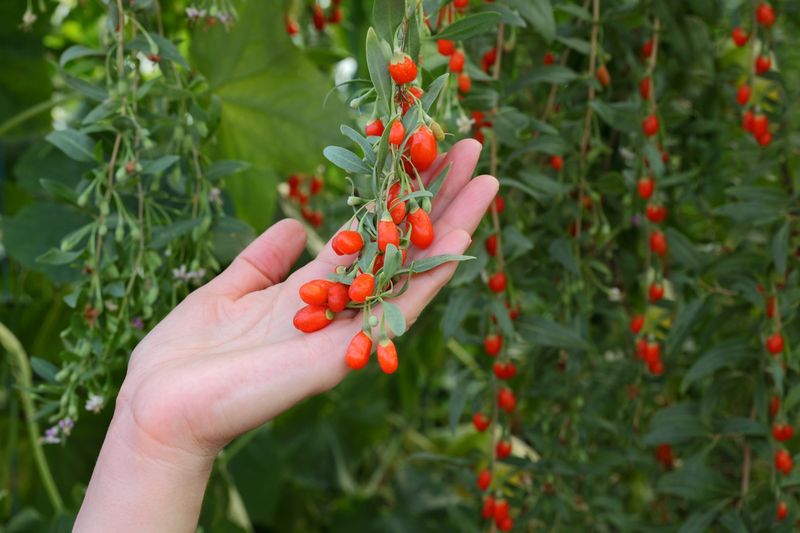
Goji berries, often hailed as a superfood, are small but mighty in their health benefits. Rich in vitamins, minerals, and antioxidants, they help reduce cholesterol levels and support heart health.
These tart berries can be enjoyed dried, added to teas, or incorporated into cereals. Their unique flavor adds an interesting twist to dishes.
Growing goji berries in your garden is a rewarding endeavor, as they are hardy and can adapt to various climates, providing a steady supply of nutritious berries.
13. Cranberries

Cranberries, with their tart taste and vibrant color, are well-known for their health benefits, including reducing cholesterol. Rich in polyphenols, cranberries help improve heart health by preventing the buildup of plaque in arteries.
Drinking cranberry juice or adding dried cranberries to dishes can be an easy way to enjoy their benefits. Their tangy flavor complements both sweet and savory recipes.
Growing cranberries requires specific conditions, but their unique growing method makes them an intriguing addition to any garden.
14. Quinces
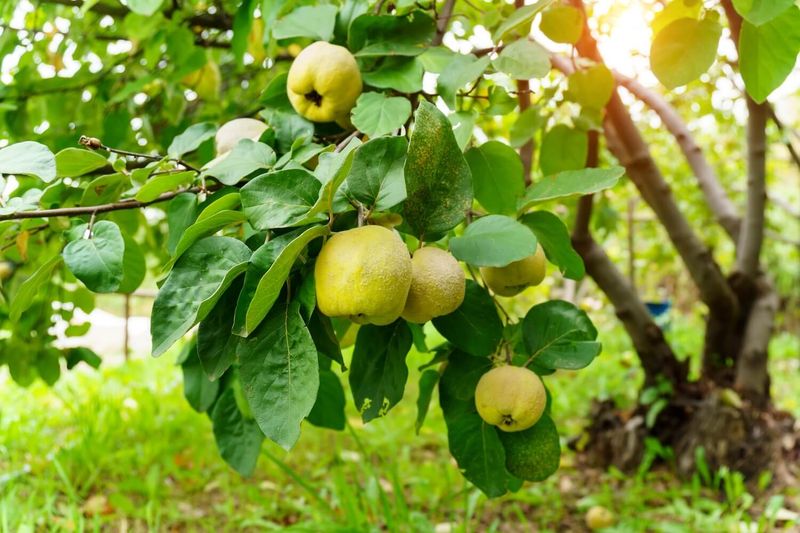
Quinces, often overlooked, are a hidden gem when it comes to heart health. Their high pectin content helps lower cholesterol by binding to it and aiding its removal from the body.
While quinces are typically too tart to eat raw, they can be transformed into delicious jams and jellies. Their aromatic flavor adds depth to desserts and savory dishes alike.
Growing a quince tree in your garden can be rewarding, as it not only provides fruit but also adds an element of old-world charm to your landscape.
15. Passion Fruit
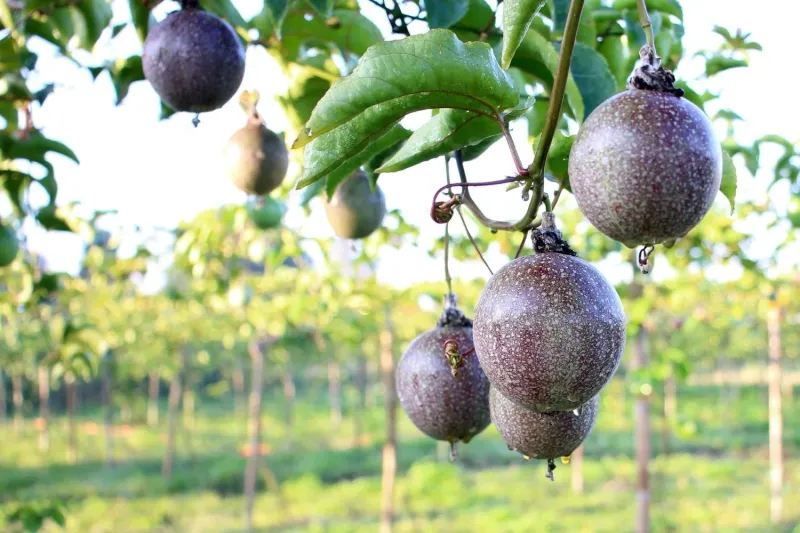
Passion fruit, with its unique taste and aromatic scent, is not just a tropical delicacy but also a heart-friendly fruit. Rich in fiber and antioxidants, it aids in lowering cholesterol and supporting cardiovascular health.
The tangy seeds can be scooped out and enjoyed fresh or added to desserts and drinks. Their exotic flavor elevates any culinary creation.
Passion fruit vines are relatively easy to cultivate and can transform your garden into a lush haven, providing both beauty and a supply of nutritious fruit.