 Complete Gardening
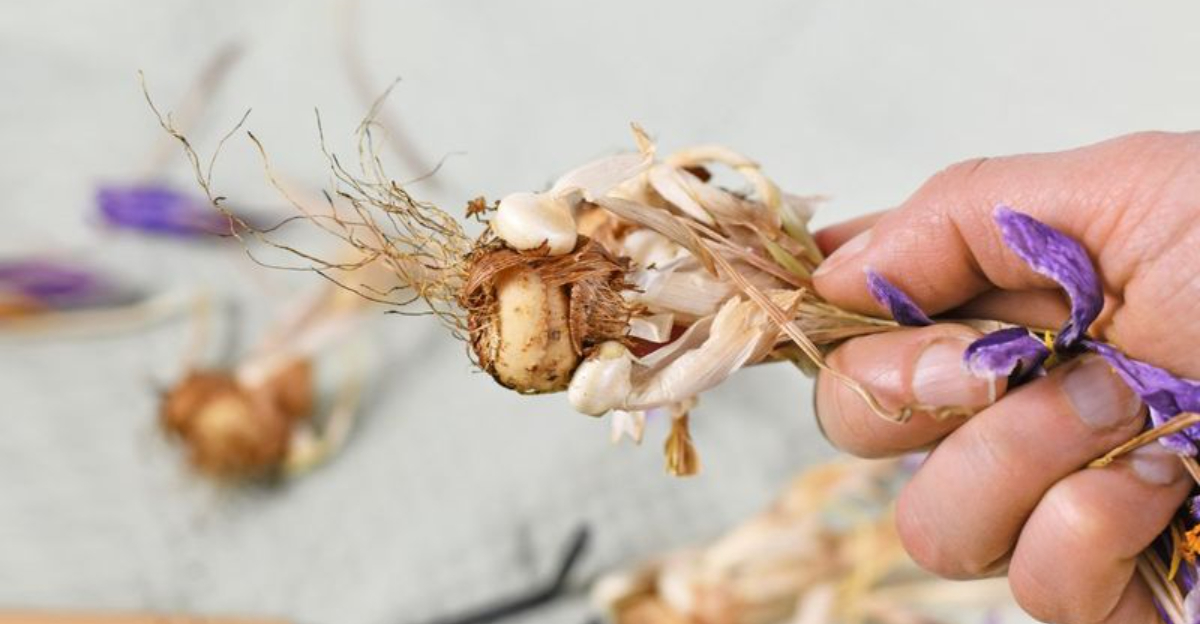
Saffron, often heralded as the world’s most expensive spice, holds a mystique and allure unlike any other. Its vibrant red threads are not only a feast for the eyes but also a symphony for the taste buds.
While its reputation might suggest an air of exclusivity, saffron can indeed be cultivated right in your own backyard.
This guide provides ten essential tips to master the art of growing saffron, ensuring your garden will be rich with what was once known as “red gold.”
1. Understand Why Saffron Is So Expensive
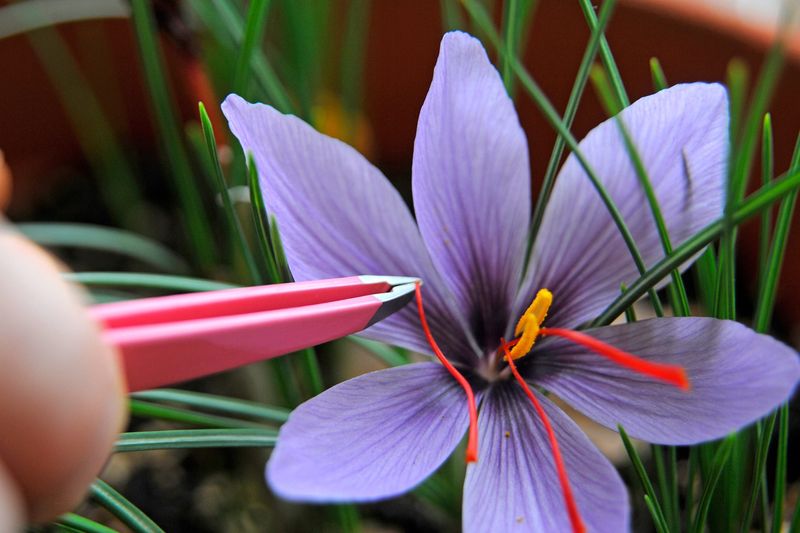
Saffron’s value lies in its labor-intensive cultivation. Each saffron thread is the dried stigma of the Crocus sativus flower, requiring around 75,000 blossoms for just one pound. This painstaking process involves hand-harvesting these threads, making saffron one of the most labor-intensive crops globally.
The spice’s rarity and the meticulous effort required to produce it contribute to its high cost. From risottos to paellas, saffron adds a luxurious touch to dishes, justifying its weight in gold. The allure of saffron extends beyond its flavor, as it embodies a rich history and cultural significance.
2. Get the Right Bulbs (Corms)
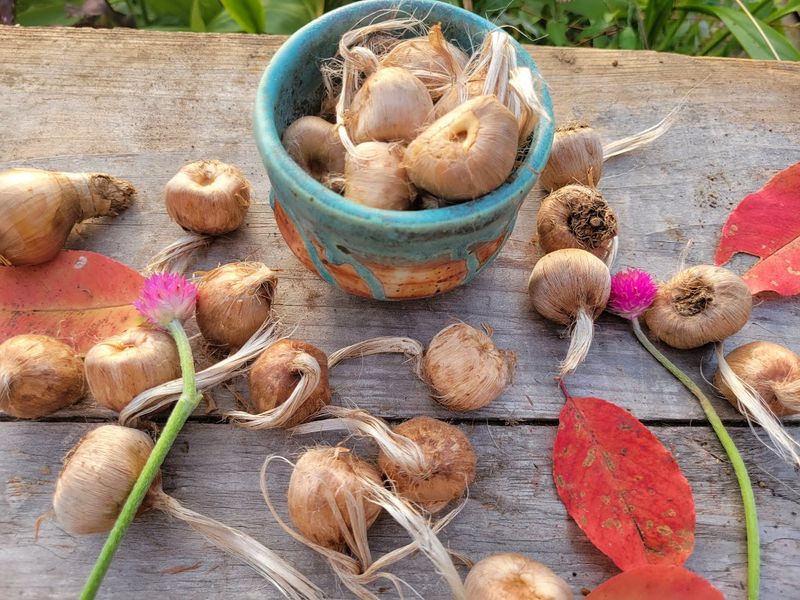
Selecting the correct corms is a crucial step in your saffron journey. Choose Crocus sativus corms specifically, as ornamental varieties won’t yield the spice. Fall marks the ideal season for planting these treasures.
Sourcing from reputable growers ensures a healthy and bountiful harvest. The right corms set the foundation for your saffron cultivation, promising vibrant blooms and rich yields. As you embark on this gardening venture, remember that each corm holds the potential to produce the coveted red threads. Patience and precision in choice are key to success.
3. Choose a Sunny, Well-Drained Spot
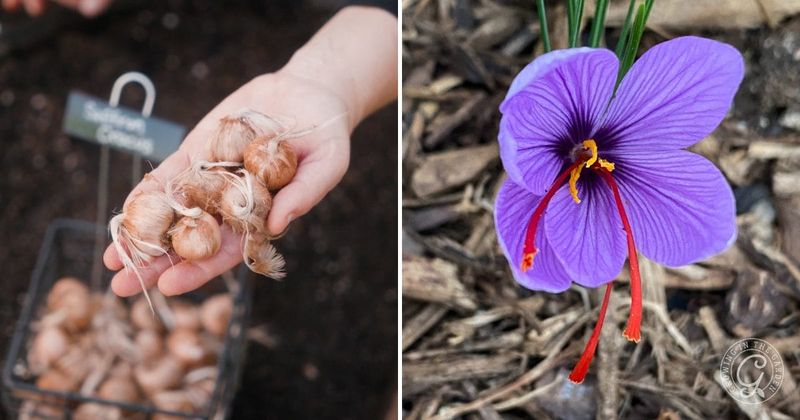
Creating the right environment is vital for saffron’s success. This spice thrives in sunny, well-drained locations, mimicking its Mediterranean roots. Whether in a garden bed or container, ensure ample sunlight reaches your plants.
Proper drainage prevents the corms from rotting, a common challenge with saffron. Containers must have solid drainage systems to replicate these conditions. By crafting an ideal growing environment, you support the health and productivity of your saffron plants, enabling them to flourish and produce those precious threads.
4. Plant the Corms Properly
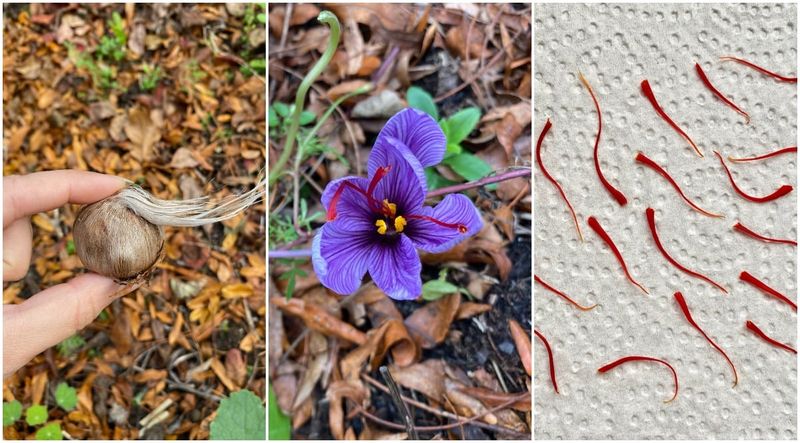
Proper planting techniques are fundamental for a successful saffron harvest. Plant corms approximately 3 to 4 inches deep with 4 inches of space between them. This spacing ensures each plant receives adequate nutrients and room to grow.
For container planting, choose pots at least 8 inches deep to accommodate the corms’ needs. Following these planting guidelines provides the foundation for healthy growth and bountiful blooms. Taking the time to plant correctly pays off in the form of vibrant flowers and rich saffron yields, rewarding your efforts with every thread.
5. Be Patient—Blooms Come in Fall
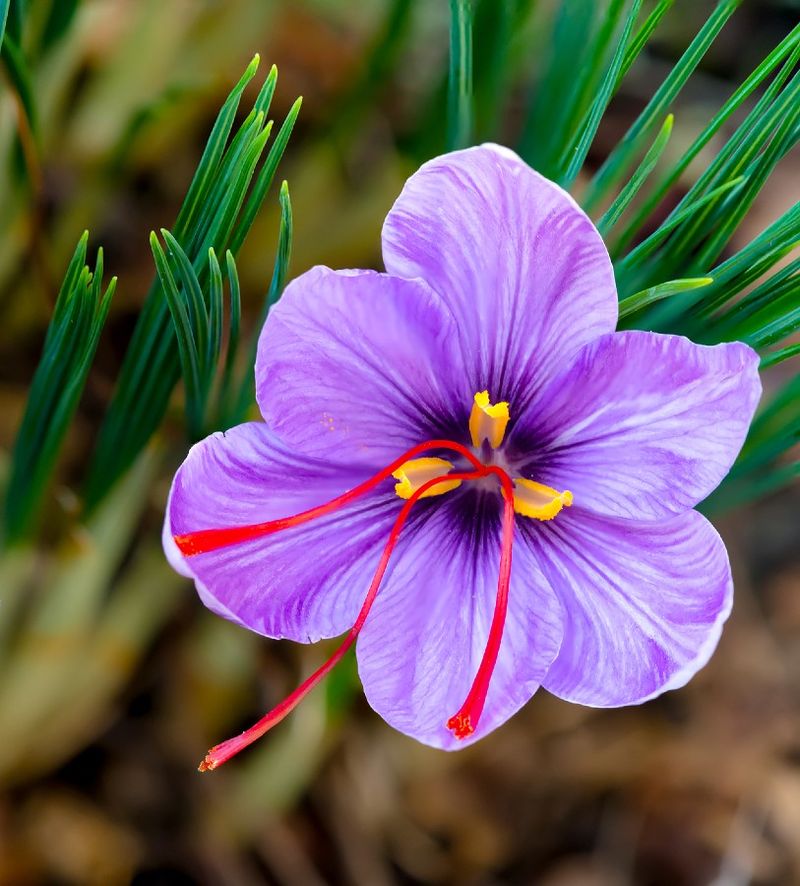
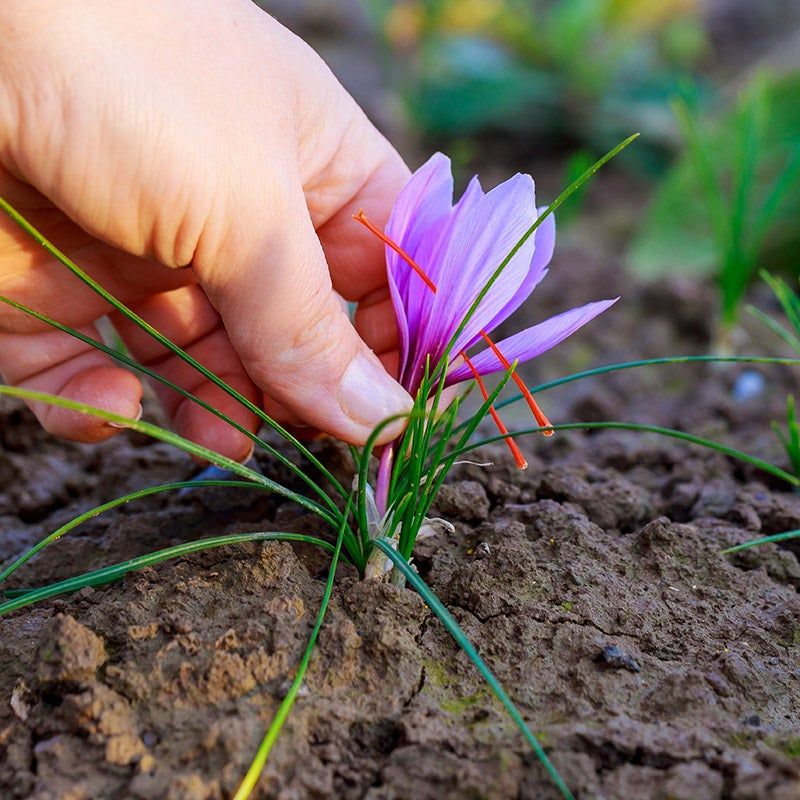
Patience is a gardener’s best friend when growing saffron. Blooms typically appear in October or November, gracing your garden with their vibrant hues. Despite producing only three red threads per flower, these blossoms are a sight to behold.
Harvesting is a delicate task, best performed with tweezers to avoid damaging the precious threads. As the flowers open, they reveal the treasure within, promising the spice’s rich aroma and flavor. Embrace the anticipation and delight in the beauty saffron brings to your fall garden.
6. Harvest with Care
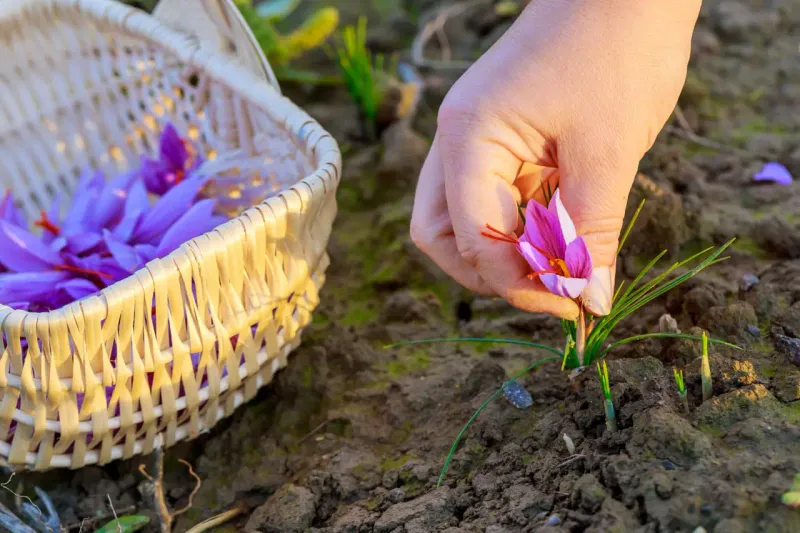
The harvest marks a pivotal moment in the saffron cultivation process. When the flowers bloom, it’s time to carefully pluck the stigmas, ideally in the morning when they’re most vibrant.
Gently drying these threads in a warm, dark space over several days ensures their quality and longevity. The drying process intensifies saffron’s unique aroma and flavor, unlocking its full potential. Proper harvesting and drying techniques preserve the spice’s exquisite qualities, turning your hard work into culinary gold that enhances dishes with its rich color and scent.
7. Store Your Saffron Like Treasure
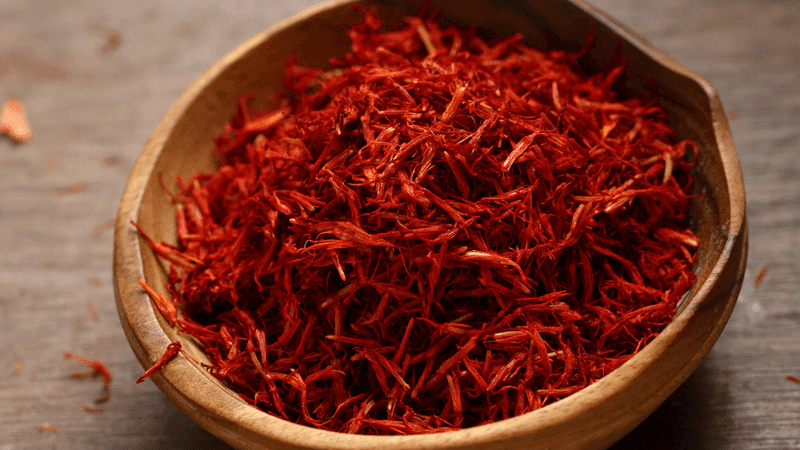
Storing saffron properly is crucial to maintain its prized qualities. Place your dried threads in an airtight container, keeping them away from light and moisture, which can degrade their potency.
When stored correctly, saffron retains its flavor and aroma for up to two to three years, extending its culinary magic. Treat these threads as the treasure they are, ensuring each use delivers the luxurious experience saffron promises. A well-stored saffron stash stands ready to elevate your culinary creations for years to come, making each dish a testament to your gardening success.
8. Let the Corms Multiply
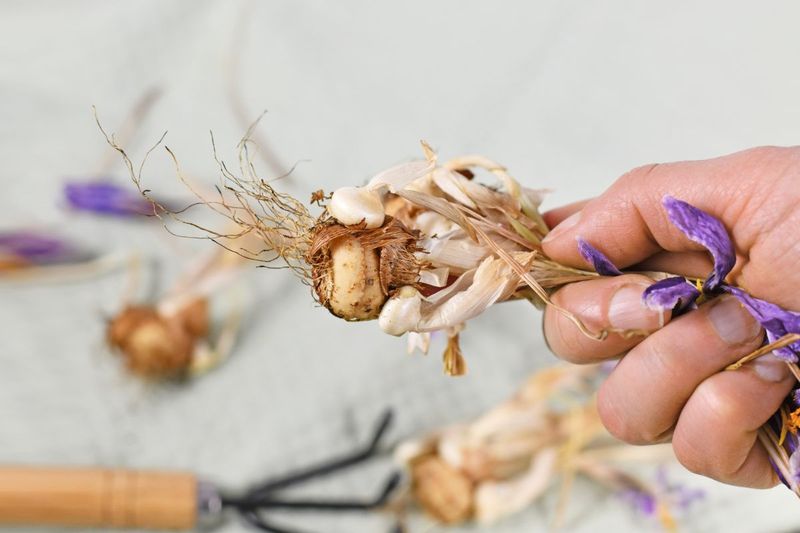
Saffron corms hold a secret beneath the soil: they naturally multiply over time. After a few years, you can dig them up and divide them, increasing your saffron yield and expanding your garden.
This propagation process allows you to cultivate more saffron with each passing season, rewarding your patience with a growing harvest. By managing and dividing your corms, you ensure a continuous supply of this luxurious spice, enriching your garden’s bounty. Embrace the cycle of growth and multiplication, a testament to nature’s abundance.
9. Watch Out for Overwatering
Overwatering can spell disaster for saffron corms, which are prone to rot in soggy conditions. Water sparingly, especially once the plants go dormant after flowering.
Ensuring the soil remains well-drained is key to preventing this common pitfall. By monitoring moisture levels and adjusting watering habits, you safeguard your plants from the perils of excess water. This vigilance ensures healthy growth and a bountiful saffron harvest, allowing your plants to thrive under ideal conditions. The balance of moisture and drainage is crucial for success.
10. Enjoy Your Homegrown Gold!

The culmination of your saffron-growing journey brings you to the true reward: using your homegrown spice in culinary creations. From risottos and paellas to teas and desserts, saffron’s luxurious essence enhances countless dishes.
Each thread symbolizes the dedication and care invested in your garden. As you incorporate saffron into your meals, relish the unique flavor and golden hue it imparts. This spice isn’t just an ingredient; it’s a testament to your gardening prowess and love for exquisite tastes. Your efforts have truly yielded culinary gold.