 Complete Gardening
Dandelions, with their bright yellow blooms and fluffy seed heads, can quickly take over a lawn. While some appreciate their beauty, others see them as a nuisance. If you’re looking to reclaim your yard, consider these seven effective methods to manage and reduce dandelion infestations.
1. Hand Pulling
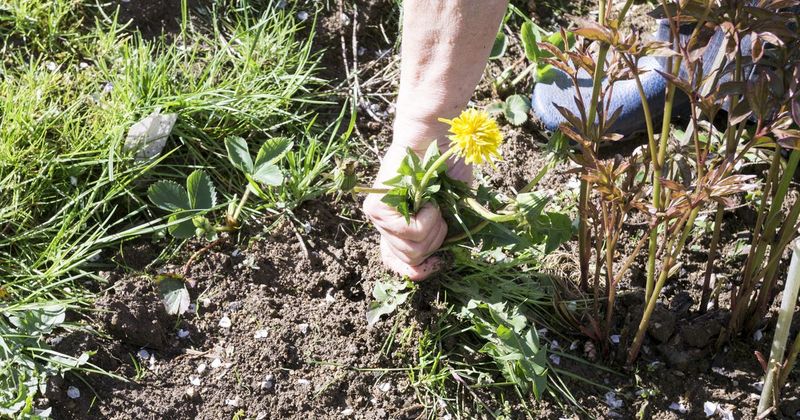
Hand pulling dandelions offers a personal touch to yard care. By grasping the plant close to the ground and gently but firmly tugging, you can remove the entire root. It’s crucial to act after a rain when the soil is soft. This method ensures the root doesn’t break, preventing regrowth.
For smaller areas, hand pulling can be therapeutic and efficient. Consider using a specialized dandelion weeder for extra leverage. Regular maintenance is key, as dandelions are resilient. By dedicating a few minutes weekly, your yard can remain dandelion-free.
2. Vinegar Solution
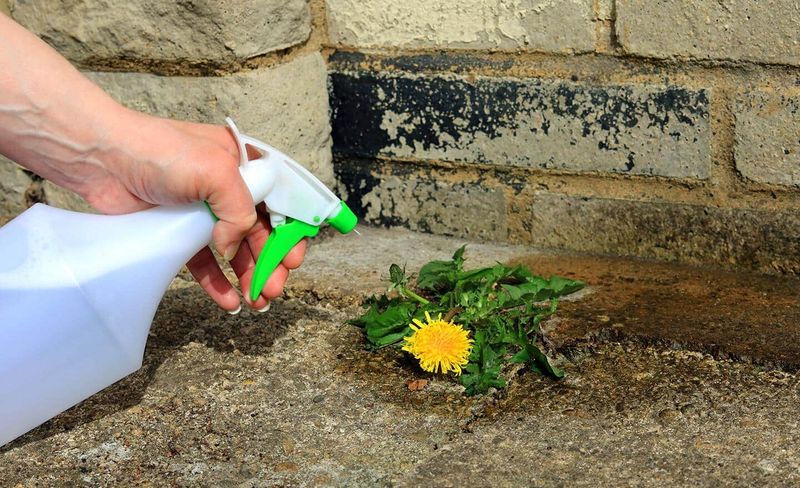
Vinegar, a household staple, transforms into a potent dandelion foe. When sprayed directly onto the leaves, its acidity wilts and weakens the plant. Opt for a sunny day for application to enhance its effect.
While effective, vinegar can affect surrounding grass, so precision is vital. For concentrated outcomes, use horticultural vinegar, which is stronger than the kitchen type. This eco-friendly approach ensures chemical-free care.
Consider alternating with other methods to prevent resistance. Persistence pays off, leading to a healthier, greener lawn.
3. Boiling Water

A kettle of boiling water can be your dandelion’s worst enemy. Pouring it directly onto the plant scorches and kills it immediately. This non-toxic method is ideal for driveways and sidewalks where dandelions sprout.
It’s a simple yet effective approach, particularly for those wary of chemicals.
However, caution is essential to avoid burns. Regular applications may be necessary for persistent invaders. This age-old technique is safe for pets and children, offering peace of mind alongside a cleaner landscape.
4. Corn Gluten Meal
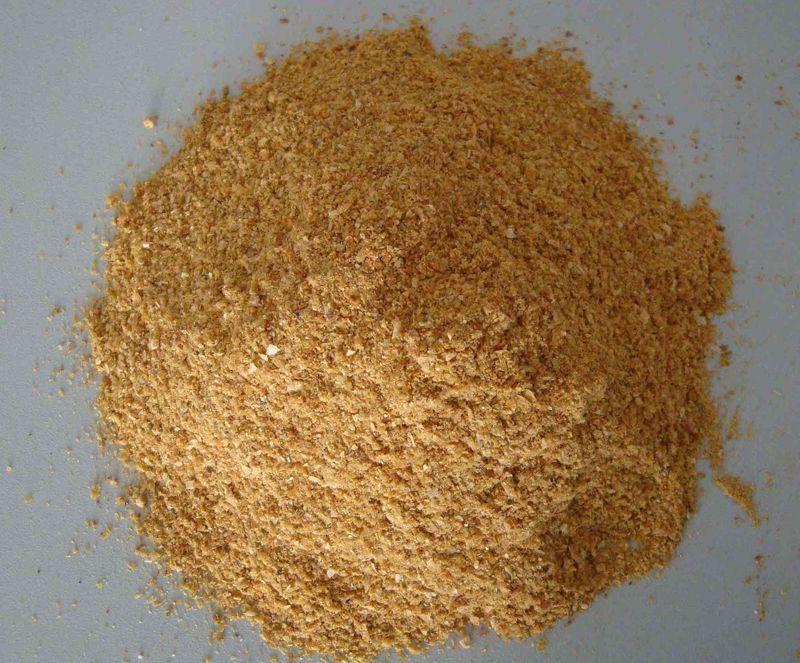
Corn gluten meal acts as a pre-emergent herbicide that prevents dandelion seeds from sprouting. As an organic option, it’s favored by eco-conscious gardeners. Spread it evenly over the lawn to thwart new growth.
Timing is crucial; apply in early spring before seeds germinate. While it won’t kill existing plants, it curbs future infestations.
This method encourages a thicker lawn over time, reducing weed spaces. Its dual role as a fertilizer and weed preventer enhances yard vitality, making it a gardener’s ally.
5. Mowing High

Setting your lawnmower to a higher setting allows grass to grow taller, which naturally suppresses dandelion growth by shading them out. Taller grass promotes a robust root system, enhancing lawn health and resilience.
Regular mowing at this height reduces dandelion visibility and discourages seed production.
This simple strategy integrates seamlessly with regular lawn care. Over time, a higher cut results in a thicker, healthier lawn that is less inviting to dandelions and other weeds. It’s a straightforward, effective method for long-term yard care.
6. Overseeding
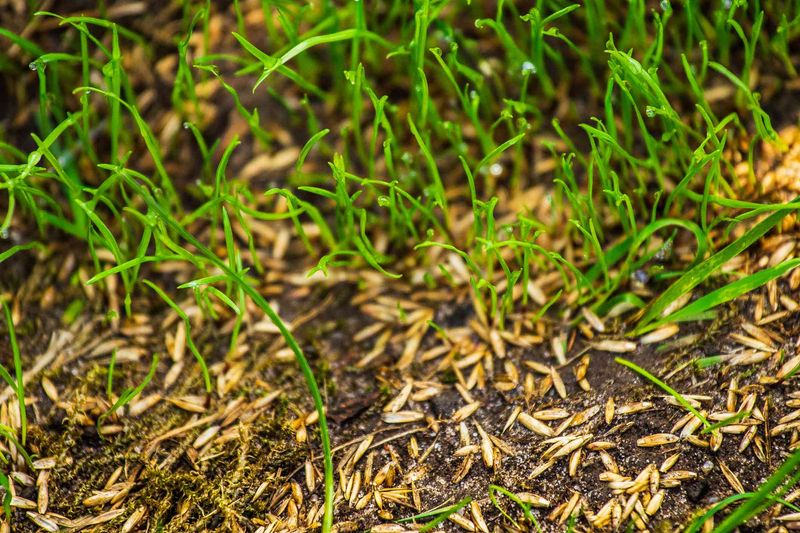
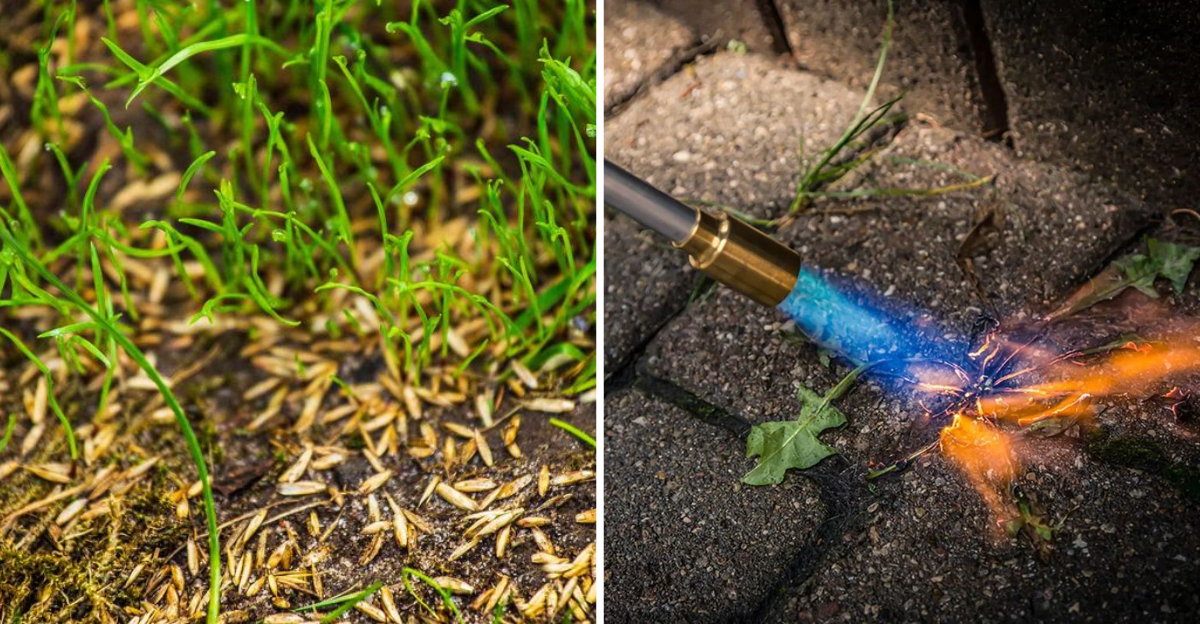
Overseeding introduces new grass varieties to your lawn, boosting its density and reducing dandelion habitats. By filling in bare spots, it limits the space available for weeds.
Choose high-quality seed blends suited to your climate for best results. Overseeding in the fall ensures seeds establish before winter.
This proactive measure strengthens the lawn’s natural ability to compete with dandelions. With regular watering and care, overseeding transforms a sparse yard into a vibrant, weed-resistant landscape.
7. Mulching
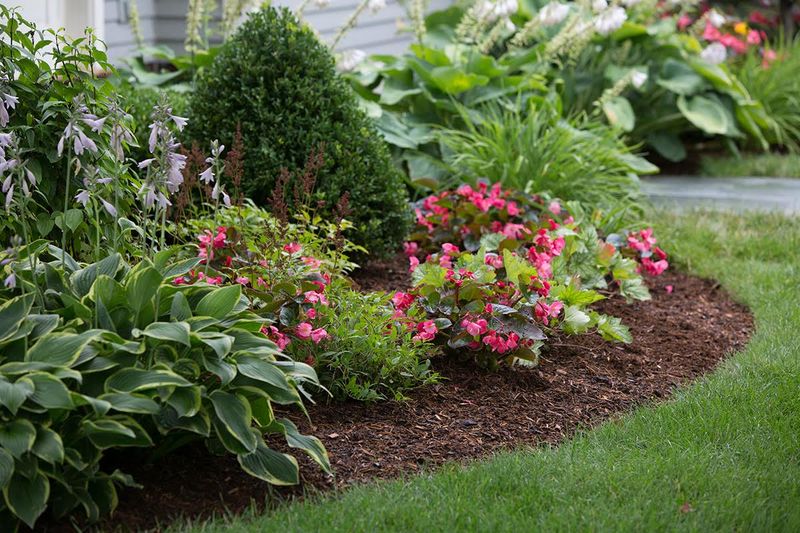
Mulching not only beautifies gardens but also deters dandelion growth by blocking sunlight. A thick layer prevents seed germination and retains soil moisture.
Organic mulches, like wood chips or bark, decompose over time, enriching the soil.
This method is especially beneficial for flower beds and garden borders. Mulching reduces the need for frequent weeding and enhances plant health.
By choosing this natural approach, gardeners enjoy a tidier appearance and fewer dandelions invading their garden spaces.
8. Flame Weeding

Flame weeding offers a modern twist to traditional weed control. Imagine watching weeds wilt under the precise heat of a flame weeder. This method uses a controlled burst of flame to damage dandelion cells, causing them to wither. While it seems aggressive, the technique is environmentally friendly and doesn’t require chemicals.
Flame weeding is best performed on young dandelions before they seed. Safety gear, such as gloves and goggles, is essential. For best results, use on dry days to increase efficiency. This innovative approach is both effective and eco-conscious.
9. Aerating and Fertilizing
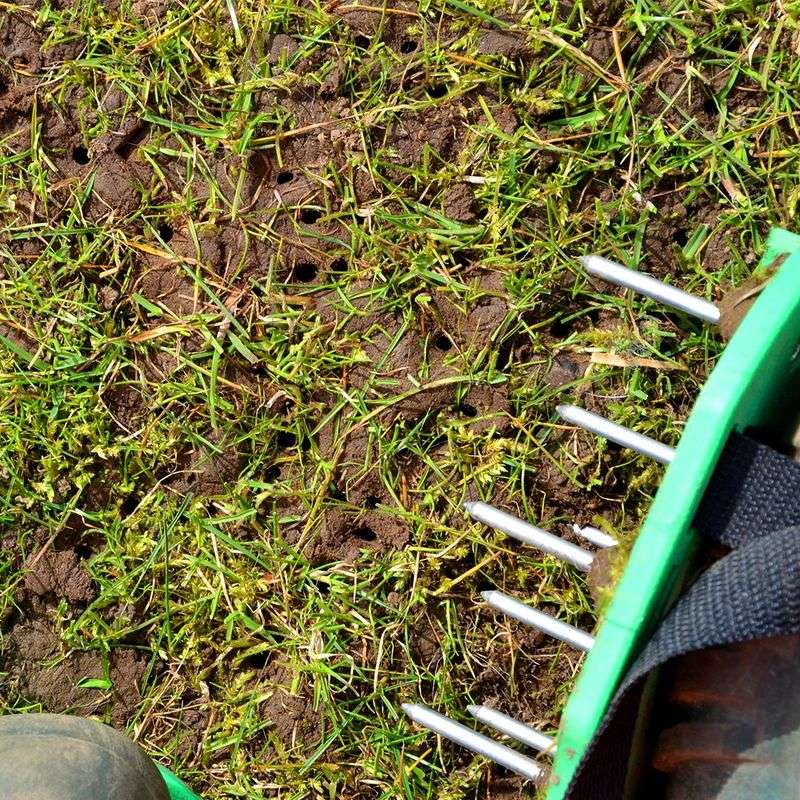
Aerating and fertilizing can be a game changer in dandelion prevention. By improving soil health, you create an environment where grass thrives and dandelions struggle. Aeration allows nutrients and water to reach grassroots, boosting their growth.
Following aeration, apply a balanced fertilizer to nourish your lawn. Healthy grass can outcompete dandelions, reducing their spread. Timing is key; perform these tasks in the spring or fall. This method not only fights dandelions but improves overall lawn vitality, giving your yard a lush appearance.
10. Dandelion Barrier Cloth
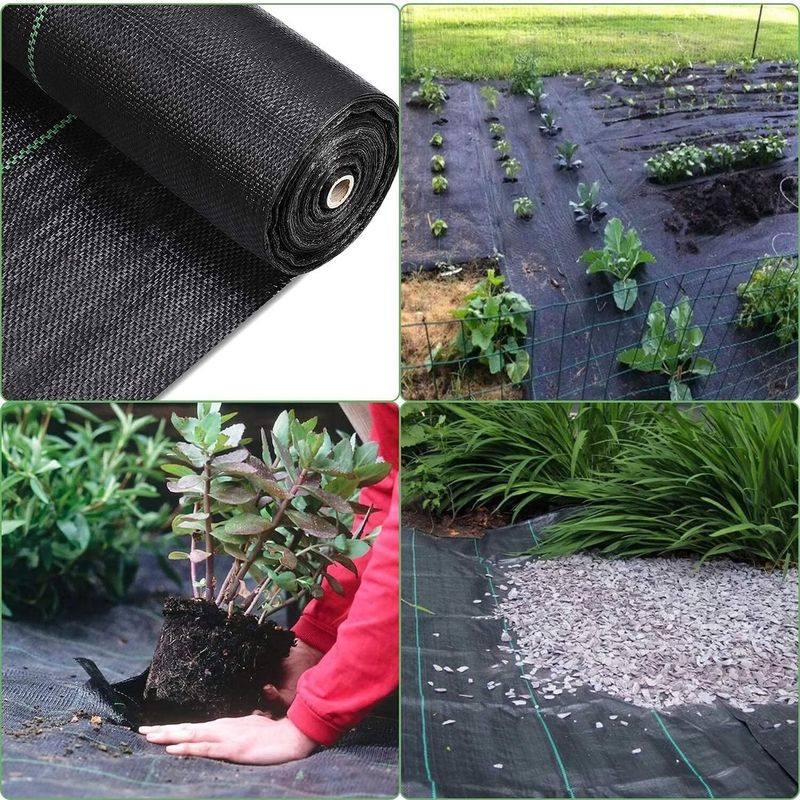
Consider using barrier cloth to curb dandelion proliferation. This fabric acts as a shield, preventing sunlight from reaching the weeds. As dandelions rely on photosynthesis, this method effectively stifles their growth.
Place the cloth over affected areas, secure it with stakes, and layer with mulch for aesthetics. Besides inhibiting dandelion spread, the fabric also conserves soil moisture and reduces erosion. A practical solution for garden beds, this approach offers dual benefits of weed control and soil protection.
11. Herbicide-Free Spot Treatment
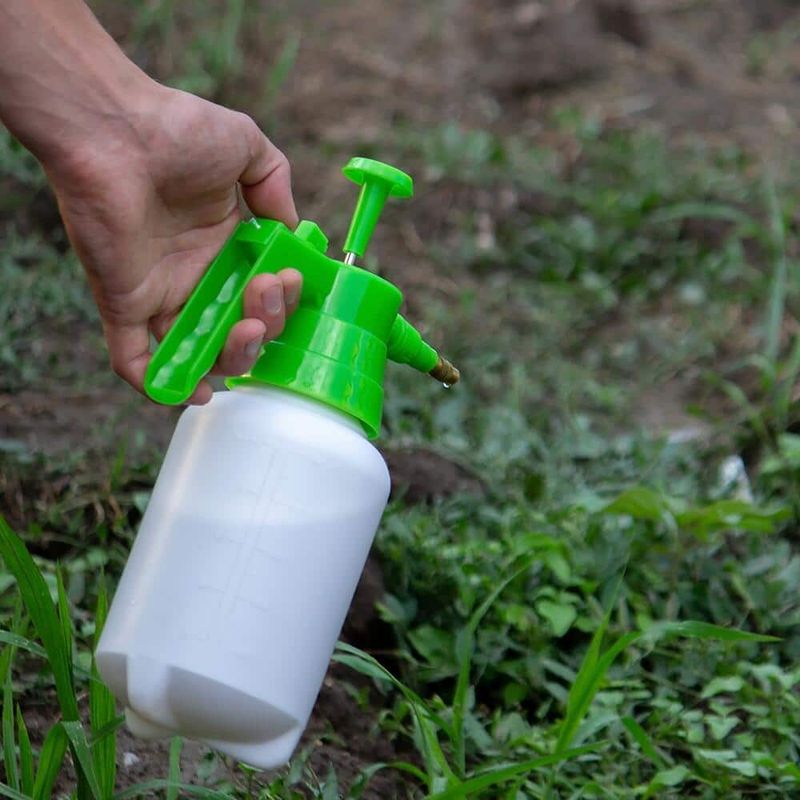
For those seeking an alternative to chemical herbicides, try spot treatments with natural concoctions. A mix of salt, dish soap, and water can be an effective dandelion deterrent. Spray directly onto the weeds, ensuring thorough coverage.
Use this method sparingly, as excess salt can harm surrounding soil. It’s ideal for isolated patches rather than widespread infestations. Embrace this eco-friendly technique to target dandelions without compromising your garden’s health.
12. Soil Solarization
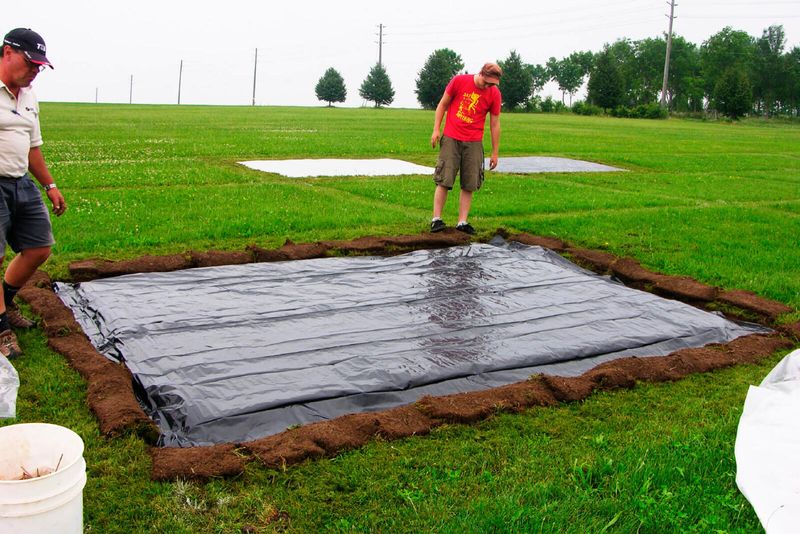
Harness the power of the sun with soil solarization. Cover sections of your garden with clear plastic tarps, trapping heat and effectively cooking dandelions beneath. This method is particularly useful in sunny climates, where prolonged heat intensifies results.
Leave the tarp in place for several weeks during the hottest months for maximum effect. Solarization also kills soil-borne pests and pathogens, offering comprehensive garden care. Though time-intensive, this technique is both chemical-free and highly effective.
13. Lawn Reseeding
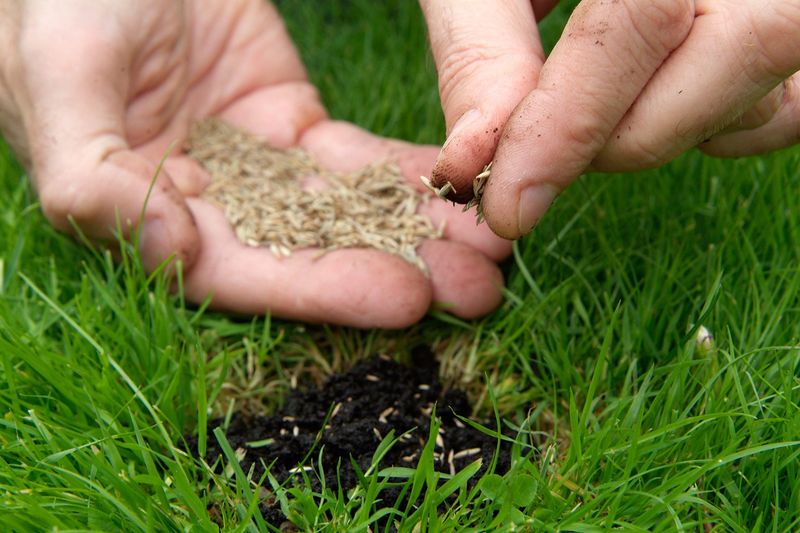
Reseeding can be a proactive measure against dandelions. By strengthening your lawn with new grass varieties, you limit space and resources for dandelions to grow. Opt for hardy, dense grass types that outcompete weeds naturally.
This process enhances lawn thickness and fills in bare patches where dandelions might take root. Conduct reseeding in early spring or fall for optimal growth conditions. This method not only curtails dandelions but enriches lawn appearance, making it vibrant and resilient.
14. Homemade Herbicidal Soap
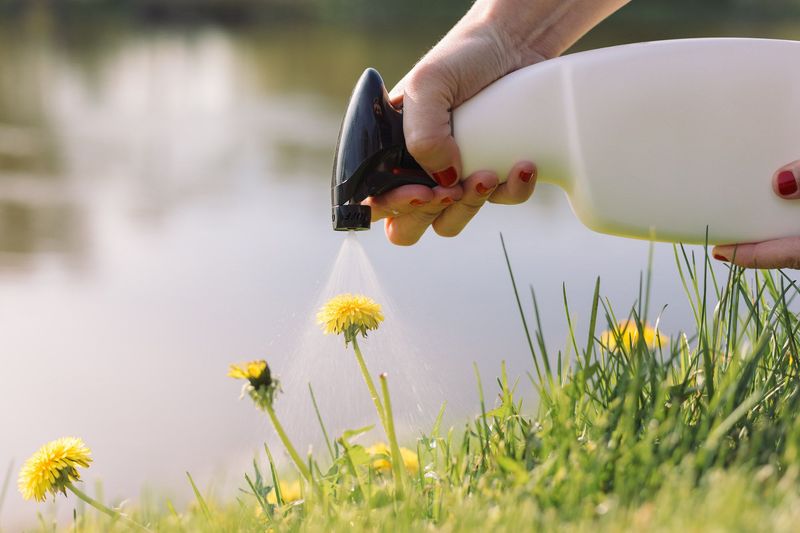
Create a homemade herbicidal soap for tackling dandelions. Combine liquid soap, essential oils, and water for an eco-friendly solution. Spray directly onto the foliage, ensuring thorough coverage for best results. The soap suffocates weeds by cutting off their access to air.
Avoid using this method on windy days to prevent drift onto desirable plants. This easy-to-make concoction is a safe alternative to commercial herbicides, offering protection for your garden while targeting dandelions specifically.
15. Soil pH Adjustment

Altering your soil’s pH can deter dandelion growth. These weeds thrive in acidic conditions, so raising soil pH can make your yard less inviting. Conduct a soil test to determine current pH levels, then apply lime if needed.
This adjustment promotes grass health, as many turf species prefer neutral to slightly alkaline soils. Regular monitoring ensures the environment remains unfriendly to dandelions. By tweaking soil chemistry, you foster a lawn that’s robust and weed-resistant.