 Complete Gardening
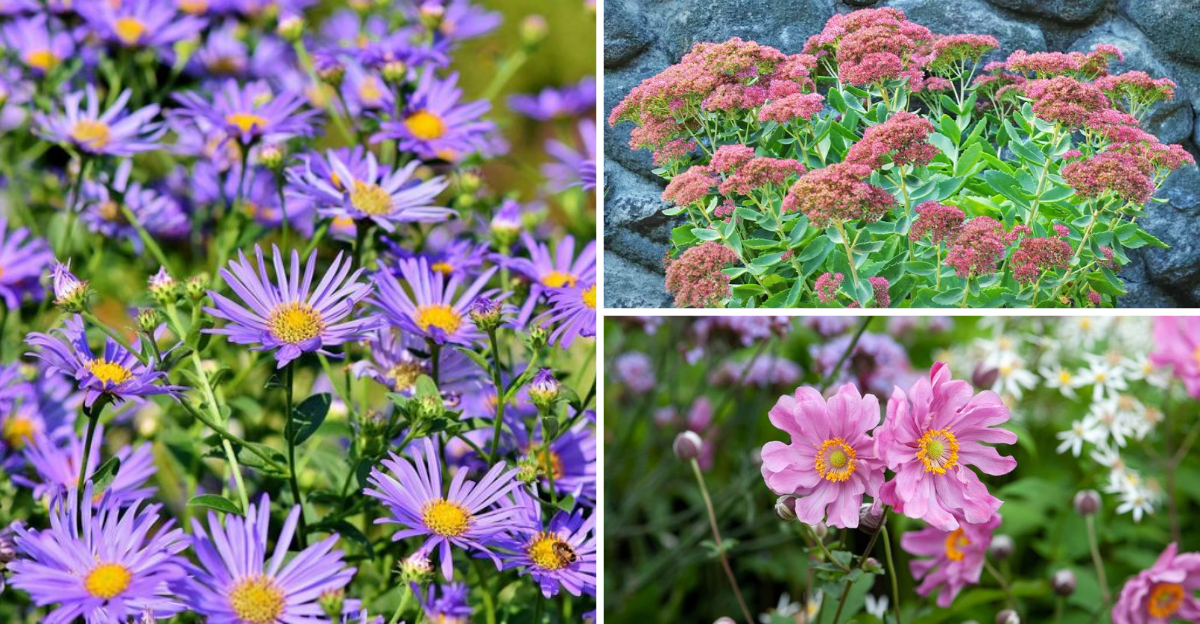
As summer fades away, the garden landscape transforms into a tapestry of vibrant hues. With the right selection of perennials, you can extend this colorful display well into the fall season. These hardy plants not only survive the cooling temperatures but thrive, offering a burst of life and color when most other plants are winding down. Here, we’ve curated a list of 27 perennials that bloom long into fall, ensuring your garden remains a lively paradise, teeming with unique textures, fragrances, and forms. Explore these perennial stars and keep your garden glowing.
1. Aster
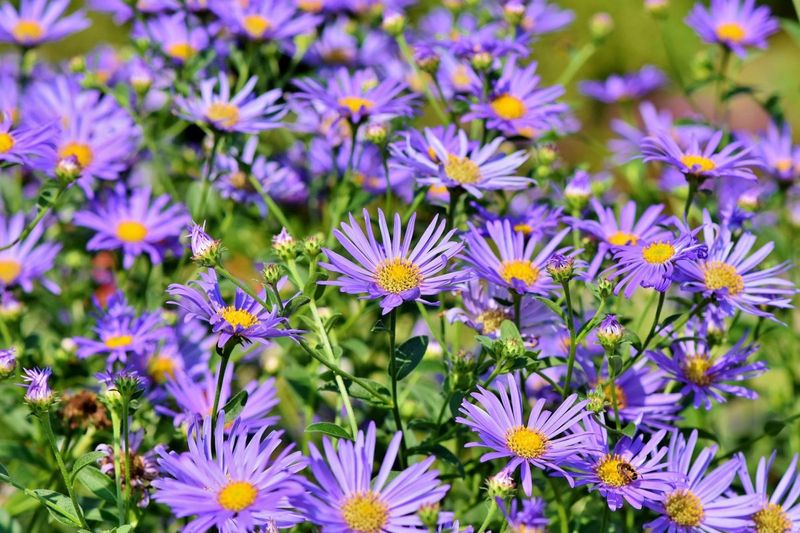
Asters are synonymous with fall gardens, offering a delightful splash of color with their star-shaped blooms. These perennials come in various shades, from deep purples to soft pinks, and can brighten any garden spot. Their robust nature makes them a favorite among gardeners. Asters also attract butterflies, adding an element of life and movement to the garden. Did you know? The name “Aster” is derived from the Greek word for “star,” reflecting the flower’s radiant appearance. They thrive in well-drained soil and enjoy full sun exposure.
2. Sedum (Stonecrop)
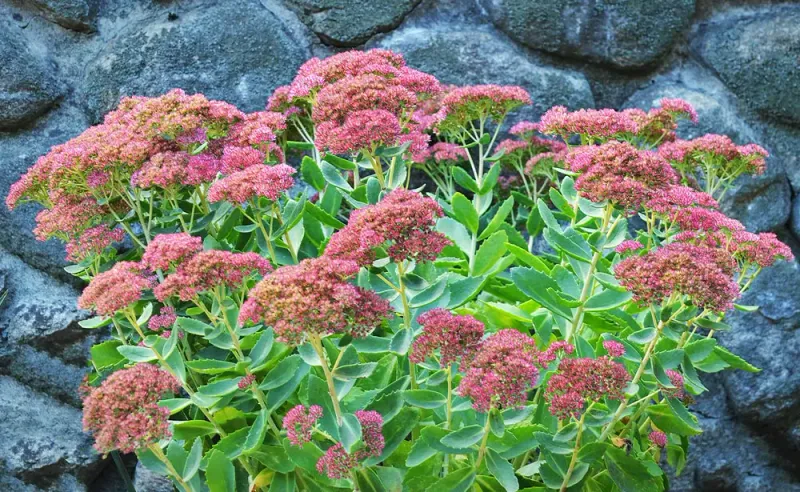
Sedum, commonly known as Stonecrop, is a resilient perennial that thrives on neglect. Its thick, fleshy leaves store water, making it drought-resistant and perfect for low-maintenance gardens. In fall, sedum produces clusters of pink, red, or white flowers that are particularly attractive to pollinators. The plant’s architectural quality adds a unique texture to any garden landscape. Fun fact: Sedum is often used in green roofs due to its ability to withstand harsh conditions. Plant sedum in well-drained soil and full sun for best results.
3. Japanese Anemone
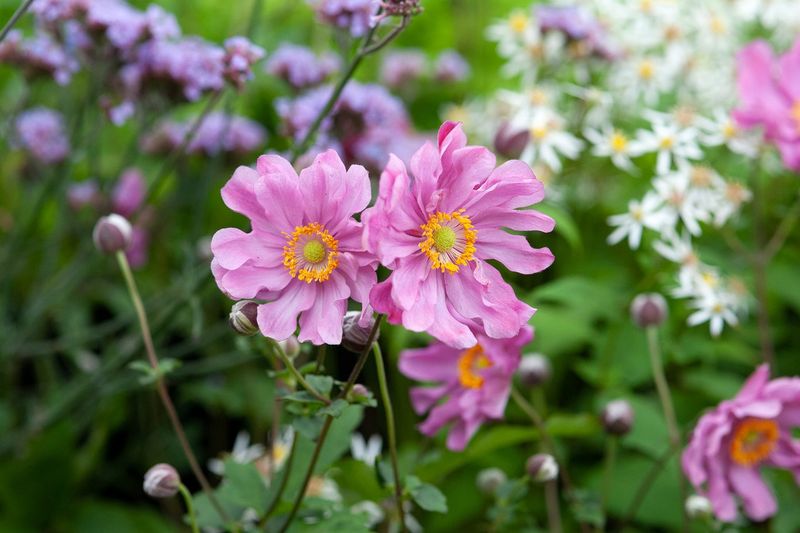
The Japanese Anemone is a graceful addition to any autumn garden. With its delicate, cup-shaped flowers in shades of pink and white, it brings an air of elegance. These perennials can grow quite tall, creating a stunning backdrop for shorter plants. They thrive in part shade and well-drained soil. A unique trait of the Japanese Anemone is its ability to bloom late in the season, ensuring continuous color. With a history rooted in ancient Japanese gardens, this plant adds both beauty and historical intrigue to your landscape.
4. Chrysanthemum
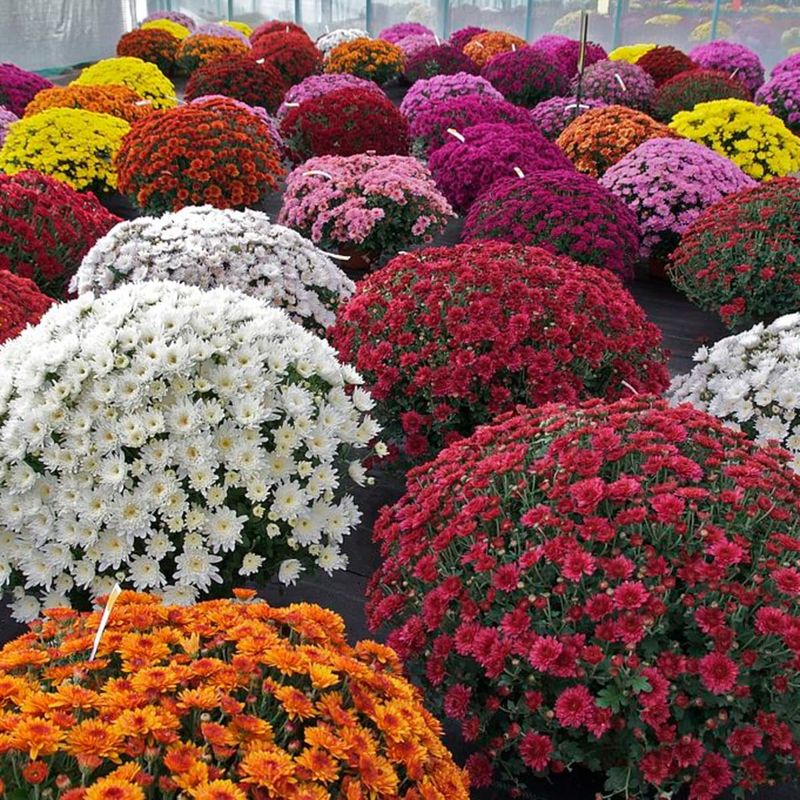
Chrysanthemums, or simply mums, are the quintessential fall flower. Known for their wide range of colors—yellow, orange, red, and even purple—they can suit any garden palette. Mums are often associated with autumn festivals and are a staple in seasonal decorations. They are easy to grow and require minimal care, thriving in full sun and well-drained soil. A fascinating tidbit: Chrysanthemums have been cultivated in China for over 2,500 years, symbolizing longevity and rejuvenation. Their vibrant blooms make them a garden standout.
5. Russian Sage
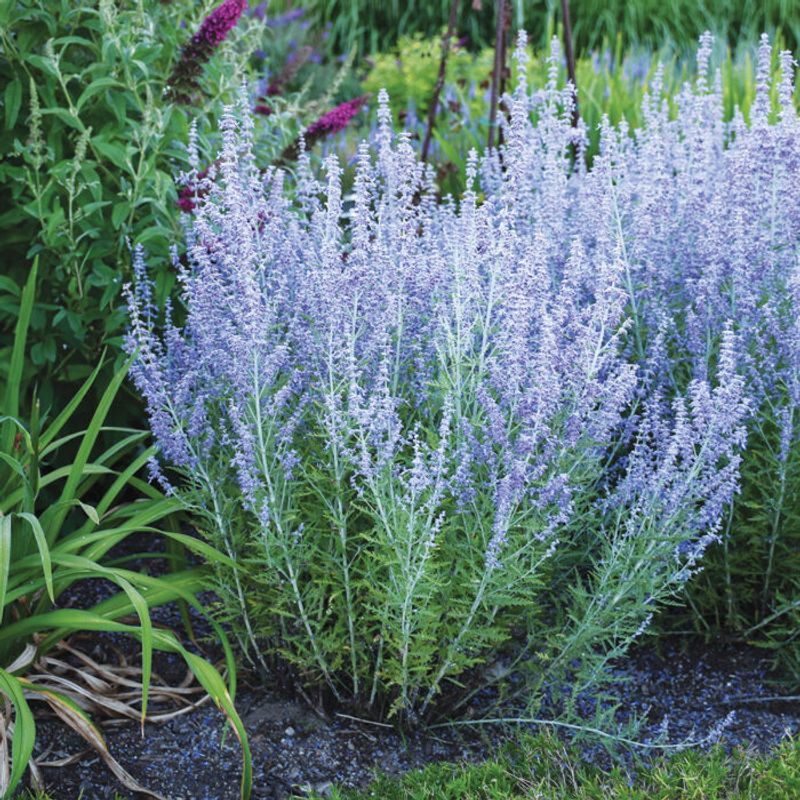
Russian Sage offers a burst of color and fragrance during the fall months with its lavender-blue flowers. Its airy, tall spires and silvery foliage make it an architectural marvel in the garden. This perennial is drought-tolerant and thrives in sunny, well-drained areas. Beyond its beauty, Russian Sage is known for its aromatic leaves, which can deter pests. An interesting tidbit: Despite its name, Russian Sage is native to central Asia, not Russia. Enjoy this plant’s beauty and resilience in your autumn garden.
6. Coneflower (Echinacea)
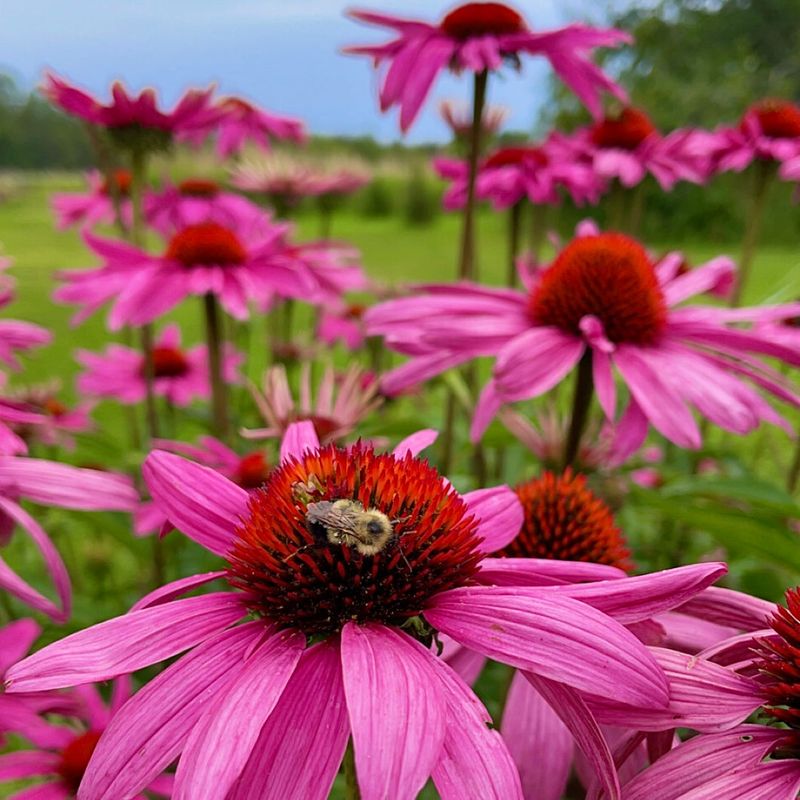
Coneflowers, part of the Echinacea family, are popular for their distinctive daisy-like shape and vibrant hues. These perennials are not only beautiful but also medicinal, often used to boost the immune system. In the fall, they continue to provide bold color and attract pollinators like butterflies and bees. Coneflowers are hardy and can thrive in various soil types, particularly enjoying full sun. Did you know? Native Americans historically used Echinacea as a remedy for various ailments. Their resilience makes them garden favorites.
7. Goldenrod
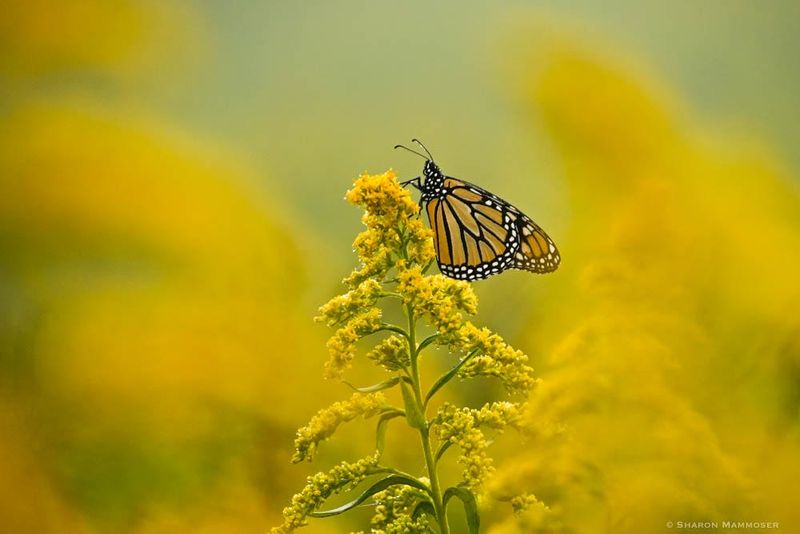
Goldenrod, with its bright yellow flower clusters, is a beacon of sunshine in the fall garden. Often mistaken for causing hay fever, it’s actually insect-pollinated and non-allergenic. This perennial draws a variety of pollinators, enriching garden biodiversity. Goldenrod’s cheerful presence can brighten any landscape, and it thrives in a range of soil types, especially in sunny locations. A quirky fact: Goldenrod was once used as a natural dye, producing shades of yellow and gold. It’s a versatile and vibrant addition to any garden.
8. Helenium
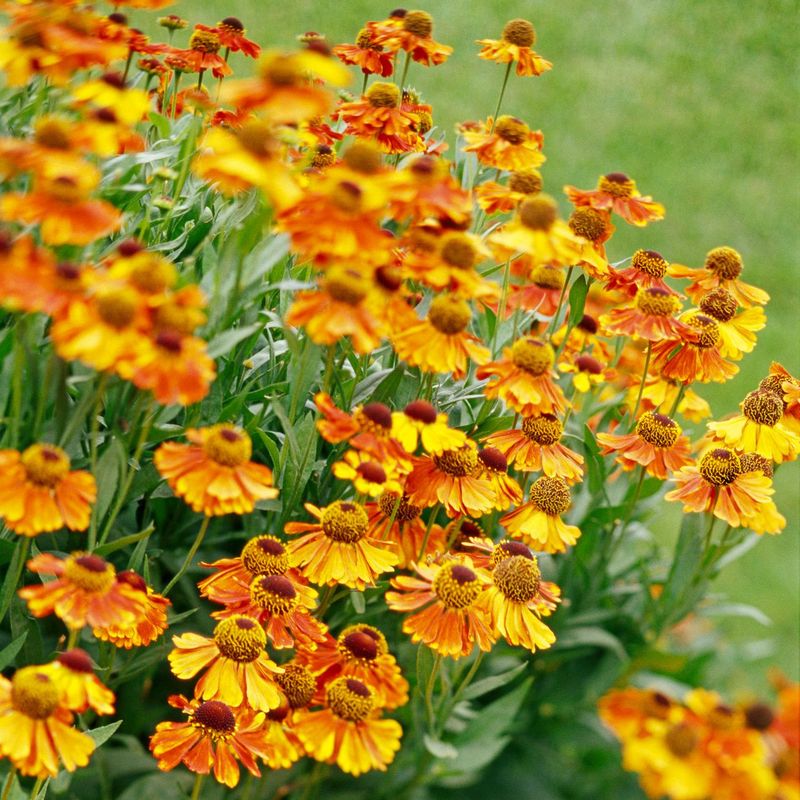
Helenium, also known as sneezeweed, brings fiery tones to the fall garden with its vibrant orange and red blooms. Despite its name, helenium doesn’t cause sneezing; it was historically used to make snuff. These perennials are easy to grow and prefer full sun and well-drained soil. Helenium’s strong stems make it an excellent cut flower, adding autumn warmth indoors. Its long blooming period and vivid colors make helenium a standout in any garden. Enjoy its beauty and unique history as part of your fall landscape.
9. Joe Pye Weed
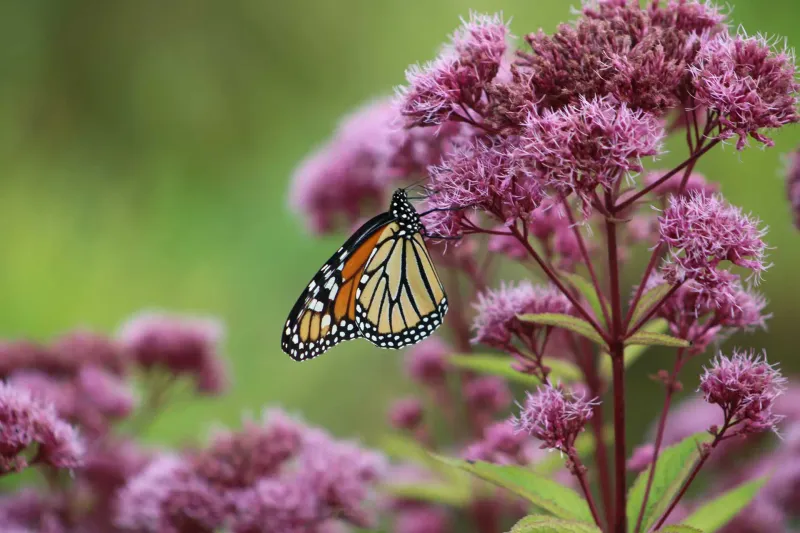
Joe Pye Weed, despite its name, offers stunning pinkish-purple flower clusters that can reach towering heights. This native perennial thrives in moist, sunny locations, making it perfect for naturalized settings or rain gardens. Its nectar-rich blooms attract butterflies, adding charm and ecological value. Fun fact: Named after a Native American herbalist, Joe Pye Weed was traditionally used for medicinal purposes. Its majestic presence and pollinator appeal make it a garden favorite for those seeking vibrant autumn color.
10. Turtlehead (Chelone)
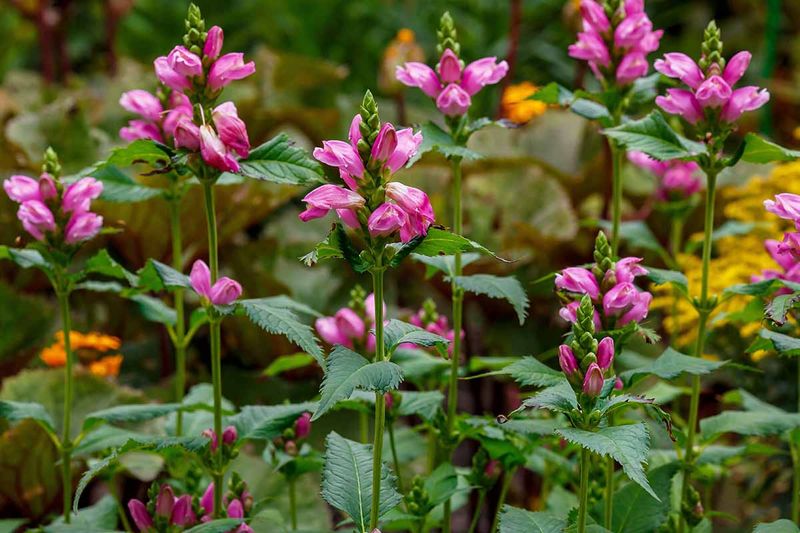
Turtlehead, a unique perennial, earns its name from the turtle-like shape of its blossoms. This plant flaunts pink or white flowers that stand out in shaded or woodland gardens. Turtlehead thrives in moist, rich soil, making it a great companion for water features. It attracts pollinators, particularly bumblebees, adding lively activity to the garden. Did you know? Turtlehead has a long history in herbal medicine, used to treat various ailments. Its intriguing shape and adaptability make it a fascinating addition to any fall garden.
11. Toad Lily (Tricyrtis)
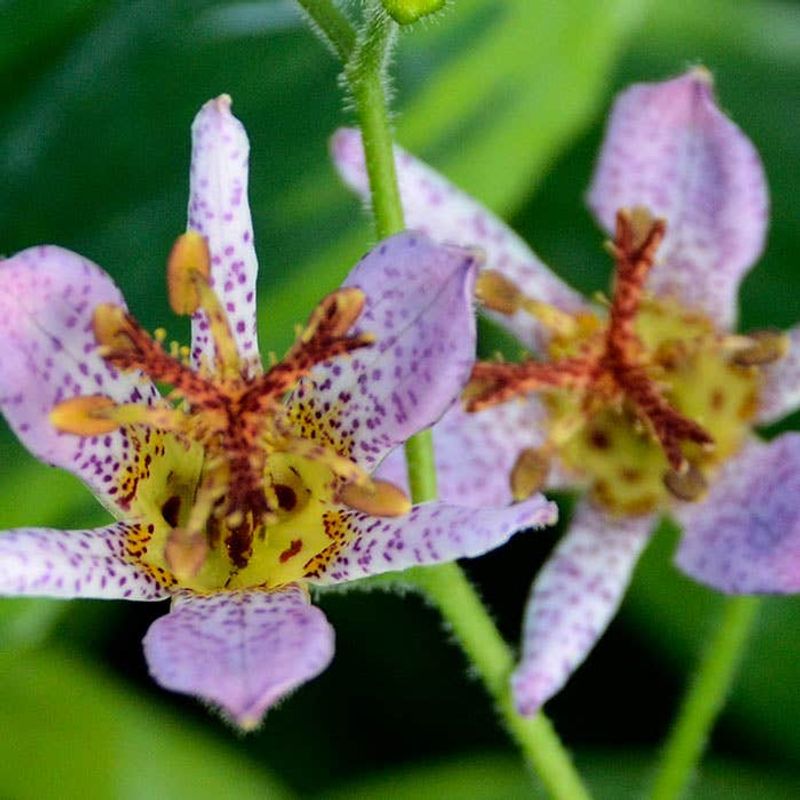
Toad Lily is a late-blooming perennial that adds exotic allure to shaded gardens. Its orchid-like flowers, adorned with spots, are visually captivating. Toad lilies thrive in rich, well-drained soil and dappled shade, making them ideal for woodland gardens. Their unique appearance often surprises garden visitors. An interesting tidbit: The name “toad lily” reflects the plant’s spotted, toad-like flowers. Despite their delicate look, toad lilies are hardy and resilient, providing unexpected beauty in the fall landscape. They’re a charming conversation starter.
12. Balloon Flower (Platycodon)
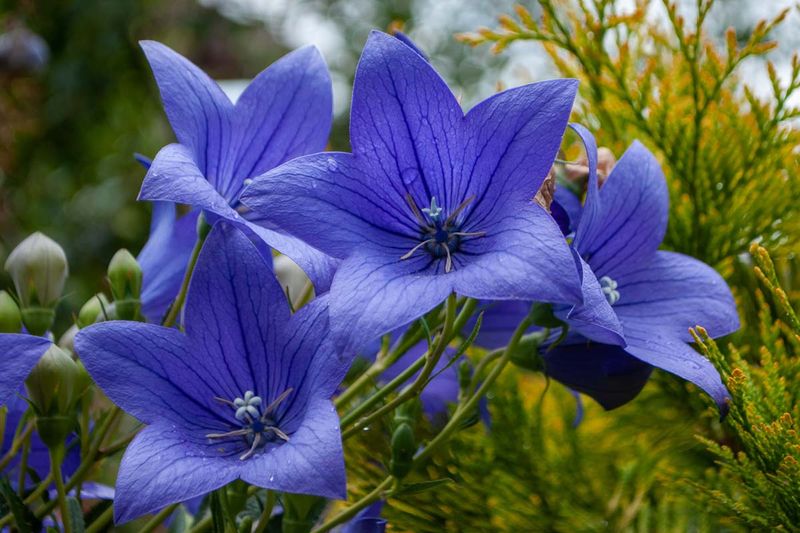
Balloon Flowers, named for their balloon-like buds, offer whimsical charm to the garden. Once the buds pop open, they reveal star-shaped flowers in shades of blue, pink, or white. These perennials prefer sunny or partially shaded spots and well-drained soil. Balloon flowers are easy to grow and require minimal maintenance. An interesting fact: Balloon flowers are native to East Asia and have been used in traditional medicine. Their playful appearance and ease of care make them a delightful addition to any autumn garden, captivating young and old alike.
13. Autumn Joy Sedum
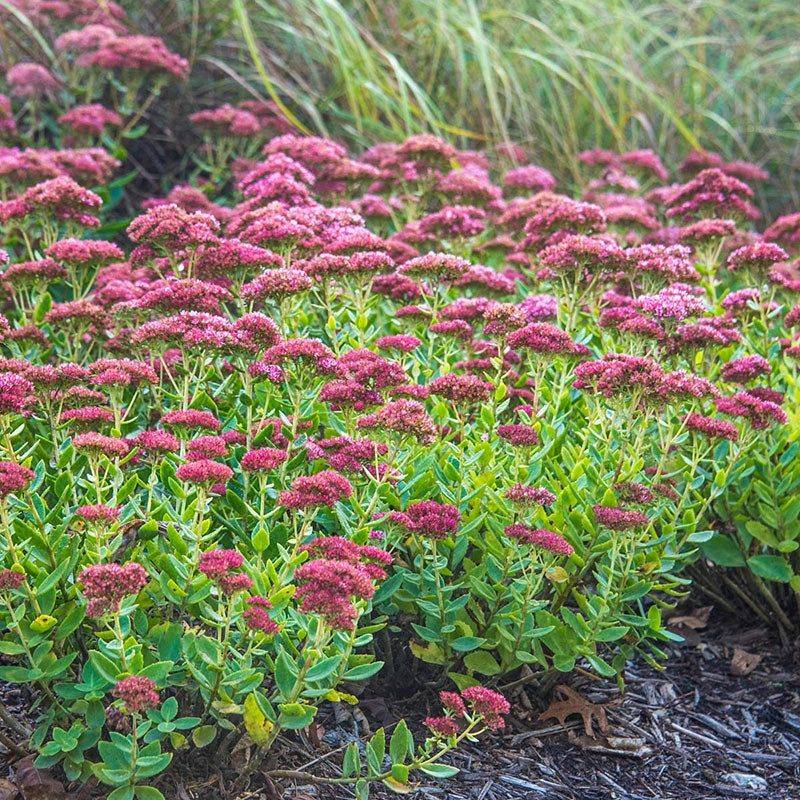
Autumn Joy Sedum brings vibrant color and texture to fall gardens with its pinkish-red flower clusters. This hardy perennial is drought-tolerant and thrives in sunny locations with well-drained soil. Its succulent leaves retain moisture, making it low-maintenance. The flowers transition from pale pink to deep red as the season progresses, providing dynamic visual interest. Did you know? Autumn Joy Sedum is a hybrid plant, prized for its adaptability and striking appearance. Its ability to attract pollinators adds ecological value to its beauty.
14. Coreopsis
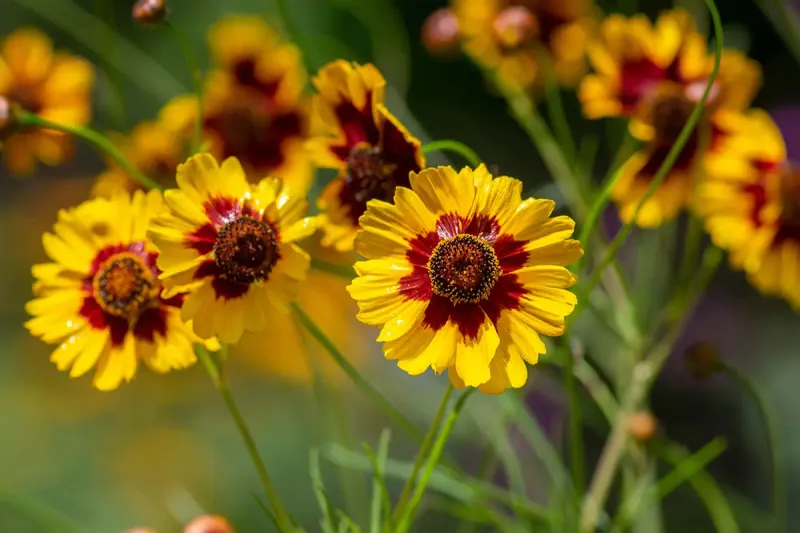
Coreopsis, also known as tickseed, offers cheerful blooms in shades of yellow, pink, or red. This perennial is beloved for its long blooming period, often extending into fall. Coreopsis thrives in full sun and well-drained soil, making it easy to grow and maintain. Its daisy-like flowers are a magnet for butterflies and bees, enhancing garden biodiversity. Did you know? The name “Coreopsis” is derived from the Greek words for “bug” and “appearance,” due to the seed’s shape. Its vibrant presence adds warmth to any fall garden.
15. Black-Eyed Susan
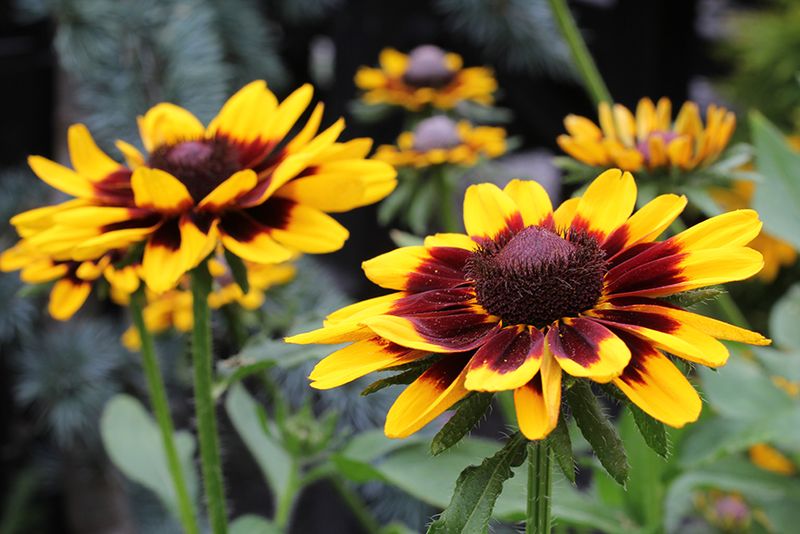
Black-Eyed Susans are iconic for their bright yellow petals and dark centers. These perennials are sturdy and adaptable, thriving in various soil types and full sun. Their bold color and daisy-like shape make them a garden favorite. Black-Eyed Susans are also known for attracting pollinators, enhancing your garden’s ecological diversity. An interesting tidbit: Black-Eyed Susans are Maryland’s state flower, symbolizing justice. They’re easy to grow and maintain, offering cheerful color and resilience in the fall landscape.
16. Salvia
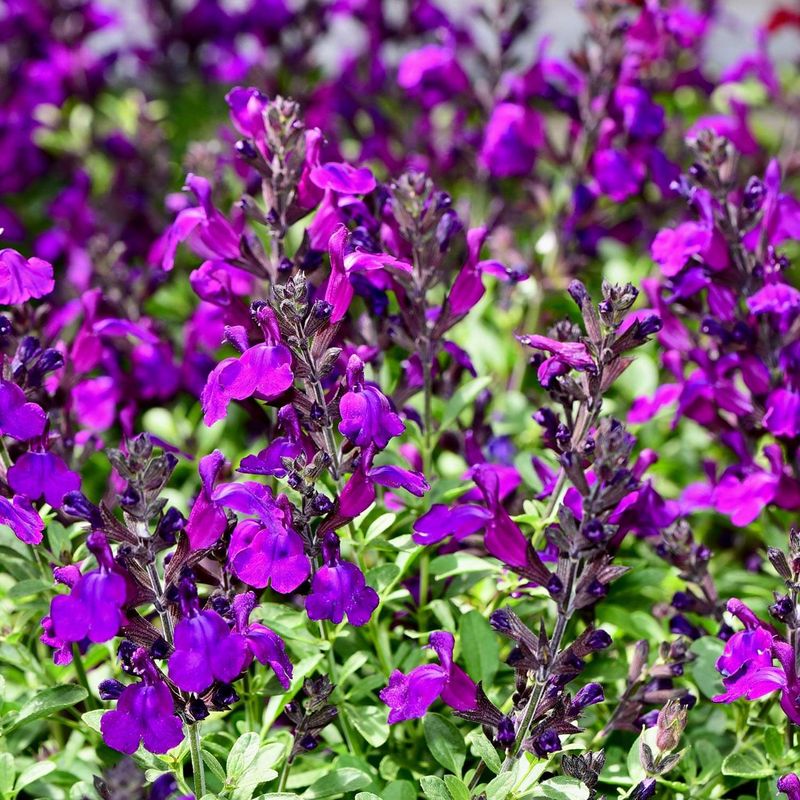
Salvia, known for its tall spikes of purple, blue, or red flowers, adds vertical interest to any garden. This perennial thrives in sunny locations with well-drained soil, offering vibrant color late into the season. Salvia is a favorite among hummingbirds and butterflies, enhancing your garden’s wildlife appeal. Fun fact: The name “Salvia” comes from the Latin word for “to heal,” reflecting its historical use in herbal remedies. Its striking appearance and ecological benefits make salvia a valuable addition to fall gardens.
17. Phlox
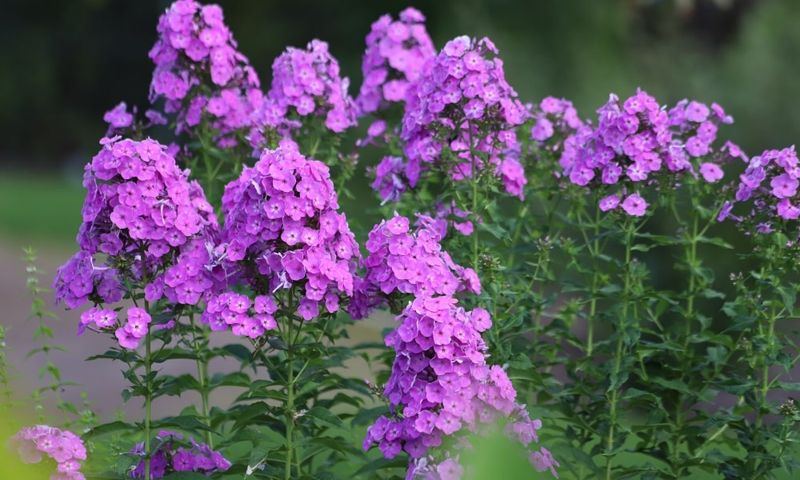
Phlox, with its vibrant clusters of flowers, brings a splash of color to fall gardens. Available in a range of hues, including pink, purple, and white, phlox is versatile and easy to grow. It thrives in full sun and well-drained soil, offering a long blooming period. Phlox attracts butterflies, adding lively movement to your garden. Did you know? The name “Phlox” is derived from the Greek word for “flame,” highlighting its bright and fiery colors. Its beauty and ease of care make it a popular choice.
18. Obedient Plant (Physostegia)
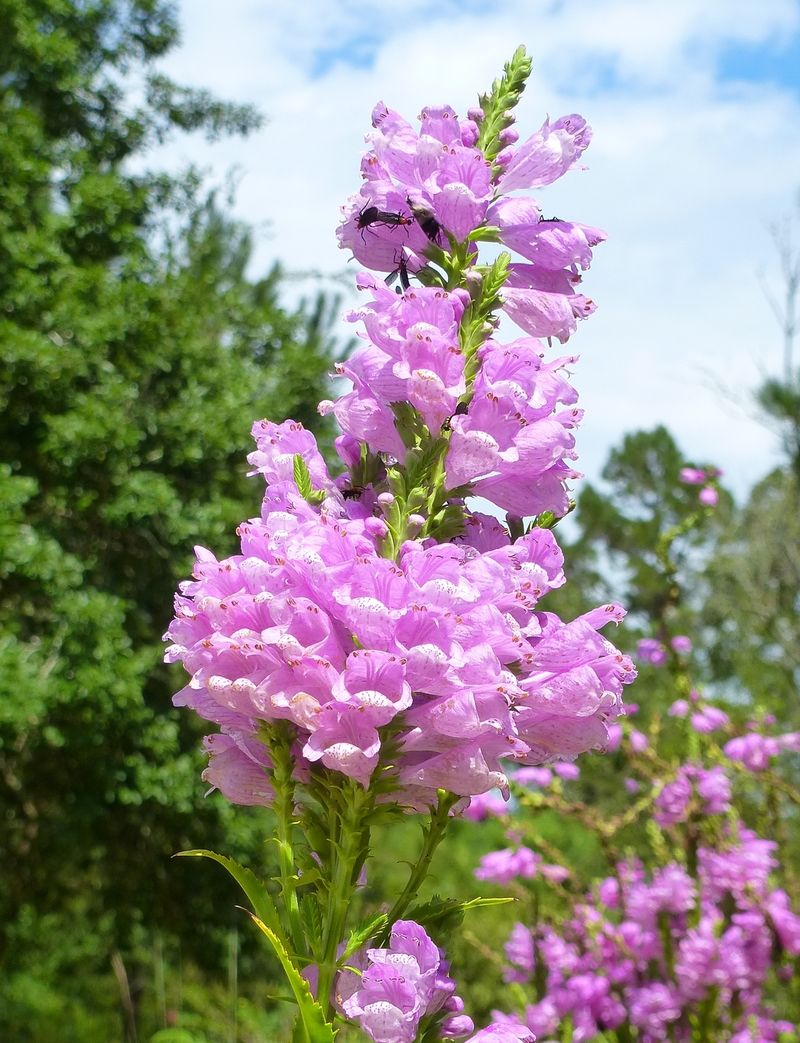
The Obedient Plant earns its name from its pliable stems, which can be bent and remain in position. This perennial features tubular flowers in shades of white, pink, or purple, adding vertical interest to gardens. It thrives in moist, well-drained soil and partial to full sun. The obedient plant attracts hummingbirds and butterflies, enhancing your garden’s biodiversity. An interesting tidbit: The name “Physostegia” reflects its unique flower shape. Despite its unassuming name, this plant’s beauty and adaptability make it a garden standout.
19. Monkshood (Aconitum)
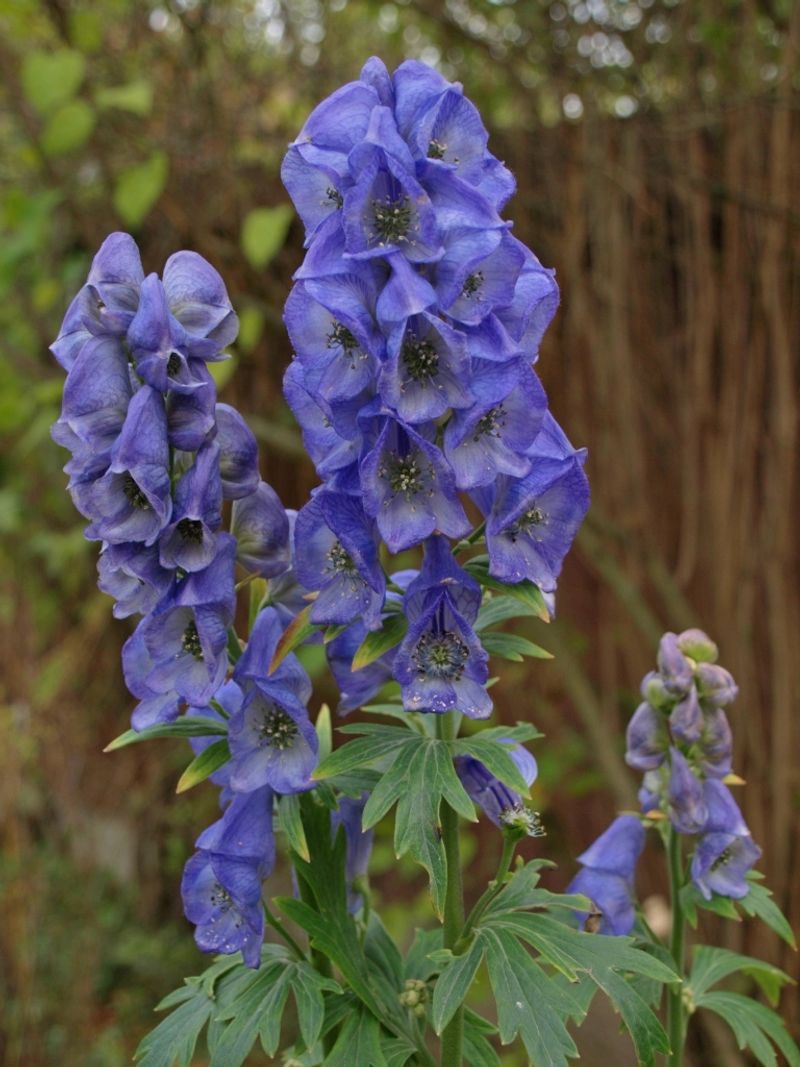
Monkshood, with its striking hooded flowers, adds a touch of mystery to fall gardens. This perennial is known for its deep blue or purple blooms that resemble a monk’s cowl. Monkshood thrives in shaded areas with moist, well-drained soil. Its unique appearance and late blooming period make it a garden highlight. However, caution is advised, as all parts of the plant are toxic. Fun fact: Monkshood has a rich history in folklore and was once used as a poison in ancient times. Its beauty and intrigue captivate gardeners.
20. False Sunflower (Heliopsis)
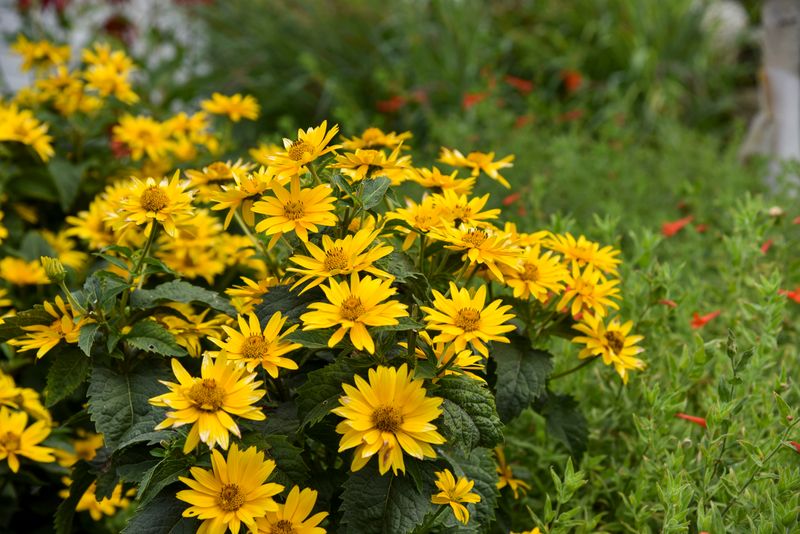
False Sunflower, or Heliopsis, brings a bold splash of yellow to autumn gardens. Despite its name, it’s a perennial that resembles sunflowers with its bright blooms and dark centers. False Sunflower is easy to grow, preferring full sun and well-drained soil. It attracts butterflies and bees, enriching your garden’s ecosystem. An intriguing fact: The name “Heliopsis” means “sun-like” in Greek, reflecting its sunny disposition. Its cheerful flowers and low maintenance make it a valuable addition to any fall landscape, brightening it with sunshine.
21. Perennial Sunflower (Helianthus)
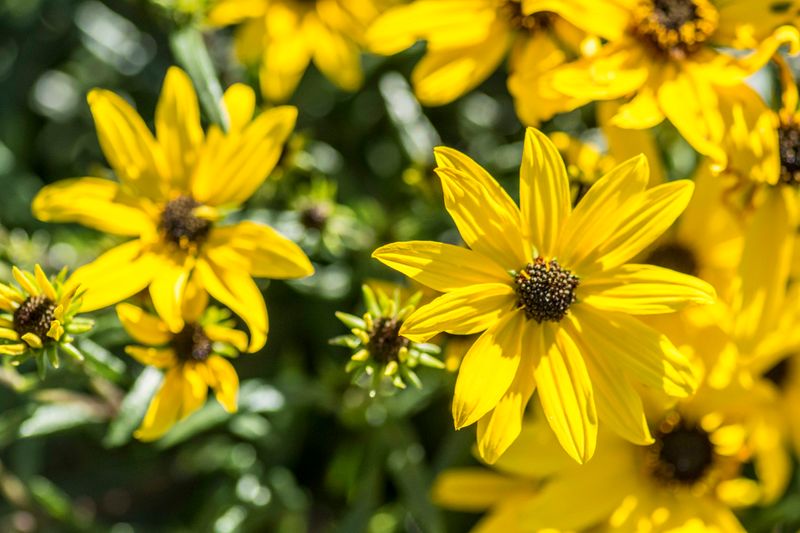
Perennial Sunflowers add height and vibrant color to fall gardens with their large yellow blooms. These robust perennials thrive in sunny locations with well-drained soil, offering a spectacular display late in the season. Their tall stature makes them ideal for borders or as a garden focal point. Perennial Sunflowers are also a magnet for pollinators, enhancing garden biodiversity. Did you know? Despite their name, they are not true sunflowers but share a similar appearance and growing habit. Their sunny presence is sure to uplift any garden.
22. Chinese Lantern (Physalis)
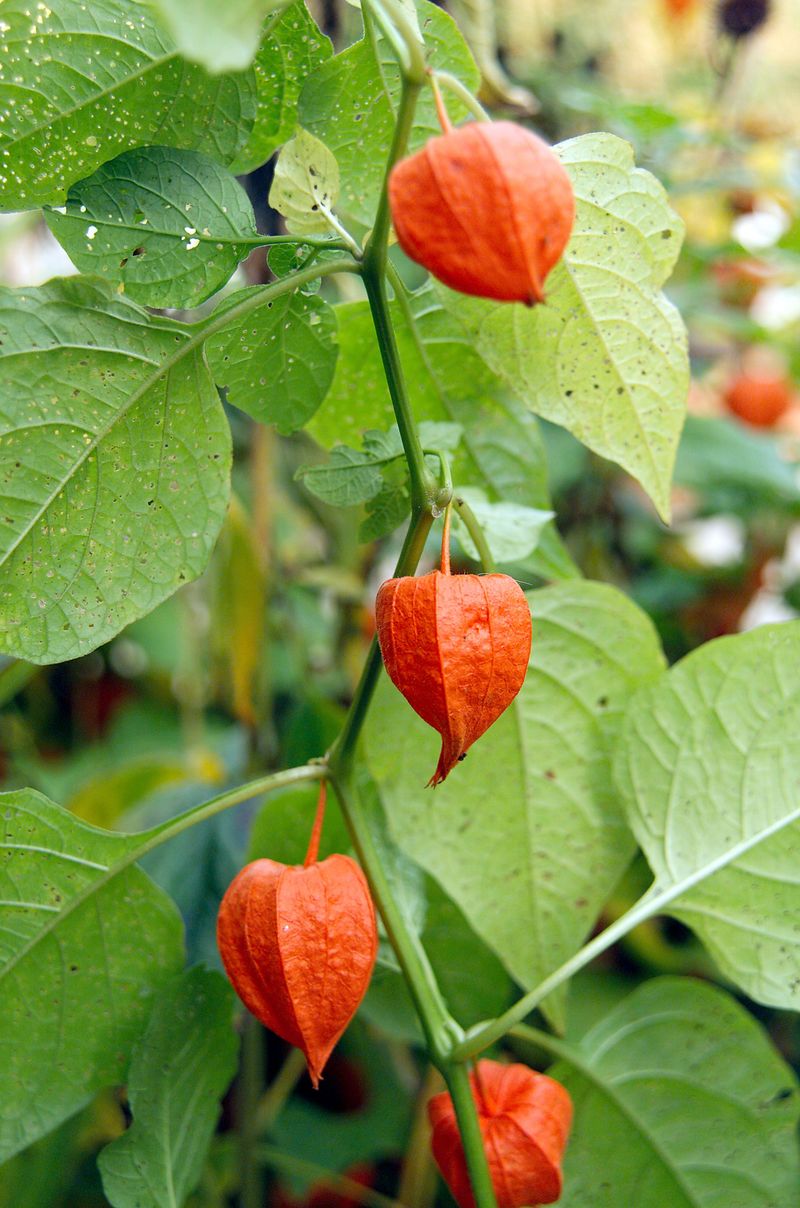
Chinese Lantern is a unique perennial known for its bright orange, papery husks that resemble lanterns. These husks encase small fruits, adding exotic flair to fall gardens. The plant thrives in full sun or partial shade and well-drained soil. Chinese Lanterns are often used in dried flower arrangements due to their striking appearance. An interesting tidbit: The plant’s fruits are edible but should be fully ripe to avoid bitterness. Its vibrant color and distinct shape make it a captivating addition, perfect for autumn displays.
23. Hardy Begonia
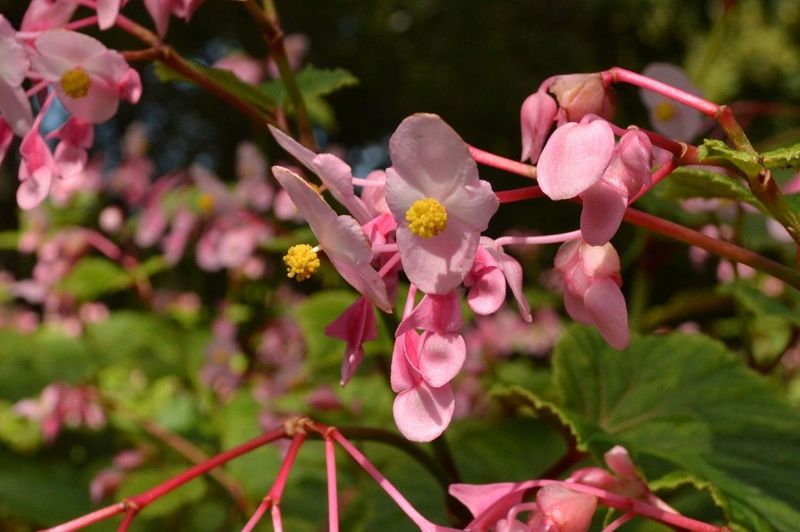
Hardy Begonia offers delicate pink flowers and large, heart-shaped leaves, thriving in shaded areas with moist, well-drained soil. This perennial adds a touch of grace to fall gardens, with blooms that can last until the first frost. Hardy Begonia’s lush foliage provides a lush backdrop for its dainty flowers. A fun fact: This plant has a long history in Asian herbal medicine, known for its soothing properties. Its resilience and beauty make it a cherished addition to shaded gardens, offering understated elegance and charm.
24. Japanese Toad Lily (Tricyrtis hirta)
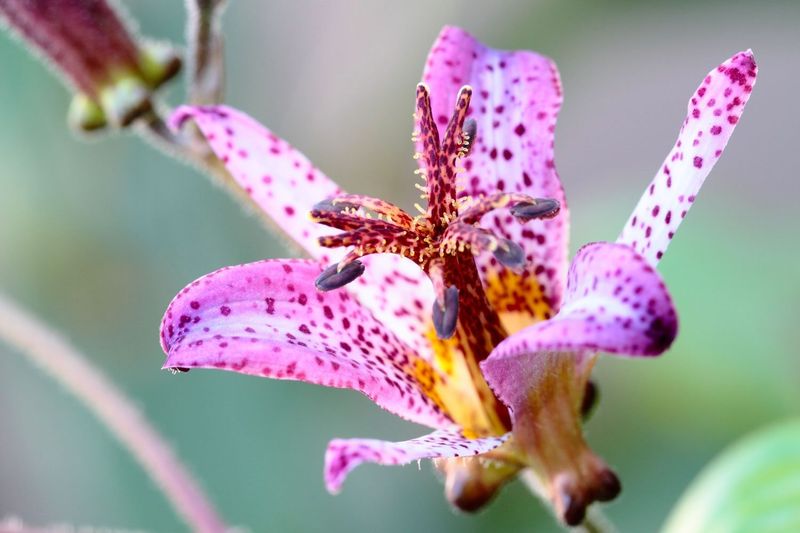
The Japanese Toad Lily is a captivating perennial that blooms in late fall, adding exotic charm to gardens. Its orchid-like flowers are covered in distinctive spots, creating a striking visual. This plant thrives in shaded, moist areas, making it ideal for woodland gardens. Its unique appearance often intrigues onlookers. Did you know? The Japanese Toad Lily is native to the rocky cliffs of Japan, adapting well to similar garden conditions. Its beauty and resilience make it a fascinating addition to fall gardens, delighting all who encounter it.
25. Anemone Hupehensis
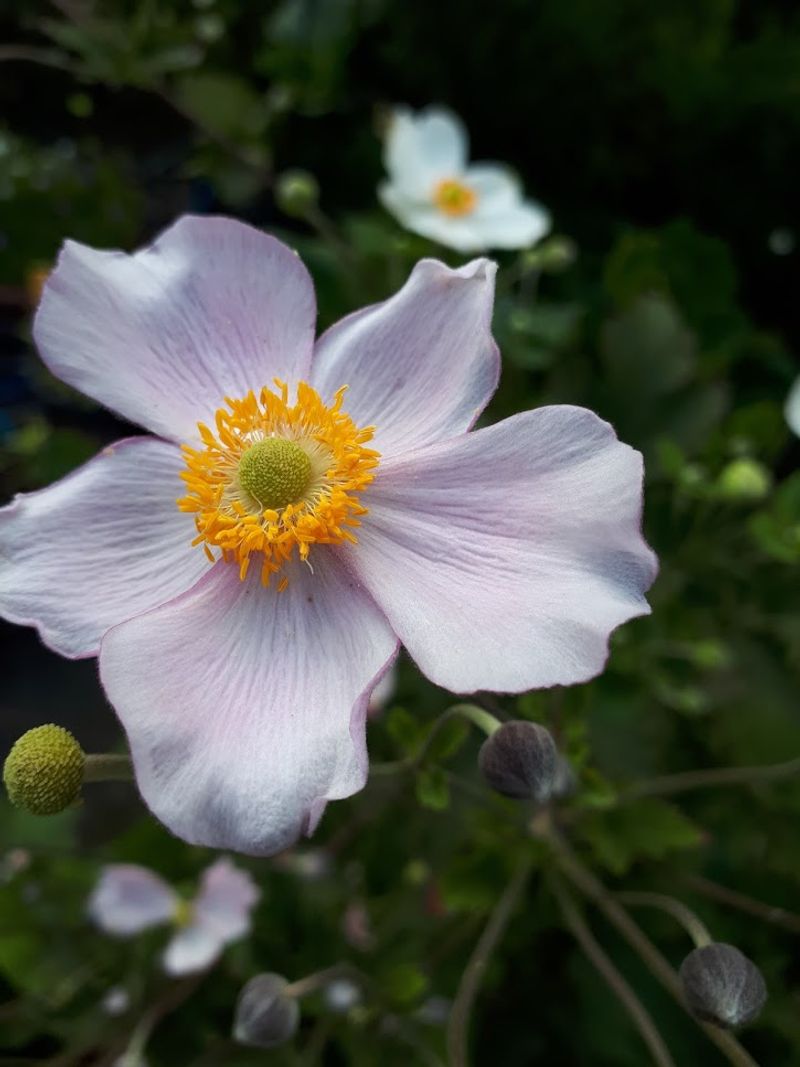
Anemone Hupehensis, a charming perennial, offers dainty pale pink flowers that bloom well into fall. Its graceful flowers sway in the breeze, adding elegant movement to gardens. This plant thrives in partial shade and well-drained soil, making it versatile and easy to grow. Anemone Hupehensis is also known for attracting pollinators, enhancing garden ecology. An interesting tidbit: This plant is native to China and has been cultivated for centuries for its beauty. Its delicate appearance belies a robust nature, making it a garden favorite.
26. Gaillardia (Blanket Flower)
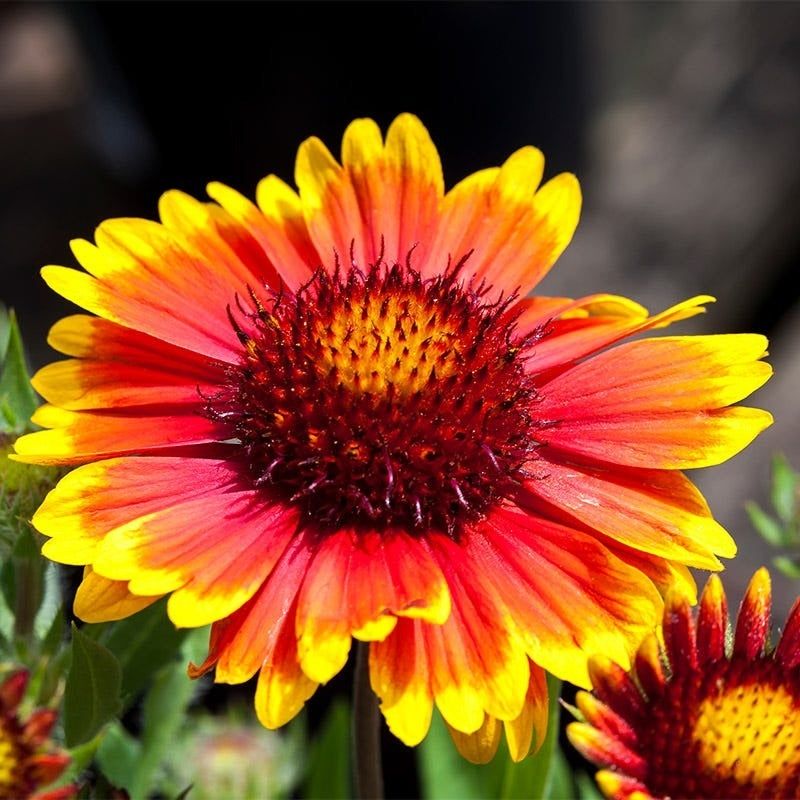
Bursting with color, Gaillardia, commonly known as the Blanket Flower, is a perennial that thrives in sunny gardens. Its fiery red and yellow petals resemble a sunset, creating a warm atmosphere. Gaillardias are drought-tolerant, making them ideal for low-maintenance gardens.
These flowers attract butterflies and are perfect for adding a splash of color to borders. Their long-lasting blooms continue from summer into the fall, ensuring your garden remains lively. With a unique daisy-like appearance, Gaillardias are sure to catch the eye.
Did you know? They are native to North and South America, adapting well to various climates.
27. Persicaria amplexicaulis (Mountain Fleece)
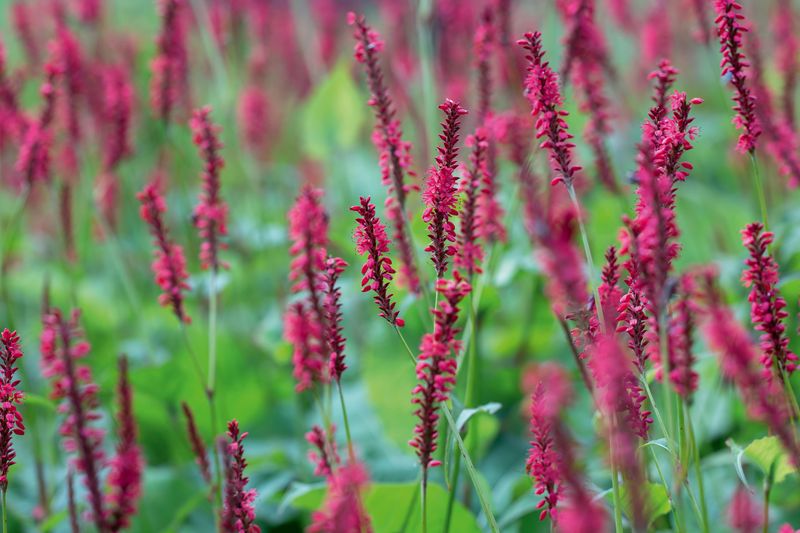
Persicaria amplexicaulis, or Mountain Fleece, brings elegance to any fall garden with its tall, slender spikes of white flowers. Its blooms sway gracefully in the breeze, adding movement and texture to borders.
This perennial is not only visually appealing but also attracts bees and other pollinators, supporting the garden’s ecosystem. Persicaria is remarkably easy to grow, flourishing in moist, well-drained soil and partial shade.
Fun fact: This plant is a relative newcomer to many gardens, originally hailing from the Himalayas, where it’s accustomed to high altitude climates.