 Complete Gardening
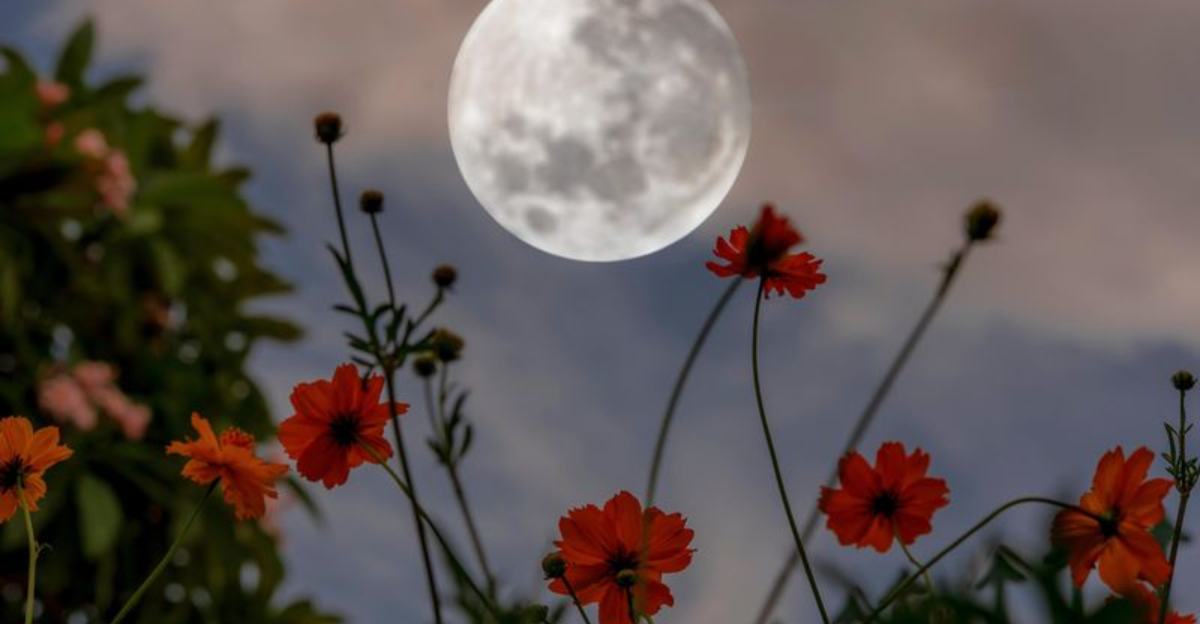
April’s full moon, known as the Pink Moon, is steeped in gardening lore and lunar wisdom. Named after the vibrant wild ground phlox, one of the first spring blooms, the Pink Moon symbolizes a time of renewal and growth.
Gardening enthusiasts have long intertwined lunar phases with planting rituals, believing that the moon’s cycle influences crop success. From moonlit seed sowing to the timing of Easter, April’s moon guides both tradition and technique in the garden.
These ten fascinating facts explore the rich intersection of lunar phases and gardening practices, offering timeless insights for every green thumb.
1. The Pink Moon
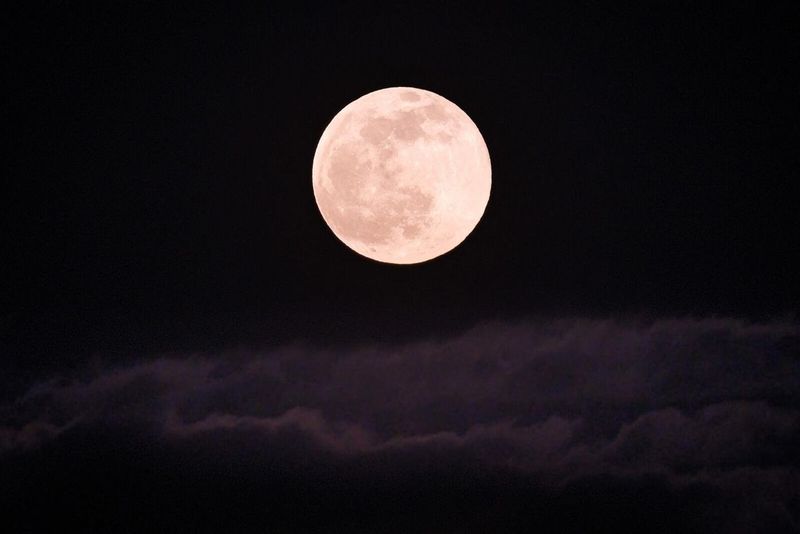
April’s full moon, known as the Pink Moon, heralds the blossom of wild ground phlox, one of spring’s earliest blooms. This lunar event has been celebrated for its beauty and its promise of renewal.
The soft pink hue of the phlox reflects the gentle light of the moon, creating a serene landscape that invites reflection and new beginnings. Gardeners and moon enthusiasts alike look to this time as a signal of change, where the earth awakens from winter’s slumber.
The Pink Moon serves as a celestial reminder of the interconnectedness of nature and its cycles.
2. Lunar Planting Beliefs
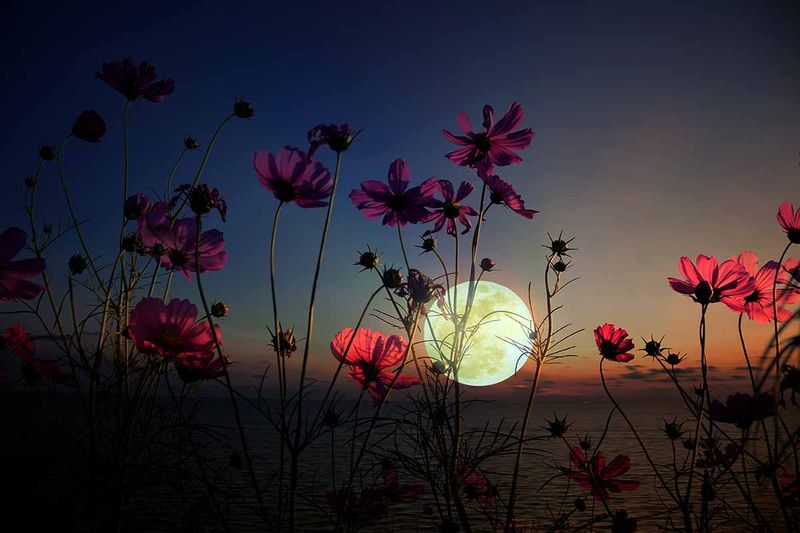
Traditional gardeners follow the moon’s phases, planting above-ground crops during the waxing moon and root crops during the waning. This practice is rooted in the belief that the moon’s gravitational pull influences water in the soil, enhancing crop growth.
The wax and wane of the moon guide farmers in their timing, aiming to harness nature’s rhythms. By observing the lunar cycle, gardeners strive to align their efforts with the natural world, fostering harmony and abundance.
This age-old wisdom reflects a deep respect for the earth’s processes and the celestial bodies that oversee them.
3. Moonlight and Seeds
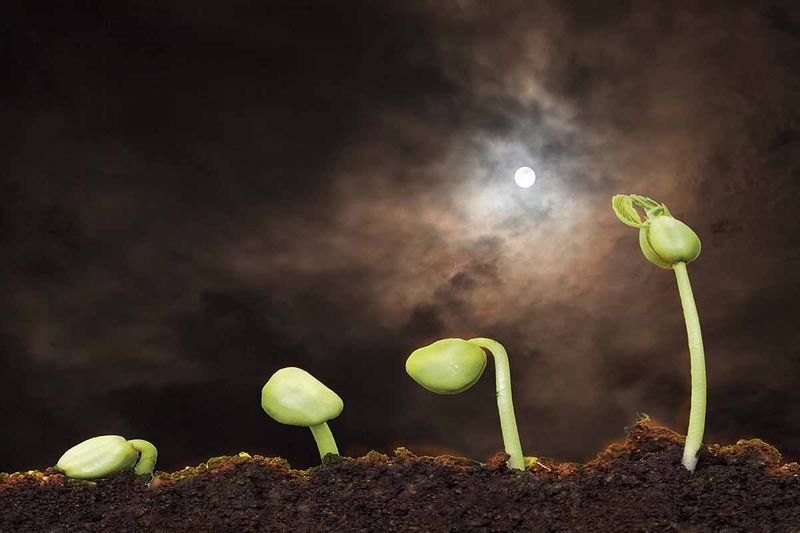
Some gardeners believe that sowing seeds by moonlight enhances germination rates. The cool, calm night air, combined with the moon’s subtle light, is thought to nurture seeds, encouraging robust growth.
This nighttime ritual connects gardeners to the ancient practice of working with nature’s rhythms, fostering a sense of peace and purpose. As seeds are gently tucked into the earth under the moon’s watchful eye, a bond is formed between planter and planet.
This tradition embodies the magic of the night, where the moonlight acts as a silent partner in cultivation.
4. Watch for Frost

A clear April full moon is said to predict a late frost, a cautionary signal for gardeners eager to plant tender crops. This piece of lore advises patience, urging one to wait until the threat of frost has passed.
The moon, in its silent vigil over the fields, serves as a gentle guide for planting decisions. Observing the moon’s clarity and the night’s chill, gardeners can make informed choices, protecting their fragile seedlings from frost’s bite.
This wisdom, passed down through generations, underscores the importance of tuning into nature’s subtle cues.
5. Supermoon Impact
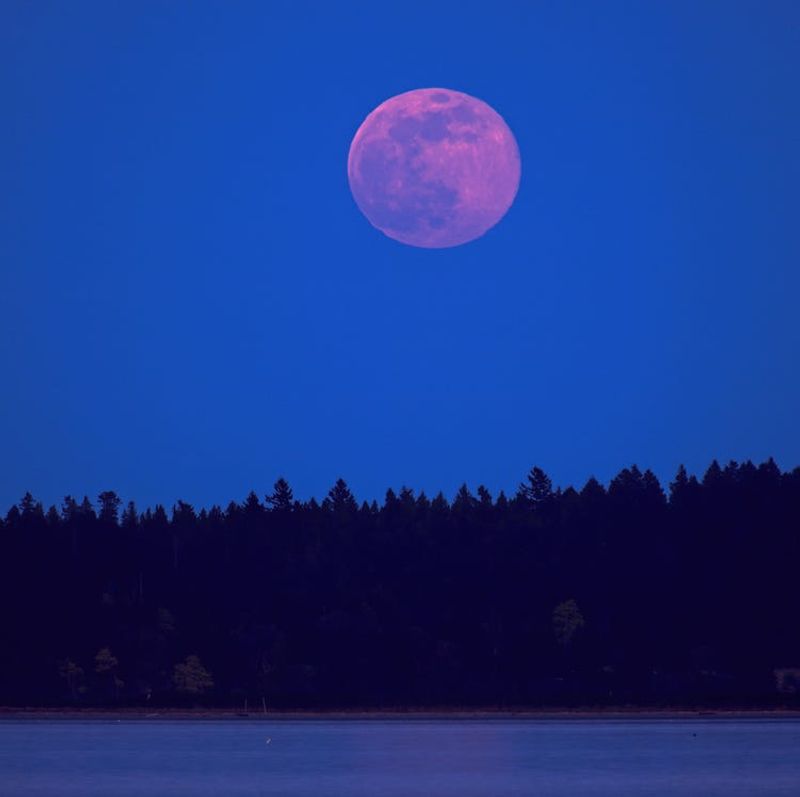
When April’s moon becomes a supermoon, its proximity to Earth amplifies its influence on gardening. This celestial event is viewed as an opportune time for planting, pruning, and making garden plans.
The supermoon’s powerful presence is believed to energize plant growth and strengthen roots. Gardeners seize this moment, inspired to harness the moon’s heightened gravitational pull.
As the supermoon casts its bright light upon the earth, it becomes a symbol of potential and growth. This phenomenon reminds gardeners of the cosmos’ role in the natural world and their own seasonal endeavors.
6. Easter and the Moon
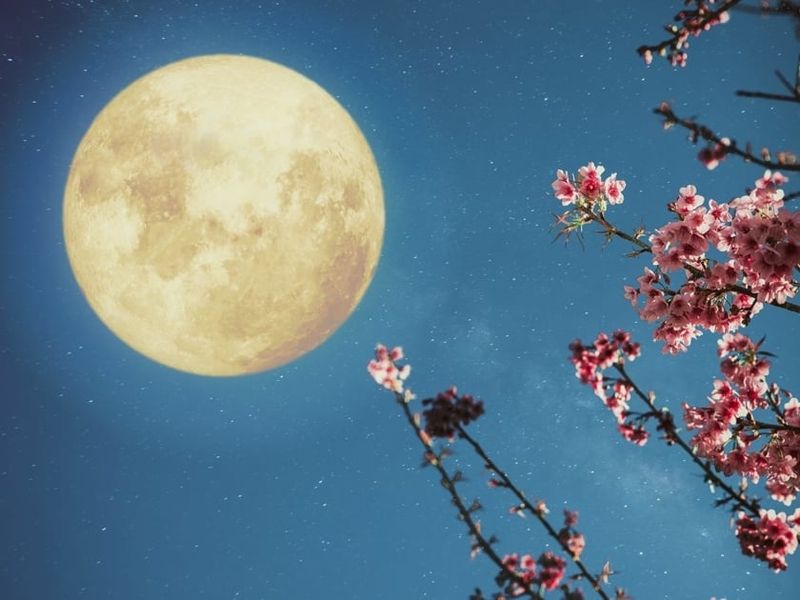
Easter’s timing is intricately linked to the April full moon, occurring on the first Sunday after the full moon following the Spring Equinox. This connection ties Easter celebrations to traditional planting rituals.
Many gardeners use this period to plan their planting, taking advantage of the season’s change. The moon acts as a calendar for these activities, guiding the rhythm of nature’s cycles.
With Easter and the moon in harmony, a perfect synergy of celebration and cultivation arises, reminding us of the ancient ties between celestial events and earthly traditions.
7. “Plant potatoes on Good Friday”
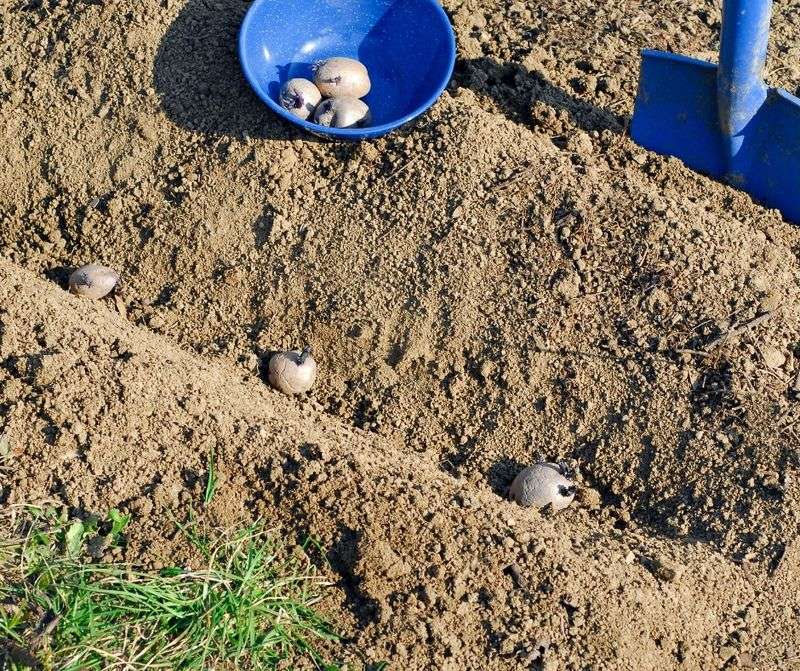
The adage “Plant potatoes on Good Friday” often aligns with the April moon, a tradition still followed by many gardeners. This practice is steeped in history, linking religious observance with agricultural timing.
Planting on Good Friday is believed to bless the crops, infusing them with vitality and promise. As the moon oversees these efforts, gardeners engage in a ritual that transcends mere planting, connecting them to centuries of wisdom.
This custom reflects the blend of faith and nature, where spiritual and earthly practices intertwine, ensuring a fruitful harvest ahead.
8. Waning Moon for Weeds
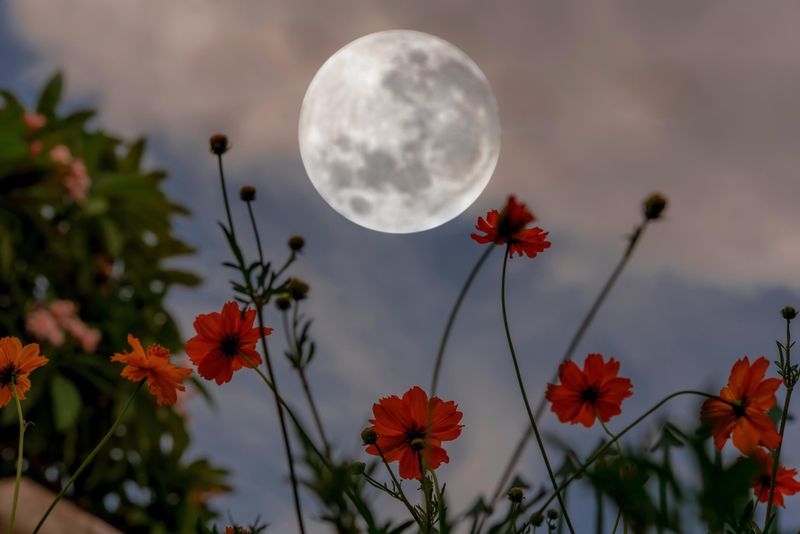
Folklore suggests that pulling weeds during a waning moon reduces their return, attributed to lower sap activity. This practice aligns with the moon’s cycle, as gardeners seek to diminish weeds’ vitality.
The waning moon, signaling a time of rest and reflection, offers a strategic moment to tackle unwanted growth. This approach emphasizes a harmonious relationship with the moon’s phases, leveraging its subtle influence to maintain garden health.
By aligning their actions with the waning moon, gardeners hope to achieve a lasting impact in their fight against persistent weeds.
9. Prune with the Moon
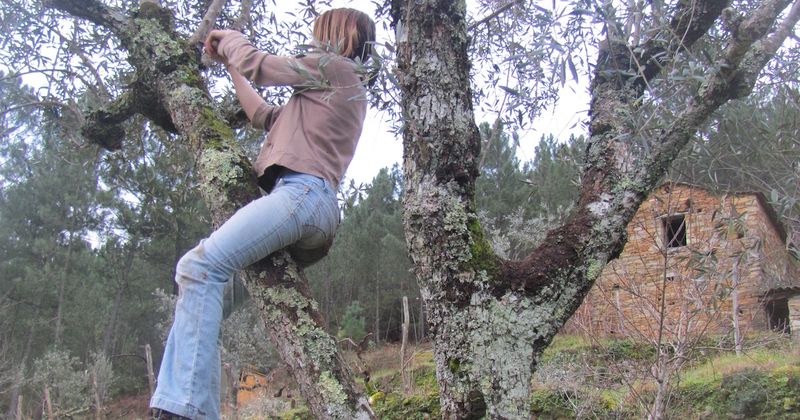
The waning April moon is ideal for pruning trees and shrubs, reducing sap loss and promoting healthy regrowth. This practice maximizes the moon’s influence on plant vitality, utilizing its phases to guide gardening activities.
As the moon retreats, it signals a time for careful pruning, where plants can rejuvenate. This connection to the lunar cycle highlights a respect for nature’s timing, ensuring that each cut made is both purposeful and beneficial.
Gardeners embrace this wisdom, trusting the moon’s quiet guidance to shape their green spaces with intention and care.
10. Moon Halos Mean Rain
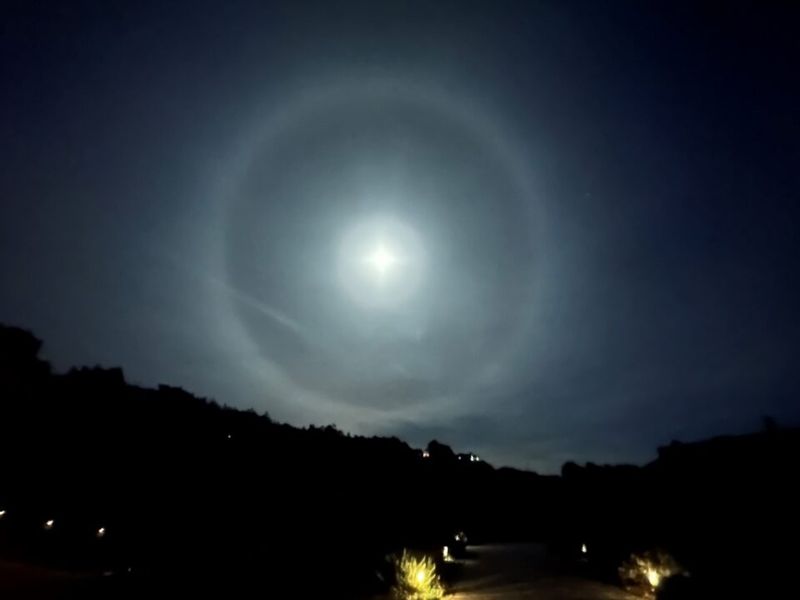
The saying “A halo around the moon in April foretells rain soon” serves as a helpful guide for gardeners. This atmospheric phenomenon, a ring of light encircling the moon, hints at impending rain, offering valuable insight for those planning to sow seeds or transplant.
The moon, with its haloed glow, acts as a celestial weather predictor, aligning natural signals with gardening efforts. Gardeners who heed this sign find themselves better prepared for the elements, embodying a proactive approach to nurturing their plants.
This lore enriches the gardener’s toolkit, blending observation with practical action.