 Complete Gardening
Louisiana gardeners have a few tricks up their sleeves when it comes to keeping their gardens free from pests. These unconventional methods not only add a unique touch to gardening but also ensure that your plants thrive without the nuisance of unwanted guests. Here are seven unusual items that have become secret weapons for those in the know.
Coffee Grounds
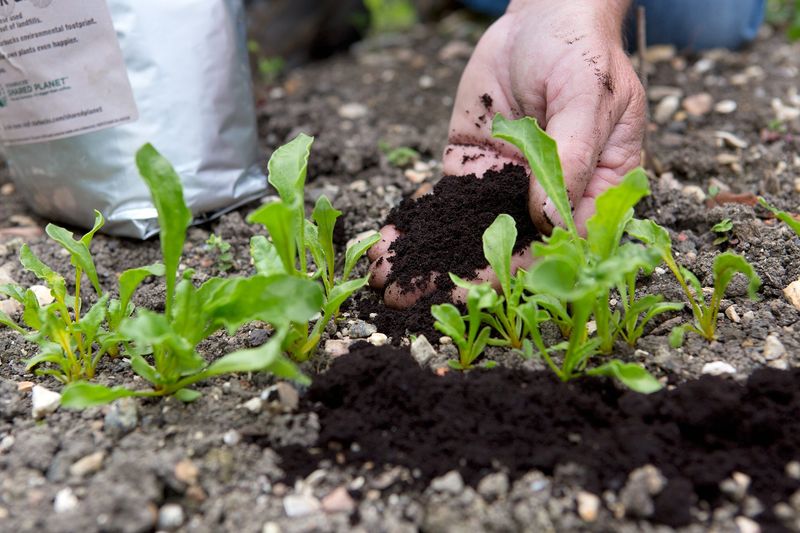
Who would’ve thought that your morning cup of joe could double as a pest deterrent? Coffee grounds are a natural way to ward off slugs and snails. Simply sprinkle them around your plants.
Beyond their pest-repelling qualities, coffee grounds enrich the soil with nitrogen. This helps to improve drainage and aeration. Plus, they add a boost of energy to your garden.
While coffee grounds are loved by gardeners, it’s essential to use them in moderation to maintain the soil’s pH balance.
Marigolds
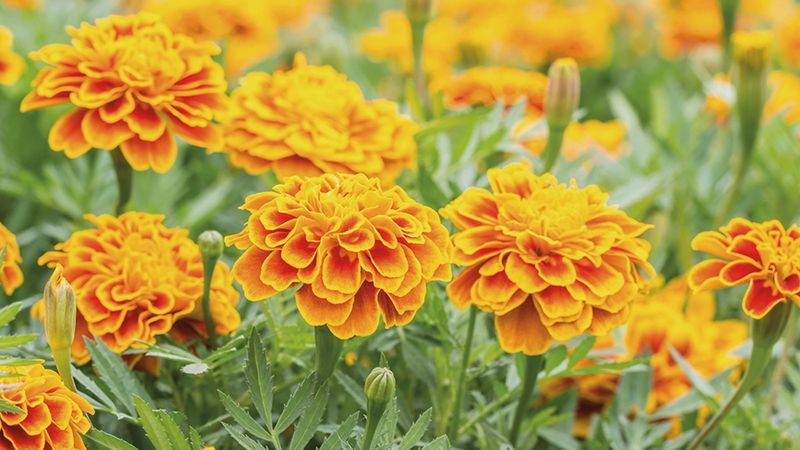
Marigolds are not just pretty blooms; they are the unsung heroes of pest control in gardens. Their scent is known to repel nematodes, aphids, and even rabbits. Plant them along the borders of your garden.
In addition to their pest-deterring abilities, marigolds bring a burst of color to any garden. Their vibrant hues can uplift the look of your garden while keeping pests at bay.
Interestingly, marigolds have been used in gardens for centuries. Their historical significance adds a touch of tradition to modern gardening practices.
Beer Traps
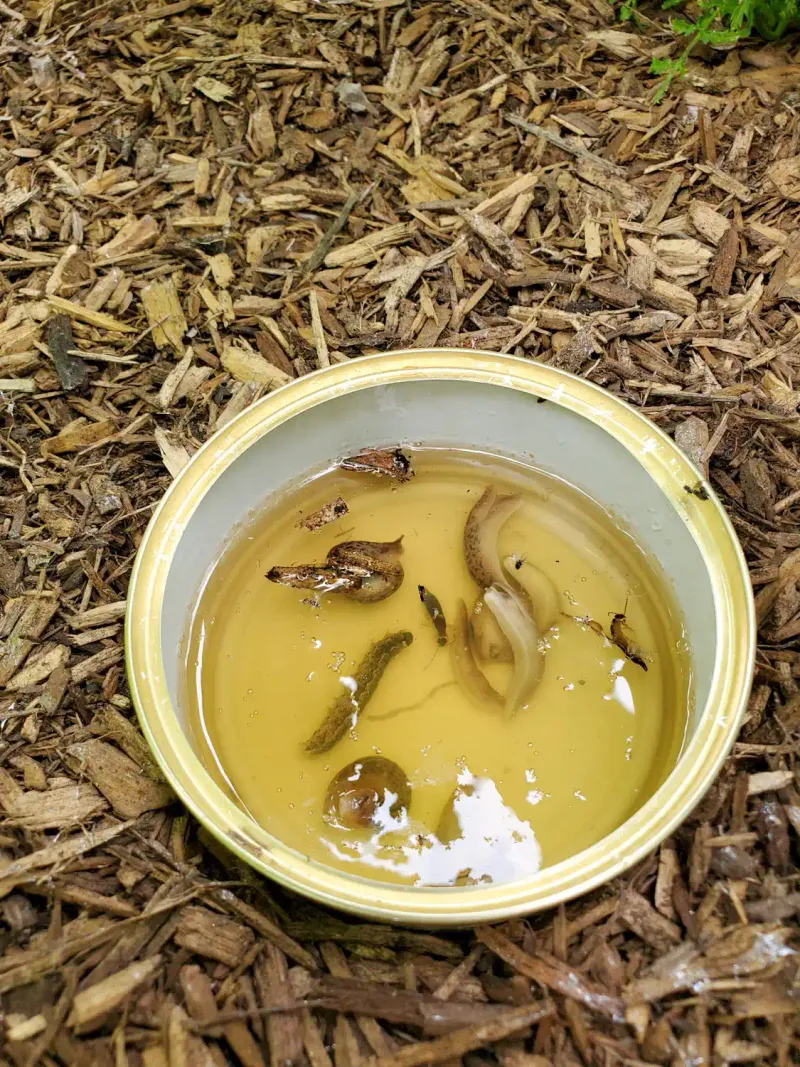
For those who enjoy a cold brew, beer traps are an unexpected yet effective method for controlling snails and slugs. Fill a small container with beer and bury it up to the rim in the soil.
The slugs are drawn to the yeast in the beer, which lures them away from plants. It’s a simple and organic solution that gardeners appreciate.
While it may sound unusual, this method has proven to be quite effective. It combines leisure with utility in the garden.
Eggshells

Eggshells are a surprising tool in the gardener’s arsenal. When crushed and sprinkled around plants, they form a barrier that deters crawling pests like snails and slugs.
The sharp edges of the shells make it difficult for these pests to cross, protecting your plants in a natural way. Additionally, eggshells decompose over time, enriching the soil with calcium.
Gardening enthusiasts appreciate the dual benefits of this approach, which combines pest control with soil enhancement.
Garlic Spray
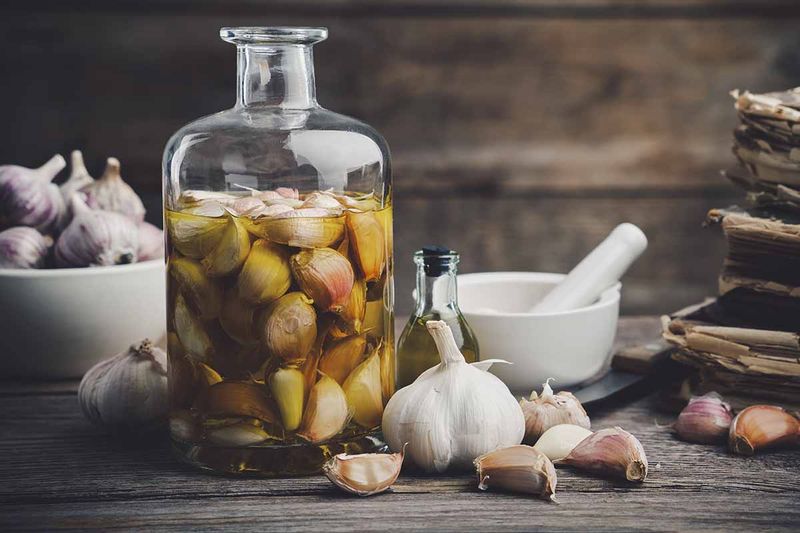
Garlic spray is a pungent ally in the battle against garden pests. Its strong odor repels a variety of insects, including aphids and mosquitoes. To make it, simply blend garlic with water and spray it on your plants.
This natural pesticide is cost-effective and easy to prepare. Gardeners praise its ability to keep bugs at bay without harmful chemicals.
Moreover, garlic sprays have been a part of traditional farming practices for generations, showcasing their enduring effectiveness.
Diatomaceous Earth
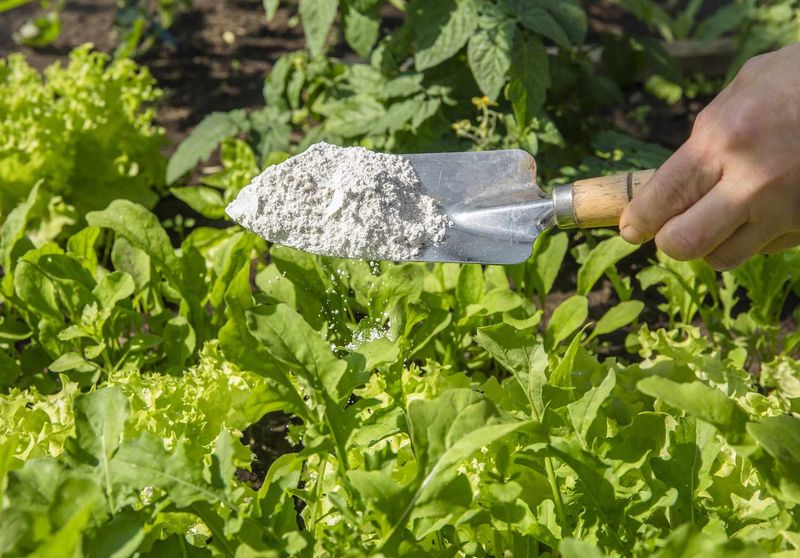
Diatomaceous earth is a fine powder that proves to be a formidable opponent against soft-bodied insects. When dusted over plants, it dehydrates and kills pests like mites and fleas.
Gardeners value its non-toxic nature, making it safe for both humans and pets. It’s a versatile solution that fits seamlessly into organic garden routines.
Furthermore, its fossilized origin adds a fascinating geological twist to its practical use in modern gardening.
Neem Oil
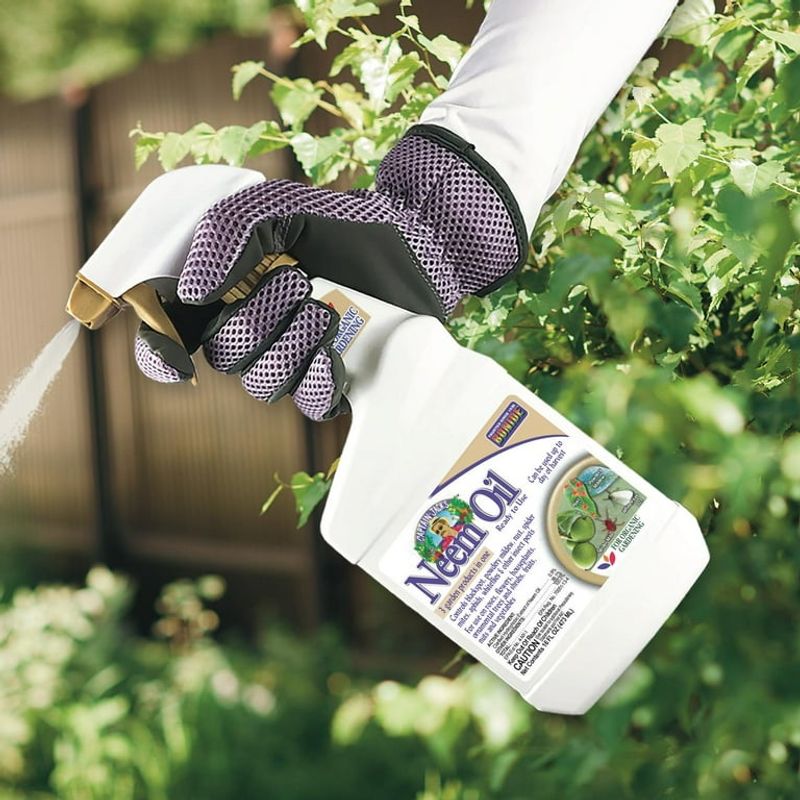
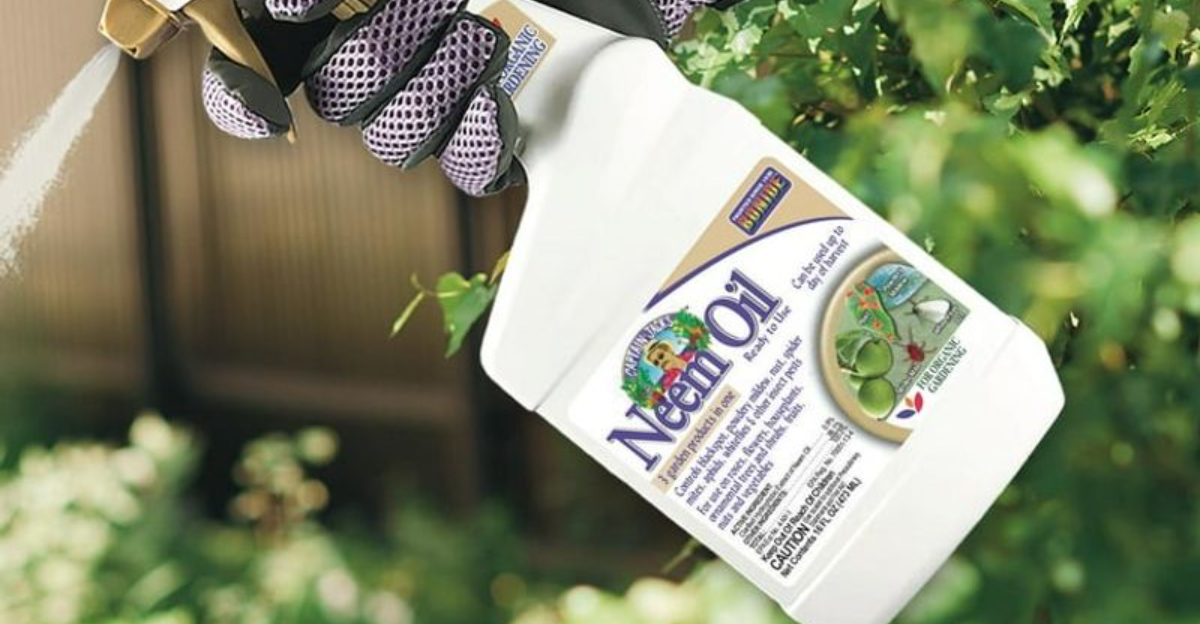
Neem oil is a staple in organic gardening for its ability to combat a wide range of pests. Extracted from the seeds of the neem tree, it disrupts the life cycle of insects like whiteflies and caterpillars.
This oil is cherished for its eco-friendly profile, as it doesn’t harm beneficial insects when used correctly. It’s a holistic approach to pest management that aligns with sustainable gardening practices.
The ancient roots of neem oil use in agriculture add depth to its role in contemporary gardens.