 Complete Gardening
Connecticut’s short growing season presents a unique challenge for vegetable gardeners. With the last frost lingering in spring and the first frost arriving early in fall, maximizing your harvest requires careful planning and specific techniques. Whether you’re a seasoned gardener or a newcomer to the world of horticulture, these ten tips will help you make the most of your garden space and time.
1. Choose Fast-Growing Varieties
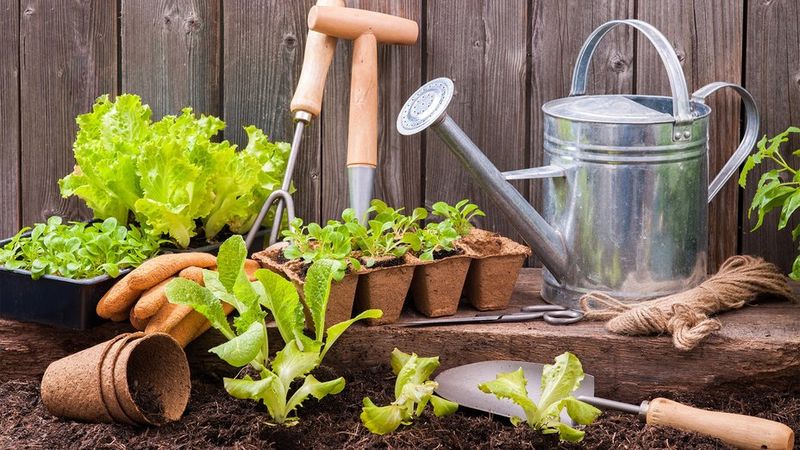
Selecting vegetables that mature quickly is crucial in Connecticut’s brief growing window. Varieties like radishes, lettuce, and spinach are excellent choices because they can be harvested in as little as four to six weeks. This allows gardeners to maximize yield in limited time.
Consider planting multiple rounds of these quick crops to keep your garden producing throughout the season. Staggered planting ensures that as one batch is harvested, another is ready to grow, providing continuous fresh produce.
This strategic approach not only increases output but also adds variety to your daily meals.
2. Use Raised Beds
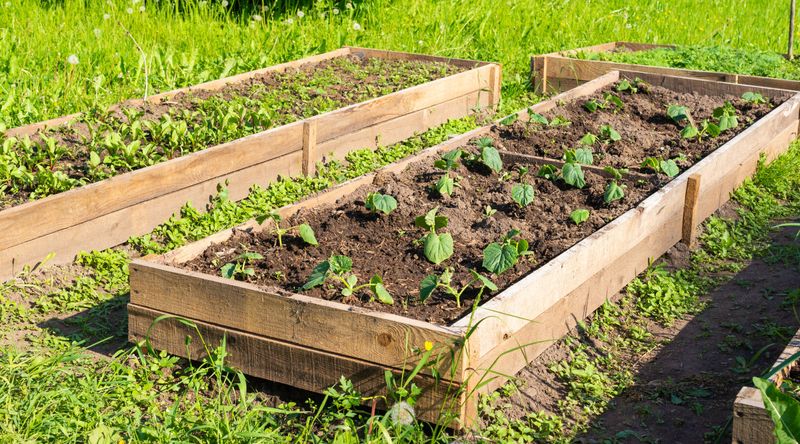
Raised beds offer significant advantages for Connecticut gardeners. They improve drainage and allow the soil to warm up faster in spring, helping seeds germinate quickly. This is particularly beneficial in areas with heavy clay soils that retain water.
By elevating the soil, raised beds also reduce compaction, allowing roots to spread more easily and absorb nutrients. This method can lead to healthier plants and increased yields.
Additionally, raised beds can extend the gardening season by enabling early planting and protecting plants from unexpected frosts.
3. Start Seeds Indoors
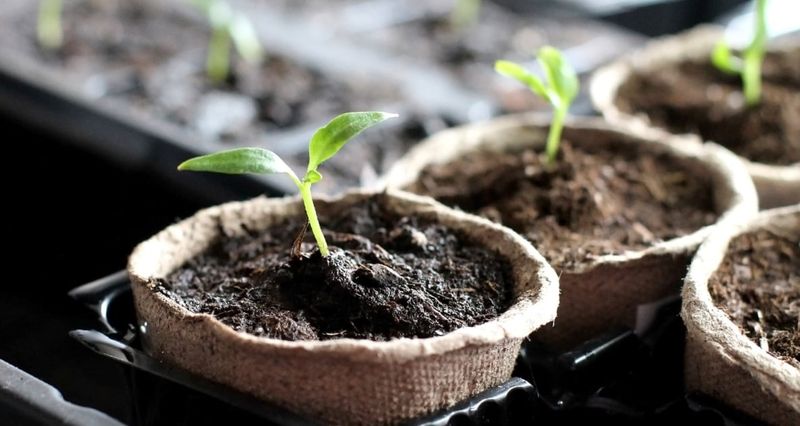
Starting seeds indoors is a proactive way to combat Connecticut’s short growing season. By germinating seeds in a controlled environment, you give plants a head start, allowing them to mature faster when transplanted outdoors.
This method is especially useful for warm-weather crops like tomatoes and peppers, which benefit from a longer growing period. Using grow lights and heat mats can further enhance seedling development.
Transplanting robust seedlings into your garden ensures they are established and ready to thrive once the weather warms.
4. Implement Season Extenders
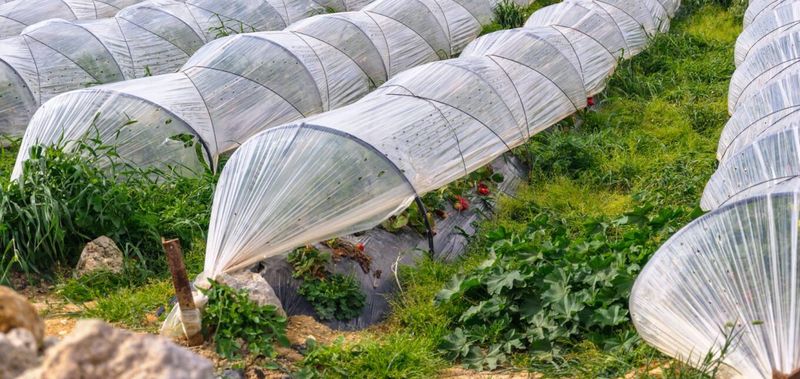
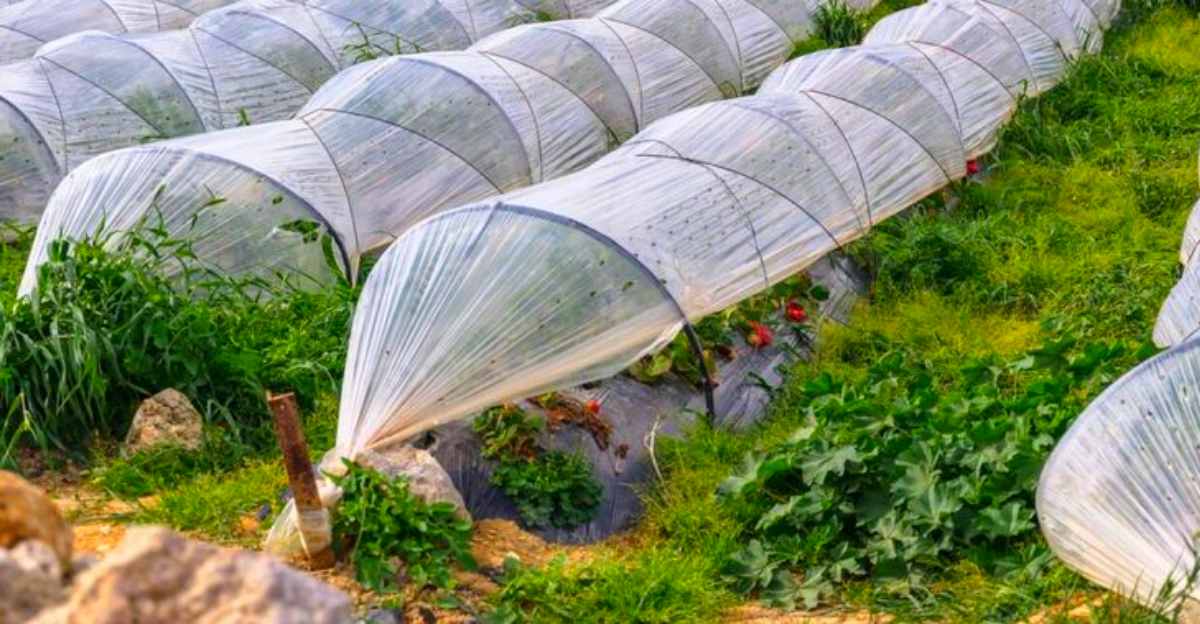
Season extenders like row covers, cold frames, and cloches are essential tools for Connecticut gardeners. These devices protect plants from frost and allow for earlier planting by trapping heat and shielding crops from harsh weather.
Using these extenders can make a significant difference in the length and quality of your harvest. They allow gardeners to start planting weeks before the last frost date and continue growing even after the first frost of fall.
This added flexibility helps maximize the productivity of your vegetable garden throughout the year.
5. Companion Planting
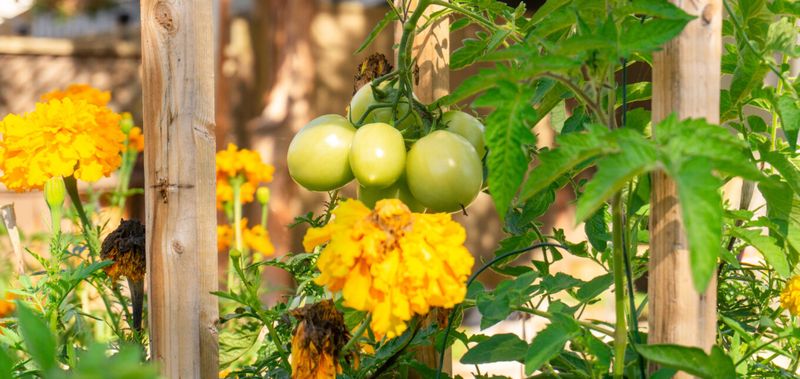
Companion planting is a time-honored technique that benefits Connecticut gardeners by enhancing plant growth and deterring pests naturally. Pairing certain plants together can improve health and yields; for example, marigolds with tomatoes ward off nematodes and other pests.
This method also optimizes garden space, allowing for diverse plant communities that support each other. Such strategic planting can create a balanced ecosystem, reducing the need for chemical interventions.
Embracing companion planting leads to a healthier garden environment and more robust crops.
6. Mulch for Moisture Retention
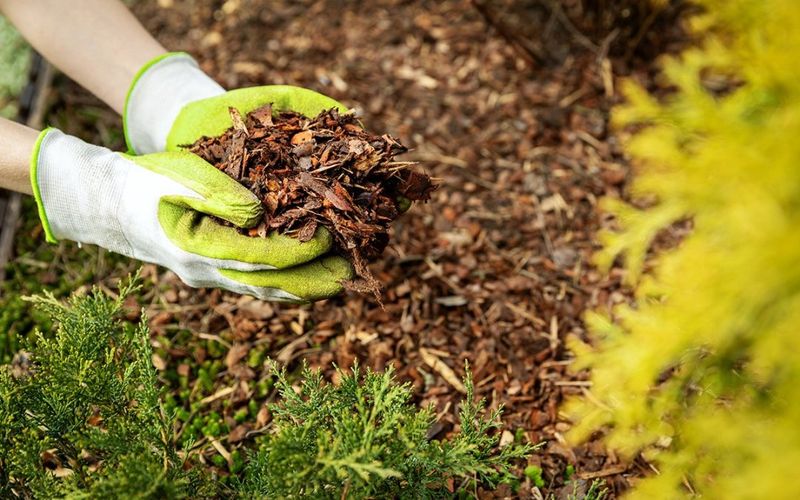
Mulching is a simple yet powerful technique for maintaining soil moisture in Connecticut’s gardens. By covering the soil with materials like straw, wood chips, or grass clippings, you help retain moisture and reduce evaporation rates.
Mulch also suppresses weeds, minimizing competition for nutrients and water. This leads to healthier plants and less maintenance for the gardener. Additionally, as mulch breaks down, it enriches the soil with organic matter, improving its structure and fertility.
Applying mulch is an effective way to promote sustainable gardening practices and enhance plant growth.
7. Succession Planting
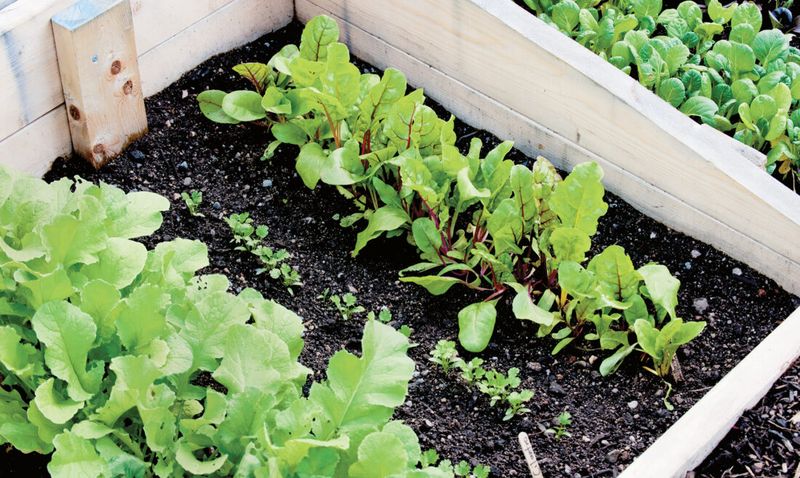
Succession planting is a valuable strategy for gardeners in Connecticut, allowing for continuous harvests throughout the growing season. By planting different crops at intervals, you ensure a steady supply of fresh produce.
This technique is particularly useful for leafy greens and root vegetables that mature at different times. Planning your succession planting schedule can maximize your garden’s productivity and provide a variety of vegetables over time.
Embracing this approach keeps your garden dynamic and constantly yielding fresh, nutritious food.
8. Select Cold-Tolerant Varieties
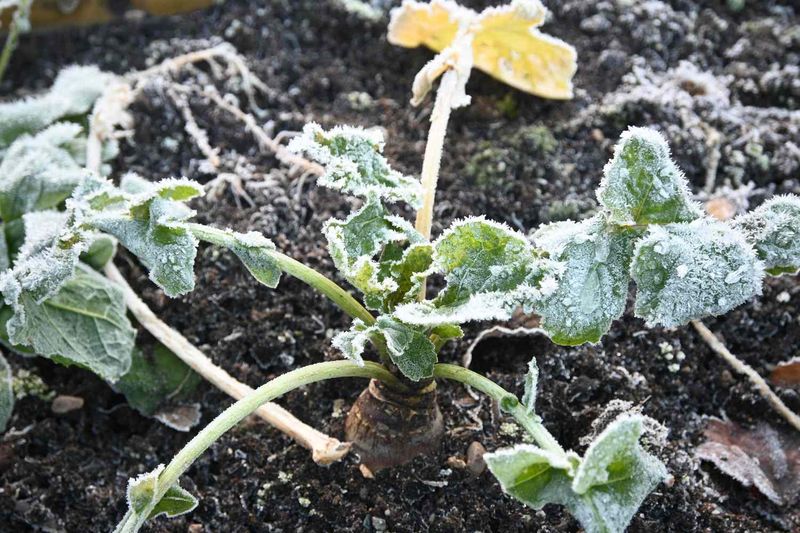
Choosing cold-tolerant vegetable varieties is essential for success in Connecticut’s unpredictable climate. Hardy plants like kale, Brussels sprouts, and Swiss chard thrive in cooler temperatures and can withstand light frosts.
These resilient crops extend your growing season, allowing you to plant earlier in spring and harvest later into fall. Their ability to flourish in cold weather ensures a continuous supply of fresh produce even when temperatures drop.
Incorporating these varieties into your garden guarantees a robust harvest, despite the challenges of a short season.
9. Water Wisely
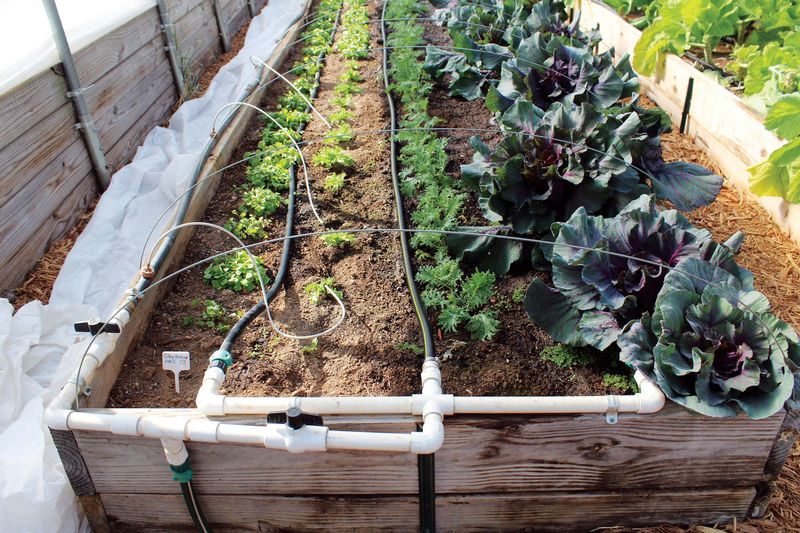
Effective irrigation is crucial for maintaining a healthy garden in Connecticut’s varied climate. Opting for drip irrigation systems or soaker hoses helps deliver water directly to the root zone, minimizing waste and promoting deep root growth.
Watering in the early morning or late afternoon reduces evaporation and ensures plants receive adequate hydration. Monitoring soil moisture levels and adjusting watering schedules accordingly can also prevent over- or under-watering.
Practicing wise water management supports plant health and conserves precious resources.
10. Plan for Pest Management
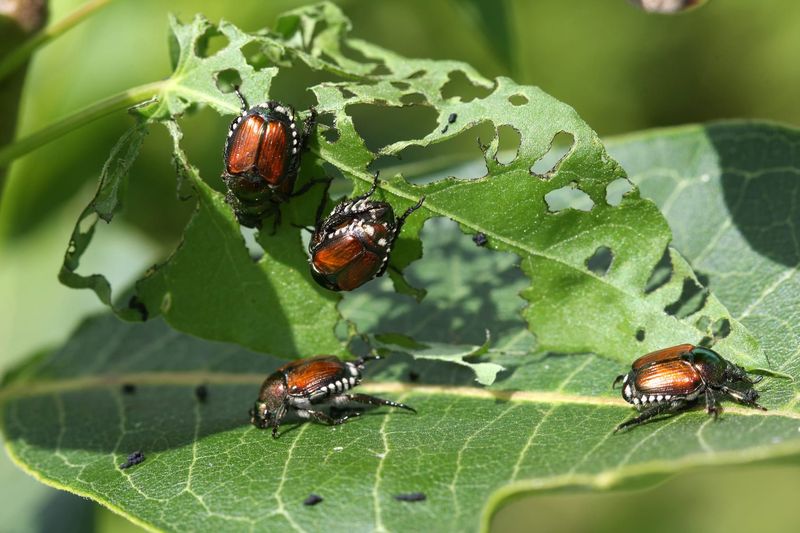
Pest management is a critical component of successful gardening in Connecticut. Implementing integrated pest management (IPM) strategies minimizes damage while promoting ecological balance. Using organic solutions like neem oil and insect barriers keeps pests at bay without harming beneficial insects.
Regularly inspecting plants for signs of infestation and removing affected leaves can also reduce the spread of pests. Encouraging natural predators like ladybugs and birds further supports a healthy garden ecosystem.
Proactive pest management ensures your garden remains vibrant and productive throughout the season.