 Complete Gardening
Colorado’s climate is known for its cool and crisp nights, a factor that certain vegetables absolutely love. This unique environment can pose challenges for some gardeners, but it also presents opportunities to grow vegetables that thrive under these conditions. Here are ten vegetables that not only survive but flourish in Colorado’s cool night temperatures.
1. Kale
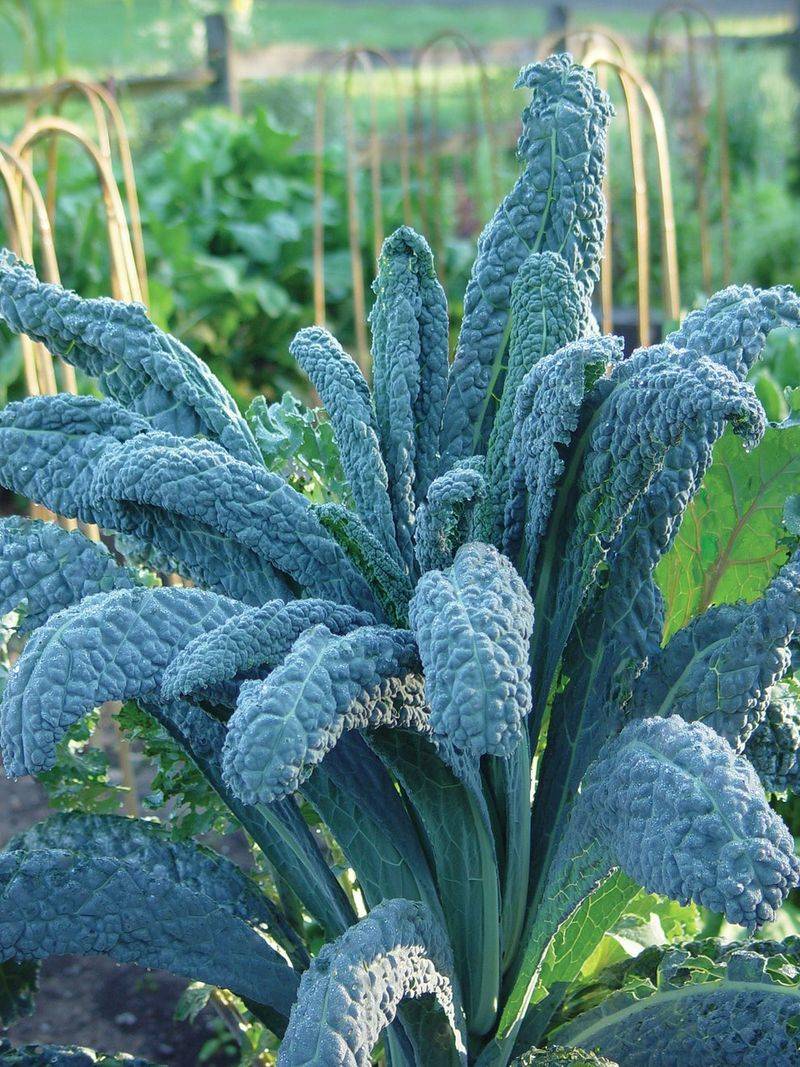
Kale, often celebrated for its resilience, relishes Colorado’s chilly evenings. Its leaves become sweeter and more tender after exposure to frost. Known for its robust flavor, kale can be sautéed, blended, or tossed into salads, offering versatility in the kitchen.
This leafy green is a staple in cold climates, thriving in gardens where others might wither. With a history of cultivation dating back centuries, kale continues to be a gardener’s favorite for its hardiness and nutritional value.
2. Spinach
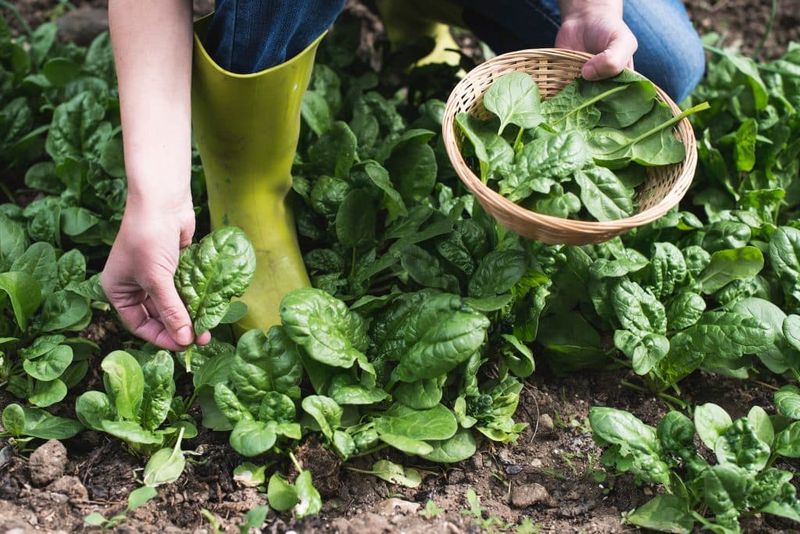
Spinach stands tall among vegetables that favor a cooler climate. Its ability to withstand the cold makes it an ideal crop for Colorado gardens. The nutrient-rich leaves are perfect for salads, stir-fries, or smoothies, providing a burst of vitamins.
Historically, spinach has been associated with strength and vitality, often linked to its high iron content. Its adaptability to various climates ensures it remains a beloved choice for gardeners worldwide.
3. Carrots
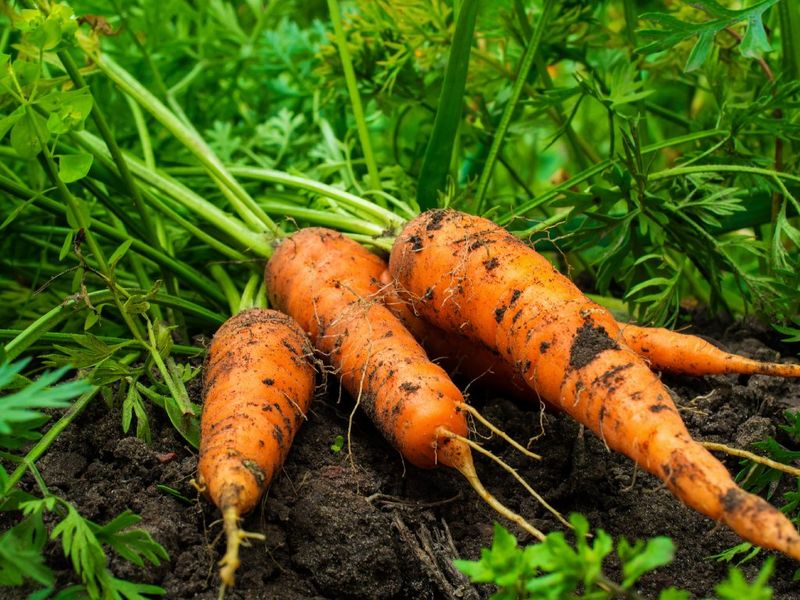
Carrots are not just for rabbits! These root vegetables enjoy the cool, crisp nights of Colorado. The cold conditions enhance their sweetness, making them a delightful addition to any dish.
Their bright orange hue is a feast for the eyes, hinting at the beta-carotene packed within. Carrots have been cultivated for thousands of years, prized for their flavor and versatility in the kitchen.
4. Beets
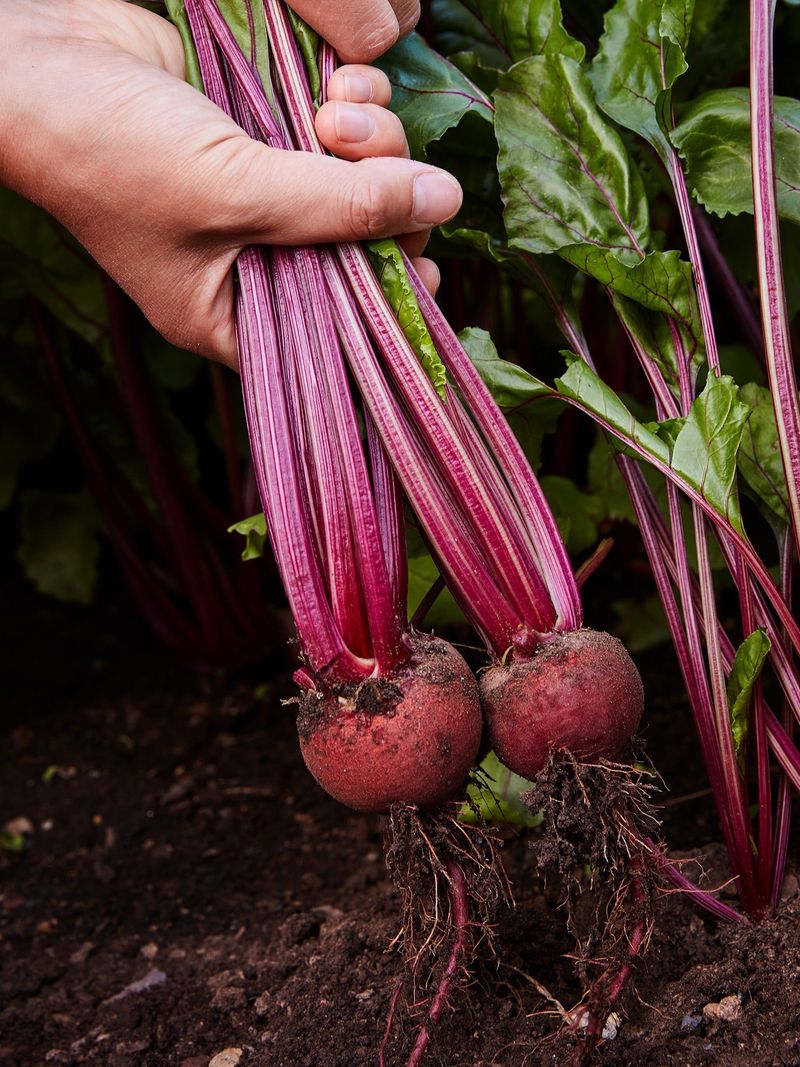
Beets, with their earthy sweetness, find a perfect home in the cool nights of Colorado. Their vibrant color and versatility make them a favorite among gardeners and chefs alike.
These root vegetables are more than just a delicious addition to meals; they carry a rich history and are known for their nutritional benefits. Whether roasted, boiled, or pickled, beets add a unique flavor to any table.
5. Lettuce
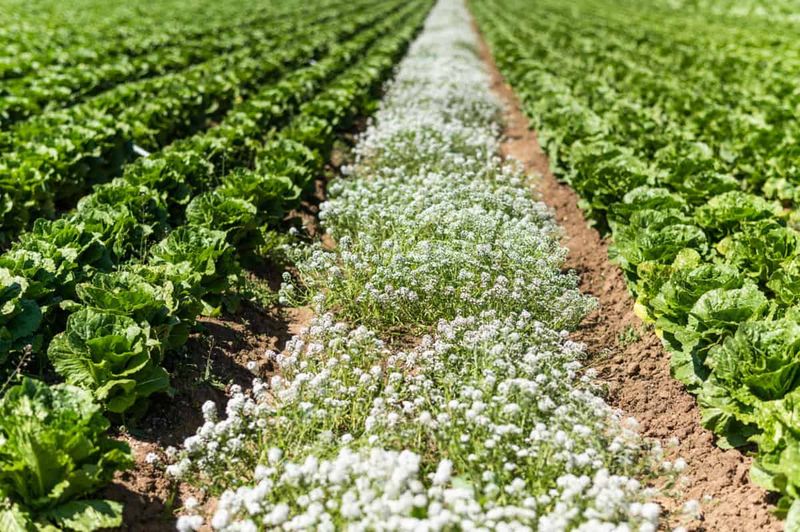
Lettuce is synonymous with cool weather gardening. The cool nights of Colorado help preserve its crisp texture and mild flavor, making it a refreshing addition to salads.
As one of the earliest cultivated crops, lettuce has been a part of human diets for centuries. Its adaptability and rapid growth make it a garden staple, thriving where others might struggle.
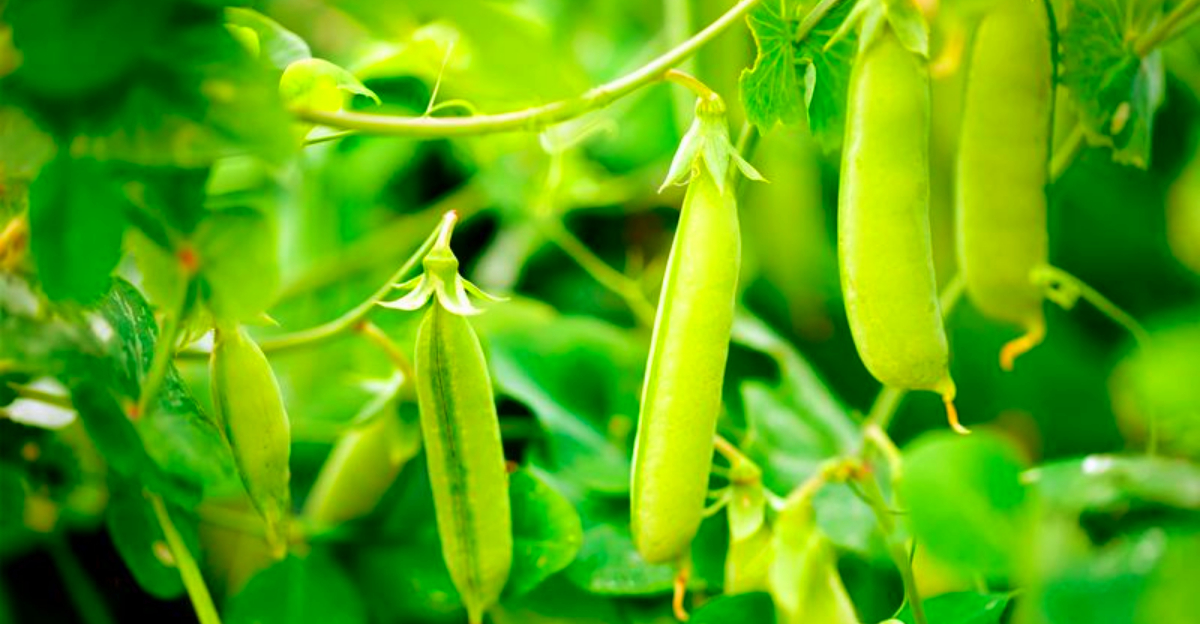
6. Peas
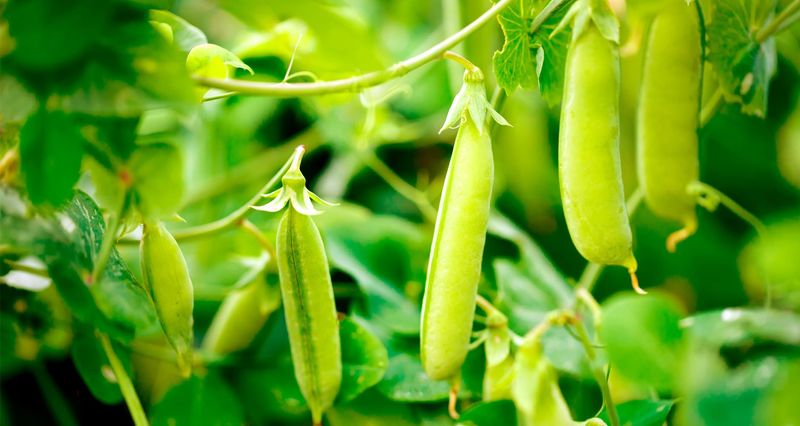
Peas are a gardener’s delight, especially in cooler climates like Colorado. The gentle embrace of cool nights encourages their growth, resulting in sweet and tender pods.
These legumes are not only delicious but also play an essential role in enriching the soil with nitrogen. Their vibrant green color and sweet taste make them a favorite in various dishes.
7. Radishes
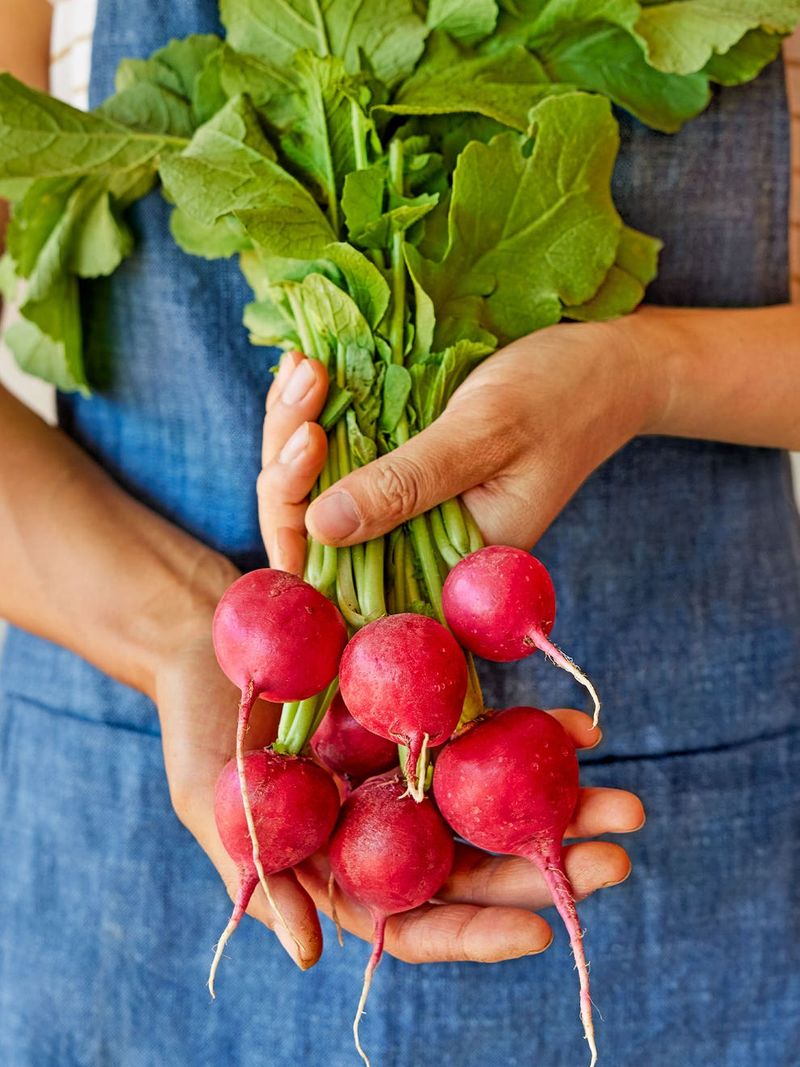
Radishes are the epitome of a quick-growing crop, thriving in the cooler temperatures of Colorado’s nights. Their peppery flavor adds a kick to salads and sandwiches.
These root vegetables have been cultivated since ancient times, known for their fast growth and unique taste. They are perfect for gardeners looking for quick and rewarding results.
8. Broccoli
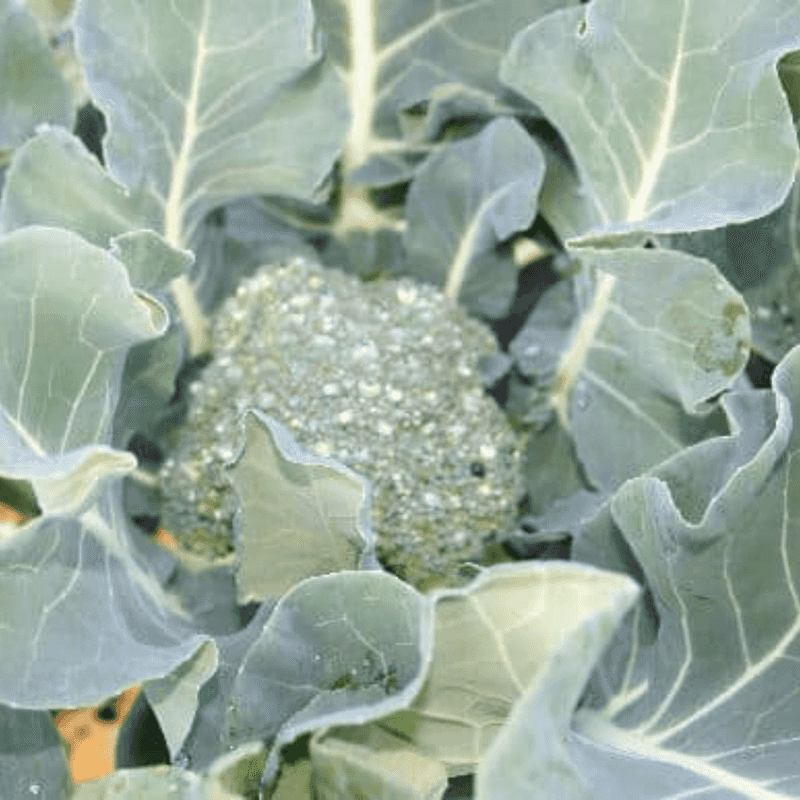
Broccoli’s preference for cooler climates makes it a perfect fit for Colorado gardens. The cool nights enhance its flavor, providing a crisp and slightly sweet taste.
Rich in vitamins and minerals, broccoli has been cherished since Roman times. Its versatility in cooking and health benefits make it a staple in many households.
9. Cauliflower
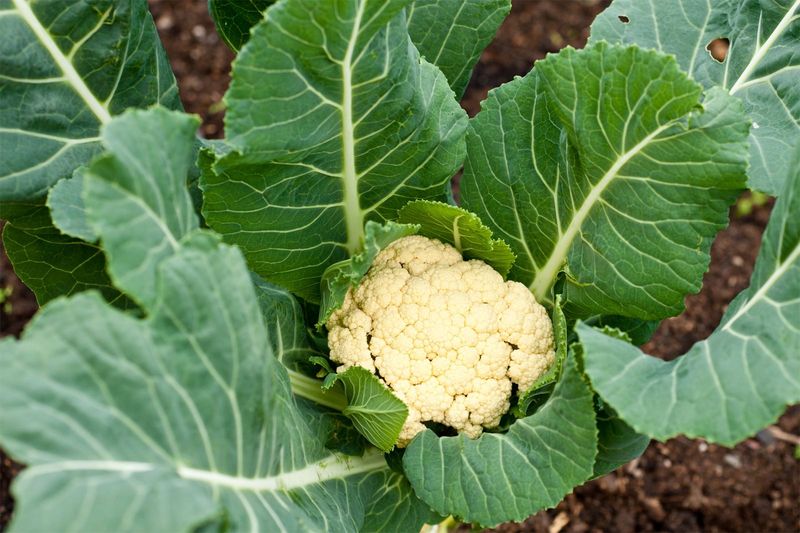
Cauliflower is another vegetable that finds comfort in the cool nights of Colorado. The conditions help maintain its firm texture and mild, nutty flavor.
This cruciferous vegetable has gained popularity for its versatility, often used as a substitute for grains and meats. Its nutritional benefits and adaptability make it a favorite among health-conscious eaters.
10. Brussels Sprouts
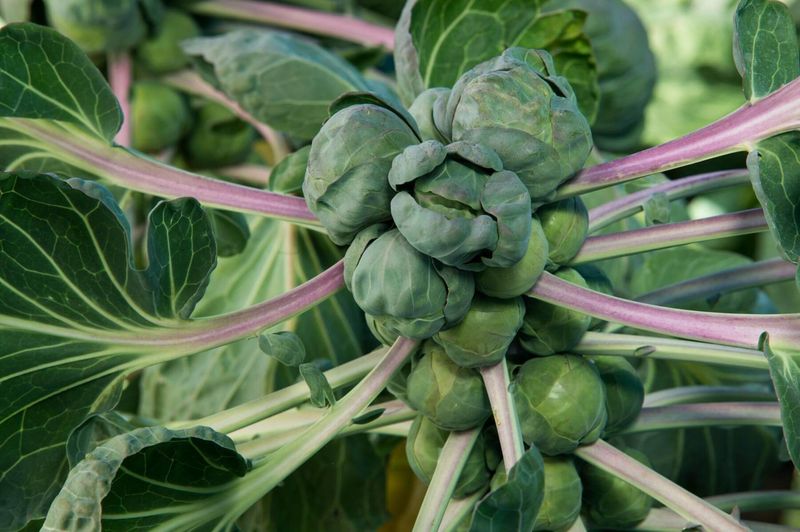
Brussels sprouts, with their compact, leafy heads, thrive in the cool night air of Colorado. Their flavor becomes more pronounced after being kissed by frost.
These miniature cabbages are not only tasty but also packed with vitamins, making them a nutritious addition to any meal. Their unique growing pattern and taste have captivated gardeners for generations.