 Complete Gardening
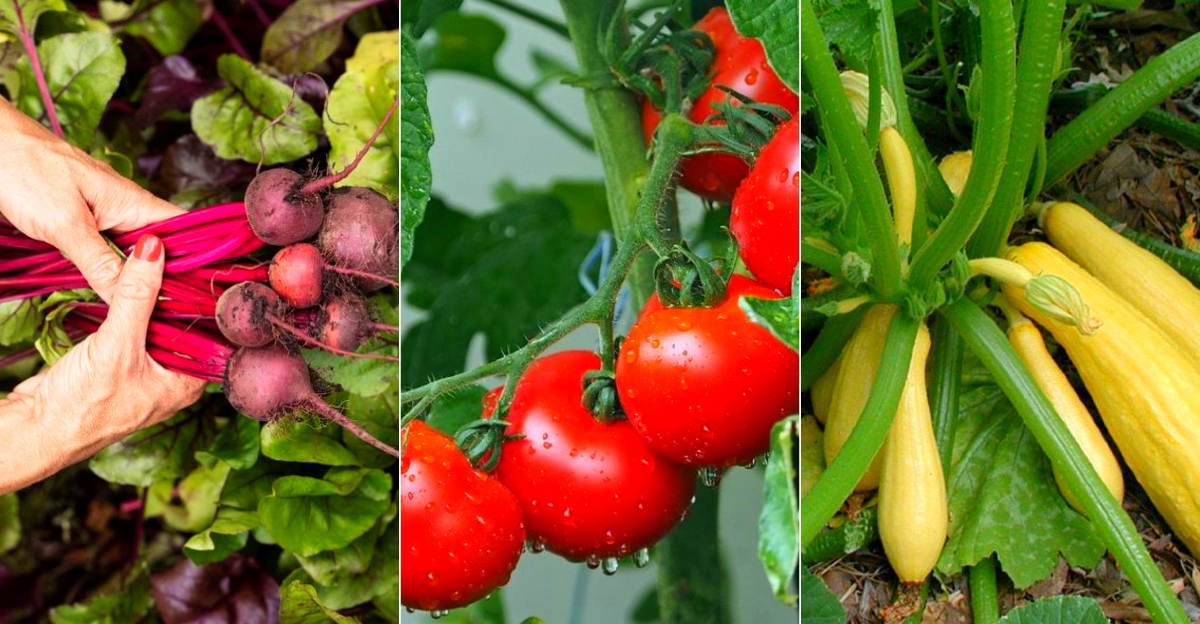
Pennsylvania’s clay soil can be challenging for many gardeners, but certain vegetables flourish in this environment. These hardy plants are well-suited to the dense, nutrient-rich soil, providing bountiful harvests for those willing to embrace the unique qualities of clay. Below, we explore ten vegetables that not only survive but thrive in Pennsylvania’s clay soil, offering both seasoned gardeners and novices a delightful growing experience.
1. Carrots
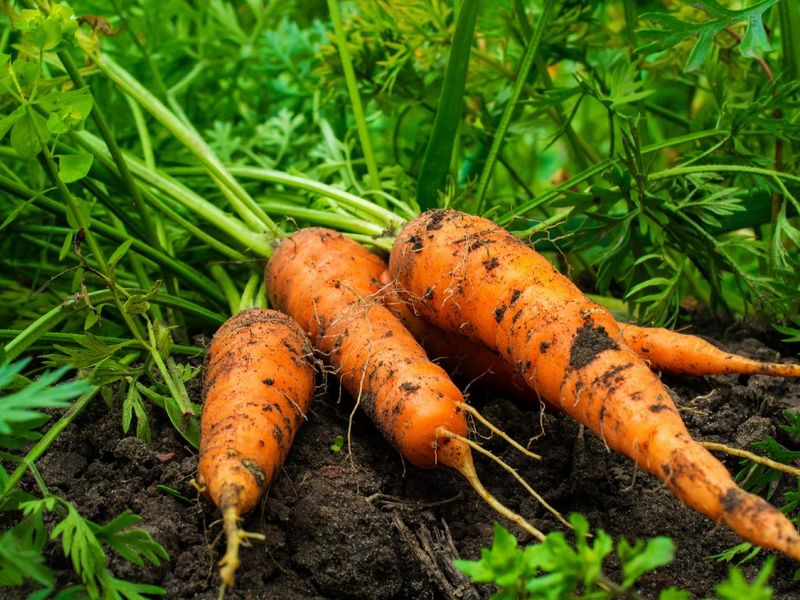
Carrots are a popular choice for gardeners dealing with clay soil. Their long roots can penetrate dense soil, drawing nutrients from deep within. Starting with a sandy top layer can improve their growth.
Thin your carrot seedlings to avoid overcrowding, which helps each plant reach its full potential. Water consistently to ensure they don’t dry out in the heavy clay.
Did you know? The vibrant orange color of carrots was cultivated in the Netherlands in the 17th century to honor the House of Orange.
2. Potatoes
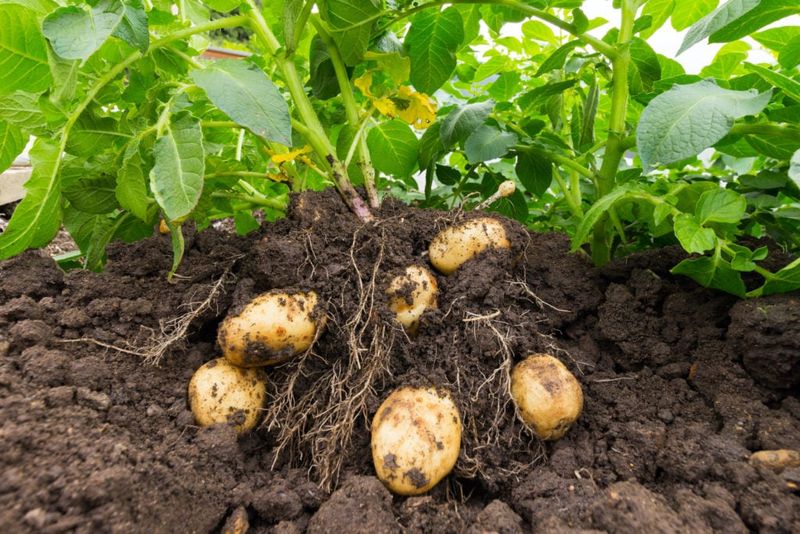
Potatoes thrive in clay soil due to their strong roots and tubers. This starchy staple can break through compacted soil layers, making them ideal for such conditions.
Plant potatoes with ample space to allow their roots to spread and tubers to develop. Hilling the soil around them helps protect these tubers from sunlight.
Fun Fact: Potatoes were first cultivated in the Andes Mountains of South America and have since become a global staple.
3. Beans
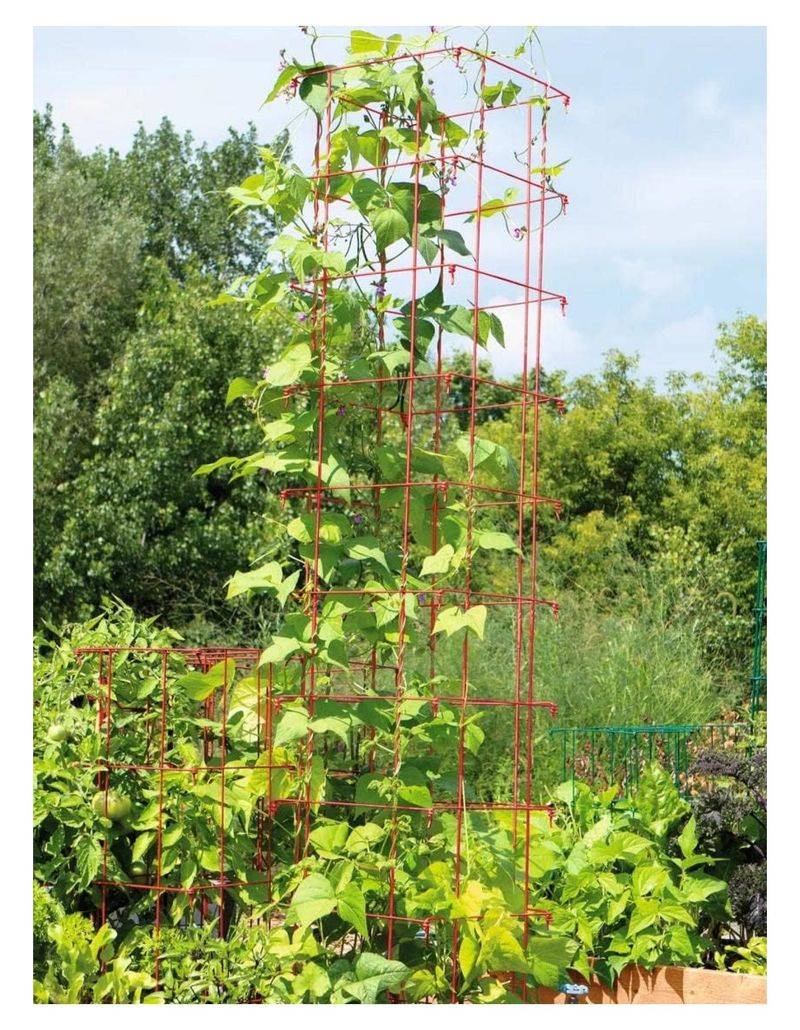
Beans are natural nitrogen fixers, making them highly beneficial for clay soils. Their robust root systems help break up the soil, improving overall structure.
Opt for pole beans to maximize vertical growing space. This can also enhance air circulation around the plants, reducing disease risk.
Interesting tidbit: Beans have been cultivated for thousands of years, with evidence of bean farming dating back to ancient Peru.
4. Tomatoes
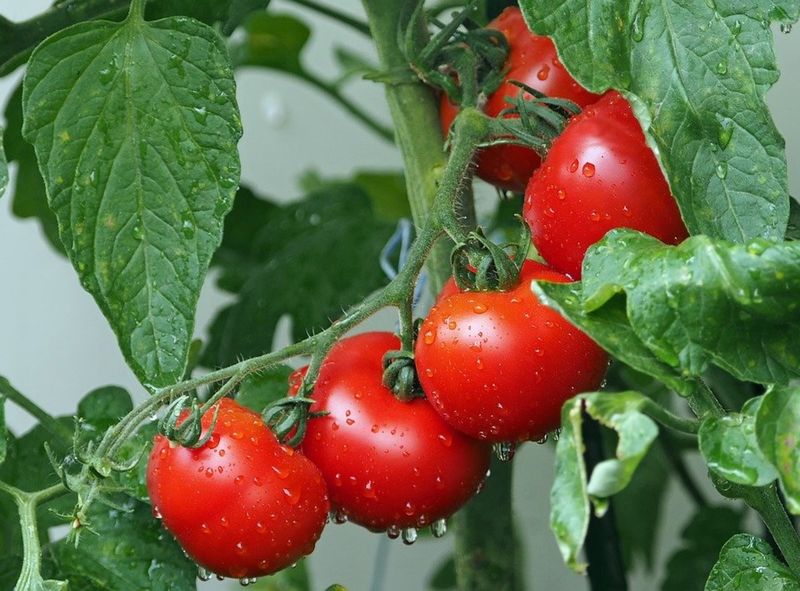
Tomatoes thrive in the nutrient-rich environment of clay soil, given ample sunlight and water. Their vigorous growth habit suits the dense earth well.
Stake or cage tomato plants to support their weight as they fruit. Regular pruning helps maintain airflow and reduces disease.
Historical note: Tomatoes were once thought to be poisonous in the 18th century due to their relation to the nightshade family.
5. Cabbage
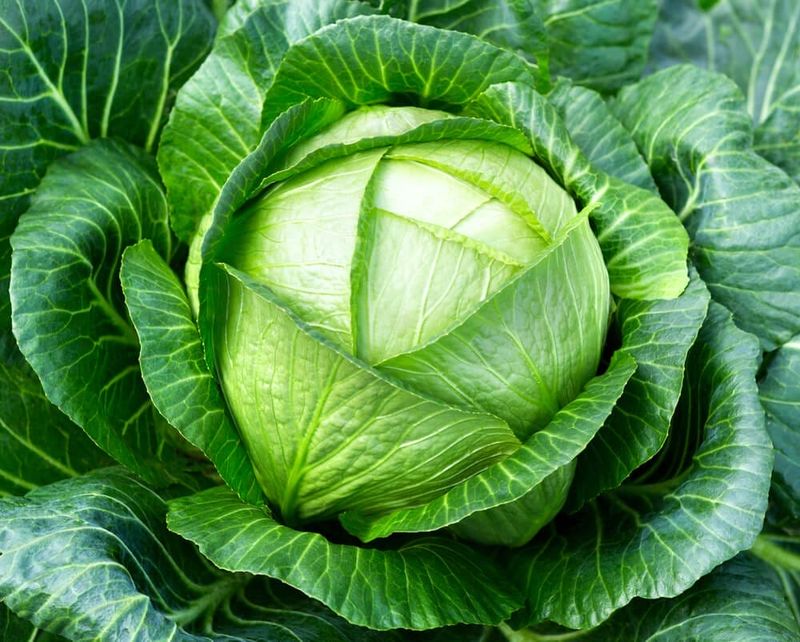
Cabbage is well-suited to clay soil, benefiting from its ability to retain moisture and nutrients. These leafy greens prefer a slightly acidic pH.
Space cabbage plants adequately to allow air circulation, which helps prevent common pests and diseases. Regular watering is essential during dry periods.
Did you know? The heaviest cabbage on record weighed over 138 pounds and was grown in Alaska.
6. Kale
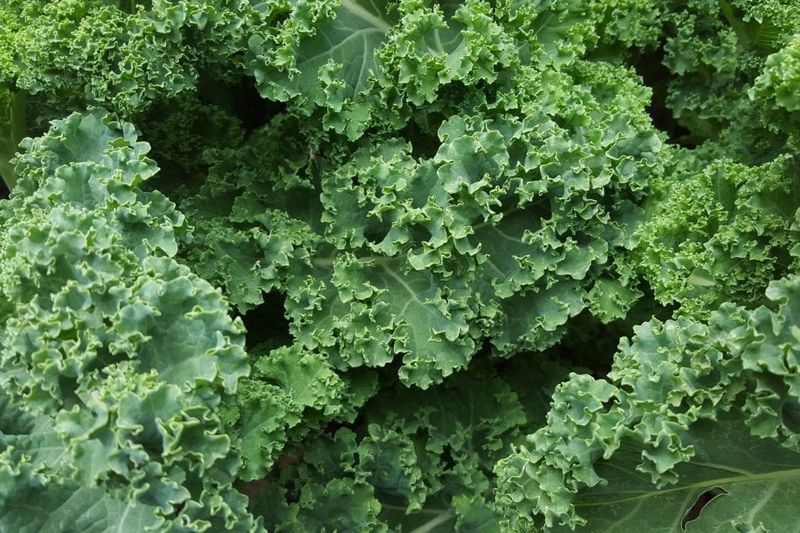
Kale’s hardy nature makes it perfect for clay soils, as it can withstand compact conditions and still produce abundant leafy greens.
Harvest kale leaves regularly to encourage new growth. Mulching the soil can help retain moisture and prevent weeds.
Fun Fact: Kale was a staple food during World War II in the UK due to its nutrient density and ease of cultivation.
7. Beets
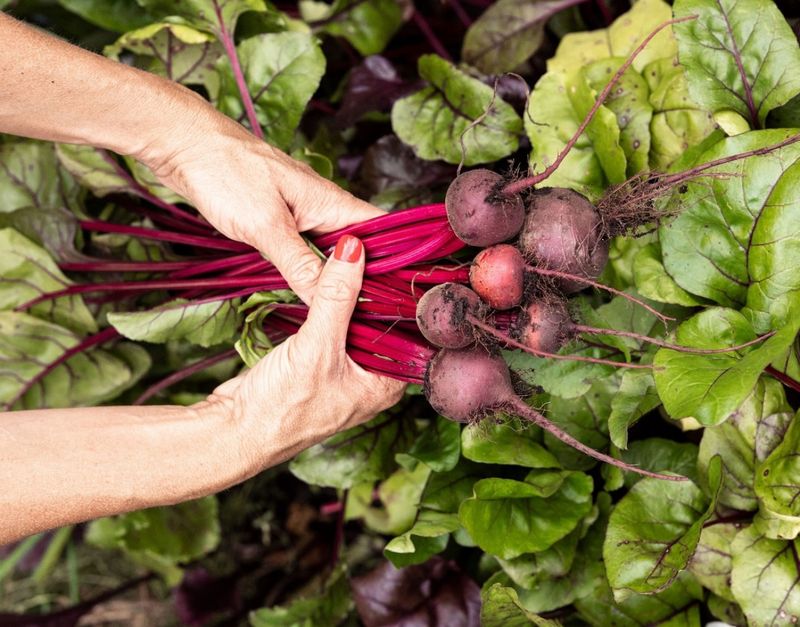
Beets are root vegetables that excel in clay soils, drawing up nutrients through their robust roots. They tolerate heavy soils better than many others.
Thin beet seedlings to avoid competition, allowing each plant to grow large and sweet. Consistent watering is key to maintain soil moisture.
Interesting Fact: Ancient Romans used beets for medicinal purposes and believed they were an aphrodisiac.
8. Squash
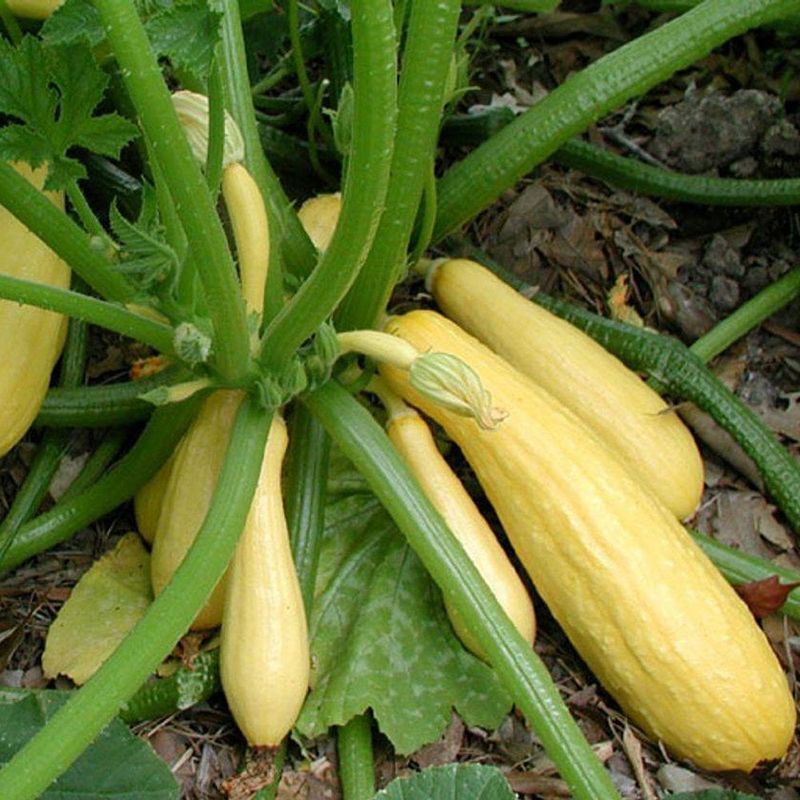
Squash plants thrive on the nutrients held in clay soil and can spread broadly, making them ideal for gardens with space.
Support sprawling vines with trellises, if needed, to save space and improve air circulation. This can also aid in managing pests.
Quirky Fact: The word “squash” comes from the Narragansett Native American word “askutasquash,” meaning “eaten raw or uncooked.”
9. Onions
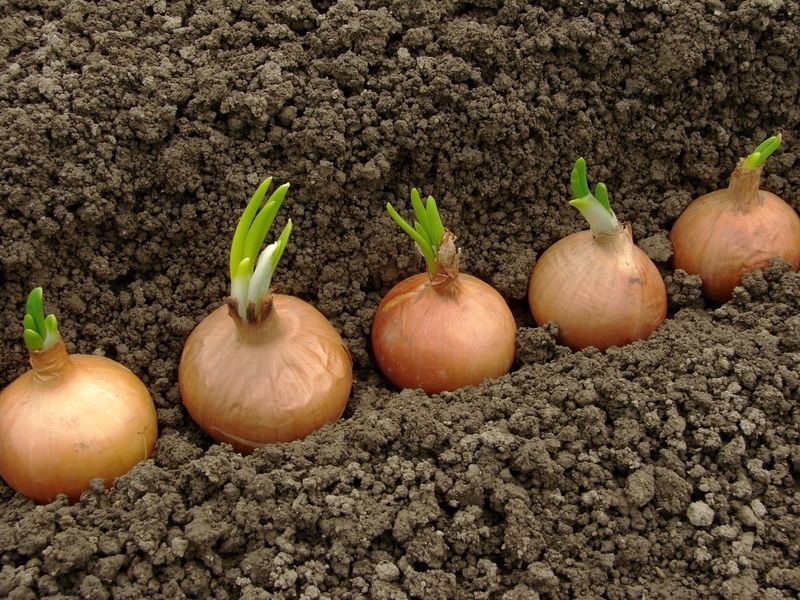
Onions flourish in clay soil, which holds nutrients essential for bulb development. Their shallow roots benefit from the soil’s moisture retention.
Plant onions in rows to optimize space and ease harvest. Regular weeding is important, as weeds can compete with onion roots for resources.
Did you know? Onions have been cultivated for over 5,000 years and were even used as currency in ancient Egypt.
10. Radishes
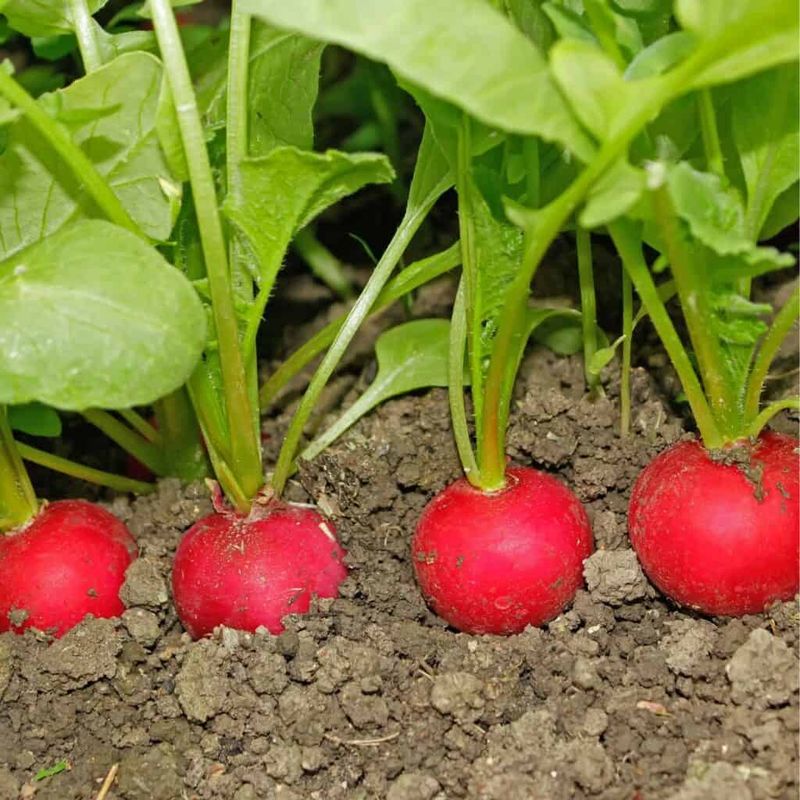
Radishes are fast-growing and adapt well to clay soil, making them perfect for quick harvests. Their small size allows them to thrive in dense ground.
Sow radish seeds in rows, and thin them as they grow to ensure proper spacing. This encourages uniform root development.
Fun Fact: Radishes were one of the first crops grown by early American settlers due to their quick growth cycle.