 Complete Gardening
Vermont’s unique climate can pose challenges for gardeners, but certain perennials thrive year after year. These stalwarts don’t just survive; they flourish, bringing vibrant color and life back to gardens every spring. Here are eight perennials that provide beauty and resilience in Vermont.
1. Peony
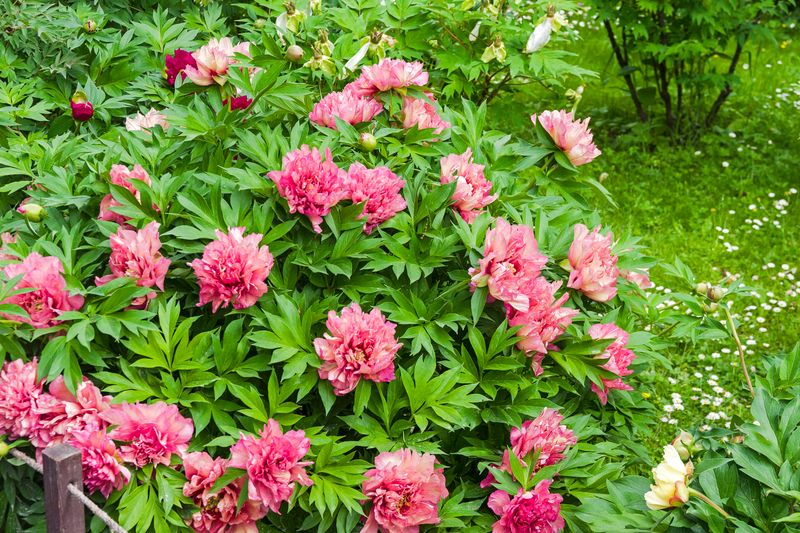
The peony, with its magnificent blooms, is a sight that captures the heart. These flowers, often seen in shades of pink, red, and white, grace Vermont gardens with elegance each spring. Give them a sunny spot, and they reward you with a show-stopping display.
Peonies are renowned for their longevity. Once planted, they can thrive for decades, often outlasting the gardener who sets them. Their sweet fragrance and large blossoms make them a favorite for both cut flowers and garden displays.
A fun fact: peonies have been cultivated for over 2,000 years, originally for medicinal purposes in ancient China. This historical depth adds to their charm, making them a timeless choice for any garden.
2. Daylily
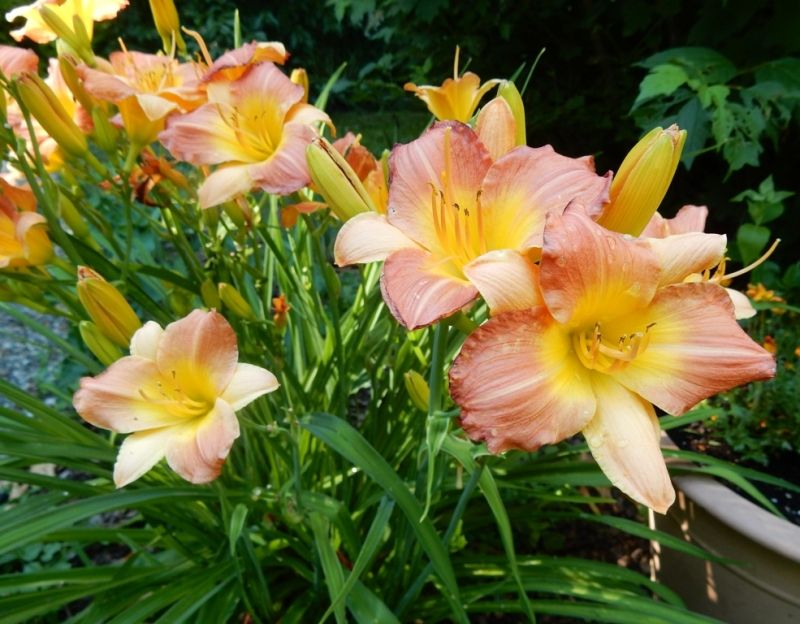
Daylilies, known for their vibrant colors and superb resilience, are a gardener’s delight. Each flower lasts only a day, but the plant itself blooms profusely throughout the season.
Their adaptability to various soil types and conditions makes them a go-to for many Vermont landscapes. Whether in sun or partial shade, daylilies continue to thrive with little maintenance.
Did you know? The daylily is not only beautiful but edible. Its buds and flowers are often used in Asian cuisine, adding another layer of appeal to this versatile plant.
3. Hosta
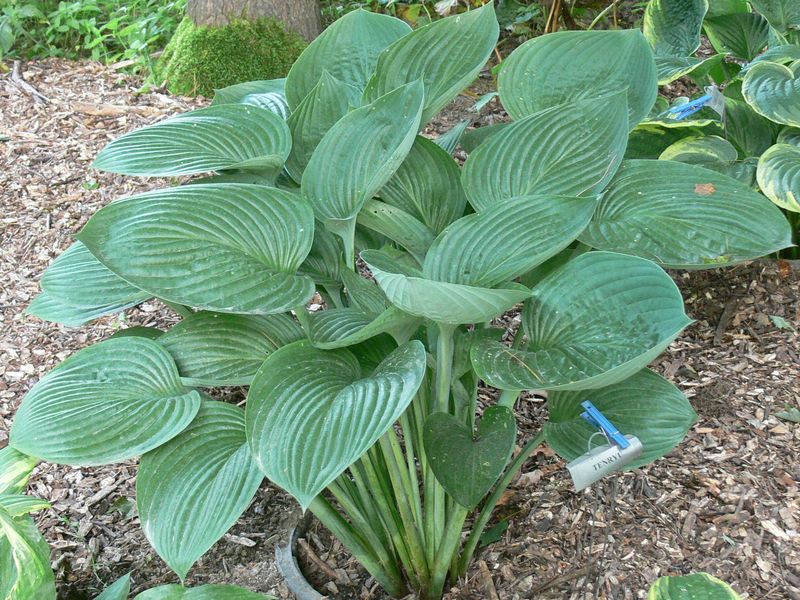
Hostas are the unsung heroes of the shaded garden. Their lush foliage comes in a variety of sizes and hues, from deep green to striking blue-grey.
These perennials thrive in the cooler, shaded areas of Vermont’s landscapes, filling spaces with their unique textures and colors. They require minimal effort, making them perfect for busy gardeners.
A quirky fact: hostas are sometimes called “plantain lilies” and are native to northeast Asia. They have traveled far to grace Vermont’s gardens with their charm.
4. Coneflower
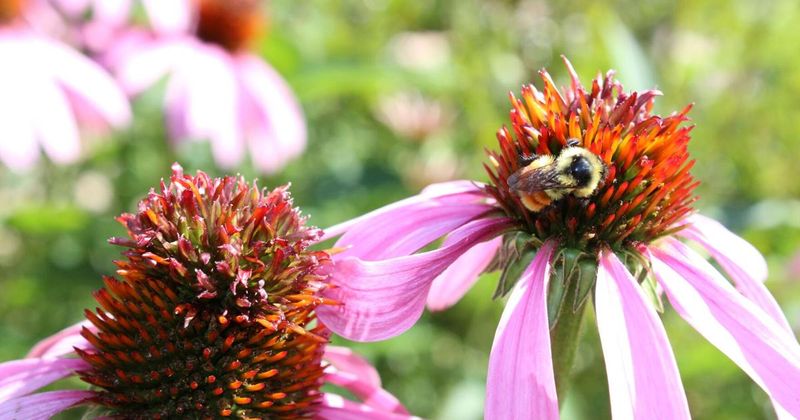
The coneflower, with its daisy-like appearance and vibrant hues, is a staple in Vermont gardens. Known for their resilience, these flowers attract pollinators, making them a friend to both gardener and bee.
Their ability to withstand drought conditions and poor soil makes them a reliable choice. Coneflowers provide a long-lasting display of color that persists from mid-summer to fall.
Historically, coneflowers were used by Native Americans for medicinal purposes, adding a touch of heritage to their beauty. This dual appeal makes them a fascinating addition to any garden.
5. Black-Eyed Susan
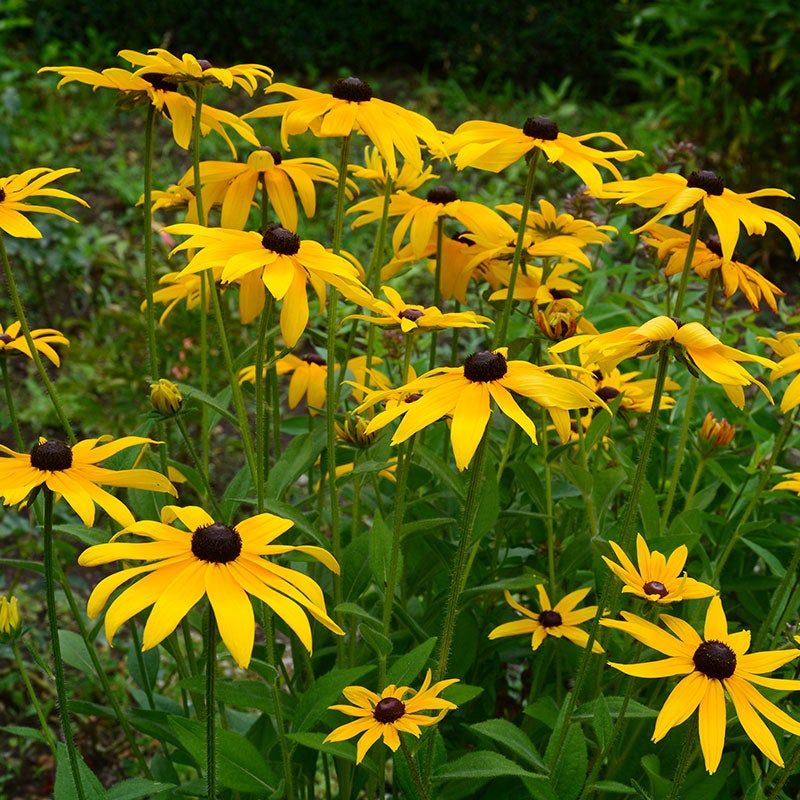
Black-eyed Susans are cheerful, sun-loving perennials that brighten any Vermont garden. Their golden petals and dark centers create a striking contrast that draws the eye.
These flowers are resilient and can thrive in a variety of conditions, making them a versatile choice. Their long blooming season adds a splash of color from summer into fall.
Fun tidbit: black-eyed Susans are Maryland’s state flower but have found a beloved place in Vermont gardens. They’re known for attracting butterflies, adding fluttering beauty to their charm.
6. Bee Balm
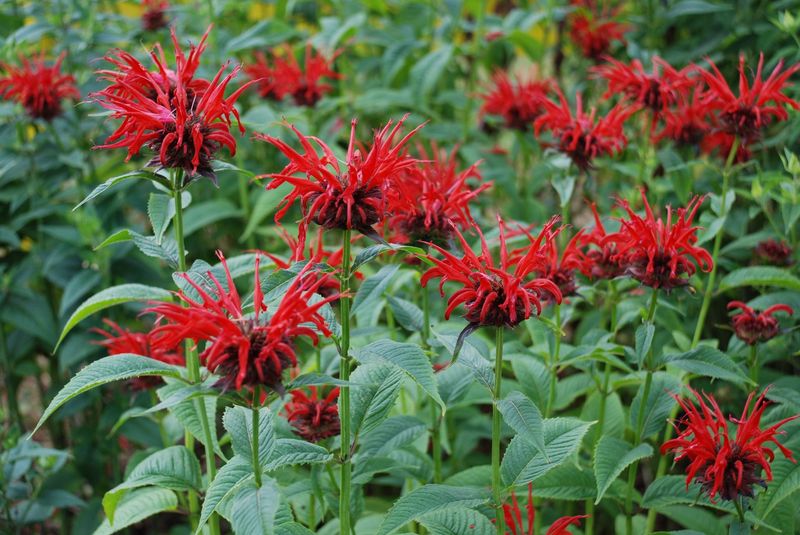
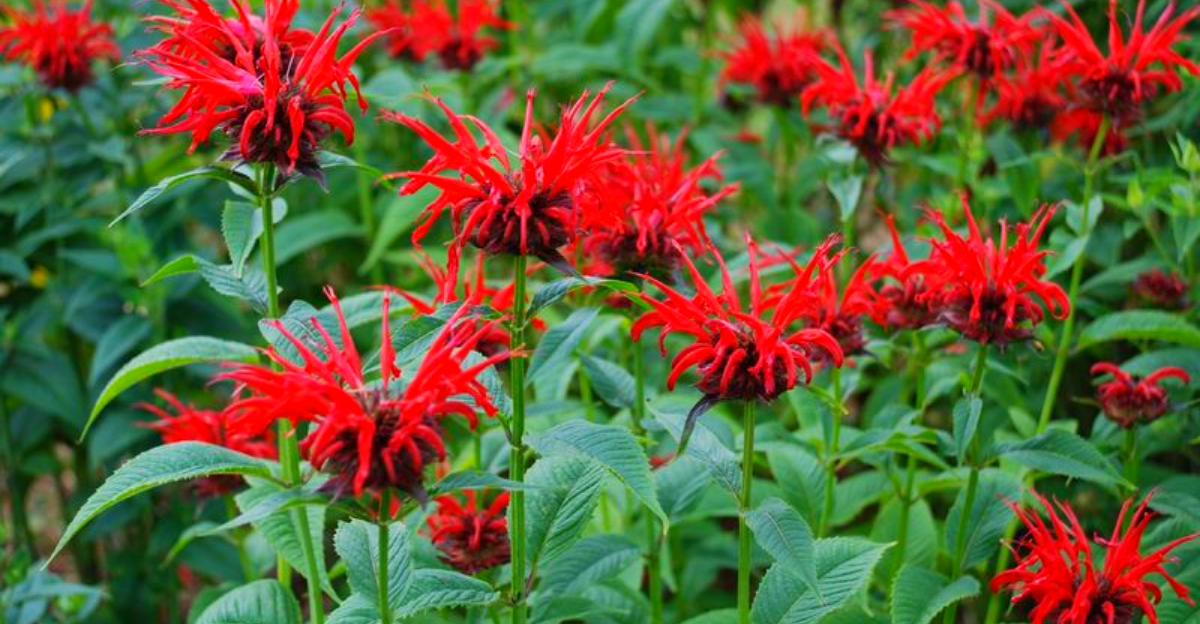
Bee balm, with its vibrant red blooms, is a magnet for pollinators. Hummingbirds, bees, and butterflies are frequent visitors, creating a buzz of activity in any garden.
This perennial thrives in sunny spots and can handle Vermont’s varied climate. Its aromatic leaves add an extra dimension, often used in herbal teas and potpourri.
Historically, bee balm was used by Native Americans for its medicinal properties, making it a plant with both beauty and history. Its striking appearance and aromatic nature make it a garden favorite.
7. Sedum
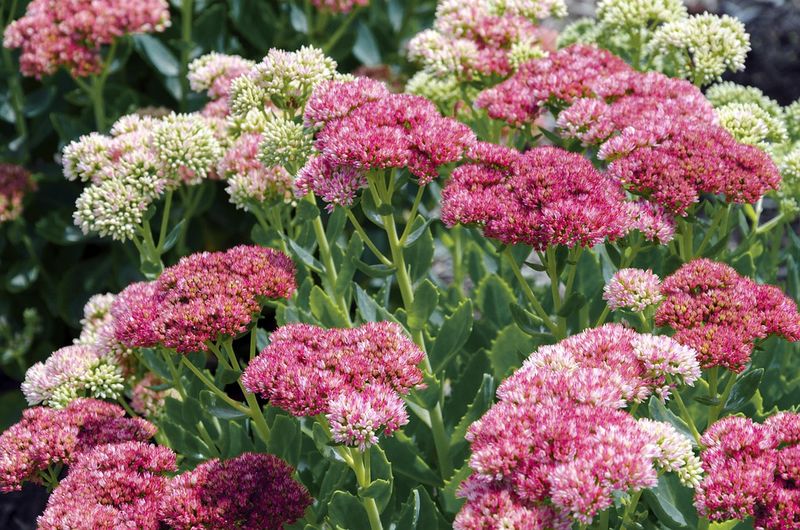
Sedum, often found in rock gardens, is a hardy perennial that adds texture and color. Its succulent leaves and star-shaped flowers create a unique landscape feature.
This plant thrives in well-drained soils and can withstand drought, making it exceptionally low-maintenance. Autumn brings clusters of pink or red flowers that persist into winter.
A fun fact: sedum is sometimes called “stonecrop” due to its ability to grow in rocky areas. This resilience makes it an ideal choice for Vermont’s diverse terrains.
8. Astilbe
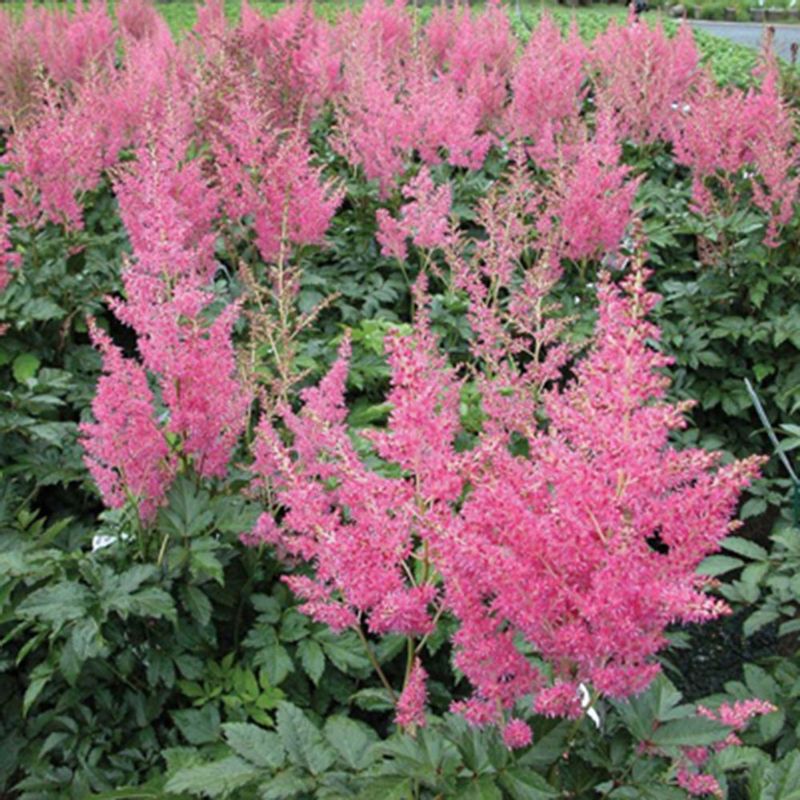
Astilbe offers a touch of elegance with its feathery plumes and lush foliage. These shade-loving perennials are perfect for adding color to less sunny areas of the garden.
Their blooms, available in shades of pink, white, and red, appear in early summer and continue to impress through midsummer. Astilbe requires consistent moisture, thriving in Vermont’s cooler climates.
Historically used in ornamental gardens, astilbe’s delicate appearance belies its hardiness, making it a lovely addition to any landscape.