 Complete Gardening
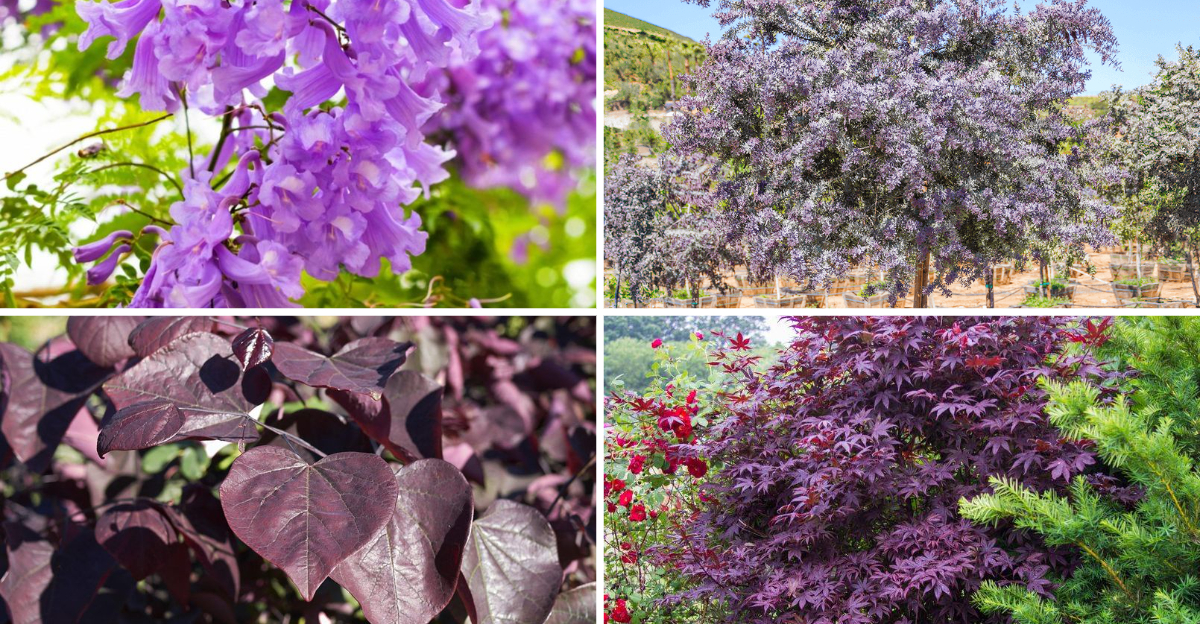
A garden adorned with shades of purple offers an enchanting visual appeal, adding depth and vibrancy to any outdoor space. If you’re looking to infuse your garden with rich, purple hues, consider planting these 20 stunning purple trees. Each tree brings its unique charm and beauty to the garden, offering delightful blooms and foliage that captivate the senses.
1. Jacaranda
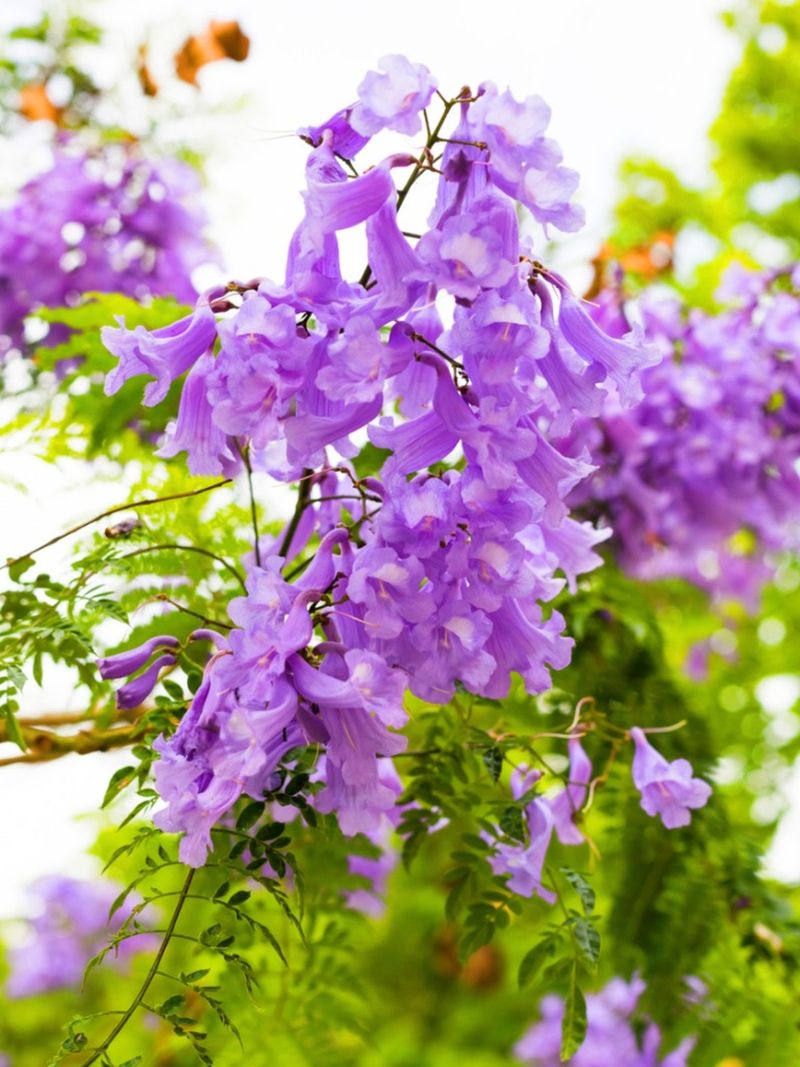
Known for its magnificent lavender-blue flowers, the Jacaranda tree transforms gardens into magical landscapes. Originating from South America, this tree dazzles with its showy blooms. What’s more enchanting than walking down a street lined with these beauties? The sound of rustling leaves only adds to its allure.
In the springtime, Jacarandas display clusters of tubular flowers that create a picturesque canopy. Its fern-like leaves offer a delicate touch to any garden. Whether standing alone or in rows, Jacarandas provide a serene, calming presence.
Fun fact: In some cultures, the blooming of Jacarandas marks the beginning of exam season.
2. Purple Leaf Plum
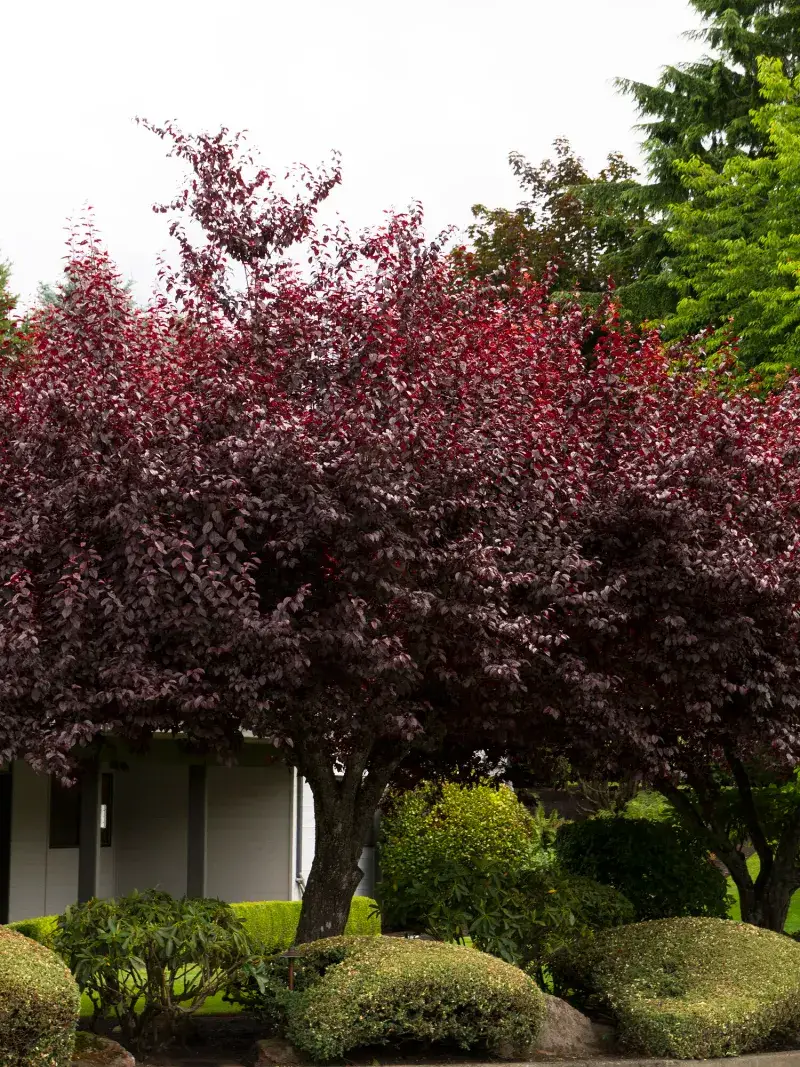
Add a splash of color with the Purple Leaf Plum. Its deep purple leaves are a year-round delight, while spring brings delicate pink blossoms. This deciduous tree is perfect for those wanting color outside the typical green.
The Purple Leaf Plum is not only eye-catching but also easy to grow. It reaches about 20 feet, making it ideal for small gardens. As autumn approaches, its leaves turn a stunning reddish-purple, further enhancing its appeal.
Did you know? This tree, originally from Asia, has been a favorite in Western gardens for over a century.
3. Eastern Redbud ‘Forest Pansy’
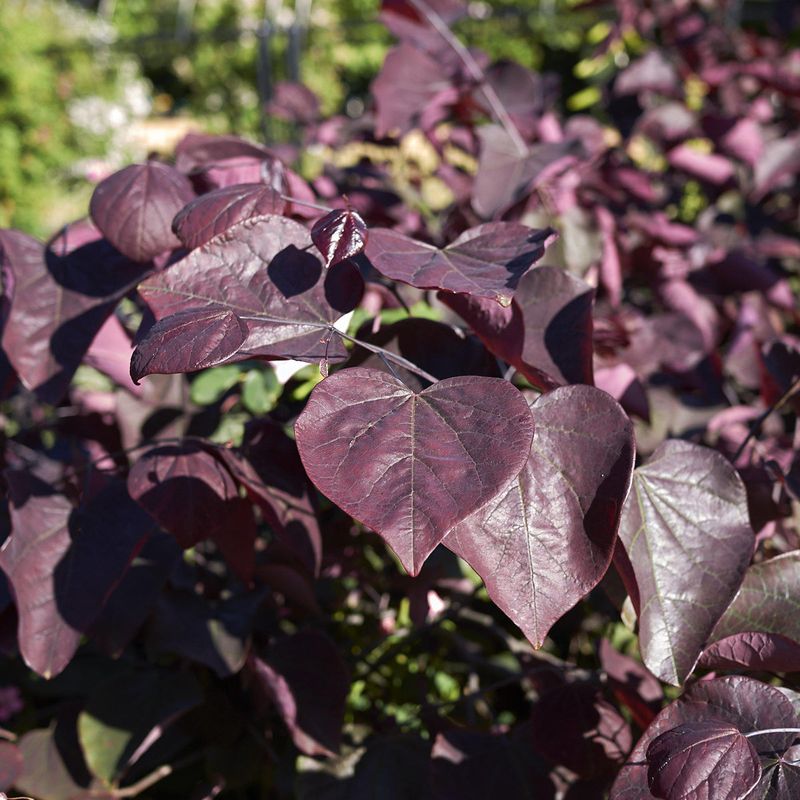
With heart-shaped leaves that transition from deep purple to green, the ‘Forest Pansy’ Redbud is a garden favorite. Its springtime blooms of rosy-pink flowers add whimsy and charm.
This tree isn’t just beautiful; it’s adaptable to various soils and climates. Its manageable size makes it suitable for any garden. The purple hue of its leaves offers a striking contrast against other greenery.
Fun fact: Native to North America, the Eastern Redbud has been used for centuries by indigenous peoples for its edible buds and seeds.
4. Purple Wisteria
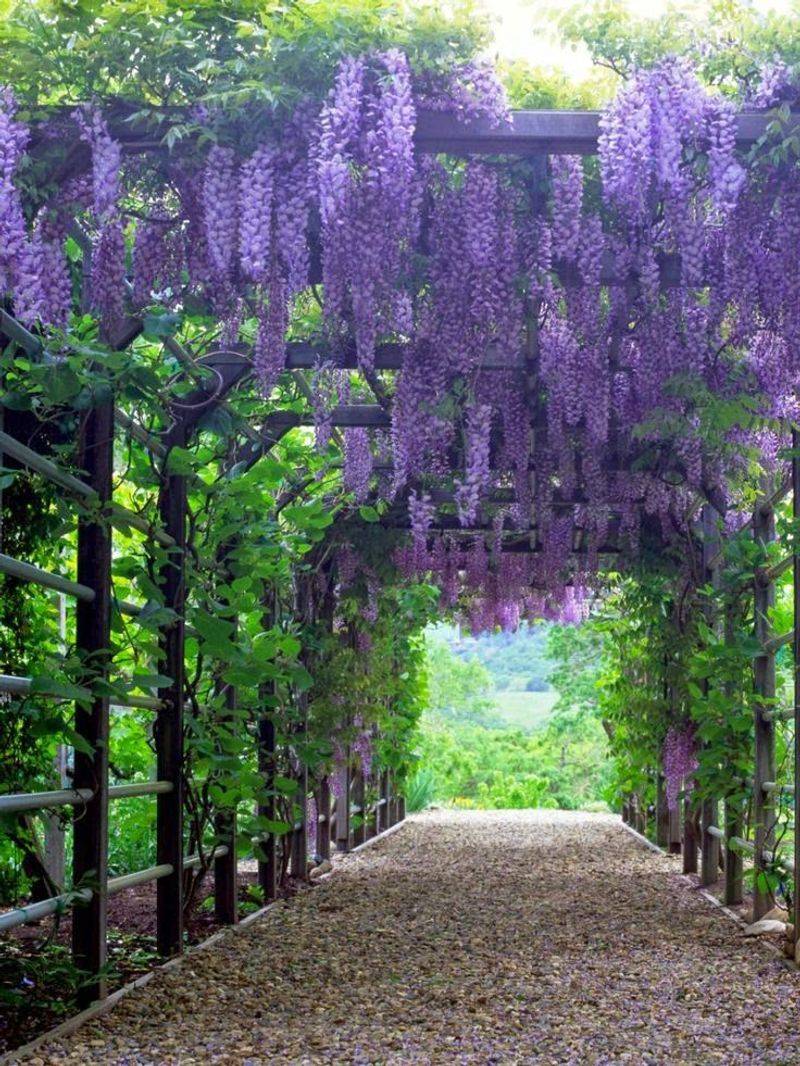
Imagine fragrant purple flowers cascading over an arbor or trellis. That’s the magic of Purple Wisteria. This vigorous climber brings a romantic touch to gardens.
In spring, it bursts into bloom with clusters of lavender flowers. These blooms attract bees and butterflies, adding life to your garden. It’s essential to give Wisteria strong support as it can grow extensively.
Did you know? Wisteria can live for over 50 years, becoming more beautiful as it ages. It’s a testament to enduring beauty in any garden.
5. Purple Smoke Tree
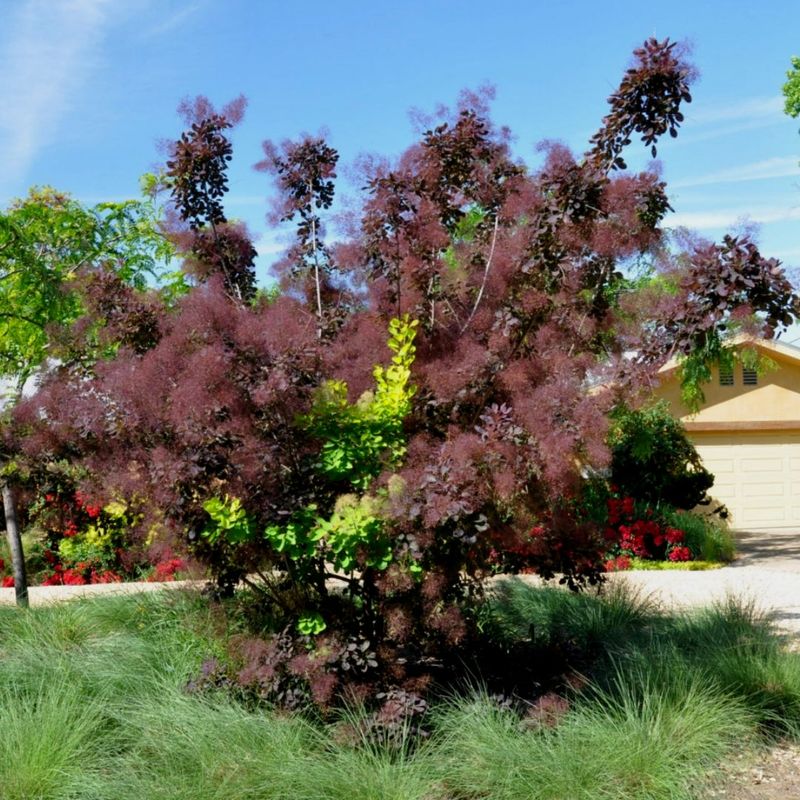
The Purple Smoke Tree is a spectacle with its cloud-like plumes. These airy, purple ‘smokes’ emerge in late spring, creating an ethereal look.
Its round, purple leaves turn scarlet in fall, offering a second wave of color. This tree thrives in sunny spots and well-drained soil. It’s perfect for adding height and drama to borders.
Fun fact: Despite its delicate appearance, the Purple Smoke Tree is remarkably hardy, tolerating various conditions and requiring minimal maintenance.
6. Purple Orchid Tree
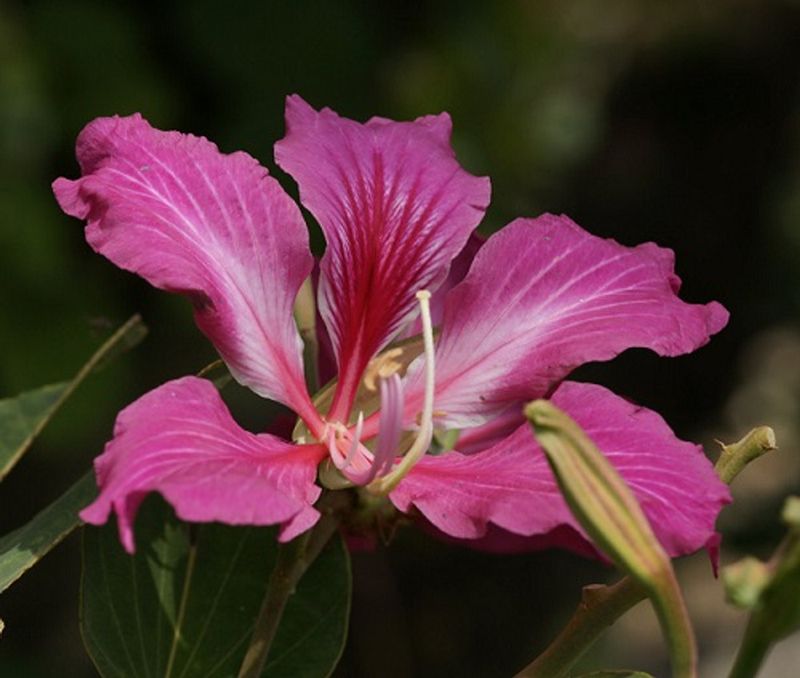
The Purple Orchid Tree captivates with its orchid-like flowers. These large, purple blooms are a sight to behold, often appearing throughout the year in tropical areas.
This tree is not just about looks—it attracts pollinators like hummingbirds and bees. Its lush foliage provides a verdant backdrop to its vibrant flowers.
Did you know? The Purple Orchid Tree is part of the legume family, meaning it’s related to beans and peas. Its ability to fix nitrogen makes it beneficial for garden soil.
7. Japanese Maple ‘Bloodgood’
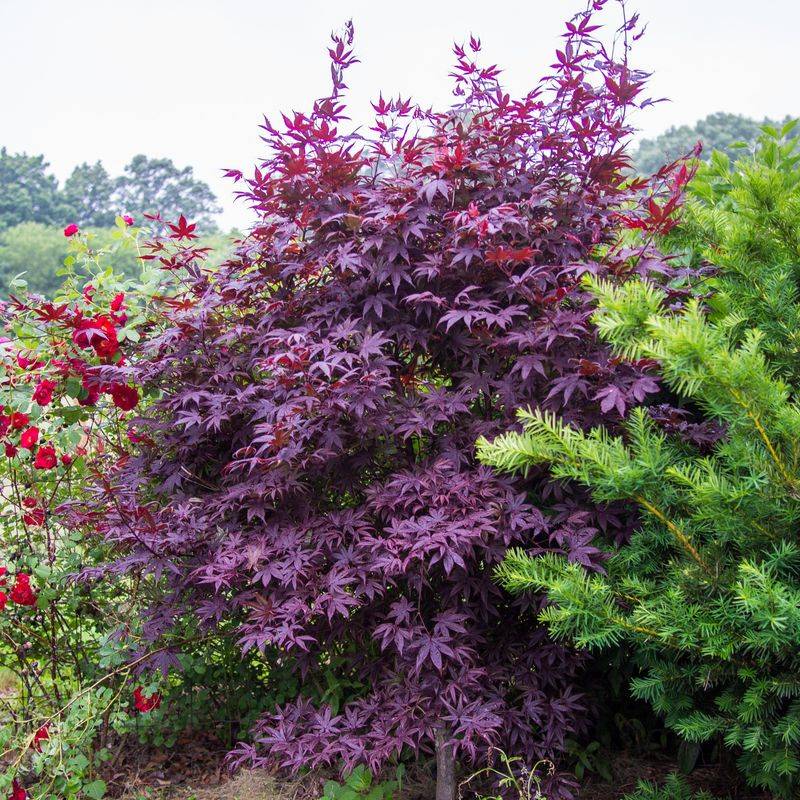
The Japanese Maple ‘Bloodgood’ is a garden showstopper. Its deep red-purple leaves offer a striking display, especially in the fall.
This tree grows in a graceful, rounded canopy, making it ideal for smaller spaces. Its bark is equally impressive, with a smooth, silvery tone that adds winter interest.
Fun fact: Despite its delicate appearance, the ‘Bloodgood’ is quite hardy, thriving in various climates and adding elegance to any garden setting.
8. Purple Robe Locust
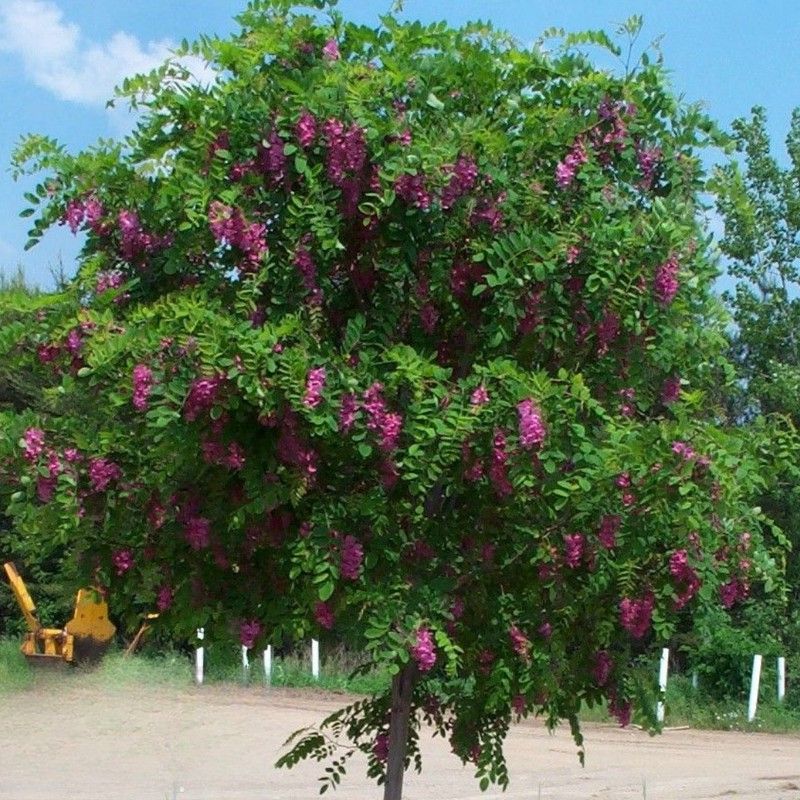
With clusters of fragrant purple flowers, the Purple Robe Locust is a sight to behold. This fast-growing tree adds quick shade and beauty to any garden.
Its robust nature makes it adaptable to various environments. The tree’s vivid flowers attract pollinators, making it a lively garden addition. Its pinnate leaves provide a feathery texture, complementing the blooms.
Did you know? The Purple Robe Locust is part of the legume family, often used to enrich soil quality by fixing nitrogen.
9. Purple Beech
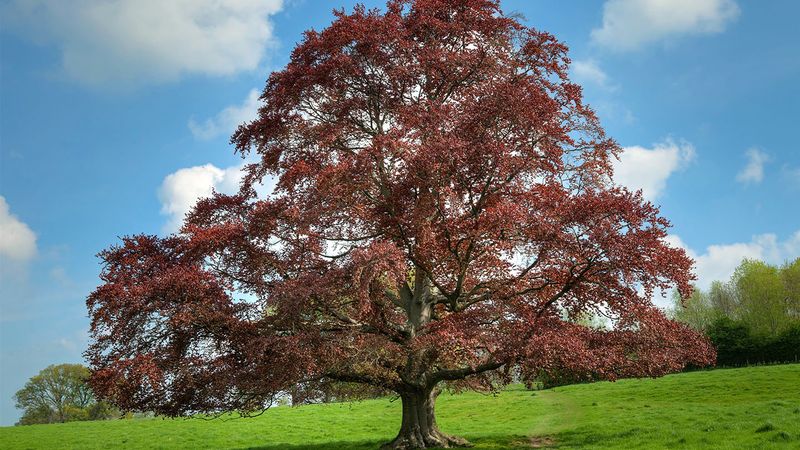
The Purple Beech stands tall with its broad, deep purple leaves. This majestic tree provides ample shade and a bold color statement.
Its leaves turn a stunning copper color in fall, adding to its seasonal appeal. The Purple Beech thrives in well-drained soils and can grow to impressive heights, making it a focal point.
Fun fact: The Purple Beech has a long lifespan, often living for over 150 years. Its enduring presence makes it a cherished part of any landscape.
10. Royal Purple Liriope
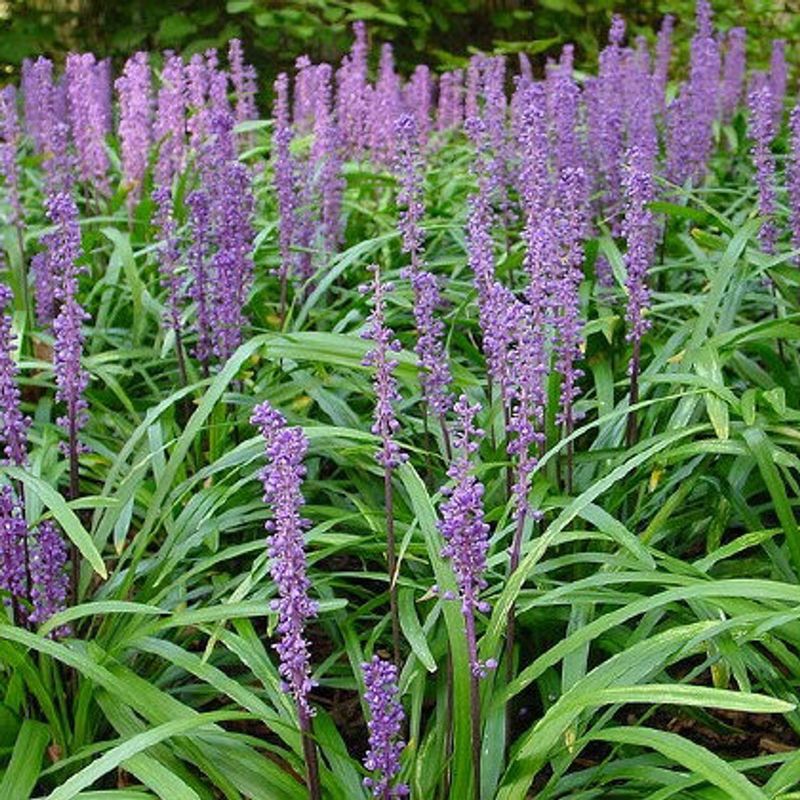
Though not a tree in the traditional sense, the Royal Purple Liriope deserves mention for its grassy appearance and purple flower spikes.
This perennial is perfect for lining walkways or as a ground cover. Its hardy nature and low maintenance make it a gardener’s favorite. The vibrant flowers attract pollinators, enhancing garden biodiversity.
Did you know? Liriope is often used in traditional medicine, especially in Asia, for its purported health benefits.
11. Purple Hopseed Bush
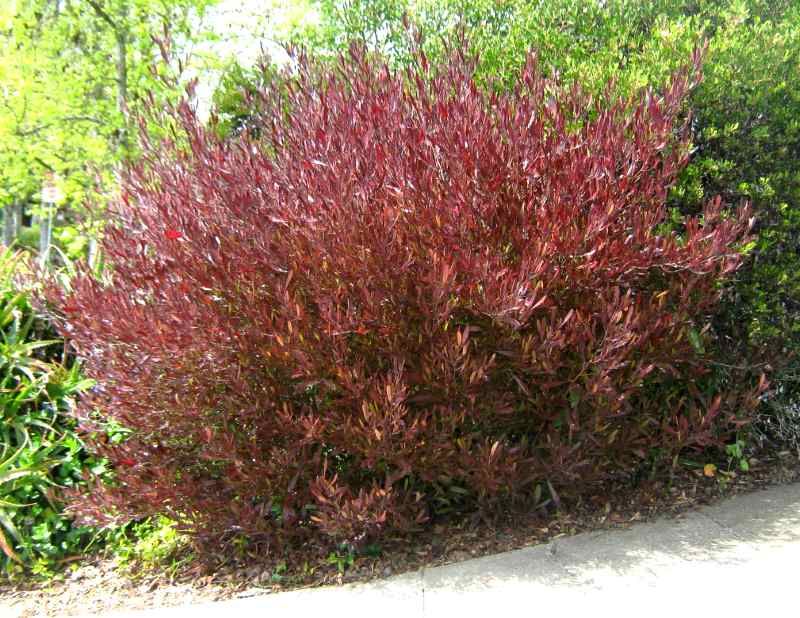
The Purple Hopseed Bush is known for its dense, colorful foliage. Its leaves turn a rich, coppery-purple, creating a dramatic effect.
This bush is well-suited for hedges and windbreaks, providing privacy and beauty. Its resilience in harsh conditions makes it a versatile choice for many landscapes.
Fun fact: The seeds of this bush have traditionally been used in brewing by indigenous peoples, giving it the name ‘Hopseed.’
12. Purple Catalpa
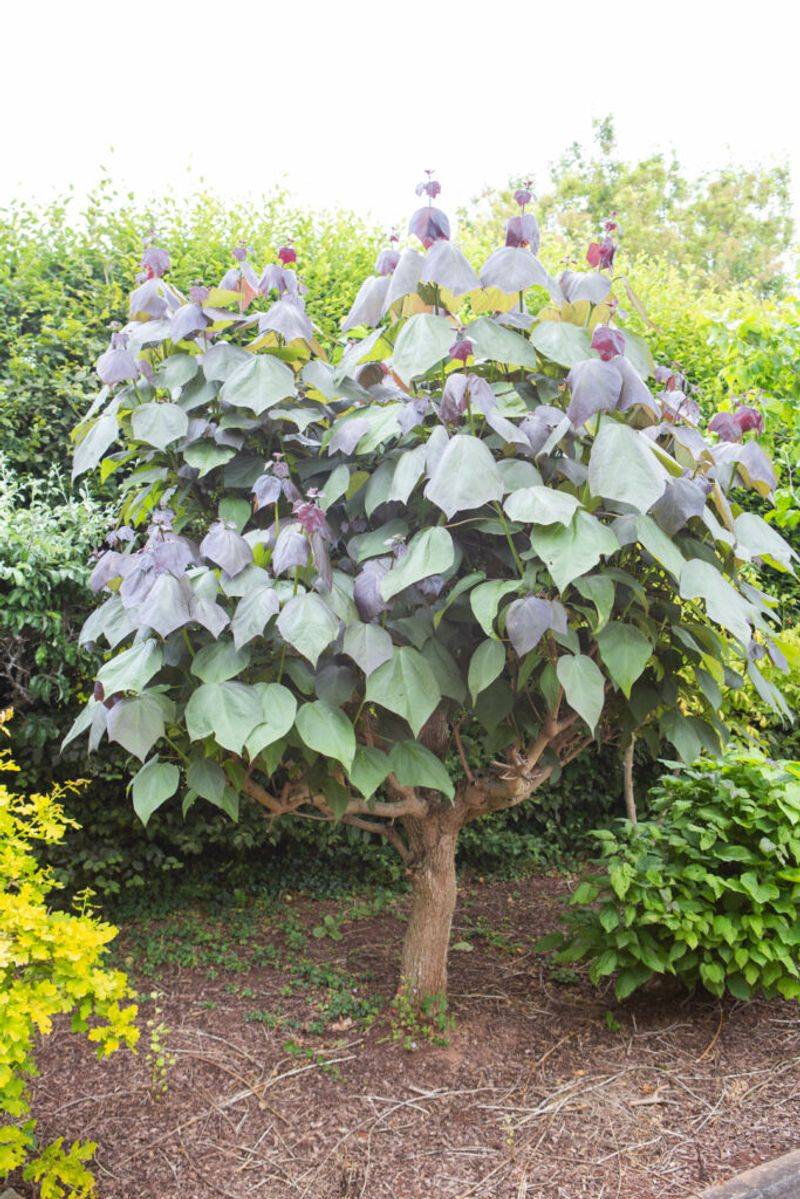
The Purple Catalpa is a unique addition with its large, heart-shaped leaves and trumpet-like flowers. These striking blooms appear in early summer, offering a burst of color.
This tree is known for its rapid growth and ability to thrive in various soils. Its large canopy provides ample shade, making it a practical and beautiful choice.
Did you know? The Catalpa is sometimes called the ‘Cigar Tree’ because of its long, slender seed pods that resemble cigars.
13. Purple Magnolia ‘Jane’
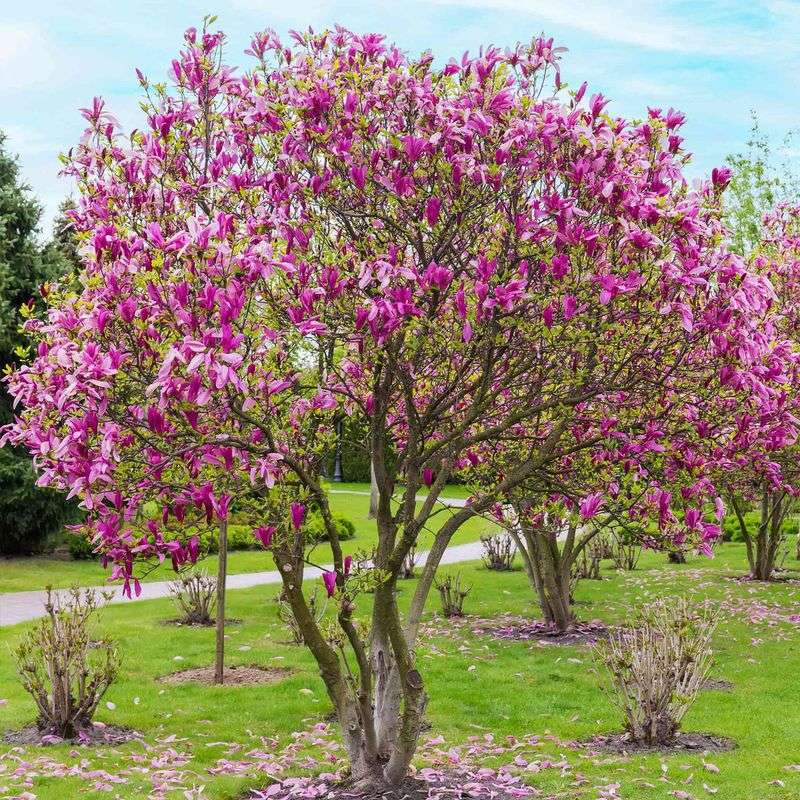
The ‘Jane’ Magnolia enchants with its large, fragrant blossoms. These purple-pink flowers bloom in late spring, adding elegance to any garden.
This small tree is ideal for limited spaces, with a compact, rounded shape. Its blooms are often followed by vibrant green leaves, creating a lush appearance.
Fun fact: Created by the U.S. National Arboretum, the ‘Jane’ Magnolia is part of the ‘Little Girl’ series, known for their hardiness and stunning blooms.
14. Royal Empress Tree
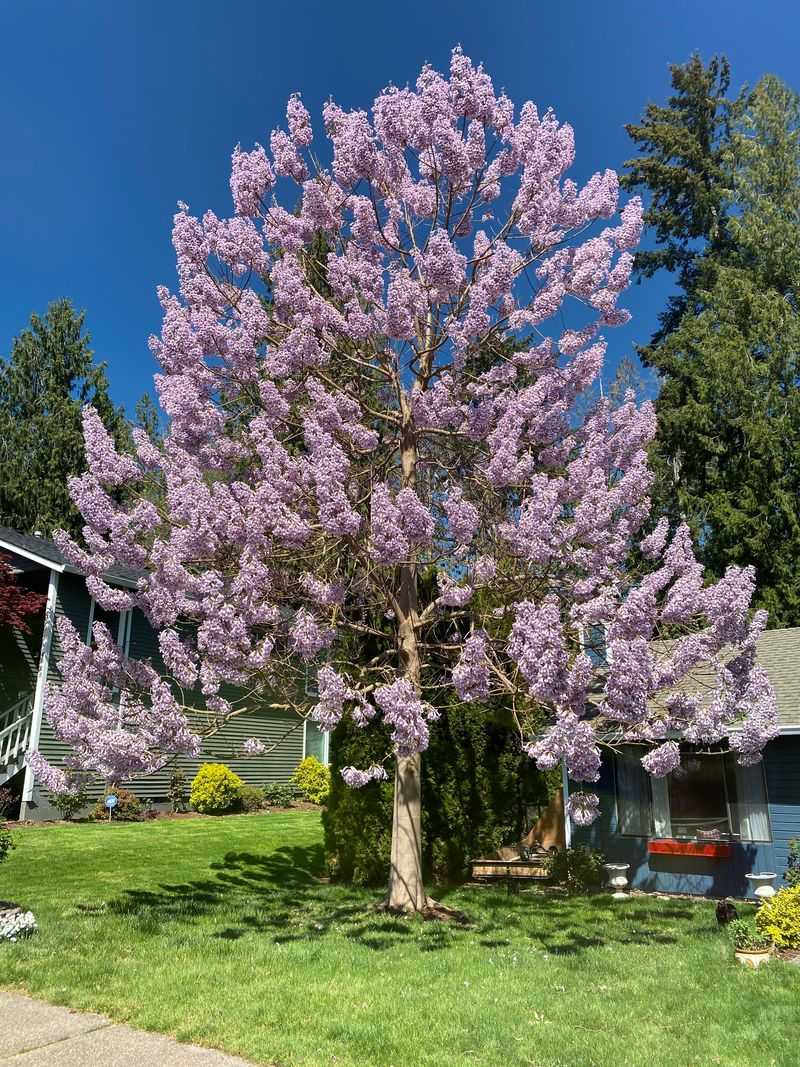
The Royal Empress Tree boasts massive leaves and stunning purple flowers. These bell-shaped blooms add a regal touch to gardens.
Known for its rapid growth, this tree reaches impressive heights quickly. Its soft wood is often used in crafts and instruments.
Did you know? The Royal Empress Tree is one of the fastest-growing trees in the world, sometimes gaining 10 to 15 feet in a single year.
15. Purple Acacia
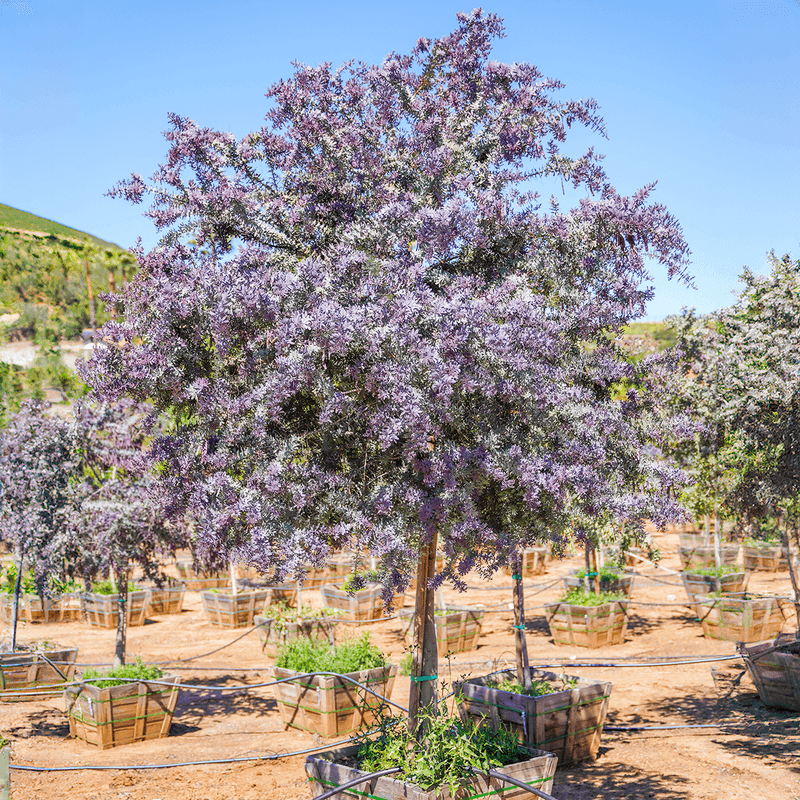
The Purple Acacia is admired for its feathery leaves and clusters of small purple flowers. This tree thrives in sunny, arid conditions, making it a resilient choice.
Its shade tolerance and minimal water needs make it suitable for tough landscapes. The blooms attract pollinators, adding life to dry areas.
Did you know? Purple Acacia is often used in xeriscaping due to its drought-resistant nature, helping conserve water in gardens.
16. Purple Fringe Tree
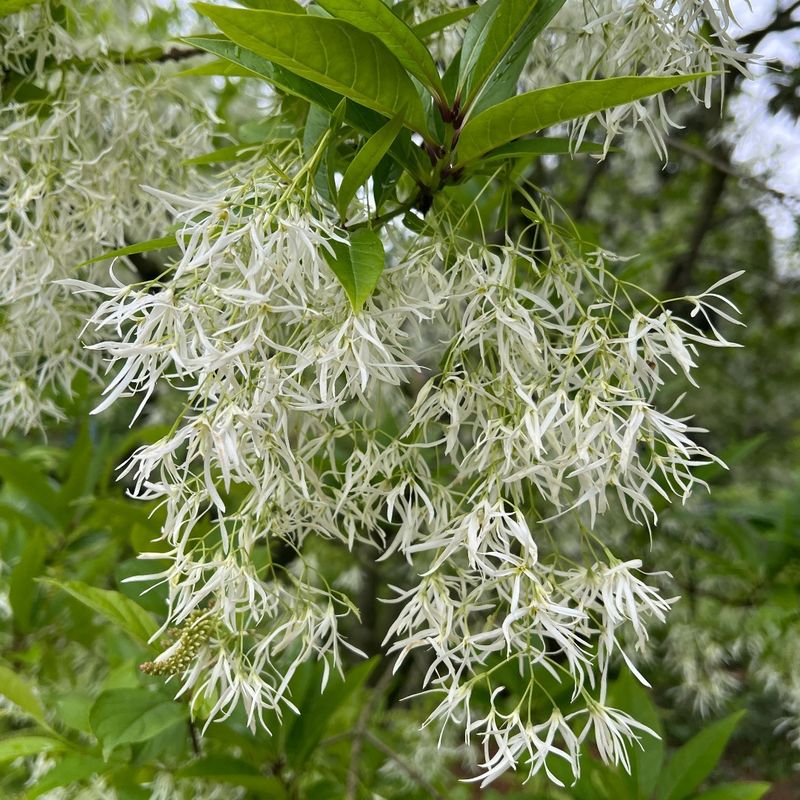
The Purple Fringe Tree captivates with its airy clusters of fragrant flowers. These blooms sway gently in the breeze, creating a delicate spectacle.
This small tree is perfect for adding grace to gardens. Its adaptability to various soil types makes it a versatile choice.
Fun fact: The Fringe Tree’s flowers give way to blue-black berries, attracting birds and adding an additional layer of interest.
17. Purple Leaf Sand Cherry
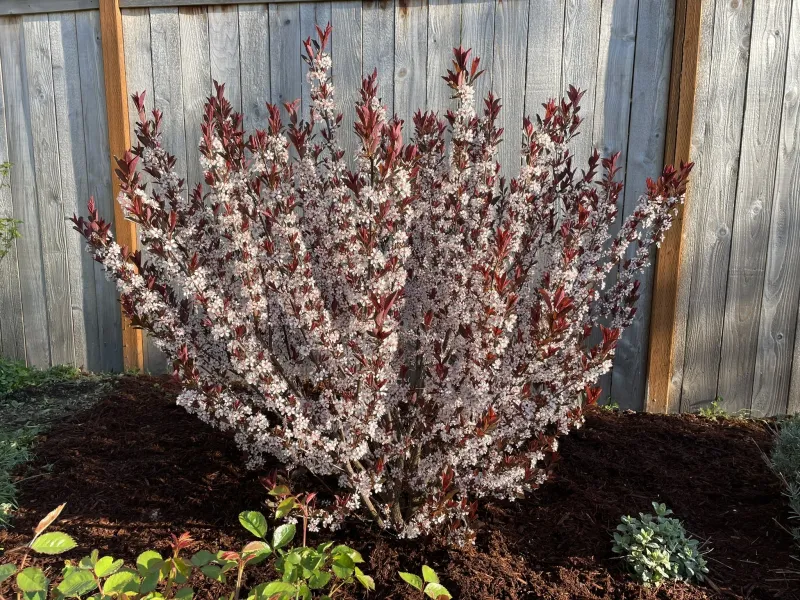
The Purple Leaf Sand Cherry is a standout with its dark purple leaves and delicate white blossoms. This ornamental shrub adds color and charm.
Reaching up to 8 feet, it’s perfect for borders or as a focal point. Its flowers are fragrant, attracting butterflies and bees.
Did you know? Despite its name, the Sand Cherry is not a true cherry but a hybrid known for its hardiness and beautiful foliage.
18. Purple Ash
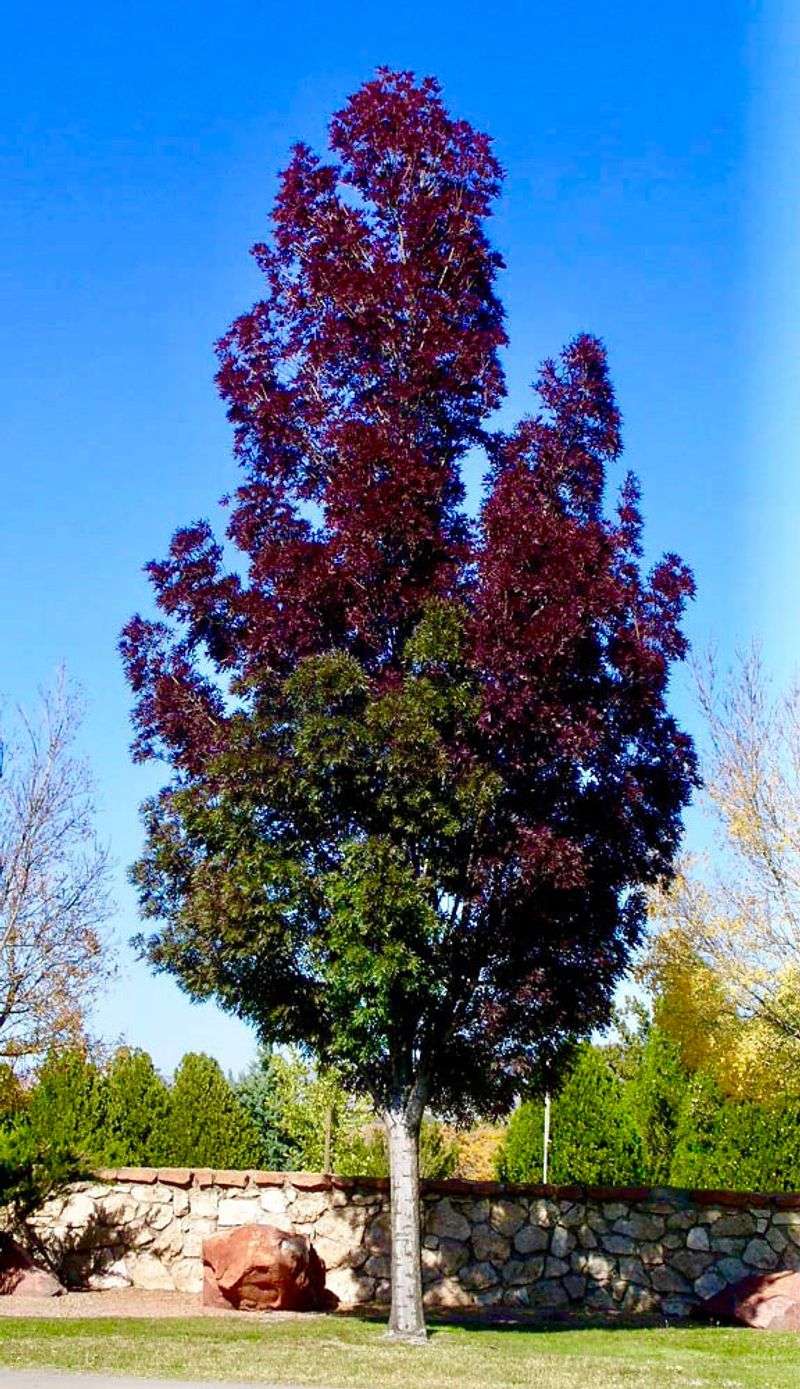
Purple Ash trees provide a majestic presence with their vibrant purple foliage. This tree’s color intensifies in the fall, offering a breathtaking display.
Ideal for large landscapes, its robust nature ensures longevity. The leaflets’ texture adds depth and movement to any setting.
Fun fact: Purple Ash is a cultivar of the White Ash, known for its adaptability and strength, making it a popular choice for urban landscaping.
19. Royal Purple Smokebush
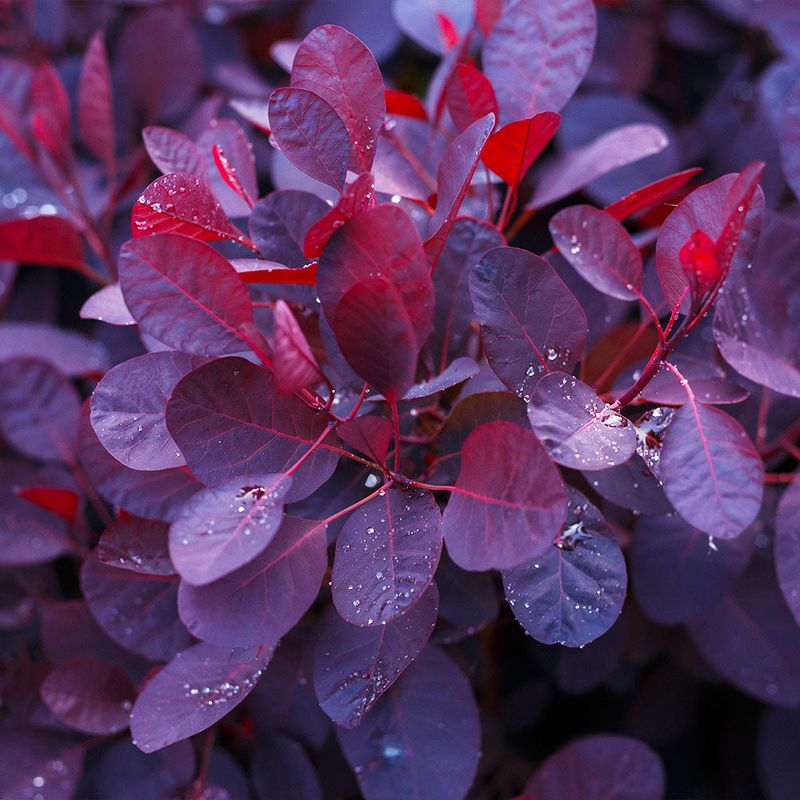
The Royal Purple Smokebush offers a dramatic flair with its rich, dark purple leaves. In summer, its airy flower clusters resemble puffs of smoke, adding intrigue.
This shrub is versatile, fitting well in borders or as a standalone feature. Its striking color and texture create visual interest year-round.
Did you know? The Smokebush is often used in artistic landscaping due to its unique appearance and contrasting colors.
20. Purple European Beech
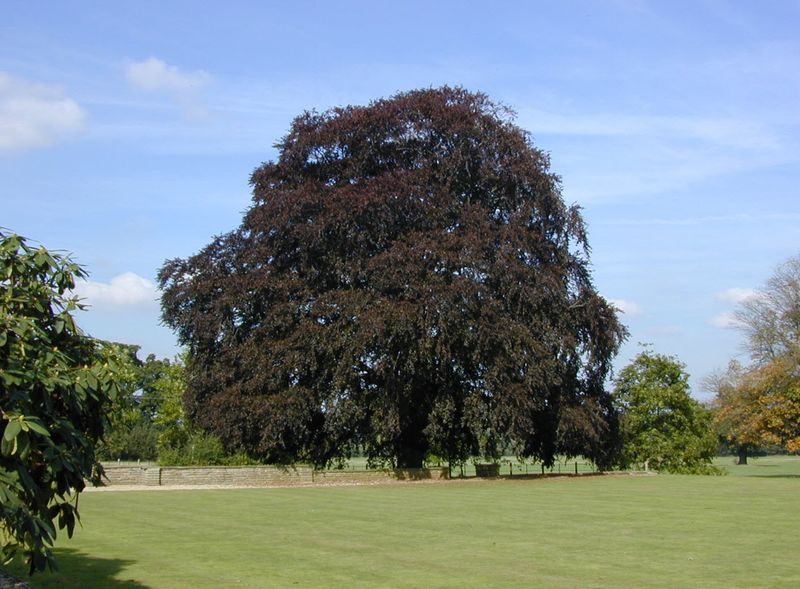
The Purple European Beech stands out with its smooth, grey bark and dark purple leaves. This tree offers a stately presence in any landscape.
Its dense foliage provides ample shade, making it a popular park tree. The leaves maintain their color throughout the season, ensuring lasting beauty.
Fun fact: Beeches have been symbols of wisdom and knowledge in various cultures, often associated with ancient lore and mythology.