 Complete Gardening
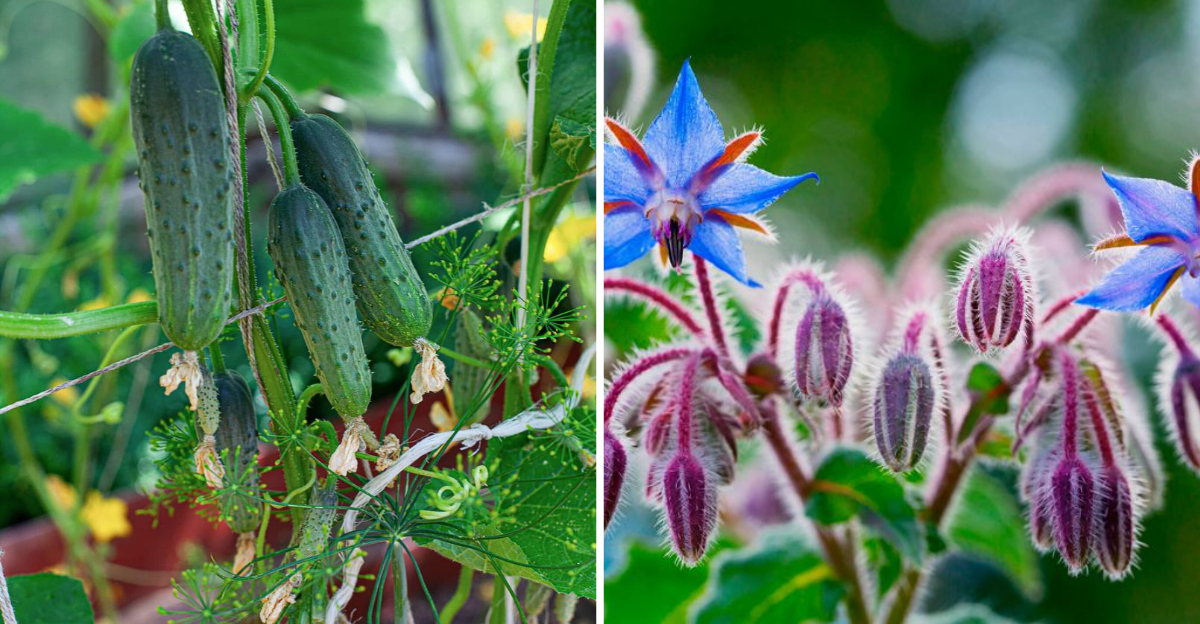
Cucumbers thrive best when planted alongside specific companions that enhance their growth, protect them from pests, and improve their overall health. Discover the 17 plants that can contribute to more robust cucumber growth in your garden.
1. Marigold
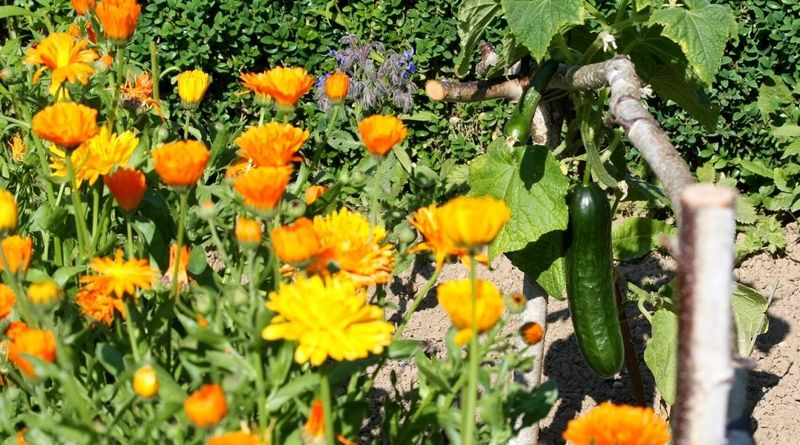
Marigolds, with their bright, cheerful blooms, are more than just a visual treat in the garden; their distinct aroma repels nematodes and other pests. This protective nature makes them an excellent neighbor for cucumbers, which benefit from marigolds’ natural pest-deterring abilities.
Planting marigolds near cucumbers can help maintain a healthy, pest-free environment, reducing the need for chemical interventions. Their low-growing nature ensures they won’t compete for nutrients, allowing both plants to flourish.
With marigolds in your garden, expect healthier cucumbers with minimal effort.
2. Dill
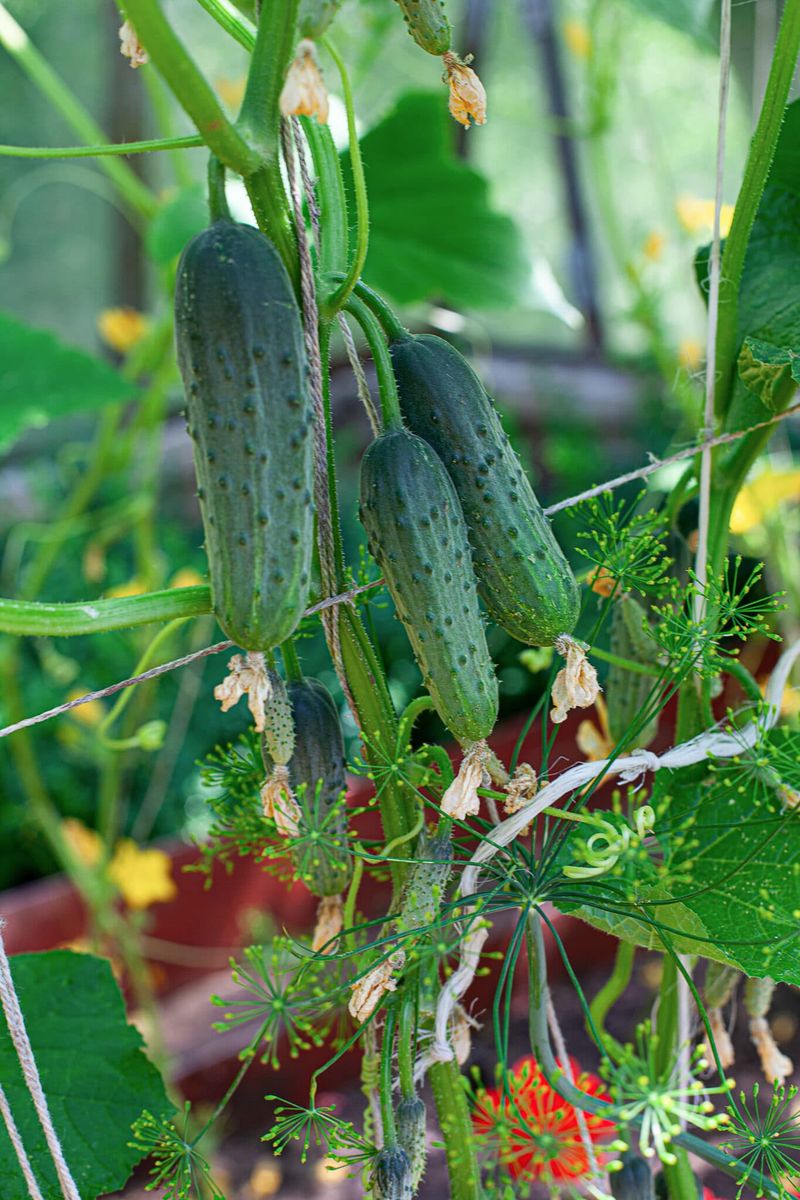
Dill is a truly versatile herb, not only enhancing dishes but also acting as a beneficial companion to cucumbers. Its feathery leaves attract pollinators and predatory insects like ladybugs, which help control aphid populations.
With dill by their side, cucumbers can grow with less interference from pests. This aromatic herb doesn’t overshadow cucumbers, thanks to its tall, slender structure that complements the cucumber foliage.
Incorporating dill into your garden is a natural way to bolster cucumber growth, creating a harmonious environment for both plants.
3. Nasturtium
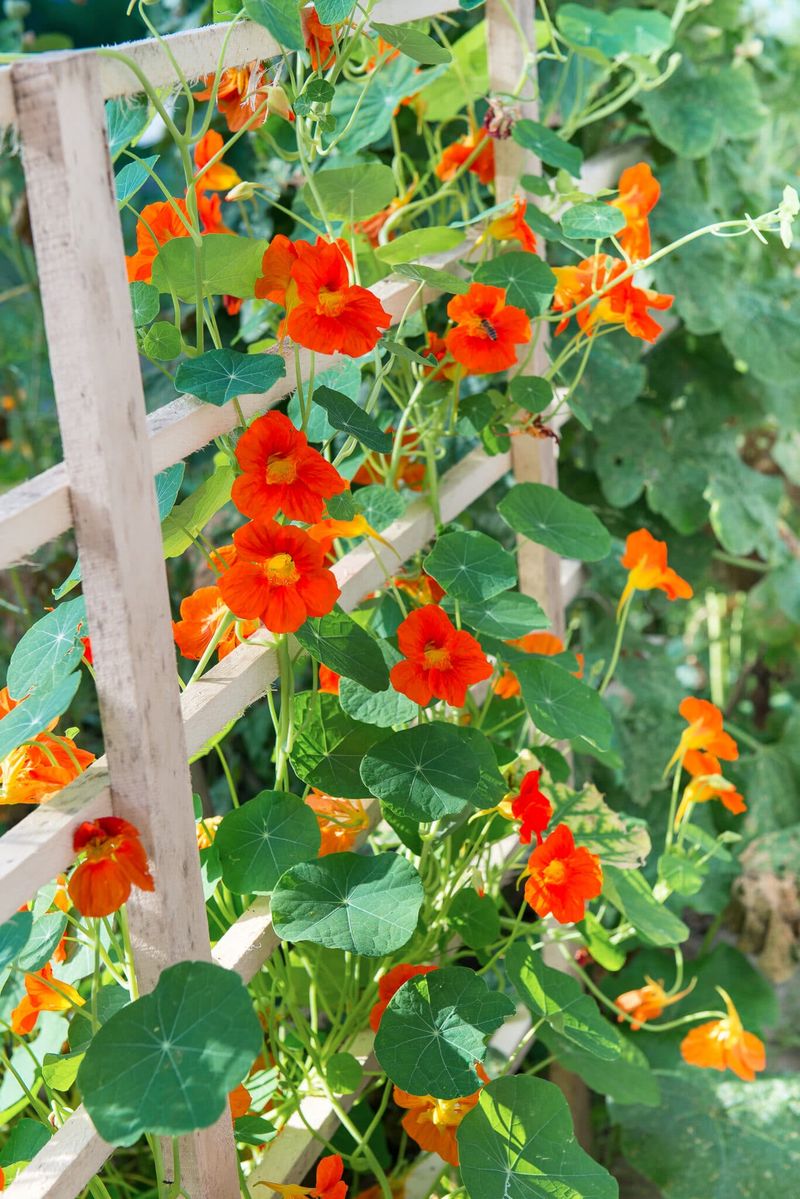
Nasturtiums add a splash of color and utility to any garden. These vibrant flowers are known for their ability to deter cucumber beetles, offering cucumbers a protective shield.
Besides their pest-repelling properties, nasturtiums are edible, adding a peppery zest to salads. Their trailing growth habit doesn’t compete with cucumbers, making them ideal companions.
Planting nasturtiums nearby can lead to healthier cucumbers and an aesthetically pleasing garden, proving beauty and function can coexist. Their bright blooms attract beneficial insects, ensuring a thriving ecosystem.
4. Radish
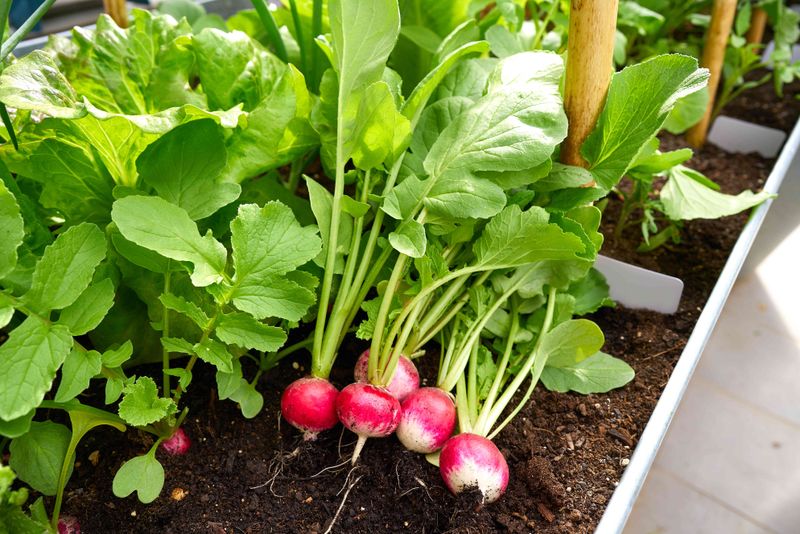
Radishes, quick to grow and easy to cultivate, are more than just a crunchy snack. When planted near cucumbers, radishes act as a trap crop, luring harmful pests away.
This sacrificial tactic helps cucumbers thrive, as radishes attract pests that might otherwise target cucumber plants. Radishes mature quickly, allowing for multiple cycles of planting and pest distraction throughout the cucumber growing season.
Their presence in the garden is a strategic move for any cucumber enthusiast aiming for a robust harvest.
5. Sunflower
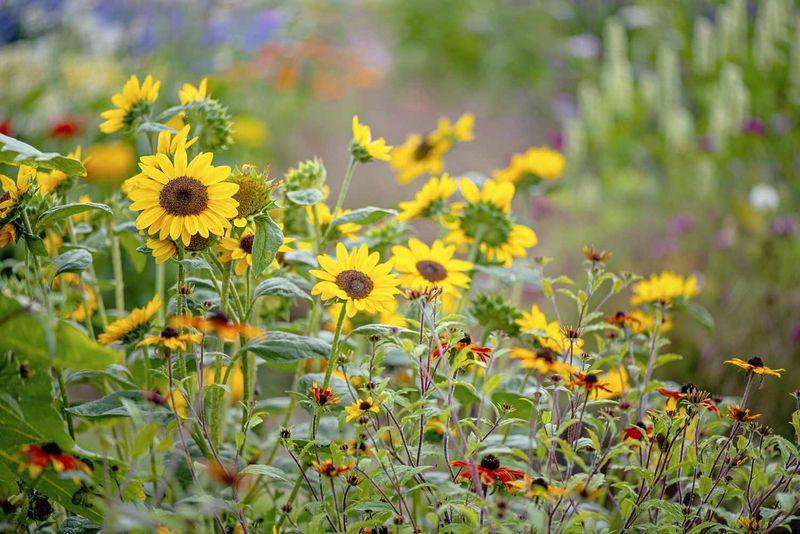
Sunflowers, towering with their sunny faces, are more than just pretty blooms. They offer shade to cucumber plants, protecting them from the harsh afternoon sun. This shading helps maintain soil moisture, crucial for cucumber growth.
The sturdy stalks of sunflowers also provide a natural trellis for cucumber vines to climb, supporting their upward growth. Their height doesn’t compete for space, making them a perfect companion.
Incorporate sunflowers to create a supportive environment for healthier cucumber plants.
6. Beans
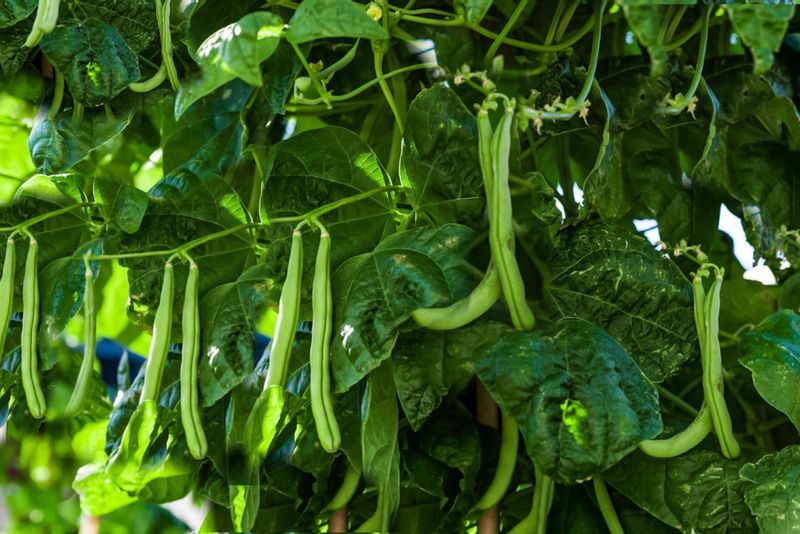
Beans, with their nitrogen-fixing capability, enrich the soil around cucumbers, promoting healthier growth. As beans draw nitrogen from the air and convert it into a form usable by plants, cucumbers benefit from this natural fertilization.
Their growth habit complements cucumbers, as beans climb and intertwine with the cucumber vines, maximizing garden space.
Together, beans and cucumbers create a synergistic relationship, enhancing each other’s growth and resulting in a more productive garden.
7. Borage
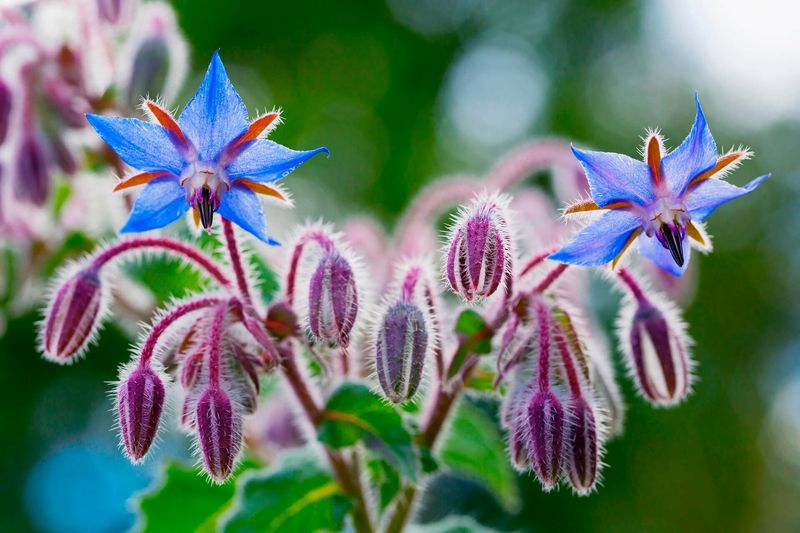
Borage, with its striking star-shaped blue flowers, is not just a visual delight but a valuable companion for cucumbers. Known for attracting pollinators like bees, borage ensures cucumbers receive ample pollination, leading to improved yields.
The presence of borage also deters pests, including tomato hornworms, which can otherwise harm cucumber plants.
Incorporating borage into your garden helps create a balanced ecosystem where cucumbers can thrive and flourish.
8. Sweet Alyssum
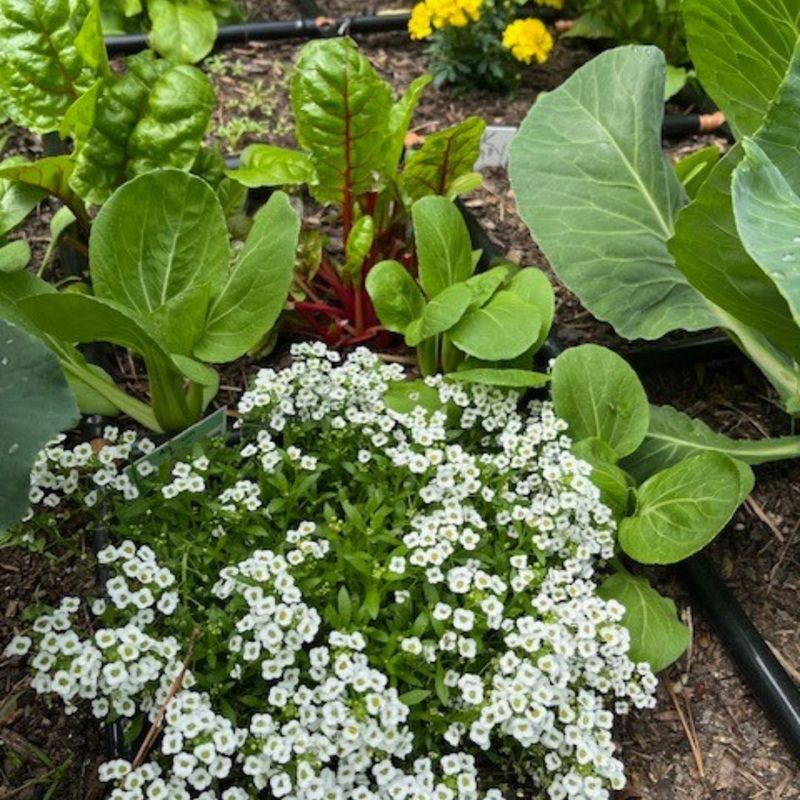
Sweet alyssum, with its tiny white blooms, offers more than ornamental value to a garden. This plant attracts beneficial insects such as hoverflies, which prey on aphids and other pests harmful to cucumbers.
By fostering a natural pest control system, sweet alyssum supports the healthy growth of cucumber plants. Its low-growing nature ensures it doesn’t overshadow or compete with cucumbers for resources.
Planting sweet alyssum nearby creates a harmonious and thriving garden environment, promoting robust cucumber growth.
9. Chamomile
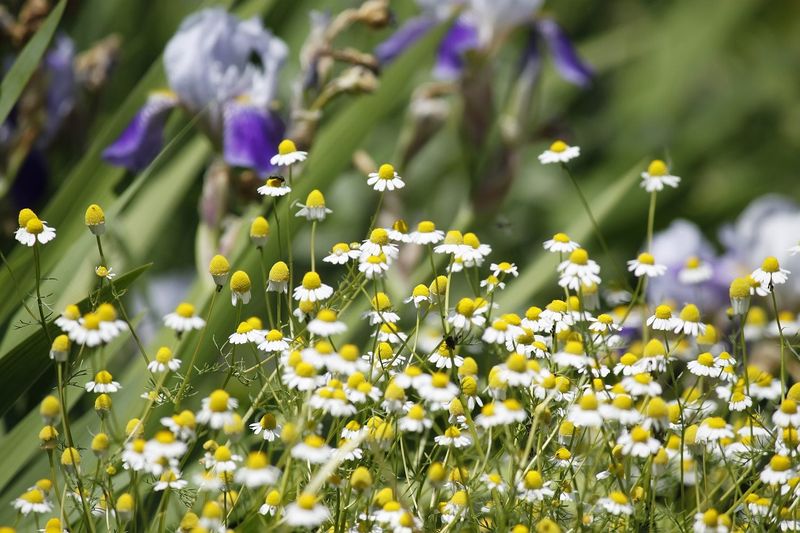
Chamomile, with its calming fragrance and delicate flowers, serves as an excellent companion for cucumbers. This herb promotes healthy growth by boosting the plant’s resistance to diseases.
Its presence in the garden can improve cucumber flavor and yield due to its natural growth-stimulating properties. Chamomile’s small stature ensures it doesn’t compete for sunlight or nutrients, allowing cucumbers to flourish.
Integrating chamomile into your garden is a strategic move for any gardener seeking to enhance cucumber vitality.
10. Calendula
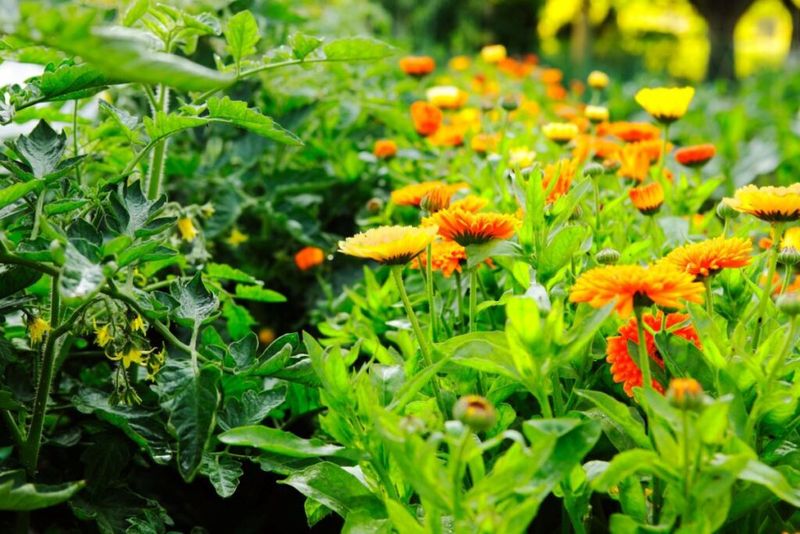
Calendula, with its vivid orange blooms, is more than a feast for the eyes in a garden. This flower is renowned for its ability to repel aphids and other harmful insects, protecting cucumbers from potential threats.
Calendula’s beneficial association with cucumbers improves their overall health and productivity. Its growth pattern complements the sprawling nature of cucumber vines, ensuring no competition for space or nutrients.
Incorporating calendula into your garden strategy can lead to more robust and healthier cucumber plants.
11. Peas
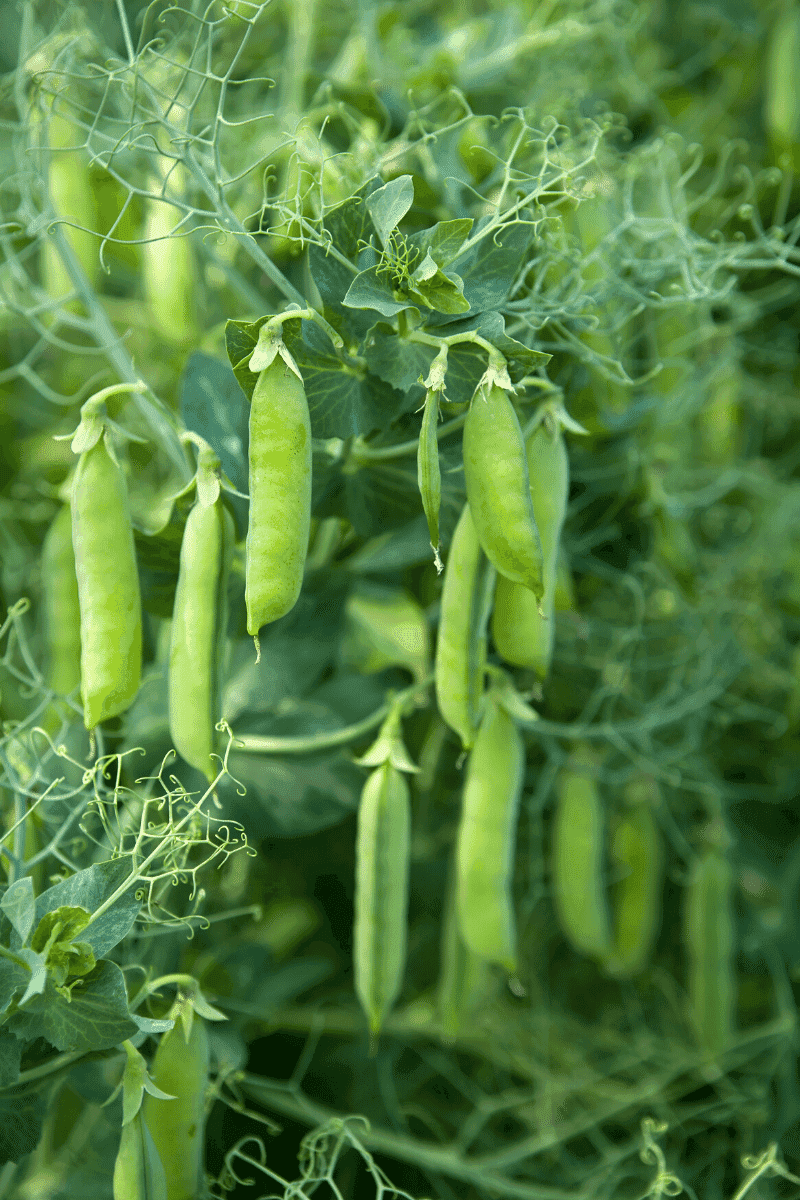
Peas, similar to beans, enrich the soil with nitrogen, benefiting cucumber plants. This natural process of soil enrichment supports cucumber growth by providing essential nutrients.
Peas and cucumbers together create a mutually beneficial relationship, enhancing the productivity of any garden. Their complementary growth habits ensure efficient use of space, with peas climbing alongside cucumber vines.
For gardeners seeking to optimize space and yield, pairing peas with cucumbers is a wise choice.
12. Oregano
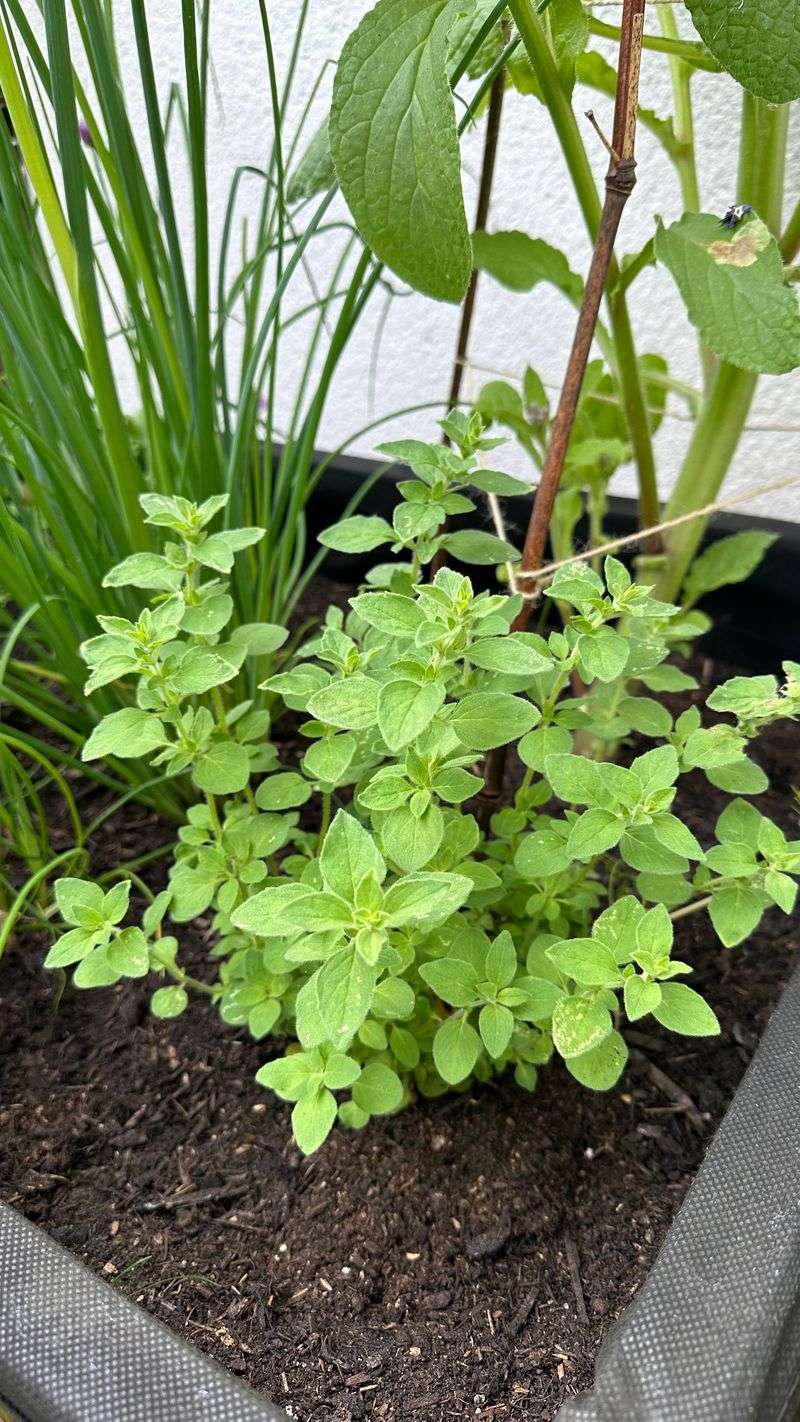
Oregano, with its aromatic leaves, is a natural deterrent for pests that threaten cucumber plants. This herb not only protects but also enhances the flavor profile of cucumbers grown nearby.
Its compact growth habit ensures it doesn’t overshadow cucumber plants, allowing both to thrive. Oregano’s presence in the garden fosters a healthier environment for cucumbers, minimizing the need for chemical pesticides.
Incorporating oregano into your planting strategy can lead to more flavorful and robust cucumbers.
13. Corn
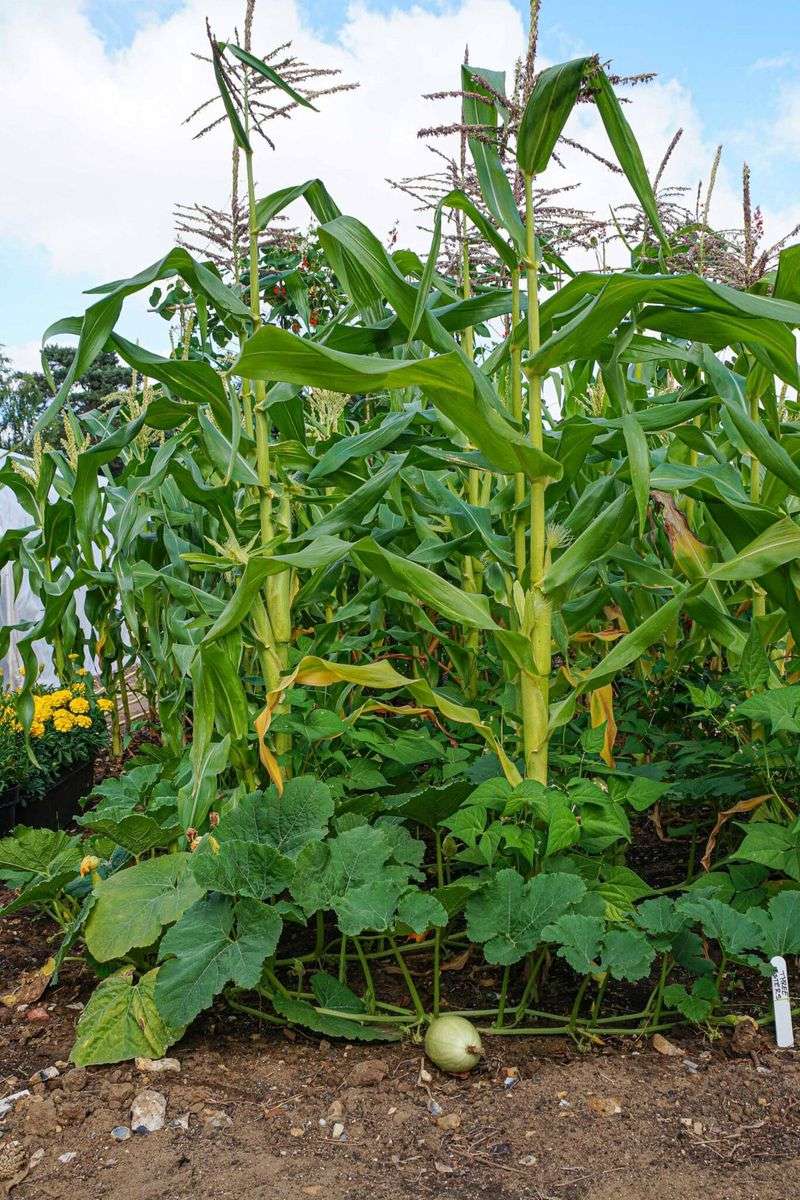
Corn, towering with its robust stalks, offers natural support and shade for cucumber plants. This symbiotic relationship helps maintain soil moisture and protects cucumbers from harsh sunlight.
Cucumbers can climb the sturdy corn stalks, maximizing vertical space in the garden. This efficient use of space and resources benefits both plants, creating a thriving garden ecosystem.
Incorporating corn into your planting scheme can lead to healthier and more productive cucumber plants.
14. Thyme
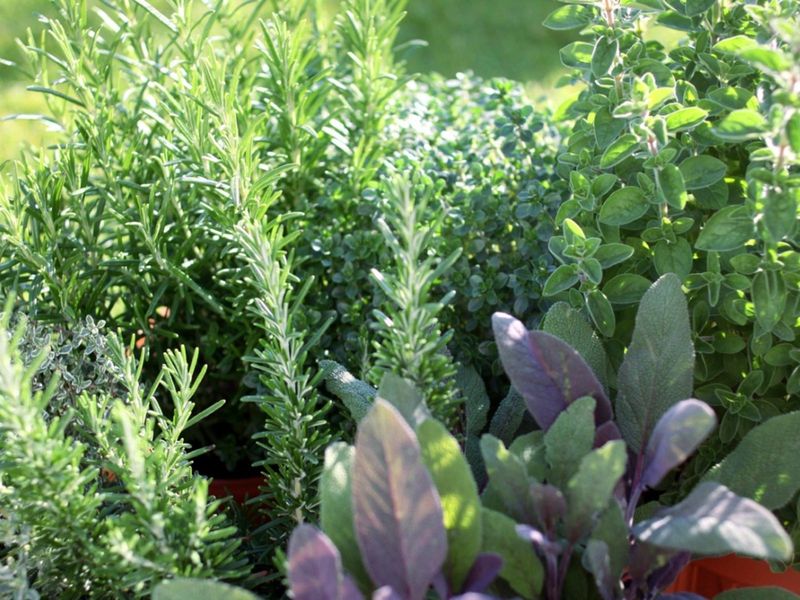
Thyme, a staple herb in many kitchens, is also a beneficial companion for cucumbers. Its aromatic foliage deters pests that could harm cucumber plants, offering natural protection.
This hardy herb’s low-growing nature ensures it doesn’t compete for resources, allowing cucumbers to flourish alongside. Thyme adds another layer of resilience to your garden, supporting cucumber vitality.
Incorporating thyme into your garden can lead to healthier cucumbers with enhanced pest resistance.
15. Mint
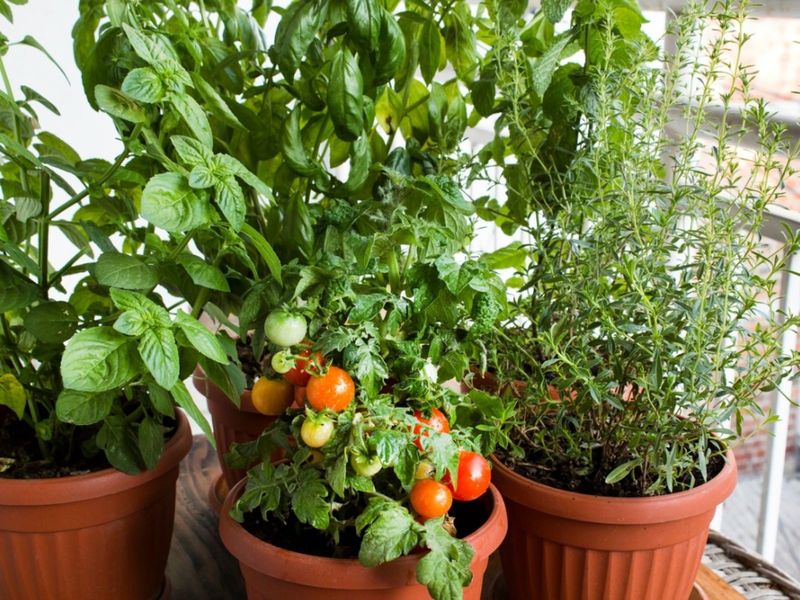
Mint, known for its refreshing aroma, acts as a natural deterrent for pests in the garden. Planting mint near cucumbers can help ward off ants and aphids, protecting the cucumber plants.
While mint can be invasive, planting it in containers or controlling its spread ensures it complements rather than competes with cucumbers.
The presence of mint in your garden not only safeguards cucumber health but also adds a delightful scent to the garden atmosphere.
16. Lettuce
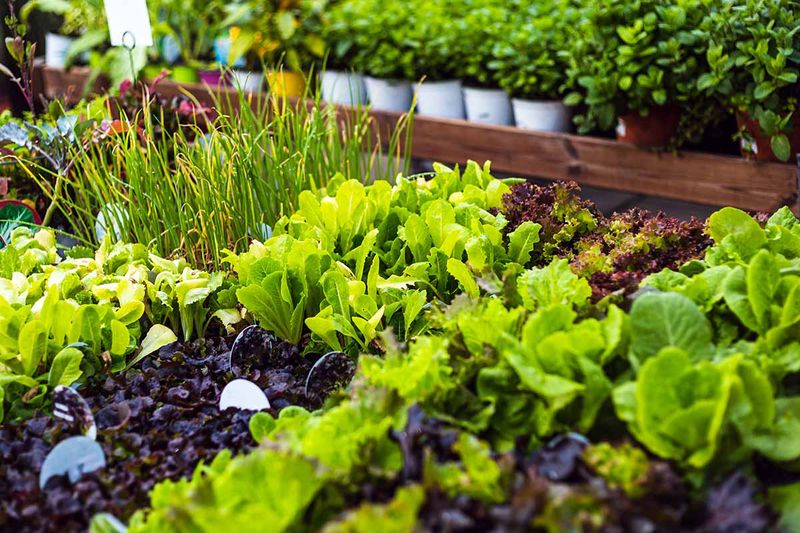
Lettuce, with its leafy greens, acts as a living mulch for cucumber plants. This ground cover helps retain soil moisture and suppress weeds, creating a conducive environment for cucumbers to thrive.
Lettuce grows quickly and can be harvested before cucumbers reach maturity, ensuring a continuous garden cycle.
Incorporating lettuce into your garden strategy not only supports cucumber health but also maximizes space and productivity.
17. Tansy
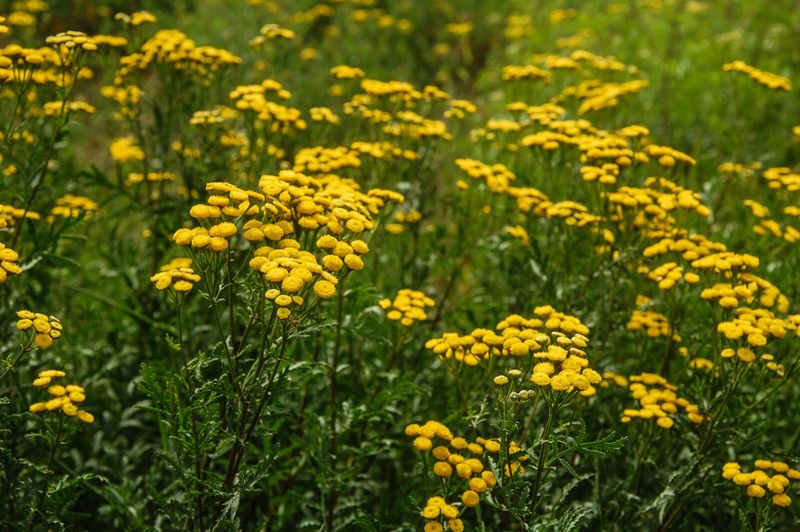
Tansy, with its vibrant yellow flowers, is more than just a pretty face in the garden. Known for its ability to repel a variety of pests, tansy can be a valuable ally for your cucumbers. Its strong scent deters insects like cucumber beetles, which are notorious for damaging cucumber plants.
Furthermore, tansy attracts beneficial insects such as ladybugs and parasitic wasps, which help control other garden pests. Although tansy can be invasive, with careful management, it offers both aesthetic appeal and practical benefits. Adding tansy to your garden could be the secret to lush, healthy cucumbers.
Did you know? In medieval times, tansy was used in religious ceremonies for its symbolic meaning of immortality.