 Complete Gardening
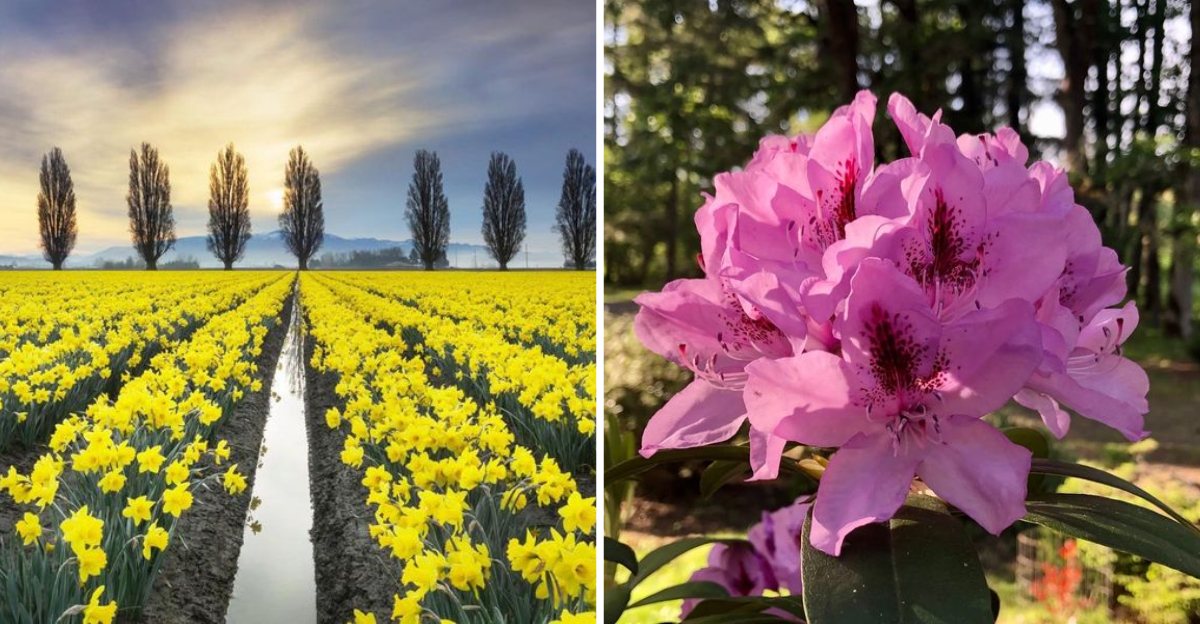
While many flowers appear bee-friendly, offering vibrant colors and enticing scents, not all provide the nourishment bees need. This list highlights 17 such flowers that, despite their alluring exteriors, may not contribute to a bee’s diet.
1. Tulips
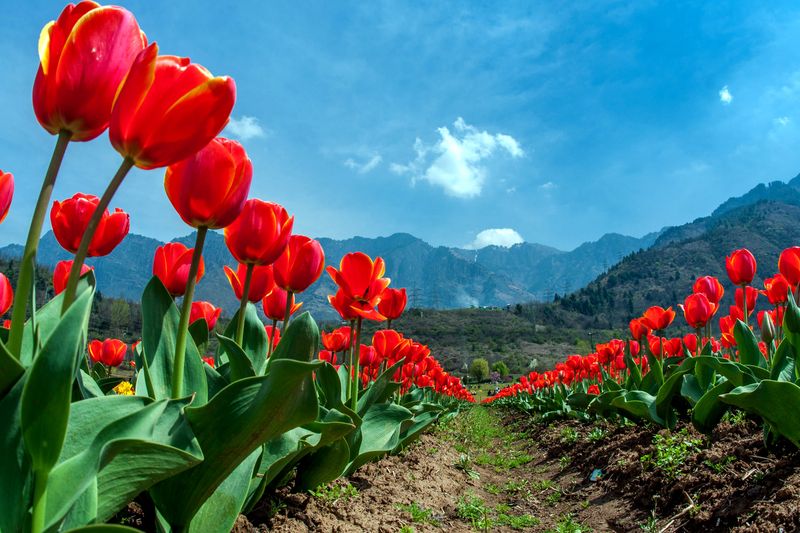
Tulips, with their stately appearance and bold colors, are a springtime staple. However, these flowers offer little to no nectar or pollen, leaving bees without sustenance. Their structure, while visually appealing, is not conducive to bee visitation due to its firm petals. Bees may land on them, but they quickly abandon the search for food. The tulip’s charm lies in its simplicity, yet this simplicity does not extend to supporting pollinators. Gardeners often favor tulips for their easy maintenance and striking presence in flower beds, but bees find them lacking.
2. Hydrangeas
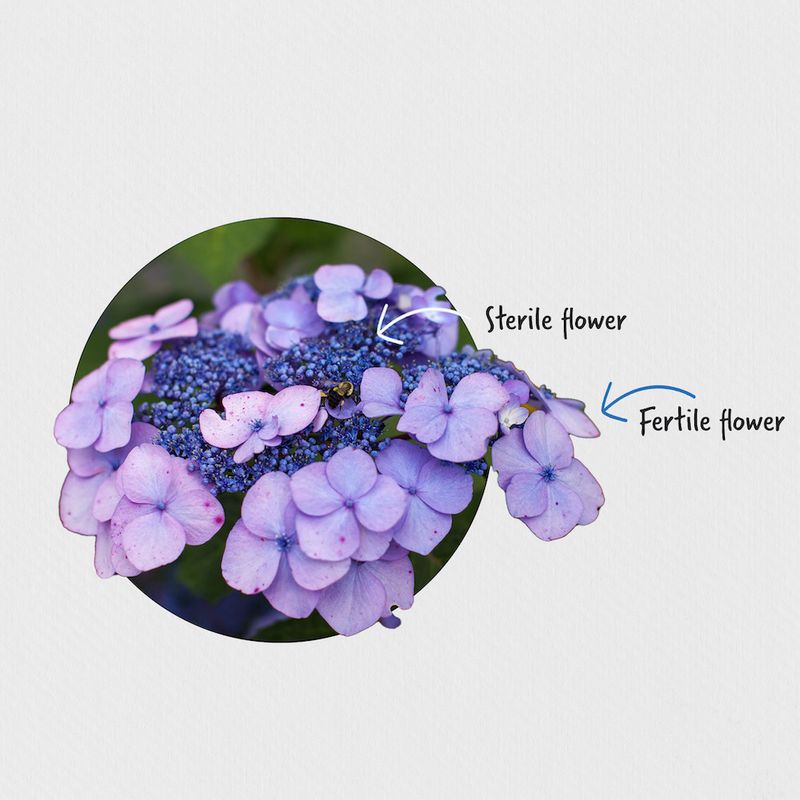
Hydrangeas grace gardens with their large, spherical blooms and a palette ranging from pink to blue. Despite their beauty, hydrangeas offer negligible nectar, making them unfriendly to bees seeking nourishment. The flowers are more about visual appeal than ecological benefit. In fact, many hydrangea varieties are sterile, producing showy blooms without the pollen bees crave. For gardeners, hydrangeas are a low-maintenance choice, thriving in diverse climates. While their aesthetic allure is undeniable, their contribution to the bee ecosystem is minimal at best.
3. Rhododendrons
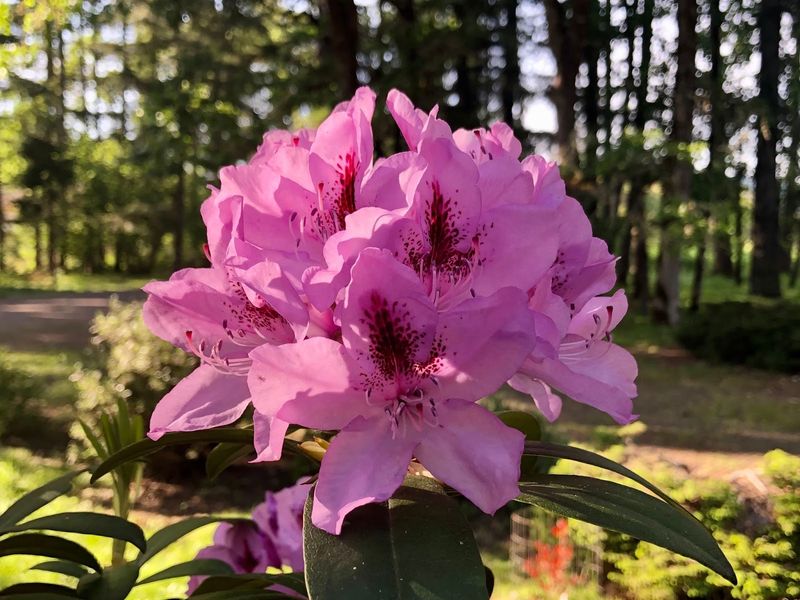
Rhododendrons are renowned for their vivid, trumpet-shaped flowers and evergreen foliage. Yet, they offer a cautionary tale for bees. The nectar of some rhododendrons contains grayanotoxins, which can be toxic to bees. While these toxins generally do not deter all pollinators, they present a risk. The bush’s glossy leaves and vibrant colors often lead bees to inspect them, but the rewards are potentially harmful. Gardeners value rhododendrons for their rich blooms and adaptability, but they may not be the best choice for bee-friendly gardens.
4. Peonies
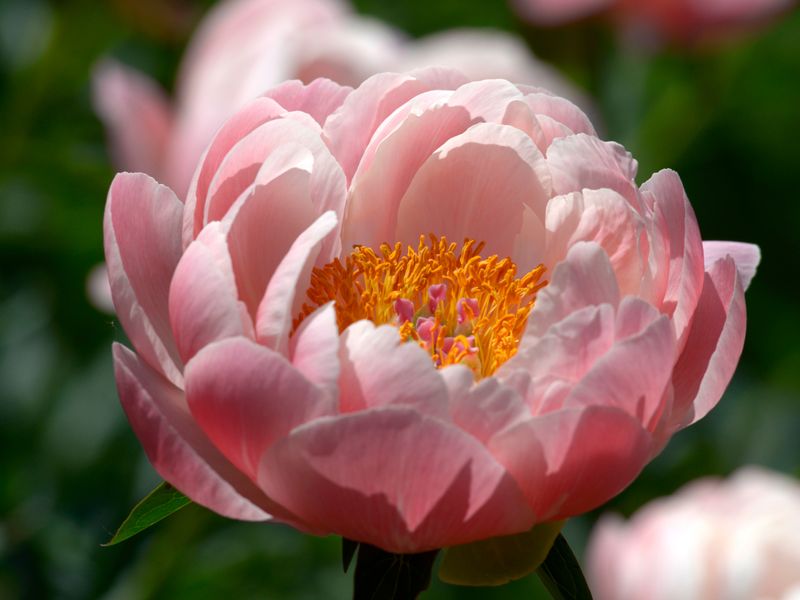
Peonies are beloved for their lush, opulent blooms and fragrant scent. However, they are not the most bee-friendly. While their large petals attract bees, the accessible nectar and pollen are limited, leading to brief visits. Peonies require ants for blooming, which doesn’t cater to bee populations. The flower’s majestic presence in gardens is undeniable, often symbolizing romance and prosperity. Yet, for those looking to support bee habitats, peonies might not be the optimal choice, despite their undeniable beauty and allure in floral arrangements.
5. Lilies
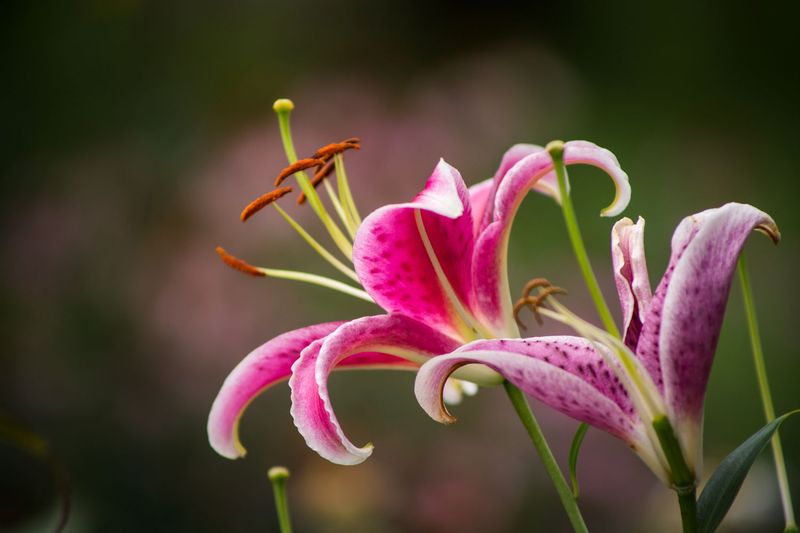
Lilies, with their striking form and exotic allure, are a garden favorite. However, for bees, these flowers are more of an illusion than a source of nourishment. Their deep, trumpet-shaped blooms hide any limited nectar, making it difficult for bees to access. Moreover, their pollen, while abundant, is not always the preferred choice for bees. Gardeners might plant lilies for their dramatic impact and diverse colors, but bees often bypass these blooms in search of more rewarding options. The lily’s beauty is captivating, though not beneficial for pollinators.
6. Daffodils
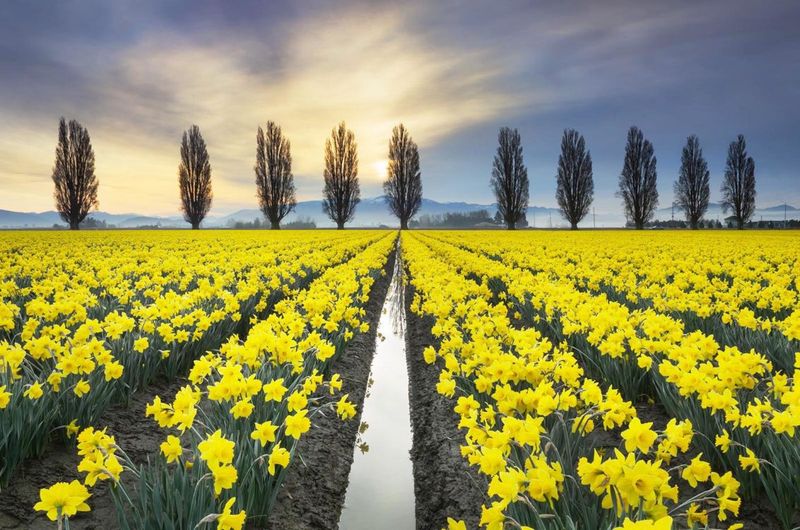
Daffodils, the heralds of spring, captivate with their cheerful yellow hues and trumpet shapes. Yet, bees find little nourishment here. The structure of daffodils makes nectar hard to reach, and the pollen is not particularly appealing. Despite their popularity in gardens and parks for their early bloom, daffodils do not contribute significantly to a bee’s diet. These flowers are seen as symbols of rebirth and new beginnings, bringing a splash of color after winter. However, their role in supporting bee populations is negligible.
7. Camellias
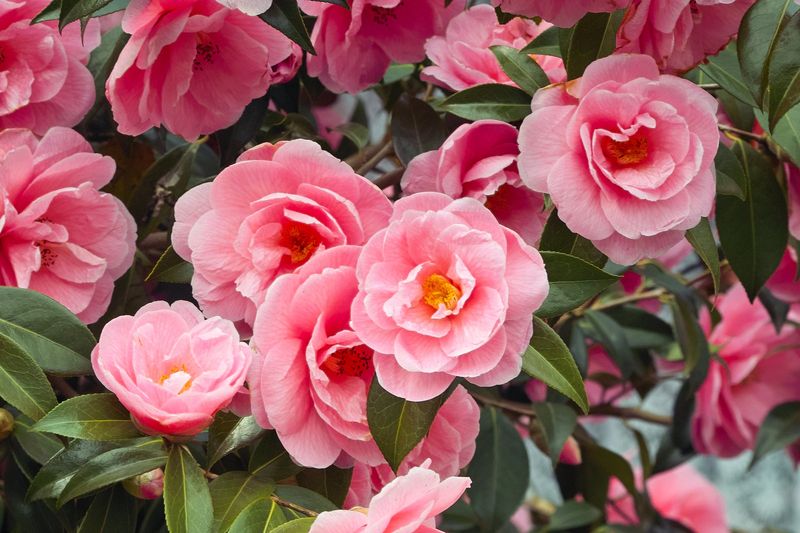
Camellias are prized for their glossy green leaves and stunning, rose-like blooms. Unfortunately, they offer little for bees seeking nectar. Camellias bloom in cooler weather when bee activity is reduced, further limiting their usefulness to pollinators. Their tightly packed petals and lack of accessible nectar make them more ornamental than beneficial. These flowers are often associated with elegance and refinement in gardens, valued for their long-lasting blooms. However, they don’t play a significant role in supporting bee populations.
8. Petunias
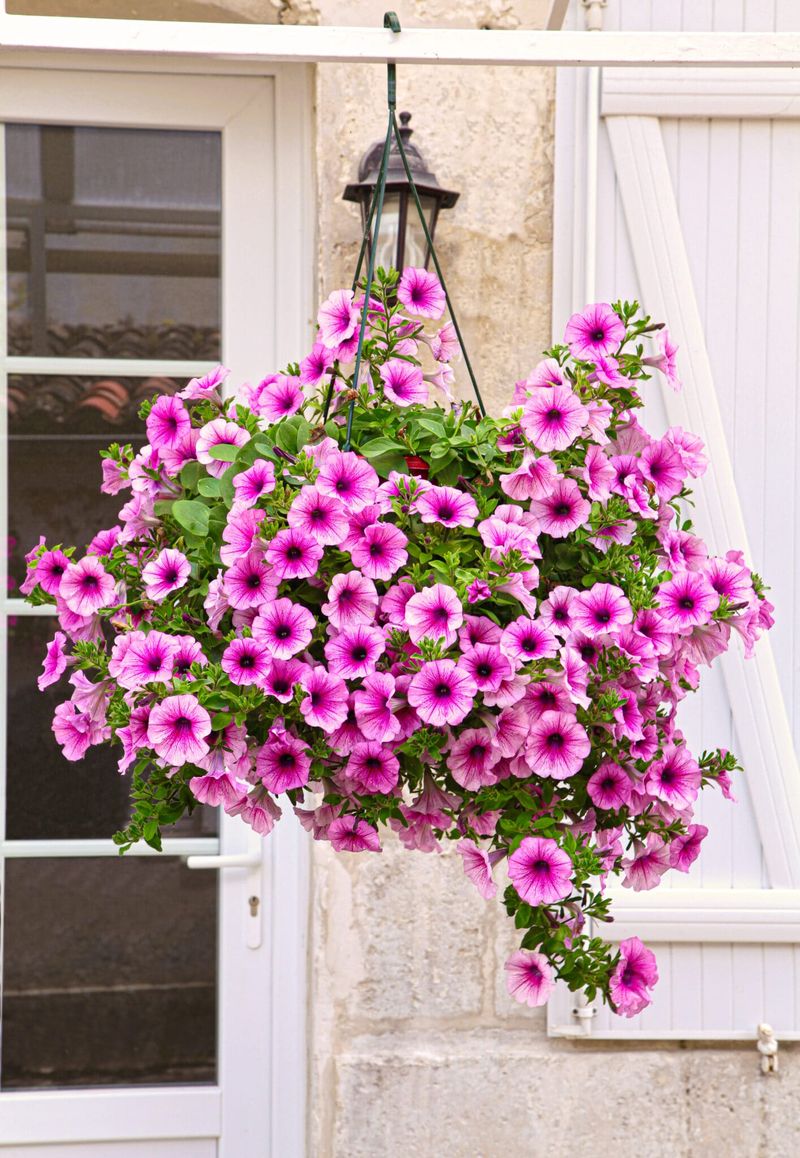
Petunias, with their cascading blooms and variety of colors, are popular in hanging baskets and window boxes. Despite their visual appeal, petunias provide minimal nectar and pollen for bees. Their tubular flowers do not invite easy access, often leaving bees to search elsewhere. For gardeners, petunias are valued for their long blooming season and ability to thrive in various conditions. While they brighten up patios and gardens with their cheerful appearance, their contribution to bee ecosystems is limited, offering little nourishment for hungry pollinators.
9. Zinnias
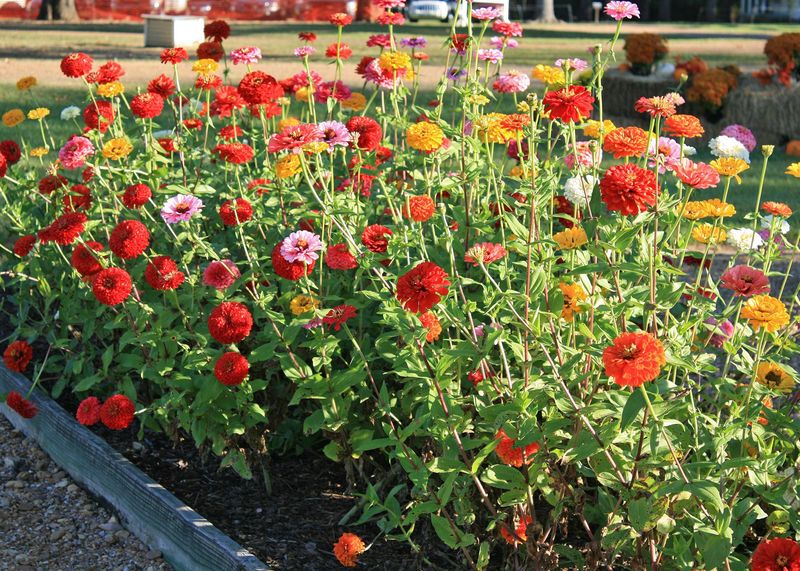
Zinnias, known for their vivid colors and easy cultivation, are a staple in many gardens. However, their appeal is more visual than nutritional for bees. While they do offer some pollen, the nectar is often insufficient for bees seeking nourishment. Zinnias attract gardeners with their drought tolerance and ability to bloom throughout the summer. Their presence can create a colorful landscape, yet the impact on bee populations is minimal. Though they add a splash of color to any garden, zinnias are not the most bee-friendly choice.
10. Begonias
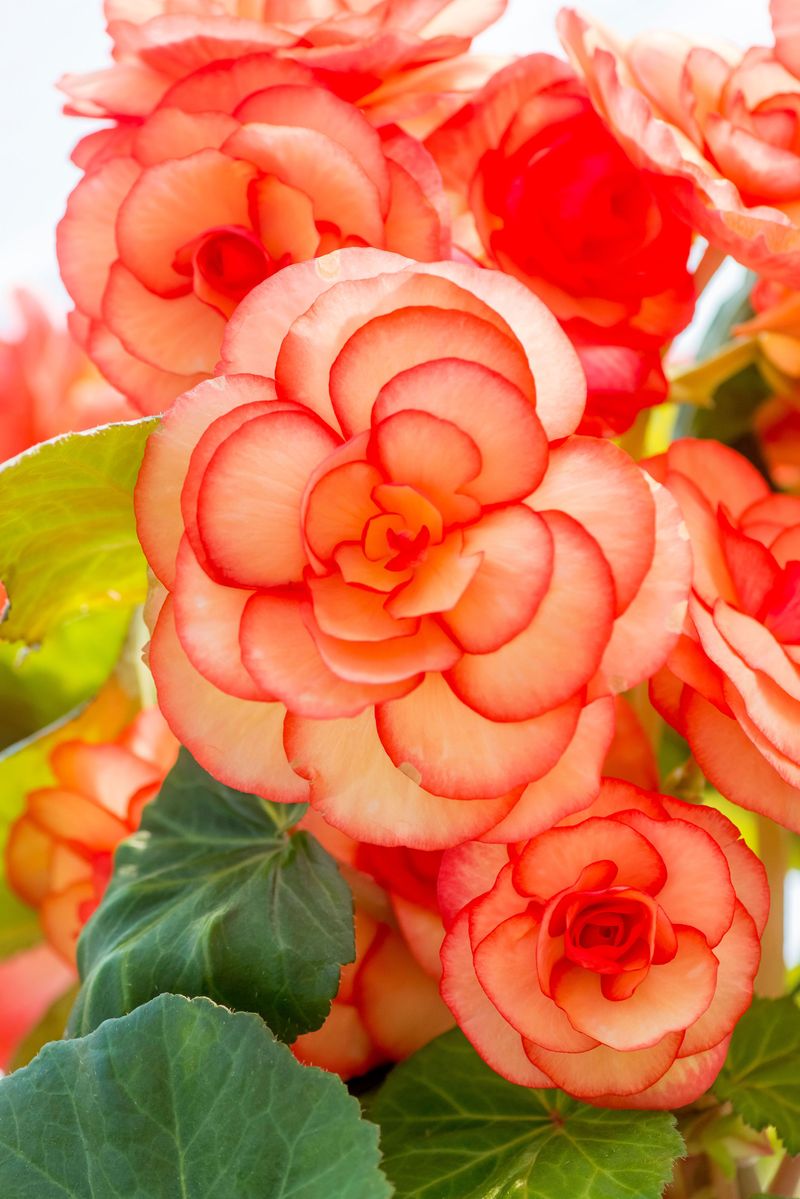
Begonias, with their unique foliage and bright, waxy blooms, are a gardener’s delight. However, bees will find little here. These flowers produce minimal nectar, and their pollen is not readily accessible. Begonias thrive in shaded areas, which may discourage visits from sun-loving bees. Their appeal lies in their ability to add texture and color to garden borders and container plantings. While they are a versatile and attractive choice for garden enthusiasts, begonias do not significantly contribute to bee-friendly environments.
11. Geraniums
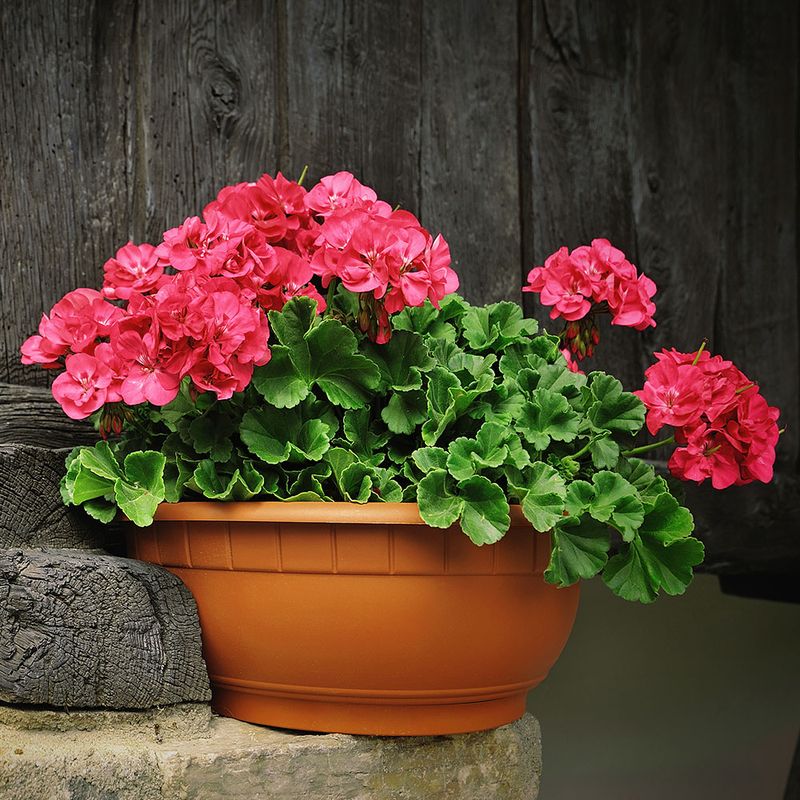
Geraniums, with their robust blooms and aromatic foliage, are a common sight in window boxes and gardens. Yet, they offer little to bees in search of nectar. The structure of geranium flowers does not facilitate easy nectar access, leading bees to swiftly move on. These plants are appreciated for their resilience and long blooming period. While they provide a burst of color and pleasant fragrance, geraniums are not a go-to for supporting bee populations. Their contribution to the ecosystem, in terms of bee nourishment, is limited.
12. Wisteria
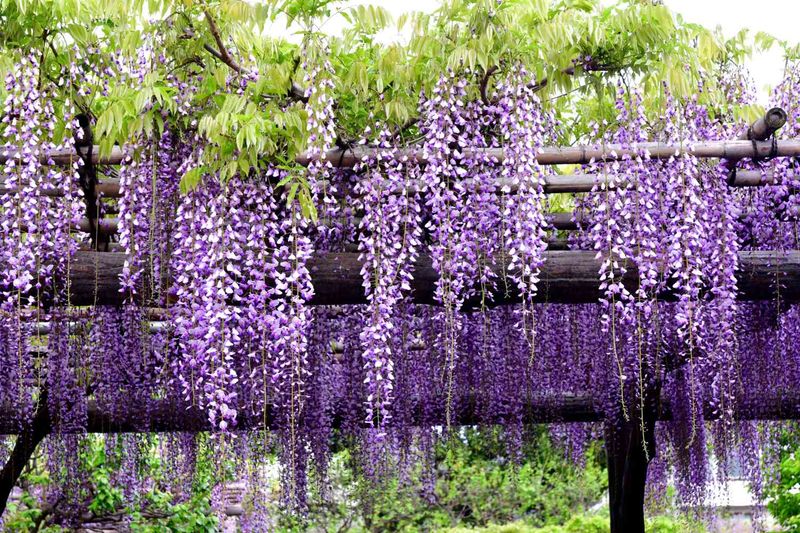
Wisteria vines, with their cascading purple flowers, create a dramatic and enchanting garden feature. However, these blooms offer more beauty than sustenance for bees. The flowers’ structure and heavy scent may attract bees, but the nectar available is minimal. Gardeners covet wisteria for its ability to create shaded canopies and its stunning seasonal display. While it holds a romantic allure and transforms spaces with its lush growth, wisteria does not play a significant role in nourishing bee populations.
13. Impatiens
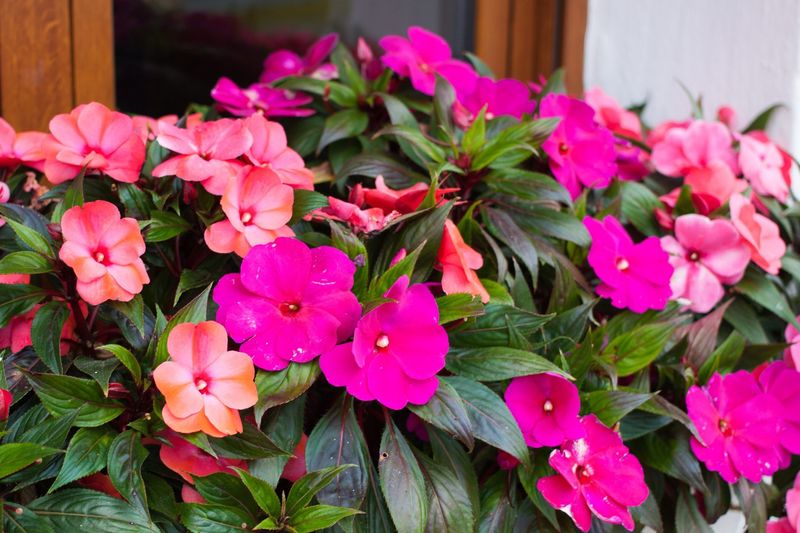
Impatiens, known for their ability to thrive in shady conditions, are a staple for adding color to dim garden spots. Despite their vibrant appearance, impatiens provide negligible nectar and pollen for bees. The structure of their blooms does not facilitate easy access for bees, which often move on in search of better options. Gardeners appreciate impatiens for their continuous blooms and adaptability. While they brighten up shaded areas with cheerful colors, their contribution to supporting bee populations is minimal at best.
14. Hostas
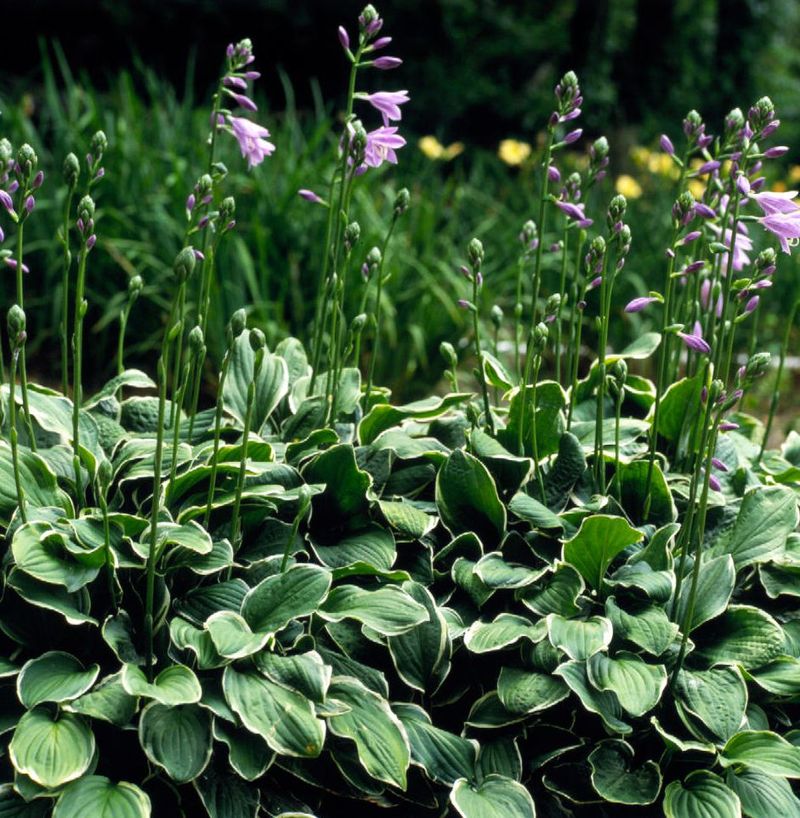
Hostas are primarily grown for their attractive foliage, with large, lush leaves that can dominate a garden. Their flowers, however, provide little benefit to bees. The blooms are often overshadowed by the plant’s leaves and offer minimal nectar. Hostas are favored in gardens for their shade tolerance and ability to fill spaces with greenery. While their purplish flowers may add a subtle touch of color, the overall impact on bee populations is limited. Hostas remain a choice for foliage enthusiasts rather than bee supporters.
15. Chrysanthemums
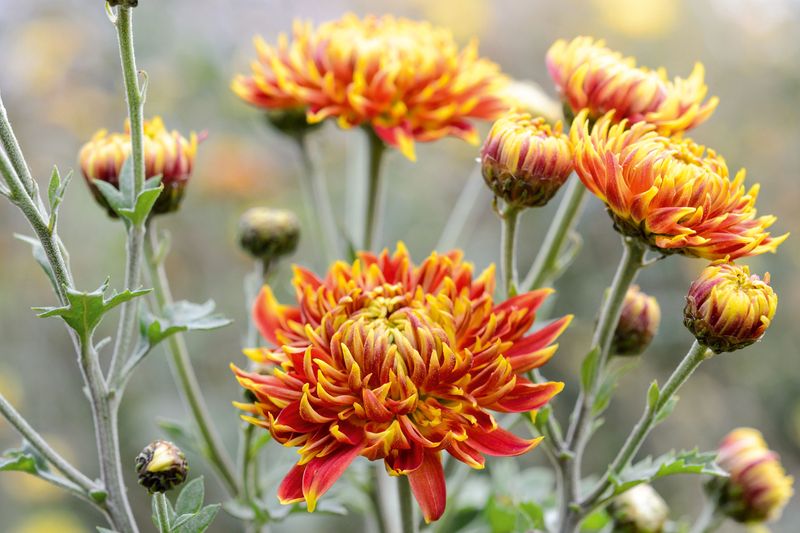
Chrysanthemums, known for their vibrant autumnal colors, are a seasonal favorite. Despite their striking appearance, they are not a primary source of sustenance for bees. The dense petals and limited nectar make them more ornamental than functional for bee populations. Chrysanthemums thrive in cooler weather, aligning with the end of the bee season. Gardeners prize them for their ability to provide late-season color and resilience. While they brighten up gardens in the fall, chrysanthemums do not contribute significantly to supporting bees.
16. Marigolds
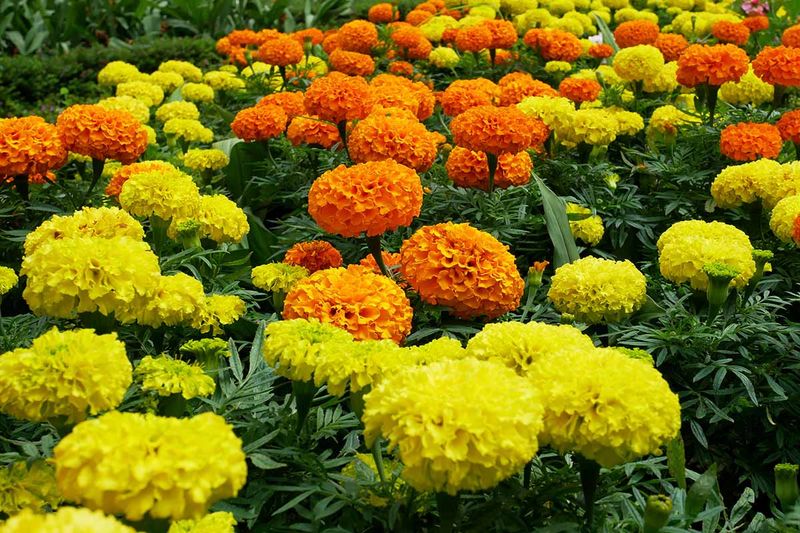
Marigolds, with their bright orange and yellow hues, are often planted for their pest-repelling properties. However, bees find marigolds less inviting. The flowers produce minimal nectar, and their strong scent can deter rather than attract bees. Gardeners use marigolds for their ease of growth and ability to deter pests naturally. While they serve a purpose in maintaining healthy gardens, their role in supporting bee populations is limited. The marigold’s vibrant presence is valued more for its utility than its contribution to bee habitats.
17. Gardenias
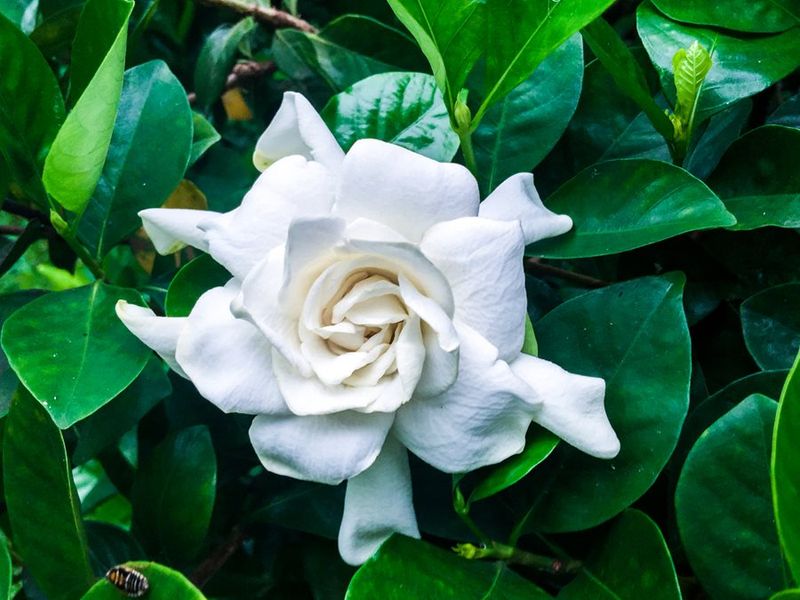
Gardenias, with their intoxicating fragrance and creamy white blooms, evoke tropical elegance. Yet, they provide little for bees. The nectar is sparse, and their blooms often attract pollinators more for scent than sustenance. Gardenias are celebrated for their aromatic flowers and are a popular choice in ornamental landscaping. While their scent can fill a garden with a pleasant aroma, their ecological value for bees is minimal. Gardenias add elegance and fragrance, but they do not significantly support bee populations.