 Complete Gardening
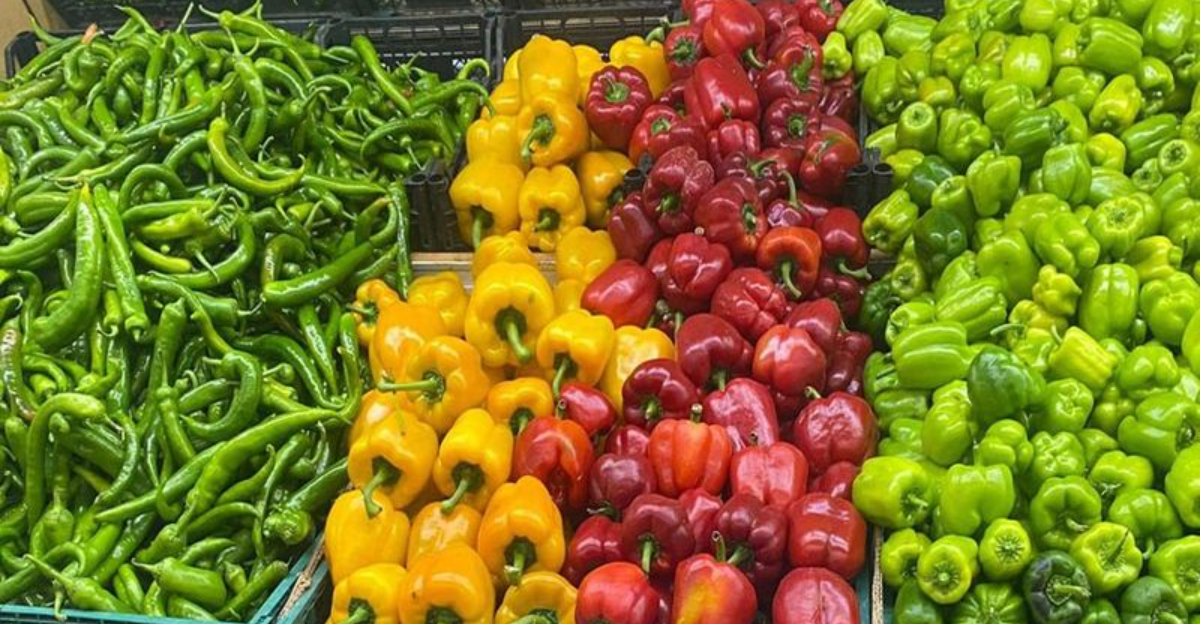
In our quest for healthy eating, we often turn to fruits and vegetables. However, many of these nutritious delights come with an unwanted side: pesticide residues. While washing produce can reduce some of the pesticide traces, some fruits and vegetables consistently test high for residues. Below, we explore the 15 worst offenders, often found on the Environmental Working Group’s ‘Dirty Dozen’ list, and what makes them particularly notorious in this regard.
1. Strawberries
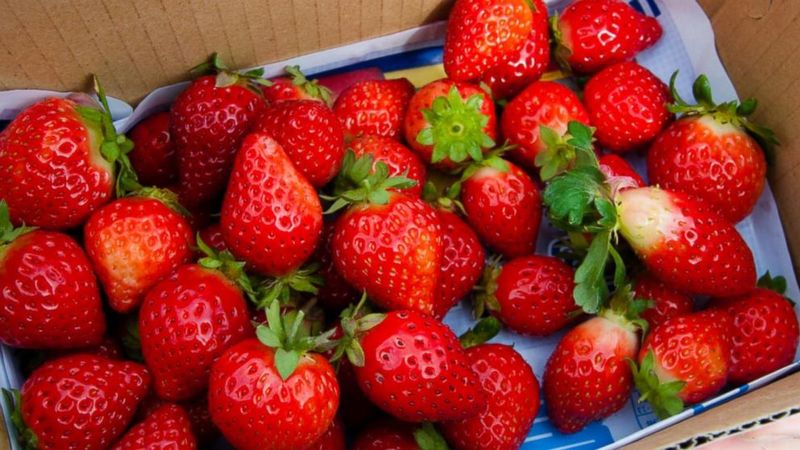
Strawberries, bright and luscious, often top the list of fruits with the highest pesticide residues. These juicy jewels, beloved for their sweet taste, unfortunately, attract over 20 types of pesticides. Their delicate, porous exterior allows chemicals to penetrate easily, making them hard to wash away effectively.
In California, where most of the U.S. strawberries are grown, it’s not uncommon for a single batch to contain traces of multiple pesticides. This makes them a prime candidate for organic selection. Have you ever wondered why strawberries are so shiny? That’s often due to a waxy coating applied post-harvest.
2. Spinach
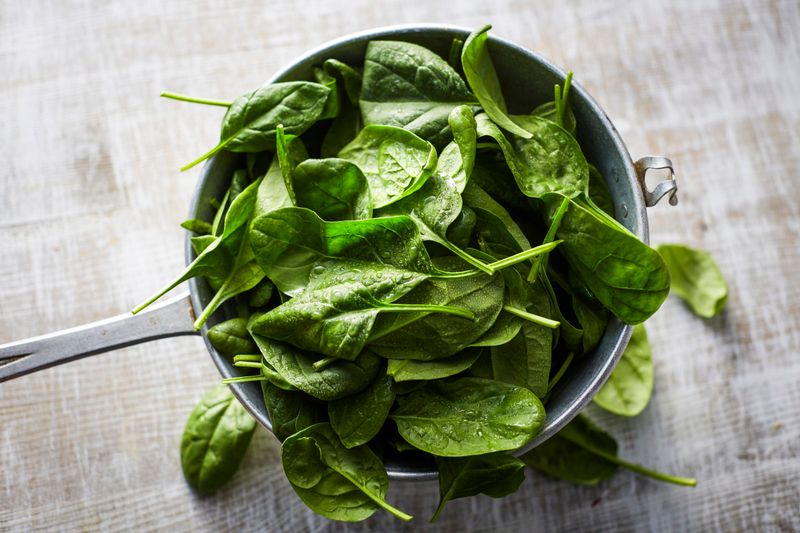
Spinach, a leafy green powerhouse, often carries a hidden surprise—high residues of permethrin, a neurotoxic insecticide. Its crinkly leaves provide numerous hiding spots for pesticides, making it a challenge to clean thoroughly. Spinach’s rapid growth and open growth pattern make it a target for pests, necessitating frequent chemical treatments.
In recent years, spinach samples have revealed residues of up to 10 different pesticides. This leafy favorite is a staple in many diets, prized for its iron content. However, choosing organic spinach might help reduce your pesticide intake, particularly for young children.
3. Kale, Collard & Mustard Greens
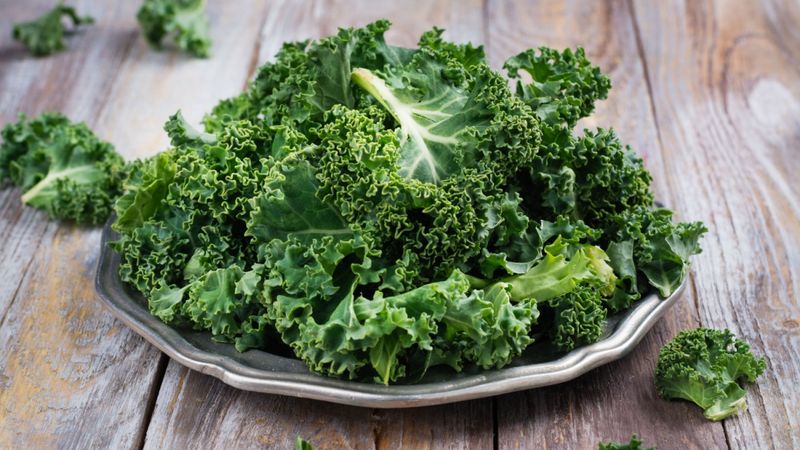
Kale, collard, and mustard greens, celebrated for their nutritional punch, often harbor up to 21 different pesticides. DCPA, a possible carcinogen, is frequently detected in these greens. Their rough, textured leaves are a breeding ground for pests, which leads to heavy pesticide use.
These greens are a staple in smoothies, salads, and soups, beloved for their vitamin richness. However, the pesticide levels detected can be concerning. While washing helps, the stubborn residues often cling to their curly leaves. Opting for organic when purchasing these greens can be a wise choice for health-conscious consumers.
4. Peaches

Peaches, with their soft and inviting texture, are unfortunately adept at absorbing pesticides. The thin skin of this fuzzy fruit provides little barrier against chemical penetration, allowing fungicides and insecticides to seep in.
This vulnerability is compounded by their sweet aroma, which attracts a variety of pests, necessitating frequent treatments. In orchards, peaches are often treated several times during the growing season. For those seeking the pure taste of summer, choosing organic peaches can reduce exposure to these unwanted chemicals.
Peaches are not just a fruit; they are a symbol of summer’s bounty, making clean choices essential.
5. Pears

Pears, with their juicy sweetness, often bear high levels of insecticides and fungicides, including pyrethroids. This beloved autumn fruit, with its smooth skin, deceptively hides layers of chemical protection beneath its surface.
Due to their susceptibility to fungi and insects, pears receive numerous chemical applications throughout their growth period. This can lead to a cocktail of residues on the fruit’s surface. While peeling can help reduce some exposure, going organic is a more effective way to enjoy their natural flavor without the chemical baggage.
For a wholesome pear experience, consider supporting local organic farmers.
6. Nectarines
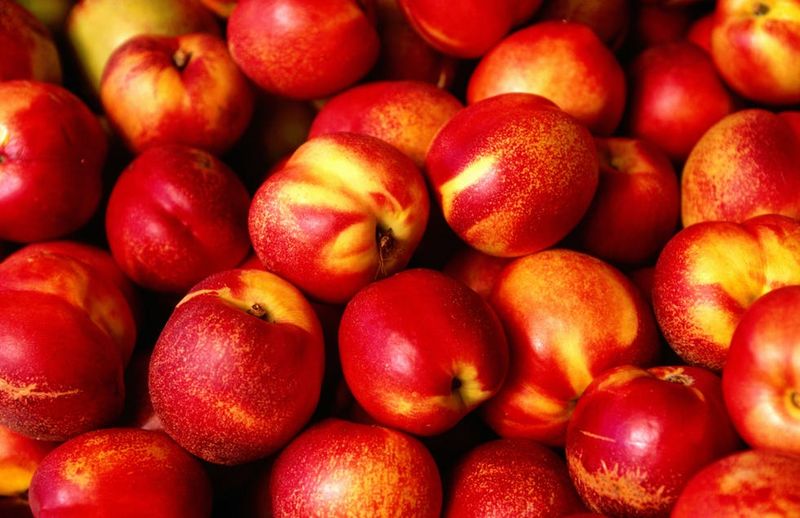
Nectarines, akin to peaches, are known for their smooth skin and juicy flesh. Unfortunately, this makes them equally susceptible to pesticide residues. Their appealing texture and color often require multiple chemical applications to maintain.
The lack of fuzz means there’s less of a barrier to absorb chemicals, making nectarines particularly prone to skin-level residues. When shopping for these sweet treats, organic options can help minimize exposure to harmful pesticides.
Nectarines, with their sun-kissed hues and fragrant aroma, are a delightful summer delight. Choosing organic ensures a purer, more natural taste experience.
7. Apples
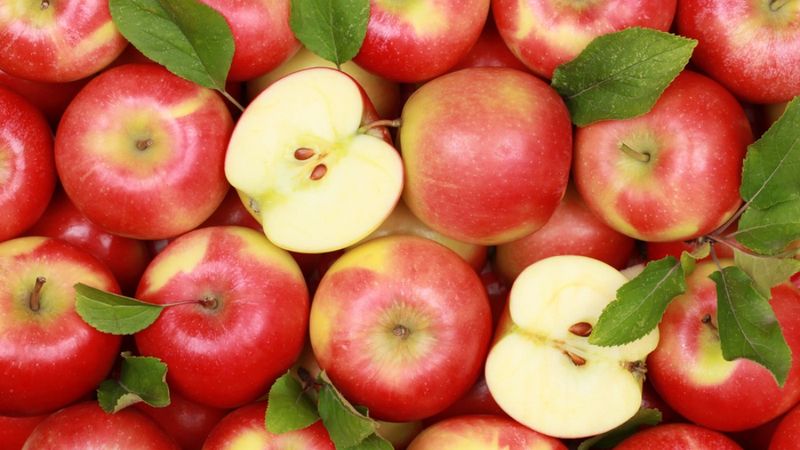
Apples, a staple in lunchboxes and pies, are often treated with diphenylamine, a chemical banned in Europe. This application prevents spoilage and enhances the apple’s glossy appearance but raises concerns over safety.
The smooth skin of apples allows for easy absorption of pesticides, which can linger despite washing. Apples are typically treated before and after harvest, leading to higher residue levels. Choosing organic apples can help avoid these unwanted chemicals while enjoying their crisp, refreshing taste.
Did you know that apple varieties number in the thousands? Each one offers a unique flavor profile to explore.
8. Grapes
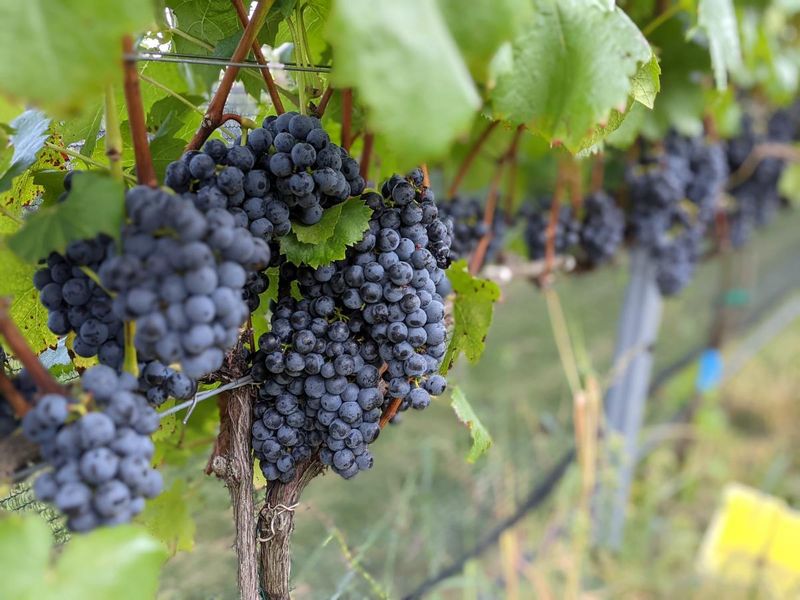
Grapes, small yet flavor-packed, often harbor multiple pesticide residues, particularly imported varieties. Their thin skin and bunch formation make them vulnerable to pests, requiring frequent fungicide treatments.
The allure of grapes is their burst of sweetness, enjoyed fresh or as wine. However, non-organic grapes can carry a mix of chemicals, especially when imported from countries with different agricultural standards. Opting for organic grapes or those from trusted local sources can help reduce exposure.
Grapes have been cultivated for thousands of years, symbolizing abundance and prosperity across cultures.
9. Bell & Hot Peppers
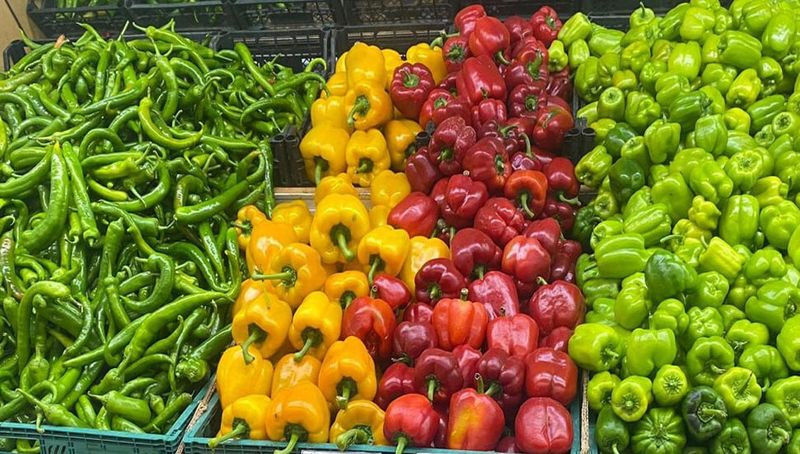
Bell and hot peppers, with their vibrant colors and crisp texture, often contain residues of neurotoxins like acephate and chlorpyrifos. Despite restrictions in the U.S., these chemicals are still detected in pepper samples.
The various crevices and shapes of peppers make them challenging to clean thoroughly, allowing pesticides to linger. For those who enjoy the spicy kick of hot peppers or the sweet crunch of bell peppers, opting for organic can help ensure a safer culinary experience.
Peppers add color and spice to dishes, making them a versatile kitchen staple across cuisines.
10. Cherries

Cherries, tempting with their glossy finish and tart-sweet flavor, frequently test positive for iprodione, a likely carcinogen. This protective measure keeps pests at bay but also raises health concerns.
The delicate nature of cherries, with their thin skin and juicy interior, makes them especially prone to pesticide absorption. For a sweet yet safe indulgence, opting for organic cherries can reduce exposure to these chemicals.
Cherries have been cherished for centuries, often associated with spring festivities and celebrations, making clean choices during harvest time all the more important.
11. Blueberries

Blueberries, small yet mighty in flavor, are often treated with phosmet and malathion, particularly in domestic varieties. Their size and clustered growth make them a target for pests, necessitating regular pesticide use.
These berries are beloved for their antioxidant properties and versatility in recipes from muffins to salads. However, the presence of residues can detract from their health benefits. Choosing organic blueberries can help ensure you’re getting the most out of these nutrient-packed fruits.
Blueberries have long been a staple in North American diets, celebrated for their rich history and cultural significance.
12. Green Beans

Green beans, a recent addition to the Dirty Dozen, have shown significant residues of acephate and bifenthrin. These chemicals protect the beans from pests but raise concerns over potential health risks.
Their elongated shape and smooth surface make green beans easy to grow but challenging to keep pest-free without chemical aid. For those aiming to enjoy the fresh crunch of green beans without the chemical load, organic options are recommended.
Green beans are more than just a side dish; they’re a nostalgic staple in many traditional recipes, from casseroles to stir-fries.
13. Celery
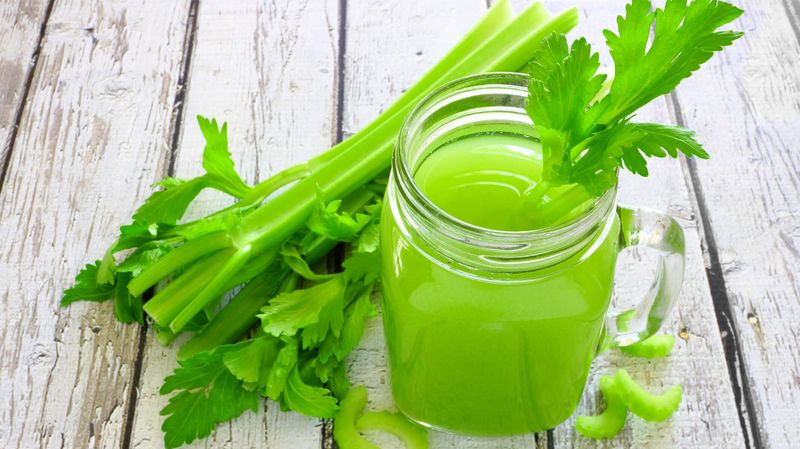
Celery, with its crisp texture and distinct flavor, often carries chlorantraniliprole residues. This chemical is used to deter pests but can linger on celery’s stringy stalks.
Due to its high water content, celery readily absorbs pesticides, making it a challenging vegetable to clean thoroughly. For those looking to enjoy celery’s refreshing crunch, opting for organic can help reduce exposure to these chemicals.
Celery has been a beloved snack and ingredient for centuries, often featured in salads and soups, highlighting its culinary versatility.
14. Tomatoes
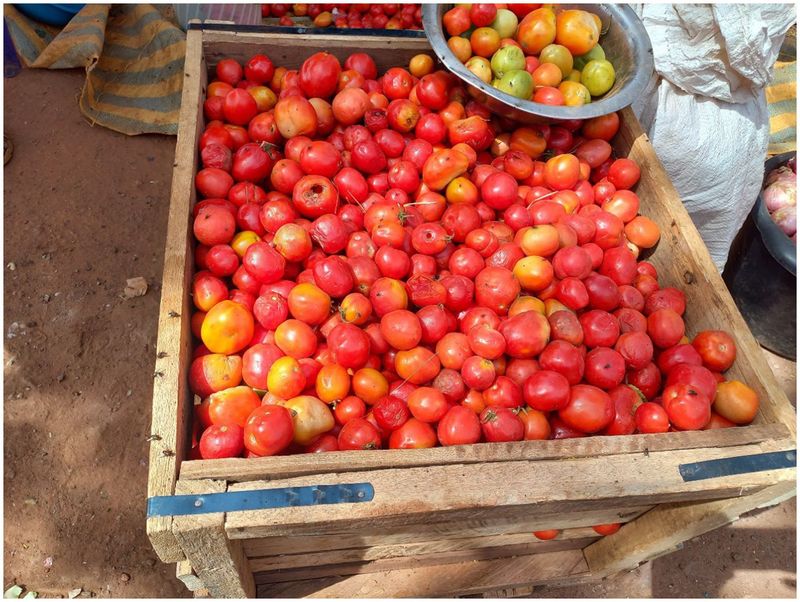
Tomatoes, a garden staple, are often subject to multiple fungicides and insecticides, especially in non-organic farming. Their smooth skin provides little barrier against chemical absorption, making residue removal difficult.
The plump, juicy nature of tomatoes makes them attractive to pests, requiring frequent chemical intervention. For those who savor tomatoes’ robust flavor, opting for organic can ensure a more natural experience without chemical interference.
Tomatoes are more than just an ingredient; they are a symbol of summer and a key component in countless dishes worldwide.
15. Potatoes
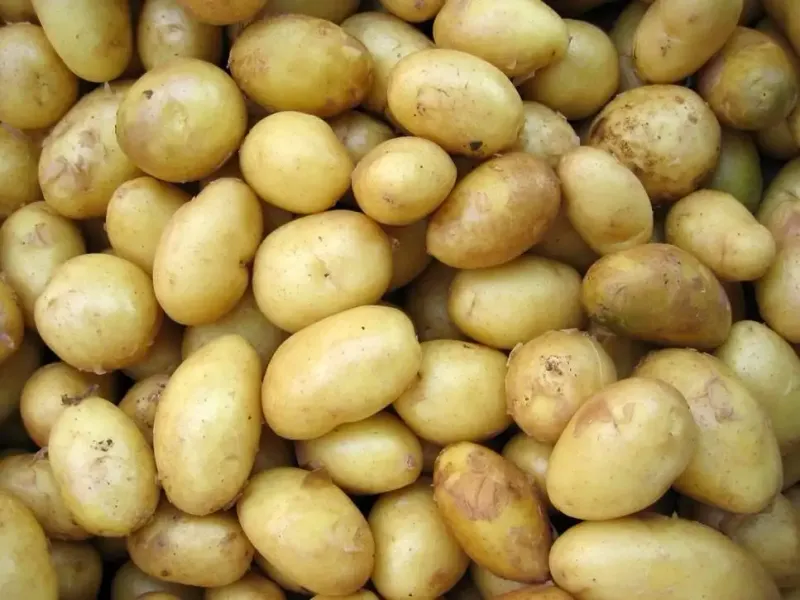
Potatoes, a beloved staple, often contain high levels of chlorpropham, a sprout inhibitor. This chemical helps extend shelf life but presents health concerns due to its persistence in the skin.
Peeling potatoes can reduce some of the pesticide exposure, but going organic is an effective way to avoid these residues entirely. Enjoying potatoes’ natural flavor without chemical additives is a priority for many health-conscious consumers.
Potatoes have been a dietary cornerstone for centuries, offering versatility in cooking, from mashed to baked. Making organic choices can enhance their nutritional benefits.