 Complete Gardening
Planting perennials in Washington’s notoriously rainy climate presents unique challenges for even the most seasoned gardeners. The lush environment, while ideal for many plant species, can also lead to a series of unexpected pitfalls if approached without the necessary knowledge and preparation. By understanding these common mistakes and learning how to avoid them, you can cultivate a thriving perennial garden that flourishes in the Pacific Northwest’s wet conditions.
Neglecting Soil Drainage
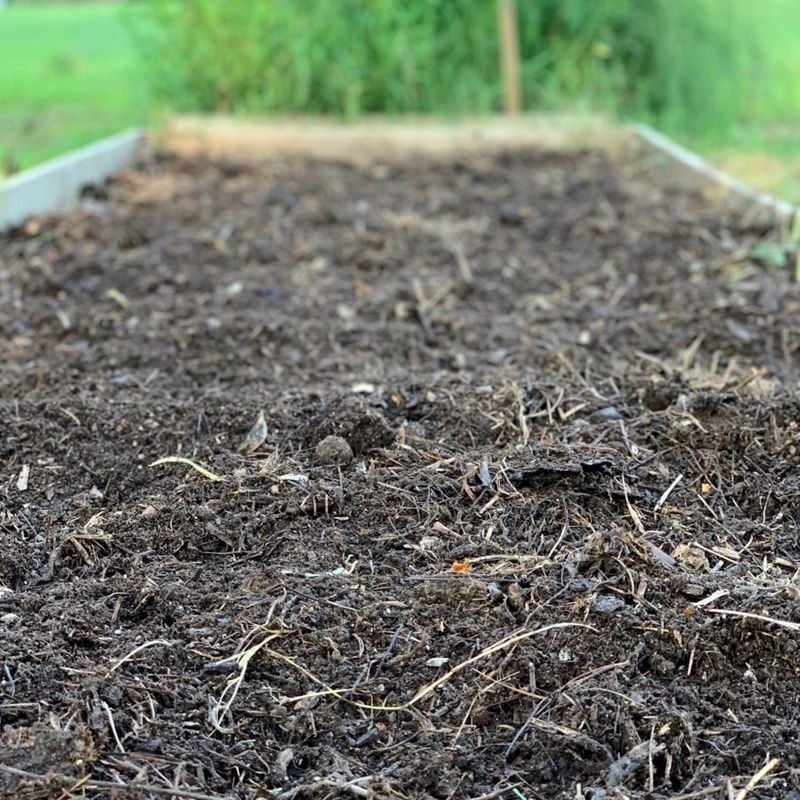
When setting up a garden in Washington, many gardeners overlook the importance of proper soil drainage. This mistake can lead to waterlogged roots, which is detrimental to perennials. Imagine planting your favorite flowers only to find them wilting due to excess moisture.
To prevent this, consider raised beds or amend the soil with organic matter to enhance drainage. Knowing the difference between soil types can be the key to a thriving garden.
Choosing the Wrong Perennial
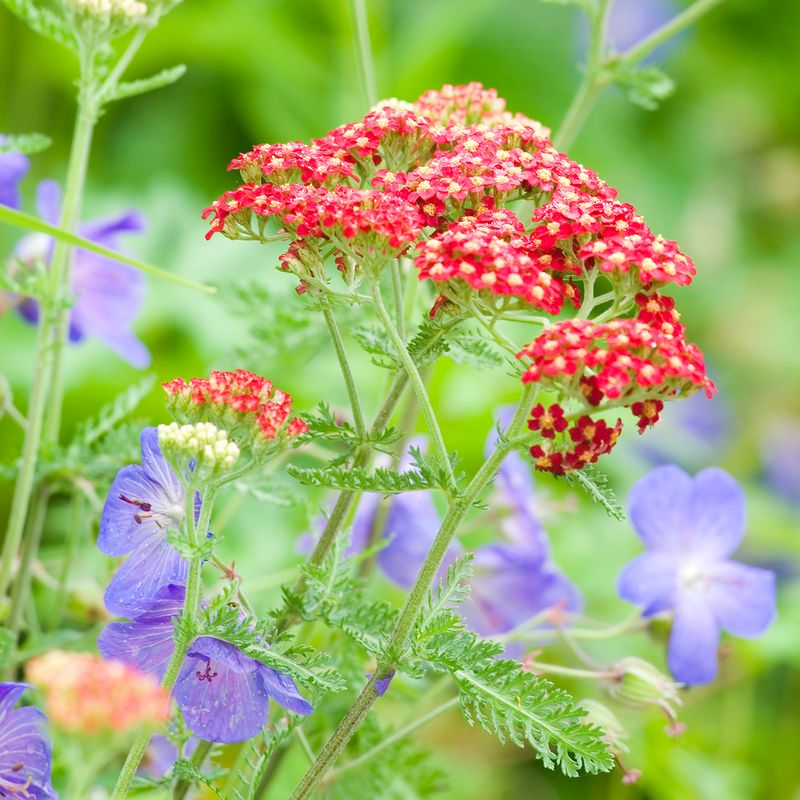
Selecting the right plants for your garden is like choosing the right outfit for the weather. In Washington, not all perennials are suitable for the rainy climate. Some plants may thrive while others struggle.
Research the specific needs of each plant before purchasing. Consider factors like sunlight, soil type, and moisture requirements to ensure compatibility with the local environment. This simple step can make all the difference in your garden’s success.
Overcrowding Plants
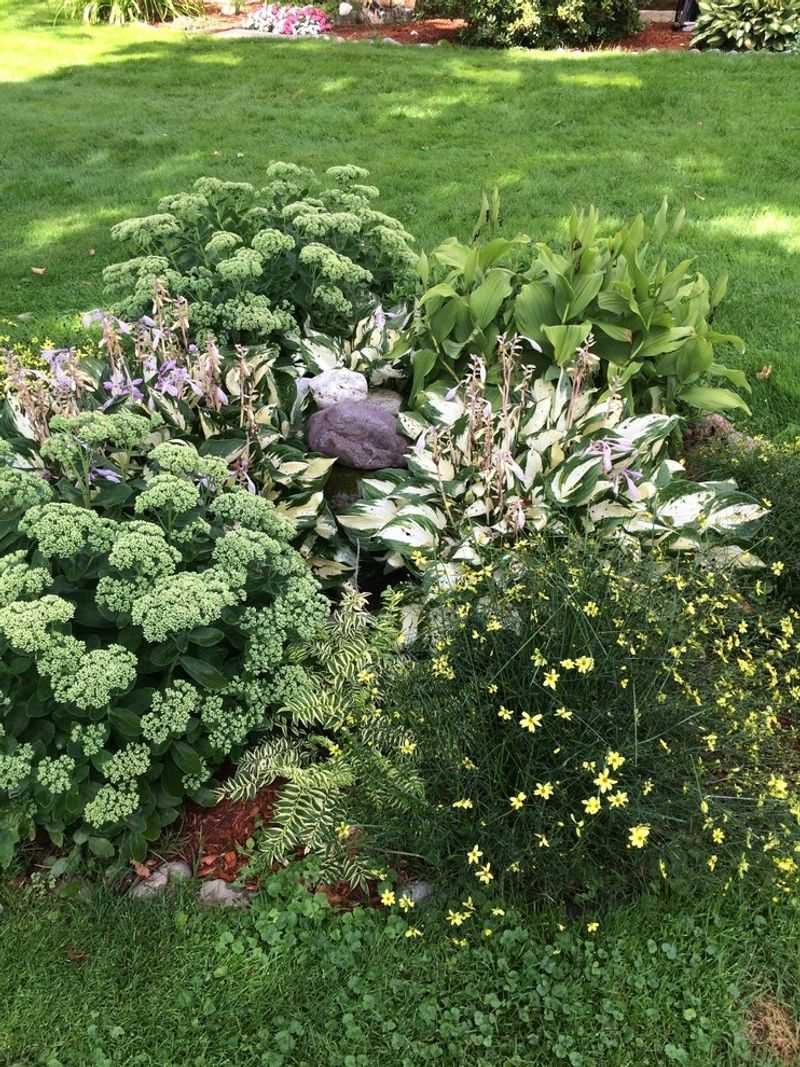
Overenthusiasm often leads to overcrowding in gardens. While it might seem like a good idea to plant as many perennials as possible, this can lead to competition for vital resources.
Give each plant enough space to grow and receive adequate sunlight. Proper spacing reduces competition and promotes healthier growth, allowing each plant to reach its full potential.
Ignoring Seasonal Changes
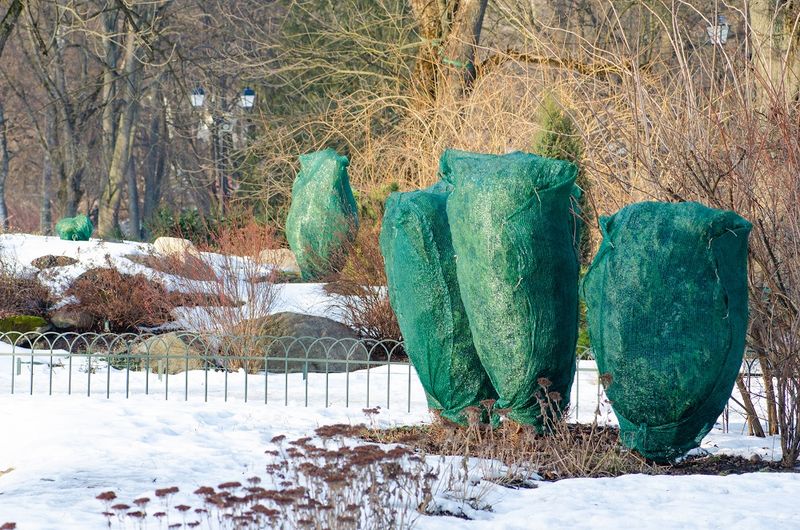
Washington’s weather can be unpredictable, with sudden temperature drops affecting your perennials. Ignoring seasonal changes is a common misstep for many gardeners.
Keep an eye on weather forecasts and protect your plants during unexpected frosts. Using mulch and frost covers can provide that extra layer of protection needed during extreme weather conditions.
Skipping Soil Testing
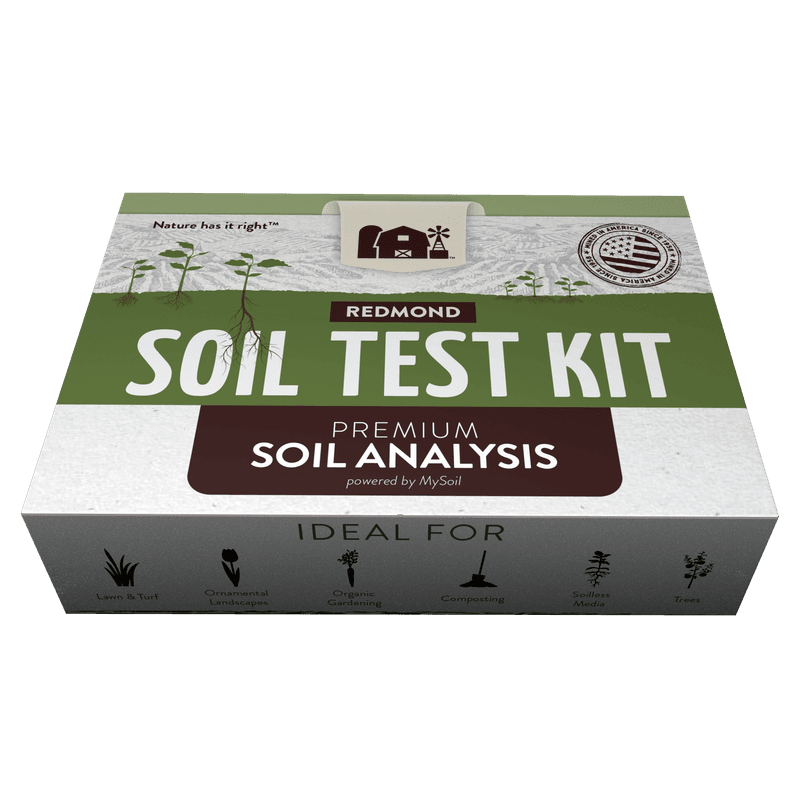
Understanding your soil’s composition is crucial for successful gardening. Many skip this step, leading to nutrient imbalances that affect plant health.
Conducting a soil test provides insights into the soil’s pH and nutrient levels, enabling tailored amendments. This knowledge helps in making informed decisions about fertilization and plant selection.
Improper Mulching Techniques
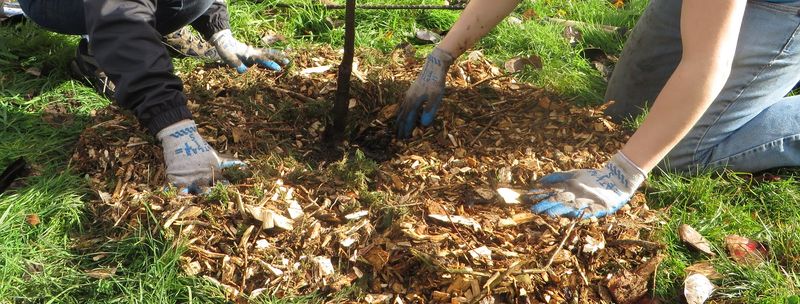
Mulch is a gardener’s best friend, yet improper mulching techniques can cause more harm than good. Piling mulch against plant stems invites rot and pest infestations.
Apply mulch evenly around plants, ensuring it doesn’t touch the stems. This promotes moisture retention without suffocating the plant, proving especially beneficial in Washington’s wet climate.
Overwatering Perennials
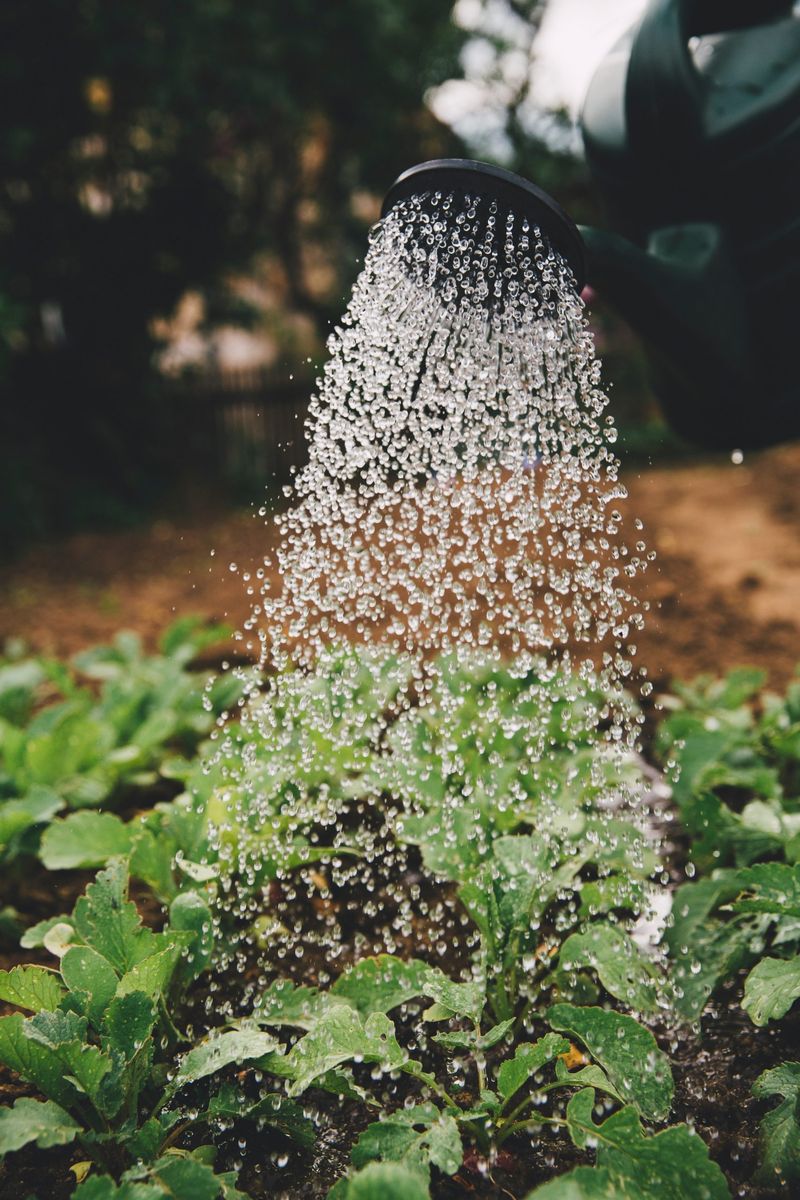
In a region known for its rainfall, overwatering is a frequent mistake. Excessive water can drown plant roots, leading to rot and disease.
Monitor rainfall and adjust your watering schedule accordingly. Ensuring proper drainage and watering only when necessary can help prevent overwatering, ensuring perennials thrive.
Ignoring Pest Management
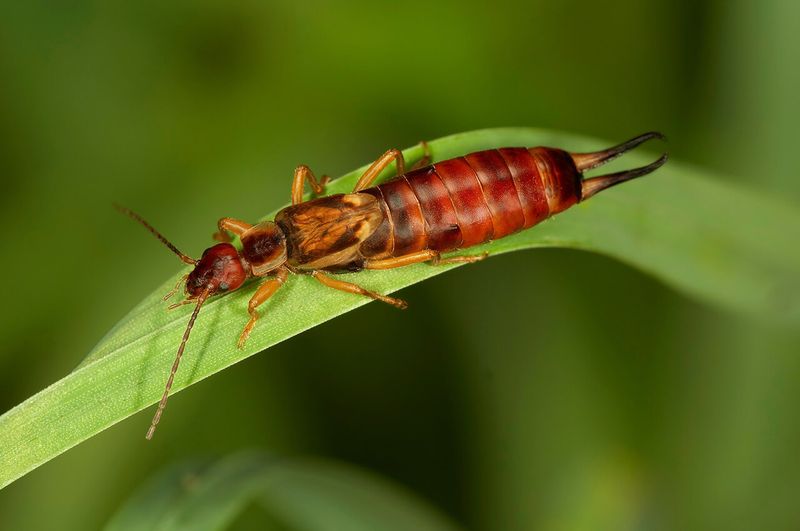
Pests are an inevitable part of gardening, but ignoring them can lead to disastrous results. Slugs, snails, and other pests thrive in Washington’s damp environment.
Regularly inspect your garden for signs of pest activity and employ natural deterrents or barriers to protect your plants. Early intervention can save your perennials from significant damage.
Failing to Rotate Crops

Crop rotation isn’t just for vegetable gardens—it’s equally vital for perennials. Failing to rotate can lead to soil nutrient depletion and pest buildup.
Plan your garden layout with rotation in mind, ensuring each plant has optimal growing conditions year after year. This practice maintains soil health and reduces pest pressure.
Planting at the Wrong Time
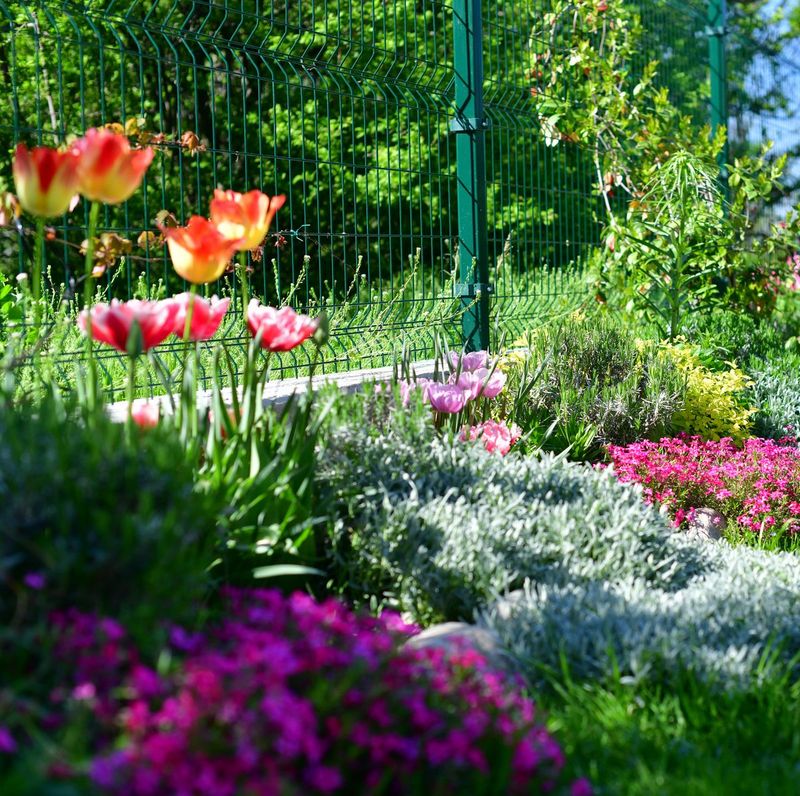
Timing is everything in gardening. Planting perennials at the wrong time can result in poor establishment and growth.
Consider the specific needs of each plant and align planting schedules with Washington’s climate patterns. Spring and fall are usually ideal, offering moderate temperatures and ample moisture for root development.
Improper Pruning Techniques
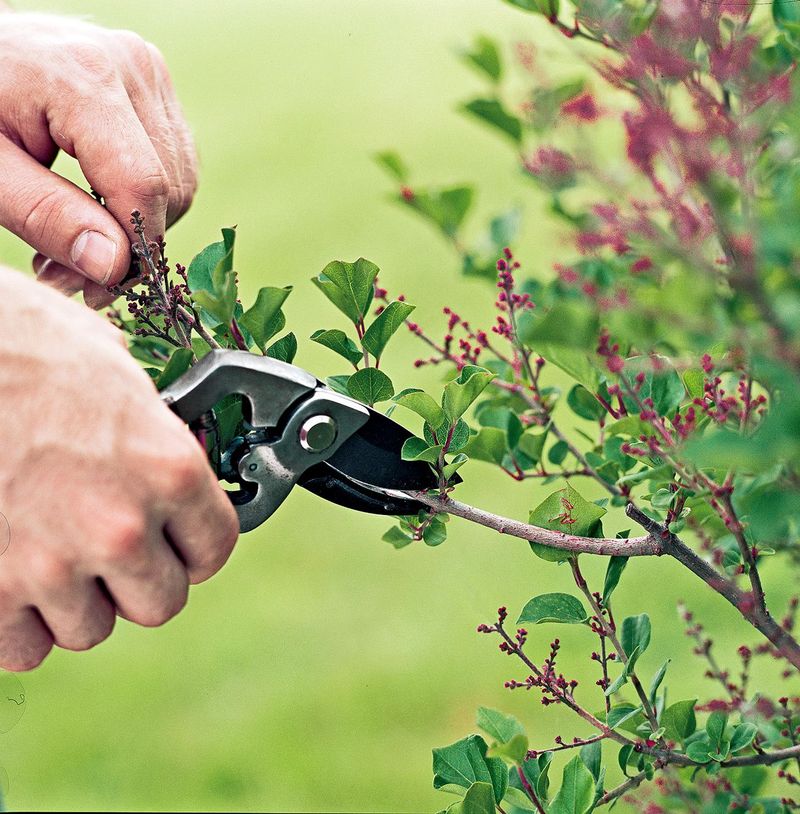
Pruning is an art that requires knowledge and precision. Incorrect techniques can hinder growth and flowering, leaving plants vulnerable.
Understand each plant’s pruning needs and timings to encourage healthy growth. Proper pruning improves air circulation and light penetration, essential for Washington gardens.
Not Considering Wildlife
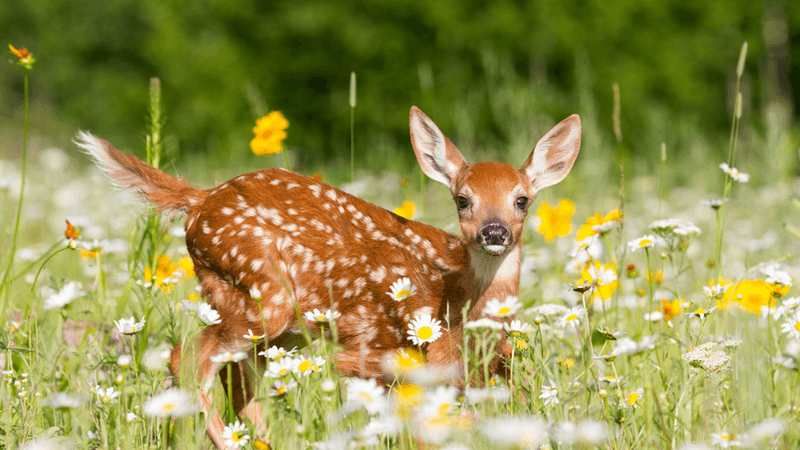
Wildlife like deer and rabbits can cause havoc if not accounted for in garden planning. Their penchant for perennials can leave your garden bare overnight.
Incorporate deterrents such as fencing or plant selections that discourage grazing. A well-thought-out strategy keeps your perennials safe from curious wildlife.
Underestimating Plant Size
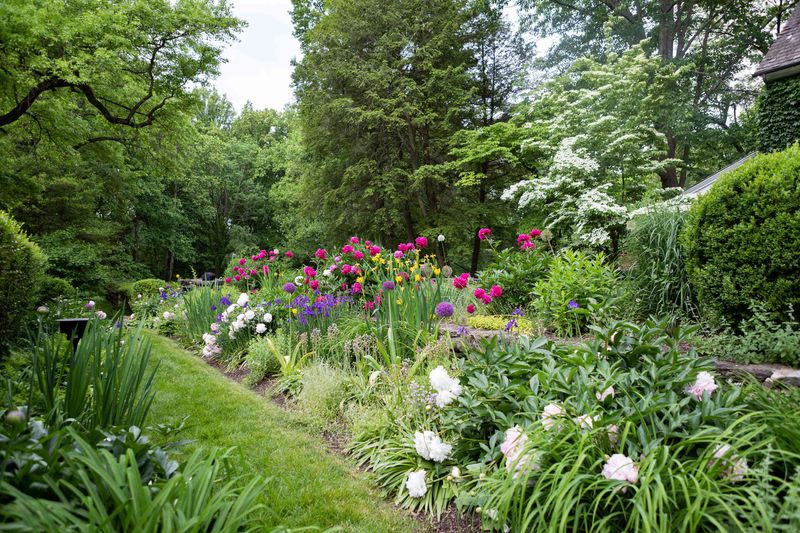
It’s easy to underestimate how large perennials can grow. This oversight can lead to competition and overcrowding as plants mature.
Research mature sizes and plan your garden layout with growth in mind. This prevents the need for frequent rearrangements and ensures each plant has the space to thrive.
Disregarding Microclimates
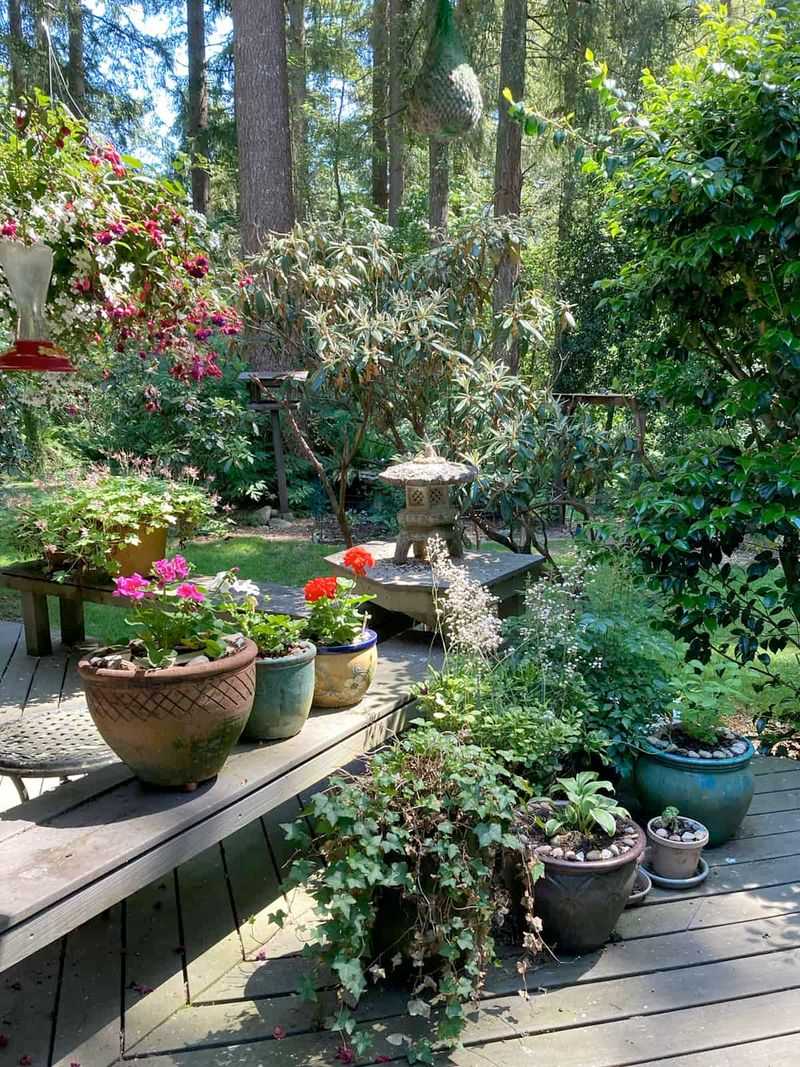
Microclimates can significantly affect plant health, especially in Washington’s varied terrain. Disregarding these subtle climate variations can result in mismatched plant locations.
Observe your garden’s specific conditions and tailor plant placement accordingly. Recognizing these microclimates leads to more successful and resilient plantings.