 Complete Gardening
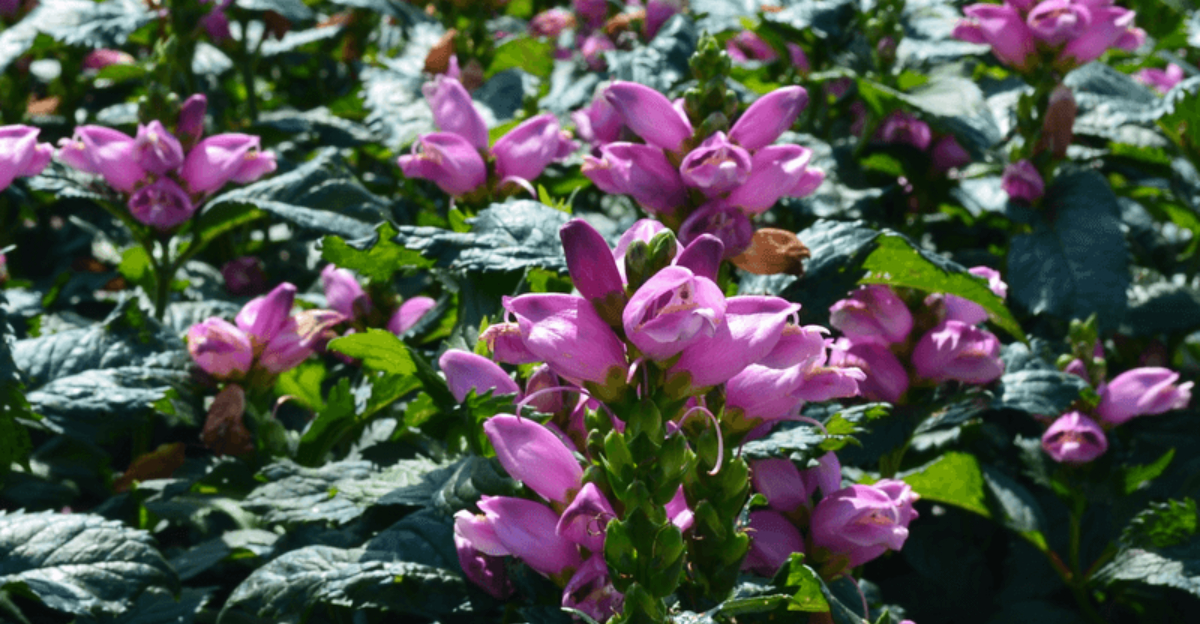
Explore a selection of plants that thrive in wet soil conditions.
These moisture-loving varieties not only survive but flourish in saturated environments, adding beauty and ecological benefits to your garden.
1. Swamp Milkweed (Asclepias incarnata)

Swamp Milkweed, with its delicate pink blooms, thrives in wet, marshy areas where other plants falter. It’s a beacon for monarch butterflies, drawing them with its sweet nectar. In addition to its ecological role, it adds a soft, graceful beauty to any damp location. Imagine a meadow, alive with fluttering wings, centered around these charming plants.
Native to North America, this perennial reaches heights of up to five feet. It’s also a low-maintenance plant, requiring little more than a water-rich environment to flourish. Its resilience and beauty make it a garden favorite.
2. Joe-Pye Weed (Eutrochium purpureum)
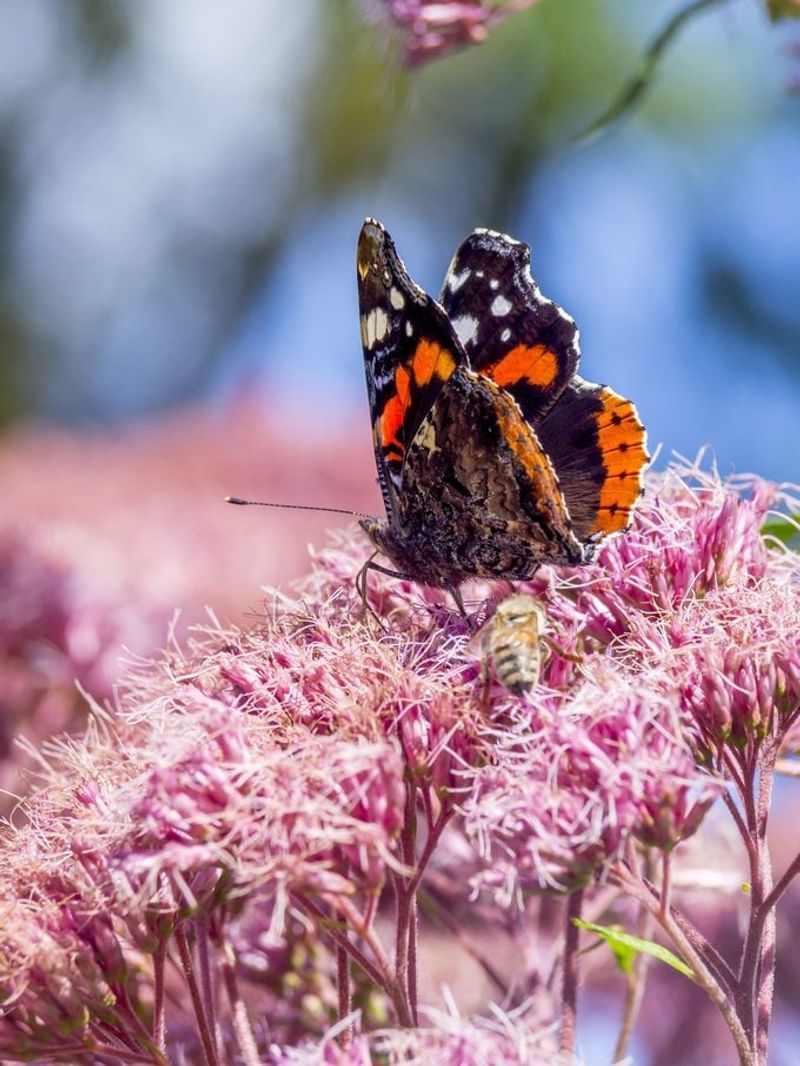
Joe-Pye Weed stands tall and proud, offering towering clusters of purplish flowers in late summer. This plant is a magnet for bees and butterflies, adding life to any garden space. Its height and vibrant color make it a dramatic focal point in gardens designed for wetter soils.
Found naturally in moist woodlands, this perennial can grow up to seven feet tall, providing both height and color. Its ability to thrive in damp conditions while attracting pollinators makes it an ideal choice for eco-friendly gardeners.
Historically, it was used by Native Americans for medicinal purposes.
3. Cardinal Flower (Lobelia cardinalis)
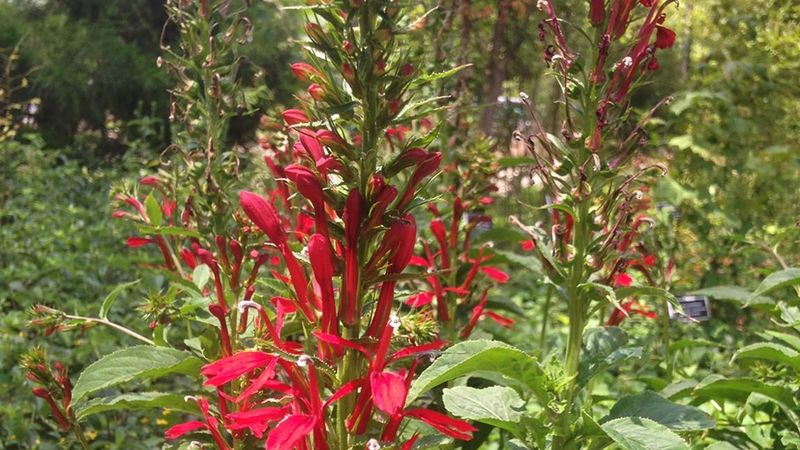
Cardinal Flower is a showstopper with its bright red blossoms that demand attention. This plant is perfectly suited to wet, shaded spots, where its vibrant color can truly shine. Hummingbirds are drawn to its nectar, adding movement and life to shaded garden corners.
A native wildflower, it typically grows along stream banks, making it an excellent choice for water gardens. Its ability to adapt to varying moisture levels without sacrificing its vivid appearance is a testament to its resilience. The Cardinal Flower is both a visual feast and a wildlife magnet.
4. Blue Flag Iris (Iris versicolor)

Blue Flag Iris features stunning purple-blue flowers that bring elegance to any water’s edge. It naturally inhabits wetlands and pond borders, where its striking blooms add a splash of color. These irises are not only beautiful but also beneficial for their environment.
They help stabilize soil and prevent erosion with their strong root systems. Towering up to four feet, they are perfect for introducing height to your water garden.
The Blue Flag Iris has a storied history, once used by Native Americans for various medicinal purposes, adding depth to its appeal.
5. Marsh Marigold (Caltha palustris)
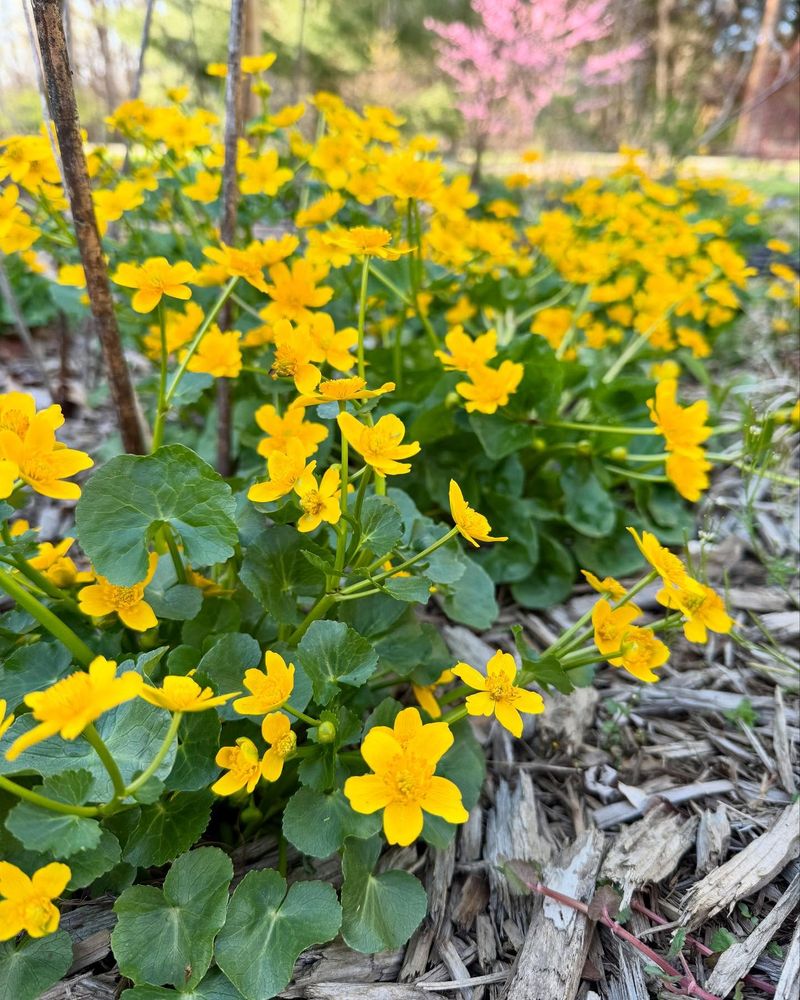
Marsh Marigold brings a burst of sunshine with its bright yellow blooms, heralding the arrival of spring. It thrives in boggy, wet areas where few others dare to grow. Its cheerful flowers are among the first to appear each spring, brightening damp landscapes.
This robust perennial grows in clusters, creating a carpet of gold in moist gardens. Its ability to withstand seasonal flooding makes it a reliable choice for challenging spots.
The Marsh Marigold is steeped in folklore, often associated with springtime festivals in various cultures.
6. Sedge (Carex spp.)
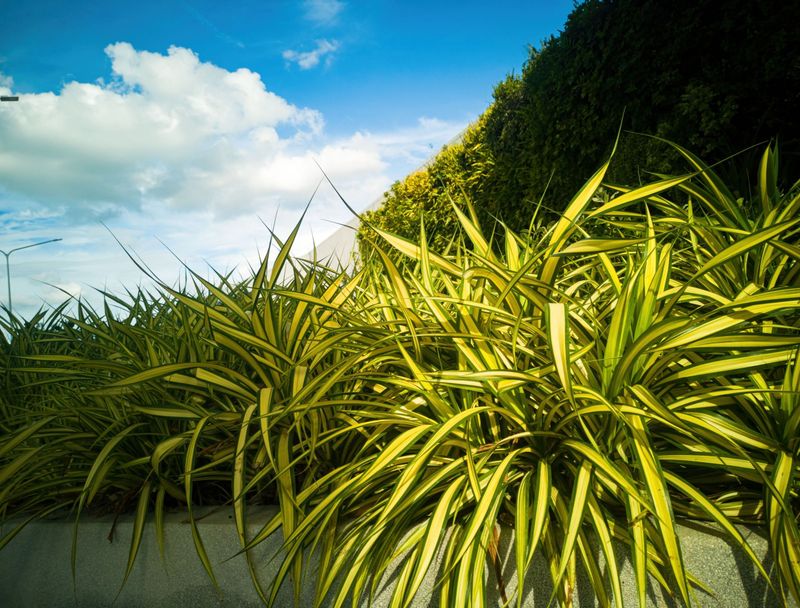
Sedge, with its fine, grass-like texture, is perfect for stabilizing soil in wet areas. It thrives where others might fail, offering a unique aesthetic in both gardens and naturalized settings. Sedges are versatile, coming in various shapes and sizes to suit different garden needs.
Often found in wetlands, they provide essential habitat for wildlife and help control erosion. Their adaptability to wet conditions makes them invaluable for environmental restoration projects.
Sedge’s understated beauty lies in its subtlety, making it a sophisticated choice for discerning gardeners.
7. Turtlehead (Chelone lyonii)
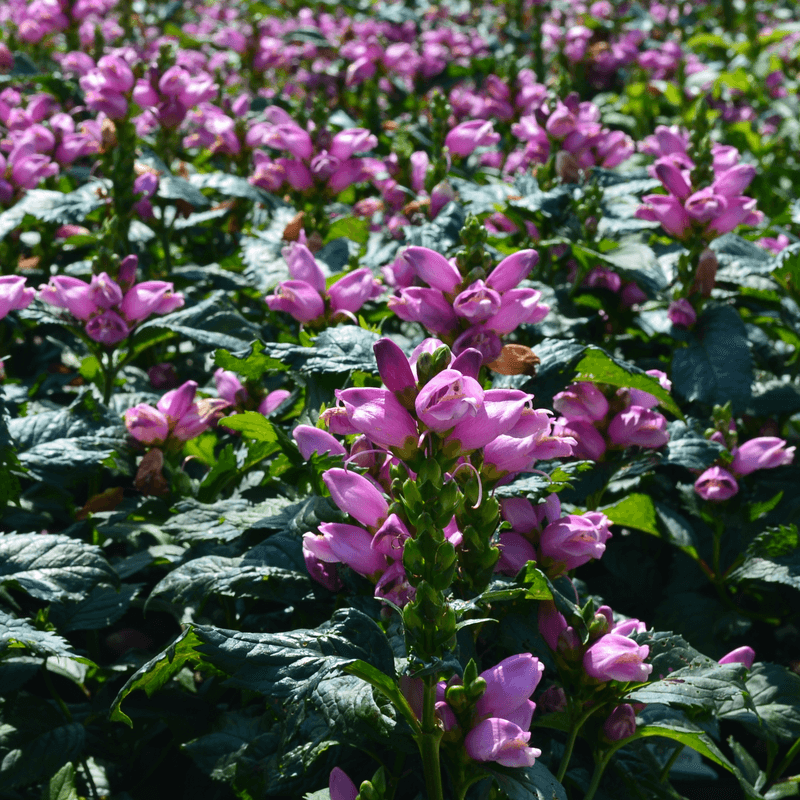
Turtlehead is notable for its unique pink flowers that resemble the heads of snapping turtles. Found in moist, shaded areas, it offers both whimsy and function to gardens. Its unusual blooms attract a variety of pollinators, including bees and butterflies.
This perennial is as resilient as it is charming, thriving in damp environments where other plants struggle. It adds both color and texture to shaded, wet gardens.
Its playful appearance makes Turtlehead a delightful addition, especially for gardeners seeking something unconventional and engaging.
8. Astilbe
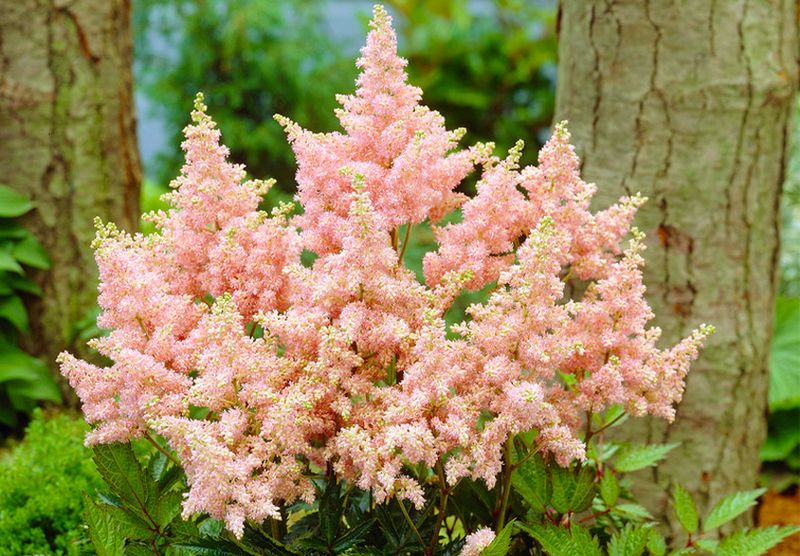
Astilbe softens any garden with its feathery plumes and rich foliage. Preferring moist, shaded areas, it blooms in shades of white, pink, and red. This plant is perfect for adding texture and contrast under trees or in shaded border areas.
Astilbe’s ability to thrive in low-light, high-moisture environments makes it a favorite among gardeners looking to fill challenging spots. Its blooms are delicate, yet they stand out in the garden.
Astilbe also provides excellent cut flowers, offering beauty both indoors and out, while requiring minimum fuss.
9. Ligularia (Leopard Plant)
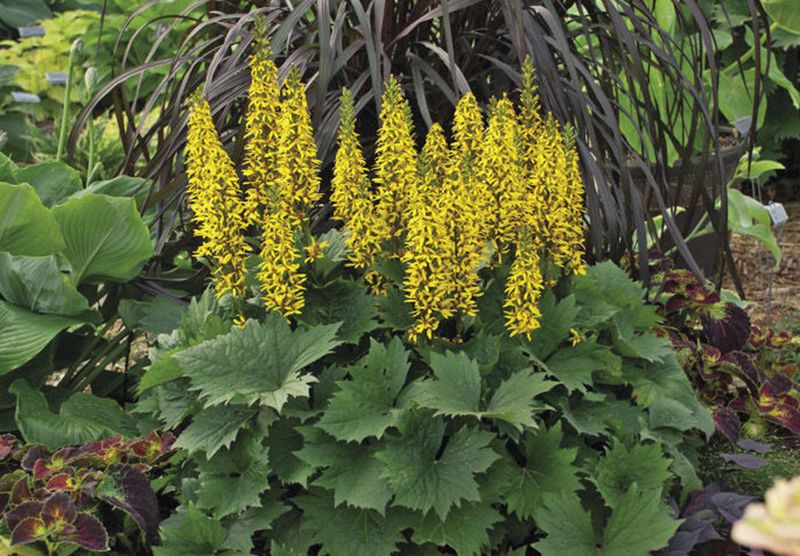
Ligularia, known for its dramatic foliage and tall yellow flower spikes, stands out in any garden setting. This plant loves wet feet and does well in shaded areas, making it a bold choice for those tricky, damp spots.
Its large leaves and bright flowers create an impressive display, offering both color and architectural interest. Ligularia provides a striking contrast against more subtle plants, ensuring it garners attention.
Beyond its visual appeal, Ligularia is resilient, handling wet conditions with ease. This makes it a reliable choice for gardeners seeking drama and durability.
10. Filipendula (Meadowsweet)
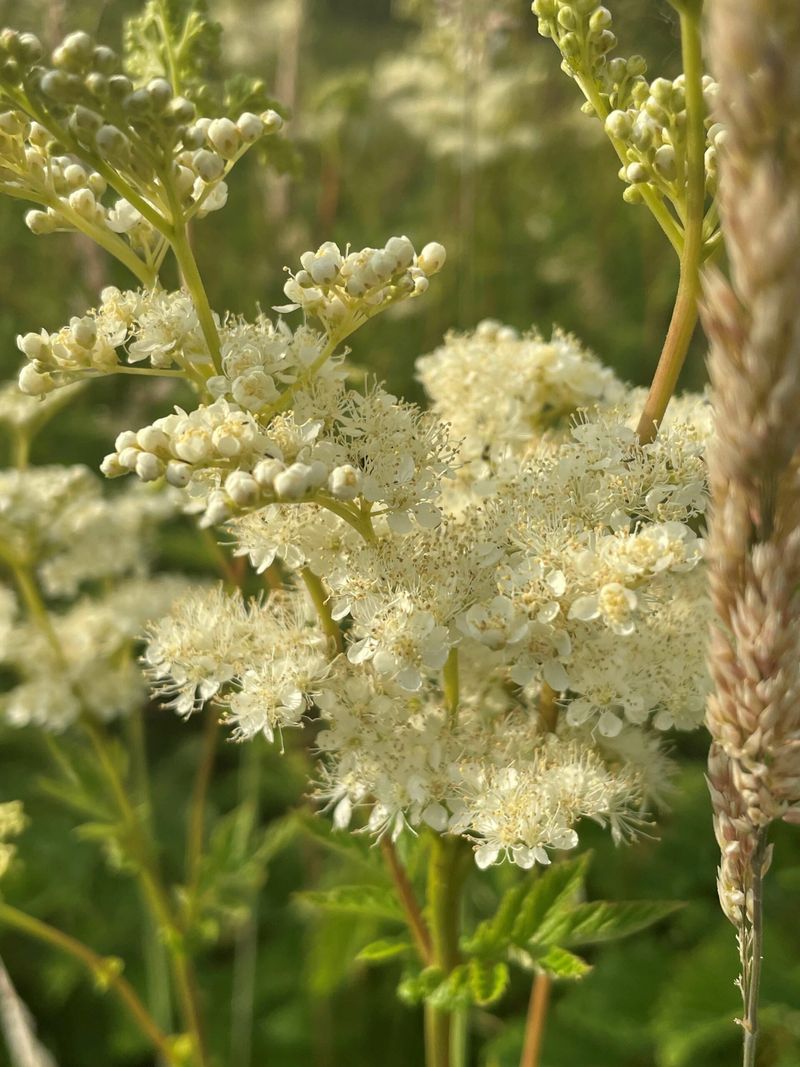
Filipendula, or Meadowsweet, enchants with its frothy blooms and fragrant foliage. Naturally growing along stream banks, it’s perfectly adapted to wet conditions. Its delicate flowers, appearing in mid-summer, add a touch of elegance to any garden.
This perennial is often found in moist meadows, where it thrives and contributes to the ecosystem by supporting various pollinators. Its fragrance and gentle beauty make it a favorite for cottage and naturalized gardens.
Historically, Meadowsweet was used in traditional medicine, offering both beauty and a touch of herbal lore.