 Complete Gardening
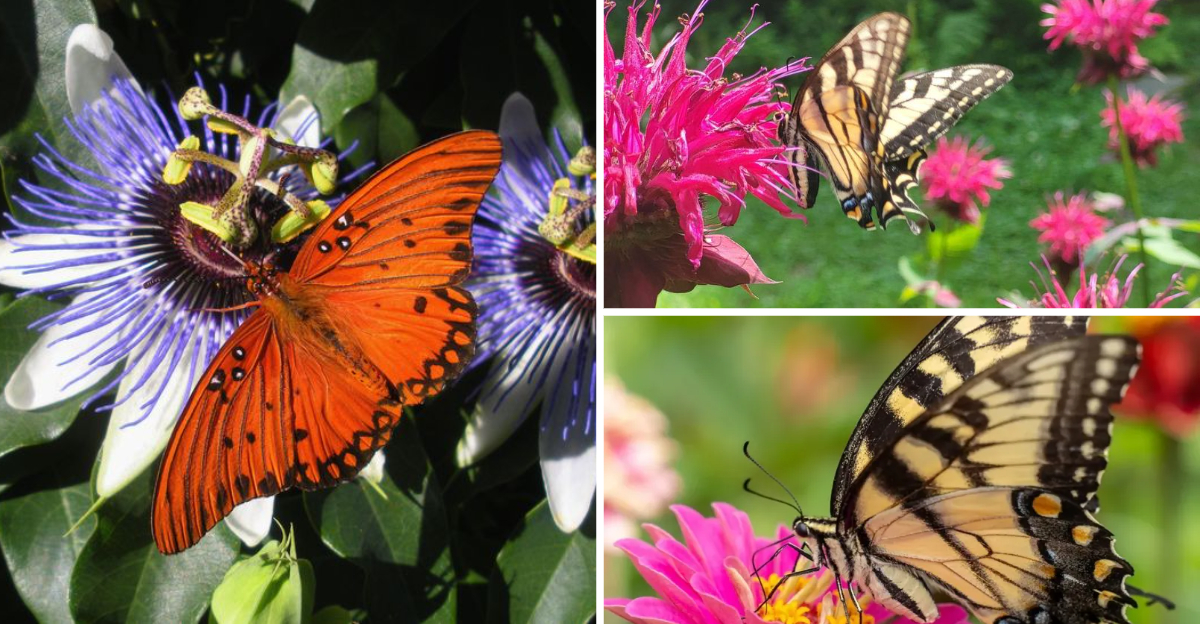
Butterflies, with their vibrant wings and delicate grace, are more than just a pretty picture in nature. They hold secrets that even the most seasoned butterfly enthusiasts might not know. In this article, we will explore 21 common plants that play a crucial role in the life of butterflies, revealing the fascinating interaction between these plants and the fluttering beauties they support. Each plant holds a mystery that butterfly experts might want to keep under wraps. Read on to discover the hidden wonders of these seemingly ordinary plants.
1. Milkweed
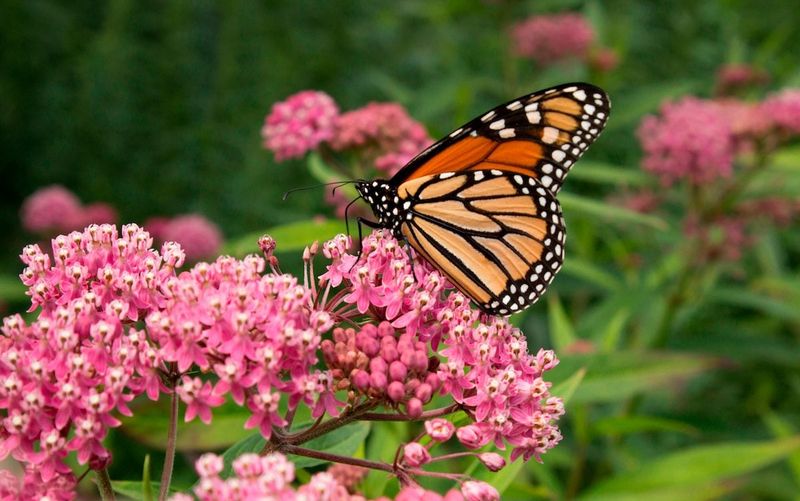
Milkweed is often underestimated. Known primarily as the sole host for the Monarch caterpillar, it also attracts a plethora of other butterfly species. Its vibrant pink and orange flowers are like a siren’s call to pollinators. Milkweed’s milky sap might deter some creatures, but butterflies can’t resist its charm. Its complex relationship with Monarchs is just one layer of its ecological importance. Beyond being a food source, it provides essential habitat and shelter. Did you know its fluffy seeds are adapted to be carried by the wind, spreading its reach far and wide?
2. Purple Coneflower
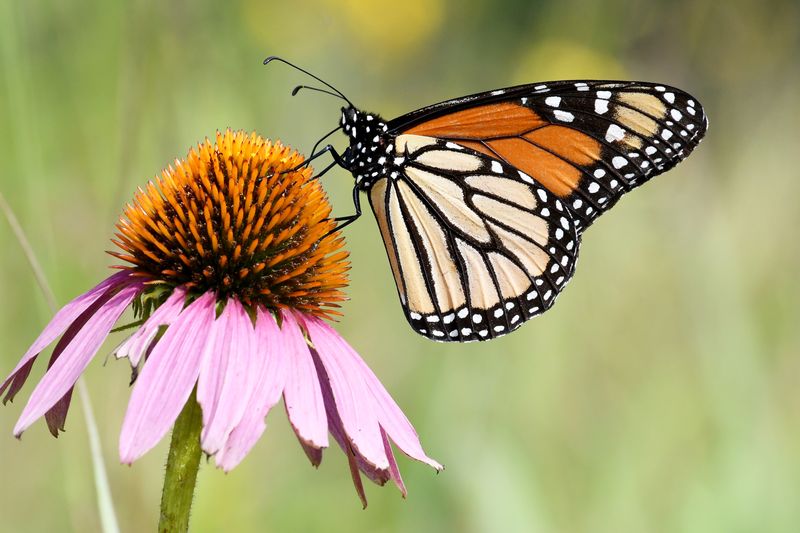
The Purple Coneflower isn’t just a garden staple. Known for its medicinal properties, it also serves as a nectar-rich haven for butterflies. Its striking purple petals are not only beautiful but also highly attractive to pollinators. Echinacea, as it’s scientifically called, blooms from mid-summer to fall, providing a reliable food source. Its spiky cone acts like a landing pad for insects, and its seeds are a favorite of birds. This plant bridges the gap between aesthetic value and ecological function, making it indispensable in butterfly habitats. Surprisingly, it’s also drought-resistant.
3. Lantana
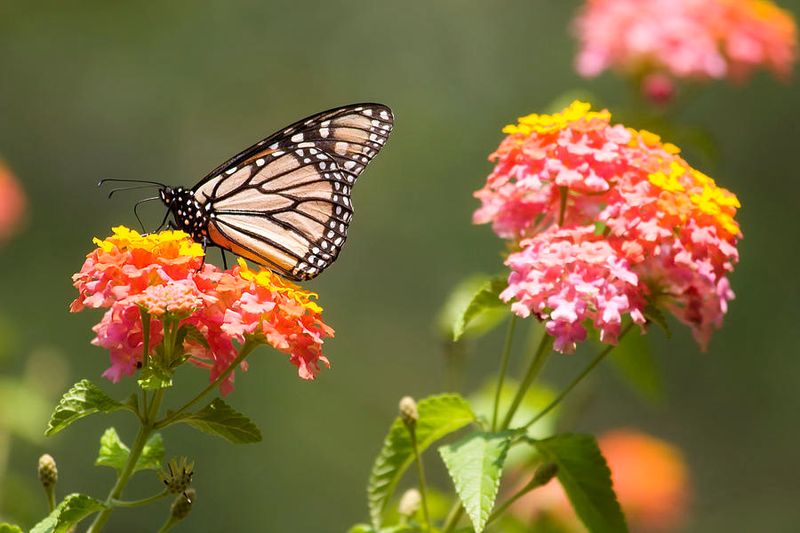
Lantana’s vibrant clusters of flowers are more than eye candy. For butterflies, it’s a buffet of sweet nectar and a visual beacon. This plant thrives in sunny environments and blooms almost year-round, offering consistent nourishment. Butterflies are drawn to its wide array of colors, from yellow to red. The tiny flowers collectively create a larger floral display that is hard to miss. While it’s loved by butterflies, lantana is considered invasive in some regions. Despite this, its ecological benefits in supporting pollinators cannot be ignored. Its resilience is truly remarkable.
4. Butterfly Bush
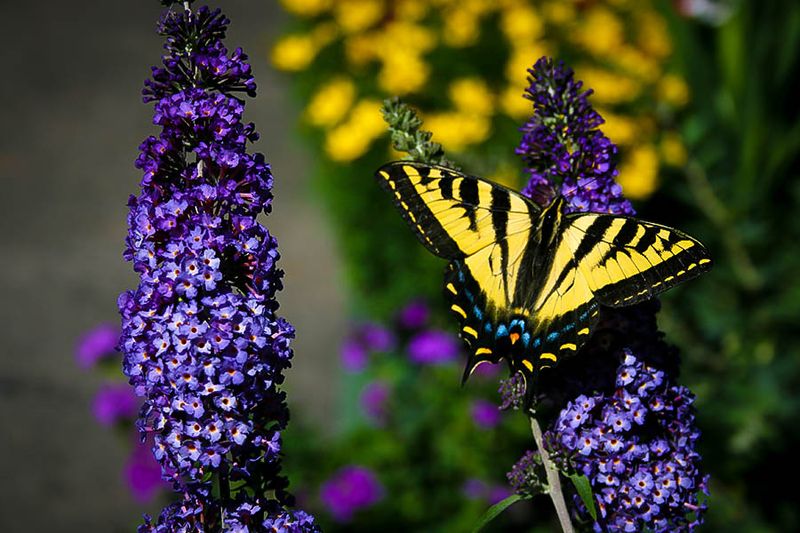
The aptly named Butterfly Bush is an irresistible magnet for butterflies. Its long, arching branches laden with blooms offer abundant nectar. With colors ranging from deep purple to soft white, it’s a visual feast in any garden. While celebrated for attracting butterflies, it’s worth noting that it can outcompete native plants. Its invasive tendencies require careful management to prevent ecosystem disruption. Despite these challenges, its ability to draw in a variety of butterfly species is unparalleled. Interestingly, its flowers emit a fragrance reminiscent of honey, enhancing its allure.
5. Joe Pye Weed
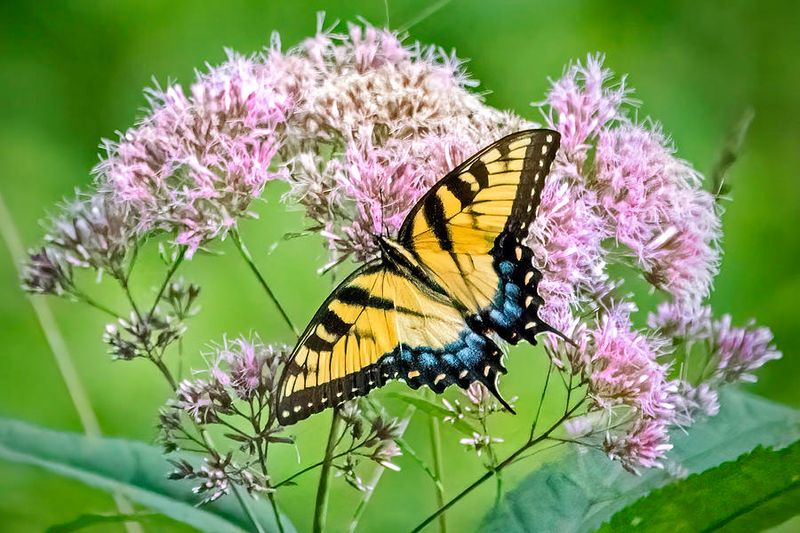
Joe Pye Weed stands tall and proud in the late summer landscape. Its large, mauve blossoms are a banquet for butterflies. This towering plant is a beacon for pollinators, offering both nectar and a perch. It’s named after a Native American herbalist, hinting at a rich history of medicinal use. Despite its unassuming name, it’s a powerhouse in supporting butterfly populations. Its presence in wet meadows and roadsides signifies an ecosystem in balance. As butterflies flit from bloom to bloom, Joe Pye Weed quietly sustains their journey. Its role is both vital and understated.
6. Passionflower
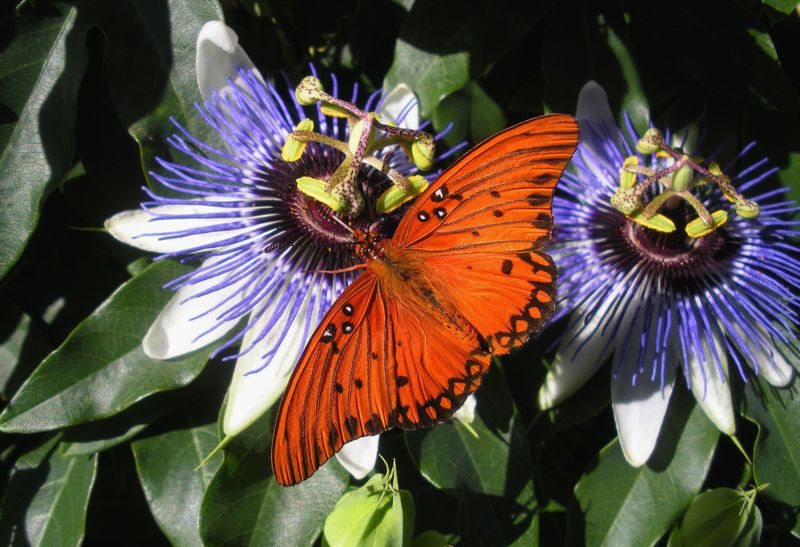
Passionflower captivates with its intricate blooms. Known for its unique structure, it provides nourishment for butterflies and acts as a host for their larvae. Its exotic appearance is matched by its ecological significance. Beyond attracting butterflies, it supports various insects and birds. This plant’s climbing nature allows it to spread extensively, creating habitats in unexpected places. Its flowers are not just visually stunning but also play a role in traditional medicine. Passionflower’s dual role in beauty and utility makes it a cornerstone in butterfly gardens. Its allure lies in both form and function.
7. Bee Balm
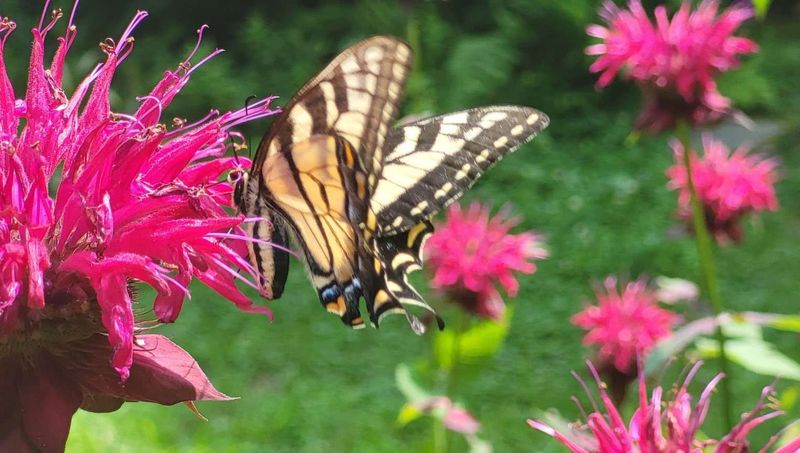
Bee Balm, with its fiery red blooms, is more than a pollinator favorite. This aromatic plant is a feast for the senses and a vital nectar source for butterflies. Its tubular flowers are perfectly shaped for proboscis access, making it a frequent stop for feeding. Indigenous to North America, Bee Balm has a long history of medicinal use. It’s known to attract not just butterflies, but also bees and hummingbirds, enhancing biodiversity. Besides its ecological role, it adds a splash of color to gardens. Its resilience and attractiveness make it a garden staple.
8. Goldenrod
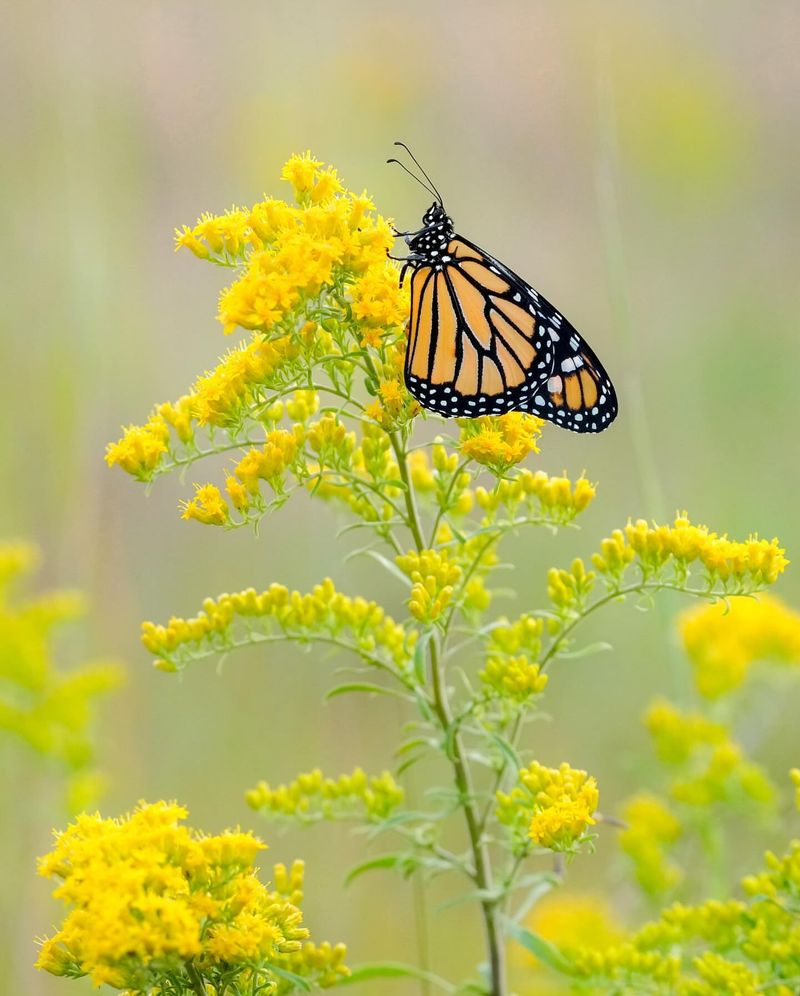
Goldenrod, often unfairly blamed for allergies, is a hidden gem for butterflies. Its bright yellow blooms are a late-summer highlight, offering vital nectar when other sources wane. This plant supports a wide range of pollinators and helps sustain butterfly populations through the fall. Goldenrod’s dense clusters of flowers create an inviting habitat for various insects. It’s also a key player in native plant communities, offering ecological benefits beyond pollination. Butterfly enthusiasts know that goldenrod’s beauty and utility make it essential in natural gardens. Its reputation deserves reevaluation.
9. Zinnia
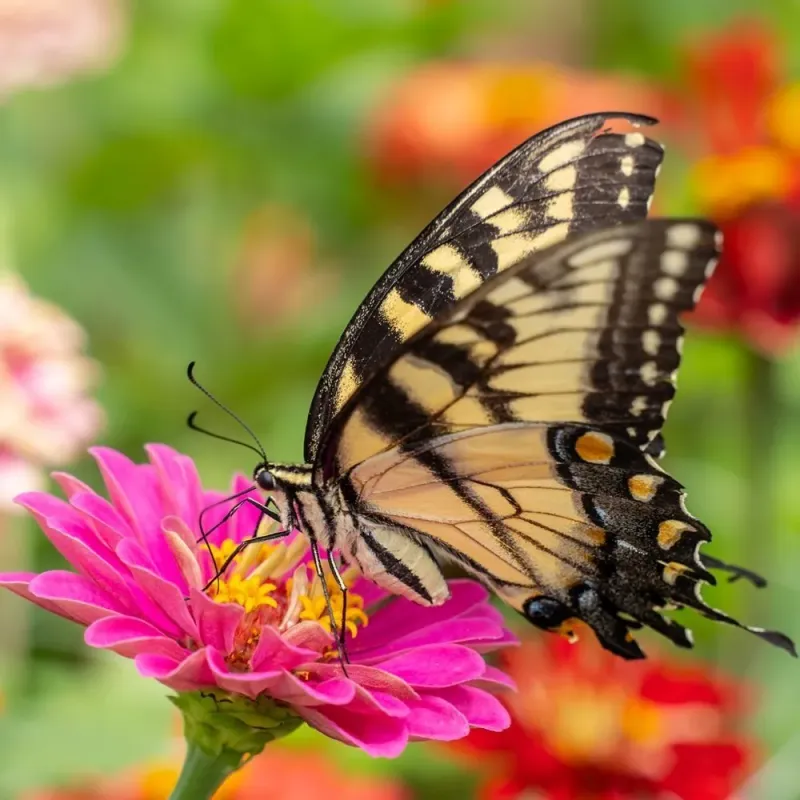
Zinnias, with their bold colors and varied forms, are butterfly magnets. These cheerful flowers bloom from summer to fall, offering long-lasting nectar sources. Their daisy-like structure provides easy access for butterflies, making them a consistent favorite. Zinnias are highly adaptable, thriving in a variety of climates and soils. Their resilience and vibrant display make them a garden favorite for enhancing visual appeal. While primarily known for their beauty, they also play a crucial role in supporting pollinator health. Gardeners appreciate zinnias for their easy-care nature and ecological contributions.
10. Lavender
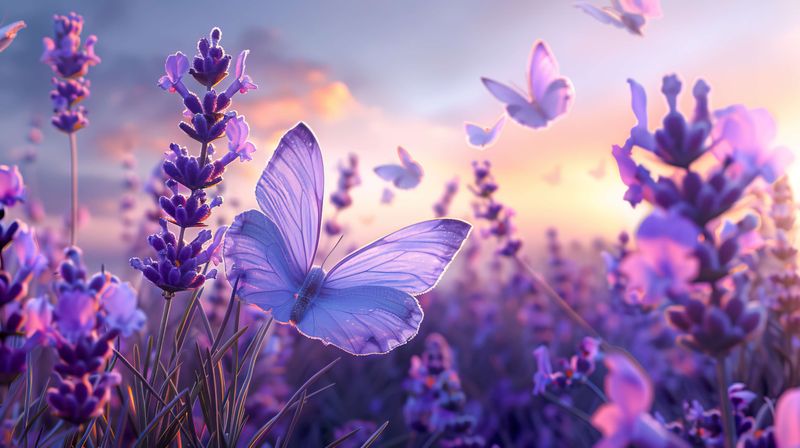
Lavender’s soothing scent is a balm for the senses and a beacon for butterflies. This aromatic herb isn’t just a garden classic; it’s essential in any butterfly-friendly landscape. Its purple spikes offer nectar that attracts a range of pollinators. Known for its calming properties in humans, it also creates a serene habitat for insects. Lavender’s drought-tolerance adds to its appeal, making it a sustainable choice for eco-conscious gardeners. Besides supporting butterflies, it provides culinary and medicinal benefits. Its multifaceted uses make lavender a truly versatile plant.
11. Aster
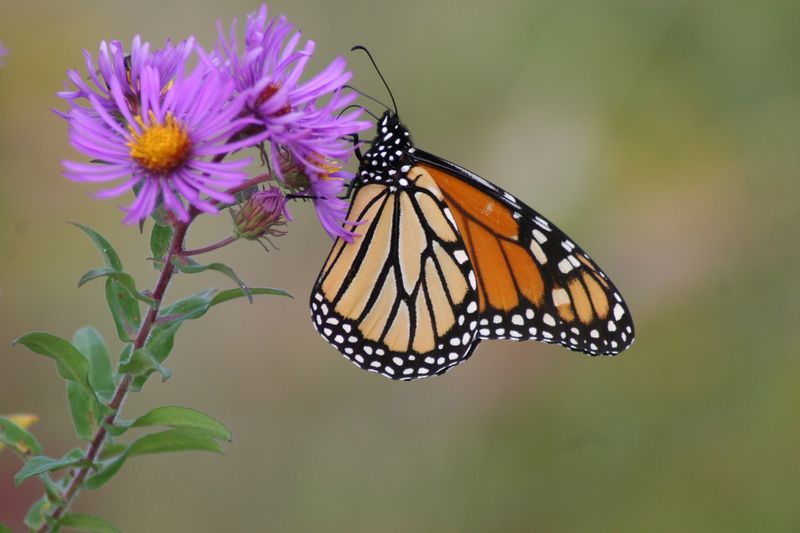
Asters are the hidden stars of the autumn garden. These daisy-like flowers bloom when most others have faded, offering crucial late-season nectar for butterflies. Their vibrant shades range from purple to pink, adding a splash of color to fall landscapes. Asters thrive in various conditions, showing their adaptability and resilience. Beyond their beauty, they support pollinators through challenging seasonal transitions. These plants are a testament to nature’s ability to provide even in scarcity. Asters’ contribution to ecological balance and visual appeal makes them indispensable in fall gardens.
12. Sunflower
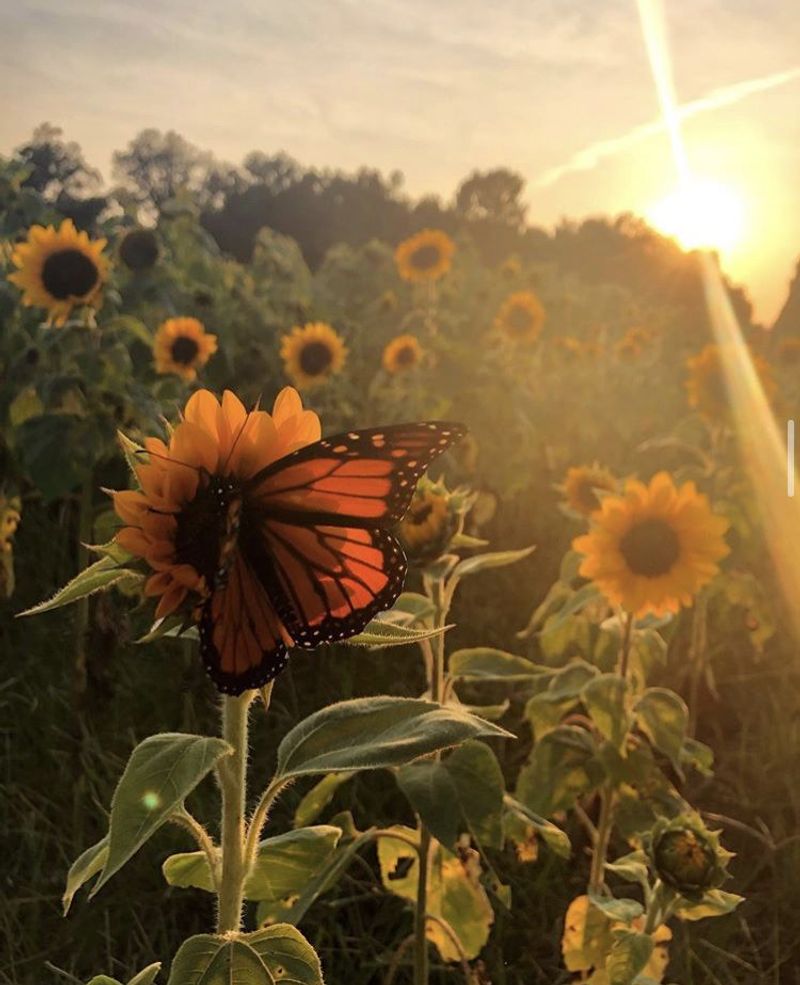
Sunflowers stand tall as symbols of summer. Their bright faces follow the sun, embodying warmth and vitality. Beyond their iconic appearance, they are vital nectar sources for butterflies and birds. Sunflowers’ seeds offer sustenance to various creatures, contributing to biodiversity. These plants are not just visually striking but also ecologically significant. Their towering presence in gardens creates natural focal points and serves practical purposes. Sunflowers’ cheerful demeanor and ecological benefits make them beloved by gardeners and wildlife alike. They remind us of nature’s generosity and interconnectedness.
13. Dill
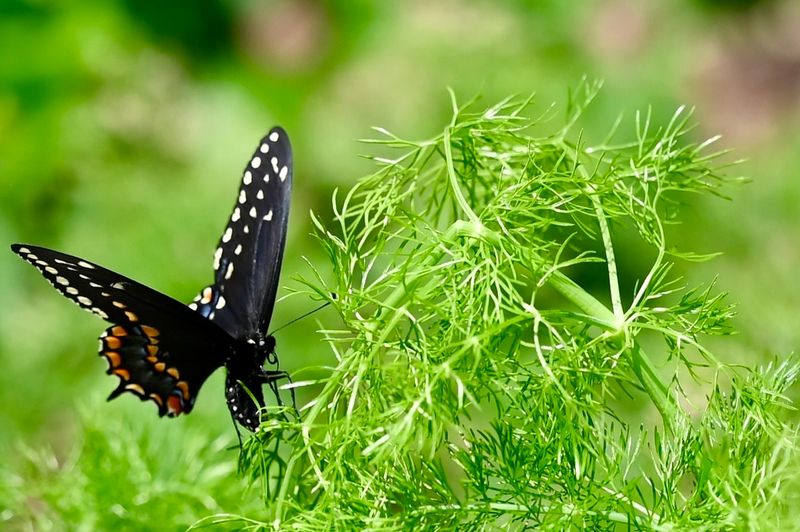
Dill, with its feathery fronds, is more than a culinary herb. It’s a host plant for butterfly larvae, particularly the Black Swallowtail. This herb’s subtle blooms provide crucial support for caterpillar development. Dill’s presence in gardens enhances biodiversity, attracting beneficial insects. Its aromatic nature and culinary uses add to its multifaceted role in ecosystems. Beyond supporting butterflies, it’s a favorite among chefs for its unique flavor. Dill’s contribution to both gardens and kitchens makes it a versatile and valuable plant. Its understated beauty and utility are often overlooked.
14. Verbena
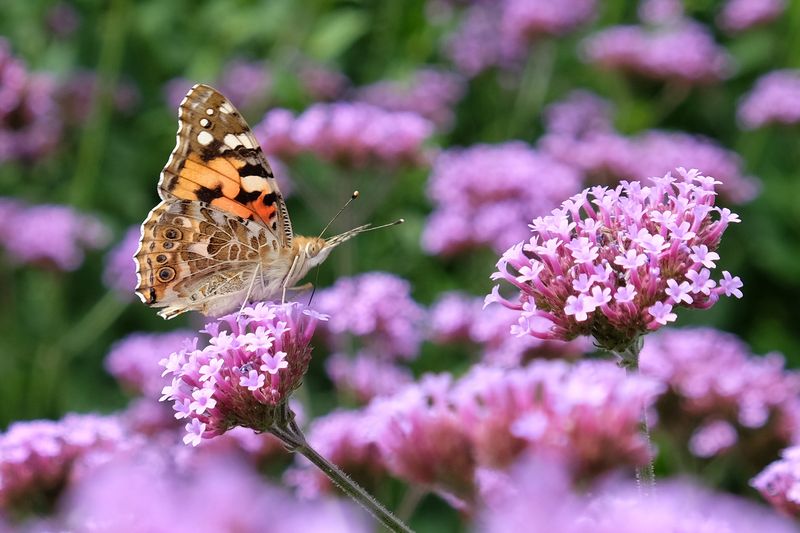
Verbena’s delicate clusters of flowers are a feast for the eyes and a haven for butterflies. Known for its drought tolerance, this plant offers resilience in challenging climates. Its tiny blooms collectively create a vibrant display that attracts pollinators. Verbena’s long blooming period ensures a steady nectar source for butterflies throughout the season. Besides its ecological role, it adds a touch of elegance to gardens. Its ability to thrive in less-than-ideal conditions makes it a gardener’s ally. Verbena’s charm and utility make it a staple in butterfly gardens.
15. Fennel
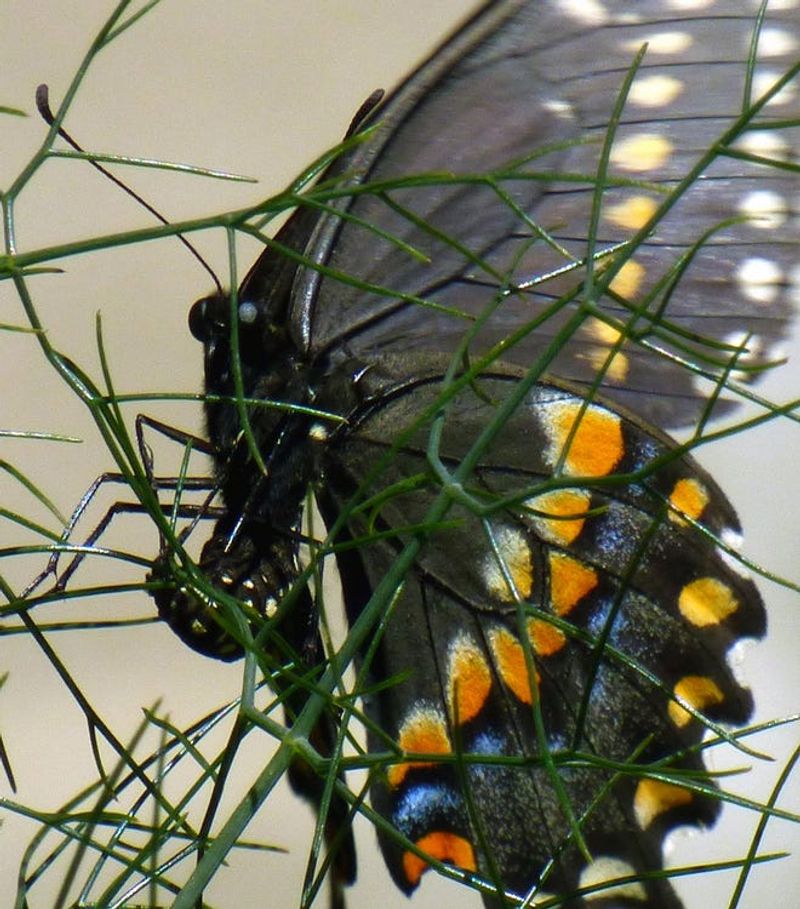
Fennel, with its aromatic fronds, is a hidden ally for butterflies. This herb serves as a host plant for caterpillars, supporting their life cycle. Its tall, feathery appearance adds texture and height to gardens. Fennel’s seeds and leaves are cherished in culinary arts, offering unique flavors. Beyond its kitchen appeal, it’s an essential component in butterfly habitats. This plant’s dual role in ecology and cuisine highlights its versatility. Fennel’s contribution to biodiversity and gastronomy makes it a valuable addition to any garden. Its subtle elegance and practicality are noteworthy.
16. Black-eyed Susan
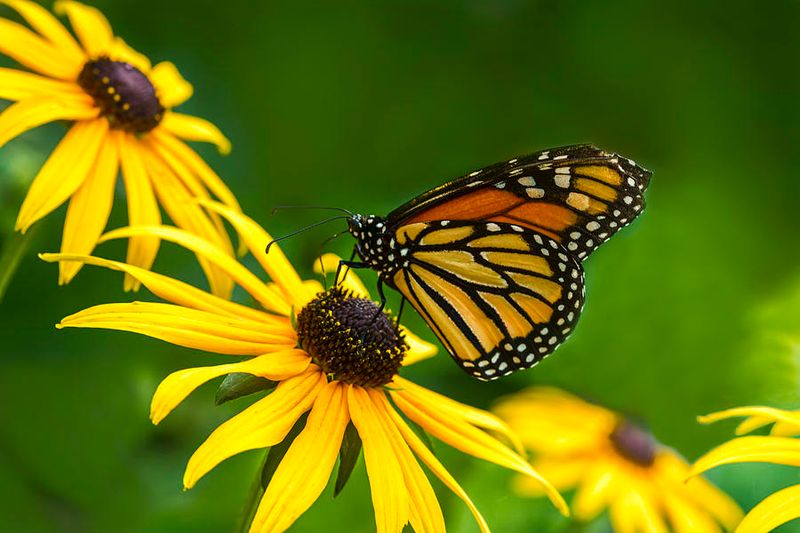
Black-eyed Susans brighten gardens with their sunny disposition. These cheerful flowers are more than just pretty faces; they’re essential for butterflies. Their vibrant yellow petals and dark centers create a striking contrast, attracting pollinators. These plants are hardy, thriving in various conditions and requiring minimal care. Beyond aesthetic appeal, they support ecological diversity by providing nectar and habitat. Their widespread adaptability makes them a favorite in native plant gardens. Black-eyed Susans remind us of nature’s resilience and beauty, offering sustenance to wildlife and delight to observers.
17. Hollyhock
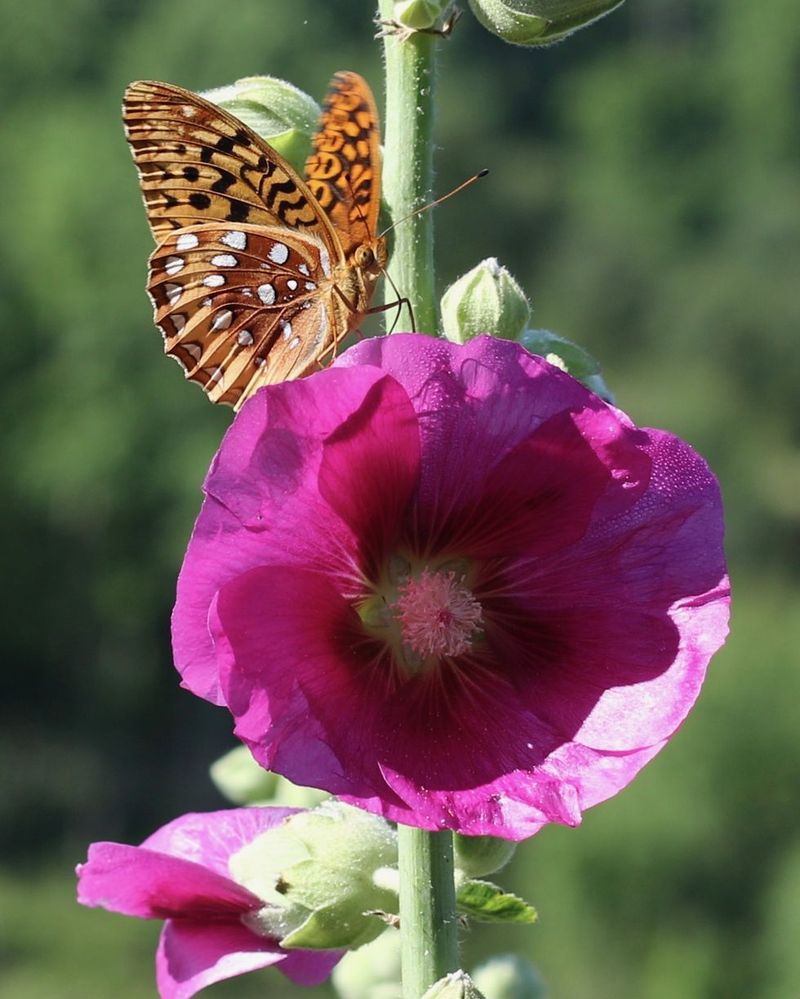
Hollyhocks, with their towering flower spikes, add drama to any garden. These old-fashioned blooms are butterfly favorites, offering nectar and a visual spectacle. Their tall stature creates vertical interest and habitat in gardens. Hollyhocks’ resilience and ability to thrive in various climates make them valuable for biodiversity. These flowers symbolize continuity, often returning year after year. Beyond their beauty, they support pollinating insects, contributing to garden ecosystems. Hollyhocks’ blend of nostalgia and ecological importance makes them cherished in cottage gardens. Their presence is both impactful and graceful.
18. Sedum
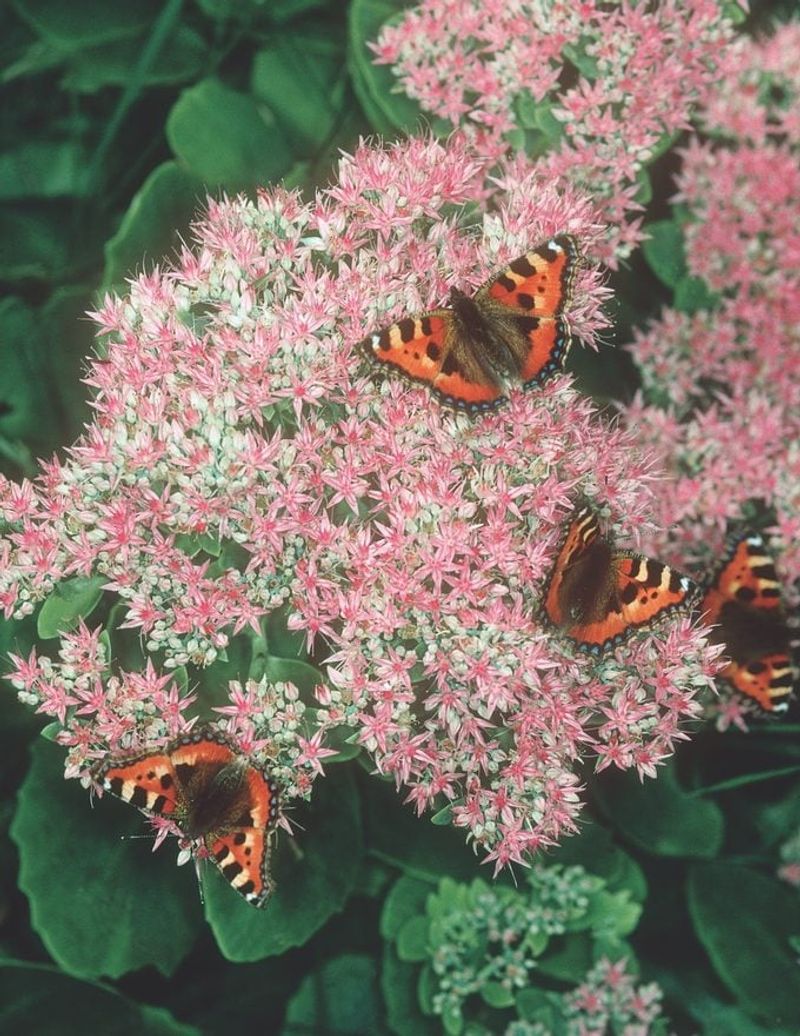
Sedum’s succulent leaves and star-shaped flowers are a beacon for butterflies. This hardy plant thrives in rocky and dry conditions, offering resilience and beauty. Its blooms appear late in the season, providing nectar when resources are scarce. Sedum’s ability to store water in its leaves makes it drought-tolerant, a boon for sustainable gardening. Besides supporting pollinators, it adds texture and color to landscapes. Sedum’s adaptability and low maintenance make it a gardener’s favorite. Its role in promoting biodiversity during challenging times is invaluable. Sedum is both practical and ornamental.
19. Cosmos
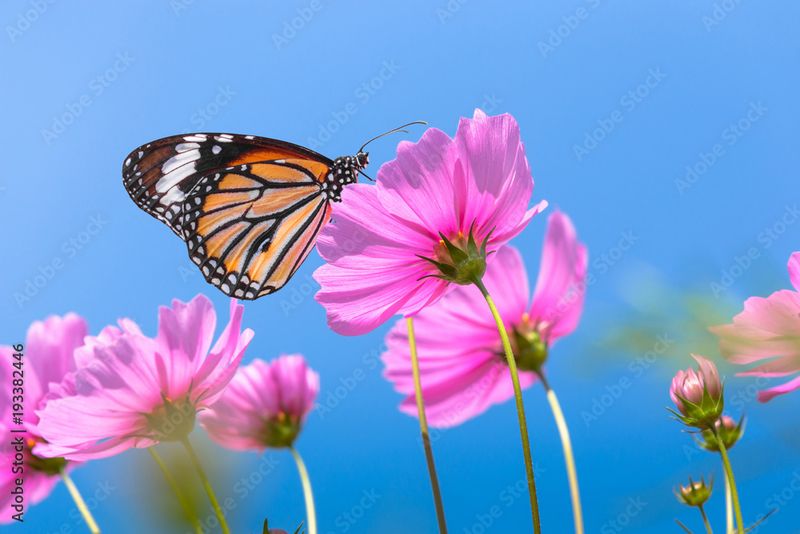
Cosmos, with their cheerful blooms, are a delight to both butterflies and gardeners. These daisy-like flowers are easy to grow, offering nectar throughout the growing season. Their vibrant colors range from pink to orange, creating eye-catching displays. Cosmos’ feathery foliage adds softness to garden beds, complementing their bright flowers. Beyond visual appeal, they play a crucial role in supporting pollinator health. Their ability to thrive in poor soils makes them a sustainable choice for eco-friendly gardens. Cosmos’ combination of beauty and ecological benefits makes them a staple in butterfly gardens.
20. Phlox
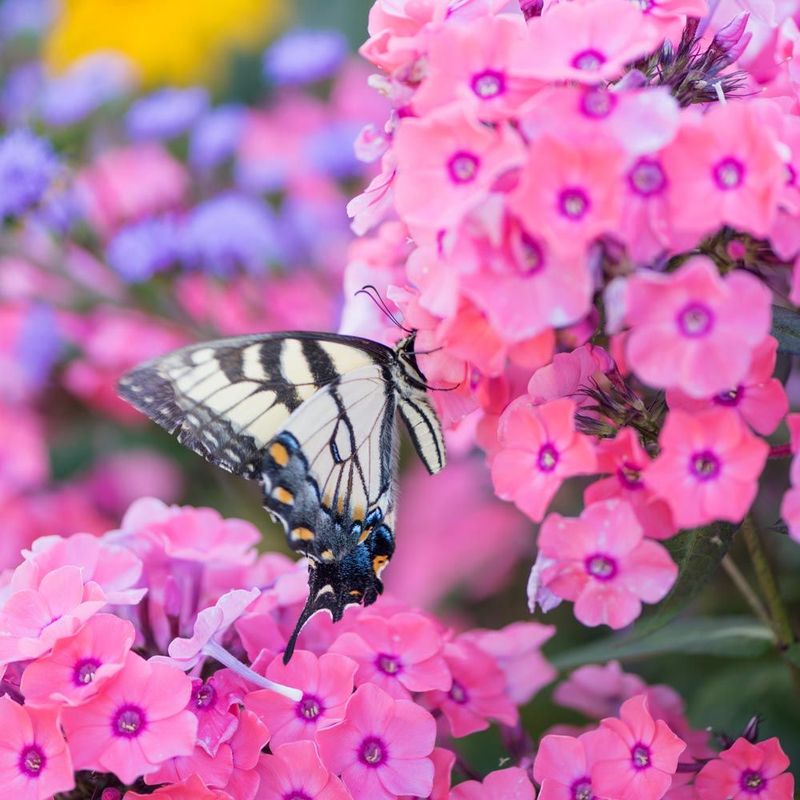
Phlox, with its fragrant clusters of star-shaped flowers, is a butterfly paradise. These plants bloom in various shades, from soft pink to bold purple, creating captivating displays. Phlox’s long flowering period ensures a steady supply of nectar and attracts a diverse range of pollinators. Its ability to thrive in different environments makes it a versatile addition to gardens. Beyond supporting butterflies, it adds fragrance and color to landscapes. Phlox’s charm and adaptability make it a favorite among gardeners seeking to enhance biodiversity. Its role is both ornamental and ecological.
21. Nettle
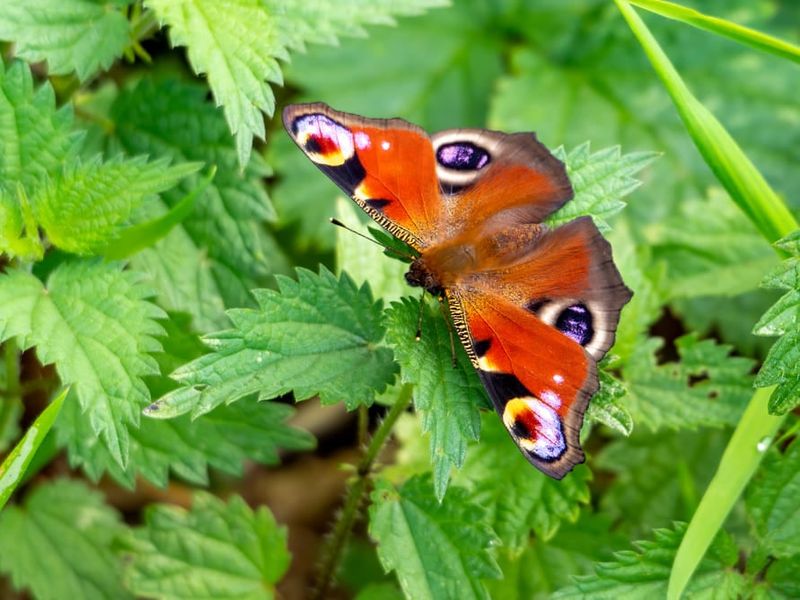
Nettle, often considered a pesky weed, hides a secret that butterfly enthusiasts cherish. Its lush green leaves serve as the ideal nursery for caterpillars.
Despite its prickly reputation, nettle offers a sanctuary for species like the Red Admiral and Peacock butterflies. These vibrant insects grace the nettle patches, adding a splash of color to its otherwise mundane appearance.
Interestingly, nettle has historical importance as a medicinal plant. The ancient Egyptians used it for its healing properties, a testament to its resilience and versatility in the natural world.