 Complete Gardening
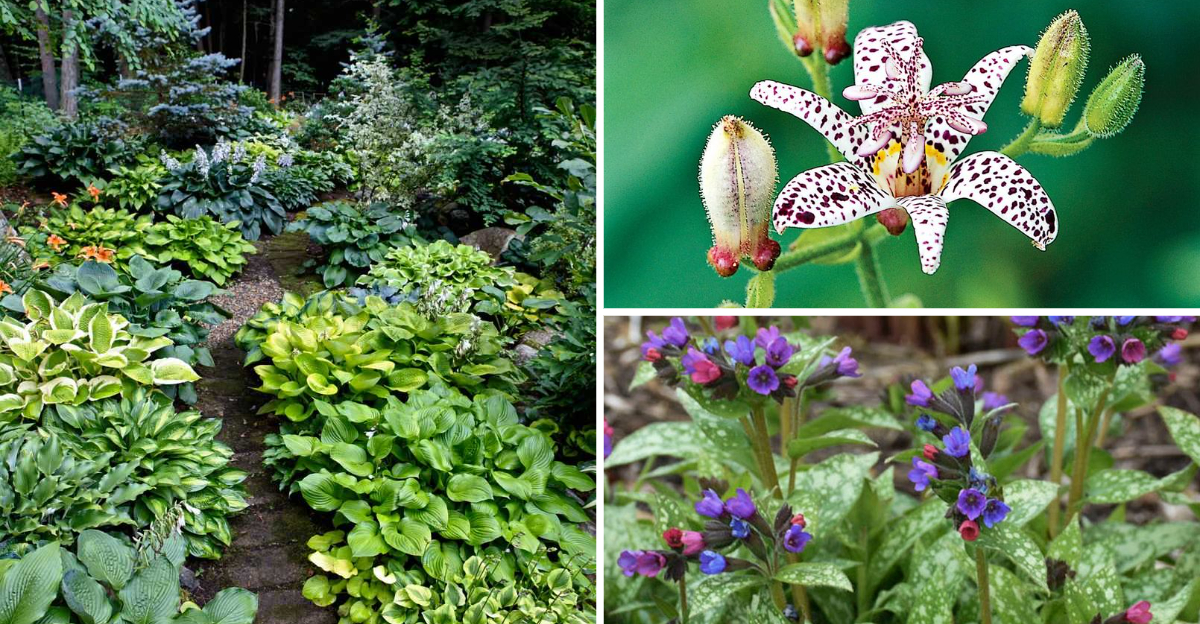
Gardening in the shade can be a rewarding experience if you know which plants to choose. Many plants thrive without direct sunlight, offering a variety of textures, colors, and scents to your garden. From foliage to flowers, these options can transform a shady spot into a lush, vibrant oasis. Here are five plants that flourish even in the absence of the sun’s direct rays.
Hostas
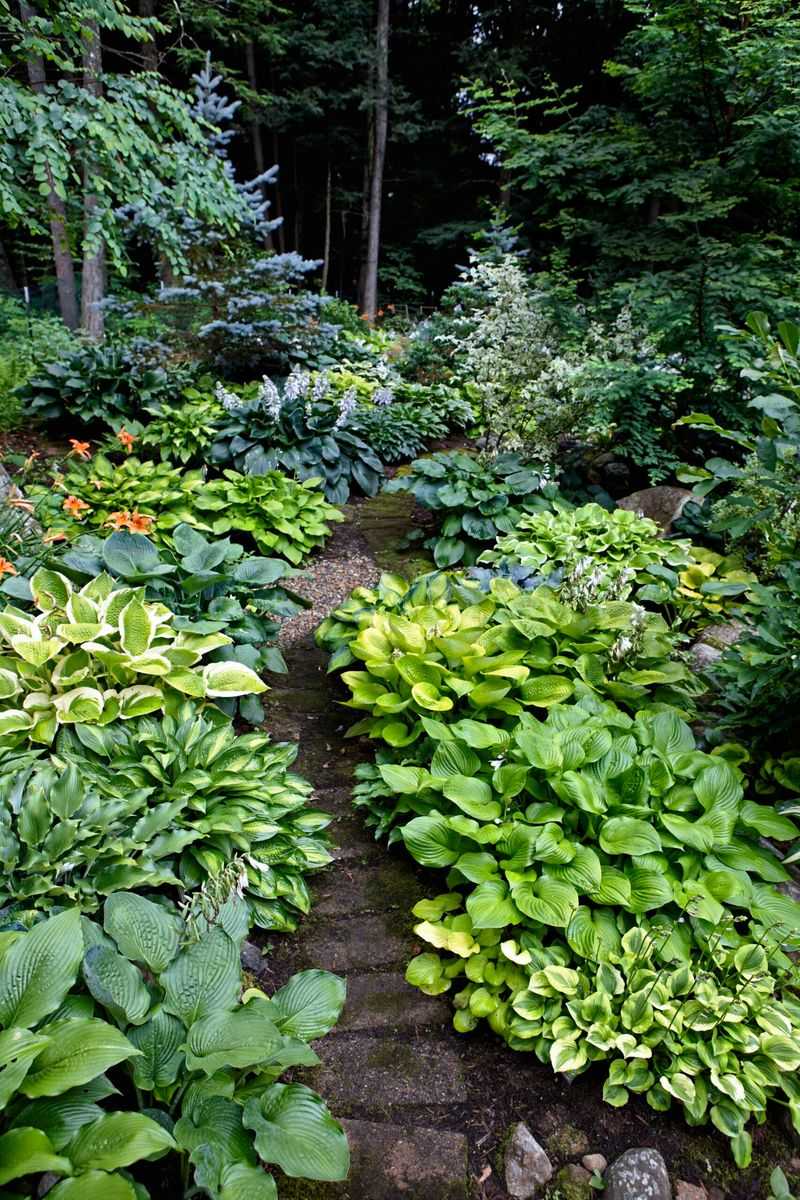
Hostas are renowned for their lush, broad leaves, which come in a variety of shades from deep green to blue and gold. These hardy perennials are a gardener’s delight, offering both beauty and ease of care. In cooler climates, hostas provide a verdant ground cover, creating a serene backdrop.
Their attractive foliage is often complemented by tall, graceful flower spikes in summer. These spikes bear delicate, bell-shaped blossoms in shades of white or lavender. A fun fact: hostas are sometimes called “plantain lilies,” and their leaves can be edible when young.
Imagine a garden where hostas flourish beneath towering trees, their leaves catching every stray beam of light. They are ideal for adding texture and color to shady spots. Whether in pots or the ground, hostas bring a touch of elegance to any shade garden.
Ferns
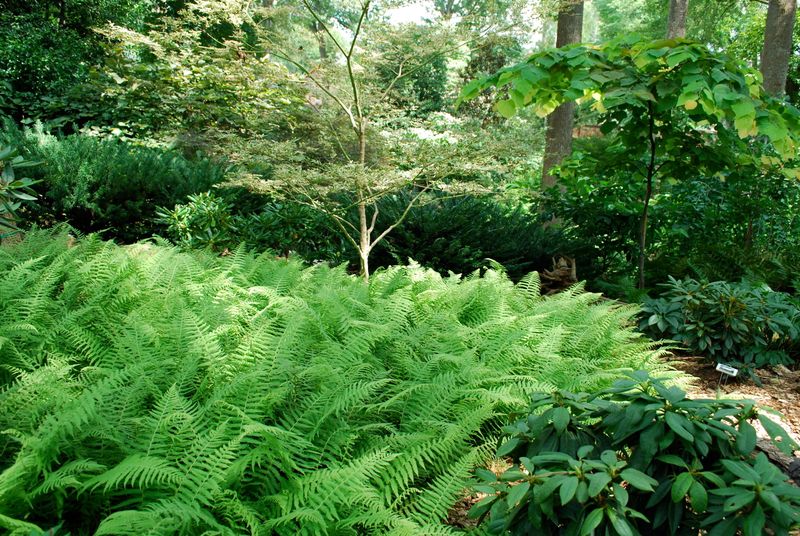
Ferns add an air of enchantment to any shaded garden, with their intricate fronds and delicate textures. These ancient plants have been around for millions of years, surviving in diverse habitats. It’s said that ferns were among the earliest plants on Earth.
Their lush greenery provides a perfect backdrop for other shade-loving plants. Whether it’s the tall and stately ostrich fern or the dainty maidenhair fern, each variety offers its own unique charm. Ferns thrive in moisture-rich environments, making them perfect companions for shade gardens.
Imagine walking through a fern-filled garden, where each step reveals a new pattern of fronds. They are perfect for creating a woodland feel, blending seamlessly with rocks and water features.
Astilbes
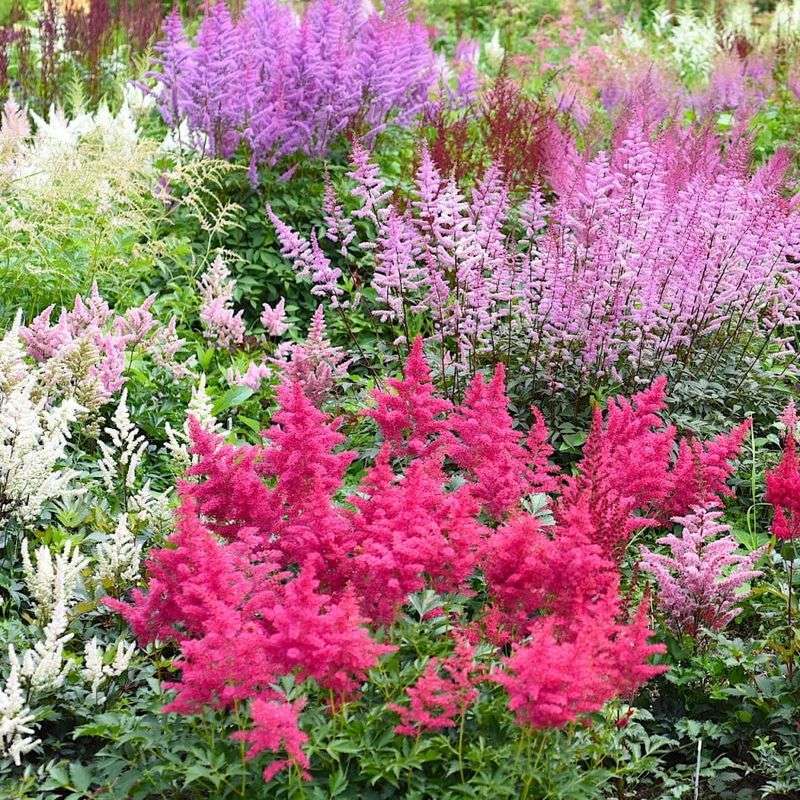
Astilbes bring a splash of color to shaded gardens with their feathery plumes and fern-like foliage. These perennials are known for their vibrant flowers, which can range from pink and red to white, adding a burst of brightness to any dull corner.
Astilbes thrive in moist, rich soils, making them ideal for gardens with consistent shade and damp conditions. They are often used in cottage gardens and alongside streams or ponds. Their flowers attract butterflies, adding life to the shaded garden.
In summer, astilbes create a stunning display that lasts for weeks. Imagine a garden bed where astilbes dance in the breeze, their plumes swaying gracefully. They provide height and texture, making them indispensable in any shade garden.
Heucheras
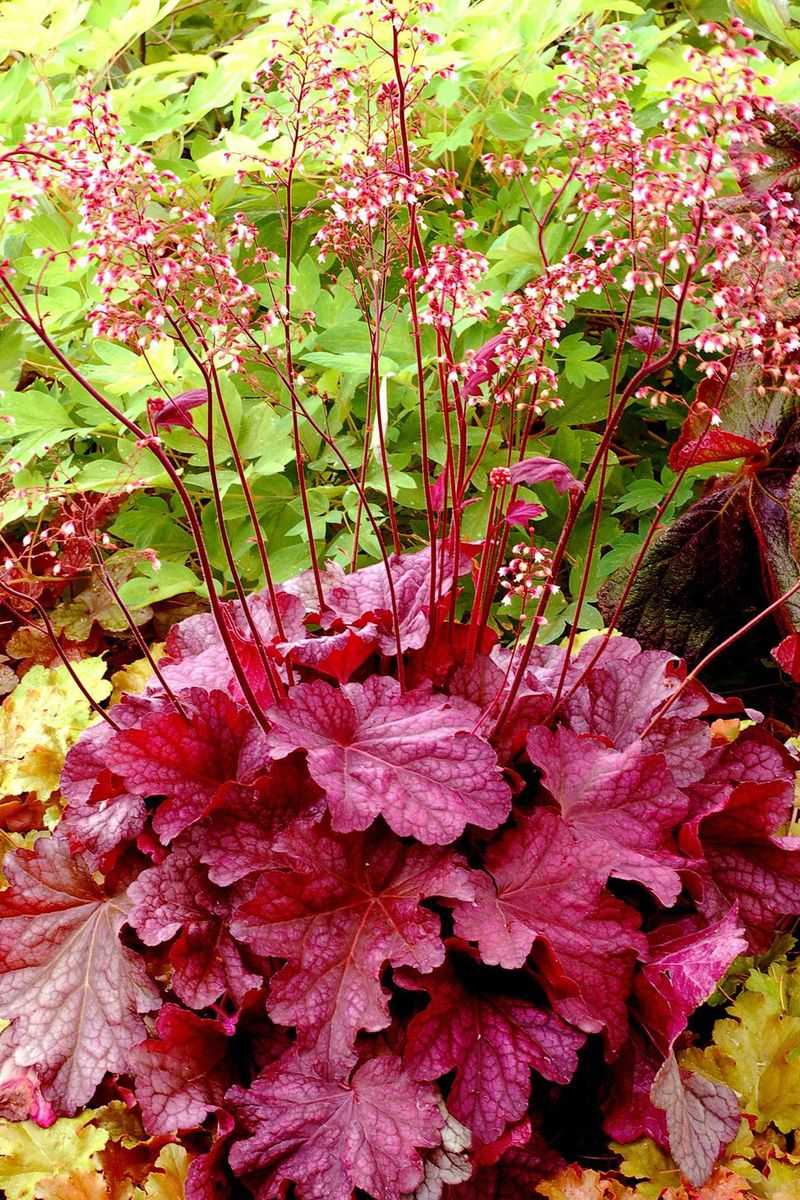
Heucheras, also known as coral bells, are a shade garden staple, celebrated for their colorful foliage and versatility. Their leaves come in an array of colors, from deep purples and reds to bright greens and silvers, each adding a unique flair to the garden.
These perennials are not just about foliage; they also produce delicate flowers on tall, slender stalks. These blooms, often pink or white, attract pollinators like bees and hummingbirds. Heucheras are easy to care for and work well in borders or as ground cover.
Imagine a garden where heucheras provide a rainbow of colors beneath trees. Their vibrant leaves catch the eye, adding vibrancy to shaded areas. They are perfect for adding both color and texture, making them a favorite among gardeners.
Lungwort
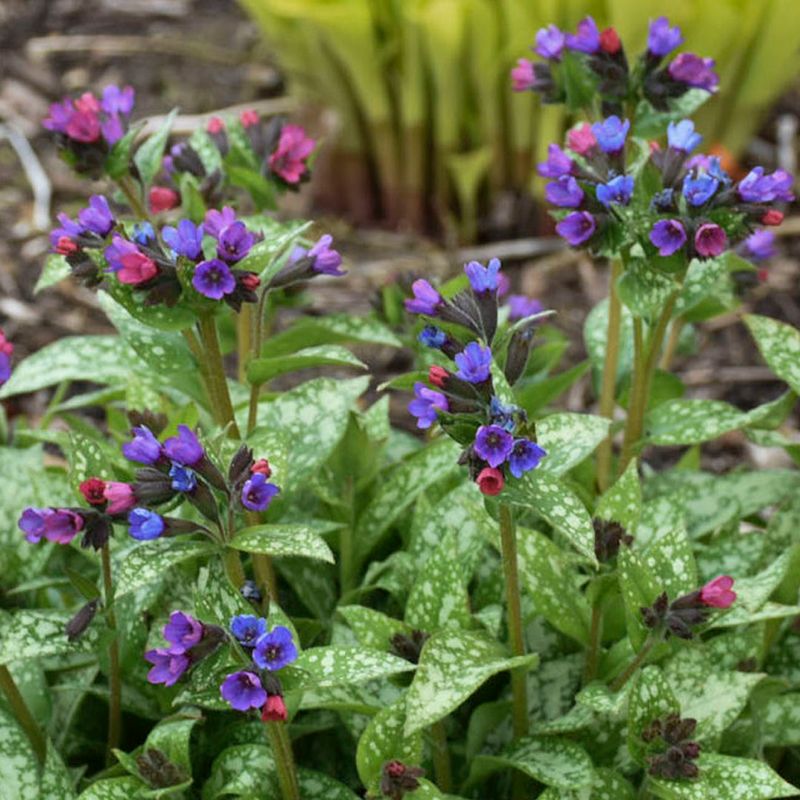
Lungwort, with its spotted leaves and charming flowers, is a delightful addition to any shaded garden. This plant, known for its unusual name, has a rich history in herbal medicine due to its lung-shaped leaves.
The flowers of lungwort are a striking feature, often starting as pink and maturing to blue, creating a captivating color transition. These blooms appear in early spring, offering one of the first signs of the season’s renewal.
Imagine a garden nook where lungwort thrives, its leaves speckled like a starry night. It is a plant that not only adds visual interest but also supports early pollinators. Lungwort’s unique appearance and historical significance make it both an attractive and meaningful choice for shade gardens.
Bleeding Heart
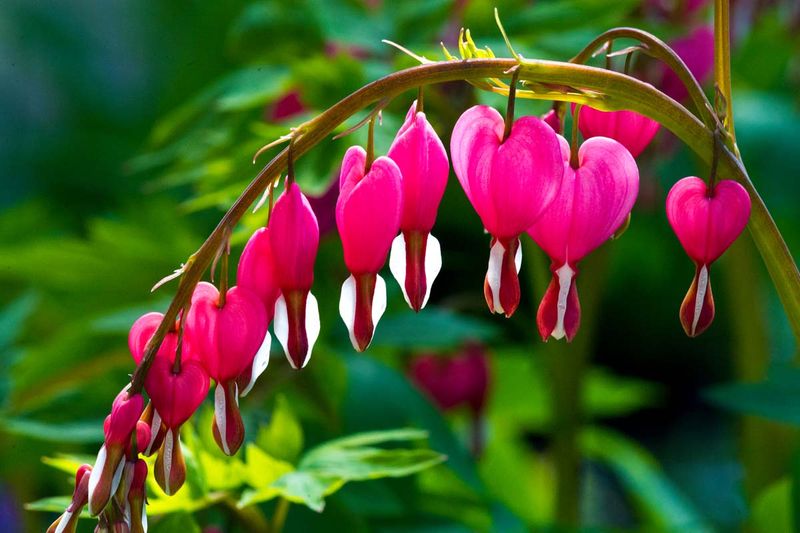
Bleeding Heart is a whimsical addition to any garden, with its heart-shaped flowers dangling gracefully from arching stems. This plant flourishes in the cool shade, providing a touch of romance and nostalgia. Each bloom resembles a delicate heart, bursting open to reveal a gentle white interior.
Ideal for woodland gardens, its fern-like foliage adds texture and depth. Despite its fragile appearance, Bleeding Heart is remarkably hardy, thriving in moist, well-drained soil. A symbol of love and compassion, it’s a timeless classic that brings a poetic grace to shaded areas.
Japanese Anemone
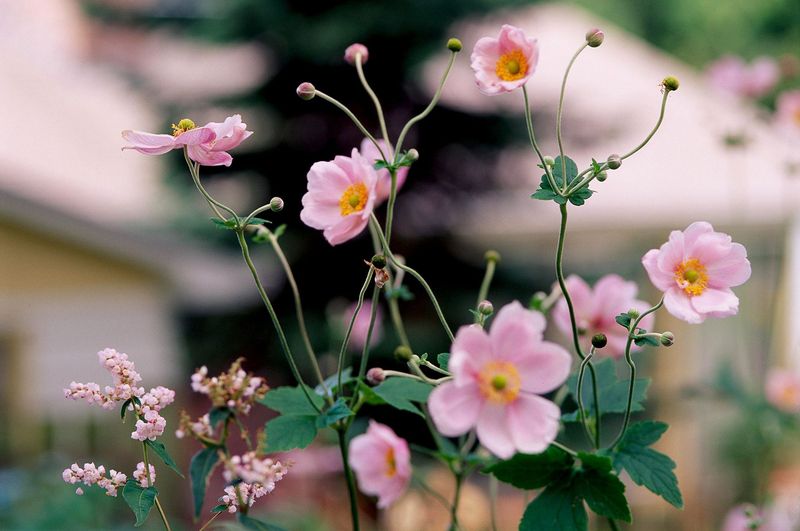
The Japanese Anemone brings late-season charm with its elegant, fluttering blooms. These perennials thrive in partial to full shade, adding a soft pastel palette to your garden. Their simple, yet captivating flowers appear on tall, wiry stems, dancing gracefully above lush, divided foliage.
Known for their resilience, Japanese Anemones are perfect for adding height and movement. They prefer rich, moist soil and can spread to form beautiful colonies over time. Their subtle beauty and gentle swaying in the breeze create a serene atmosphere, perfect for contemplative garden spaces.
Toad Lily
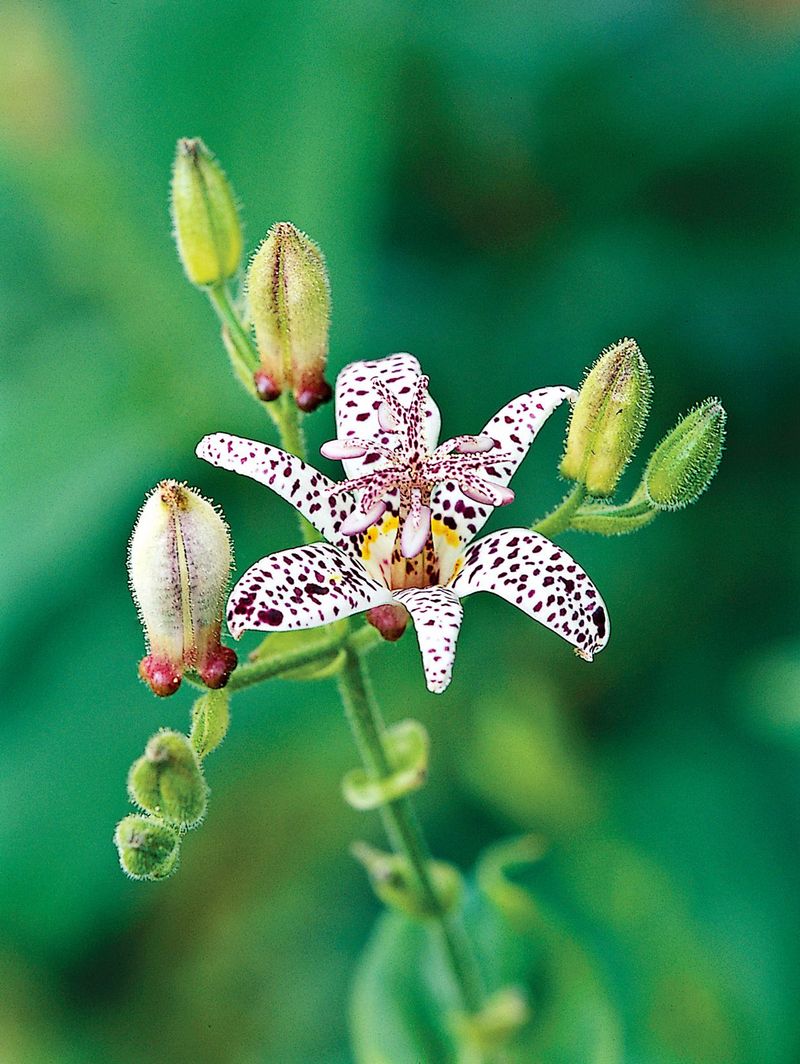
Toad Lily is an exotic beauty, captivating with its orchid-like blooms. Perfectly suited for shady spots, its speckled flowers offer an unexpected surprise in autumn. Blossoming late, it provides interest when most plants have faded.
The plant’s arching stems carry clusters of star-shaped flowers, each adorned with distinctive spots. Toad Lilies thrive in consistently moist, well-drained soil, making them ideal for woodland settings. With a touch of wild allure, they are a delightful addition, inviting close admiration of their intricate patterns and peculiar charm.
Solomon’s Seal
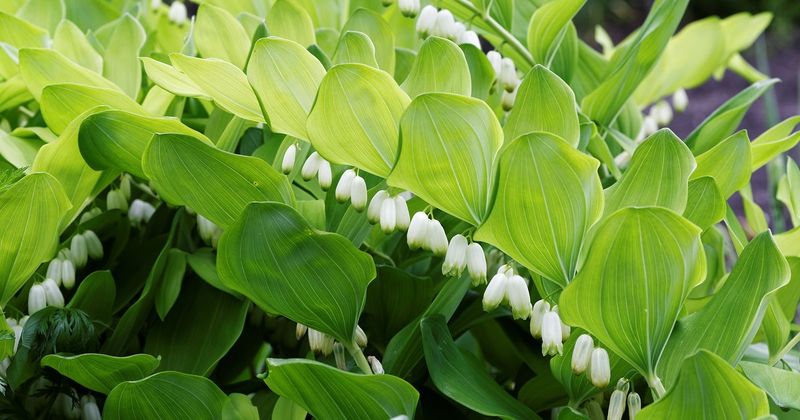
Solomon’s Seal presents elegance with its arching stems and bell-shaped flowers. This perennial thrives in full to partial shade, offering a graceful, understated presence. The flowers dangle like small bells, adding subtle charm beneath lush, green foliage.
Adapting well to various soil types, it prefers a consistently moist environment. Over time, it forms an attractive colony, providing a naturalistic ground cover. Its understated beauty and adaptability make it a favorite among shade garden enthusiasts, creating a calming and harmonious atmosphere.
Lily of the Valley

Lily of the Valley enchants with its fragrant, nodding white flowers. This classic plant thrives in shady, cool environments, making it an ideal choice for underplanting beneath trees or shrubs.
Its small, bell-shaped blooms are famously sweet-scented, heralding the arrival of spring. The lush, green foliage forms a dense carpet, providing excellent ground cover. While it has a delicate appearance, Lily of the Valley is resilient, spreading steadily over time. It’s a symbol of purity and joy, adding an old-world charm to shaded gardens.
Foamflower
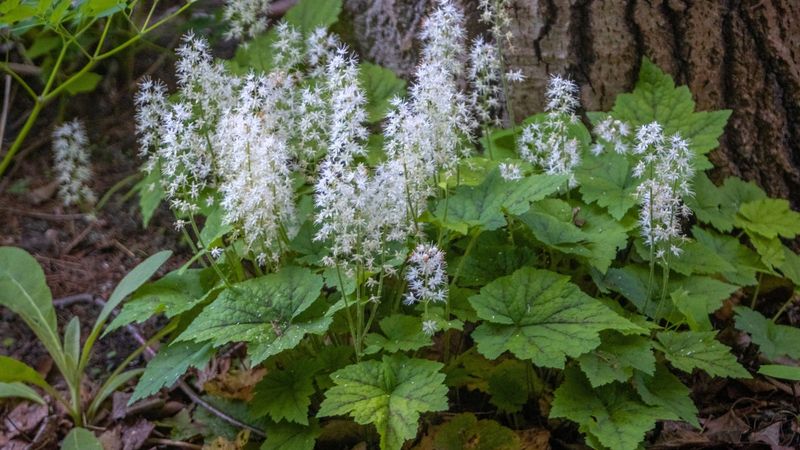
Foamflower is a delightful woodland perennial known for its frothy blooms and heart-shaped leaves. Perfect for shaded areas, its airy white flowers rise gracefully, creating a cloud-like effect in the garden.
Thriving in moist, rich soil, Foamflower spreads to form an attractive ground cover, providing texture and interest throughout the season. Its foliage often displays striking fall colors, enhancing garden aesthetics. With its gentle allure and adaptability, Foamflower is a charming choice for adding elegance and lightness to shadowy spaces.
Bugleweed
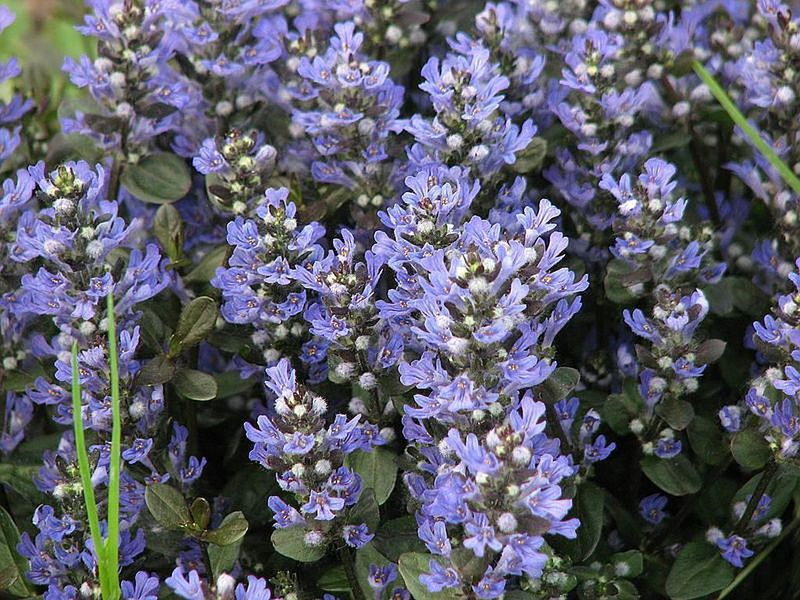
Bugleweed, known for its striking blue flower spikes, is a dynamic ground cover that thrives in shade. This low-growing plant forms dense mats, ideal for controlling erosion on shaded slopes.
The glossy, dark green leaves provide a rich backdrop for the vibrant flowers, which appear in spring and attract pollinators. Bugleweed adapts well to various soil types, requiring minimal maintenance. Its robust nature and vivid color make it an excellent choice for adding diversity and visual interest to shade gardens, creating a vibrant tapestry of hues.
Barrenwort
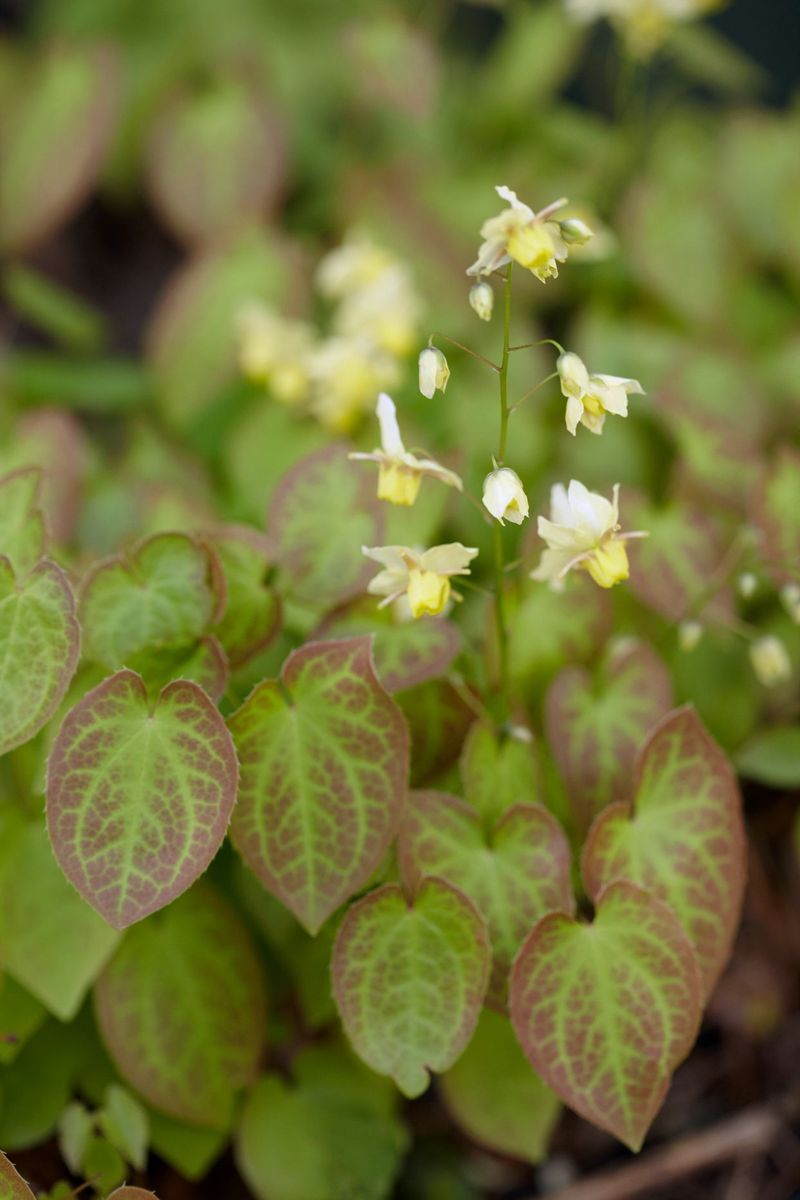
Barrenwort, often called the fairy wing plant, captivates with its ethereal flowers and decorative foliage. Ideal for shady areas, it offers year-round appeal with heart-shaped leaves that change color through the seasons.
In spring, dainty, nodding flowers emerge, adding a whimsical touch. Barrenwort is drought-tolerant once established, making it a low-maintenance choice for difficult garden spots. Its ability to suppress weeds while providing visual interest makes it an invaluable addition to shaded landscapes, enchanting gardeners with its fairy-tale charm.
Brunnera

Brunnera, with its striking blue flowers, is a shade garden gem. Often likened to forget-me-nots, its tiny blooms provide a splash of color in early spring.
The plant’s large, heart-shaped leaves, often adorned with silver markings, add interest even after the flowers fade. Thriving in cool, moist conditions, Brunnera forms attractive mounds, making it perfect for borders and woodland areas. Its combination of floral beauty and foliage appeal offers a dual display, ensuring year-round interest in shaded spaces.
Hellebore
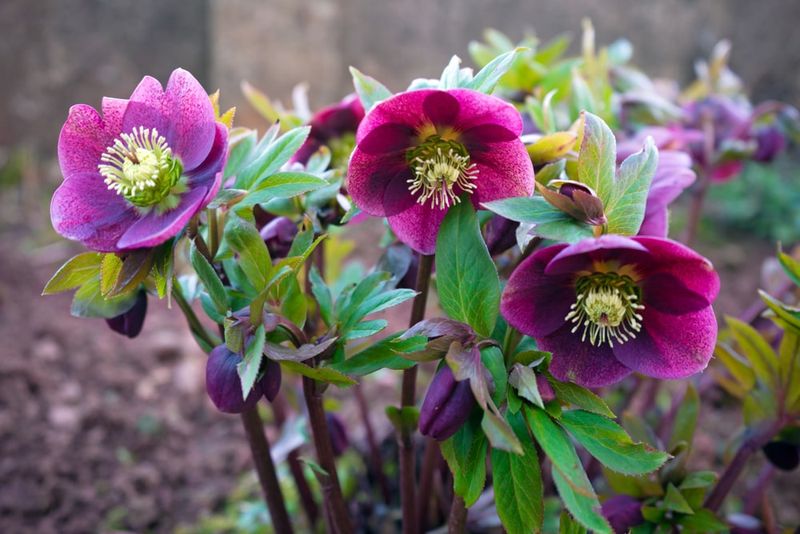
Hellebore, known as the Lenten Rose, brings color to the garden when few others bloom. Thriving in partial to full shade, its cup-shaped flowers appear in late winter to early spring, a welcome sight after the cold months.
The blooms come in a variety of shades, from soft pinks to deep purples, often with delicate spotting. Hellebore prefers well-drained soil and is relatively low-maintenance. Its evergreen foliage adds year-round interest, making it a staple for those seeking vibrant life in shaded areas.
Corydalis
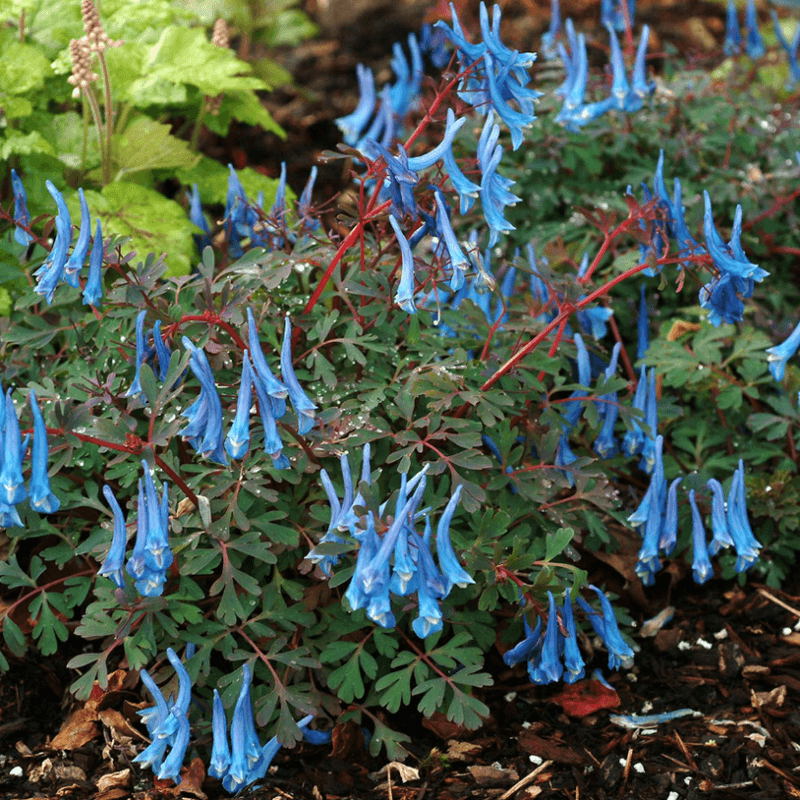
Corydalis adds a burst of color with its tubular flowers and fern-like foliage. Ideally suited for shaded spots, this plant blooms in spring, offering clusters of purple or blue flowers that attract pollinators.
Its delicate, lacy leaves provide a soft texture to the garden, complementing its vibrant blooms. Corydalis prefers well-drained soil and can naturalize over time, forming charming drifts. Its combination of floral and foliage interest makes it a versatile choice for adding depth and color to shaded areas.
Sweet Woodruff
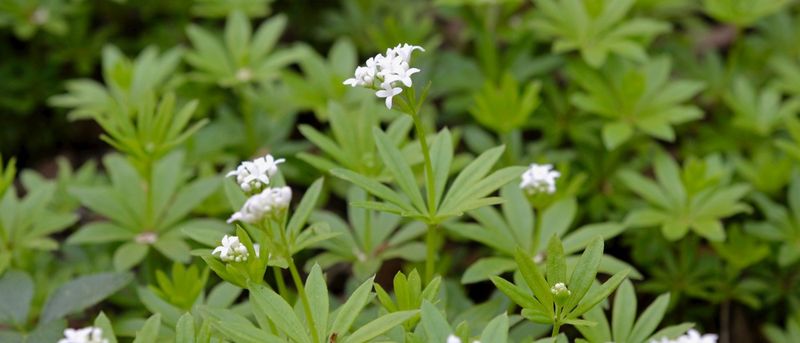
Sweet Woodruff charms with its starry white flowers and whorls of bright green leaves. As a shade-loving ground cover, it spreads quickly, forming a lush carpet that suppresses weeds and adds fragrance.
Its foliage emits a sweet scent, especially when dried, making it a favorite for potpourris. Sweet Woodruff thrives in moist, well-drained soil and is perfect for naturalizing under trees or shrubs. Its enchanting appearance and aromatic qualities make it a delightful addition to shaded gardens, offering both visual and sensory appeal.
Pulmonaria
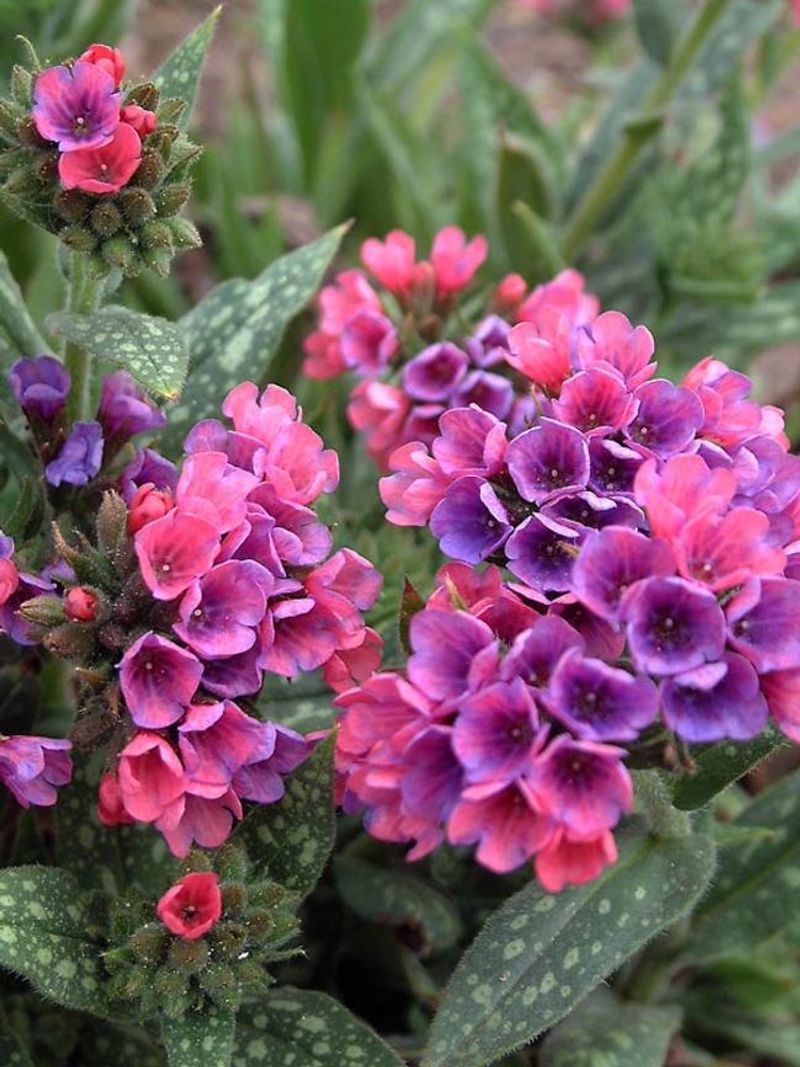
Pulmonaria, also known as lungwort, is prized for its unique foliage and charming flowers. This plant excels in shaded areas, offering clusters of pink and blue blooms in early spring.
Its leaves, often adorned with striking spots or marbling, provide interest throughout the growing season. Pulmonaria prefers cool, moist environments and can spread to create an attractive ground cover. Its blend of floral beauty and distinctive foliage makes it a sought-after choice for gardeners looking to add texture and color to shaded spaces.
Wintergreen
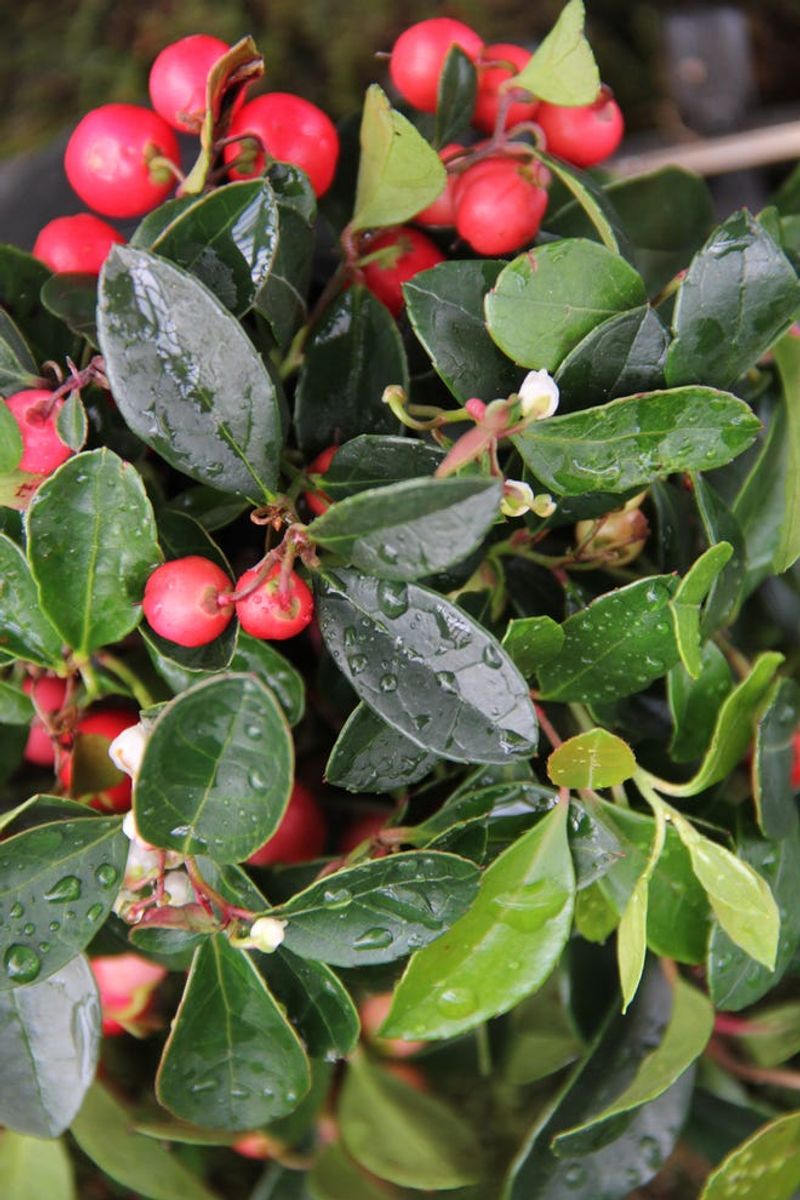
Wintergreen offers year-round interest with its glossy leaves and bright red berries. This evergreen plant thrives in shade, making it an excellent ground cover for forested areas.
The leaves release a refreshing scent when crushed, and the berries, though not for human consumption, add a pop of color through fall and winter. Wintergreen prefers acidic, well-drained soil and is low-maintenance, providing a lush, green carpet that complements other shade plants. Its aromatic qualities and vibrant berries make it a versatile choice for enhancing shaded gardens.