 Complete Gardening
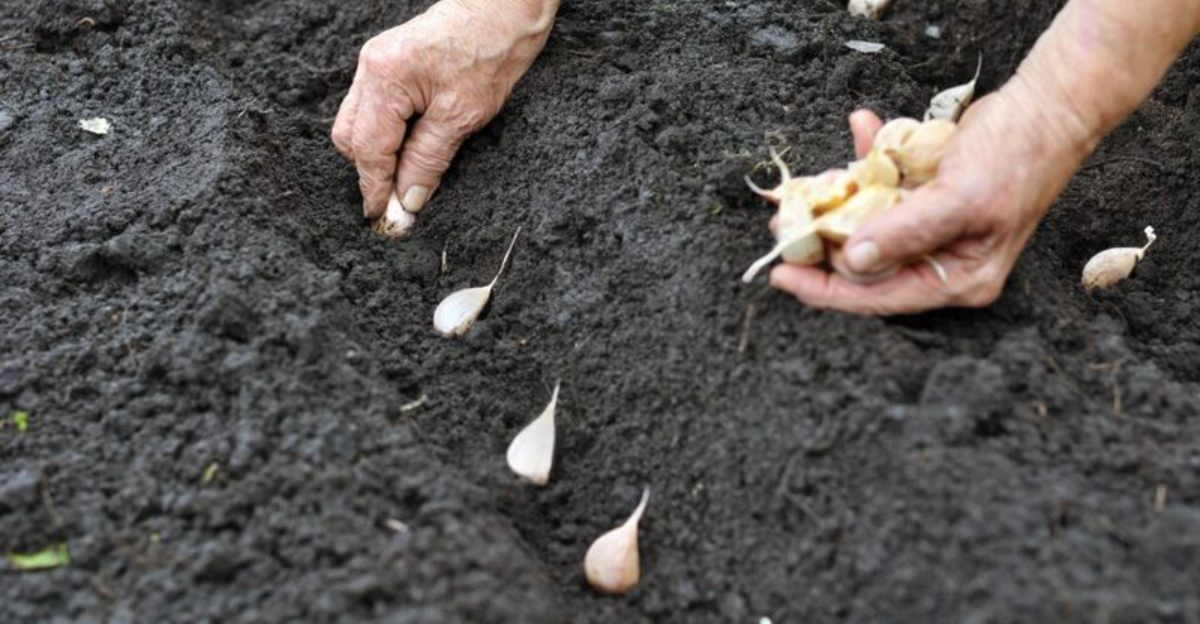
Fall gardening offers amazing opportunities to grow fresh vegetables when summer heat fades away.
Many crops actually taste better after experiencing cool weather and light frosts.
Planning your autumn garden now means you’ll have delicious homegrown food well into winter months.
1. Plant Leafy Greens Like Spinach
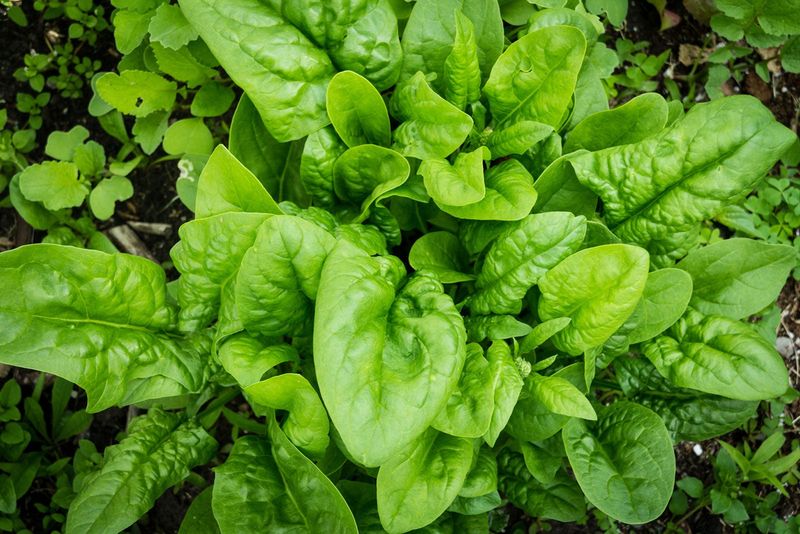
Spinach absolutely loves cool weather and becomes sweeter after frost touches its leaves. Cool temperatures prevent this nutritious green from bolting to seed too quickly.
Start seeds directly in your garden beds about 6-8 weeks before your first expected frost date. Space plants about 4 inches apart for best growth.
Harvest outer leaves regularly to encourage continuous production throughout fall and early winter months.
2. Grow Crunchy Radishes Fast
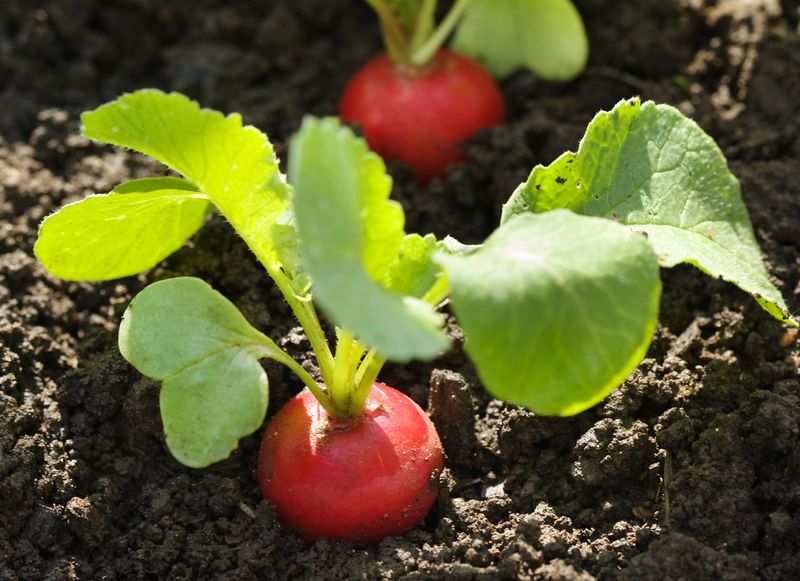
Radishes are perfect for impatient gardeners because they grow incredibly fast in cool weather. Most varieties mature in just 25-30 days from seed to harvest.
Plant seeds directly into loose, well-draining soil about half an inch deep. Space them 1 inch apart in rows or scatter them in wide beds.
Cool fall temperatures make radishes less spicy and more crisp than summer-grown ones, perfect for salads and snacking.
3. Try Cold-Hardy Kale Varieties
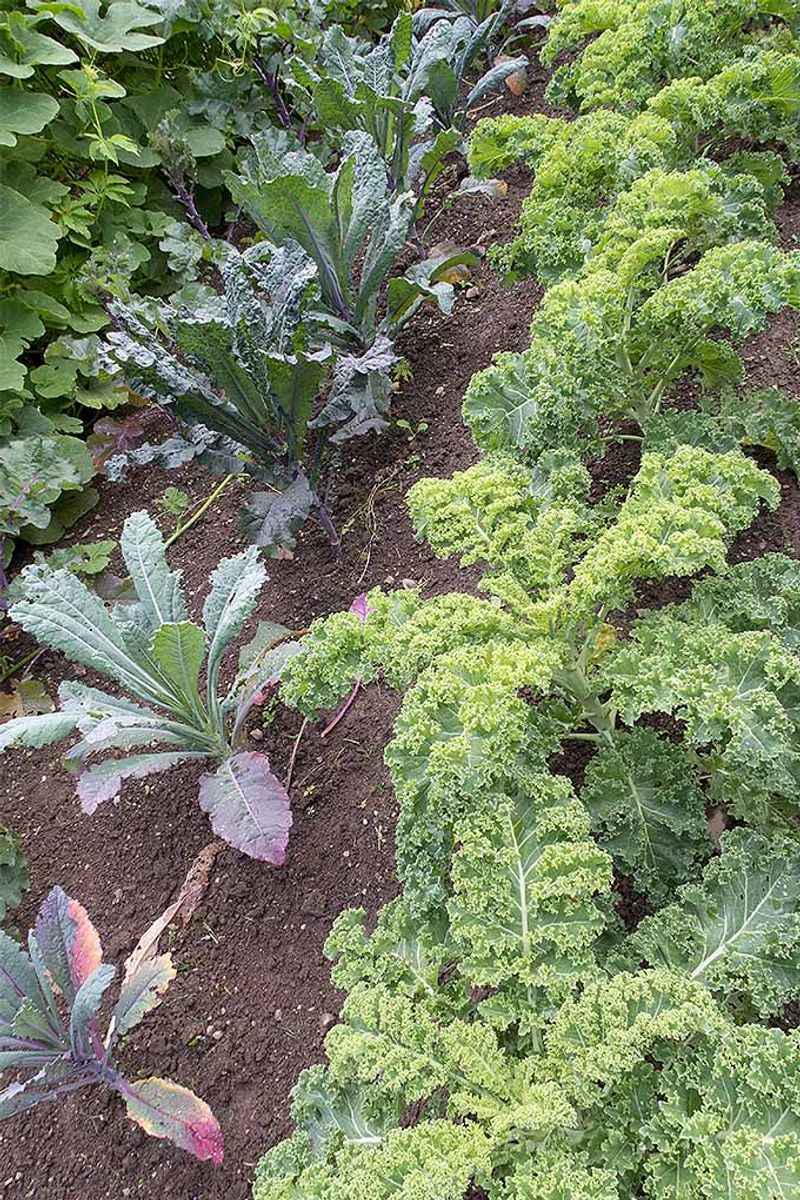
Kale becomes incredibly sweet and tender after experiencing freezing temperatures, making fall the ideal planting time. This superfood can survive temperatures well below freezing.
Choose varieties like ‘Winterbor’ or ‘Darkibor’ that handle cold weather exceptionally well. Plant transplants or direct-sow seeds 8-10 weeks before hard frost.
Harvest outer leaves regularly, leaving the center growing point intact for continuous production through winter in many climates.
4. Start Carrots for Winter Storage
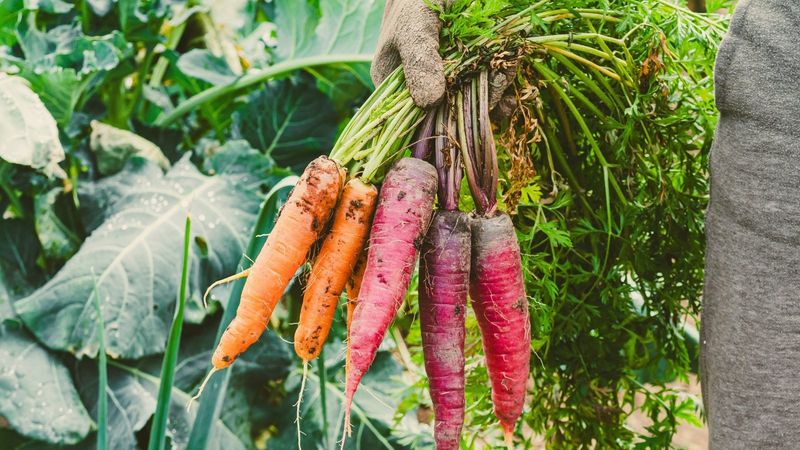
Fall-grown carrots develop amazing sweetness as they convert starches to sugars during cold weather. They can stay in ground through winter in many areas.
Plant carrot seeds directly in loose, deep soil about 10-12 weeks before your first hard frost. Choose shorter varieties if your soil is heavy or rocky.
Thin seedlings to 2 inches apart when they’re small for proper root development and maximum size at harvest time.
5. Plant Quick-Growing Lettuce
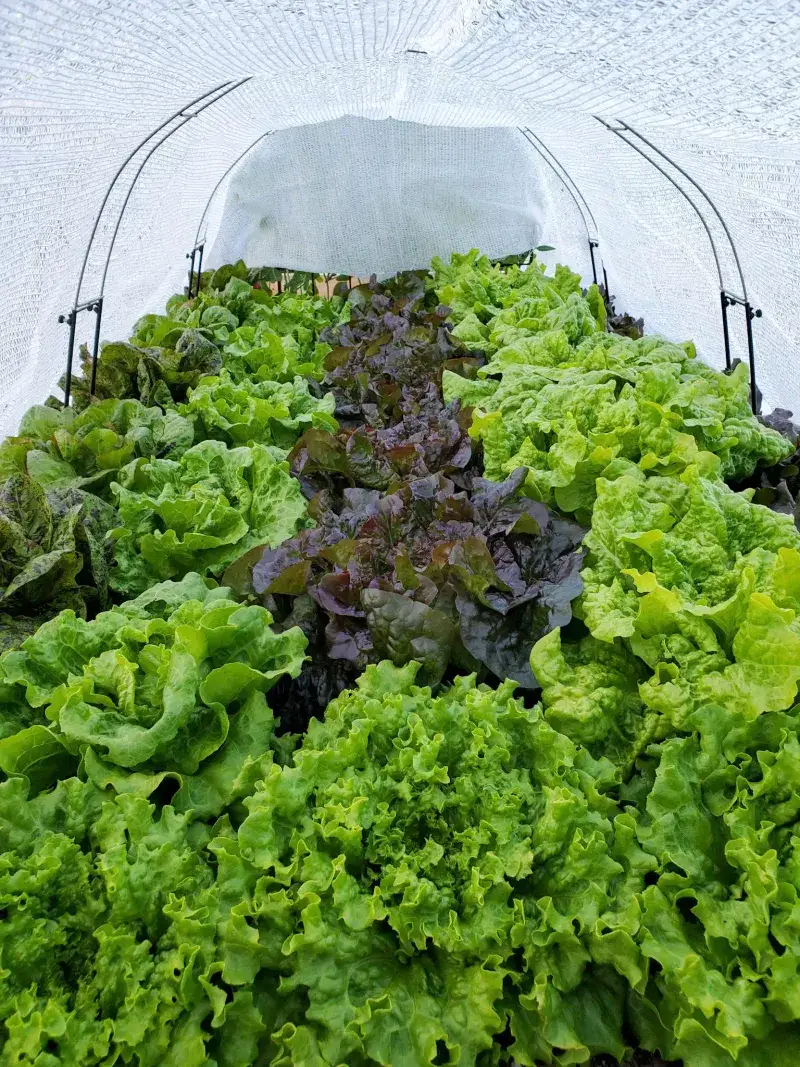
Lettuce thrives in cool fall weather and won’t bolt to seed like it does in summer heat. Many varieties mature in just 45-60 days from seed.
Choose cold-tolerant varieties like ‘Winter Density’ or ‘Arctic King’ for best results. Plant seeds every 2 weeks for continuous harvests.
Protect plants with row covers during extremely cold nights to extend your growing season and keep leaves tender and sweet.
6. Sow Turnips for Dual Harvest
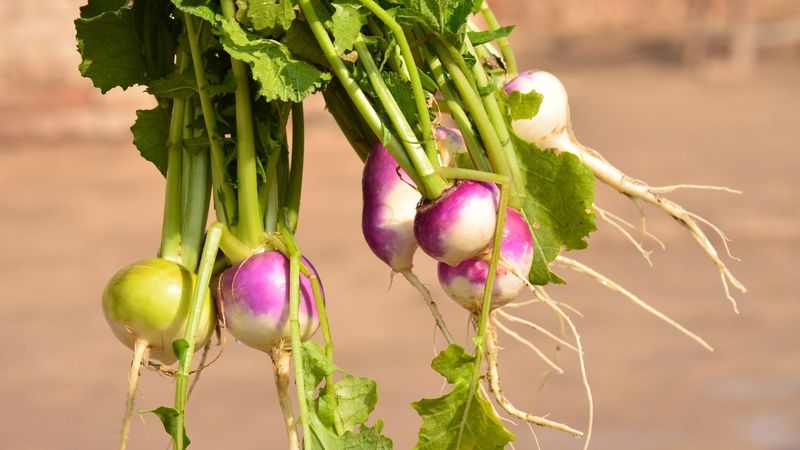
Turnips give you two vegetables in one plant – tender greens for salads and sweet roots for cooking. Both parts taste better after cool weather.
Plant seeds directly in garden beds 8-10 weeks before hard frost arrives. Space them about 4 inches apart in rows or blocks.
Harvest greens when young and tender, then let roots continue growing for fall and winter meals. Store roots in cool, damp conditions.
7. Grow Brussels Sprouts Properly
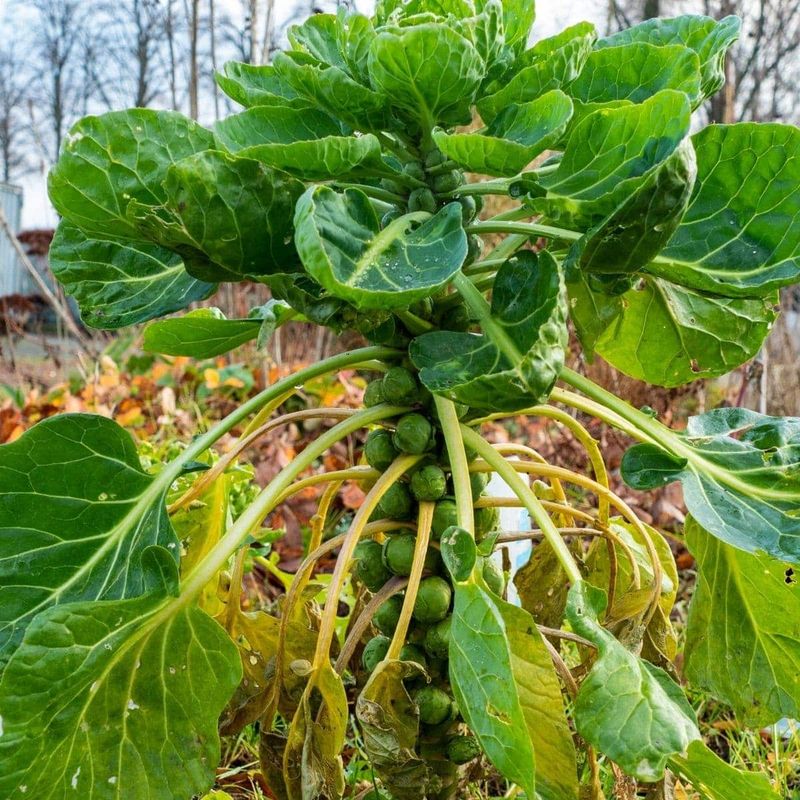
Brussels sprouts absolutely require cool weather to develop properly and taste their best. Hot weather makes them bitter and loose.
Start with transplants rather than seeds for better success rates. Plant them 12-16 weeks before your first hard frost date.
Space plants 18-24 inches apart because they grow quite large. Remove lower leaves as sprouts develop to encourage better air circulation around plants.
8. Plant Garlic Cloves Now
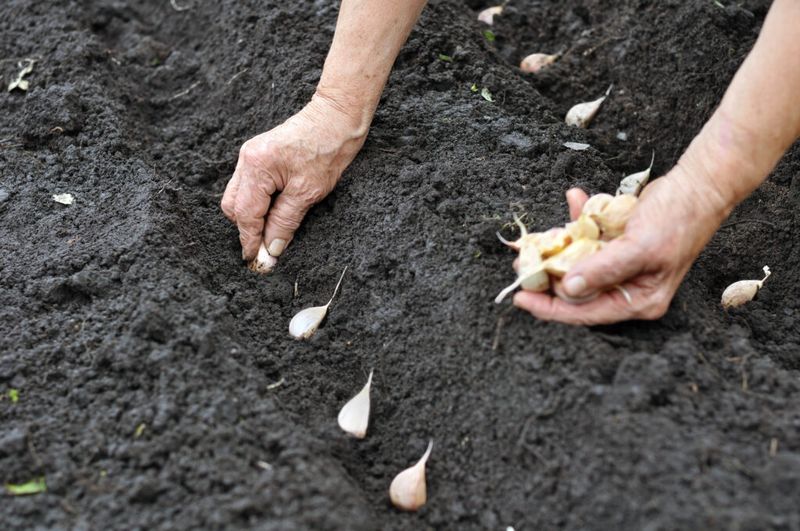
Fall is the only time to plant garlic for next summer’s harvest. Garlic needs several months of cold weather to form proper bulbs.
Plant individual cloves pointed end up, about 2 inches deep and 4 inches apart. Choose hardneck varieties for cold climates, softneck for warmer areas.
Mulch beds heavily after planting to prevent weeds and maintain soil moisture. Green shoots will emerge in early spring.
9. Try Asian Greens Varieties
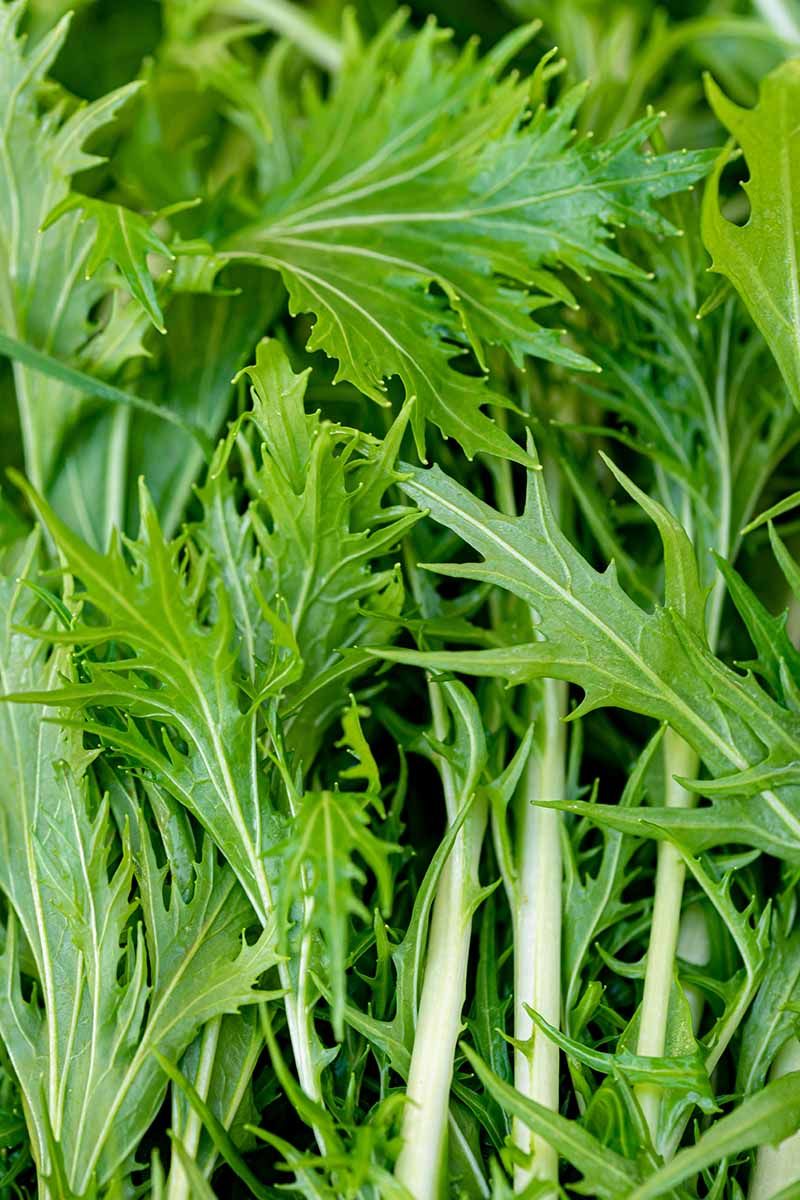
Asian greens like bok choy, mizuna, and tatsoi love cool weather and add exciting flavors to fall meals. Most mature quickly in autumn conditions.
Plant seeds directly in garden beds or start transplants indoors first. Space plants according to their mature size – some stay small while others grow large.
Harvest leaves when young and tender for stir-fries and salads. Many varieties can handle light frosts without protection.
10. Start Cabbage for Storage
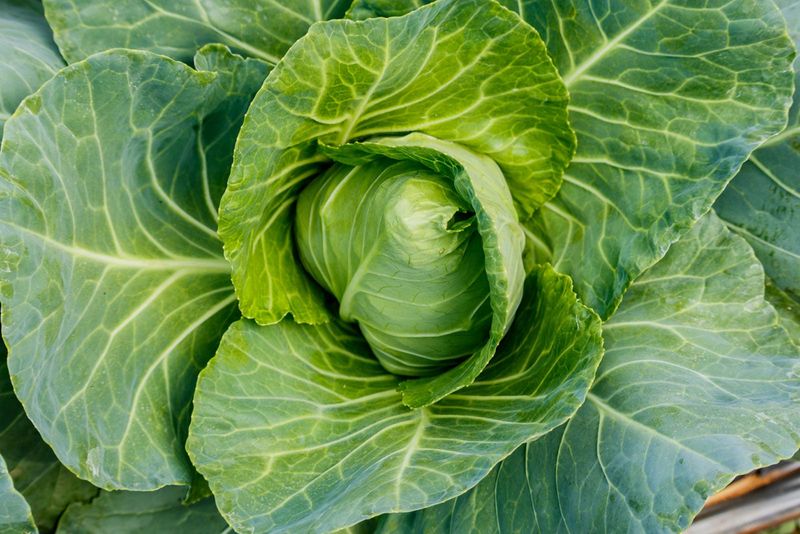
Cabbage heads develop best in cool fall weather and can be stored for months after harvest. Hot weather causes loose, poor-quality heads.
Plant transplants about 12-14 weeks before your first hard frost date. Space plants 12-18 inches apart in fertile, well-draining soil.
Keep soil consistently moist but not waterlogged. Harvest heads when they feel firm and solid, before they split from temperature changes.
11. Plant Onion Sets Strategically
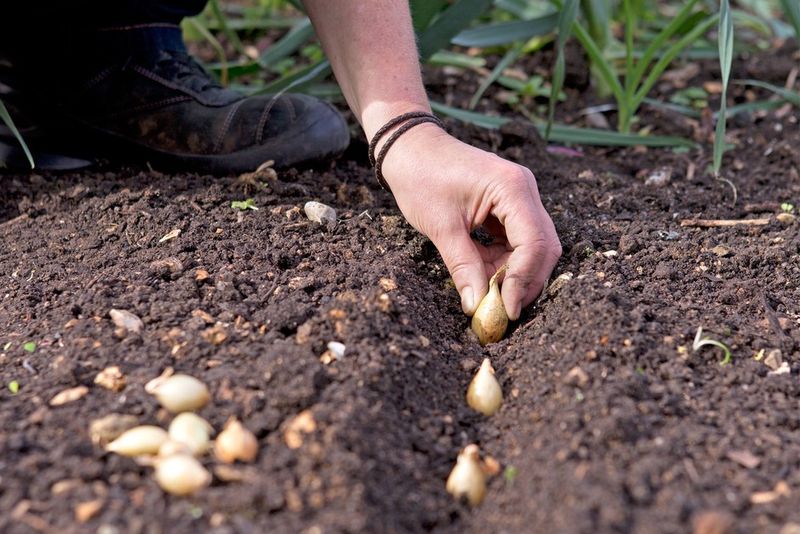
Fall-planted onion sets give you green onions all winter long and bulbs next summer. They’re much easier than starting from seed.
Plant sets about 1 inch deep and 4 inches apart in well-draining soil. Choose sets specifically labeled for fall planting in your area.
Harvest green tops throughout winter for cooking, leaving bulbs to continue growing. Mulch around plants to prevent soil freezing in harsh climates.
12. Grow Cold-Hardy Beets
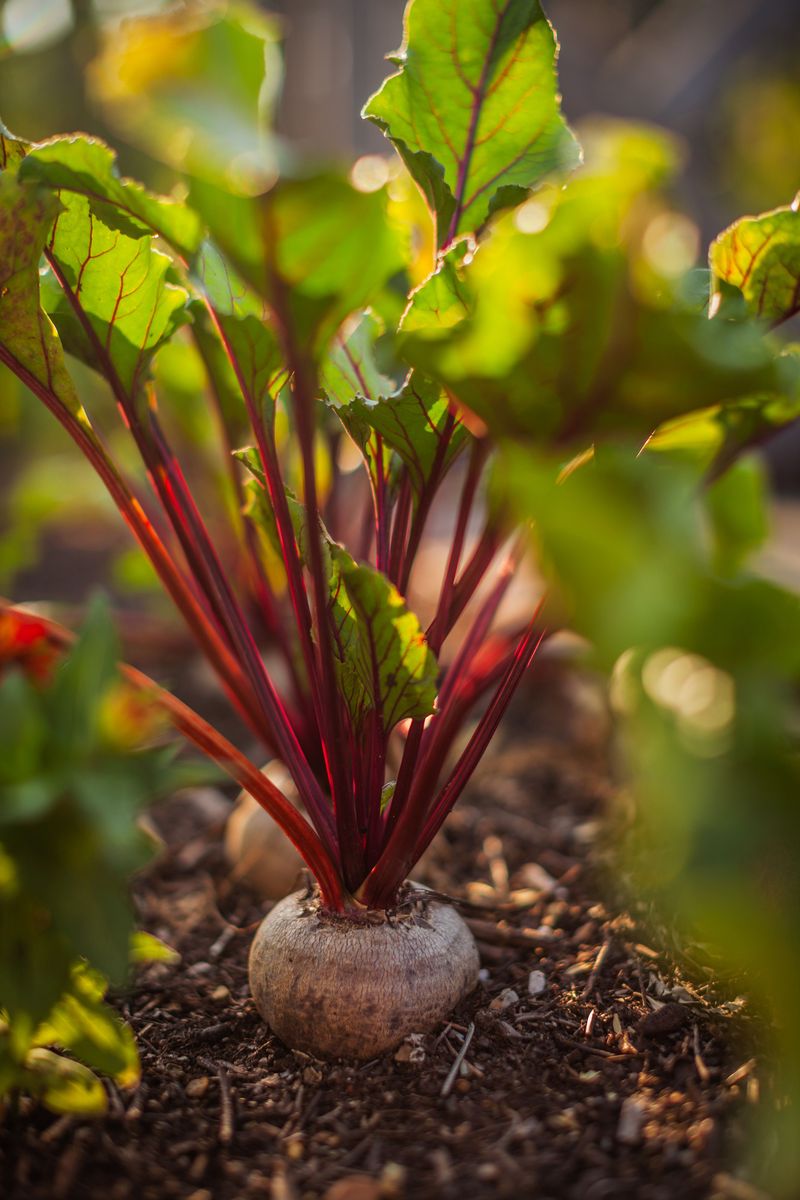
Beets handle cold weather beautifully and develop better color and sweetness in cool conditions. Both roots and greens are edible and nutritious.
Plant seeds directly in garden beds 8-10 weeks before hard frost. Soak seeds overnight before planting to improve germination rates.
Thin seedlings to 3 inches apart when small. Use thinned plants in salads – they’re tender and flavorful when young.
13. Consider Winter Squash Timing
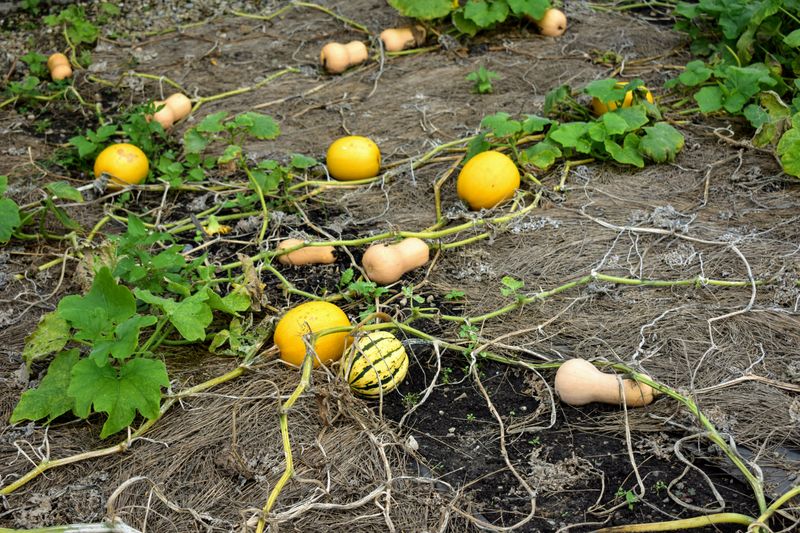
Winter squash needs a long growing season but must be harvested before hard frost kills the vines. Plan timing carefully for your climate.
Plant seeds or transplants so fruits have 100-120 days to mature before frost. Choose shorter-season varieties for northern climates.
Harvest when stems are dry and hard, and rinds can’t be dented with your fingernail. Cure in sun for better storage life.
14. Plant Peas for Cool Weather
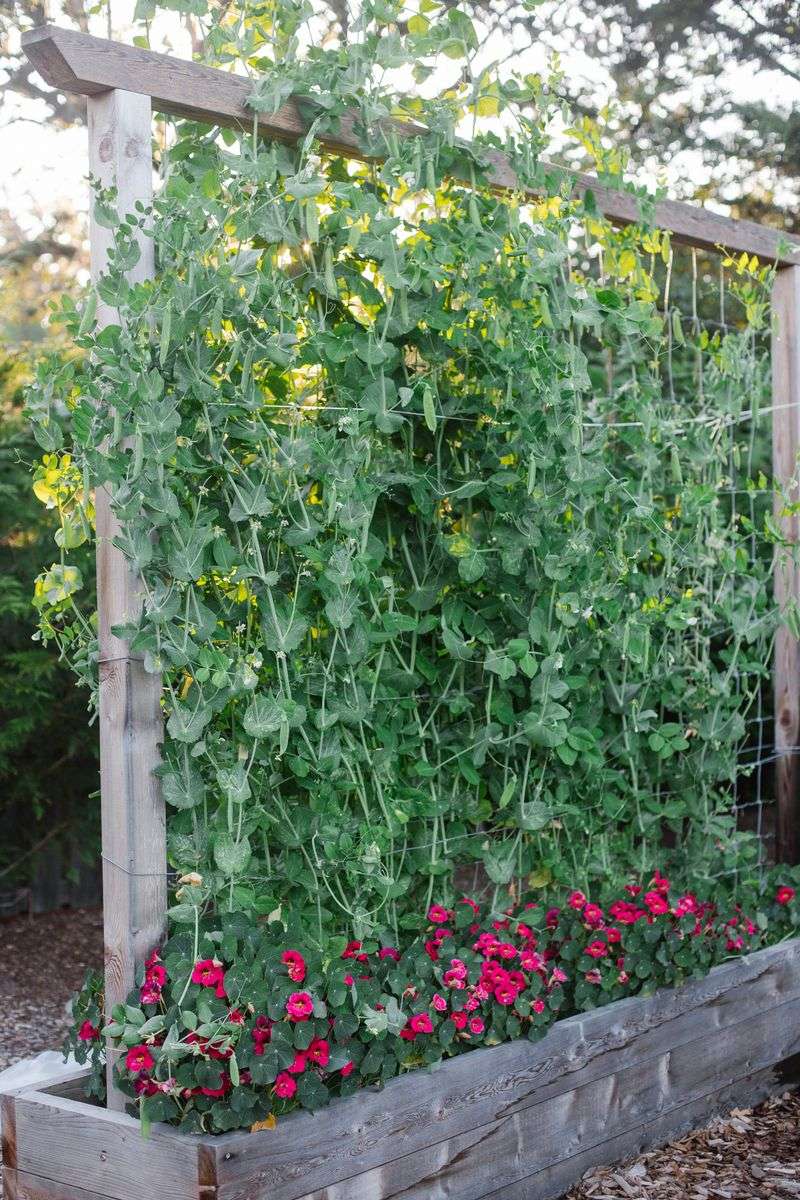
Peas absolutely love cool weather and often produce better fall crops than spring ones. They can handle light frosts without damage.
Plant seeds directly in garden beds 8-10 weeks before your first hard frost date. Choose snap peas or snow peas for quick harvests.
Provide support structures like trellises or cages for climbing varieties. Harvest pods regularly to encourage continued production until hard frost.
15. Try Arugula for Spicy Greens
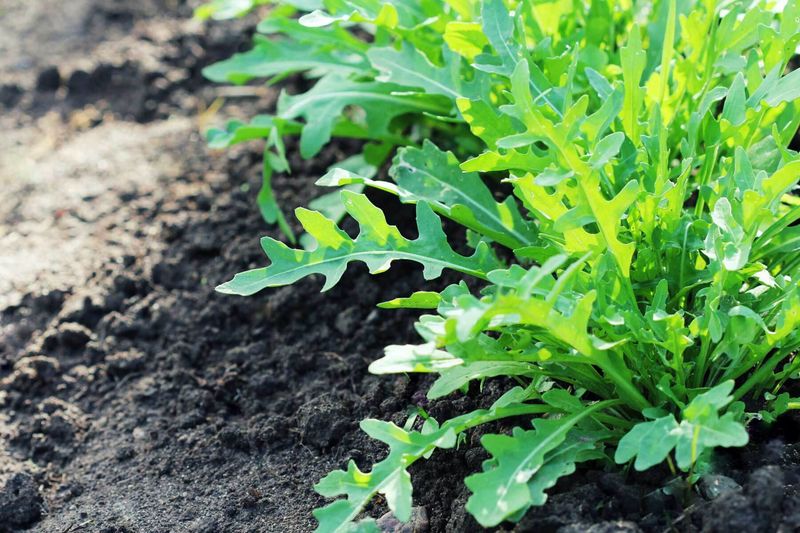
Arugula grows incredibly fast in cool weather and adds peppery flavor to fall salads. Hot weather makes it too spicy to enjoy.
Plant seeds directly in garden beds every 2-3 weeks for continuous harvests. Seeds germinate quickly in cool, moist soil conditions.
Harvest leaves when young and tender, about 3-4 inches long. Regular harvesting encourages new growth and prevents plants from going to seed.
16. Start Broccoli Transplants
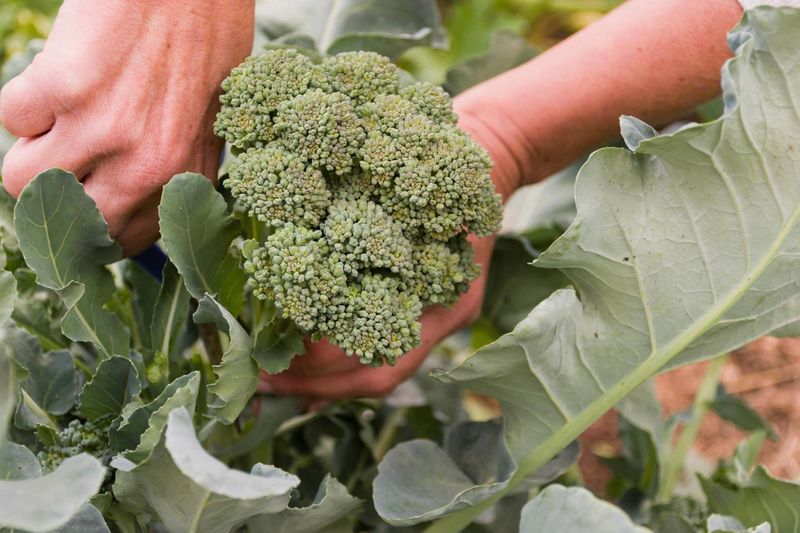
Broccoli needs cool weather to form tight, flavorful heads. Hot weather causes loose, bitter heads that bolt to seed quickly.
Plant transplants about 12-14 weeks before your first hard frost date. Space plants 18 inches apart in fertile, well-draining soil.
Harvest main heads when buds are tight and green. Cut side shoots regularly after main harvest to extend your broccoli season.
17. Plant Cilantro Successfully
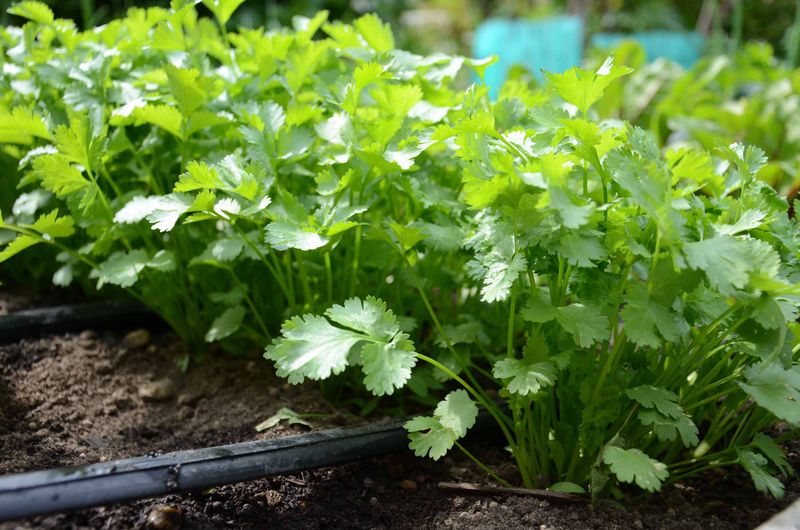
Cilantro bolts to seed quickly in hot weather but grows beautifully in cool fall conditions. Fresh cilantro beats dried herbs every time.
Plant seeds directly in garden beds every 2-3 weeks for continuous harvests. Seeds germinate best in cool, moist soil conditions.
Harvest outer leaves regularly to encourage new growth. Let some plants go to seed to collect coriander seeds for cooking.
18. Grow Parsley for Winter Use
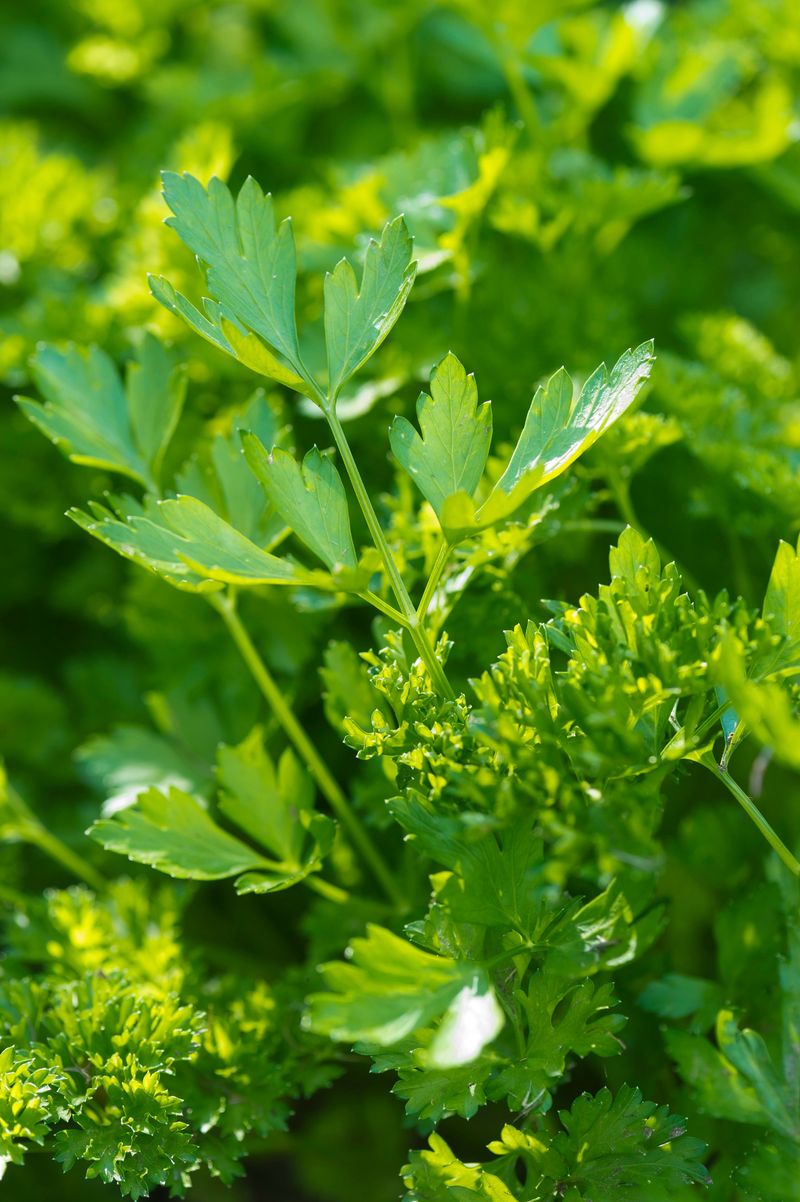
Parsley is incredibly cold-hardy and often survives winter in many climates. Fresh parsley adds flavor to winter soups and stews.
Plant transplants or direct-sow seeds 8-10 weeks before hard frost. Choose curly or flat-leaf varieties based on your cooking preferences.
Harvest outer stems regularly, leaving center growing point intact. Mulch plants heavily to protect them through winter months in cold climates.
19. Consider Cauliflower Requirements
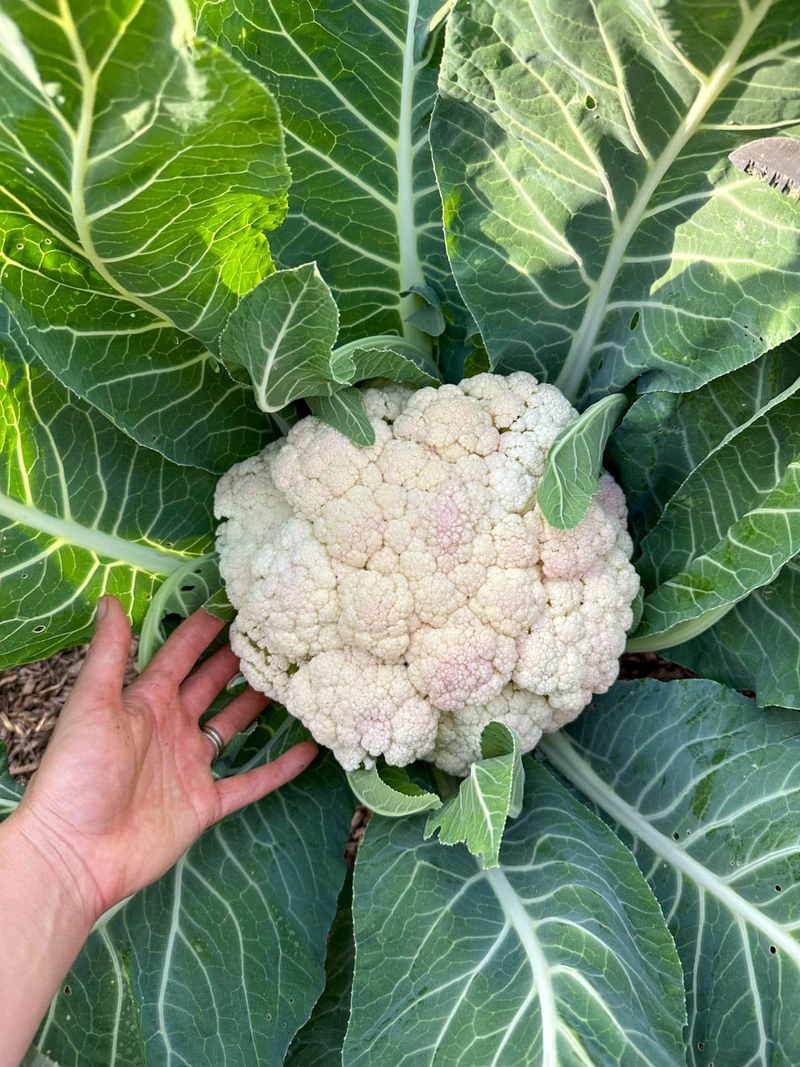
Cauliflower needs consistent cool weather and steady moisture to develop properly. It’s more challenging than other fall crops but worth the effort.
Plant transplants 12-14 weeks before your first hard frost date. Space plants 18-24 inches apart in rich, well-draining soil.
Blanch heads by tying outer leaves over developing curds to keep them white and tender. Harvest when heads are firm and compact.
20. Plant Mustard Greens Easily
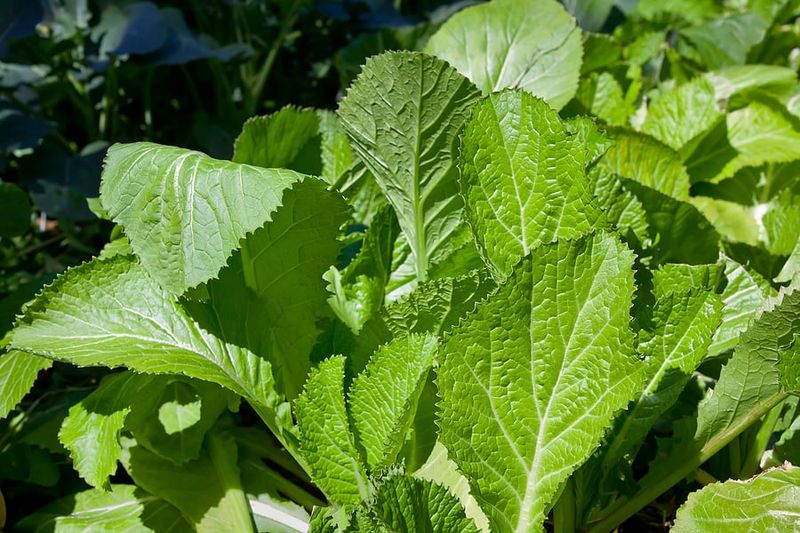
Mustard greens are among the easiest fall crops to grow and become milder in cool weather. They’re packed with nutrients and flavor.
Plant seeds directly in garden beds 6-8 weeks before your first frost date. Seeds germinate quickly in cool, moist soil conditions.
Harvest leaves when young and tender for salads, or let them mature for cooking. Plants often survive light frosts without protection.