 Complete Gardening
Fall gardening in Texas opens up amazing opportunities that many people miss out on. While summer heat fades away, cooler temperatures create perfect growing conditions for many vegetables, herbs, and flowers. Texas gardeners can enjoy fresh harvests well into winter and even spring by choosing the right plants now. Get ready to discover which plants will thrive in your Texas garden this fall season.
1. Spinach – The Cool Weather Champion
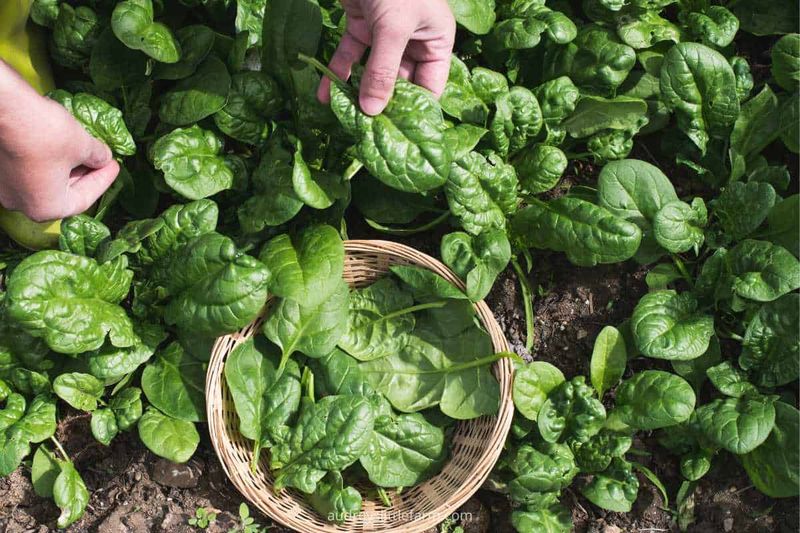
Nothing beats fresh spinach from your own garden, especially when Texas temperatures start dropping in fall. Spinach absolutely loves cooler weather and actually tastes sweeter after experiencing light frost. Plant spinach seeds directly in your garden beds between late September and early November for best results.
Choose varieties like Bloomsdale Long Standing or Space spinach that handle Texas weather well. These plants grow quickly, often ready for harvest in just 40-50 days from planting. You can pick individual leaves as they grow or harvest the entire plant at once.
Spinach needs well-draining soil with plenty of organic matter mixed in. Water regularly but avoid getting leaves too wet, which can cause problems with fungal diseases. Plant seeds about half an inch deep and space them two inches apart in rows.
The beauty of growing spinach in Texas fall gardens is the extended harvest period. You can keep picking fresh leaves throughout winter in most Texas regions. Cold frames or row covers help protect plants during unexpected freezes, extending your harvest even longer into the season.
2. Lettuce – Your Salad Garden Superstar
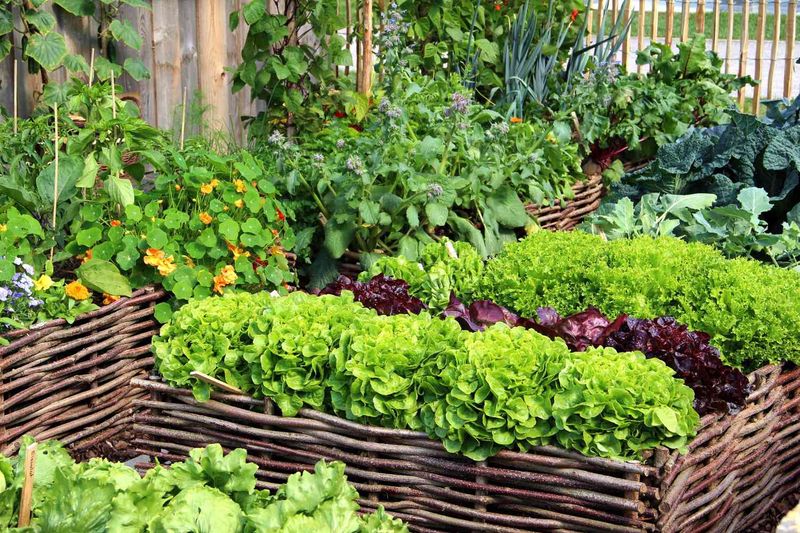
Crisp, homegrown lettuce transforms ordinary salads into garden-fresh masterpieces. Fall planting gives lettuce the cool conditions it craves, preventing the bitter taste that comes from hot summer growing. Texas gardeners can enjoy continuous lettuce harvests from October plantings through early spring.
Buttercrunch, Black Seeded Simpson, and Romaine varieties perform exceptionally well in Texas fall gardens. These types handle temperature fluctuations better than delicate varieties. Start seeds indoors or plant directly in garden beds when daytime temperatures stay below 80 degrees consistently.
Lettuce grows best in loose, fertile soil with good drainage. Add compost or aged manure before planting to improve soil quality. Plant seeds shallow, just covering them lightly with soil, and keep the planting area consistently moist until germination occurs.
Succession planting every two weeks ensures a steady supply of fresh lettuce throughout the growing season. Harvest outer leaves first, allowing the center to keep producing new growth. This method extends your harvest period significantly compared to cutting entire heads at once.
3. Carrots – Underground Orange Treasures
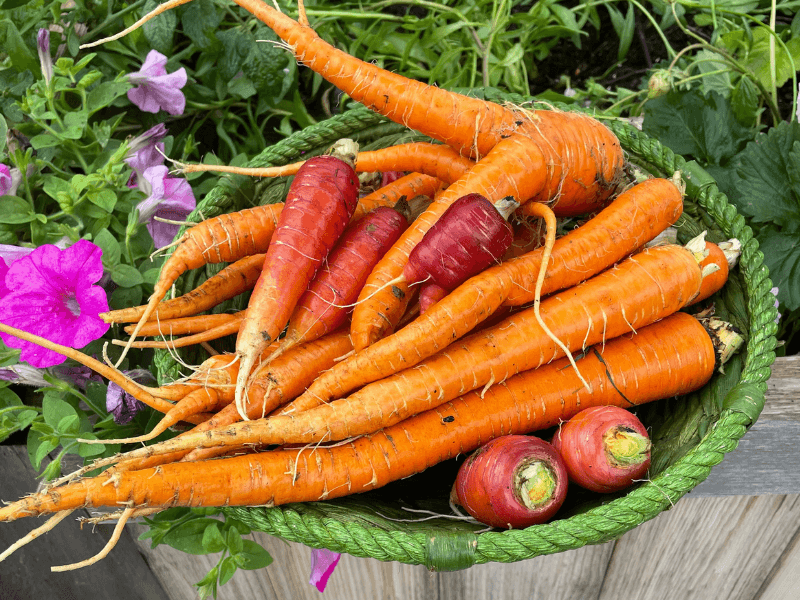
Sweet, crunchy carrots grown in your own Texas garden taste completely different from store-bought versions. Fall planting allows carrots to develop slowly in cooler soil, creating better flavor and texture. The natural sugars concentrate as temperatures drop, making fall-grown carrots incredibly sweet and delicious.
Chantenay and Danvers varieties work well in Texas clay soils, while Nantes types prefer looser, sandier conditions. Plant carrot seeds directly in the garden since they don’t transplant well. Sow seeds from late August through October for best results in most Texas regions.
Prepare planting beds by working soil deeply and removing rocks or debris that might cause crooked root development. Carrot seeds are tiny and need consistent moisture for germination. Cover seeds lightly with fine soil or compost, then water gently to avoid washing seeds away.
Patience pays off with carrot growing since they take 70-80 days to mature fully. Thin seedlings when they’re about two inches tall, leaving stronger plants spaced properly. Light frost actually improves carrot flavor, so don’t rush to harvest when cold weather arrives in your area.
4. Radishes – Quick Growing Garden Gems
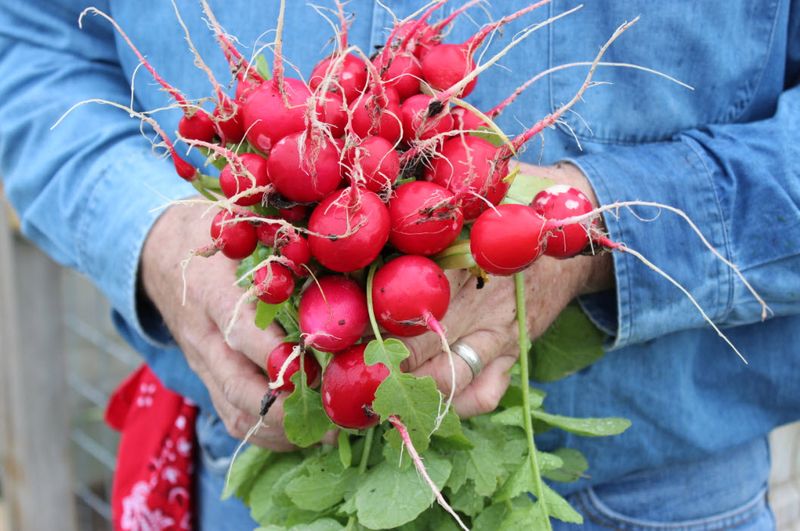
Radishes deliver instant gratification for impatient gardeners, sprouting quickly and reaching harvest size in just 30 days. These spicy little vegetables thrive in Texas fall weather, developing crisp texture and mild heat that adds zing to salads and snacks. Kids especially love growing radishes because they see results so fast.
Cherry Belle and French Breakfast radishes are reliable choices for Texas gardens. These varieties handle temperature changes well and don’t get too spicy in fluctuating weather. Plant seeds every two weeks from September through November for continuous harvests throughout the fall season.
Radish seeds are large enough for easy handling and planting. Sow them directly in garden beds about half an inch deep and one inch apart. They prefer loose, well-draining soil but aren’t too picky about soil conditions, making them perfect for beginning gardeners or problem areas.
Harvest radishes when they’re still small and tender for the best eating quality. Leaving them in the ground too long results in woody, overly spicy roots that aren’t pleasant to eat. The leaves are edible too and make excellent additions to salads or stir-fry dishes when harvested young and tender.
5. Broccoli – Cool Season Nutritional Powerhouse
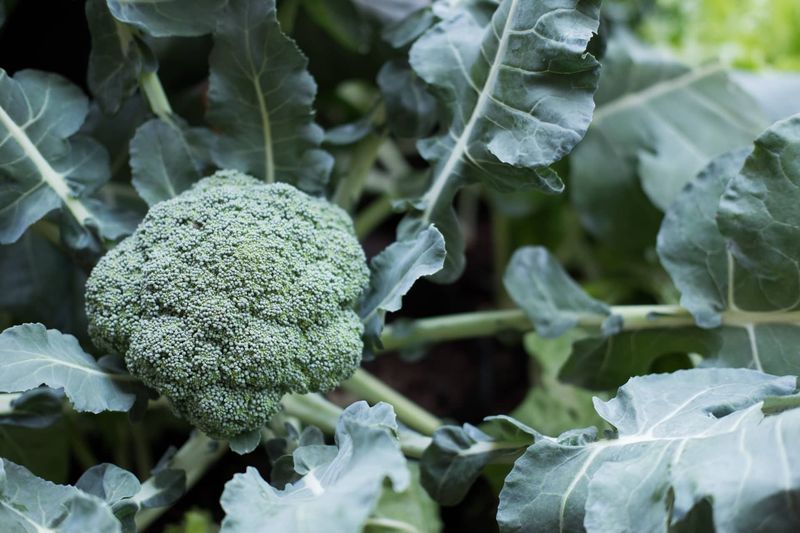
Homegrown broccoli beats store-bought versions in both flavor and nutritional value every single time. This cool-season vegetable produces best when planted in fall, developing tight, flavorful heads during Texas winter months. Broccoli actually becomes sweeter after experiencing light frost, making fall planting ideal for maximum taste.
Start broccoli from transplants rather than seeds for better success rates in Texas gardens. Plant transplants in October or early November, giving them time to establish before winter arrives. Choose varieties like Premium Crop or Green Comet that mature in 60-70 days from transplanting.
Broccoli needs rich, well-draining soil with plenty of organic matter incorporated. Space plants about 18 inches apart to allow for proper air circulation and growth. Consistent moisture is crucial, especially during head formation, but avoid overhead watering that can encourage disease problems.
Watch for the main head to develop, then harvest it while flower buds are still tight and green. Don’t remove the plant after harvesting the main head because smaller side shoots will continue developing for several more weeks. These secondary harvests often provide fresh broccoli well into spring in many Texas locations.
6. Kale – The Hardy Leafy Green Wonder
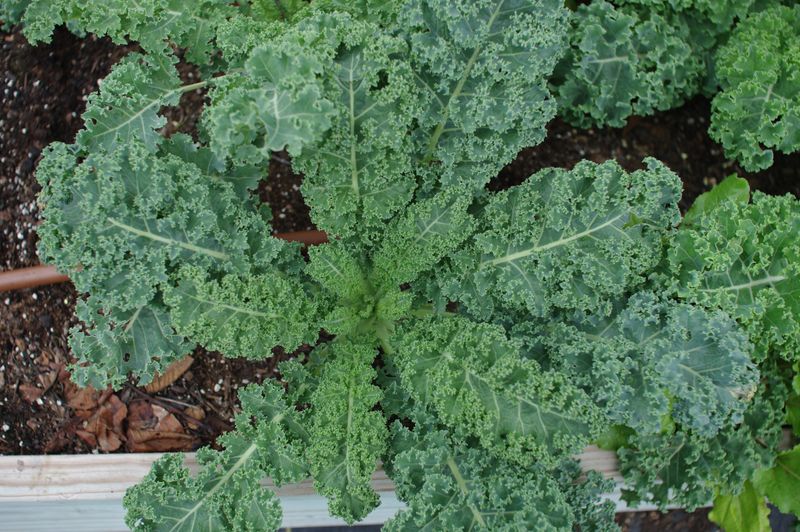
Kale has earned its reputation as a superfood, and growing your own ensures maximum freshness and nutritional value. This incredibly hardy leafy green actually improves in flavor after cold weather arrives, making fall planting perfect for Texas gardens. Kale continues producing fresh leaves throughout winter in most Texas regions.
Winterbor and Red Russian kale varieties handle Texas weather extremes particularly well. These types resist bolting in temperature fluctuations and maintain good leaf quality longer than other varieties. Start from seeds or transplants, planting from late September through October for best establishment before winter.
Plant kale in well-prepared soil with good drainage and plenty of compost worked in. Space plants about 12 inches apart to allow for their eventual size. Kale grows slowly at first but picks up speed as temperatures cool down in late fall and early winter.
Harvest kale by picking outer leaves first, allowing the center to continue producing new growth. Young leaves taste milder and more tender than older ones. Kale withstands freezing temperatures that would kill other vegetables, often surviving Texas winters without protection and resuming growth in spring.
7. Swiss Chard – Colorful Garden Beauty
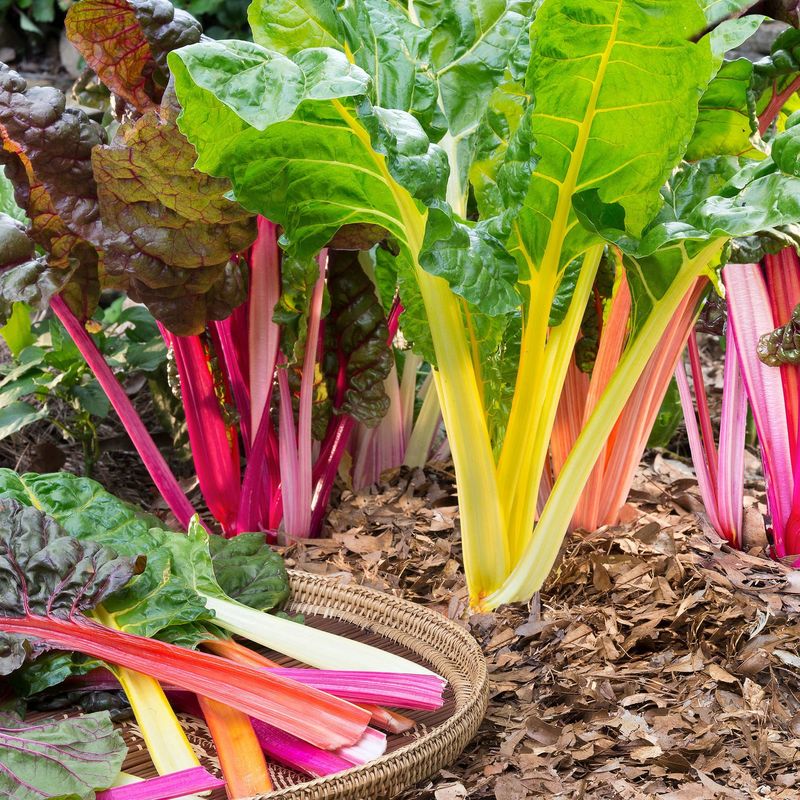
Swiss chard brings stunning colors to fall gardens while providing nutritious leafy greens for the kitchen table. Bright Rainbow chard varieties display stems in brilliant reds, yellows, and oranges that look almost too beautiful to harvest. This heat-tolerant plant transitions perfectly from summer growing into cooler fall weather.
Plant Swiss chard seeds directly in garden beds from late August through October. Seeds are actually clusters, so thin seedlings to proper spacing once they emerge. Chard tolerates various soil conditions but grows best in rich, well-draining soil with regular moisture throughout the growing season.
Both leaves and stems are edible, offering versatility in cooking applications. Young leaves work well in salads, while mature leaves are excellent sautéed or added to soups. The colorful stems can be cooked separately like asparagus or chopped and added to stir-fries for extra crunch and color.
Swiss chard continues producing new leaves after harvesting, making it incredibly productive for the space it occupies. Cut outer leaves regularly to encourage continued growth from the center. Light frosts don’t damage chard significantly, allowing harvests to continue well into winter in most Texas areas.
8. Cilantro – Fresh Herb Garden Essential
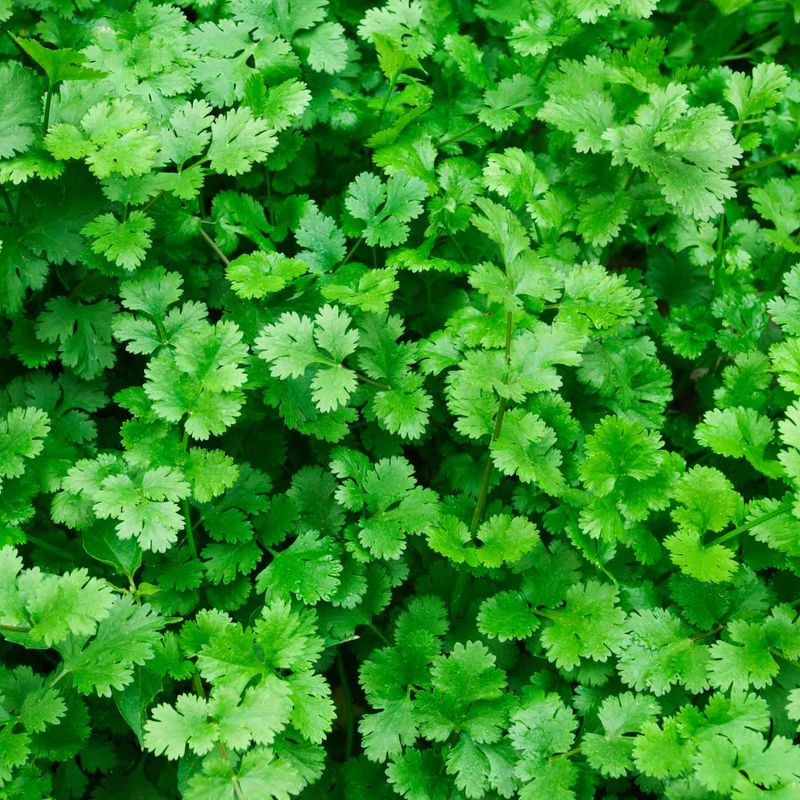
Fresh cilantro from your garden makes homemade salsa and Mexican dishes taste incredibly authentic and flavorful. This cool-season herb grows best during Texas fall and winter months, avoiding the quick bolting that occurs in summer heat. Fall-planted cilantro provides fresh harvests for months rather than just weeks.
Plant cilantro seeds directly in garden beds or containers from September through November. Seeds germinate quickly in cooler weather and establish strong root systems before winter arrives. Choose slow-bolt varieties like Santo or Long Standing if available, though regular cilantro performs well in fall conditions.
Cilantro prefers well-draining soil and partial shade during the warmest part of fall days. Plant seeds about quarter-inch deep and thin seedlings to four inches apart when they’re established. Regular harvesting encourages bushier growth and delays flowering, extending your harvest period significantly.
Harvest cilantro by cutting outer stems first, leaving the center to continue growing. Both leaves and stems are flavorful and useful in cooking. When plants eventually flower, don’t pull them immediately because the seeds (coriander) are valuable spices, and flowers attract beneficial insects to your garden area.
9. Beets – Sweet Roots and Tasty Greens
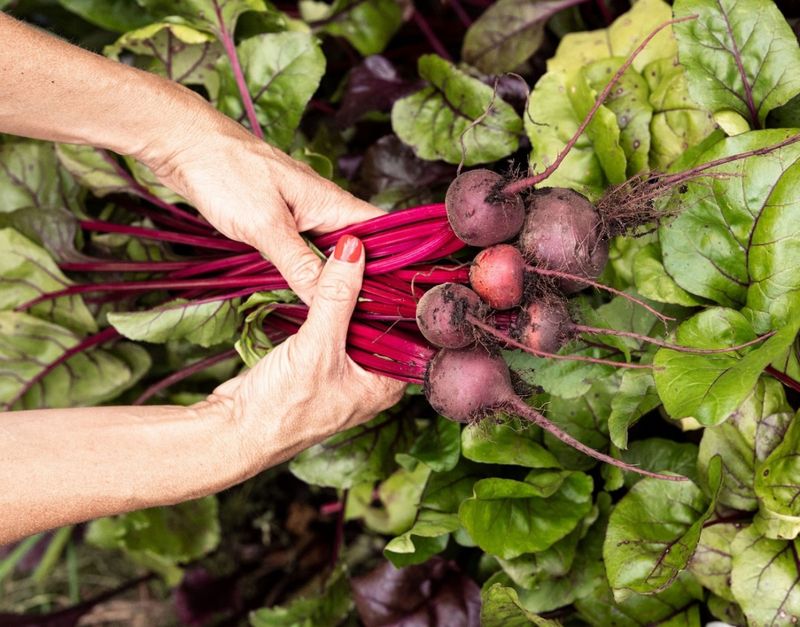
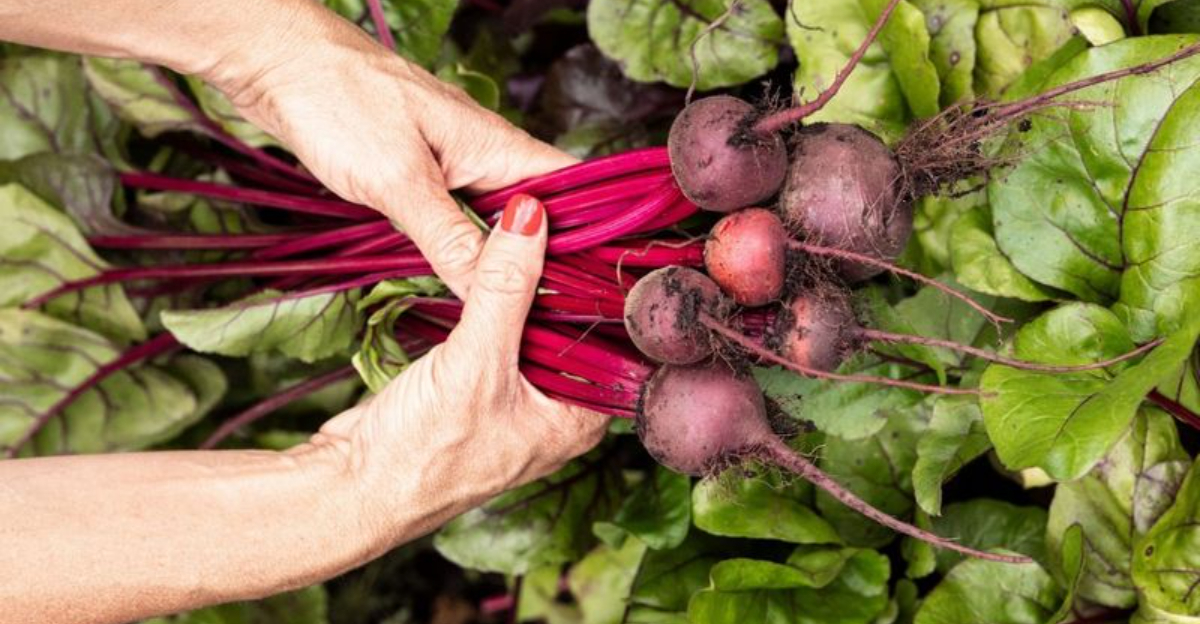
Beets offer double value in fall gardens, providing both sweet, earthy roots and nutritious leafy greens for harvest. Many gardeners overlook beet greens, but they’re actually more nutritious than the roots and taste similar to spinach when cooked. Fall growing develops the best flavor in both roots and leaves.
Detroit Dark Red and Chioggia varieties perform excellently in Texas fall gardens. These types develop good root size and handle temperature fluctuations well. Plant seeds directly in garden beds from late August through October, covering them about half an inch deep in well-prepared soil.
Beet seeds are actually seed clusters, so multiple seedlings emerge from each planted seed. Thin seedlings when they’re about two inches tall, using the thinned plants as baby greens in salads. Space remaining plants about three inches apart for proper root development.
Harvest beet greens anytime during the growing season by cutting outer leaves carefully. The roots will be ready in 50-60 days, when they’re about two inches in diameter. Don’t let roots get too large or they become woody and less flavorful for eating fresh or cooking.
10. Peas – Climbing Garden Delights
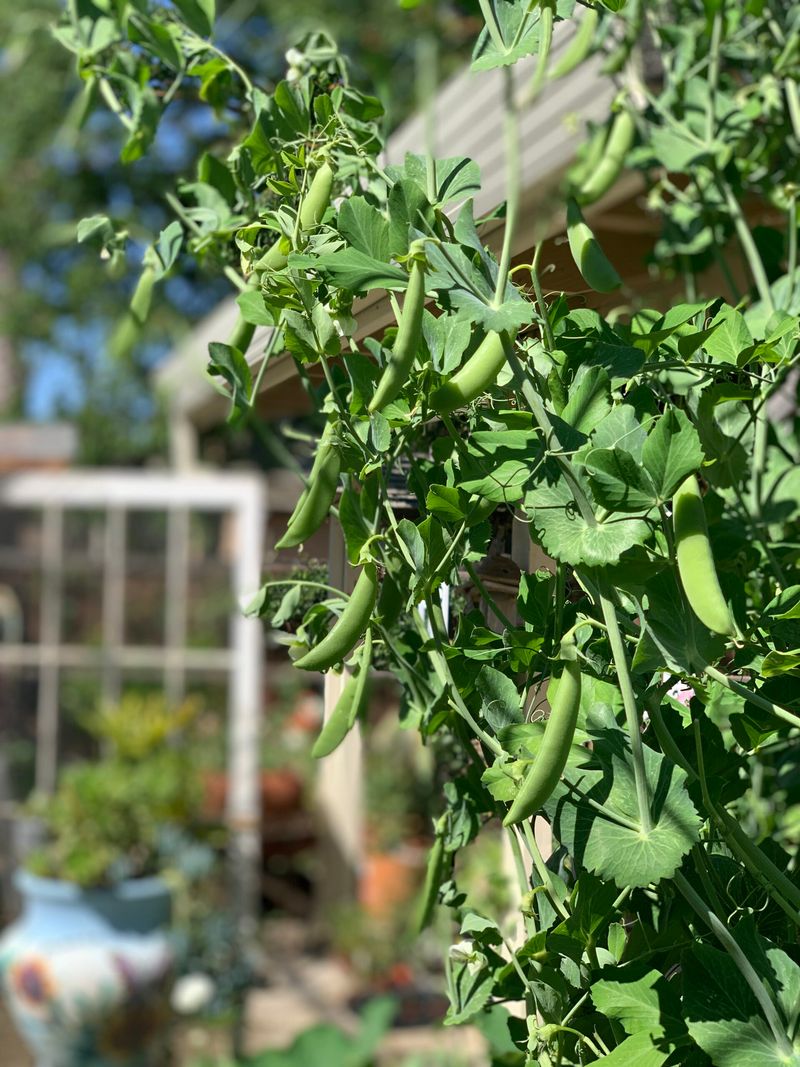
Sweet garden peas climbing up trellises create vertical interest while producing delicious pods for fresh eating or cooking. Both snap peas and shelling peas thrive in Texas fall weather, preferring cooler temperatures for flower formation and pod development. These climbing plants make excellent use of limited garden space.
Sugar Ann snap peas and Green Arrow shelling peas are reliable varieties for Texas gardens. Plant pea seeds directly in garden beds from late September through November, depending on your specific location. Peas don’t transplant well, so direct seeding gives the best results for strong, productive plants.
Install trellises or support structures before planting since peas start climbing immediately after germination. Plant seeds about two inches deep and two inches apart along the base of supports. Peas actually improve soil by fixing nitrogen, making them beneficial companion plants for other vegetables.
Harvest snap peas when pods are plump but still bright green and crisp. Shelling peas are ready when pods feel full and rounded. Regular harvesting encourages continued pod production, extending your harvest season significantly. Pea flowers are edible too and make beautiful garnishes for salads and other dishes.
11. Cabbage – Classic Cool Season Staple
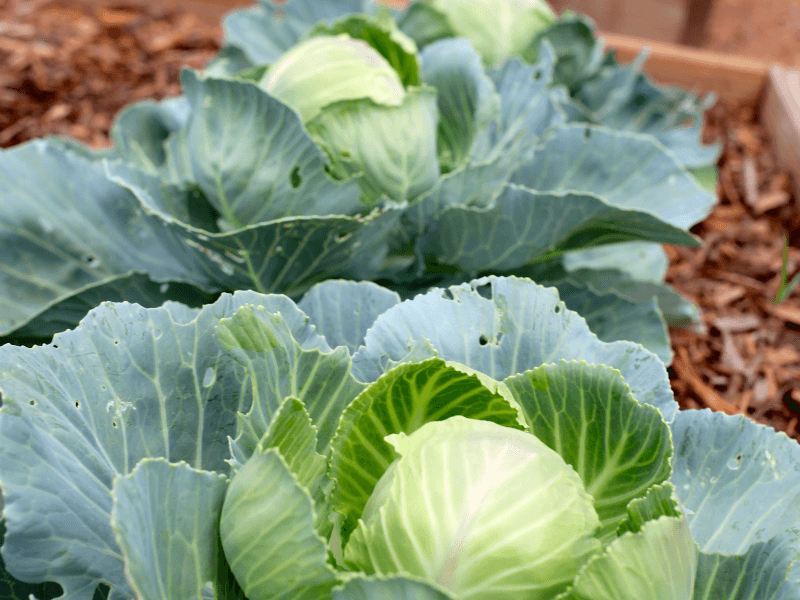
Nothing says traditional fall gardening quite like rows of sturdy cabbage plants developing tight, heavy heads. Cabbage thrives in cooler weather and actually develops better flavor and texture when grown during fall and winter months. Texas gardeners can grow both green and purple varieties successfully with fall planting.
Start with transplants rather than seeds for more reliable results in Texas gardens. Plant transplants in October, giving them time to establish strong root systems before winter weather arrives. Choose compact varieties like Golden Acre or Copenhagen Market that mature in reasonable timeframes for Texas growing conditions.
Cabbage needs rich, well-draining soil with consistent moisture throughout the growing season. Space plants about 18 inches apart to allow for proper head development. Mulch around plants to conserve moisture and suppress weeds that compete for nutrients and water.
Watch heads carefully as they approach maturity because they can split if left too long or if they receive irregular watering. Harvest heads when they feel solid and heavy but before they become overmature. Outer leaves can be harvested earlier for cooking, similar to collard greens, while heads continue developing.
12. Onions – Long Season Garden Investment
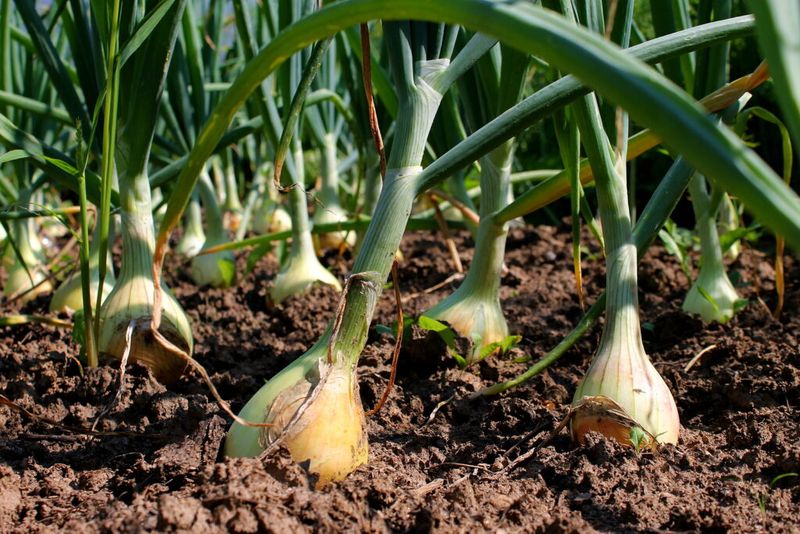
Onions planted in fall provide sweet, flavorful bulbs for harvest the following summer, making them a long-term garden investment. Texas gardeners can choose between planting onion sets, transplants, or seeds, with each method offering different advantages. Fall planting allows onions to develop strong root systems before winter dormancy.
Short-day varieties like Texas Early Grano and 1015Y Sweet onions are specifically bred for Texas growing conditions. Plant onion sets or transplants from October through December, depending on your location within the state. Seeds can be planted earlier but require more attention and care throughout the growing season.
Plant onions in well-draining soil with plenty of organic matter incorporated. Space sets or transplants about four inches apart in rows, planting them just deep enough to cover the roots. Onions are heavy feeders and benefit from regular fertilizing throughout their long growing season.
Green onion tops can be harvested throughout winter and spring for cooking use. The bulbs will be ready for harvest when tops begin yellowing and falling over, usually in late spring or early summer. Proper curing after harvest ensures onions store well for months in cool, dry conditions.