 Complete Gardening
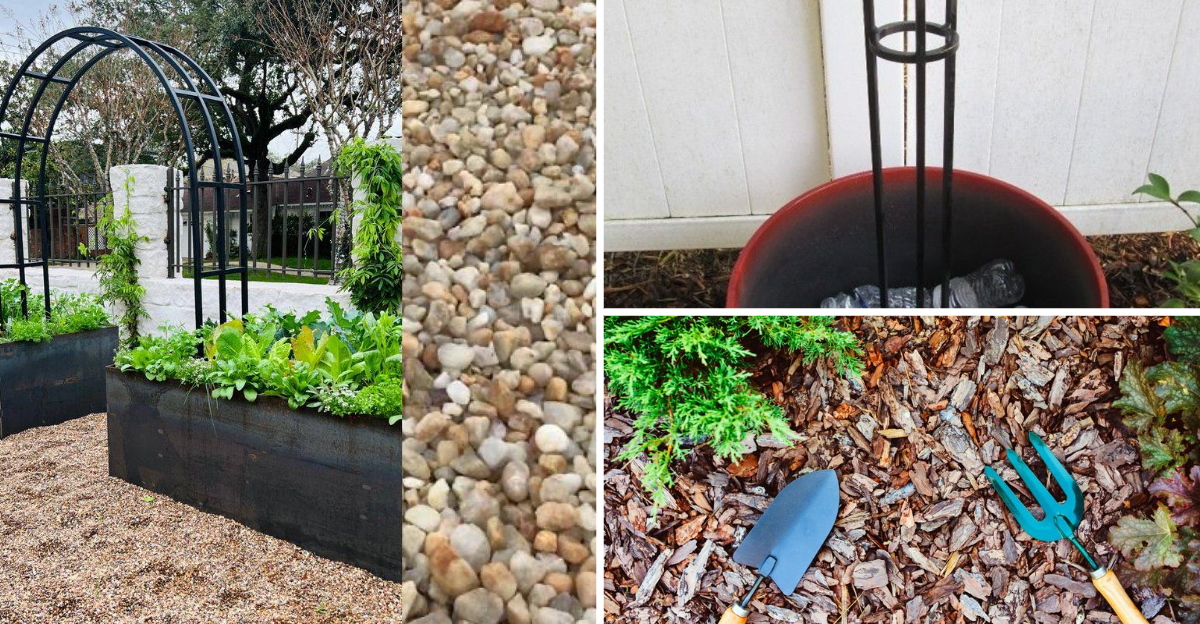
Filling the bottom of a large planter with just dirt can be inefficient and heavy. Instead, utilizing alternative materials can enhance drainage, reduce weight, and even recycle unused items. This guide explores seven innovative fillers for your planter that go beyond traditional soil, making your gardening experience more sustainable and functional.
Recycled Plastic Bottles
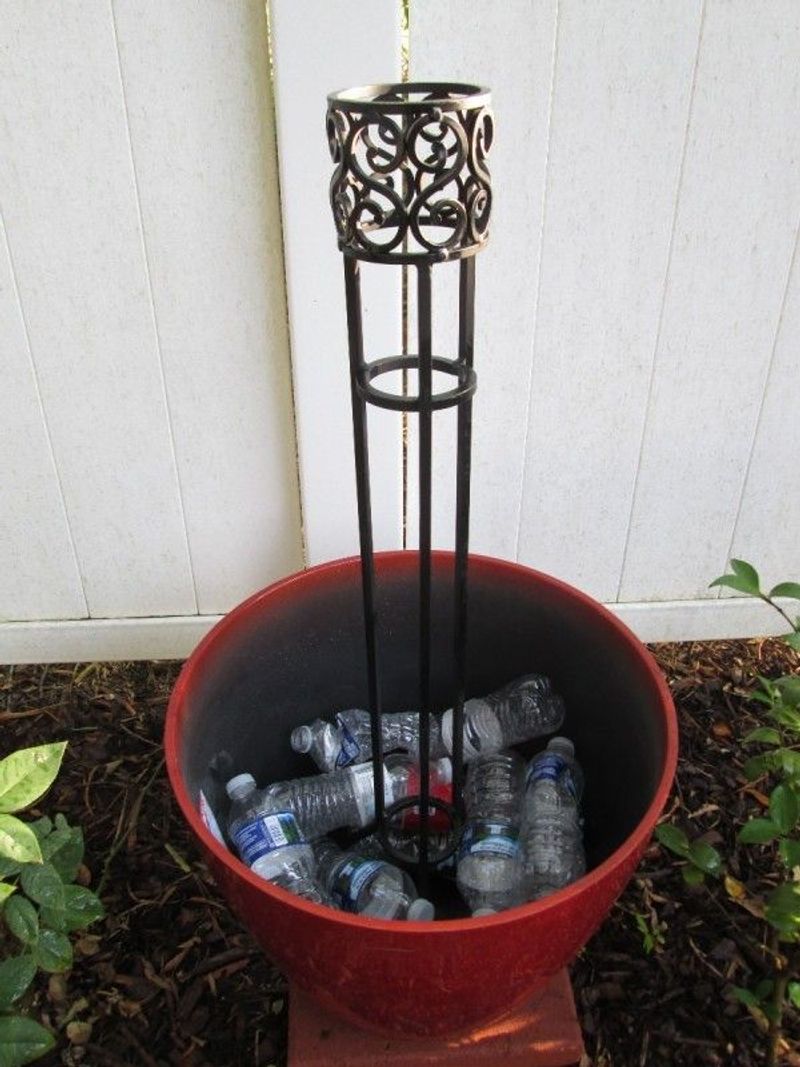
Ever wondered what to do with those empty plastic bottles? Line them at the bottom of your planter for a lightweight and eco-friendly filler. These bottles create air pockets, aiding drainage and reducing soil use.
Not only do they lighten the load, but they also give your discarded bottles a second life. Imagine the satisfaction of turning waste into something useful.
Remember to crush them for better stability. This creative approach not only benefits your plants but also contributes positively to the environment. Perfect for eco-conscious gardeners.
Broken Terra Cotta Pots
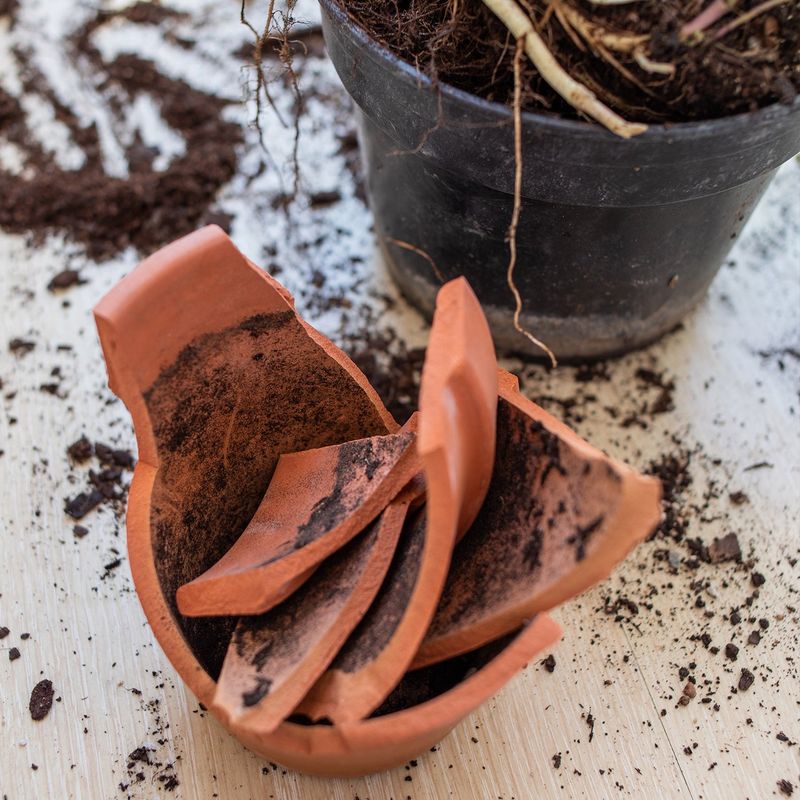
Have old terra cotta pots lying around? Break them into smaller pieces and use them as a base layer in your planter. They provide excellent drainage and prevent the soil from compacting.
These shards create a rustic charm while serving a practical purpose. The porous nature of terra cotta allows excess water to escape, keeping roots healthy.
Next time a pot cracks, don’t discard it. Repurpose it creatively to enhance plant health. A little history in every shard, this option blends tradition with functionality.
Pea Gravel
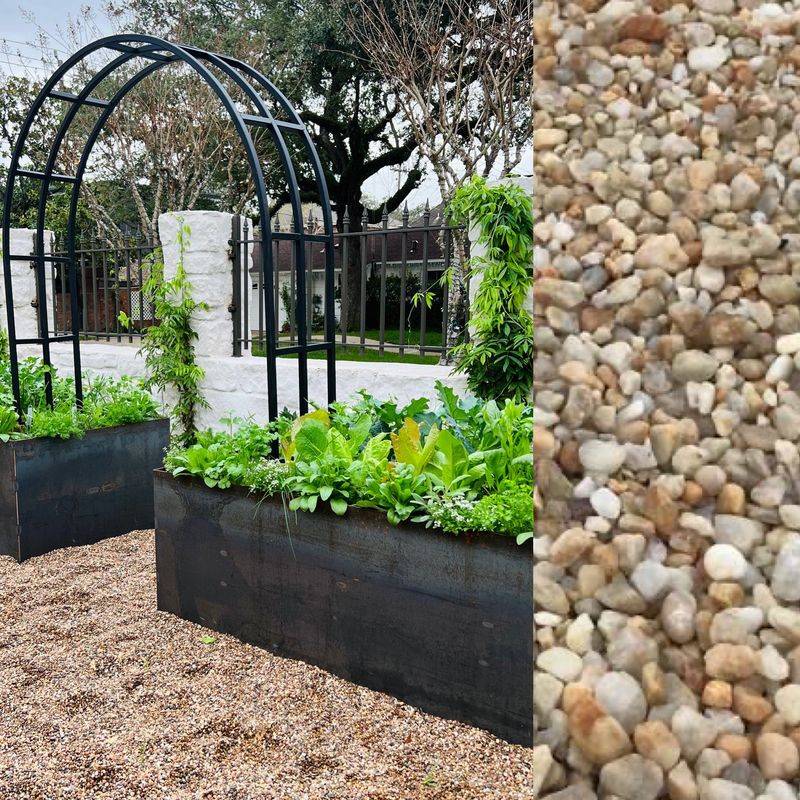
Small, round, and smooth, pea gravel is a classic choice for a planter base. It offers superb drainage, preventing root rot by allowing water to pass through easily.
Besides its functional benefits, pea gravel adds an aesthetic appeal to your garden setup. Its weight adds stability to tall planters, ensuring they don’t tip over easily.
With its versatile nature, pea gravel can be reused in landscaping or paths. It’s a timeless filler for those seeking both utility and beauty in their garden.
Packing Peanuts
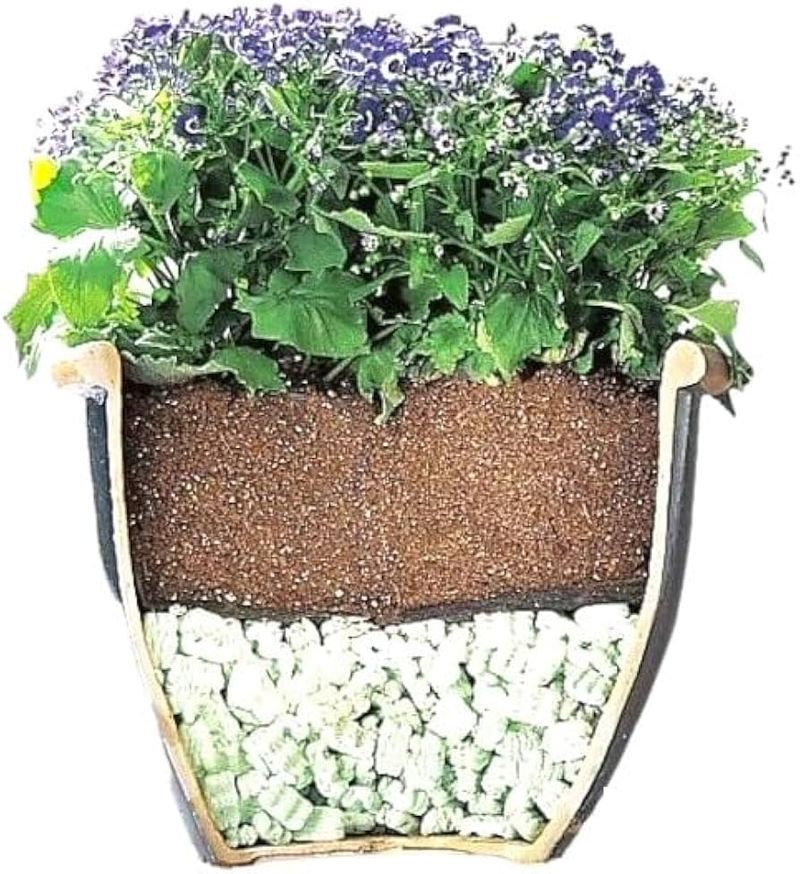
Consider using biodegradable packing peanuts as a planter filler. These peanuts are lightweight and provide excellent drainage, reducing the weight of larger planters significantly.
When water flows through them, it reaches plant roots without causing saturation. Plus, they decompose over time, enhancing soil quality.
Make sure they are the biodegradable type to avoid environmental harm. This quirky idea marries practicality with sustainability, ideal for modern gardeners looking to reduce waste.
Natural Wood Chips
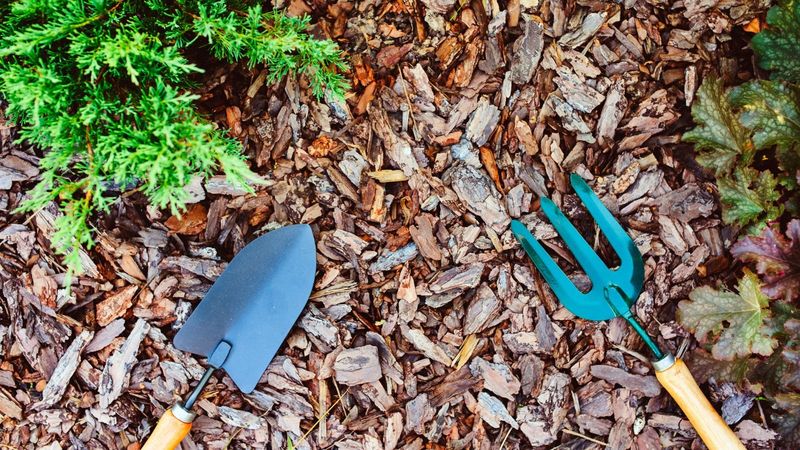
Bring nature to the bottom of your planter with wood chips. They create a natural drainage layer, decomposing slowly to enrich the soil over time.
Wood chips are not only functional but also lend a woodland aesthetic to your garden. They are perfect for gardeners who like a natural look.
Sourced from tree pruning or purchased, they are an environmentally friendly choice. Enjoy the subtle earthy scent that accompanies their use, enhancing your gardening experience.
Old Clothes or Fabric
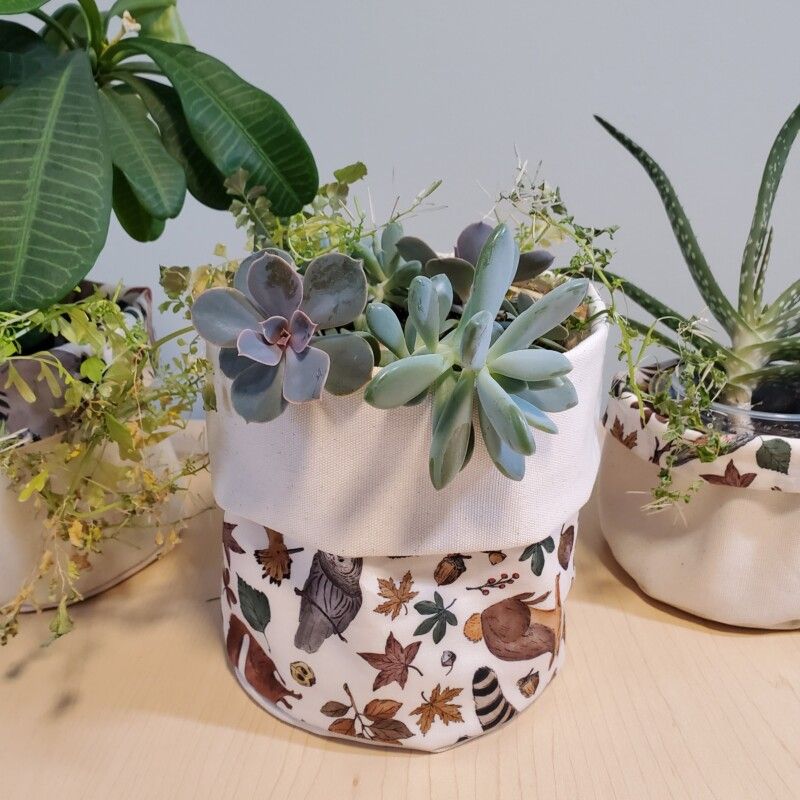
Transform old clothes into something useful by using them as a base filler in your planters. They act as a barrier, holding soil while letting excess water escape.
This method not only recycles fabric but also personalizes your gardening. Imagine layering memories beneath your plants.
Ensure the fabric is natural and untreated to avoid any chemical leaching. This creative reuse reduces waste and adds a personal touch to your gardening routine.
Charcoal Pieces
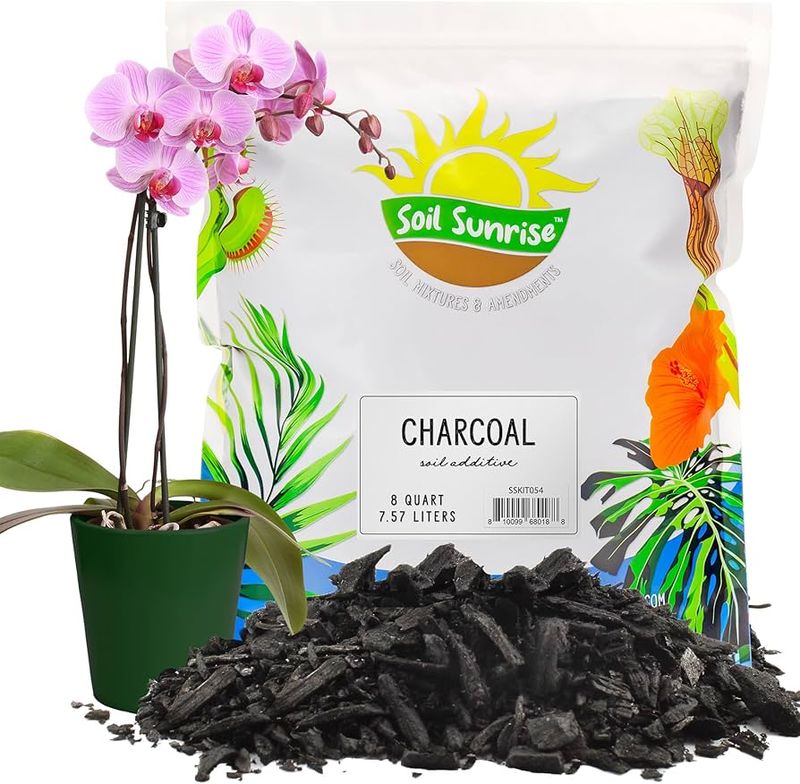
Charcoal isn’t just for barbecues! Use it as a planter base. It absorbs excess moisture, preventing root rot, and adds nutrients to the soil as it breaks down.
Its porous nature improves aeration, supporting healthy root growth. Besides, charcoal can neutralize soil toxins, enhancing plant health.
Opt for horticultural charcoal to ensure purity. This unique filler offers both protection and sustenance, perfect for the experimental gardener who likes to innovate.
Styrofoam Blocks
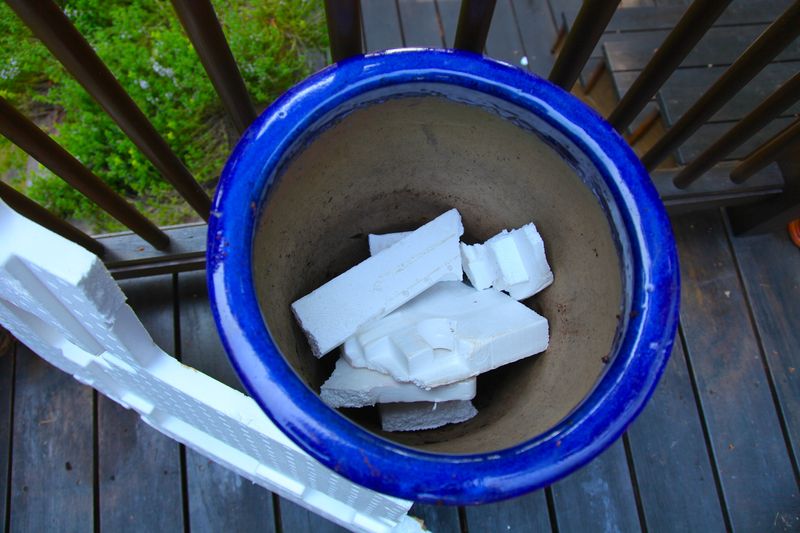
Lightweight and easily available, Styrofoam blocks make an excellent filler for large planters. Their structure allows air circulation and aids in drainage, ensuring your plants’ roots stay healthy. Since they are resistant to decay, they provide a long-term solution without breaking down. Simply layer them at the bottom before adding your soil mix. While they offer functional benefits, it’s essential to secure them well to prevent shifting. Be mindful of environmental concerns, as Styrofoam is not biodegradable.
Wine Corks
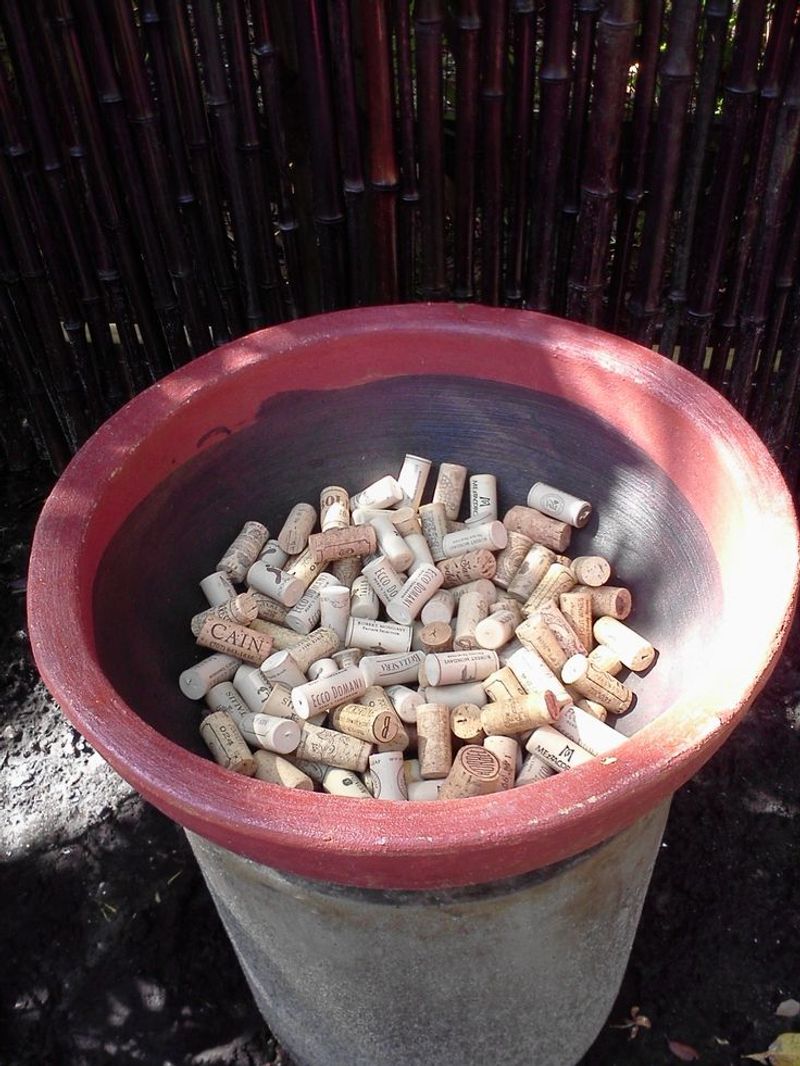
Repurpose those old wine corks by adding them to the bottom of your planter. These corks are excellent for drainage due to their porous nature. They are also eco-friendly and lightweight, making them easy to handle and arrange. Their natural composition ensures that they don’t harm the soil or plants. As they decompose over time, they enrich the soil with organic matter. Arrange them evenly to create a stable base for your plants. A touch of creativity and sustainability!
Pumice Stones
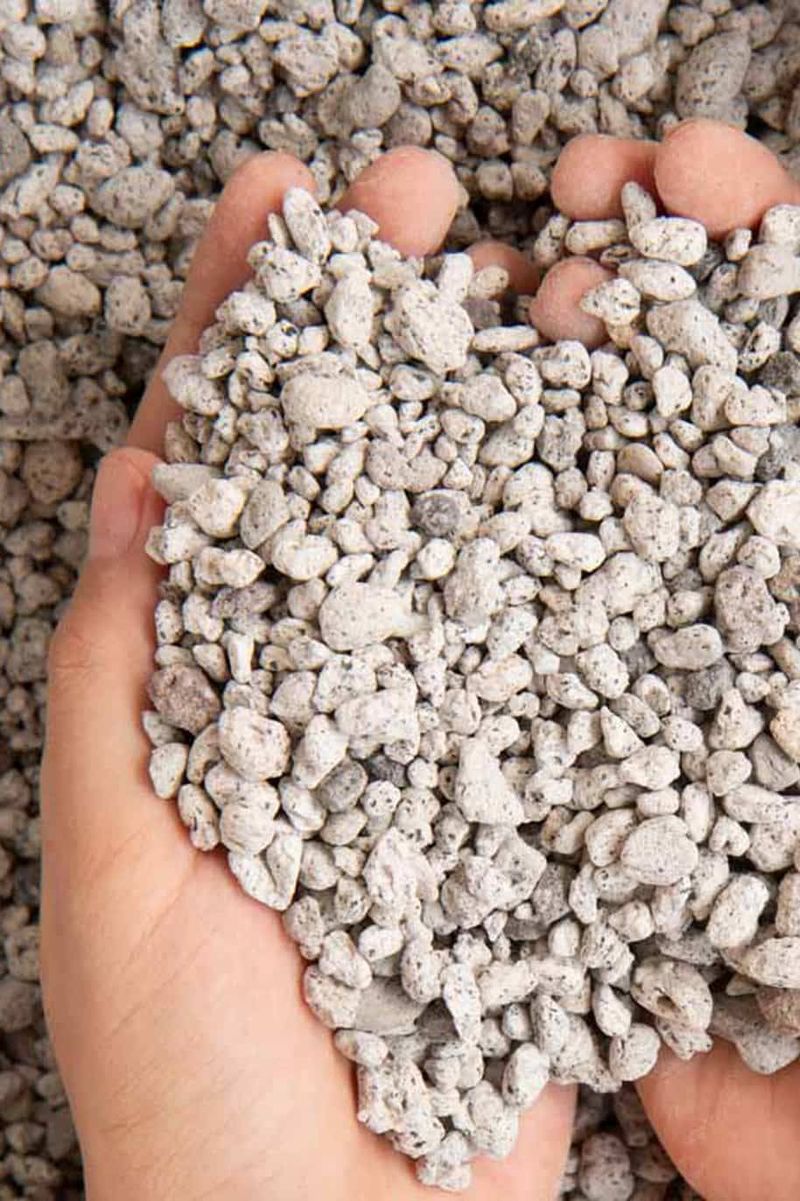
Pumice stones offer a natural solution to create a breathable base for your planter. Known for their ability to retain moisture while allowing excess water to escape, they are ideal for plant health. Due to their porous nature, they are lightweight yet sturdy. This volcanic rock is a sustainable choice, free from chemicals. Layer them at the bottom of your planter to enhance aeration and drainage. They also prevent root rot, a common issue in over-watered containers. A practical, natural option!
Pine Cones
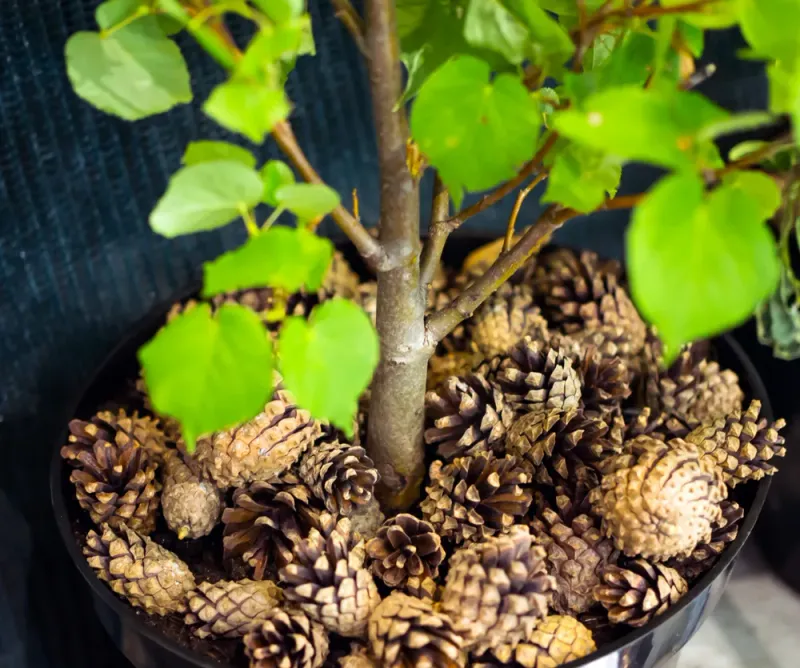
Pine cones are more than just a seasonal decoration; they are an effective planter filler. Their open, woody structure promotes excellent aeration and drainage. Since they are a natural product, they are also biodegradable and environmentally friendly. Place them at the bottom of your planter to create a lightweight base. They may compress over time, so check periodically. Pine cones add a rustic touch to any planter, making them both functional and decorative. A charming, eco-conscious choice!
Ceramic Balls
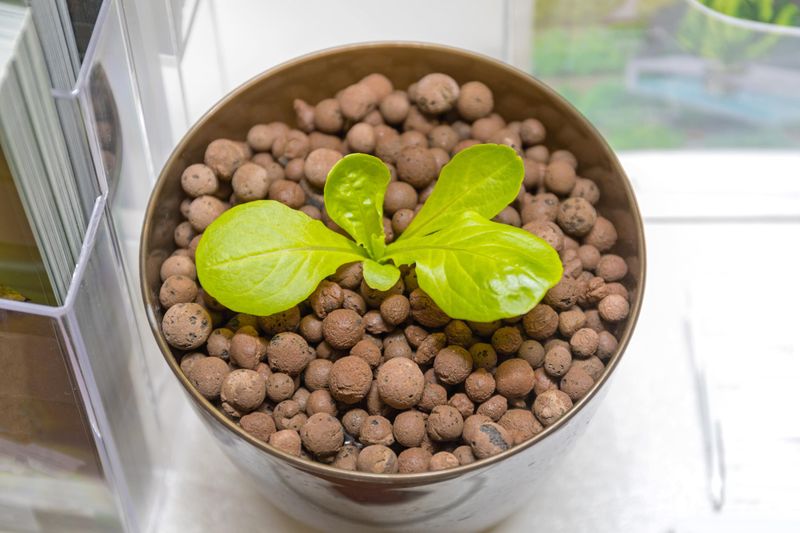
Ceramic balls provide an elegant and efficient drainage solution for your planter. These balls are designed to allow water to pass through freely while retaining some moisture, an ideal balance for plant roots. They are reusable and long-lasting, making them an economical choice. Simply layer them at the bottom before adding soil. Their aesthetic appeal complements any garden style, adding a touch of elegance. Ensure even distribution to avoid uneven settling. A blend of form and function!
Coconut Coir
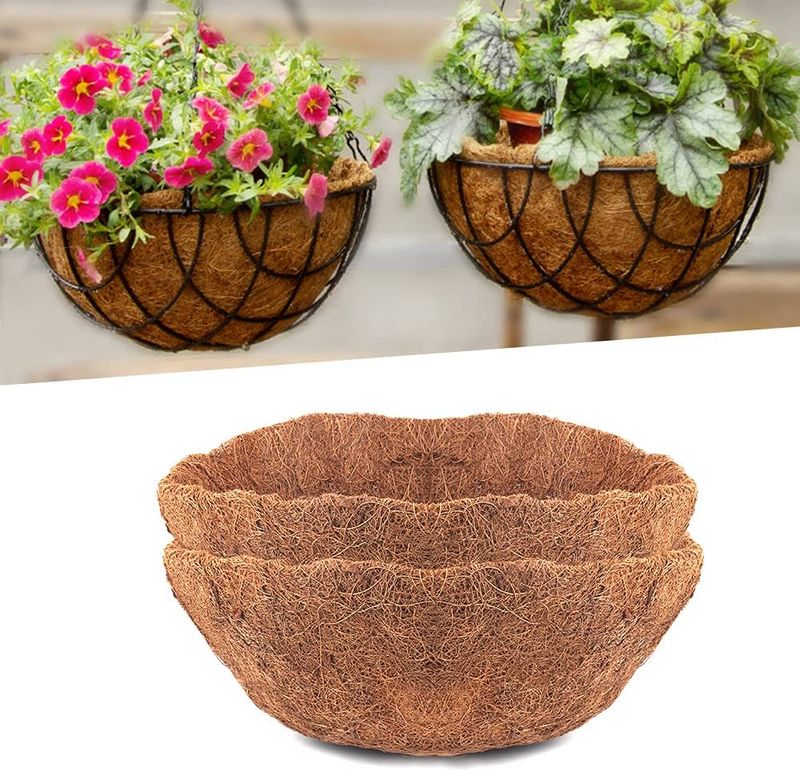
Coconut coir, derived from coconut husks, is a sustainable and effective planter filler. Its fibrous texture allows for great water retention and aeration, crucial for plant growth. It’s a renewable resource, making it an environmentally friendly choice. Layer this at the bottom to create a natural and breathable base. Over time, it breaks down and enriches the soil with organic material. It’s an attractive option for those seeking a balance of sustainability and functionality.
Volcanic Rock
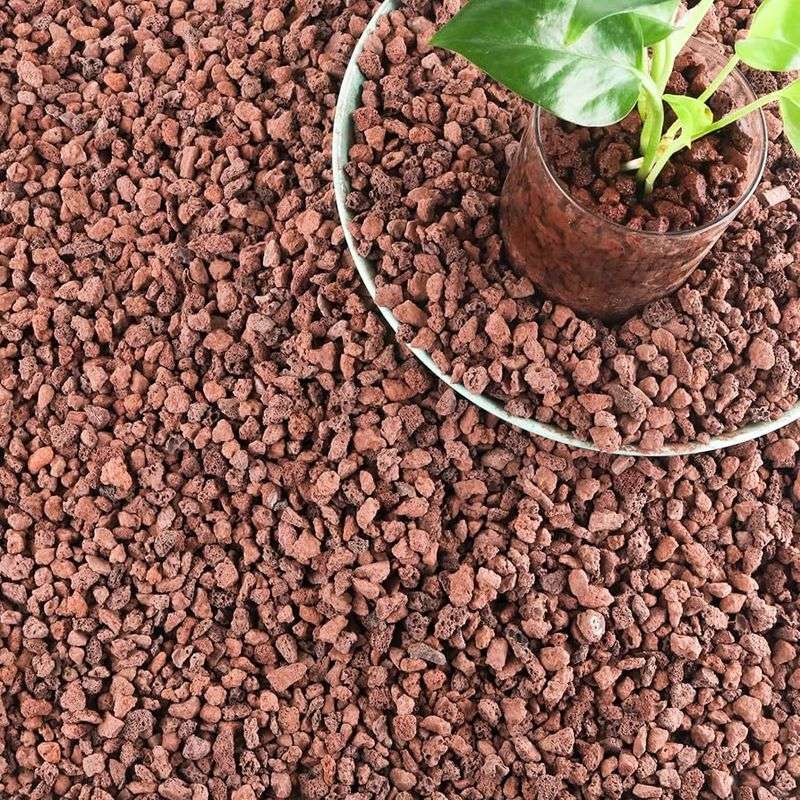
Volcanic rock is a robust and natural option for planters. Its porous nature aids in effective drainage and prevents waterlogging. Being lightweight yet sturdy, it provides a stable foundation for your soil. Its natural origins mean it’s free from harmful chemicals, providing a safe environment for plant roots. You can layer it at the bottom to promote healthy plant growth. This rock’s striking appearance also adds a unique visual element to your garden setup. A solid, natural choice.
Bark Chips
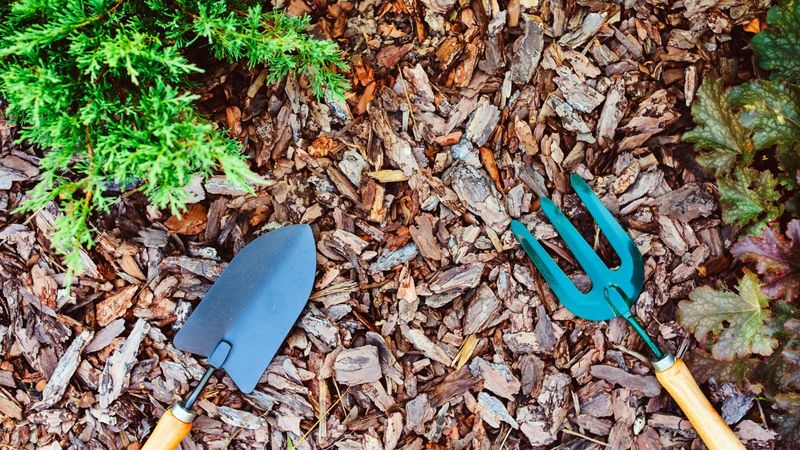
Bark chips, often used for mulching, serve as a great planter base as well. Their ability to retain moisture while allowing excess water to drain makes them ideal. These chips are biodegradable, adding organic matter to the soil as they decompose. Scatter a layer at the bottom of your planter for a natural aesthetic. Aside from their functional benefits, they impart a woodland charm that complements outdoor spaces. An environmentally conscious, functional filler.
Crushed Seashells
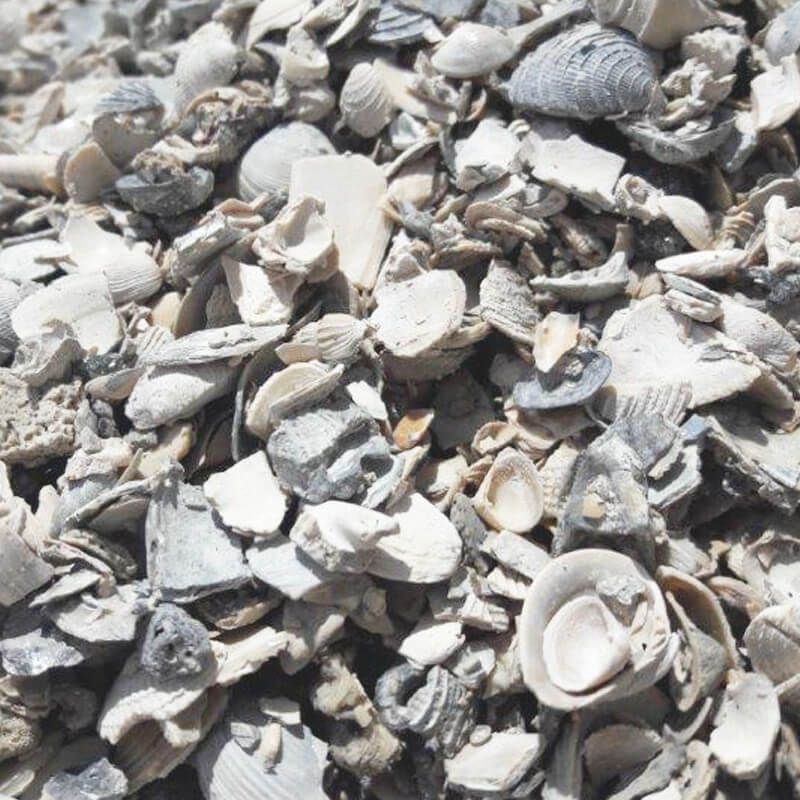
Crushed seashells bring a coastal vibe to your planter while offering practical drainage benefits. They are naturally porous, allowing water to flow while trapping essential moisture. Over time, they contribute calcium and other minerals to the soil, enhancing its fertility. Layer them at the bottom for a unique and effective base. This eco-friendly option also adds a beachy aesthetic that’s perfect for seaside or nautical-themed gardens. A decorative and functional choice.
Expanded Clay Pellets
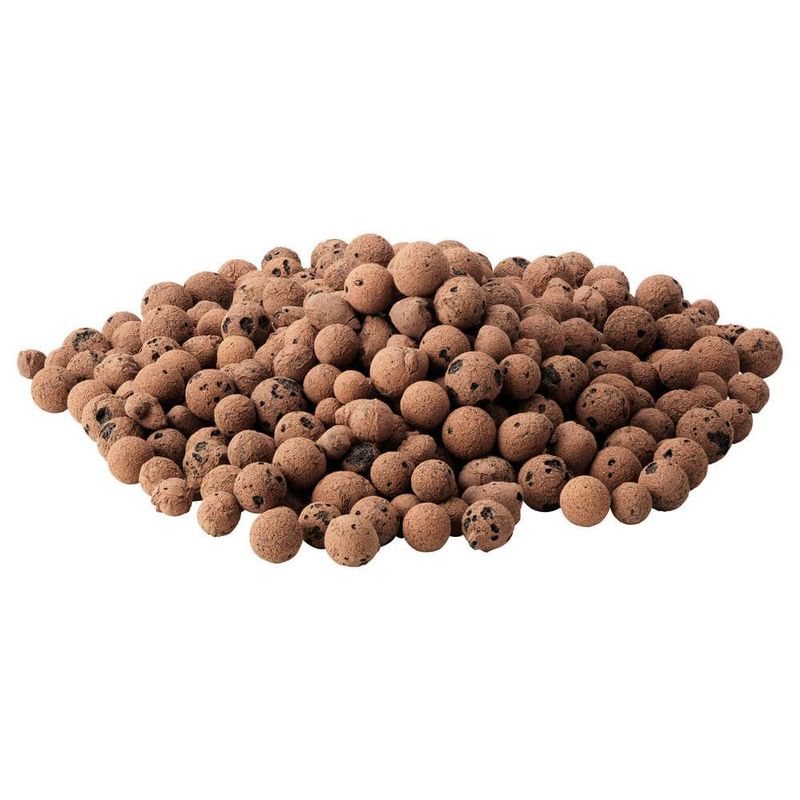
Expanded clay pellets, frequently used in hydroponics, are perfect for enhancing drainage in planters. Their spherical shape creates air pockets, ensuring roots have oxygen access. Lightweight and reusable, they provide an economical solution. These pellets also retain some moisture, aiding plant hydration. Simply add a layer at the bottom before soil. Their neutral appearance fits any garden style, and they can be used repeatedly. A modern, efficient choice for plant enthusiasts.
Egg Cartons
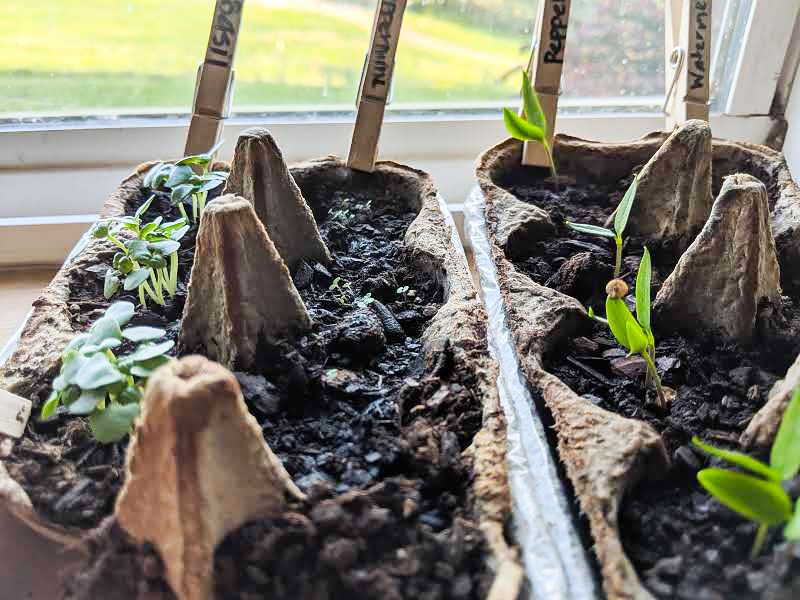
Egg cartons, particularly those made from biodegradable material, can be repurposed as a planter filler. They offer excellent drainage and are lightweight, aiding in plant health. As they decompose, they enrich the soil, making them an eco-friendly choice. Break them into smaller pieces and layer at the bottom of your planter. Their porous nature also allows roots to breathe. This creative use of everyday waste not only benefits the environment but supports robust plant growth.
Hollow Logs
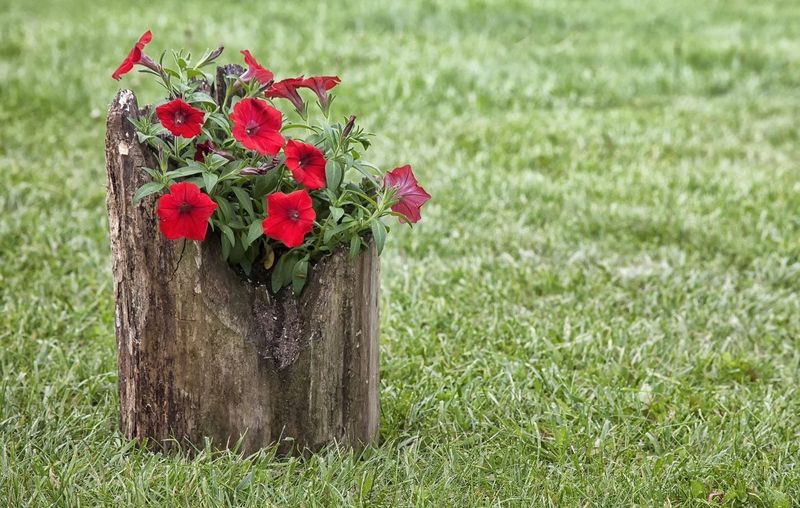
Transforming hollow logs into planter fillers not only reduces waste but adds a natural aesthetic. These logs act as a base that improves drainage and aeration, providing a unique foundation for plants. As they slowly decompose, they contribute nutrients back to the soil. Position them strategically at the bottom of your planter. Their rustic appearance enhances any garden, offering both function and visual appeal. Embrace nature’s artistry with this timeless option.
Metal Cans
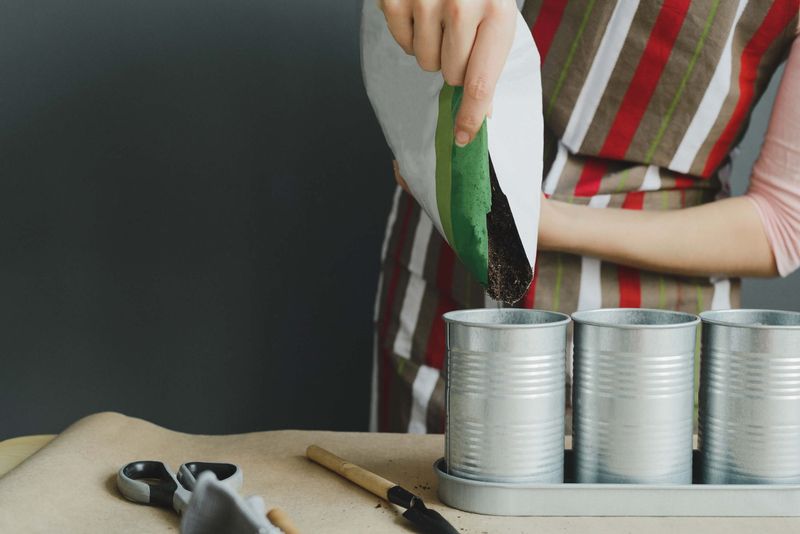
Old metal cans can find new life as a planter base. By puncturing holes for drainage, they provide a sturdy and reusable foundation. Their metallic structure aids in weight distribution, ensuring your planter remains balanced. While they add an industrial charm, it’s important to use them with caution to prevent rust. Align them at the bottom before adding soil. This upcycling method not only reduces waste but adds a distinctive edge to your garden.
Old DVD Cases
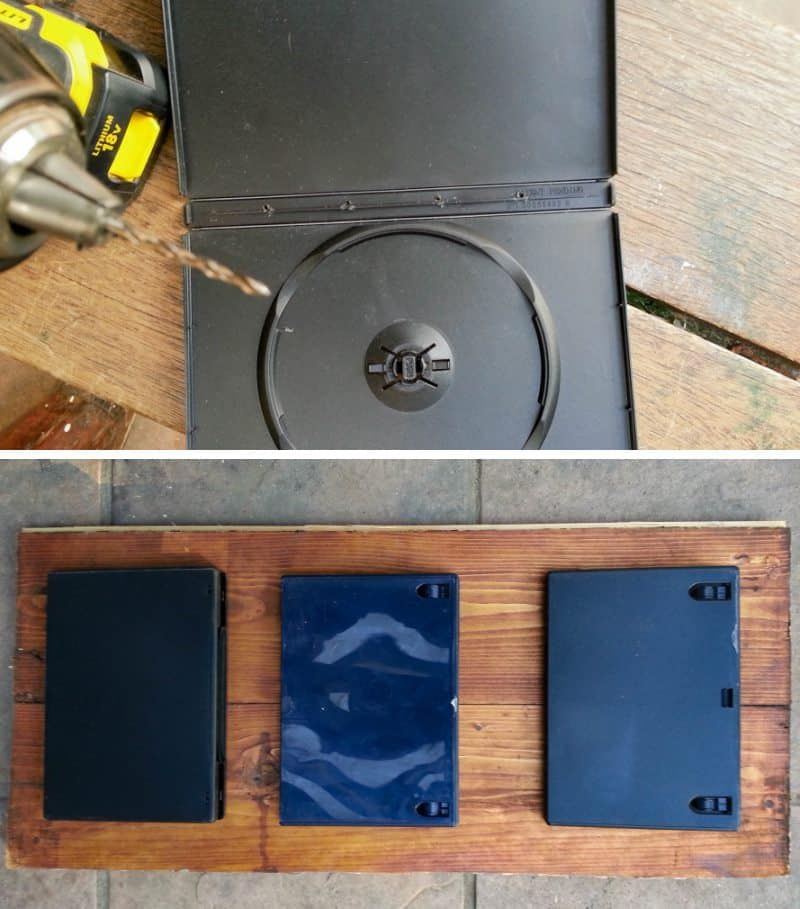
DVD cases, often discarded, can be creatively reused as planter fillers. Their flat, rigid structure aids in creating a sturdy base, promoting effective drainage. By breaking them into large pieces, they provide a lightweight alternative to traditional fillers. This method not only cuts down on waste but adds a touch of nostalgia to your garden. Arrange them evenly to ensure stability. Their unexpected use showcases innovation and environmental consciousness.