 Complete Gardening
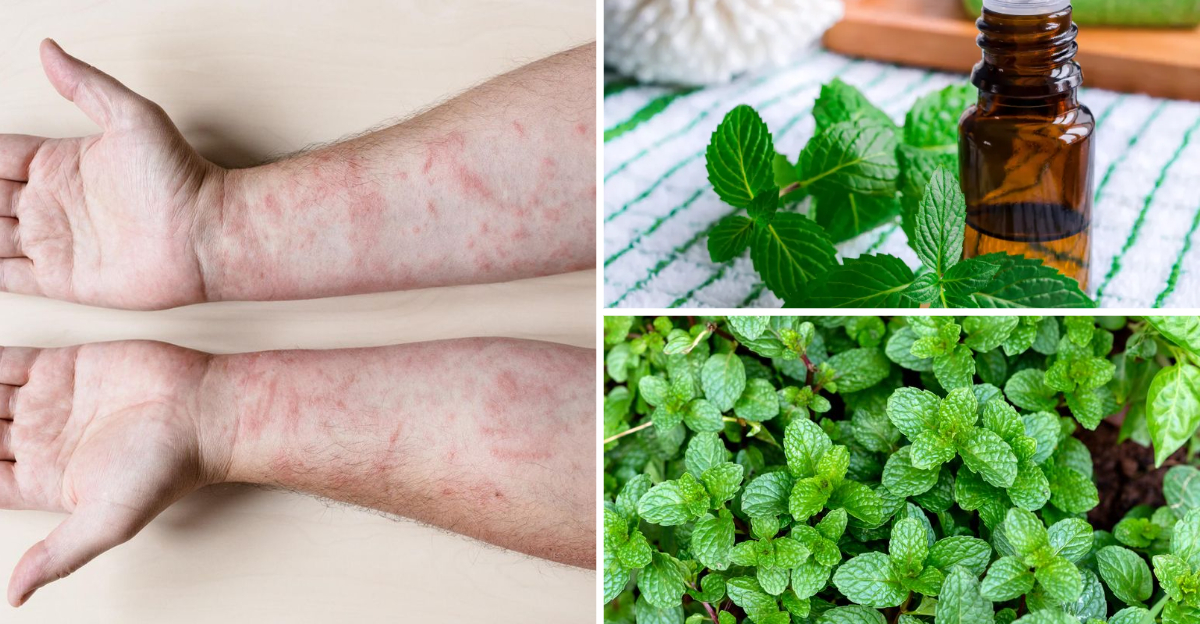
Mint is a common herb found in gardens and dishes worldwide, known for its refreshing flavor. But beneath its pleasant aroma, there are surprising and potentially dangerous aspects of mint that many are unaware of. From hidden health risks to ecological impacts, this blog delves into the lesser-known facets of mint that might make you think twice before using it.
Allergic Reactions
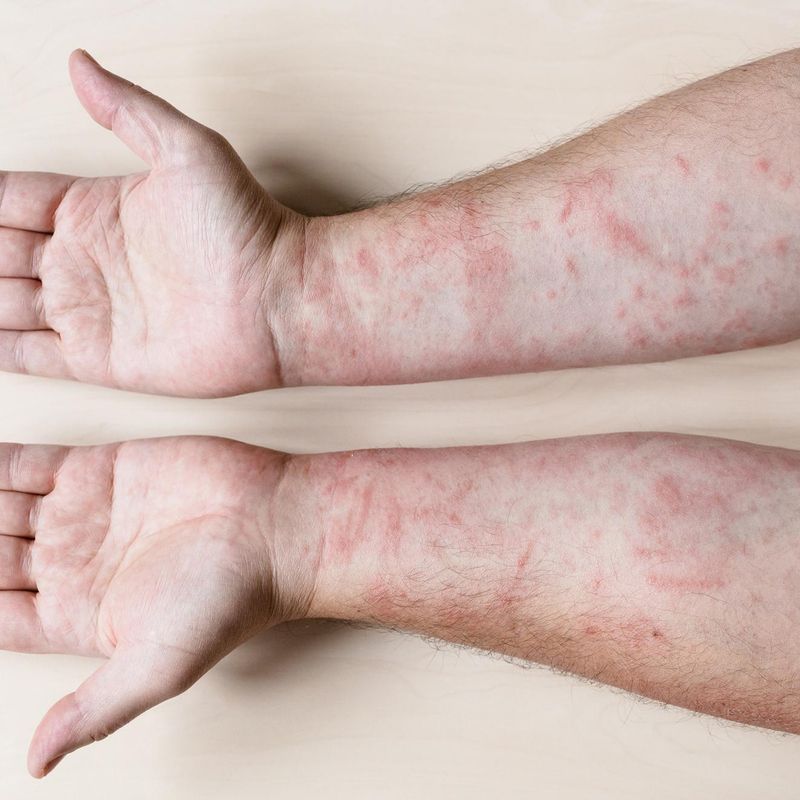
Mint, often cherished for its soothing qualities, can be a hidden trigger for allergies. Some individuals experience mild to severe allergic reactions to mint, manifesting as skin rashes, headaches, or even respiratory issues. This unsuspecting herb can transform a pleasant meal into a distressing experience.
A mother shared her ordeal when her child broke out in hives after consuming a mint-flavored candy. It highlights the often overlooked danger of mint.
If you suspect an allergy, consult a healthcare professional to avoid potential complications in your culinary adventures.
Invasive Species
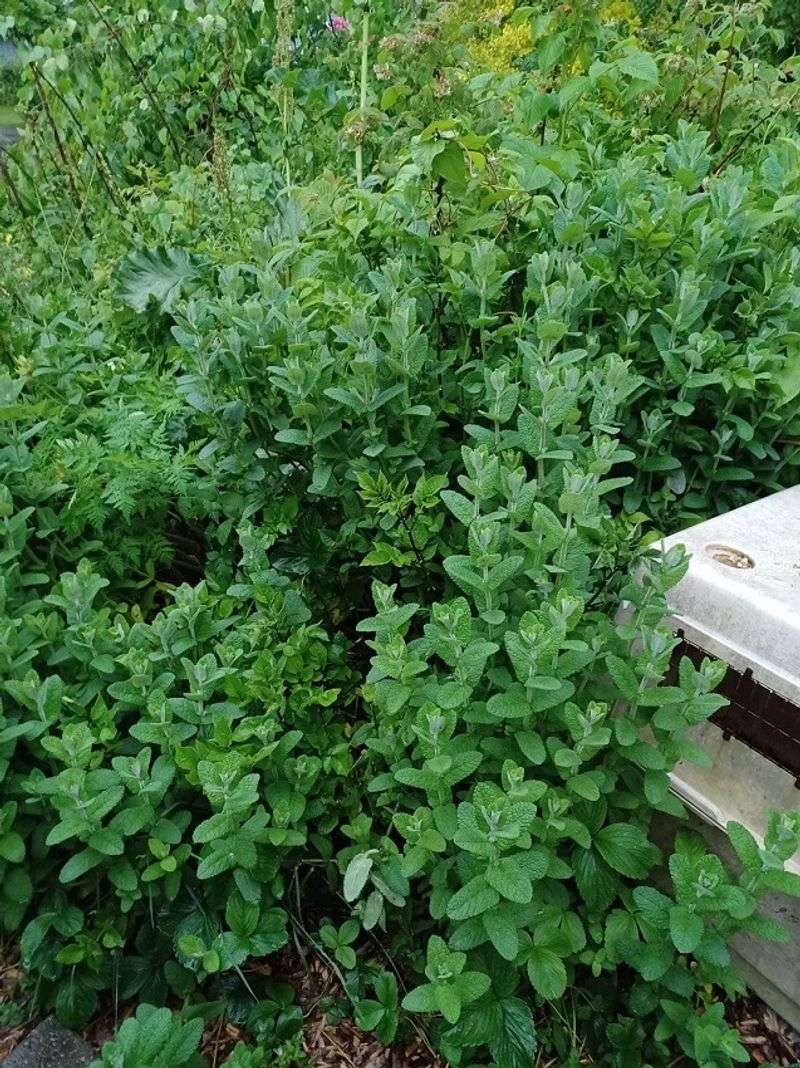
Imagine planting a few mint sprigs, only to find your garden overwhelmed by them. Mint’s aggressive growth can turn it into an invasive species, outcompeting native plants. This can lead to ecological imbalances, affecting biodiversity.
Gardeners often face challenges keeping mint in check. One enthusiast lamented how mint took over her flower beds, requiring extensive efforts to control.
To manage its spread, consider planting mint in pots or contained areas. Understanding its growth habits is crucial to maintaining a healthy garden ecosystem.
Medicinal Misuse
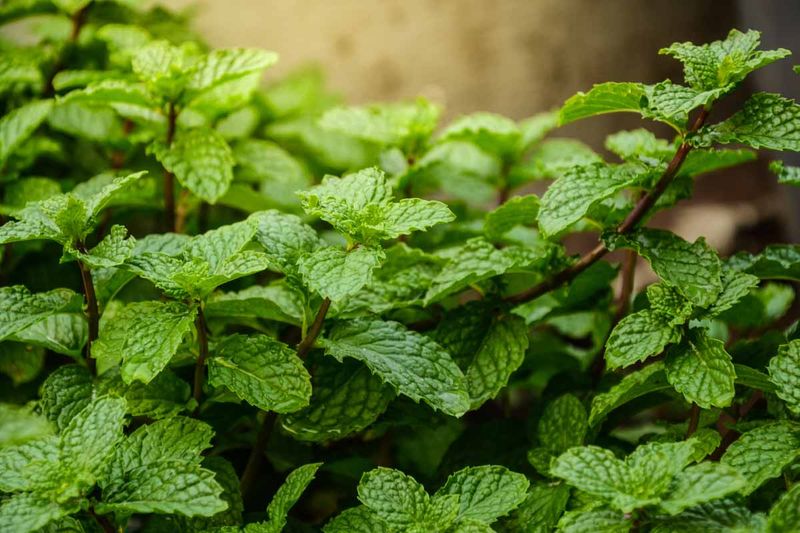
Mint is celebrated for its therapeutic benefits, but overuse or misuse can be problematic. Consuming too much mint oil or leaves may result in gastrointestinal issues, including nausea and diarrhea.
An elderly man once shared his story of excessive mint tea consumption, leading to unexpected health troubles. His experience serves as a cautionary tale for those relying heavily on mint for wellness.
Moderation is key, and seeking professional advice before using mint as a remedy ensures safety and effectiveness.
Essential Oil Risks
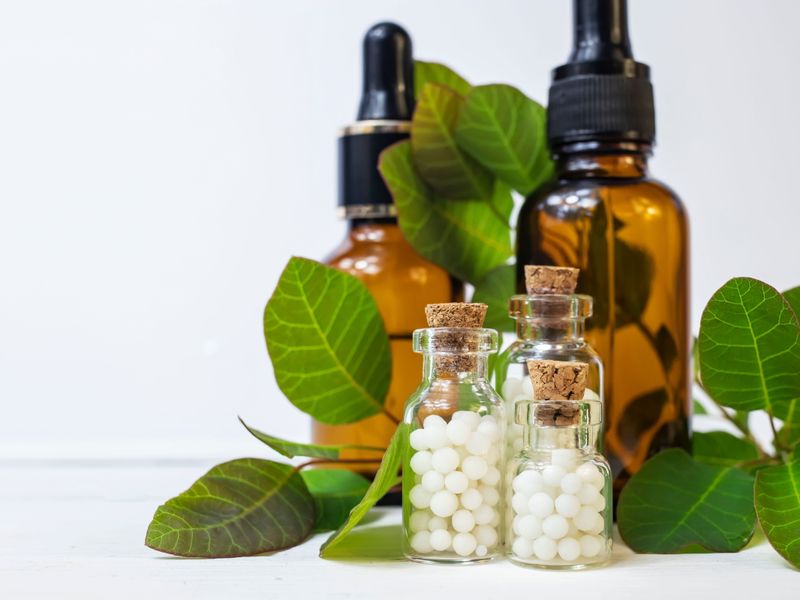
Mint essential oil, revered for its potent properties, can pose risks if not used carefully. Undiluted oil may cause skin irritations or exacerbate existing conditions. Furthermore, ingesting it without guidance can be dangerous.
A beauty enthusiast shared a mishap involving mint oil, which led to skin burns. Such incidents underscore the importance of knowledge and caution when using essential oils.
It’s advisable to dilute mint oil and consult with experts before any application. Awareness and education are vital to prevent harmful effects.
Ecological Impact
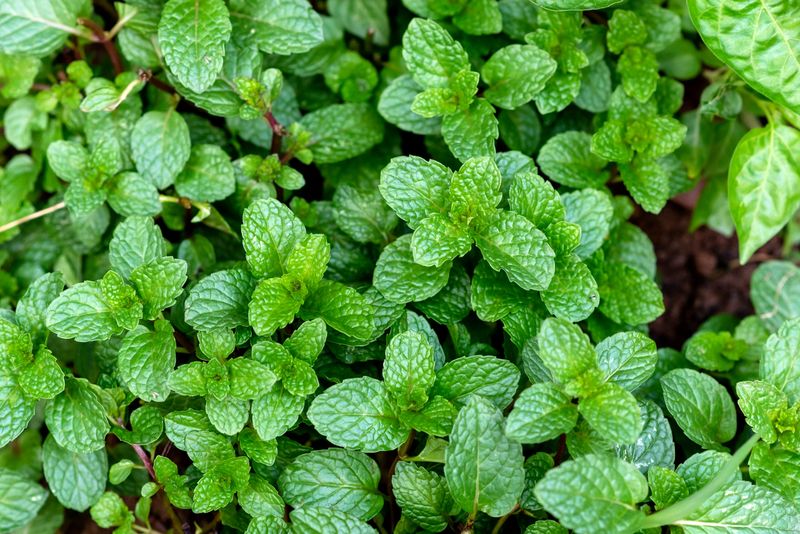
Mint’s unchecked growth can disrupt ecosystems, affecting local flora and fauna. Its rapid spread can reduce habitat diversity and alter soil composition, impacting native species.
A conservationist noted how mint’s spread in local wetlands caused a decline in native plants, affecting wildlife habitats. This illustrates the broader environmental issues tied to mint cultivation.
To mitigate its impact, responsible gardening practices and awareness of environmental consequences are essential. Ensuring mint is grown responsibly can help preserve ecological balance.
Mint and Soil Depletion
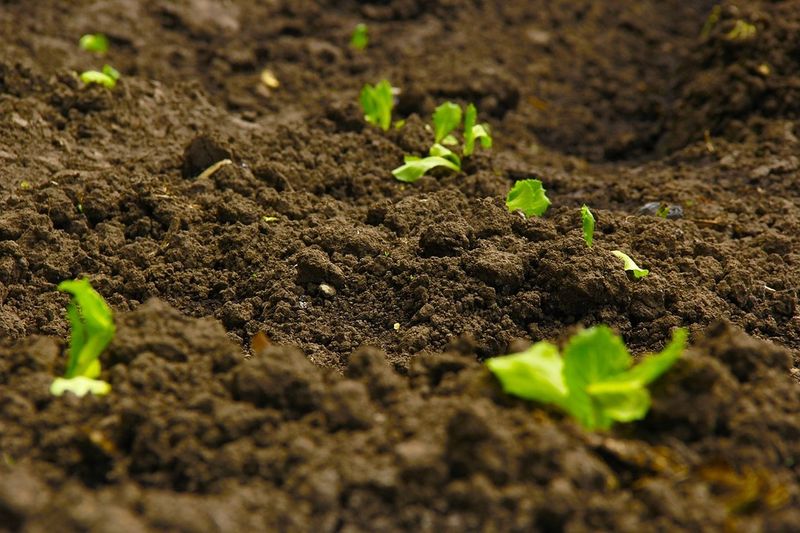
Mint may seem like a gardener’s dream with its rapid growth. However, it can significantly deplete soil nutrients. This vigorous plant often requires more nutrients than the soil can provide, leaving the earth barren for other plants.
Gardeners need to frequently rotate the soil or use fertilizers to maintain soil quality. Without proper care, mint can turn a fertile patch into a nutrient desert.
Fascinatingly, some ancient cultures avoided planting mint in their gardens for this very reason, opting to grow it in pots instead.
Mint’s Impact on Pets
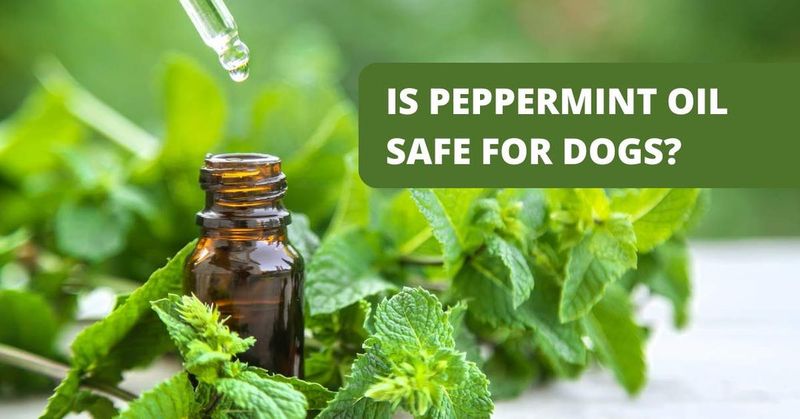
For pet owners, mint might be more foe than friend. While humans enjoy its refreshing scent, mint can cause digestive distress in pets. Cats and dogs particularly are sensitive to its essential oils, which can lead to vomiting or diarrhea.
A seemingly harmless sniff or nibble can result in an unexpected trip to the vet.
Interestingly, while cats are drawn to catnip, a relative of mint, they should steer clear of other mint plants for their own safety.
Mint’s Effect on Crop Yield

Farmers beware: mint can sabotage your crop yield. Known for its aggressive growth, mint can compete with crops for sunlight, water, and nutrients. This unassuming herb can overshadow and stifle the growth of essential crops.
The resulting reduced yield can impact a farmer’s livelihood. Historical records indicate that some farming communities banned mint to protect their fields from this leafy intruder’s dominance.
This is a reminder of how a small plant can cause big problems in agriculture.
Mint and Dental Health

Mint is synonymous with fresh breath and oral hygiene. However, excessive use in dental products can lead to surprising side effects. Some individuals may experience irritation or allergic reactions in their mouths.
This can be due to the high concentration of peppermint oil in toothpastes or mouthwashes.
Moderation is key, as overuse could lead to discomfort rather than the desired cleanliness. This paradox of mint in dental care showcases the need for balance even in products designed for health.
Mint’s Role in Insect Behavior
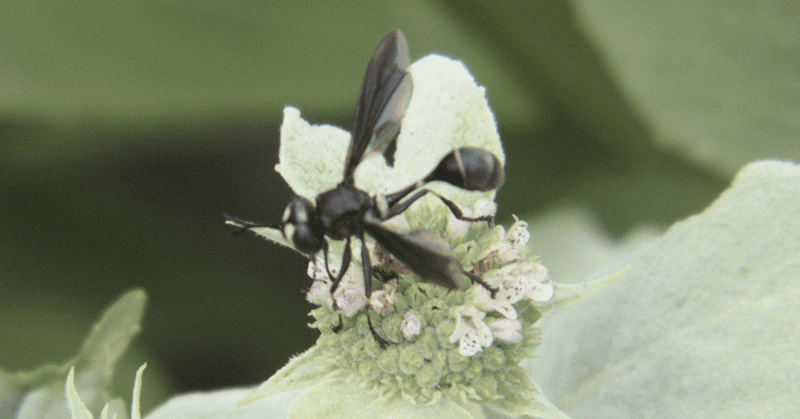
Mint has a complex relationship with insects. While it’s known to repel some common pests, it can also attract pollinators like bees. This dual nature can affect the balance of a garden’s ecosystem.
Gardeners might find themselves with fewer pests but more unwanted bee stings.
Interestingly, ancient texts describe how some cultures utilized mint strategically to either attract or repel insects, showcasing its multifaceted role in nature.
Mint’s Influence on Human Hormones
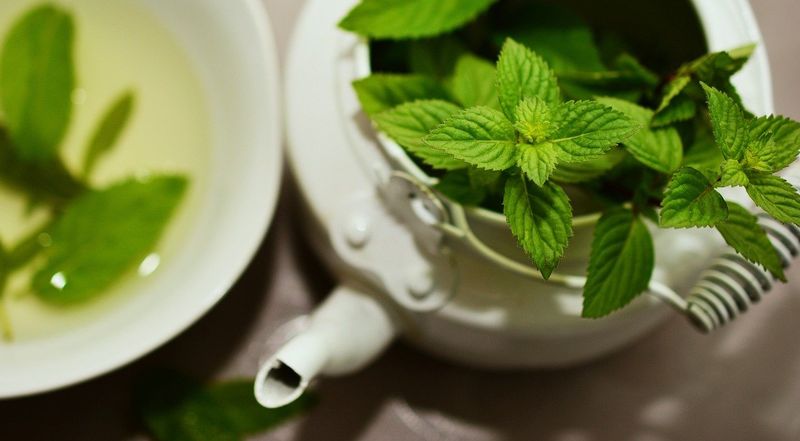
Sipping on mint tea might be relaxing, but it can disrupt hormonal balance in some individuals. Studies suggest that certain compounds in mint can lower testosterone levels, potentially impacting mood and vitality.
This effect is particularly noted in individuals who consume mint in large quantities. Awareness of this can help individuals regulate their mint intake to avoid unintended hormonal shifts.
This unexpected side effect of mint consumption illustrates how herbs can subtly influence our body’s functions.
Mint and Respiratory Issues
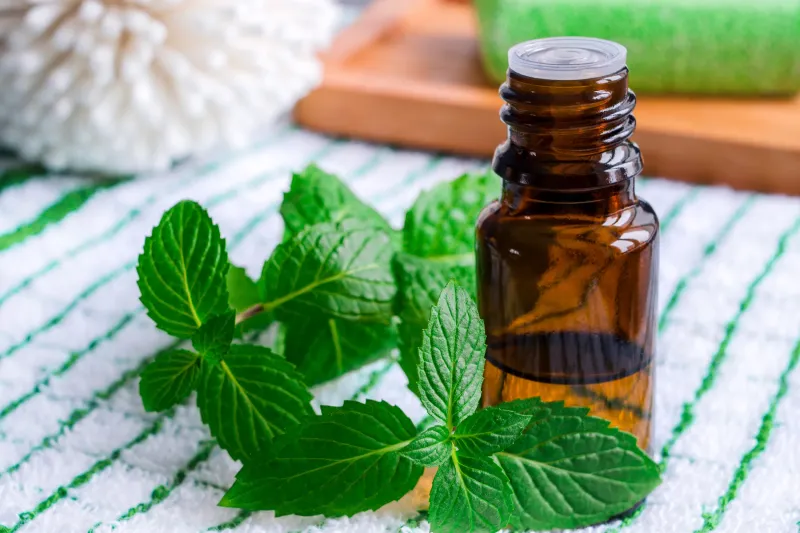
The refreshing aroma of mint might be inviting, but it can aggravate respiratory problems in some individuals. The potent oils in mint plants can trigger asthma symptoms or irritate sensitive airways.
Those with existing respiratory conditions should be cautious when around mint.
It’s a reminder that even natural scents, often perceived as harmless, can have adverse effects on health for those with sensitivities.
Mint’s Interaction with Medications
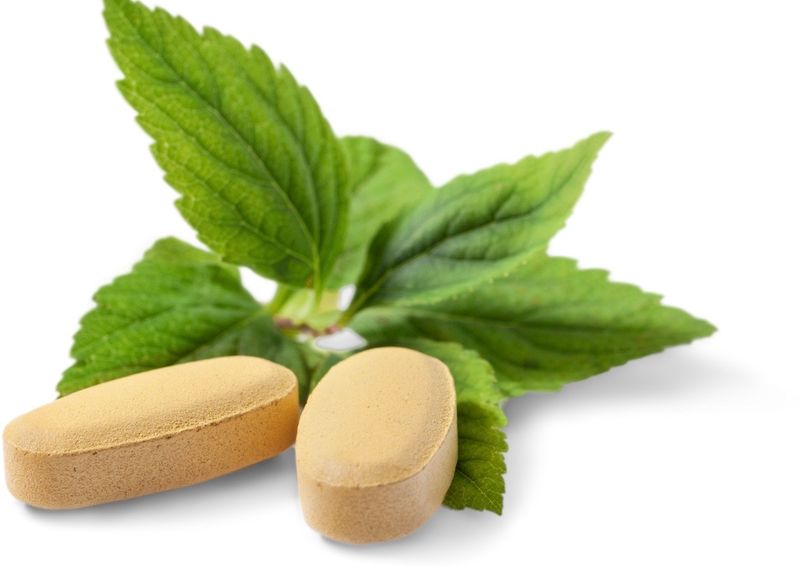
While often regarded as benign, mint can interfere with the effectiveness of certain medications. Its compounds can alter how the body metabolizes drugs, impacting their efficacy.
Those on medication should consult healthcare providers before incorporating significant amounts of mint into their diet.
This interaction highlights the importance of understanding how natural products can interact with pharmaceutical treatments.
Mint’s Role in Digestive Distress
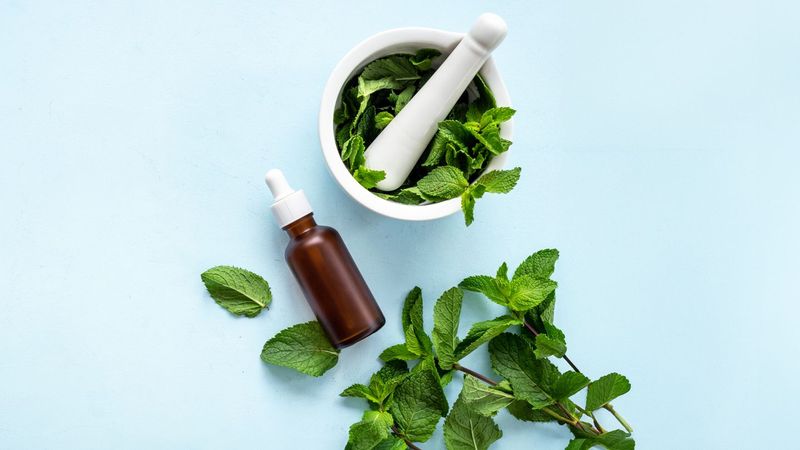
Mint is famed for soothing stomach aches, but it can also exacerbate digestive disorders like GERD. Its relaxing effects on the sphincter can lead to increased acid reflux.
Individuals with such conditions need to be mindful of mint’s dual nature in digestive health.
This dichotomy serves as a testament to how a remedy for one can be a trigger for another, urging caution and awareness in its use.
Mint and Its Psychoactive Properties
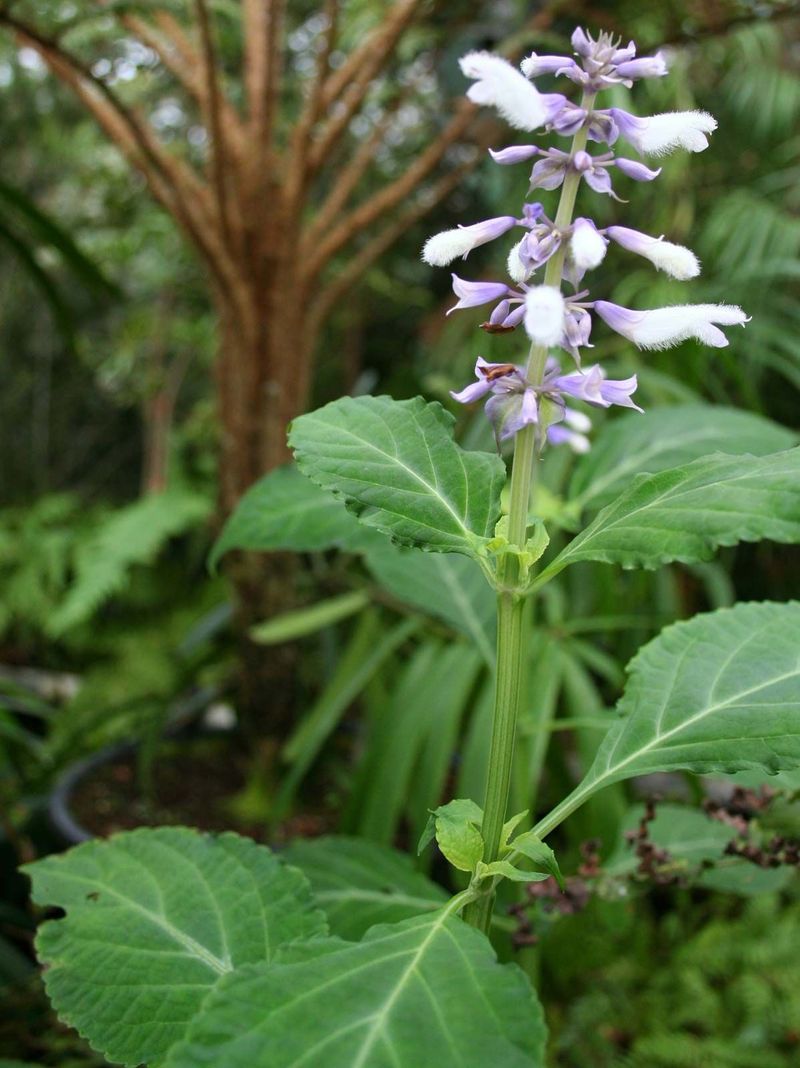
Mint’s calming scent is widely appreciated, yet in large quantities, it can have mild psychoactive effects. Some have reported feelings of euphoria or altered states of perception after excessive exposure.
While these experiences are rare, they illuminate the potent nature of this common herb.
Historically, some cultures leveraged these properties in rituals, demonstrating mint’s surprising influence on the mind.
Mint’s Influence on Skin Health
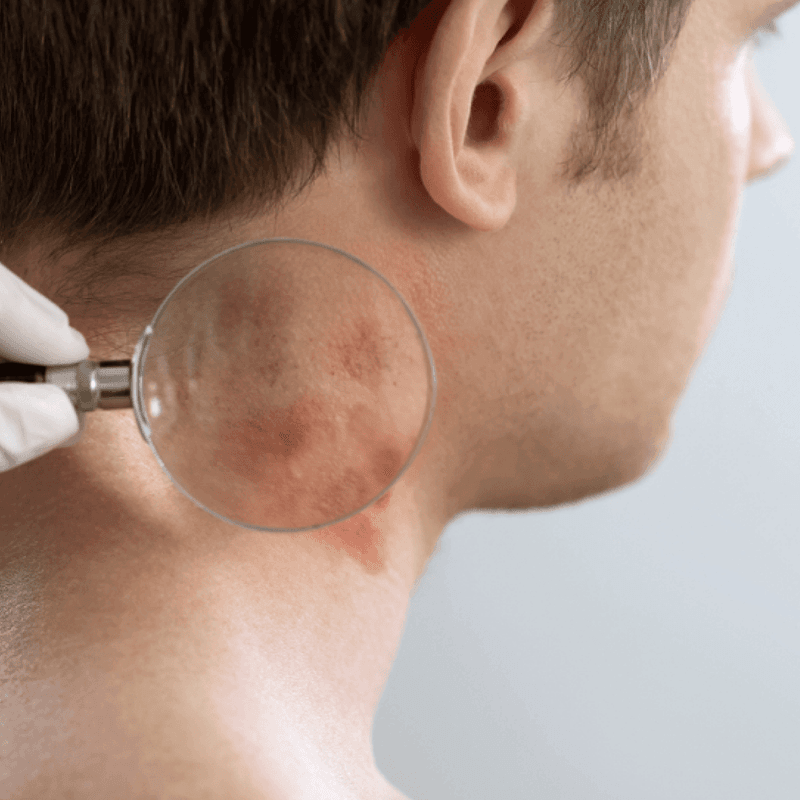
Mint is celebrated in skincare for its cooling sensation, yet it can cause skin irritations or allergic reactions for some. The high menthol content can be too harsh, leading to redness or rashes.
Those with sensitive skin should test products containing mint on a small area first.
This cautionary tale reminds us that even gentle-seeming ingredients can have strong impacts when it comes to skincare.
Mint’s Impact on Hydration

Infusing water with mint is popular for flavor, yet it can subtly affect hydration levels. Some components of mint can act as diuretics, leading to increased urination.
While typically mild, this effect can contribute to dehydration if not monitored. Regular hydration practices should be maintained to counterbalance this.
The dual role of mint in both flavor enhancement and potential dehydration is a curious aspect of its natural properties.