 Complete Gardening
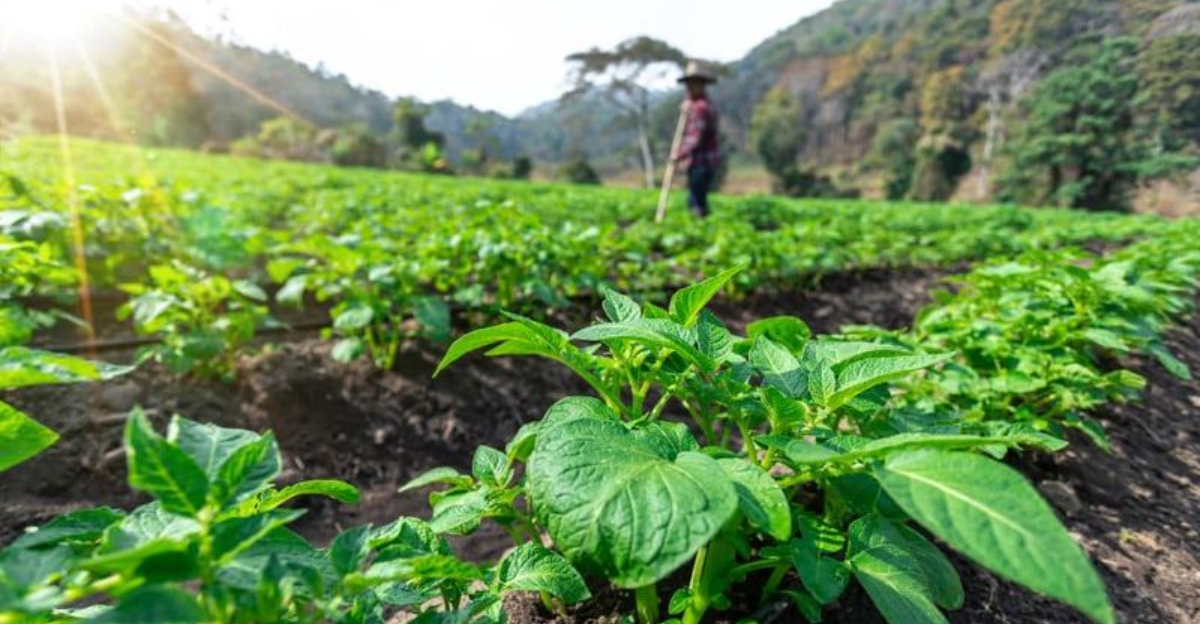
The health of our plants directly influences the quality of the food we consume.
From the richness of the soil to the types of fertilizers used, every aspect contributes to the nutritional value and taste of the produce.
In this post, we delve into the essential factors that affect plant nutrition and, ultimately, our own.
1. Healthy Soil = More Nutrient-Dense Food
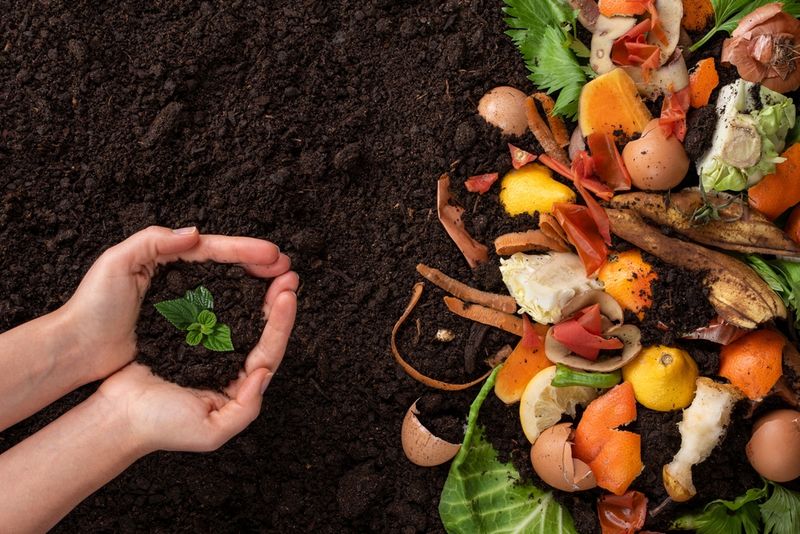
Rich, organic soil is the bedrock of nutrient-dense food. When plants grow in soil teeming with minerals like magnesium, calcium, iron, and potassium, they absorb these essential elements. This leads to vegetables bursting with nutrients.
But when soil is depleted, the food grown in it follows suit. Studies reveal that vegetables from nutrient-rich soil often boast higher levels of essential nutrients. This means your salads, soups, and sides are not just filling meals but also nutritional powerhouses. Imagine the difference a simple change in soil can make to the food on your plate.
The importance of soil quality cannot be underestimated, as it profoundly impacts both the taste and health benefits of your produce. Prioritizing healthy soil is a step toward a healthier diet.
2. Compost Isn’t Just Waste—It’s Plant Fuel
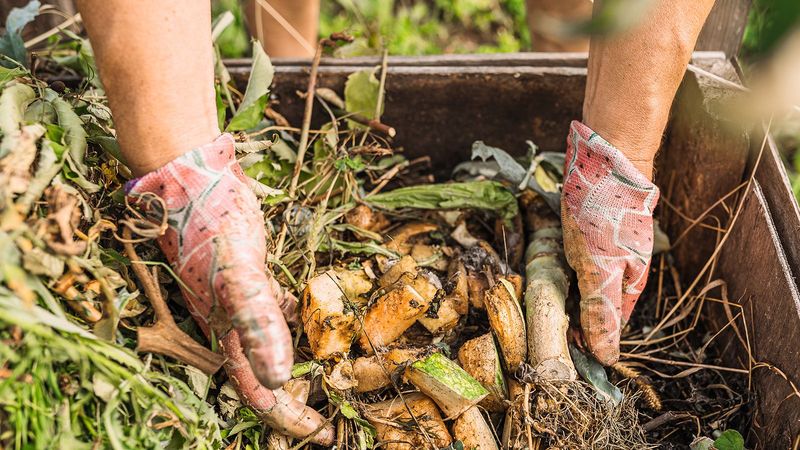
Compost transforms waste into nourishment. By incorporating compost into your garden, you enrich the soil with organic matter, enhancing its texture and vitality. This nutrient-rich mix fuels plants, bolstering their growth and resilience.
Compost not only invigorates plants but also boosts their immunity against diseases. By reducing the need for chemical fertilizers, it promotes a more natural growth process. Imagine your garden flourishing, with vibrant colors and robust yields, all thanks to enriched compost.
This organic approach ensures your produce is not only abundant but also packed with flavor and nutrients. Embrace compost for a thriving, sustainable garden.
3. Synthetic Fertilizers Can Affect Flavor & Quality
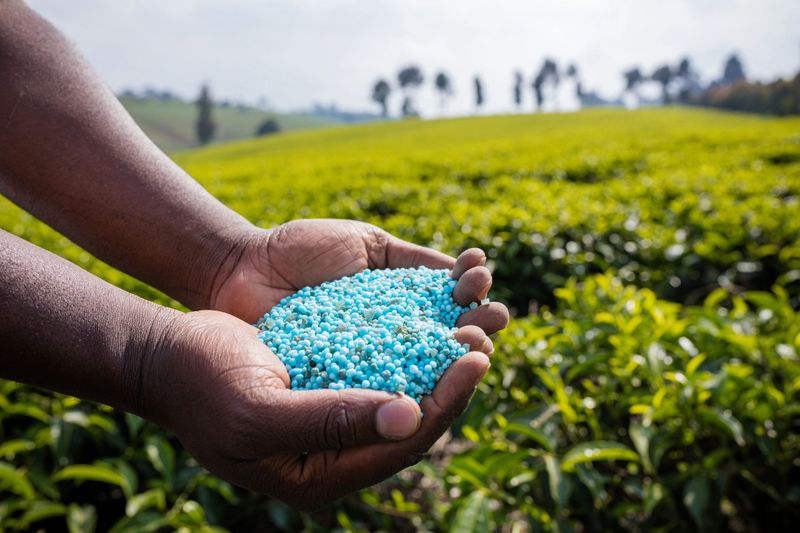
The allure of synthetic fertilizers lies in their promise of fast growth. However, what they deliver in size, they may compromise in quality. Over-reliance on these fertilizers can lead to watery, bland produce, lacking depth in flavor.
Moreover, synthetic fertilizers might disrupt the natural balance of microbial life in the soil. This imbalance can leave plants more susceptible to pests and diseases. Picture a garden struggling to maintain its natural vigor, hindered by synthetic additives.
Choosing natural alternatives nurtures a garden that’s vibrant, flavorful, and sustainable. The choice of fertilizer profoundly impacts the quality of your harvest.
4. Microbes Make the Magic Happen
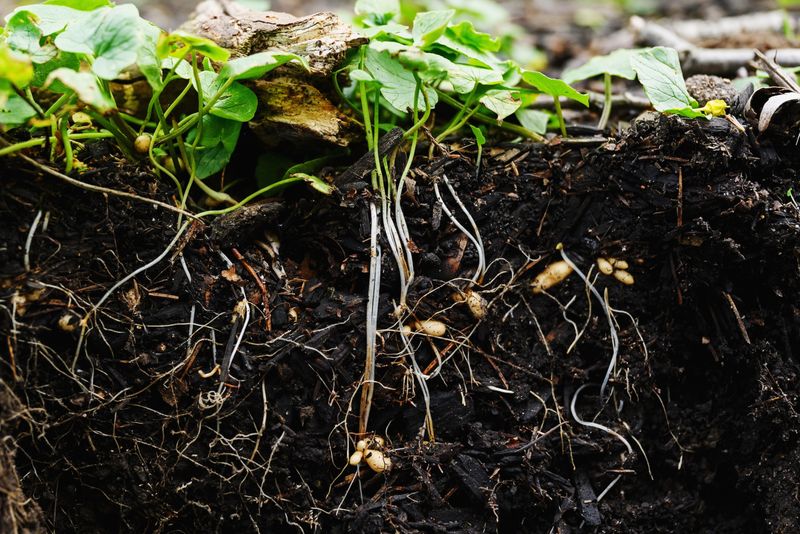
Beneath the surface, a bustling community of microbes works its magic. These beneficial fungi and bacteria transform soil into a fertile haven, helping plants absorb nutrients efficiently.
Healthy microbial life enriches the soil, encouraging deeper root systems and robust plant growth. Imagine a garden thriving with vitality, where every plant stands as a testament to the power of microbes.
The symbiotic relationship between plants and these tiny organisms results in crops that are nutritionally complete. Embracing microbial diversity in your soil fosters an ecosystem where both plants and humans can flourish.
5. Minerals Matter (and Most Gardens Are Low on Them)
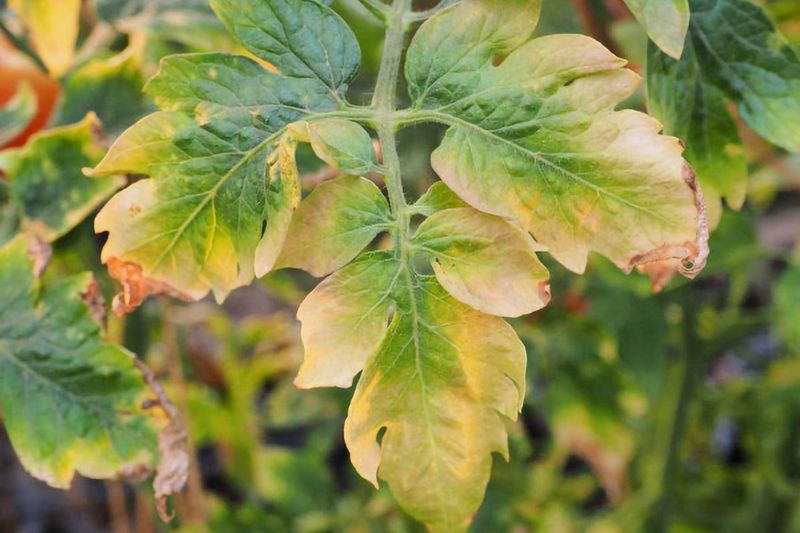
While often overlooked, minerals play a crucial role in plant health. Essential micronutrients like boron, zinc, and copper are vital for both plant and human nutrition. Their absence can lead to produce that’s less flavorful and nutritionally lacking.
Consider a garden where plants show signs of deficiency, their potential untapped. By ensuring an adequate supply of these trace minerals, your garden can yield produce that’s rich in flavor and nutrients.
Addressing mineral deficiencies transforms your garden into a source of vibrant, healthy food. Each bite becomes a testament to the importance of these tiny yet mighty elements.
6. Pesticide Residue Starts in the Soil
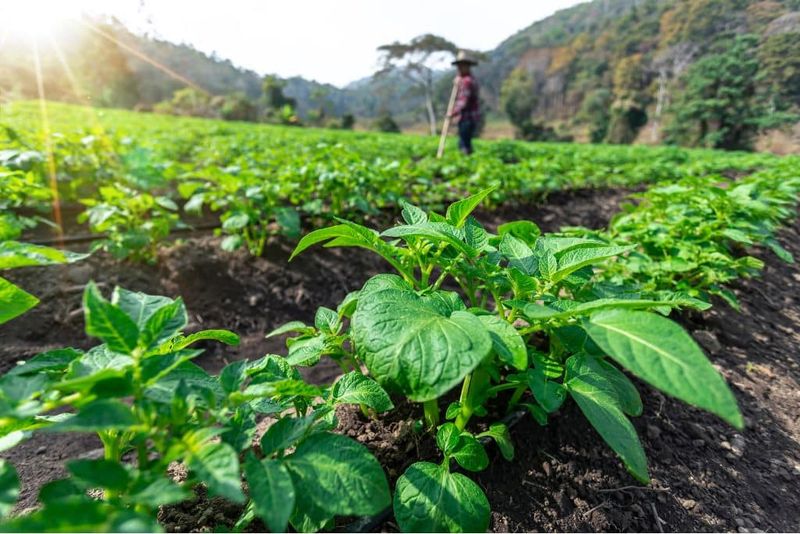
The journey to safe, pesticide-free produce begins with the soil. When harmful chemicals infiltrate the ground, they can eventually find their way into the food we consume.
Opting for natural pest deterrents and sustainable soil management practices leads to cleaner, safer food. Envision a garden thriving without the shadow of harmful pesticides, where plants grow naturally and healthily.
This approach not only protects the environment but also ensures that what reaches your plate is pure and safe. By nurturing your soil, you cultivate a garden that’s as beneficial to the earth as it is to your diet.
7. Better Soil = Better Taste
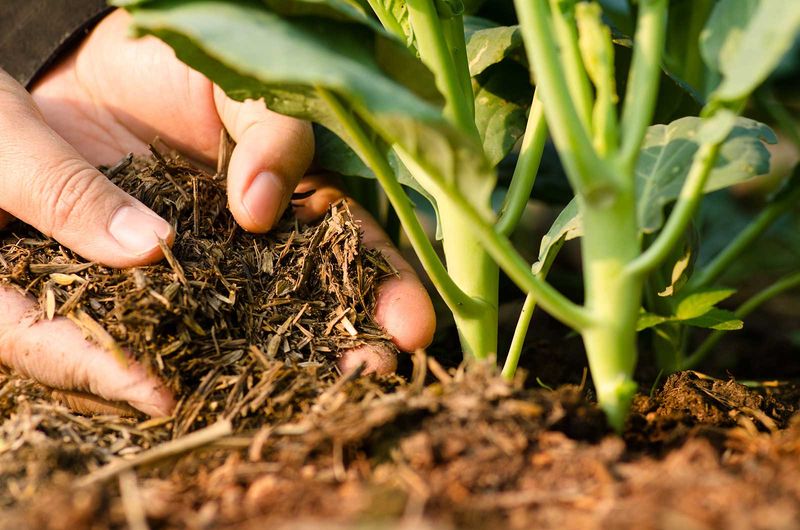
The secret to mouth-watering produce lies beneath the surface. Quality soil directly influences the taste of fruits and vegetables. Tomatoes, strawberries, and herbs grown in nutrient-rich soil exude flavors that are fuller and more aromatic.
Imagine biting into a strawberry so sweet and juicy, it could only come from well-fed soil. The enhancement in taste is undeniable when plants are nurtured in optimal conditions.
By investing in soil care, you reap produce that’s not only nutritious but also a delight to the senses. The path to better taste begins with the earth beneath your feet.