 Complete Gardening
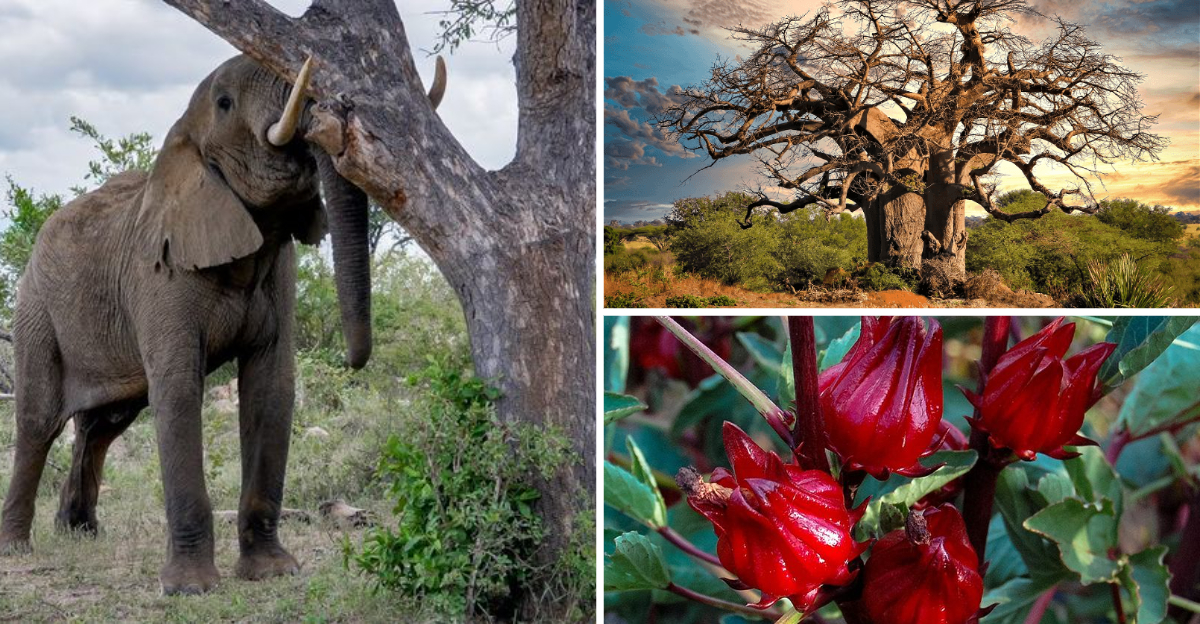
African food forests are a vibrant tapestry of biodiversity, offering a rich variety of plants that sustain both the environment and local communities. These forests are not only a source of food but also a cultural heritage, reflecting the diverse practices and traditions of African agriculture. Each plant plays a unique role in this ecosystem, contributing to the overall health and sustainability of the forests. Let’s explore some of the remarkable species that thrive in these lush environments.
Baobab Tree
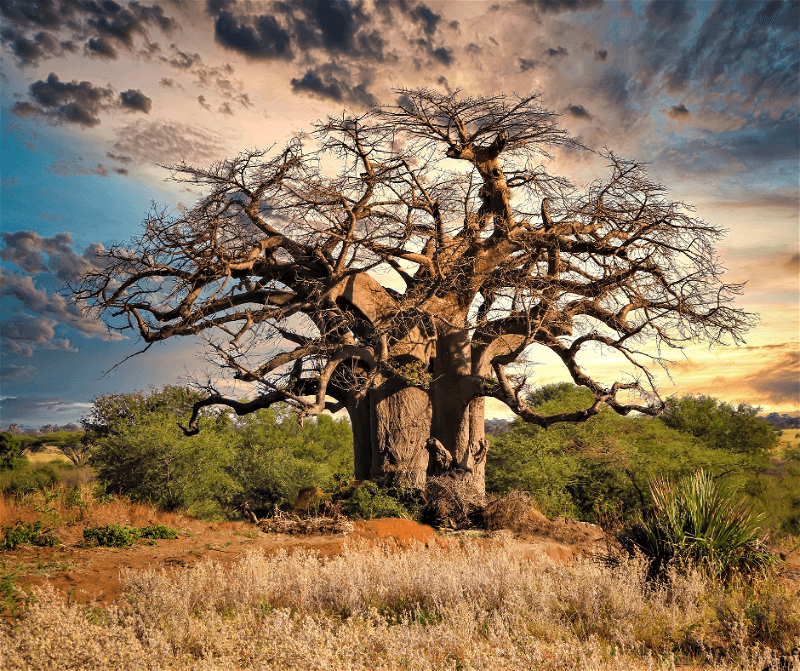
The baobab tree, with its towering stature and distinctive trunk, is a symbol of resilience in the African landscape. Known as the “tree of life,” it provides a wealth of resources to local communities. Its leaves, rich in vitamins, are used in traditional dishes, while the fruit, often referred to as “monkey bread,” is consumed for its tangy flavor and nutritional benefits.
Baobabs can store thousands of liters of water in their trunks, making them vital during droughts. This ancient tree also supports biodiversity, offering shelter to various species. Did you know? Some baobabs are over a thousand years old!
Moringa Tree
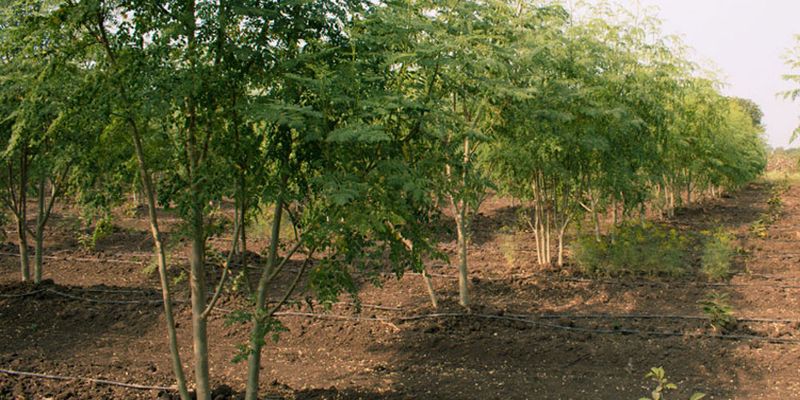
In the heart of African food forests, the moringa tree stands out with its lush greenery and nutritional powerhouse properties. Often dubbed the “miracle tree,” its leaves are packed with essential nutrients, including vitamins A and C, calcium, and potassium. These are commonly used in soups and stews, providing nourishment to many.
Moringa seeds also offer benefits, including water purification properties. This tree grows rapidly and requires minimal care, making it a favored choice among farmers. Fun fact: Moringa leaves contain more vitamin C than oranges!
Shea Tree
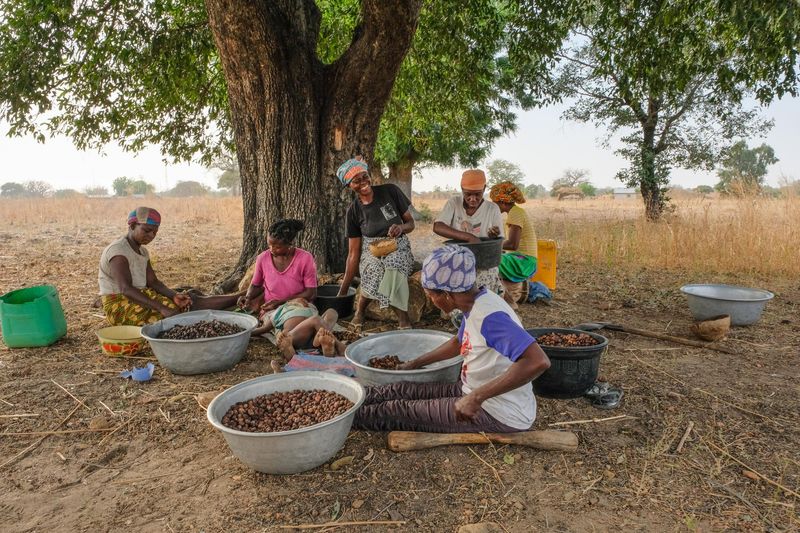
The shea tree is a cornerstone of West African food forests, renowned for its nourishing butter derived from its nuts. This butter, often used in cosmetics and cooking, is rich in vitamins and fatty acids. Women traditionally harvest and process the nuts, a practice deeply embedded in local culture.
Beyond its economic significance, the shea tree provides shade and habitat for wildlife. Its resilience to harsh climates ensures it thrives where others may not. Did you know? Shea trees can live up to 300 years, offering consistent resources through generations.
African Oil Palm
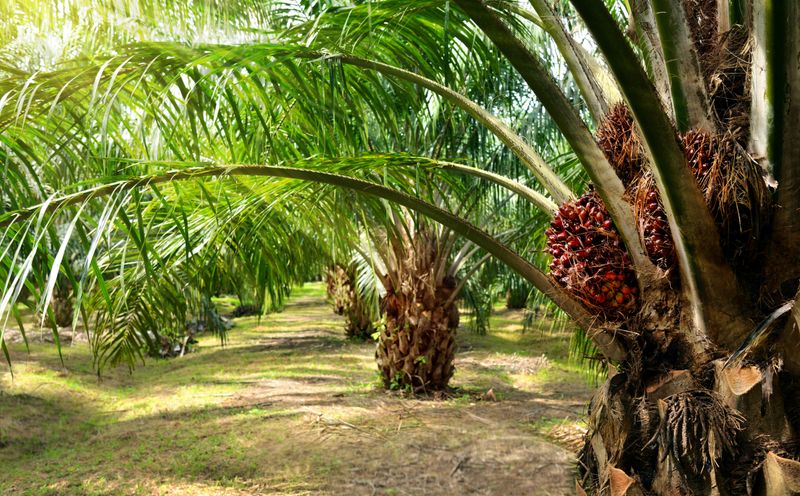
The African oil palm is a significant player in the continent’s agricultural scene, known for its oil-rich fruit. Palm oil is a staple in cooking across Africa and is also a key export. These palms thrive in humid, tropical climates, where they grow up to 20 meters tall.
With a high yield, the oil palm supports economies while providing essential fats in diets. However, sustainable practices are crucial to prevent deforestation. A fact to ponder: Oil palms produce more oil per hectare than any other oil crop!
Acacia Tree
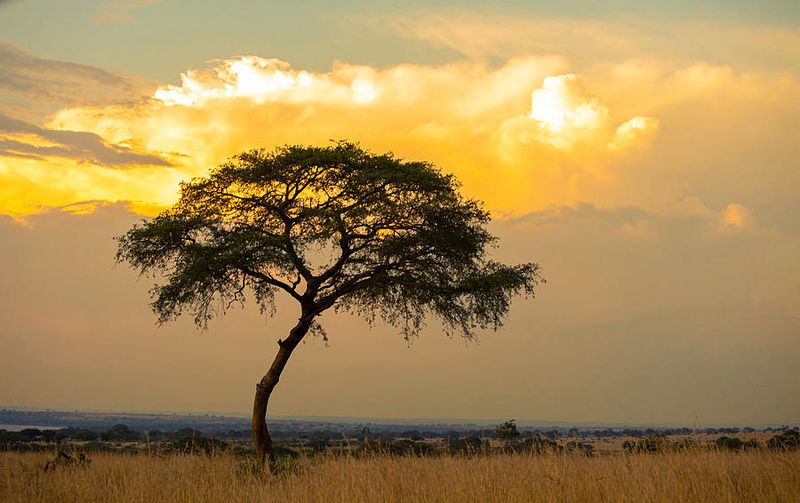
The iconic acacia tree, with its umbrella-like canopy, is a familiar sight in African savannas. This hardy tree offers gum arabic, an important substance used in food and industry. It’s also a critical food source for herbivores like giraffes and elephants, who feed on its leaves and pods.
These trees are well-adapted to dry climates, with deep roots reaching water sources. They also help prevent soil erosion, playing a vital role in their ecosystems. Intriguingly, acacias can communicate by emitting chemicals to warn nearby trees of browsing animals.
Marula Tree
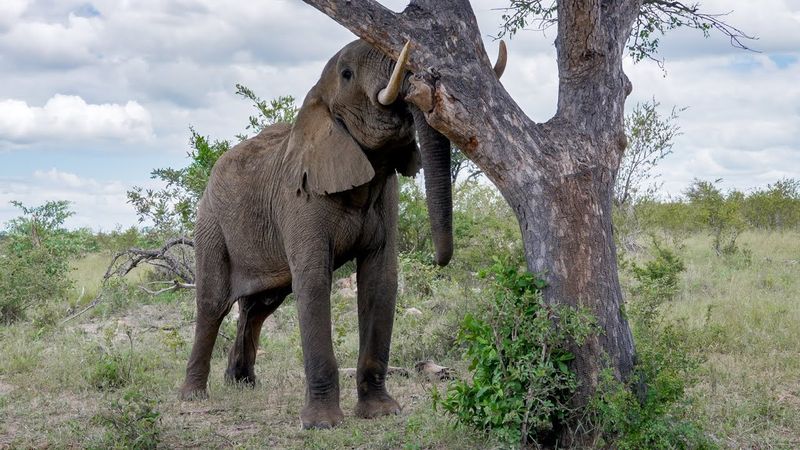
The marula tree is celebrated for its juicy fruit, which is enjoyed by both humans and wildlife, particularly elephants. This tree, found in Southern Africa, bears fruit with a high vitamin C content, often consumed fresh or fermented into a popular local beverage.
Beyond its fruit, the marula tree’s nuts are harvested for their oil, used in cosmetics. The tree is deeply rooted in African tradition, symbolizing fertility and protection. Did you know? Marula fruit is a favorite snack for elephants, who travel miles to find these trees.
Yam Plant
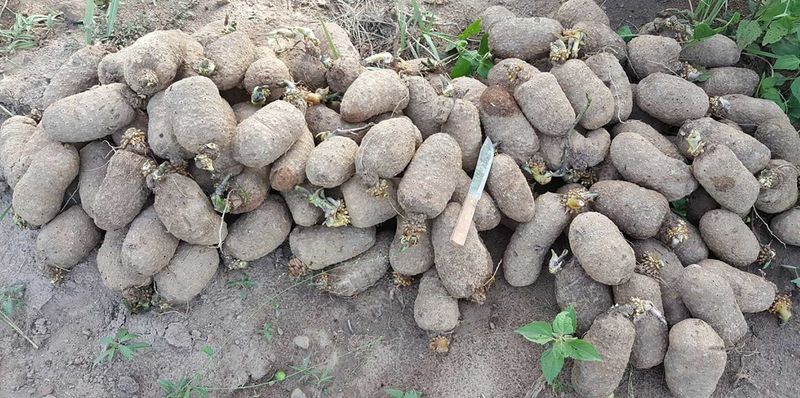
Yams are a staple in African food forests, providing a reliable source of carbohydrates and energy. These tubers are versatile in cooking, often boiled, roasted, or pounded into fufu, a popular dish. Yams grow well in the rich, loamy soils of tropical Africa, where they coexist with other crops.
Farmers appreciate yams for their productivity and role in sustainable agriculture. Their vines help prevent soil erosion, contributing to environmental health. A cultural tidbit: Yams are celebrated in festivals across West Africa, marking the harvest season.
Banana Plant
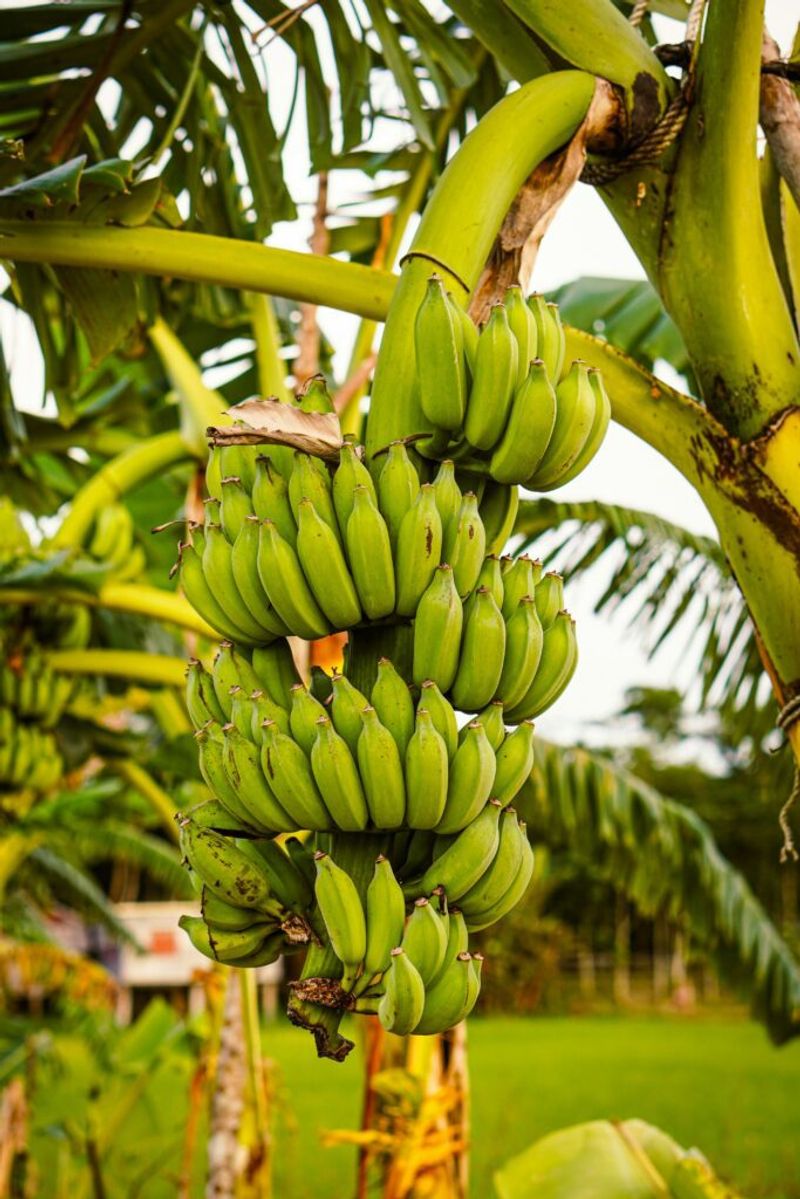
Bananas thrive in the humid climates of African food forests, offering a sweet and nutritious fruit enjoyed worldwide. These plants grow rapidly, producing large clusters of bananas that are a dietary staple for many communities.
Beyond consumption, banana plants are used for fiber and animal feed. Their broad leaves provide shade and mulch, enhancing soil health. Interestingly, despite their size, banana plants are technically herbs, not trees. Did you know? Uganda leads the world in banana consumption per capita, highlighting their cultural importance.
Cassava Plant
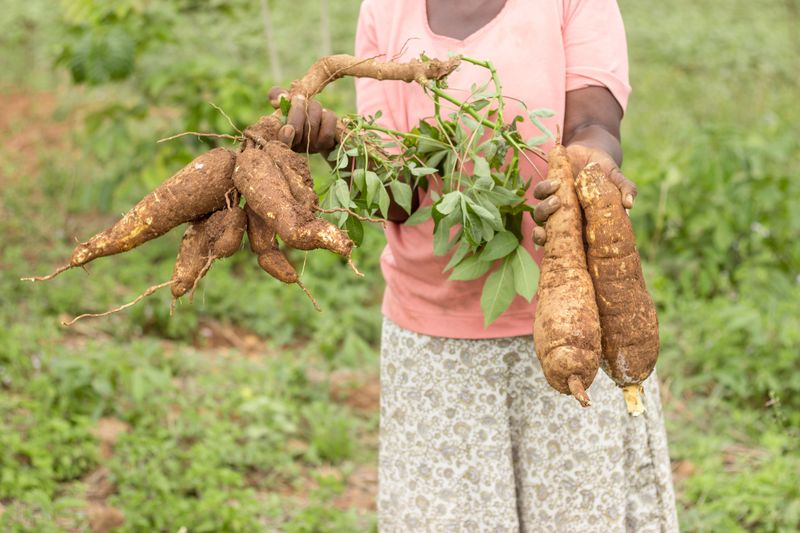
Cassava is a lifeline in African food forests, known for its ability to grow in poor soils and drought conditions. This root vegetable is a staple food, transformed into various dishes like gari and tapioca.
Cassava’s adaptability is crucial for food security, supporting many livelihoods across the continent. It requires careful processing to remove naturally occurring toxins, ensuring it’s safe to eat. A fascinating fact: Cassava is the third-largest source of carbohydrates in the tropics, following rice and maize.
Teff Grass
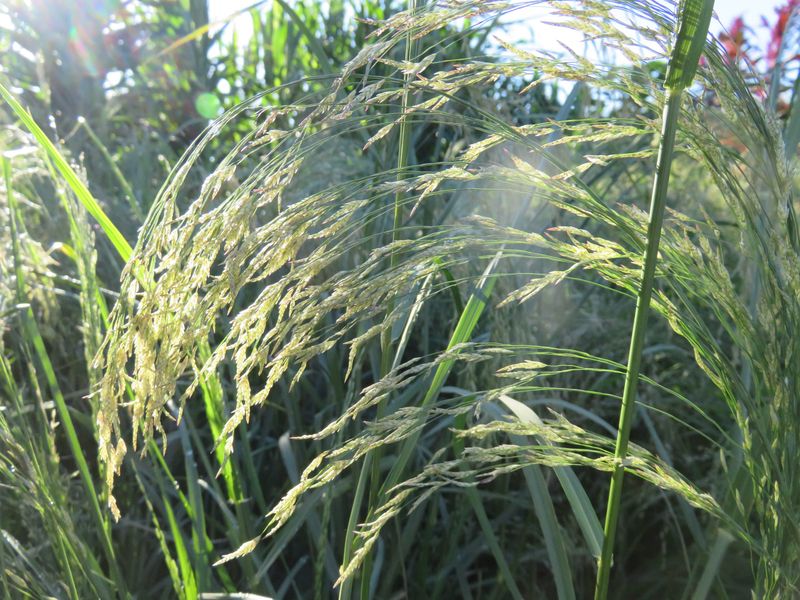
Teff, a tiny grain with a big impact, is vital in Ethiopian agriculture. This grass thrives in the highlands, producing seeds that are ground into flour for injera, a traditional Ethiopian flatbread. Teff is valued for its nutritional profile, being high in fiber, protein, and iron.
Its resilience to various climates makes it a reliable crop for farmers. Beyond food, teff’s straw is used as animal feed, contributing to sustainable farming practices. Did you know? Teff is one of the oldest domesticated plants, with a history dating back thousands of years.
African Wild Mango
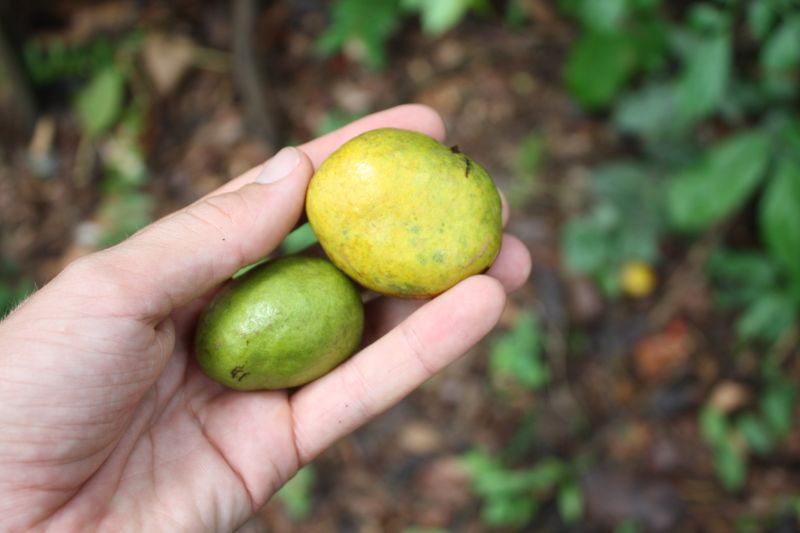
Known for its succulent fruits, the African Wild Mango captivates with its vibrant colors and unique taste. Nestled in the heart of African food forests, these trees offer more than mere beauty. Their seeds, rich in fats, are highly valued for medicinal and culinary uses.
Beyond their practical uses, these mangos play a vital role in maintaining the ecological balance. They provide shelter and nourishment to various wildlife species. With a history deeply intertwined with local traditions, they hold cultural significance as well.
Did you know? This fruit is often called the ‘bush mango’ due to its wild growth habits.
Roselle
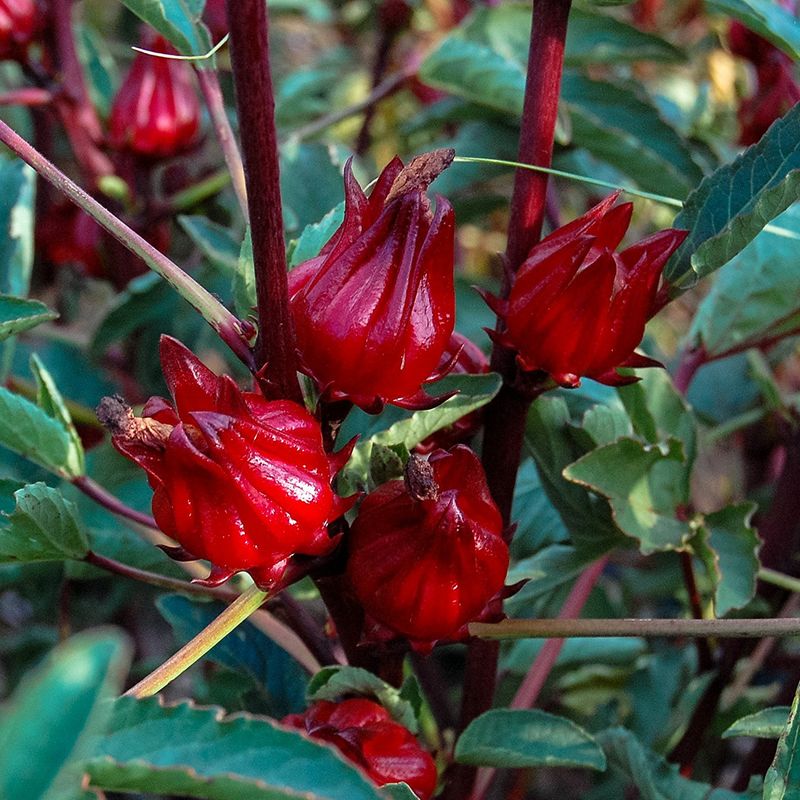
The Roselle plant stands out with its deep red calyces, a sight to behold among the greenery. Often used to make a popular tangy drink, it’s a staple in many African households.
Not just a thirst-quencher, Roselle offers numerous health benefits, being rich in vitamins and antioxidants. Its versatility extends to culinary uses, where it’s used in sauces and jams.
Quirky fact: In some cultures, Roselle is revered for its supposed magical properties, thought to bring good luck and protect against evil spirits.
Bambara Groundnut
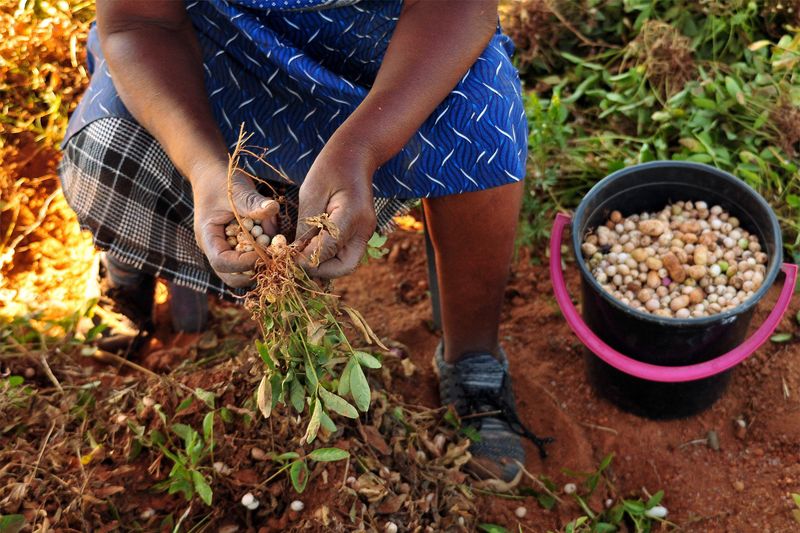
Hidden beneath the soil, Bambara Groundnuts are a treasure trove of nutrients. Known for their resilience, they thrive in arid conditions and poor soils where other crops fail.
These groundnuts are rich in protein, making them an essential dietary component in many African regions. Their earthy flavor adds a unique touch to various traditional dishes.
Fun fact: Often referred to as the ‘complete food’, Bambara Groundnuts are celebrated for their balanced nutritional profile, rivaling the likes of soybeans.
Kigelia Africana
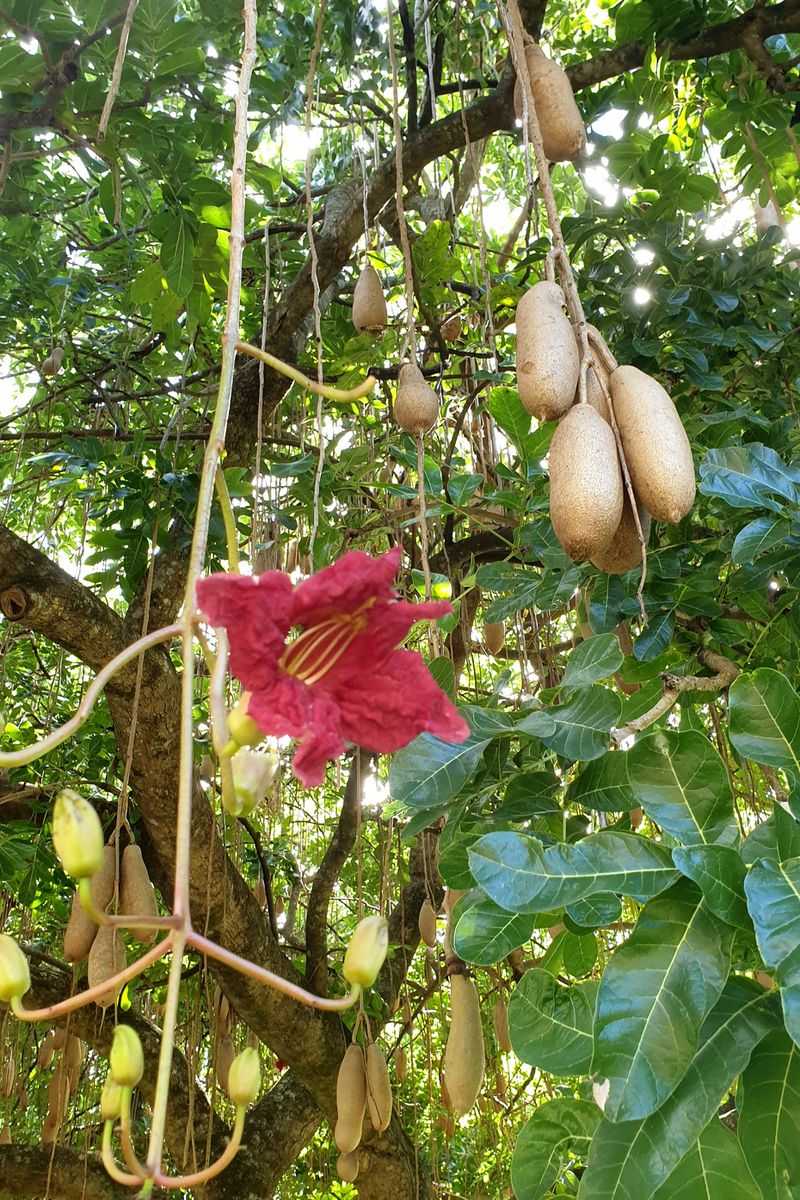
Known for its peculiar sausage-shaped fruits, Kigelia Africana is a sight that intrigues. These trees, often found in African food forests, boast medicinal properties and are utilized in skincare and health products.
Their distinctive fruits are not just visually striking but serve as an important food source for wildlife. The tree’s blossoms attract a variety of bird species, adding to its ecological value.
Did you know? The fruit is used in traditional African rituals and is believed to possess spiritual significance.
Tiger Nut
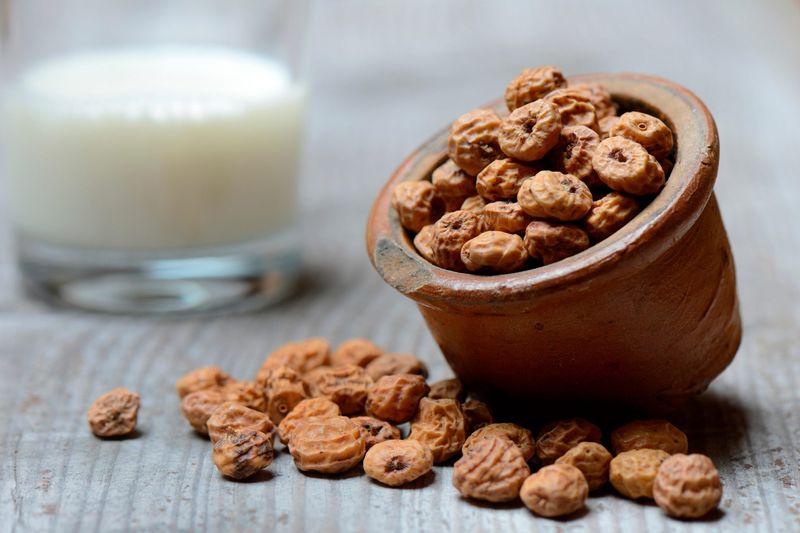
Despite its name, the Tiger Nut is actually a tuber, not a nut. It has a sweet, nutty flavor and is enjoyed in various forms, from milk to flour.
These small tubers are packed with fiber, making them a popular health food. They are also known for their prebiotic properties, supporting digestive health.
Curious fact: Tiger Nut milk is considered one of the earliest plant-based milks, dating back to ancient Egyptian times.
Hibiscus Sabdariffa
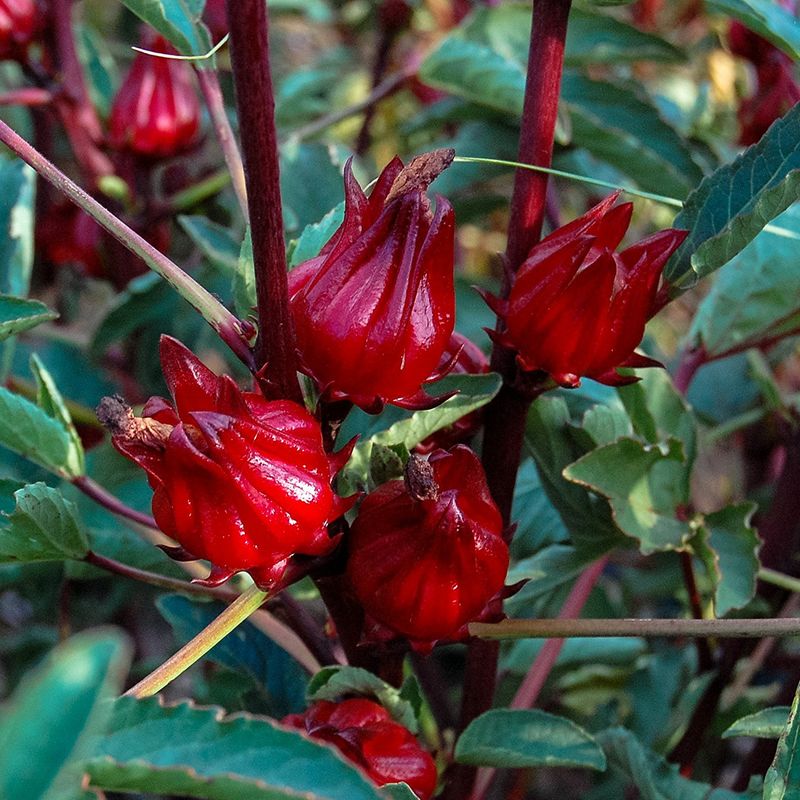
Hibiscus Sabdariffa enchants with its vivid red flowers. Commonly used in herbal teas, it’s cherished for its tart flavor and refreshing qualities.
Beyond its culinary uses, the plant is esteemed for its health benefits, including reducing blood pressure and aiding digestion. Its striking appearance also makes it a popular choice in ornamental gardening.
Trivia: The calyces of this plant are a crucial ingredient in the famous hibiscus tea, enjoyed worldwide for its vibrant color and taste.
African Cherry Orange
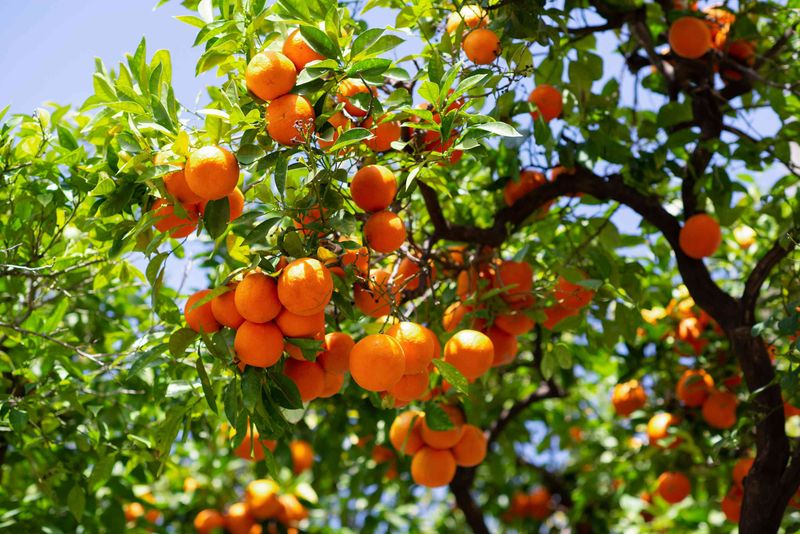
The African Cherry Orange is a delightful addition to food forests, with its small, juicy fruits offering a burst of citrus flavor. These fruits are not only refreshing but are packed with vitamin C.
The tree itself is hardy, adapting well to various environmental conditions, making it a reliable fruit source. Its fruits are often used in beverages and desserts, adding a zesty twist.
Did you know? Despite its name, the African Cherry Orange is more closely related to tangerines than cherries.