 Complete Gardening
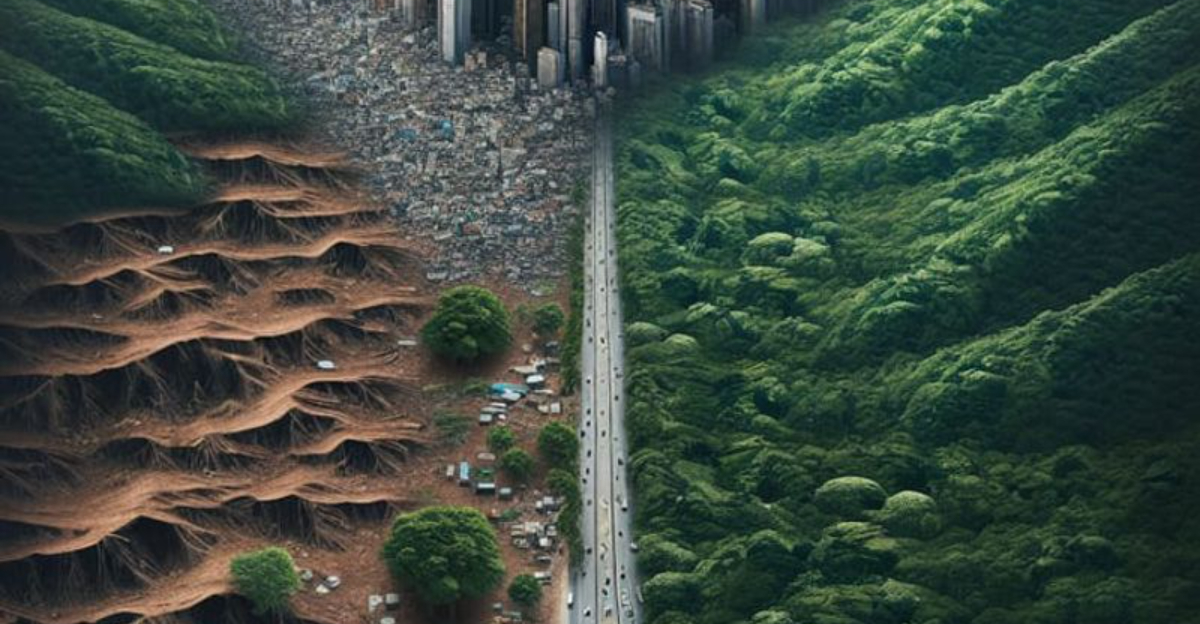
Deforestation is not just a modern concern; it’s a pressing issue that alters the very fabric of our planet.
This article delves into nine critical ways deforestation is reshaping our world, affecting biodiversity, climate, water cycles, and human communities.
Each fact highlights the intricate connections between forests and global well-being, reminding us of the urgent need for sustainable practices.
1. Loss of Biodiversity
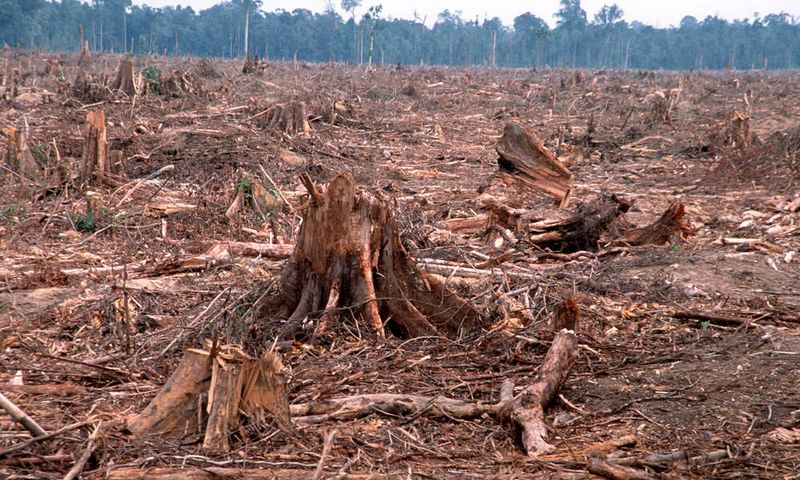
Did you know that over 80% of our planet’s terrestrial animals, plants, and fungi call forests their home? Deforestation disrupts these ecosystems, leading to habitat destruction and the potential extinction of iconic species like orangutans and tigers. The removal of even a single species can destabilize interconnected food chains, causing ripple effects throughout the ecosystem. These vibrant habitats, once thriving with life, face an uncertain future as their inhabitants struggle to survive.
2. Accelerating Climate Change
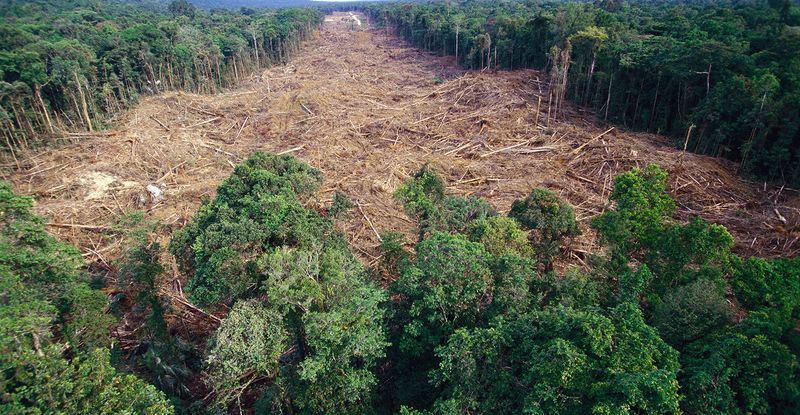
Forests act as carbon sinks, absorbing nearly 30% of global carbon dioxide emissions. However, deforestation releases vast amounts of CO₂ back into the atmosphere, exacerbating global warming. The albedo effect, where cleared land reflects sunlight, further alters climate patterns. As trees vanish, global temperatures rise, and weather systems become increasingly erratic and unpredictable. The delicate balance of our planet’s climate is at risk without these essential carbon absorbers.
3. Water Cycle Disruption
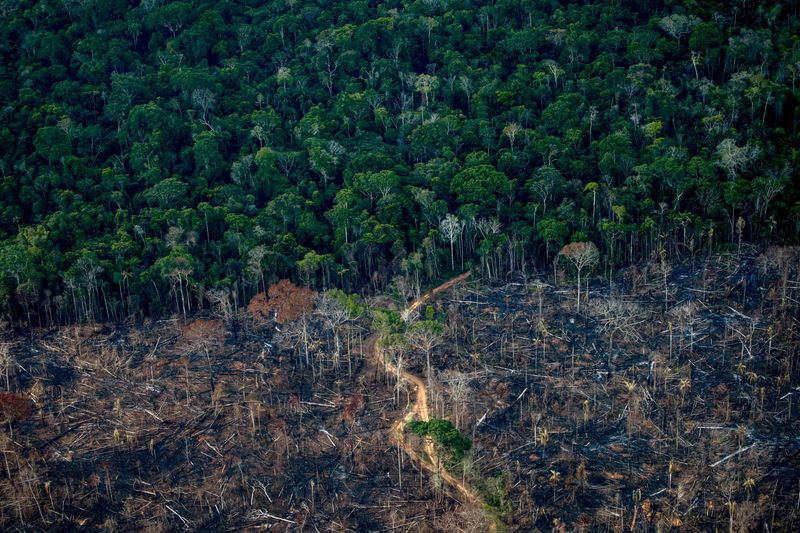
Trees play a crucial role in the water cycle by releasing water vapor into the atmosphere. Without forests, local climates experience reduced rainfall, increasing the risk of drought and desertification. Additionally, the absence of trees leads to increased soil runoff, polluting and destabilizing river systems. These changes can have severe impacts on agriculture and water availability, threatening the livelihoods of communities that depend on stable water resources.
4. Soil Degradation
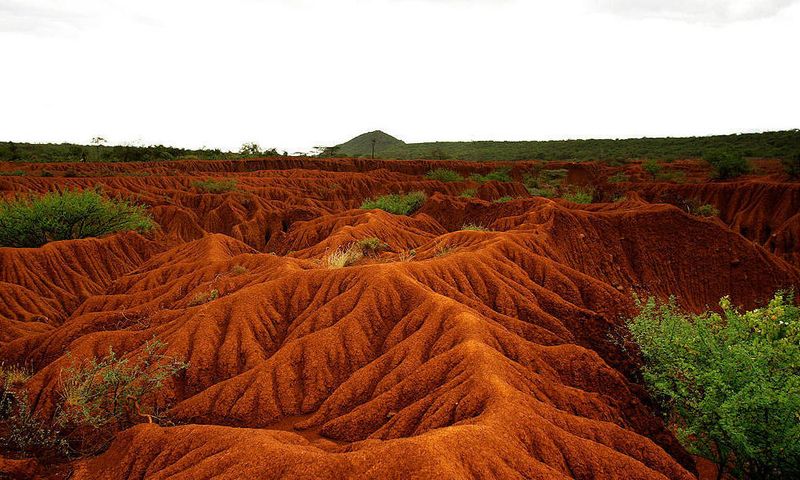
When forests are cleared, the land loses its protective cover, exposing the soil to erosion. Without tree roots to bind it, wind and rain strip the land of its nutrients, rendering it infertile. This degradation impacts agriculture, leading to reduced crop yields and threatening food security. Moreover, the stability once provided by root systems vanishes, increasing the likelihood of landslides, which pose a danger to nearby communities and infrastructure.
5. Increased Zoonotic Diseases
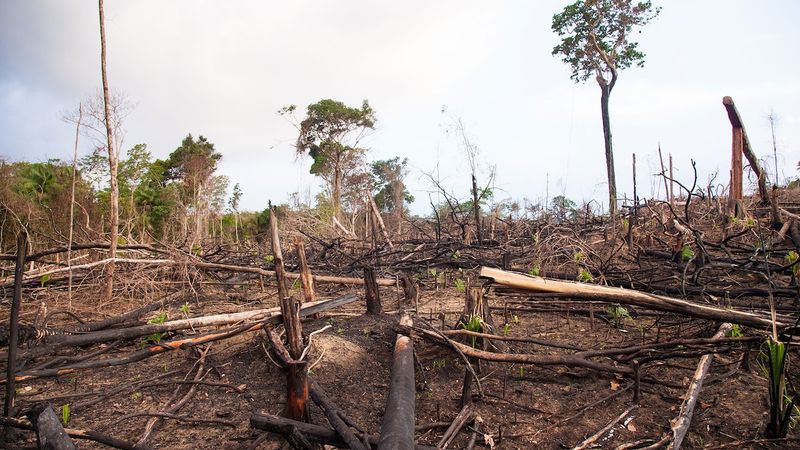
As forests shrink, the boundary between human settlements and wildlife habitats blurs. This increased interaction heightens the risk of zoonotic diseases, such as Ebola and Zika, spreading to human populations. The disruption of natural ecosystems can lead to pandemics, affecting global health and economies. The close proximity of humans and wildlife in deforested areas creates a breeding ground for viruses, highlighting the need for preserving these critical habitats for our safety.
6. Impact on Indigenous Communities
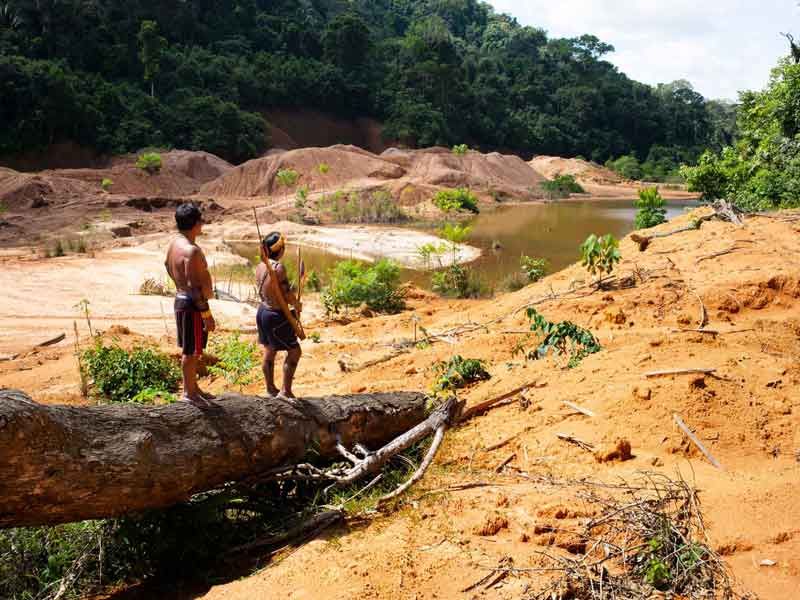
Forests are integral to the identity, tradition, and livelihood of many Indigenous peoples. Deforestation erodes their cultural heritage, forcing displacement and social hardships. As these communities are uprooted, they lose centuries of ecological knowledge that could aid in conservation efforts. The loss of forests disrupts their way of life, leading to economic challenges and diminishing their cultural continuity. Protecting these environments is crucial for preserving Indigenous rights and knowledge.
7. Urban and Economic Pressures
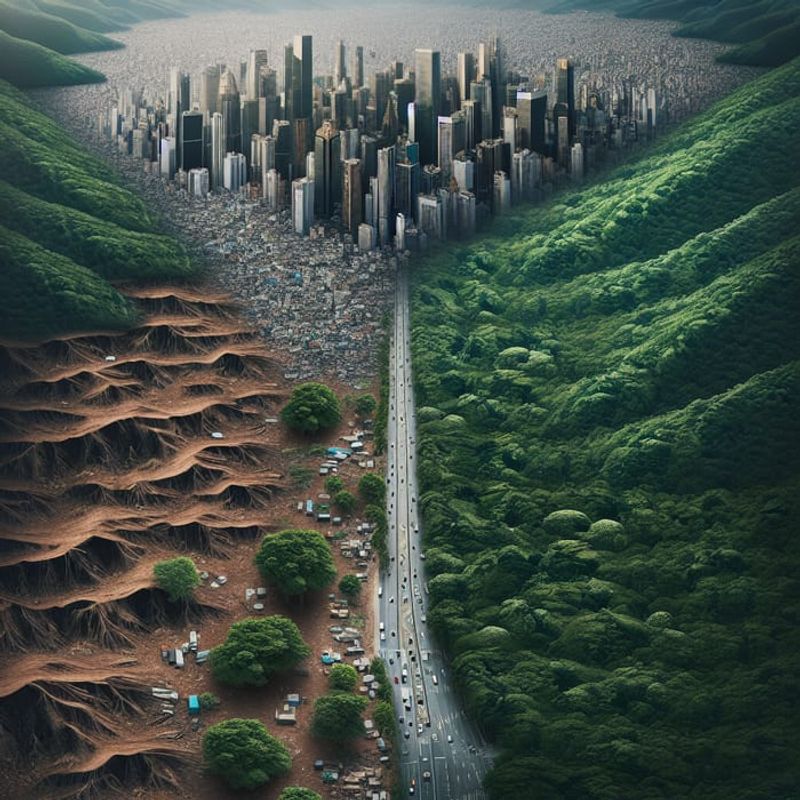
Deforestation often paves the way for agricultural expansion and urban development. Forests are cleared for monoculture farming, such as soy and palm oil, and for infrastructure projects. This not only fragments wildlife corridors but also undermines sustainable forestry practices. Illegal logging, driven by global demand, further exacerbates the situation, affecting local economies. As urban areas expand, the pressure on forests intensifies, threatening biodiversity and ecological balance.
8. The Long-Term Consequences
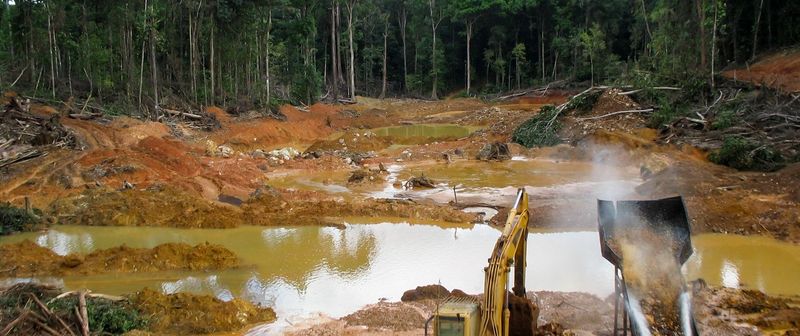
Scientists caution that losing too much forest, like the Amazon, could lead to irreversible ecological damage. These tipping points may result in a legacy of loss, with many areas taking centuries to recover, if ever. The unequal distribution of deforestation’s effects means poorer nations suffer the most, while developed countries benefit from forest-derived products. The long-term consequences of deforestation underscore the urgent need to protect these vital ecosystems for future generations.
9. What Can Be Done?
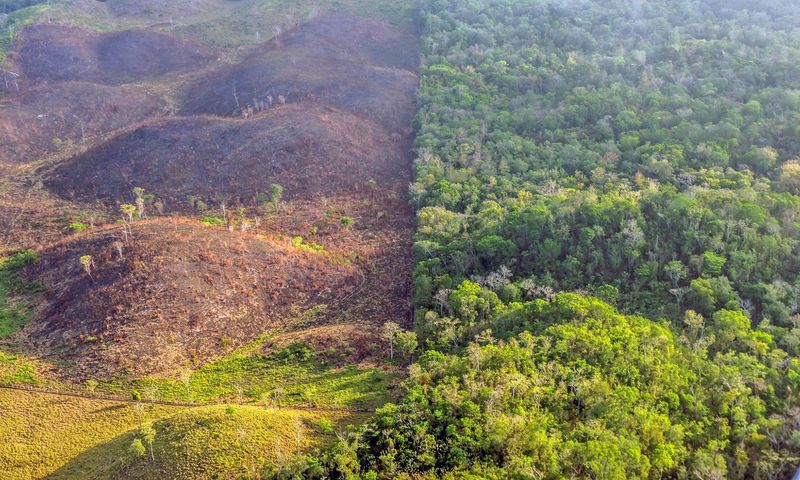
While deforestation poses significant challenges, there are steps we can take to mitigate its impacts. Supporting reforestation projects and buying certified sustainable products can make a difference. Advocacy for policy reform and stronger enforcement is crucial, along with educating others about the issue. Empowering Indigenous land rights also plays a role in conservation efforts. Each action, no matter how small, contributes to safeguarding our planet’s forests and ensuring a healthier future.